

Safeguard humanity’s agricultural heritage through modern digital seed banks and preservation systems that protect critical genetic diversity for future generations. These sophisticated digital vaults combine temperature-controlled storage, detailed genetic mapping, and cloud-based documentation to maintain viable seed collections indefinitely. Beyond mere storage, today’s preservation systems track germination rates, document indigenous growing practices, and create searchable databases of vital crop varieties. For farmers and researchers alike, these systems serve as living libraries of agricultural biodiversity, safeguarding rare heirloom varieties and ensuring food security in the face of climate change. By digitizing traditional knowledge alongside genetic resources, these preservation networks connect local farming communities while protecting centuries of agricultural wisdom for tomorrow’s growers.
What Makes Digital Seed Preservation Essential
Traditional vs. Digital Preservation Methods
Traditional seed preservation methods, such as drying and storing seeds in paper envelopes or glass jars, have served farmers well for generations. While these seed preservation techniques remain valuable, digital systems now offer enhanced capabilities for maintaining seed viability and genetic diversity.
Modern digital preservation combines traditional wisdom with technology, using climate-controlled storage units monitored by sensors that track temperature, humidity, and light exposure. These systems automatically adjust conditions to maintain optimal preservation environments, something that was previously done manually through regular checking and adjusting.
Digital tracking systems also allow farmers to maintain detailed records of seed varieties, germination rates, and storage conditions. Unlike traditional paper logs, digital databases can store vast amounts of information, making it easier to track seed lineage, share data with other growers, and ensure the long-term survival of precious heirloom varieties.

Benefits for Local Farmers and Communities
Digital preservation systems have revolutionized how local farmers maintain and share their seed heritage, leading to stronger and more resilient farming communities. These systems enable farmers to document traditional growing methods, track successful crop varieties, and share knowledge with neighboring farms. By digitally cataloging their seed collections, farmers can better plan crop rotations, predict yields, and maintain crop diversity.
The technology also helps create valuable connections between farmers and local food organizations, fostering community-supported agriculture programs and farmers’ markets. Small-scale farmers can now efficiently manage their seed inventory, reducing waste and improving profitability. This digital approach has proven particularly beneficial for organic farmers, who can better track their heirloom varieties and maintain detailed records for certification purposes.
Many farming communities have reported increased collaboration and knowledge sharing since adopting these systems, leading to improved crop resilience and better market opportunities. The preservation of local seed varieties has also helped strengthen food security and cultural heritage in rural areas.
Core Components of Digital Seed Libraries
Cataloging and Classification Systems
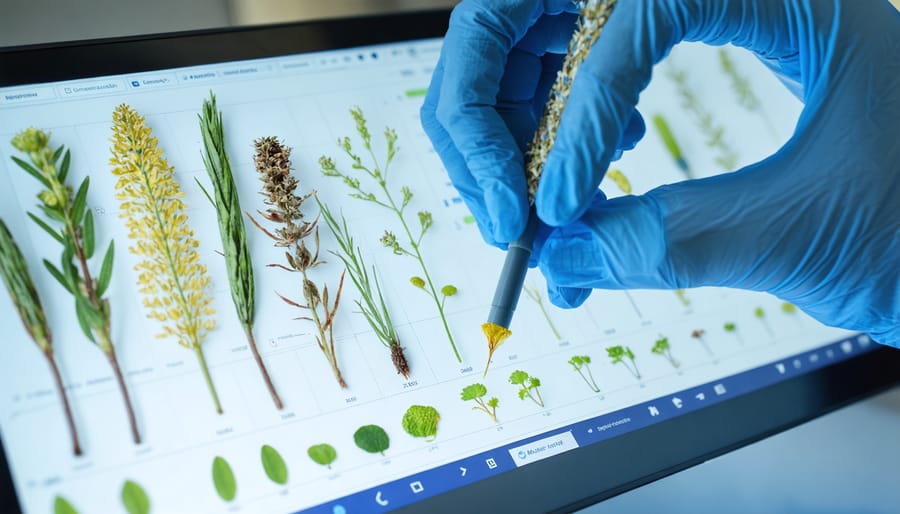
Modern digital preservation systems employ sophisticated cataloging methods to keep track of seed collections effectively. Each seed variety is assigned a unique identifier and documented with detailed information including species name, variety, source location, harvest date, and germination rates. Many systems use standardized classification schemes like the International Code of Nomenclature for Cultivated Plants (ICNCP) to ensure consistency across different collections.
Digital platforms often incorporate searchable databases with multiple filtering options, making it easy for farmers and researchers to locate specific varieties. High-resolution photographs, growth characteristics, and historical cultivation data are linked to each entry, providing a comprehensive profile for every seed type. Some advanced systems also include GPS coordinates for wild-collected specimens and environmental conditions from their original habitats.
Tags and keywords help organize seeds by characteristics such as drought tolerance, disease resistance, or culinary uses. Cross-referencing capabilities allow users to track relationships between different varieties and their parent plants, essential for breeding programs and maintaining genetic diversity. Regular database updates ensure that germination test results and storage conditions are current, helping preserve the viability of these precious genetic resources.
Educational Resources Integration
Digital preservation systems often include valuable educational components that make learning about seed saving and sustainable agriculture more accessible. These integrated resources typically feature step-by-step guides, video tutorials, and interactive modules that help users understand proper seed storage techniques and preservation methods.
Many systems offer downloadable worksheets and planting calendars that farmers and gardeners can use to track their preservation efforts throughout the growing season. Virtual workshops and webinars connect users with experienced seed savers and agricultural experts, creating opportunities for real-time learning and problem-solving.
Documentation tools within these systems allow users to record their experiences, successes, and challenges, creating a valuable knowledge base for future reference. Some platforms include community forums where users can share tips and ask questions, fostering a collaborative learning environment.
For educators and agricultural programs, these systems often provide curriculum materials and lesson plans that can be integrated into formal training programs, making them particularly valuable for agricultural education initiatives and community garden projects.
Real-World Applications
Community Seed Libraries
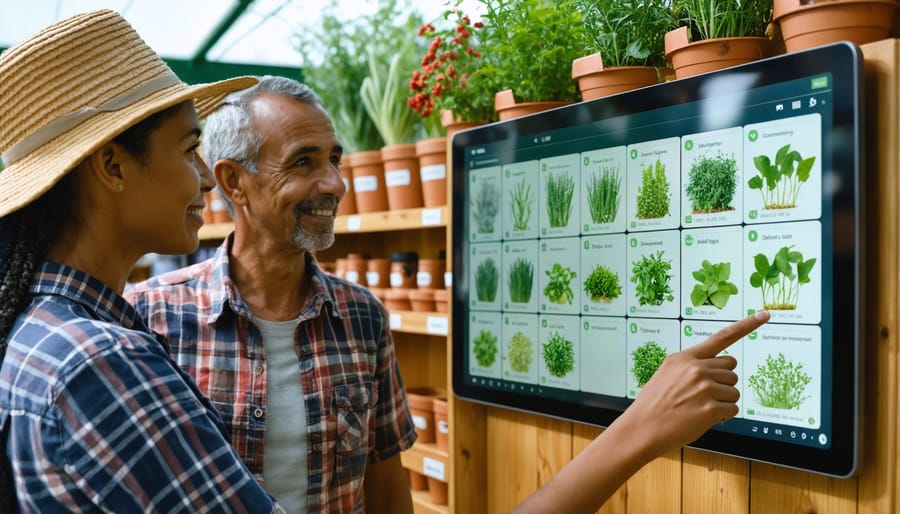
Local communities are increasingly embracing community seed libraries supported by digital preservation systems to maintain and share their agricultural heritage. These innovative platforms combine traditional seed-saving practices with modern technology, creating accessible databases that track seed varieties, growing conditions, and success rates.
Digital tools help members catalog their seeds, record planting dates, and share growing tips through user-friendly interfaces. Many communities use cloud-based systems to manage seed inventories, allowing members to browse available varieties online and reserve seeds for the upcoming growing season. These platforms often include features for documenting germination rates, harvest yields, and specific growing conditions that worked best in local environments.
Success stories abound, like the Green Thumb Initiative in Portland, where their digital seed library system helped preserve over 200 heirloom varieties in just two years. Members can scan QR codes on seed packets to access detailed growing instructions, view photos of mature plants, and connect with experienced growers in their area.
The digital aspect of these libraries ensures that valuable growing information isn’t lost between seasons. Weather patterns, pest challenges, and successful growing techniques are recorded and shared, creating a knowledge base that strengthens local food security and promotes biodiversity. This blend of traditional wisdom and modern technology helps ensure these vital resources remain available for future generations.
Research Institutions and Universities
Research institutions and universities play a vital role in advancing digital preservation technologies and practices. These academic centers serve as living laboratories where innovative preservation methods are developed, tested, and refined. For example, Cornell University’s Digital Preservation Program has pioneered numerous techniques for maintaining digital collections, while offering valuable resources to smaller institutions and community organizations.
Universities often collaborate with libraries and archives to create comprehensive digital preservation strategies. These partnerships have led to breakthrough developments in storage solutions, metadata management, and long-term accessibility protocols. The University of Michigan’s Digital Preservation Network, for instance, has helped numerous organizations implement sustainable preservation practices while training the next generation of digital archivists.
Academic institutions also provide essential educational resources and training programs. Through workshops, online courses, and certification programs, they help professionals develop the skills needed to manage digital preservation systems effectively. Many universities maintain experimental digital archives where students can gain hands-on experience with preservation tools and techniques.
The research conducted at these institutions often focuses on making digital preservation more accessible and cost-effective for smaller organizations. By developing open-source solutions and sharing best practices, universities help democratize access to preservation technology, ensuring that valuable digital content can be preserved regardless of an organization’s size or budget.
Getting Started with Digital Seed Preservation
Starting your digital seed preservation journey doesn’t have to be complicated. Begin by creating a dedicated digital workspace on your computer, organizing folders by seed varieties, growing seasons, and preservation dates. A simple spreadsheet can serve as your digital seed inventory, tracking essential details like germination rates, harvest dates, and storage conditions.
Next, invest in basic digitization equipment. A good quality scanner or high-resolution camera is essential for capturing detailed images of your seeds and their original packaging. Take multiple photos from different angles, ensuring clear visibility of size, color, and unique characteristics. Remember to include a size reference in your photos, such as a ruler or coin.
Document your preservation process using note-taking apps or digital journals. Record important information about each seed variety, including:
– Source and acquisition date
– Growing conditions and requirements
– Success rates and challenges
– Special care instructions
– Traditional uses and cultural significance
Back up your digital records regularly using cloud storage services or external hard drives. Consider using preservation-specific software that can help manage your seed database and generate detailed reports. Many of these programs offer features like environmental monitoring, inventory tracking, and genealogy mapping.
Create a simple naming convention for your files that includes the date, variety name, and any specific identifiers. This makes it easier to search and organize your digital archive as it grows. Share your knowledge with other seed savers through online communities and digital platforms, contributing to the broader mission of seed preservation while learning from others’ experiences.
Start small with a few varieties and expand your digital preservation efforts as you become more comfortable with the process. Remember, consistent documentation is key to building a valuable digital seed library for future generations.
Digital seed preservation systems represent a crucial bridge between traditional farming wisdom and modern technology, ensuring the survival of valuable plant genetics for future generations. As climate change and environmental challenges continue to impact agriculture, these digital systems provide a robust framework for protecting and managing seed diversity. The growing adoption of these technologies by seed banks, research institutions, and farming communities worldwide demonstrates their vital role in sustainable agriculture.
Looking ahead, we can expect to see even more sophisticated preservation systems incorporating artificial intelligence, blockchain technology, and advanced environmental monitoring. These innovations will make seed preservation more accessible to small-scale farmers while improving tracking and security measures. Community seed libraries are increasingly integrating digital tools to manage their collections, creating valuable networks of shared resources and knowledge.
The success of digital preservation systems ultimately depends on continued collaboration between farmers, technologists, and agricultural institutions. By embracing these tools while honoring traditional preservation methods, we can build a more resilient and sustainable future for agriculture, ensuring food security for generations to come.
