Daily Archives

4 Articles

Z-Seed Technology: Future-Proofing Your Garden Against Climate Change

Posted by darrell on
0
Seed Preservation and Biodiversity
Z-Seed Technology: Future-Proofing Your Garden Against Climate Change

Transform your garden’s resilience with z-seed, a breakthrough category of climate-smart seeds engineered to thrive in unpredictable weather conditions. These innovative seeds combine traditional breeding techniques with modern science to produce crops that withstand extreme temperatures, resist drought, and maintain high yields despite challenging growing conditions.

Unlike conventional seeds, z-seeds activate specific genetic traits when exposed to environmental stress, enabling plants to adapt in real-time to changing conditions. This revolutionary technology offers home gardeners and small-scale farmers a practical solution for maintaining consistent harvests throughout increasingly volatile growing seasons.

What makes z-seeds particularly remarkable is their ability to enhance soil health while producing more nutritious crops. By developing stronger root systems and improving nutrient uptake, these seeds create a more sustainable and resilient garden ecosystem that becomes stronger with each growing cycle.

For gardeners seeking food security and environmental sustainability, z-seeds represent the next evolution in climate-adaptive agriculture. Whether you’re growing tomatoes on your balcony or managing a small market garden, these seeds provide the reliability and performance needed in today’s changing climate.

What Makes Z-Seed Different?

Drought Tolerance Features

Z-seed varieties showcase remarkable adaptations to water-scarce conditions, making them invaluable for sustainable farming in challenging climates. These specialized seeds have been developed to maintain productivity even when water is limited, demonstrating how seed diversity for resilience can help farmers adapt to changing weather patterns.

The secret lies in their enhanced root systems, which grow deeper into the soil to access water reserves other plants can’t reach. These seeds also develop stronger cell walls that help prevent water loss during dry spells. Many z-seed varieties feature specialized leaf structures with a waxy coating that reduces evaporation and smaller leaf surfaces that require less water to maintain.

What makes z-seeds particularly remarkable is their ability to enter a state of dormancy when water is scarce, essentially pressing pause on their growth until conditions improve. Once water becomes available again, they quickly resume growing without significant yield loss. This natural efficiency means gardeners can maintain productive plots while using up to 30% less water compared to conventional varieties.

Side-by-side comparison of withered traditional plants and thriving z-seed plants during drought
Split-screen comparison showing traditional seed vs z-seed plant growth under drought conditions

Temperature Resilience

Z-seed varieties have been specifically engineered to withstand extreme temperature fluctuations, making them ideal for regions experiencing unpredictable weather patterns. These seeds can maintain their viability in temperatures ranging from 35°F to 95°F (2°C to 35°C), offering remarkable flexibility for various growing seasons and climate zones.

What makes these seeds particularly impressive is their ability to germinate even after exposure to brief temperature spikes or drops. During testing, z-seeds demonstrated a 90% germination rate after experiencing temperature stress, compared to traditional seeds which often show significant decline in similar conditions.

Local farmer Sarah Martinez from Arizona shares, “Z-seeds have been a game-changer for my desert garden. Even during our scorching summers, these plants continue to thrive when other varieties struggle.” Similarly, in colder regions, growers report successful harvests well into the early frost season.

This temperature resilience doesn’t just protect the seeds – it extends to the mature plants as well, resulting in more reliable crop yields throughout challenging weather conditions. For home gardeners, this means less worry about unexpected heat waves or cold snaps damaging their carefully tended plants.

Growing Z-Seed Varieties in Your Garden

Illustrated diagram demonstrating correct z-seed planting techniques
Step-by-step visual guide showing proper z-seed planting depth, spacing, and soil preparation

Best Planting Practices

For successful z-seed planting, timing is everything. Start by preparing your soil in early spring, once the ground temperature reaches at least 55°F (13°C). The soil should be well-draining and enriched with organic matter for optimal results.

Begin by creating shallow furrows about 1/2 inch deep, spacing them 12-15 inches apart. Place z-seeds individually, maintaining 4-6 inches between each seed. A helpful trick is to use a ruler or marked string to ensure consistent spacing.

Water the planted area thoroughly but gently to avoid displacing the seeds. Keep the soil consistently moist but not waterlogged during the germination period, which typically takes 7-10 days. Once seedlings emerge, maintain regular watering schedules, preferably in the morning.

Thin the seedlings when they reach about 2 inches tall, keeping the strongest plants. Apply a layer of organic mulch around the plants to retain moisture and suppress weeds. This also helps maintain stable soil temperatures.

For continuous harvests, practice succession planting by sowing new batches every 2-3 weeks throughout the growing season. In warmer climates, you can plant z-seeds from early spring through late summer. In cooler regions, focus your planting between late spring and mid-summer.

Remember to monitor your plants regularly for signs of stress or pest issues, and adjust care accordingly. Many gardeners find success by keeping a planting journal to track their timing and results.

Maintenance Tips

To ensure your z-seed thrives, maintaining optimal growing conditions is crucial. Start by monitoring soil moisture levels daily, keeping the soil consistently moist but not waterlogged. A moisture meter can help you achieve the perfect balance, especially during the germination phase.

Temperature control plays a vital role in z-seed success. Maintain greenhouse or indoor temperatures between 68-75°F (20-24°C) during the day and slightly cooler at night. Use a thermometer to track conditions and adjust ventilation as needed.

Regular fertilization is essential, but less is more. Apply an organic, balanced fertilizer every 4-6 weeks during the growing season. Watch for signs of nutrient deficiency, such as yellowing leaves or stunted growth, and adjust your feeding schedule accordingly.

Practice good garden hygiene by removing any dead or diseased plant material promptly. This prevents pest problems and fungal diseases that can affect your z-seed crops. Additionally, implementing proper seed storage techniques between growing seasons will maintain seed viability and ensure successful future plantings.

For outdoor plantings, install wind barriers if needed and consider using row covers during extreme weather events. These protective measures help create a stable microclimate that promotes healthy growth and maximizes your z-seed’s resilience.

Smiling farmer showcasing healthy z-seed crops on their farm
Portrait of a local farmer standing in their successful z-seed crop field

Success Stories from Local Farmers

The impact of z-seed technology is best illustrated through the experiences of local farmers who’ve embraced this innovative approach. Sarah Martinez, a CSA farmer in California’s Central Valley, reported a 40% increase in crop yield after implementing z-seed in her drought-prone fields. “What amazed me most wasn’t just the higher yields, but how my vegetables maintained their flavor and nutritional value even during our toughest summer months,” she shares.

In Vermont, the Miller Family Farm faced challenges with their short growing season. After switching to z-seed varieties, they extended their harvest period by nearly three weeks on both ends of the season. “We’re now able to offer our CSA members fresh produce longer than ever before,” explains Tom Miller. “Plus, our energy costs have decreased since these plants require less intensive care.”

Urban farmer Jessica Chen in Chicago transformed a small community garden into a thriving mini-farm using z-seed. “In our first year, we produced enough food to support 15 families through our CSA program. The plants’ resilience to urban stress factors like pollution and temperature fluctuations has been remarkable,” she notes.

Perhaps most inspiring is the story of the Green Valley Cooperative in New Mexico, where five small-scale farmers pooled resources to implement z-seed across their combined 20 acres. Within two growing seasons, they reduced water usage by 30% while increasing their CSA membership from 50 to 125 families.

These success stories demonstrate how z-seed technology is helping local farmers create more sustainable and productive agricultural systems while strengthening community food security.

Where to Find Z-Seed Varieties

Z-seed varieties are becoming increasingly accessible through various channels, making it easier for gardeners and small-scale farmers to incorporate these climate-resilient seeds into their growing plans. Local seed companies and agricultural cooperatives often stock region-specific Z-seed varieties, ensuring they’re well-adapted to your specific growing conditions.

Many independent garden centers and nurseries now carry Z-seed selections, particularly those focusing on sustainable and organic gardening practices. Online seed retailers have also expanded their offerings, with companies like Baker Creek Heirloom Seeds, Johnny’s Selected Seeds, and High Mowing Organic Seeds featuring diverse Z-seed collections.

Community-based seed saving networks are excellent resources for finding and sharing Z-seed varieties. These networks often organize seed swaps and maintain seed libraries where members can access and contribute to the growing collection of adaptive seeds.

Agricultural extension offices and university research programs frequently partner with local farmers to distribute Z-seed varieties. Many of these institutions offer trial programs where gardeners can test new varieties and provide feedback on their performance.

For those interested in bulk quantities, agricultural supply stores and farming cooperatives often provide wholesale options. Some seed companies also offer special pricing for community gardens and farming collectives, making it more affordable to experiment with multiple Z-seed varieties.

Z-seed varieties represent a significant leap forward in sustainable agriculture, offering hope for both small-scale gardeners and farmers facing climate challenges. These innovative seeds have proven their worth through improved drought resistance, better yields, and enhanced nutritional content – all while maintaining organic growing principles. Success stories from community gardens and family farms demonstrate how z-seed varieties can thrive in diverse growing conditions while reducing water usage and chemical inputs. As climate patterns continue to shift, these adaptable seeds will likely play an increasingly vital role in food security and sustainable agriculture. Looking ahead, ongoing research and development of new z-seed varieties promises even more resilient and productive options for environmentally conscious growers. By choosing z-seed varieties, gardeners and farmers aren’t just growing food – they’re participating in the future of sustainable agriculture.

How Digital Seed Libraries Are Saving Agriculture’s Future

Posted by darrell on
0
Seed Preservation and Biodiversity
How Digital Seed Libraries Are Saving Agriculture’s Future

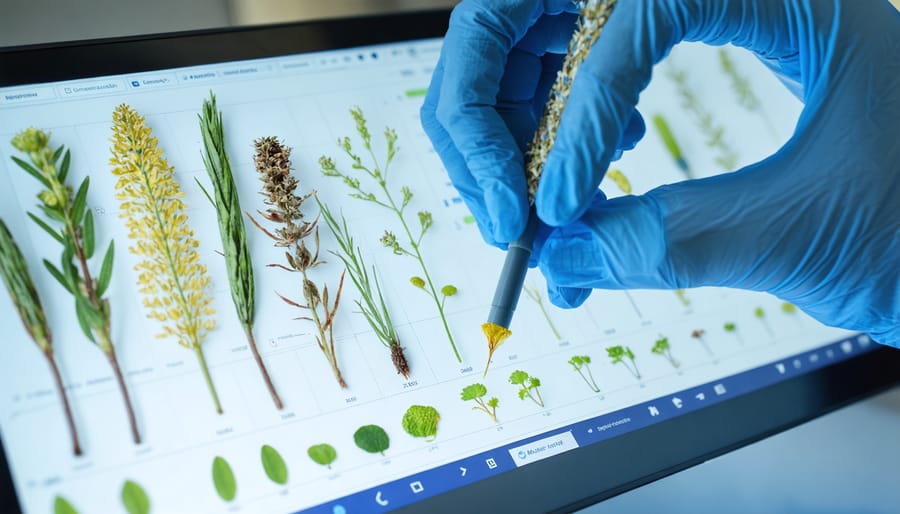
Safeguard humanity’s agricultural heritage through modern digital seed banks and preservation systems that protect critical genetic diversity for future generations. These sophisticated digital vaults combine temperature-controlled storage, detailed genetic mapping, and cloud-based documentation to maintain viable seed collections indefinitely. Beyond mere storage, today’s preservation systems track germination rates, document indigenous growing practices, and create searchable databases of vital crop varieties. For farmers and researchers alike, these systems serve as living libraries of agricultural biodiversity, safeguarding rare heirloom varieties and ensuring food security in the face of climate change. By digitizing traditional knowledge alongside genetic resources, these preservation networks connect local farming communities while protecting centuries of agricultural wisdom for tomorrow’s growers.

What Makes Digital Seed Preservation Essential

Traditional vs. Digital Preservation Methods

Traditional seed preservation methods, such as drying and storing seeds in paper envelopes or glass jars, have served farmers well for generations. While these seed preservation techniques remain valuable, digital systems now offer enhanced capabilities for maintaining seed viability and genetic diversity.

Modern digital preservation combines traditional wisdom with technology, using climate-controlled storage units monitored by sensors that track temperature, humidity, and light exposure. These systems automatically adjust conditions to maintain optimal preservation environments, something that was previously done manually through regular checking and adjusting.

Digital tracking systems also allow farmers to maintain detailed records of seed varieties, germination rates, and storage conditions. Unlike traditional paper logs, digital databases can store vast amounts of information, making it easier to track seed lineage, share data with other growers, and ensure the long-term survival of precious heirloom varieties.

Side-by-side comparison of traditional physical seed storage versus digital seed library interface
Split-screen comparison showing traditional seed storage methods (paper envelopes, jars) alongside modern digital cataloging system on computer screen

Benefits for Local Farmers and Communities

Digital preservation systems have revolutionized how local farmers maintain and share their seed heritage, leading to stronger and more resilient farming communities. These systems enable farmers to document traditional growing methods, track successful crop varieties, and share knowledge with neighboring farms. By digitally cataloging their seed collections, farmers can better plan crop rotations, predict yields, and maintain crop diversity.

The technology also helps create valuable connections between farmers and local food organizations, fostering community-supported agriculture programs and farmers’ markets. Small-scale farmers can now efficiently manage their seed inventory, reducing waste and improving profitability. This digital approach has proven particularly beneficial for organic farmers, who can better track their heirloom varieties and maintain detailed records for certification purposes.

Many farming communities have reported increased collaboration and knowledge sharing since adopting these systems, leading to improved crop resilience and better market opportunities. The preservation of local seed varieties has also helped strengthen food security and cultural heritage in rural areas.

Core Components of Digital Seed Libraries

Laboratory technician digitally cataloging seed specimens using specialized equipment
Close-up of scientist scanning seed specimens with detailed data entry interface visible on monitor

Cataloging and Classification Systems

Modern digital preservation systems employ sophisticated cataloging methods to keep track of seed collections effectively. Each seed variety is assigned a unique identifier and documented with detailed information including species name, variety, source location, harvest date, and germination rates. Many systems use standardized classification schemes like the International Code of Nomenclature for Cultivated Plants (ICNCP) to ensure consistency across different collections.

Digital platforms often incorporate searchable databases with multiple filtering options, making it easy for farmers and researchers to locate specific varieties. High-resolution photographs, growth characteristics, and historical cultivation data are linked to each entry, providing a comprehensive profile for every seed type. Some advanced systems also include GPS coordinates for wild-collected specimens and environmental conditions from their original habitats.

Tags and keywords help organize seeds by characteristics such as drought tolerance, disease resistance, or culinary uses. Cross-referencing capabilities allow users to track relationships between different varieties and their parent plants, essential for breeding programs and maintaining genetic diversity. Regular database updates ensure that germination test results and storage conditions are current, helping preserve the viability of these precious genetic resources.

Educational Resources Integration

Digital preservation systems often include valuable educational components that make learning about seed saving and sustainable agriculture more accessible. These integrated resources typically feature step-by-step guides, video tutorials, and interactive modules that help users understand proper seed storage techniques and preservation methods.

Many systems offer downloadable worksheets and planting calendars that farmers and gardeners can use to track their preservation efforts throughout the growing season. Virtual workshops and webinars connect users with experienced seed savers and agricultural experts, creating opportunities for real-time learning and problem-solving.

Documentation tools within these systems allow users to record their experiences, successes, and challenges, creating a valuable knowledge base for future reference. Some platforms include community forums where users can share tips and ask questions, fostering a collaborative learning environment.

For educators and agricultural programs, these systems often provide curriculum materials and lesson plans that can be integrated into formal training programs, making them particularly valuable for agricultural education initiatives and community garden projects.

Real-World Applications

Community Seed Libraries

Local communities are increasingly embracing community seed libraries supported by digital preservation systems to maintain and share their agricultural heritage. These innovative platforms combine traditional seed-saving practices with modern technology, creating accessible databases that track seed varieties, growing conditions, and success rates.

Digital tools help members catalog their seeds, record planting dates, and share growing tips through user-friendly interfaces. Many communities use cloud-based systems to manage seed inventories, allowing members to browse available varieties online and reserve seeds for the upcoming growing season. These platforms often include features for documenting germination rates, harvest yields, and specific growing conditions that worked best in local environments.

Success stories abound, like the Green Thumb Initiative in Portland, where their digital seed library system helped preserve over 200 heirloom varieties in just two years. Members can scan QR codes on seed packets to access detailed growing instructions, view photos of mature plants, and connect with experienced growers in their area.

The digital aspect of these libraries ensures that valuable growing information isn’t lost between seasons. Weather patterns, pest challenges, and successful growing techniques are recorded and shared, creating a knowledge base that strengthens local food security and promotes biodiversity. This blend of traditional wisdom and modern technology helps ensure these vital resources remain available for future generations.

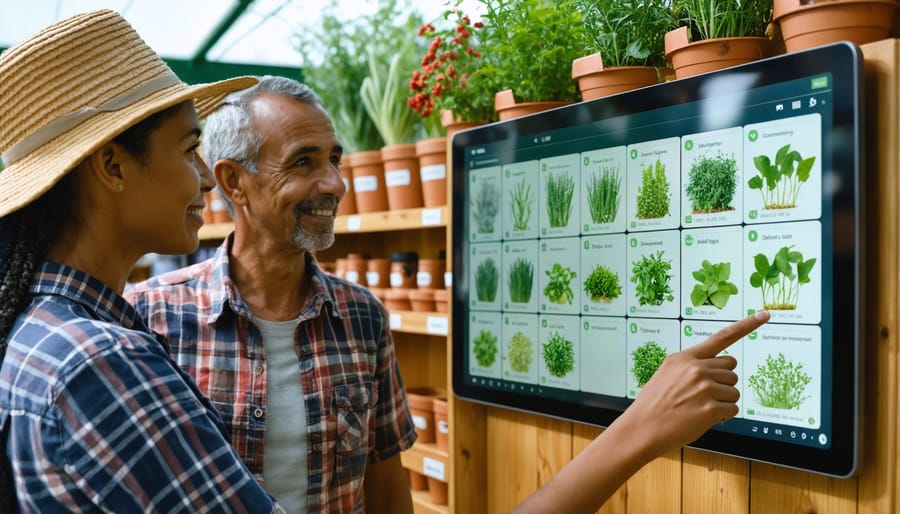
People using interactive digital seed library terminal at community center
Community members accessing digital seed library at local agricultural center, with interactive touchscreen display showing seed database

Research Institutions and Universities

Research institutions and universities play a vital role in advancing digital preservation technologies and practices. These academic centers serve as living laboratories where innovative preservation methods are developed, tested, and refined. For example, Cornell University’s Digital Preservation Program has pioneered numerous techniques for maintaining digital collections, while offering valuable resources to smaller institutions and community organizations.

Universities often collaborate with libraries and archives to create comprehensive digital preservation strategies. These partnerships have led to breakthrough developments in storage solutions, metadata management, and long-term accessibility protocols. The University of Michigan’s Digital Preservation Network, for instance, has helped numerous organizations implement sustainable preservation practices while training the next generation of digital archivists.

Academic institutions also provide essential educational resources and training programs. Through workshops, online courses, and certification programs, they help professionals develop the skills needed to manage digital preservation systems effectively. Many universities maintain experimental digital archives where students can gain hands-on experience with preservation tools and techniques.

The research conducted at these institutions often focuses on making digital preservation more accessible and cost-effective for smaller organizations. By developing open-source solutions and sharing best practices, universities help democratize access to preservation technology, ensuring that valuable digital content can be preserved regardless of an organization’s size or budget.

Getting Started with Digital Seed Preservation

Starting your digital seed preservation journey doesn’t have to be complicated. Begin by creating a dedicated digital workspace on your computer, organizing folders by seed varieties, growing seasons, and preservation dates. A simple spreadsheet can serve as your digital seed inventory, tracking essential details like germination rates, harvest dates, and storage conditions.

Next, invest in basic digitization equipment. A good quality scanner or high-resolution camera is essential for capturing detailed images of your seeds and their original packaging. Take multiple photos from different angles, ensuring clear visibility of size, color, and unique characteristics. Remember to include a size reference in your photos, such as a ruler or coin.

Document your preservation process using note-taking apps or digital journals. Record important information about each seed variety, including:
– Source and acquisition date
– Growing conditions and requirements
– Success rates and challenges
– Special care instructions
– Traditional uses and cultural significance

Back up your digital records regularly using cloud storage services or external hard drives. Consider using preservation-specific software that can help manage your seed database and generate detailed reports. Many of these programs offer features like environmental monitoring, inventory tracking, and genealogy mapping.

Create a simple naming convention for your files that includes the date, variety name, and any specific identifiers. This makes it easier to search and organize your digital archive as it grows. Share your knowledge with other seed savers through online communities and digital platforms, contributing to the broader mission of seed preservation while learning from others’ experiences.

Start small with a few varieties and expand your digital preservation efforts as you become more comfortable with the process. Remember, consistent documentation is key to building a valuable digital seed library for future generations.

Digital seed preservation systems represent a crucial bridge between traditional farming wisdom and modern technology, ensuring the survival of valuable plant genetics for future generations. As climate change and environmental challenges continue to impact agriculture, these digital systems provide a robust framework for protecting and managing seed diversity. The growing adoption of these technologies by seed banks, research institutions, and farming communities worldwide demonstrates their vital role in sustainable agriculture.

Looking ahead, we can expect to see even more sophisticated preservation systems incorporating artificial intelligence, blockchain technology, and advanced environmental monitoring. These innovations will make seed preservation more accessible to small-scale farmers while improving tracking and security measures. Community seed libraries are increasingly integrating digital tools to manage their collections, creating valuable networks of shared resources and knowledge.

The success of digital preservation systems ultimately depends on continued collaboration between farmers, technologists, and agricultural institutions. By embracing these tools while honoring traditional preservation methods, we can build a more resilient and sustainable future for agriculture, ensuring food security for generations to come.

Protect Your CSA Farm: Smart Solutions for Common Seasonal Diseases

Posted by darrell on
0
Seasonal Planning and Management
Protect Your CSA Farm: Smart Solutions for Common Seasonal Diseases

Seasonal diseases transform our local food systems throughout the year, challenging farmers and gardeners to adapt their growing practices with nature’s rhythm. From spring’s dampness-loving fungi to winter’s storage rot challenges, these cyclical plant health issues directly impact the quality and quantity of our harvests. By understanding how diseases emerge and spread in different seasons, growers can implement proactive, organic solutions that protect crops while maintaining soil health and ecosystem balance.

Traditional farming wisdom, combined with modern sustainable practices, offers a roadmap for managing seasonal plant diseases effectively. Whether you’re tending a small garden plot or managing acres of CSA production, recognizing early warning signs and implementing season-specific preventive measures makes the difference between crop loss and abundance. This natural approach to disease management not only protects your plants but also strengthens their resilience against future challenges, creating a more sustainable and productive growing system.

Why Seasonal Diseases Matter in CSA Farming

For CSA farmers, understanding seasonal disease patterns is crucial for successful CSA planning and crop management. Unlike conventional farms that focus on a few crops, CSA operations typically grow diverse vegetables and fruits throughout the year, making them particularly vulnerable to seasonal disease challenges.

Each season brings its own set of potential plant health issues. Spring’s cool, wet conditions can foster fungal diseases like damping-off in seedlings, while summer’s heat and humidity create perfect conditions for powdery mildew and bacterial infections. Fall brings its own challenges with leaf spots and fruit rots, and winter greenhouse production must contend with humidity-related diseases.

What makes this especially significant for CSA farmers is the direct relationship with their members. When seasonal diseases affect crops, it impacts the weekly shares and, ultimately, member satisfaction. However, this challenge also presents an opportunity for education and community building. Many CSA farmers find that transparently sharing their disease management strategies helps members better understand the natural cycles of organic farming and appreciate the effort that goes into growing their food.

By anticipating seasonal disease patterns, farmers can implement preventive measures, adjust planting schedules, and maintain crop diversity to ensure consistent, healthy harvests throughout the growing season.

Spring Disease Challenges

Early Blight and Damping Off

Early blight and damping off are two common spring challenges that can affect young seedlings and established plants alike. Early blight appears as dark brown spots with concentric rings on lower leaves, gradually spreading upward and potentially devastating tomato and potato crops. Look for yellowing leaves and early defoliation as key indicators.

Damping off strikes at the seedling stage, causing stems to become thin and weak at soil level before toppling over. Prevention is your best defense – ensure proper air circulation, avoid overwatering, and maintain clean growing conditions. For organic management, try applying compost tea as a soil drench and maintaining proper plant spacing.

Consider using companion planting with aromatic herbs like basil and oregano, which naturally deter some pathogens. Adding a layer of organic mulch helps prevent soil splash onto leaves during rain, reducing disease spread. Regular monitoring and prompt removal of affected plant material will help keep these diseases in check while maintaining organic growing standards.

Comparison of healthy tomato leaves next to leaves showing early blight symptoms with dark spots and yellowing
Split image showing healthy vs. diseased tomato plants affected by early blight

Prevention Strategies for Spring

Early spring disease prevention starts with careful planning and proactive measures. Begin by ensuring proper soil drainage through raised beds or improved soil structure, as wet conditions often promote fungal growth. Maintain adequate spacing between plants to encourage airflow and reduce humidity around foliage.

Consider companion planting with disease-resistant varieties and natural pest-deterrent plants like marigolds and nasturtiums. Apply a layer of organic mulch to prevent soil-borne pathogens from splashing onto leaves during spring rains. Regular monitoring of young plants allows for early detection of potential issues.

Implement a strict sanitation routine, including cleaning tools between uses and removing plant debris that could harbor pathogens. Water at soil level during morning hours to allow foliage to dry completely before evening. Building healthy soil through composting and proper crop rotation strengthens plants’ natural resistance to disease.

For greenhouse growers, maintain consistent ventilation and consider installing fans to reduce moisture accumulation. Remember, prevention is always more effective than treatment in organic growing systems.

Summer Disease Management

Powdery Mildew and Bacterial Spots

During the warm, humid days of summer, powdery mildew and bacterial spots can wreak havoc on your crops. Powdery mildew appears as white, dusty patches on leaves and stems, while bacterial spots show up as dark, water-soaked lesions that may have yellow halos. Early detection is crucial for effective management.

For organic control, maintain proper plant spacing to improve air circulation and reduce humidity. Water at the base of plants in the morning to keep foliage dry. A mixture of one part milk to nine parts water, sprayed weekly, can help prevent powdery mildew. For bacterial spots, rotate crops annually and remove infected plant debris promptly.

Companion planting with herbs like basil and oregano can naturally deter these diseases. Some farmers have found success using diluted compost tea as a preventive spray, strengthening plants’ natural defenses against both conditions.

Remember to sanitize your tools regularly and avoid working with wet plants to prevent disease spread.

White powdery spots covering cucumber leaves demonstrating typical powdery mildew symptoms
Close-up of cucumber leaves showing powdery mildew infection

Summer Disease Prevention Tips

Summer brings unique challenges for disease prevention in crops, but several effective organic practices can help maintain healthy plants. Start by spacing plants properly to ensure good air circulation and reduce humidity between leaves. Mulching with organic materials like straw or wood chips helps regulate soil temperature and prevents soil-borne pathogens from splashing onto leaves during rainfall.

Early morning watering allows foliage to dry quickly, significantly reducing fungal disease risk. Monitor plants regularly for signs of disease and remove affected leaves promptly to prevent spread. Companion planting with aromatic herbs like basil and marigolds naturally deters many pests and diseases.

Maintain soil health through regular composting and crop rotation. Strong, well-nourished plants are naturally more resistant to diseases. Consider installing drip irrigation systems to keep water off leaves while ensuring consistent moisture. For extra protection, apply organic neem oil or copper-based solutions as preventive measures during periods of high humidity.

Fall Disease Concerns

Late Blight and Storage Diseases

Late blight and storage diseases pose significant challenges during the fall harvest season, particularly for root crops and winter squash destined for long-term storage. Late blight, notorious for causing the Irish Potato Famine, can devastate tomato and potato crops if left unchecked. Look for dark, water-soaked spots on leaves and stems, and remove affected plants immediately to prevent spread.

For storage crops, prevention starts in the field. Harvest during dry weather and handle produce gently to avoid bruising. Cure winter squash and sweet potatoes properly before storage by keeping them in a warm, well-ventilated area for 7-10 days. Monitor stored produce regularly for signs of rot, and maintain proper temperature and humidity levels in your storage area.

Many small-scale farmers have found success using air circulation fans and natural clay-based powders to prevent fungal growth during storage. Remember, one spoiled vegetable can quickly affect others, so regular inspection is crucial.

Fall Prevention Strategies

As harvest season winds down, implementing proper storage practices becomes crucial for preventing disease spread. Start by thoroughly cleaning all storage areas with natural disinfectants like vinegar or hydrogen peroxide. Inspect each crop carefully before storage, removing any damaged or diseased specimens that could affect others.

Maintain optimal temperature and humidity levels specific to each crop type. Root vegetables prefer cool, humid conditions, while alliums need dry, well-ventilated spaces. Use natural materials like straw or newspaper for insulation and moisture control.

Consider crop rotation planning for the next season while organizing storage. Document any disease issues you’ve encountered to inform future planting decisions. Install proper ventilation systems and check stored produce regularly for early signs of decay or disease development.

Remember to clean and sanitize all harvesting tools and storage containers before and after use to minimize cross-contamination risks. These preventive measures help ensure your harvest remains healthy throughout the storage period.

Year-Round Prevention Strategies

Maintaining a healthy farm ecosystem throughout the year is essential for preventing seasonal diseases. A well-planned crop rotation strategy forms the foundation of sustainable disease management, helping break pathogen cycles naturally.

Start by building healthy soil through regular composting and cover cropping. Strong, nutrient-rich soil produces resilient plants that can better withstand disease pressure. Consider adding beneficial microorganisms through compost tea applications to create a robust soil food web that naturally suppresses pathogens.

Proper plant spacing and trellising ensure good air circulation, reducing humidity that many diseases need to thrive. Install drip irrigation systems to keep foliage dry while delivering water directly to plant roots. Regular monitoring helps catch potential issues early – walk your fields weekly to observe plant health and spot early warning signs.

Maintain clean tools and equipment by sanitizing them between uses, especially when working with different crop families. Create habitat for beneficial insects by planting flowering borders and maintaining hedgerows. These natural allies help control pest populations that can spread diseases.

Local farmer Sarah Martinez implements these strategies on her CSA farm: “Prevention is much easier than treatment. Since adopting year-round management practices, we’ve seen a 70% reduction in disease issues.” She emphasizes the importance of detailed record-keeping to track disease patterns and adjust practices accordingly.

Remember that healthy plants start with healthy seeds. Source disease-resistant varieties when possible and save seeds from your strongest plants to develop locally adapted varieties over time.

Circular diagram illustrating seasonal disease prevention methods including crop rotation, soil management, and proper spacing
Infographic showing year-round disease prevention techniques

Natural Disease Control Solutions

Nature provides numerous effective solutions for managing plant diseases in CSA farming. By implementing sustainable disease management practices, farmers can protect their crops while maintaining ecological balance.

Companion planting stands out as a powerful strategy, with marigolds and nasturtiums naturally repelling harmful insects and nematodes. Garlic and oregano plantings help suppress fungal diseases in nearby crops. Many CSA farmers report success with compost tea applications, which introduce beneficial microorganisms that strengthen plant immunity.

Neem oil serves as an excellent broad-spectrum natural fungicide and insecticide, while milk solutions (1 part milk to 9 parts water) effectively combat powdery mildew on squash and cucumber plants. Local success stories include Sarah’s Ridge Farm, where strategic use of beneficial insects like ladybugs and lacewings has reduced aphid populations by 80%.

Physical barriers such as row covers and careful plant spacing improve air circulation and prevent disease spread. Regular monitoring and proper pruning of affected plant parts help contain outbreaks naturally. Crop rotation, a cornerstone of organic farming, breaks disease cycles by changing what’s grown in each area yearly.

These natural solutions not only protect crops but also contribute to building resilient, healthy soil ecosystems that support long-term farm sustainability.

Managing seasonal diseases in CSA farming requires vigilance, knowledge, and proactive planning. By understanding disease patterns and implementing preventive measures throughout the year, farmers can significantly reduce crop losses while maintaining organic integrity. Regular monitoring, proper crop rotation, and maintaining healthy soil are your best allies in disease management.

Remember that each season brings its unique challenges, but also opportunities for learning and improvement. Building resilience into your farming system through diversity, proper spacing, and good air circulation will help protect your crops naturally. Consider keeping detailed records of disease occurrences and successful management strategies to better prepare for future growing seasons.

Stay connected with your local farming community and extension services for region-specific guidance. With careful planning and sustainable practices, you can maintain a thriving CSA operation that delivers healthy, disease-resistant produce to your members year-round.

How CSA Farms Can Thrive Through Climate Change Using the U.S. Climate Resilience Toolkit

Posted by darrell on
0
Environmental Sustainability
How CSA Farms Can Thrive Through Climate Change Using the U.S. Climate Resilience Toolkit

Transform your farm’s climate resilience today using the U.S. Climate Resilience Toolkit – a comprehensive resource helping farmers adapt to changing weather patterns while maintaining productive, sustainable operations. This free, federal platform combines real-time climate data, risk assessment tools, and actionable strategies specifically designed for agricultural operations of all sizes. From small organic farms to large-scale operations, the toolkit empowers growers to make informed decisions about crop selection, water management, and soil health based on location-specific climate projections and peer-tested solutions.

Whether you’re dealing with drought conditions in California or excessive rainfall in the Northeast, the toolkit’s Steps to Resilience framework guides you through identifying vulnerabilities, evaluating options, and implementing practical solutions for your unique farming context. Thousands of farmers across America are already using these resources to protect their harvests, strengthen their operations, and build lasting resilience against climate challenges – all while maintaining the highest standards of organic and sustainable farming practices.

Understanding the U.S. Climate Resilience Toolkit for Small Farms

Key Features for CSA Farmers

The U.S. Climate Resilience Toolkit offers several invaluable features specifically designed for CSA (Community Supported Agriculture) farmers. The Climate Explorer tool helps farmers visualize local temperature and precipitation trends, making it easier to plan crop rotations and adjust planting schedules. Small-scale organic farmers will find the Adaptation Strategies Database particularly useful, as it contains real-world solutions from other farmers facing similar climate challenges.

The toolkit’s Assessment Builder guides farmers through evaluating their farm’s specific vulnerabilities, from soil health to water management. This personalized approach helps identify areas where climate resilience can be strengthened through organic practices. The Steps to Resilience framework breaks down complex climate adaptation into manageable actions, perfect for small farm operations.

For day-to-day decision-making, the toolkit provides seasonal forecasting tools that help farmers anticipate weather patterns and adjust their growing practices accordingly. The built-in networking features connect farmers with local climate experts and fellow organic growers, fostering a community of knowledge-sharing and mutual support. These resources are particularly valuable for maintaining sustainable farming practices while building climate resilience.

Accessing Local Climate Data

The toolkit’s climate mapping features make accessing local climate data a breeze for farmers and gardeners. Start by entering your location in the Climate Explorer tool, which provides detailed historical weather patterns and future climate projections specific to your area. You’ll find easy-to-read maps showing temperature trends, precipitation patterns, and frost dates – all essential for planning your growing season.

For more detailed insights, use the Steps to Resilience tool, which breaks down climate risks in your region and suggests adaptive strategies. The visualization tools are particularly helpful, displaying data through interactive graphs that show how your local climate might change over time. This information helps you make informed decisions about crop selection, planting dates, and water management strategies.

Remember to check the seasonal forecasts regularly, as they’re updated frequently with the latest climate science and local observations.

Screenshot of Climate Resilience Toolkit interface displaying regional climate data visualization
Interactive screenshot of the U.S. Climate Resilience Toolkit dashboard showing climate data maps and forecasting tools

Practical Applications for Your CSA Farm

Crop Planning with Climate Projections

Making informed planting decisions has become increasingly crucial for farmers as weather patterns become more unpredictable. The U.S. Climate Resilience Toolkit offers valuable climate projection data that helps farmers adapt their crop planning strategies for better yields and reduced risks.

By analyzing historical climate data and future projections, farmers can make smarter choices about which crops to plant and when. For instance, Sarah Johnson, an organic farmer in Vermont, used climate projections to shift her planting schedule, starting heat-loving crops like tomatoes two weeks earlier than traditional growing calendars suggested. This adjustment led to a 30% increase in her tomato yield last season.

The toolkit provides seasonal forecasts and long-term climate trends specific to your region, helping you:
– Choose appropriate crop varieties that can withstand predicted conditions
– Adjust planting dates to avoid extreme weather events
– Plan irrigation needs based on rainfall projections
– Select cover crops that support soil health in changing conditions

Many successful farmers combine these climate projections with traditional growing wisdom. For example, implementing succession planting strategies based on projected frost dates helps ensure continuous harvests throughout the season. The toolkit’s user-friendly interface makes it easy to access this valuable data, even for those who aren’t tech-savvy.

Remember to regularly check updated projections and remain flexible with your planning, as climate patterns can shift from year to year.

Comparison of drip irrigation versus traditional sprinkler systems in vegetable fields
Split image showing CSA farm crops under different irrigation methods during drought conditions

Water Management Strategies

The U.S. Climate Resilience Toolkit offers valuable guidance for implementing effective sustainable water practices that help farms adapt to changing climate conditions. These strategies focus on maximizing water efficiency while maintaining crop health and soil moisture.

Key recommendations include installing drip irrigation systems, which can reduce water usage by up to 60% compared to traditional sprinkler methods. The toolkit emphasizes the importance of soil moisture monitoring through affordable sensors that help farmers make data-driven irrigation decisions.

Many successful CSA farms have implemented these strategies with impressive results. For example, Green Valley Farm in Vermont reduced their water consumption by 40% after following the toolkit’s guidance on mulching and targeted irrigation scheduling. They also installed rainwater harvesting systems, collecting thousands of gallons annually for greenhouse use.

The toolkit suggests timing irrigation during early morning or evening hours to minimize evaporation loss. It also recommends incorporating drought-resistant cover crops and building healthy soil structure to improve water retention. These practices not only conserve water but also help farms stay resilient during dry spells.

For smaller operations, the toolkit provides budget-friendly solutions like using soil moisture meters, applying organic mulch, and establishing windbreaks to reduce evaporation. These accessible strategies allow farms of any size to implement effective water management practices.

Farmer examining climate adaptation strategy documents in a thriving organic farm field
Farmer reviewing climate resilience plans while standing in successful drought-resistant crop field

Success Stories from Resilient CSA Farms

The U.S. Climate Resilience Toolkit has empowered numerous CSA farms across the country to thrive despite challenging weather conditions. Here are some inspiring success stories from farms that have effectively implemented the toolkit’s strategies.

Green Valley Farm in Vermont transformed their vulnerability to unpredictable spring frosts by using the toolkit’s climate projection data. Owner Sarah Chen installed high tunnels and implemented succession planting schedules based on the toolkit’s recommendations. As a result, their crop loss decreased by 60% during the last three growing seasons, while maintaining their commitment to organic practices.

In California, Rising Sun Farm faced severe drought challenges until they adopted the toolkit’s water management strategies. By implementing drip irrigation systems and drought-resistant crop varieties suggested through the toolkit’s resources, they reduced water usage by 40% while increasing their CSA membership by 25%. Their success has inspired other farms to explore innovative CSA farming models focused on climate adaptation.

Heartland Organics in Iowa used the toolkit’s extreme weather planning features to develop a robust storm preparation system. Their investment in wind breaks and improved drainage systems, guided by the toolkit’s assessment tools, helped them maintain continuous production despite experiencing three major storms in 2022.

Prairie Root Farm in Kansas credits the toolkit’s soil health guidelines for their resilience during recent heat waves. By implementing cover cropping and minimal tillage practices, they’ve improved soil moisture retention and reduced irrigation needs while maintaining consistent yields for their 200 CSA members.

These success stories demonstrate how the toolkit’s practical resources can help farms adapt to climate challenges while strengthening their connections with local communities. Each farm’s experience offers valuable lessons for others looking to enhance their climate resilience while maintaining sustainable, organic growing practices.

Taking Action: Your Climate Resilience Plan

Creating your climate resilience plan using the toolkit is straightforward with these actionable steps. Begin by accessing the Steps to Resilience framework, which guides you through analyzing climate threats specific to your farm or region.

First, identify your farming operation’s key vulnerabilities by using the toolkit’s assessment tools. Consider factors like soil health, water resources, and crop diversity. The Climate Explorer tool helps you understand local climate projections and potential impacts on your sustainable farming practices.

Next, prioritize your biggest climate-related risks. The toolkit provides worksheets to evaluate which threats pose the greatest challenges to your operation. This might include extreme weather events, changing growing seasons, or water availability issues.

Develop specific action items to address each priority risk. The toolkit’s Solutions Library offers proven strategies from other farmers’ experiences. For example, you might implement water conservation techniques, invest in protective structures, or diversify crop selections.

Finally, create a timeline for implementing your chosen solutions and establish monitoring methods to track progress. The toolkit’s evaluation tools help you measure the effectiveness of your resilience strategies over time.

Remember to regularly review and update your plan as new climate data becomes available or your farm’s needs change. The toolkit is designed to be a living resource that evolves with your operation’s growth and changing climate conditions.

The U.S. Climate Resilience Toolkit stands as an invaluable resource for farmers and agricultural professionals seeking to build sustainable, climate-ready operations. By providing data-driven insights, practical strategies, and real-world success stories, the toolkit empowers farm managers to make informed decisions that protect their crops and livelihoods. Whether you’re dealing with drought, flooding, or changing growing seasons, the toolkit’s step-by-step approach helps transform climate challenges into opportunities for innovation and growth. We encourage you to explore the toolkit’s resources, connect with other resilient farmers, and take meaningful steps toward climate adaptation. Your journey toward a more resilient farm starts here – protecting not just your harvest, but the future of sustainable agriculture in your community.