
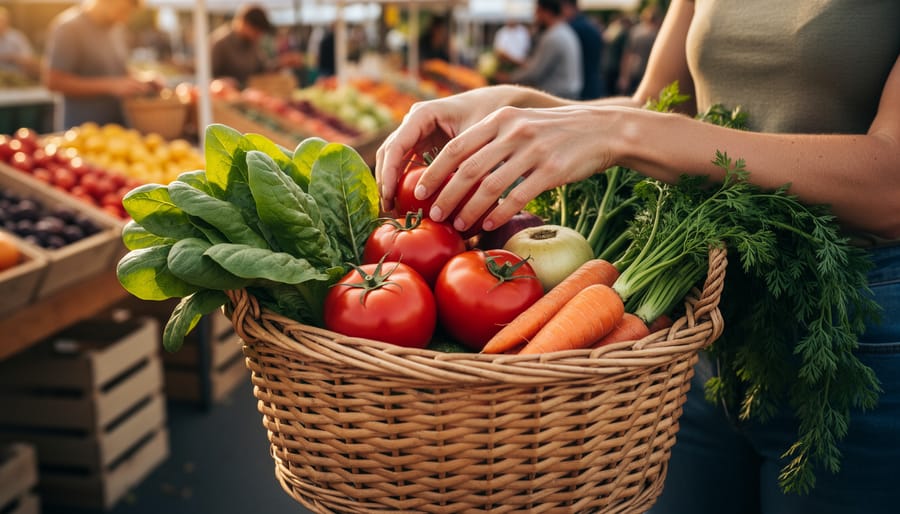
Every time you choose what to eat, you cast a vote for the kind of food system you want to support. Ethical consumerism in food means aligning your grocery choices with your values—whether that’s environmental sustainability, fair treatment of workers, animal welfare, or supporting your local economy. It’s about looking beyond the price tag to consider the true cost of your food: how it was grown, who grew it, the distance it traveled, and the impact it left behind.
For environmentally conscious shoppers, this often translates into seeking out organic produce from nearby farms, buying seasonal vegetables, and choosing products with minimal packaging. The beauty of ethical food consumption is that it doesn’t require perfection. Small, consistent choices—like shopping at farmers markets, joining a community supported agriculture program, or simply asking questions about where your food comes from—create meaningful change. Understanding what ethical consumerism means empowers you to make informed decisions that nourish both your family and the planet, transforming everyday purchases into purposeful actions that support farmers who care for the land and grow food with integrity.
What Ethical Consumerism Really Means When You’re Standing in the Produce Aisle
Ethical consumerism is simply the practice of choosing what you buy based on your values. When you’re standing in the produce aisle deciding between conventional tomatoes and organic ones, or between imported berries and local strawberries, you’re actually making a decision that ripples far beyond your shopping cart.
At its heart, ethical consumerism means asking yourself: What matters to me, and does this purchase reflect those priorities? For food shoppers, this typically involves four key considerations. First, environmental sustainability looks at how your food choices impact the planet, from pesticide use to transportation emissions. Second, fair labor practices ensure the people growing and harvesting your food receive living wages and safe working conditions. Third, animal welfare considers how livestock are raised and treated. Finally, community support focuses on keeping dollars within local economies and strengthening regional food systems.
Here’s what makes this practical rather than philosophical: ethical consumerism doesn’t demand perfection. Sarah, a small-scale farmer in Ontario, often shares with customers that even she can’t source everything ethically all the time. The goal is making conscious choices when possible, whether that’s buying seasonal produce from nearby farms, choosing certified organic options, or simply understanding where your food comes from.
The beauty of ethical consumerism is that it’s deeply personal. Your priorities might lean heavily toward supporting local farmers, while your neighbor focuses on organic certification. Both approaches are valid. What matters is taking that moment in the grocery store to consider whether your purchase aligns with what you believe in, then making the best choice available to you in that moment.
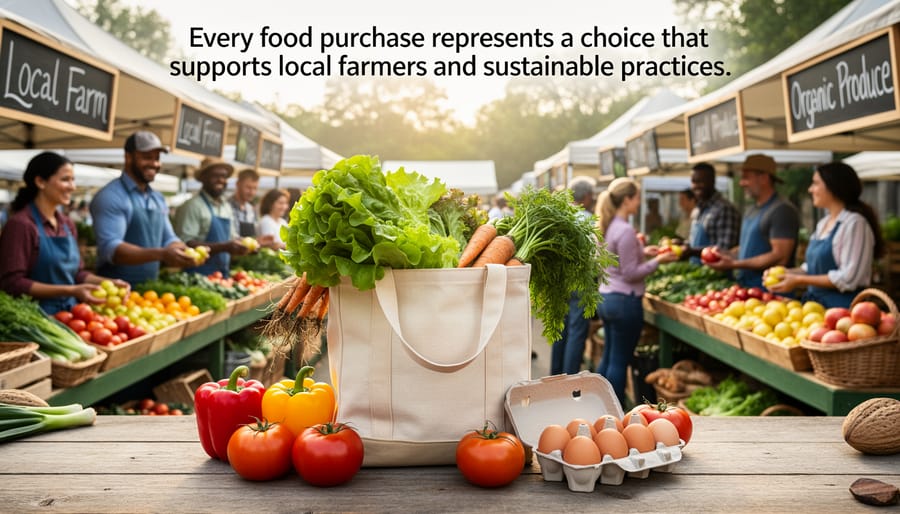
The Values Behind Your Grocery Cart
Supporting Local Farmers and Your Community
Choosing to support local farmers through local food choices creates a powerful ripple effect throughout your community. When you shop at farmers markets, join a Community Supported Agriculture (CSA) program, or buy directly from nearby farms, your dollars stay within your local economy. Studies show that for every dollar spent at a local farm, approximately 60 cents recirculates in the community, compared to just 40 cents from chain grocery stores.
Beyond economics, buying local dramatically reduces food miles—the distance your food travels from farm to plate. This means fewer emissions from transportation and fresher produce for your family. A typical grocery store item travels 1,500 miles, while local farm food often travels less than 100 miles.
Perhaps most rewarding is the relationship you build with the people growing your food. Visiting farmers markets or participating in CSA programs lets you ask questions about growing practices, share recipes, and hear the inspiring stories behind small family farms. These connections transform shopping from a transaction into a meaningful community experience.
Choosing Organic and Sustainable Growing Practices
When you support organic and sustainable farming, you’re voting with your dollars for practices that heal rather than harm the planet. Organic farming skips synthetic pesticides and fertilizers, which means cleaner water flowing through our communities and healthier soil teeming with beneficial microorganisms. These tiny organisms are the unsung heroes of agriculture, breaking down nutrients and helping plants grow strong naturally.
Regenerative farming takes things even further by actively restoring soil health through techniques like cover cropping and crop rotation. Healthy soil acts like a sponge, absorbing more water during heavy rains and reducing erosion. It also stores carbon, helping combat climate change while producing more nutritious food.
Pesticide-free growing methods create safe havens for pollinators like bees and butterflies, which are essential for growing about one-third of our food supply. When farmers embrace biodiversity by planting diverse crops and maintaining hedgerows, they create balanced ecosystems where beneficial insects naturally control pests.
Take Sarah, a third-generation farmer in Vermont who transitioned to organic methods five years ago. She’s seen songbirds return to her fields and soil quality improve dramatically. Her produce now feeds local families through her CSA program, proving that sustainable practices work beautifully at every scale.

Fair Treatment for Farm Workers and Producers
When you choose ethically sourced food, you’re supporting farm workers who deserve fair pay and safe working conditions. Fair trade certification ensures that farmers and laborers receive living wages that can actually support their families, rather than poverty-level compensation. This matters especially for produce workers who often face challenging conditions, from exposure to pesticides to long hours in extreme weather.
Look for fair trade labels on coffee, chocolate, and bananas, or better yet, buy directly from local farmers at farmers markets and through CSA programs. When you connect directly with growers, you can ask about their labor practices and learn their stories. Many small-scale organic farms prioritize worker welfare because they view their team as family. Supporting these producers means your food dollars help create dignified jobs in agriculture. Some farms even offer profit-sharing or worker ownership models, showing that farming can be both ethical and economically viable when consumers prioritize fairness alongside freshness.
Animal Welfare and Humane Practices
When it comes to animal products, ethical consumerism means considering how livestock are treated throughout their lives. Look for pasture-raised certifications, which indicate animals had access to outdoor space and could express natural behaviors like grazing and roaming. Humane certifications from organizations like Certified Humane or Animal Welfare Approved set standards for living conditions, diet, and handling practices. These certifications help you support farmers who prioritize animal comfort and dignity. Many small-scale farms raising chickens, cattle, or pigs practice rotational grazing, which benefits both animal welfare and soil health. By choosing products from farms committed to humane treatment, you’re voting with your dollars for a food system that values compassion alongside sustainability.
Simple Ways to Practice Ethical Eating Every Day
Join a CSA or Shop at Farmers Markets
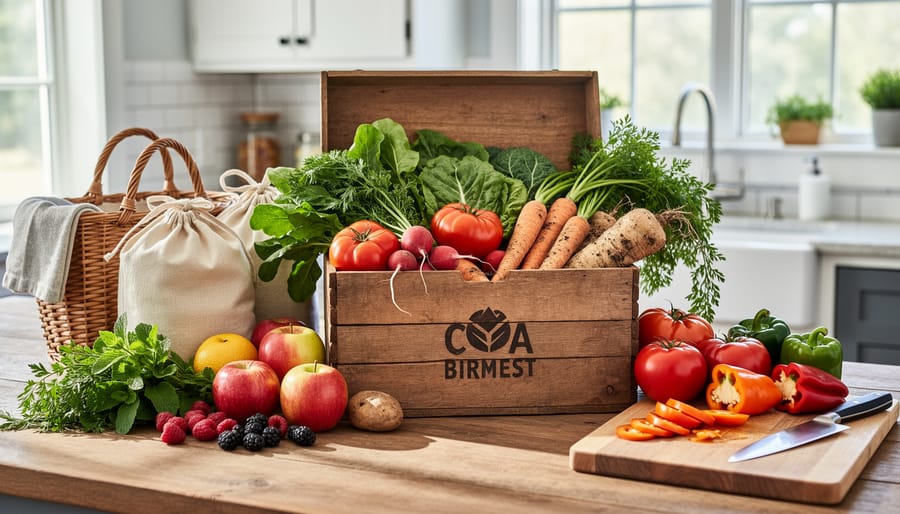
Community Supported Agriculture (CSA) programs create a direct bridge between you and the farmers growing your food, embodying ethical consumerism in its purest form. When you join a CSA, you purchase a share of the harvest at the beginning of the season, providing farmers with essential upfront capital while you receive a weekly box of fresh, seasonal produce throughout the growing period.
This partnership transforms local food sourcing into a relationship built on trust and transparency. You’ll know exactly where your food comes from, how it’s grown, and often have opportunities to visit the farm and meet the people nurturing your meals. Many CSA farmers use organic or sustainable practices, reducing environmental impact while delivering nutrient-dense produce at peak freshness.
Farmers markets offer similar benefits with added flexibility. You can chat directly with growers, learn their farming methods, and choose which items to purchase each week. This face-to-face connection helps you make informed decisions aligned with your values while supporting local food systems. Seasonal eating becomes natural as you enjoy produce at its absolute best, reducing food miles and packaging waste while strengthening your community’s agricultural resilience.
Read Labels and Ask Questions
Becoming a savvy ethical consumer starts with understanding what those labels and certifications actually mean. When you spot terms like USDA Organic, non-GMO, or Fair Trade on packaging, you’re seeing verification that products meet specific standards for environmental stewardship and social responsibility. Organic certification ensures crops are grown without synthetic pesticides or fertilizers, while Fair Trade guarantees farmers receive fair wages for their work.
But don’t stop at reading labels. At farmers markets and farm stands, engage directly with growers and ask about their practices. Questions like “Do you use synthetic pesticides?” or “Where do you source your seeds?” open valuable conversations. Many small-scale farmers follow organic principles but can’t afford costly certification, so personal dialogue helps you discover their commitment to sustainable methods. Local farmer Maria from Green Valley Farm shares that customers who ask questions become her most loyal supporters because they truly understand the care behind each harvest. This direct connection strengthens your ethical purchasing power and builds meaningful relationships with the people growing your food.
Start Small and Stay Consistent
Embracing ethical consumerism doesn’t mean overhauling your entire grocery list overnight. The most sustainable approach is to start with one category and build from there. Choose something manageable, like switching to pastured eggs from a local farm or committing to organic produce for the foods you eat most often.
Meet Sarah, a teacher from Vermont who began her ethical eating journey by simply buying her vegetables from a nearby CSA farm. Within a few months, she noticed the superior taste and felt good knowing her dollars supported sustainable farming in her community. That single change naturally expanded to include local dairy and seasonal fruits.
The key is consistency over perfection. Making one thoughtful choice regularly creates more impact than attempting everything at once and feeling overwhelmed. As you become comfortable with your initial change, gradually expand to another category. This approach lets you learn about your local food system, build relationships with farmers, and make ethical choices that genuinely fit your lifestyle and budget. Remember, every purchase is a vote for the kind of food system you want to support.
Grow Your Own When Possible
Growing your own food represents the ultimate expression of ethical consumerism. When you cultivate vegetables, herbs, and fruits in your backyard or even on a balcony, you have complete control over growing methods, eliminating concerns about pesticides, transportation emissions, and fair labor practices. Home gardening connects you directly to your food source while reducing your environmental footprint significantly. Even starting small with a few tomato plants or a container herb garden makes a meaningful difference. For inspiration and practical guidance on beginning your gardening journey, explore our sustainable living tips to transform your space into a productive food source.
Real Stories: Farmers and Consumers Making a Difference
When Maria Rodriguez started her three-acre organic vegetable farm in Vermont five years ago, she committed to practicing regenerative agriculture and paying fair wages to her workers. Today, her farm supplies 50 local families through a CSA program, and her soil health has improved dramatically. “I wanted to prove that doing things the right way could actually work,” Maria shares. “Now my customers know exactly where their food comes from, and my workers earn a living wage with health benefits. It’s not just about growing vegetables—it’s about growing community.”
Her approach resonated deeply with subscriber James Chen, a father of two who switched to Maria’s CSA after learning about pesticide use in conventional farming. “At first, I was skeptical about the higher cost,” James admits. “But within months, I noticed my kids were actually excited to eat their vegetables. Plus, knowing that Maria treats her land and workers ethically gives me peace of mind that goes beyond organic certification.”
In Iowa, fourth-generation farmer Tom Williams made the difficult decision to transition his family’s conventional corn and soybean operation to organic and diversified crops. The three-year transition was challenging, but now his farm hosts regular educational tours and sells directly to local restaurants committed to ethical sourcing. “My grandfather would be proud,” Tom reflects. “We’re still feeding people, but now we’re also healing the land and supporting our local economy.”
These stories demonstrate that ethical consumerism creates ripples of positive change—empowering farmers to farm responsibly while giving consumers the satisfaction of supporting practices they believe in.
Overcoming Common Challenges
Let’s be honest: choosing ethically isn’t always easy. The biggest hurdle? Cost. Organic, locally-sourced food often carries a higher price tag than conventional options. But here’s a realistic perspective: start small. You don’t need to transform your entire pantry overnight. Focus on the “Dirty Dozen” produce items that typically contain the most pesticides, and buy those organic. Join a CSA to get farm-fresh produce at more affordable prices compared to retail stores.
Availability poses another challenge, especially in rural areas or food deserts. If you can’t access farmers markets regularly, consider growing herbs or vegetables in containers on your balcony. Even a small windowsill garden counts! Connect with neighbors to share resources or organize bulk orders from ethical suppliers.
Convenience is real. Pre-packaged foods are quick, while ethical shopping requires more planning. Meet yourself where you are. Meal prep on weekends when you have time, and keep a few ethical convenience items on hand for busy days. Frozen organic vegetables are perfectly acceptable and often just as nutritious as fresh.
Remember Sarah, a working mom who started by swapping just her family’s eggs to a local farm source? Within a year, she’d built relationships with three local producers without overwhelming her budget. Progress, not perfection, is the goal. Every ethical choice matters, no matter how small it seems.
Every food choice you make is a vote for the kind of world you want to see. While it might feel like your individual decisions are just drops in the ocean, remember that oceans are made of drops. When you choose to support local farmers who prioritize sustainable practices, you’re not just buying food—you’re investing in healthier soil, cleaner water, stronger communities, and a more resilient food system.
The beauty of ethical consumerism is that you don’t need to transform your entire life overnight. Start small. Maybe it’s joining a CSA program to receive seasonal produce directly from nearby farms. Perhaps it’s swapping one conventionally grown item for an organic alternative at your local farmers market. Or simply asking your grocery store manager to stock more locally sourced options.
Take Sarah, a busy mom from Vermont, who started with just one CSA share. Within months, her family was eating more vegetables, connecting with their farming community, and inspiring neighbors to do the same. Her small step created ripples.
Ready to begin your ethical food journey? Browse our directory of CSA programs near you and discover farmers who share your values. Your plate has power—use it wisely.
