

Revolutionizing modern agriculture through engineering innovation has become essential as global food demands surge and environmental challenges intensify. Bioresource and agricultural engineering merges cutting-edge technology with sustainable farming practices, creating solutions that maximize crop yields while minimizing environmental impact. From precision irrigation systems that reduce water consumption by up to 30% to AI-powered drones that monitor crop health in real-time, this rapidly evolving field transforms how we grow food and manage natural resources.
Today’s agricultural engineers develop smart farming solutions that help small-scale organic farmers compete effectively while maintaining crop diversity. These innovations include vertical farming systems that produce 10 times more food per square foot than traditional methods, soil sensors that optimize nutrient delivery, and automated harvesting systems that reduce food waste by 25%.
By combining traditional farming wisdom with modern engineering principles, this field creates practical solutions for sustainable agriculture. Whether it’s developing drought-resistant irrigation systems or designing energy-efficient greenhouse technologies, bioresource and agricultural engineering paves the way for a future where farming is both productive and environmentally responsible. For local farmers and gardening enthusiasts alike, these advancements offer accessible tools to grow food more efficiently while protecting our planet’s precious resources.
Engineering Nature’s Diversity: The Basics of Bioresource Technology
What is Bioresource Engineering?
Bioresource engineering is an innovative field that combines engineering principles with agricultural and biological sciences to create sustainable solutions for food production and natural resource management. It focuses on developing technologies and systems that help farmers work more efficiently while protecting our environment. Think of it as a bridge between traditional farming wisdom and modern engineering innovation.
This discipline encompasses everything from designing smart irrigation systems and renewable energy solutions to creating better methods for processing and storing agricultural products. Engineers in this field work on exciting projects like developing precision farming equipment, creating bio-based materials, and implementing waste management systems that turn agricultural byproducts into valuable resources.
For today’s farmers and environmentally conscious producers, bioresource engineering offers practical tools to increase crop yields while reducing water usage and minimizing environmental impact. It’s particularly valuable for organic farmers who need specialized equipment and systems that align with sustainable farming practices while maintaining efficiency and productivity.
The Tech-Nature Partnership
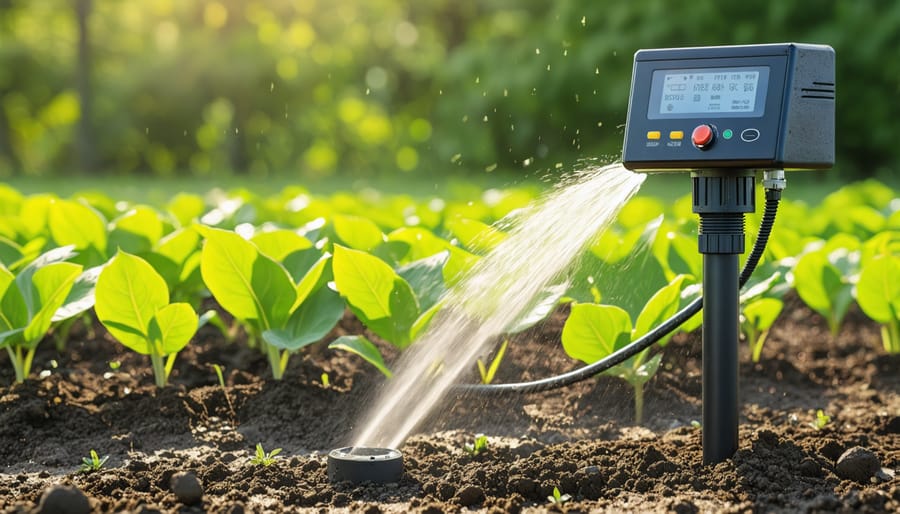
Modern engineering works hand in hand with nature to create more sustainable and efficient farming systems. Think of it as a respectful partnership where technology enhances what nature already does well. For example, smart irrigation systems now use soil moisture sensors to deliver water exactly when and where plants need it, mimicking natural rainfall patterns while conserving precious resources.
Precision agriculture tools help farmers understand their soil’s unique characteristics, allowing them to work with the land’s natural properties rather than against them. Drones and satellite imaging can monitor crop health and identify pest issues early, enabling targeted interventions that reduce the need for broad chemical applications.
Engineers are also developing innovative solutions that support beneficial insects and natural pollinators. From designing specialized habitats to creating automated monitoring systems that track biodiversity, these technologies help maintain healthy ecosystems while improving crop yields.
By blending engineering innovation with natural farming principles, we’re creating agricultural systems that are both highly productive and environmentally sustainable. This partnership shows how technology can enhance rather than replace nature’s wisdom.
Smart Solutions for Crop Diversity
Precision Farming Systems
Modern farming has been revolutionized by precision farming technologies that help farmers manage their crops with incredible accuracy. These smart systems combine GPS mapping, soil sensors, and data analytics to create detailed field maps showing variations in soil type, moisture levels, and nutrient content. This allows farmers to apply exactly what each area needs – whether that’s water, fertilizer, or pest control – reducing waste while maximizing crop health.
Take Sarah Miller’s 200-acre organic farm in Iowa, for example. By implementing moisture sensors and automated irrigation, she reduced water usage by 30% while increasing her tomato yield. Her system sends real-time alerts to her smartphone, letting her know exactly when different sections of her field need attention.
These precision systems also help maintain crop diversity by creating optimal growing conditions for different plant varieties. Drones equipped with multispectral cameras can spot early signs of plant stress or disease, allowing farmers to address issues before they spread. Smart tractors use AI-guided systems to plant seeds at perfect depths and spacing, while robotic harvesting assists with timing and gentle handling of delicate crops.
For smaller farms and gardens, simplified versions of these technologies are becoming more accessible. Mobile apps can now analyze soil samples through smartphone photos, while affordable sensor systems help monitor garden conditions. This democratization of precision farming tools means more growers can benefit from data-driven decision-making while maintaining sustainable practices.

Seed Banking Innovation
Seed banking has evolved from traditional storage methods to cutting-edge engineering solutions that safeguard our agricultural future. Modern seed banks now utilize sophisticated climate control systems, automated monitoring, and specialized packaging materials to maintain optimal storage conditions for millions of seed varieties.
One of the most exciting innovations is cryogenic preservation, where seeds are stored at ultra-low temperatures using liquid nitrogen. This technology allows seeds to remain viable for decades or even centuries, providing a crucial backup for our food systems. Engineers have developed specialized containers with multiple insulation layers and smart sensors that maintain consistent temperatures while minimizing energy consumption.
Digital tracking systems now play a vital role in seed management. Advanced database platforms help track genetic information, viability testing results, and storage conditions for each seed sample. These systems can alert staff to potential issues before they become problems, ensuring the preservation of valuable genetic resources.
Local seed banks are also benefiting from engineering innovations. Smaller-scale solutions include solar-powered cooling systems and humidity-controlled storage units that run on renewable energy. These developments make seed preservation more accessible to farming communities worldwide.
Success stories include the Svalbard Global Seed Vault, which combines natural cold storage with engineering innovations to protect over one million seed samples. Meanwhile, community seed banks in India are using simple yet effective engineering solutions like modified clay containers with built-in ventilation systems to preserve local varieties.
Engineers are also developing new methods for seed viability testing, including non-destructive imaging techniques and AI-powered analysis tools that can predict germination rates with increasing accuracy. These advances help ensure that stored seeds remain viable for future generations while minimizing waste in testing procedures.

Building Resilient Farm Systems
Climate-Smart Infrastructure
Climate-smart infrastructure combines innovative engineering solutions with sustainable farming practices to help agricultural systems adapt to climate change while reducing environmental impact. These adaptations include smart irrigation systems that use weather data and soil moisture sensors to optimize water usage, reducing waste and ensuring crops receive exactly what they need.
Greenhouse designs have evolved to incorporate passive solar heating, automated ventilation, and thermal mass storage, helping farmers extend growing seasons while minimizing energy consumption. Some modern greenhouses even utilize transparent solar panels, generating clean energy while allowing sufficient light for plant growth.
Innovative drainage systems help manage increasingly unpredictable rainfall patterns, protecting crops from both flooding and drought. These systems often include water capture and storage solutions, allowing farmers to save water during wet periods for use during dry spells.
Smart sensors and IoT devices monitor environmental conditions, crop health, and resource usage in real-time, enabling farmers to make data-driven decisions. This technology helps optimize resource use while maximizing crop yields and quality.
Many farmers are also implementing climate-resistant structures like high tunnels and shade houses, which protect crops from extreme weather events while maintaining natural growing conditions. These structures are often designed with modular components, making them adaptable to changing climate conditions and farming needs.
Success Story: In California’s Central Valley, farmer Maria Rodriguez reduced water usage by 40% after implementing smart irrigation and moisture monitoring systems, while maintaining crop yields during drought conditions.
Water Management Systems
Modern water management systems have revolutionized how we approach agricultural irrigation, making farming more sustainable and efficient than ever before. These innovative solutions combine sensors, automation, and data analytics to deliver precise amounts of water exactly when and where crops need it.
Take Sarah Miller’s 20-acre organic farm in California, for example. By implementing smart drip irrigation and soil moisture sensors, she reduced water usage by 40% while maintaining healthy crop yields. Her system automatically adjusts watering schedules based on weather conditions, soil moisture levels, and plant growth stages.
Popular water-saving techniques include:
– Precision drip irrigation that delivers water directly to plant roots
– Rainwater harvesting systems for natural water collection
– Soil moisture sensors that prevent over-watering
– Weather-based irrigation controllers
– Greywater recycling systems for non-food crops
These technologies not only conserve water but also help prevent soil erosion and nutrient leaching. Many systems now integrate with smartphone apps, allowing farmers to monitor and adjust irrigation settings remotely. Some even use artificial intelligence to predict water needs based on historical data and current conditions.
For small-scale farmers and home gardeners, simple solutions like timer-controlled drip systems and rain barrels can make a significant difference in water conservation while maintaining healthy plants.
Soil Health Technology
Modern agricultural engineering has revolutionized soil health management through innovative technologies that help farmers maintain optimal growing conditions. Smart sensors now allow real-time monitoring of soil moisture, nutrient levels, and microbial activity, enabling farmers to make data-driven decisions about irrigation and fertilization.
Take Sarah Miller’s organic farm in Vermont, for example. By implementing soil mapping technology and precision agriculture tools, she reduced water usage by 30% while improving her tomato yields. The system alerts her when specific soil zones need attention, allowing for targeted interventions rather than blanket treatments.
Advanced soil testing equipment has made it easier for farmers to understand their soil’s composition and needs. Portable devices can instantly analyze pH levels, organic matter content, and mineral concentrations, providing immediate feedback for adjustment decisions. These tools are particularly valuable for organic farmers who rely heavily on maintaining natural soil fertility.
Erosion prevention technologies have also evolved significantly. Computer-aided design helps engineers develop effective terracing systems and water management solutions tailored to specific terrain conditions. Additionally, new biodegradable materials for soil stabilization offer environmentally friendly alternatives to traditional synthetic options.
These engineering solutions are making sustainable farming more accessible and efficient, helping farmers work in harmony with natural processes while maximizing productivity.
Real Farm Success Stories
Let’s explore how three innovative farms have transformed their operations through bioresource engineering solutions. At Green Valley Organics in California, owner Sarah Chen implemented a smart irrigation system that reduced water usage by 40% while increasing crop yields. The system uses soil moisture sensors and weather data to deliver precise amounts of water exactly when plants need it.
In Wisconsin, the Miller Family Farm revolutionized their dairy operation by installing a biodigester that converts animal waste into renewable energy. Not only does this power their entire 200-acre farm, but they also sell excess electricity back to the grid. The nutrient-rich byproduct serves as an organic fertilizer for their crops, creating a perfect closed-loop system.
Perhaps the most inspiring story comes from Sunshine Acres in Texas, where former tech professional James Rodriguez combines vertical farming with automated climate control. His innovative setup uses 90% less water than traditional farming methods while producing five times more leafy greens per square foot. The system’s sensors monitor temperature, humidity, and nutrient levels, automatically adjusting conditions for optimal plant growth.
These success stories demonstrate how bioresource engineering can transform traditional farming practices. Small changes, like installing moisture sensors or implementing waste-to-energy systems, can lead to significant improvements in efficiency and sustainability. The key is starting small, measuring results, and gradually expanding successful solutions across the farm operation.
Today, these farms serve as learning centers for other farmers interested in sustainable agriculture, proving that bioresource engineering solutions can be both environmentally friendly and economically viable.
Bioresource and agricultural engineering stands at the forefront of creating a more sustainable future for farming. By bridging the gap between traditional agricultural practices and innovative technology, these engineering solutions help farmers produce more food while using fewer resources. From developing water-efficient irrigation systems to creating smart sensors that monitor soil health, the field continues to evolve and adapt to modern challenges.
The impact of bioresource engineering extends beyond the farm gate, touching every aspect of our food system. It enables farmers to reduce their environmental footprint while maintaining productivity, helps preserve precious natural resources, and contributes to food security for growing populations. Success stories from farms across the globe demonstrate how engineering solutions have helped reduce water usage by up to 40% and decreased energy consumption while improving crop yields.
Looking ahead, bioresource engineering will play an increasingly vital role in addressing climate change challenges and ensuring sustainable food production. As we face growing environmental pressures, these innovative approaches offer hope for a future where agriculture can thrive while protecting our planet’s resources for generations to come.
