
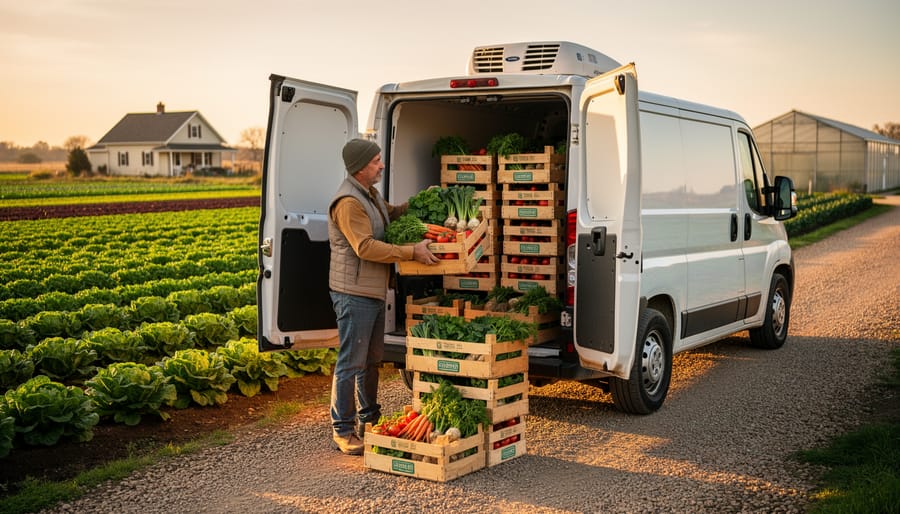
OTR logistics stands for “Own Transport and Resources,” a farm-to-market delivery model where you handle your own product distribution using your vehicles and equipment instead of relying on third-party shipping companies. This approach gives small-scale organic farmers direct control over how fresh produce reaches customers, ensuring your carefully grown vegetables arrive in peak condition while building personal relationships with local buyers.
For farmers just starting out, understanding OTR logistics means recognizing you’re choosing independence over convenience. You’ll manage pickup schedules, route planning, refrigeration needs, and delivery timing yourself. While this requires more hands-on involvement than outsourcing to distributors, it lets you keep more profit per sale and maintain quality standards from harvest to handoff.
The farm-to-retail connection thrives when you understand your distribution options. OTR logistics works exceptionally well for farmers within 50 miles of their customer base, whether you’re delivering CSA boxes to neighborhood pickup points, supplying restaurants with seasonal ingredients, or stocking farmers market stands. Your investment in a reliable refrigerated van or pickup truck becomes your competitive advantage, allowing you to promise same-day harvest deliveries that larger distributors simply cannot match.
This guide breaks down exactly how OTR logistics functions in sustainable agriculture, helping you determine if managing your own transport aligns with your farm’s capacity and growth goals while staying true to your commitment to fresh, local food systems.
What Does OTR Logistics Actually Mean?
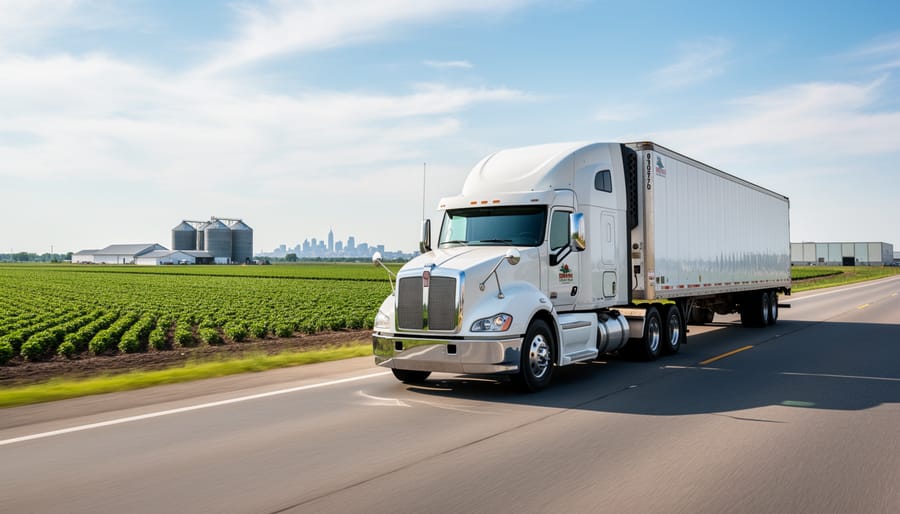
OTR logistics stands for “Over-The-Road” logistics, and it’s simpler than it sounds. Essentially, it’s the process of transporting goods via trucks over medium to long distances, typically using highway systems to connect farms, distribution centers, and retail locations. Think of it as the journey your fresh produce takes from the field to the market, riding along interstate highways rather than traveling by rail, air, or sea.
What makes OTR logistics different from other transportation methods? Unlike local delivery services that might cover just a few miles in your community, OTR typically involves distances spanning multiple cities or even crossing state lines. It also differs from intermodal shipping, which combines trucks with trains or ships. With OTR, your products stay on the same truck for the entire journey, making it particularly valuable for time-sensitive deliveries.
For farmers growing organic produce and perishable goods, understanding OTR logistics is crucial. When you harvest those beautiful heirloom tomatoes or crisp lettuce heads, they need to reach customers while still fresh and nutritious. OTR trucking provides the speed and direct routing that keeps your farm-fresh products at peak quality. Many successful small-scale farmers have discovered that partnering with reliable OTR carriers allows them to expand their market reach beyond farmers’ markets and local stores.
The beauty of OTR logistics in sustainable agriculture is its flexibility. You can schedule deliveries that align with your harvest cycles, maintain better temperature control for delicate crops, and build relationships with drivers who understand the special care your organic products deserve. This direct transportation method helps preserve the integrity of your carefully grown food while connecting you with customers who value fresh, locally sourced ingredients.
How OTR Logistics Works for Local Farms
The Farm Pickup Process
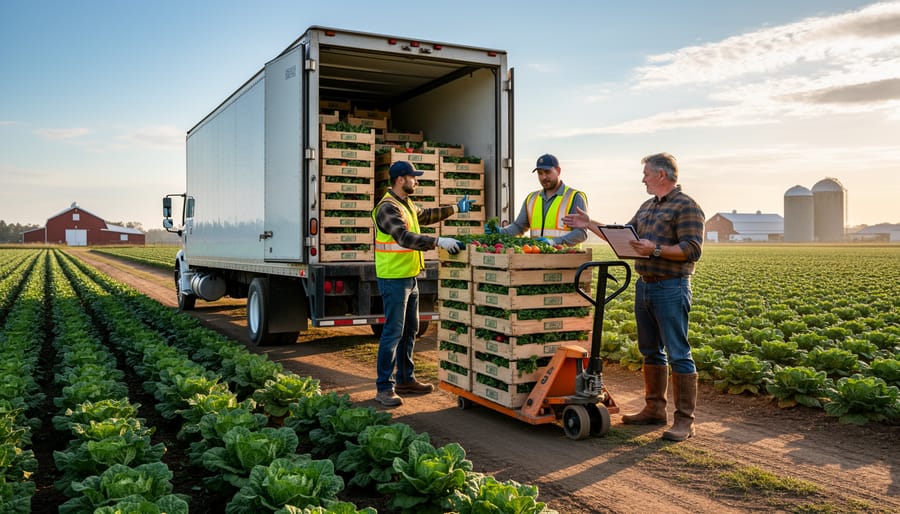
The farm pickup process is where your OTR logistics journey begins, and getting it right sets the tone for successful deliveries. Typically, transportation providers collect your produce during pre-scheduled windows, often in the early morning hours to maximize freshness. You’ll want to have everything harvest-ready and properly cooled before the truck arrives.
Packaging requirements vary by product, but generally, you’ll need sturdy containers that protect delicate items during transport while allowing airflow. Many successful farmers we’ve spoken with recommend investing in reusable crates that meet industry standards, which saves money long-term and aligns with sustainable practices. Fresh greens might need immediate refrigeration, while root vegetables can handle ambient temperatures.
Timing is everything when it comes to fresh produce. Harvest your crops as close to pickup time as possible to ensure maximum shelf life at retail locations. Communication with your logistics provider is key here. Establish clear pickup schedules and maintain flexibility for weather-related adjustments. One small-scale farmer shared how coordinating harvest times with pickup schedules reduced waste by 30 percent in their first season.
Remember to keep detailed records of pickup times, quantities, and product conditions. This documentation helps identify patterns and optimize your farm’s efficiency over time.
Temperature-Controlled Transport
When you’re transporting fresh organic produce from your farm to local markets or retailers, maintaining proper temperature becomes absolutely essential. Temperature-controlled trucks, often called refrigerated or “reefer” units, are the backbone of protecting your harvest’s quality and extending its shelf life during transit.
For organic farmers, these specialized vehicles do more than just keep things cool—they preserve the nutritional value, texture, and flavor that your customers expect from locally grown food. Leafy greens, berries, and other delicate crops can deteriorate rapidly without proper refrigeration, potentially losing their market value within hours.
Maintaining cold chain integrity means keeping products at consistent temperatures from the moment they leave your field until they reach store shelves. This unbroken temperature control prevents bacterial growth, slows ripening, and reduces spoilage—critical factors that protect both your reputation and your bottom line.
Many successful small-scale farmers have found that investing in temperature-controlled transport, whether through ownership or partnering with specialized logistics providers, pays dividends through reduced waste and higher customer satisfaction. Your hard work in the field deserves equal attention during the journey to market.
Benefits of OTR Logistics for Small-Scale Organic Farms
For small-scale organic farmers who’ve been juggling harvest schedules with delivery routes, OTR logistics can be a genuine game-changer. Let’s explore how this streamlined approach to getting fresh produce from field to market benefits hardworking farmers and their growing businesses.
One of the most significant advantages is expanded market reach. Take Sarah, a small organic vegetable farmer in Vermont who previously could only sell at her local farmers market within a 20-mile radius. By partnering with an OTR logistics provider, she now supplies three regional grocery chains and two farm-to-table restaurants across the state. Her customer base grew fivefold within a single growing season, transforming her modest operation into a thriving enterprise.
The reduction in farmer workload cannot be overstated. Instead of spending 15-20 hours weekly on deliveries, packaging, and coordinating drop-offs, farmers can redirect that precious time toward what they do best: growing exceptional organic produce. This means more attention to soil health, crop rotation planning, and implementing sustainable practices that improve long-term productivity.
Professional handling is another critical benefit. OTR logistics companies specialize in temperature-controlled transport and proper produce handling, ensuring your delicate heirloom tomatoes and leafy greens arrive in peak condition. This expertise significantly reduces spoilage rates, which for small farmers can mean the difference between profit and loss.
The revenue potential speaks for itself. When farmers eliminate the middleman markup and access larger markets simultaneously, their income typically increases by 30-40%. One California berry farmer reported that OTR logistics allowed him to fulfill a standing order with a regional distribution center, providing steady income rather than the unpredictable cash flow from seasonal market sales.
For environmentally conscious growers, consolidated shipping through OTR logistics also reduces individual carbon footprints by optimizing delivery routes and minimizing redundant trips. It’s sustainable agriculture meeting smart business practices, creating opportunities for farms of all sizes to flourish.
Common Challenges (And How to Overcome Them)
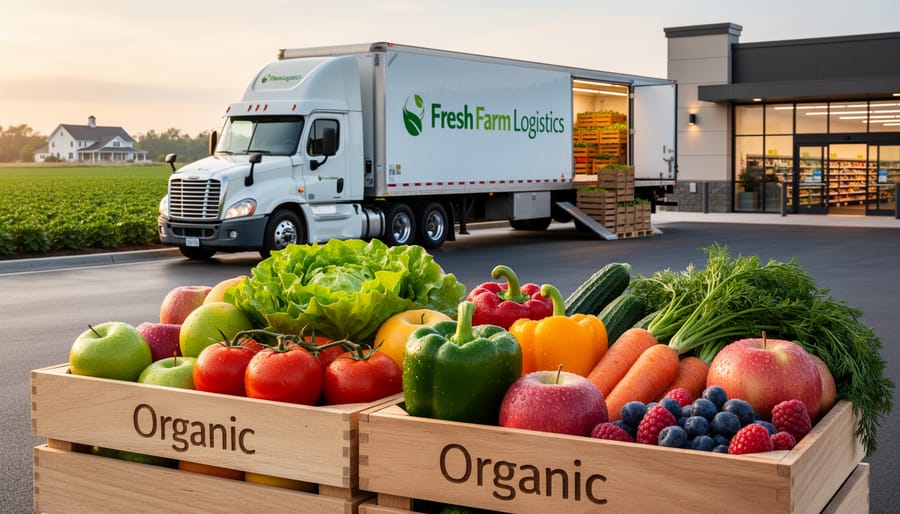
While OTR logistics offers exciting opportunities for small-scale farmers, it’s not without its hurdles. Let’s explore some common challenges you might face and practical ways to work through them.
Cost considerations often top the list of concerns. Transportation expenses can eat into profit margins, especially when you’re just starting out. To overcome this, consider partnering with neighboring farms to share delivery routes and split fuel costs. Some farmers have found success by establishing regular delivery schedules to multiple retailers in the same area, maximizing efficiency per trip. You might also negotiate fuel surcharges or delivery fees into your pricing structure, being transparent with retailers about these necessary costs.
Minimum order requirements can feel daunting when you’re managing a smaller operation. Start by focusing on crops that store well and have longer shelf lives, allowing you to accumulate orders before delivery. Building relationships with multiple retailers helps too – you can combine smaller orders into one efficient delivery run. Sarah Martinez, a Connecticut vegetable farmer, solved this by creating a weekly delivery circuit serving five local stores, making each stop worthwhile.
Coordinating harvest schedules with pickup times requires careful planning. Use a simple calendar system to track retailer ordering patterns and plan your planting schedules accordingly. Communication is key – give your retail partners a harvest forecast so they can anticipate availability. Some farmers succeed by offering flexible delivery windows or maintaining small buffer inventory in proper storage.
Maintaining product quality during transport demands attention to detail. Invest in proper coolers or refrigerated containers, even basic ones make a difference. Harvest during cooler morning hours, pre-cool produce before transport, and minimize handling. Pack carefully using appropriate containers that prevent bruising. Remember, delivering consistently high-quality produce builds trust and repeat business, making these precautions worthwhile investments in your farm’s reputation.
OTR vs. Other Distribution Options for Local Farms
Local farms have several distribution paths to choose from, and understanding when OTR logistics works best can help you make smart business decisions. Let’s explore how it stacks up against other popular options.
Farmers markets offer face-to-face customer connections and immediate cash flow, but they require significant time investment every market day. You’re spending 4-6 hours selling instead of farming. OTR logistics lets you deliver larger quantities to retail partners in one trip, freeing up your weekends for actual farm work or family time.
CSA boxes create loyal customer communities and guaranteed income, which is wonderful for financial planning. However, you’re responsible for packing, coordinating pickups, and managing customer communications. OTR shifts those logistics tasks to retailers who already have systems in place.
Direct home delivery gives you complete control over pricing and customer relationships, but it’s incredibly time-intensive. Routes need planning, delivery windows must accommodate customer schedules, and you’ll need refrigerated vehicles. Small-scale farmer Maria Thompson from Ontario tried direct delivery for two years before switching to OTR, saying it cut her delivery time by 75 percent while doubling her production capacity.
Food hubs aggregate products from multiple farms, handling logistics coordination for you. They’re excellent if you’re producing limited quantities, though they take a commission. OTR makes more sense when you’re growing enough volume to supply retailers directly and want to keep those profit margins.
Choose OTR when you’re ready to scale production, prefer consistent wholesale relationships, and value efficiency over direct consumer interaction.
Finding the Right OTR Partner for Your Farm
Choosing the right OTR logistics partner can make or break your farm’s distribution success. Start by looking for companies with proven experience handling perishable agricultural products, especially organic produce that requires extra care. Temperature-controlled transportation isn’t optional—it’s essential for maintaining your harvest’s quality and your farm’s reputation.
When interviewing potential partners, ask specific questions about their cold chain management protocols, typical delivery timeframes, and how they handle product damage or spoilage. Request references from other small-scale farmers they’ve worked with, and don’t hesitate to contact them. You’ll want to know their track record with on-time deliveries and how they communicate delays or issues.
Watch for red flags like vague answers about insurance coverage, reluctance to provide detailed service agreements, or promises that sound too good to be true. A reliable partner should be transparent about their capabilities and limitations.
Your contract should clearly outline delivery schedules, temperature requirements, liability for product loss, payment terms, and communication protocols. Include provisions for seasonal volume changes—harvest seasons can be unpredictable. Consider starting with a trial period to test the partnership before committing long-term.
Many successful organic farmers recommend partnering with regional logistics companies that understand local agriculture and share your values around sustainability. These partners often prove more responsive than large national carriers and may offer more flexible arrangements that accommodate your farm’s unique needs and growing cycles.
OTR logistics represents more than just a distribution method—it’s a vital bridge connecting sustainable farming practices with communities hungry for fresh, local produce. By streamlining the journey from farm to store shelf, OTR systems empower small-scale farmers to reach broader markets while maintaining their commitment to organic and environmentally responsible growing methods. This efficient approach reduces food miles, minimizes waste, and ensures that nutritious harvests reach consumers at peak freshness.
For farmers considering this option, OTR logistics opens doors to consistent revenue streams and lasting retail partnerships. Success stories from farmers who’ve implemented these systems show increased market presence and stronger community connections. Meanwhile, conscious consumers play an equally important role by choosing retailers that source from farms using efficient, sustainable distribution methods.
The future of local food systems looks bright as more farmers embrace innovative logistics solutions and communities recognize the value of supporting regional agriculture. Together, we’re building a food network that honors both the earth and the hardworking hands that cultivate it—creating a resilient, sustainable system that benefits everyone from soil to table.
