Daily Archives

4 Articles

How Local Farms and Businesses Are Teaming Up to Transform Your Food System

Posted by darrell on
0
Community Partnerships and Networks
How Local Farms and Businesses Are Teaming Up to Transform Your Food System

Cross-sector collaboration transforms local food systems when farmers, businesses, and community organizations unite to create food networks that actually work. From farm-to-school programs pairing agricultural producers with educational institutions, to healthcare facilities sourcing fresh produce from nearby farms, these partnerships drive sustainable change across communities.

Consider how the Hudson Valley Farm Hub partners with local food banks and culinary training programs, simultaneously addressing food insecurity while creating job opportunities. Or examine the groundbreaking collaboration between urban rooftop farms and corporate cafeterias in Toronto, where office workers enjoy ultra-fresh produce while reducing food transportation emissions.

These innovative partnerships demonstrate how crossing traditional sector boundaries creates resilient local food systems that benefit everyone – from small-scale farmers to consumers seeking healthier, more sustainable food options. By sharing resources, expertise, and distribution channels, cross-sector collaborations make sustainable agriculture both economically viable and socially impactful.

Farm-to-Restaurant Partnerships That Work

Restaurant chef and CSA farmer discussing freshly harvested vegetables in the field
Chef and farmer reviewing fresh seasonal produce at a local farm

The Chef’s Table Program

The Chef’s Table Program represents a groundbreaking partnership between high-end restaurants and local CSA farms, creating a win-win situation for both sectors. In this innovative model, restaurants commit to purchasing a set amount of produce from participating farms each season, providing farmers with guaranteed income and helping them plan their crops more effectively.

For example, in Portland, Oregon, a collective of five farm-to-table restaurants partnered with three local organic farms to create a sustainable supply chain. The restaurants pre-purchase 40% of each farm’s projected harvest, offering upfront capital when farmers need it most for seeds and equipment. In return, the restaurants receive first pick of premium produce and can work directly with farmers to grow specific heritage varieties that add unique flavors to their menus.

This collaboration has led to a 30% increase in farm revenue and helped restaurants reduce their produce costs by eliminating middlemen. The program has also sparked educational initiatives, with chefs and farmers hosting joint workshops for the community, sharing knowledge about seasonal cooking and sustainable farming practices.

Menu Planning with Local Harvests

Many restaurants are revolutionizing their menu planning process by partnering directly with local CSA farms, creating a win-win situation for both businesses and farmers. Chefs work closely with farmers to understand upcoming harvest schedules, allowing them to design seasonal menus that showcase the freshest local ingredients. This collaboration often involves weekly meetings where farmers share their crop forecasts, enabling restaurants to plan special features and adjust their offerings accordingly.

For example, The Farm Table restaurant in Vermont maintains strong relationships with five local CSA farms, adapting their menu weekly based on harvest availability. Their chefs visit farms regularly to discuss growing plans and share feedback on which produce varieties work best in their dishes. This direct communication helps farmers plan their crops more effectively while ensuring the restaurant maintains a steady supply of fresh, seasonal ingredients.

Some restaurants even offer CSA pickup locations for their customers, creating a community hub that connects farmers, chefs, and diners. This approach not only supports local agriculture but also educates diners about seasonal eating and sustainable food systems, while providing farmers with reliable restaurant accounts that complement their traditional CSA memberships.

Educational Institutions Growing Change

Campus Farm Programs

Universities across the country are revolutionizing their approach to food service and education by integrating campus farms into their operations. A standout example is the University of Massachusetts Amherst, where their student-run farm supplies fresh produce to dining halls while offering hands-on learning opportunities for agriculture students. The program connects classroom theory with practical experience, allowing students to understand the entire food system from seed to table.

Michigan State University’s Student Organic Farm operates year-round, providing weekly CSA shares to campus community members and incorporating sustainable farming practices into various course curricula. Students from multiple disciplines, including business, agriculture, and environmental studies, gain real-world experience in sustainable food production and distribution.

Duke University’s Campus Farm program takes collaboration further by partnering with local food banks and community organizations. Their model demonstrates how educational institutions can address food security while providing valuable learning experiences. The farm serves as a living laboratory where students research sustainable growing methods, develop food justice initiatives, and learn crucial business management skills through CSA operations.

These programs showcase how educational institutions can create meaningful partnerships that benefit students, faculty, and local communities while promoting sustainable agriculture.

School Garden Initiatives

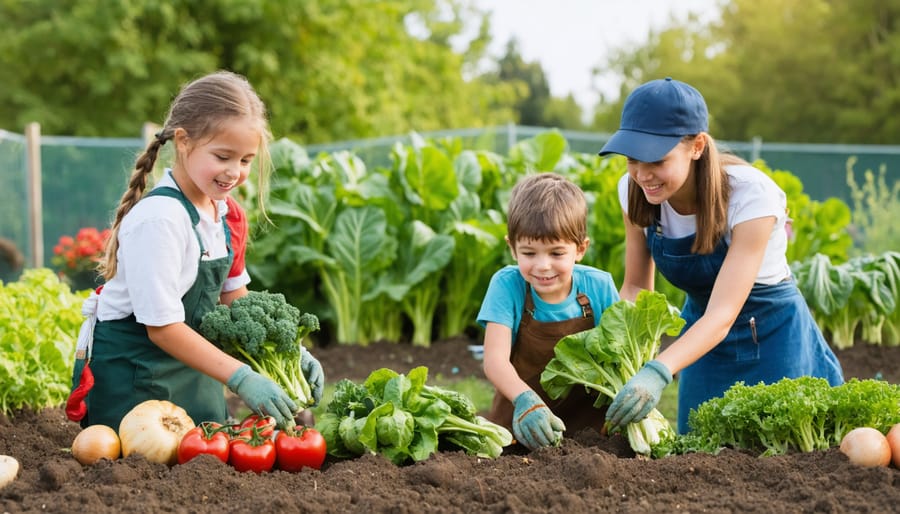
A growing number of elementary schools across the country are fostering meaningful partnerships with local farms, creating vibrant learning environments that extend beyond traditional classrooms. These innovative CSA education initiatives combine hands-on gardening experience with core curriculum subjects, making learning both engaging and practical.

Students participate in planting, maintaining, and harvesting their own produce while learning about nutrition, environmental science, and sustainable agriculture. Local farmers serve as mentors, sharing their expertise and helping teachers develop age-appropriate activities that align with educational standards. These partnerships often include regular farm visits, where students can witness large-scale agricultural operations firsthand.

The collaboration benefits extend beyond education. Many school gardens provide fresh produce for cafeterias, while excess harvest is distributed through local food banks. Some programs even incorporate student-run farmers’ markets, teaching valuable entrepreneurship skills. These initiatives have shown remarkable success in improving students’ eating habits, environmental awareness, and understanding of local food systems while creating lasting connections between schools and farming communities.

Young students learning gardening skills from a local farmer in their school garden
Elementary school students working in a school garden with a farmer mentor

Healthcare Meets Agriculture

Prescription Produce Programs

Innovative healthcare providers are now partnering with local farms to create “prescription produce” programs, where doctors can prescribe fresh, local vegetables and fruits as part of patient treatment plans. These programs typically involve healthcare facilities covering part or all of the cost of CSA memberships for eligible patients, particularly those managing chronic conditions like diabetes, heart disease, or obesity.

For example, Boston Medical Center’s Preventive Food Pantry program collaborates with local farms to provide fresh produce prescriptions to patients identified as nutritionally vulnerable. In Pennsylvania, the Fresh Food Farmacy initiative partners with regional farmers to deliver weekly produce boxes to patients with diabetes, resulting in improved health outcomes and reduced healthcare costs.

These partnerships create a win-win situation: farmers secure reliable income streams while expanding their community impact, and healthcare providers gain effective tools for addressing diet-related health issues. Many programs also include cooking demonstrations, nutrition education, and seasonal recipe cards to help patients make the most of their prescribed produce, fostering lasting healthy eating habits while supporting local agriculture.

Workplace Wellness Initiatives

Progressive companies are increasingly partnering with local CSAs to offer innovative workplace wellness benefits that support both employee health and local agriculture. These collaborations typically involve employers subsidizing CSA memberships for their staff, creating a win-win situation where employees gain access to fresh, organic produce while local farms secure steady revenue streams.

Tech giants like Adobe and healthcare providers such as Kaiser Permanente have implemented successful CSA programs, offering employees the convenience of weekly vegetable pickups right at their workplace. Some companies take it further by hosting farmer meet-and-greets and cooking demonstrations during lunch hours, helping employees make the most of their seasonal produce.

The results have been impressive, with participating companies reporting increased employee satisfaction, reduced sick days, and improved workplace morale. For example, one Seattle-based software company found that 78% of employees enrolled in their CSA program reported making healthier food choices at home. These initiatives also strengthen community ties, as employees develop direct relationships with local farmers while companies demonstrate their commitment to both employee wellbeing and sustainable agriculture.

Technology Partners Empowering CSAs

Digital Distribution Solutions

Modern technology companies are partnering with CSA farms to revolutionize how local food reaches consumers. Specialized digital CSA solutions now help farmers manage memberships, streamline deliveries, and engage with their communities more effectively. Companies like Harvie, Small Farm Central, and Local Food Marketplace have created user-friendly platforms that handle everything from online payments to harvest planning.

These collaborations have transformed traditional CSA operations into smooth-running digital enterprises. Farmers can now focus more on growing food while software handles the administrative tasks. Members benefit from convenient mobile apps to customize their shares, swap items, and communicate directly with their farmers.

Success stories include Full Circle Farm’s partnership with a local tech startup, resulting in a 40% increase in member satisfaction and retention. The platform allows members to adjust their preferences weekly, reducing food waste and increasing overall participation in the program. These technological solutions have made CSA programs more accessible and appealing to a broader audience while maintaining the personal connection between farmers and consumers.

Mobile Market Applications

Mobile technology has revolutionized how CSA farms connect with their communities through innovative market applications. These apps create seamless bridges between farmers and consumers, making local food access easier than ever. Popular platforms like Local Food Marketplace and Harvie enable farmers to showcase their available produce, while customers can browse, order, and track their deliveries in real-time.

For example, the Farm Stand app has helped hundreds of small-scale farmers expand their reach by connecting them directly with urban consumers. Farmers update their inventory instantly, while customers receive notifications about newly available seasonal products and upcoming deliveries. The app’s integrated payment system simplifies transactions for both parties.

Another success story is the CSAware platform, which helps farms manage their member subscriptions, delivery routes, and harvest planning. The app even allows members to swap items in their weekly boxes and communicate directly with their farmers, fostering stronger community connections. These digital solutions demonstrate how technology can strengthen local food systems while making sustainable agriculture more accessible to everyone.

Smartphone displaying a CSA farm's mobile app with produce selection and delivery status
Mobile app interface showing CSA produce ordering and delivery tracking

Cross-sector collaboration in Community Supported Agriculture has proven to be a powerful catalyst for sustainable food systems and community development. By bringing together farmers, businesses, educational institutions, and local governments, these partnerships create lasting positive impacts that extend far beyond the farm gate. The success stories we’ve explored demonstrate how collaboration can enhance food security, improve farmer livelihoods, and strengthen local economies.

Looking ahead, the future of cross-sector collaboration in CSA holds exciting possibilities. With growing interest in sustainable agriculture and local food systems, there are increasing opportunities for innovative partnerships. Technology companies can help develop better farm management tools, healthcare providers can expand food prescription programs, and educational institutions can create more hands-on learning experiences.

The key to successful collaboration lies in maintaining open communication, establishing clear goals, and ensuring mutual benefits for all partners involved. As our communities face challenges related to climate change and food security, these collaborative approaches will become increasingly vital. By working together across sectors, we can build more resilient and sustainable food systems that benefit everyone involved, from farmers to consumers.

Smart Farm Layout: How Permaculture Zones Transform Your CSA Farm

Posted by darrell on
0
Seasonal Planning and Management
Smart Farm Layout: How Permaculture Zones Transform Your CSA Farm

Transform your farm’s efficiency and productivity through strategic permaculture zoning – a foundational element of permaculture principles that organizes your land into five distinct zones based on frequency of use and maintenance needs. Zone 1, closest to your home or main operations hub, houses daily-access elements like herb gardens and seedling nurseries. Zone 2 accommodates intensively managed food production areas requiring regular attention, while Zone 3 supports larger-scale, lower-maintenance crops and grazing areas. Zones 4 and 5 transition into semi-wild and wild areas, creating a sustainable balance between cultivated and natural landscapes. This intelligent spatial arrangement minimizes unnecessary movement, optimizes labor efficiency, and creates a harmonious flow between different farm activities – ultimately leading to more productive harvests and satisfied CSA members.

The Five Zones of Permaculture Design

Illustrated overhead view of permaculture zones 0-5 showing layout of a CSA farm
Aerial diagram of a permaculture farm showing concentric zones from central buildings outward to wild areas

Zone 0-1: The Heart of Your CSA Operation

Zones 0-1 form the bustling heart of your CSA operation, where daily activities converge and efficiency is paramount. This area typically includes your farmhouse, primary storage facilities, and the main distribution hub where members pick up their weekly shares.

Think of this zone as your farm’s command center. Here, you’ll want your washing station, produce sorting area, and cooler storage within arm’s reach. The packing shed, where you prepare weekly shares, should be centrally located to minimize time spent walking between harvest areas and distribution points.

Your immediate growing areas in Zone 1 might include a small greenhouse for seedling propagation, herb gardens, and season-extension structures. These high-maintenance elements require frequent attention and should be just steps away from your main workspace.

Consider creating a welcoming member pickup area within this zone. A covered space with clear signage, check-in station, and perhaps a small demonstration garden can enhance the CSA experience. Many successful farms also include a farm stand or honor-system shop in this area to offer additional products to members.

Remember to design for both functionality and community engagement. Simple additions like a hand-washing station, restroom access, and a bulletin board for farm updates can make a significant difference in member satisfaction and operational smoothness. Keep pathways wide and well-maintained to accommodate foot traffic during busy pickup times.

Zone 2-3: Semi-Intensive Growing Areas

Zones 2 and 3 form the heart of your food production system, where most of your crops and larger-scale growing operations take place. These areas require regular but not constant attention, making them perfect for main crop production while maintaining manageable workloads.

Zone 2 typically includes fruit trees, berry patches, and frequently harvested vegetables that need consistent care but not daily attention. You might visit this area several times a week for tasks like pruning, mulching, and harvesting. Many CSA farmers plant their main seasonal vegetables here, along with companion plants that support beneficial insects and improve soil health.

Zone 3 extends further out and houses crops that need even less frequent maintenance. This is where you’ll find your primary grain crops, fruit orchards, and storage vegetables like potatoes and winter squash. It’s also an excellent spot for grazing animals if you’re incorporating livestock into your operation. Many successful farmers use this zone for crop rotation and seasonal cover cropping to maintain soil fertility.

The beauty of these semi-intensive zones lies in their balance of productivity and labor efficiency. By grouping plants with similar care requirements together, you can streamline your workflow and maximize harvest yields. Consider creating wide paths between growing areas to accommodate small machinery or wheelbarrows, making maintenance and harvesting more manageable.

Zone 4-5: Natural and Wild Areas

Zones 4 and 5 represent the wilder, less managed areas of your permaculture system where nature takes the lead. Zone 4 typically includes semi-wild areas like food forests, woodlots, and wild-harvesting spaces. Here, you might forage for mushrooms, collect firewood, or harvest wild berries with minimal human intervention beyond occasional maintenance.

Zone 5 is truly wild – your slice of untamed nature. This area serves as a sanctuary for local wildlife, helps maintain biodiversity, and acts as a natural classroom for observing ecological processes. Think of it as your farm’s own nature preserve, complete with native plants, natural water features, and undisturbed habitats for beneficial insects and animals.

These zones play crucial roles in your farm’s ecosystem. They provide natural pest control by hosting beneficial predators, offer windbreaks and erosion control, and help maintain water balance. Many successful CSA farmers find that these wild areas also become favorite spots for member education, nature walks, and wildlife observation.

While these zones require the least maintenance, they deliver significant value. Consider including informational signage about local species or creating simple walking trails for members to explore. Remember, the goal isn’t to tame these spaces but to learn from them and let them enhance your farm’s overall ecological health.

Comparison of managed vegetable gardens and natural habitat areas on a permaculture farm
Split view of intensive vegetable beds (Zone 2) transitioning to wilder perennial areas (Zone 4)

Practical Applications for CSA Success

Member Access and Experience

Smart zoning design can transform your CSA member experience from chaotic to seamless. Like many successful permaculture farms, well-planned zones create intuitive flow patterns that make weekly pickups a breeze for both members and staff.

Consider placing your pickup area in Zone 1 or 2, close to parking and washing stations. This proximity reduces the time members spend gathering their shares and allows for comfortable social interactions. Many farms create welcoming pickup spaces with shade structures, benches, and educational signage about the week’s harvest.

When incorporating member areas into your CSA planning process, think about accessibility for all ages and abilities. Wide paths, clear signage, and resting spots make the experience inclusive. Some farms even designate U-pick areas in nearby zones, allowing members to harvest certain crops themselves while maintaining efficient farm operations.

Remember to keep high-maintenance crops that need frequent harvesting close to the pickup area. This reduces staff travel time and ensures produce stays fresh during distribution hours.

Well-organized CSA pickup station in Zone 1 with fresh produce displays
CSA member pickup area with organized harvest displays, washing station, and clear signage

Common Zoning Mistakes and Solutions

A common mistake in permaculture zoning is placing frequently visited elements too far from the home center. For example, herb gardens and compost bins should be in Zone 1, not tucked away in distant areas. Another frequent error is overcrowding Zone 1, making daily tasks more challenging than necessary. Many beginners also struggle with mixing incompatible elements, like placing noisy chickens near meditation spaces.

To avoid these pitfalls, start by mapping your daily movements and adjust accordingly. Consider creating multiple small compost stations rather than one large, distant pile. Use vertical gardening in Zone 1 to maximize space without overcrowding. Remember that zones can overlap and should flow naturally based on your specific needs and property layout. Regular observation and willingness to adjust your zones as needed will help create a more efficient and enjoyable permaculture system.

Implementing permaculture zoning in your farm or garden can transform your space into a thriving, sustainable ecosystem while maximizing efficiency and productivity. By thoughtfully organizing your land into zones, you’ll save time, reduce energy waste, and create a more harmonious growing environment. Whether you’re managing a small backyard garden or a larger farm operation, these zoning principles can help you cultivate abundance while working smarter, not harder. Start small, observe your space, and gradually build a system that works for your unique needs.

Smart Tech is Revolutionizing Your Local Farmers Market

Posted by darrell on
0
Market Events and Community Engagement
Smart Tech is Revolutionizing Your Local Farmers Market

Modern agriculture stands at the precipice of a technological revolution, fundamentally reshaping how we grow, harvest, and transform the farm-to-table experience. From AI-powered drones monitoring crop health to precision farming systems that optimize water usage down to the last drop, technology is empowering farmers to produce more food while using fewer resources. Smart sensors now blanket fields, collecting real-time data about soil conditions, weather patterns, and plant health, while autonomous tractors guided by GPS work tirelessly to plant, maintain, and harvest crops with unprecedented accuracy. This fusion of traditional farming wisdom with cutting-edge innovation isn’t just improving yields – it’s creating a more sustainable and resilient agricultural system capable of feeding our growing global population while protecting the planet’s precious resources. As we embrace these advances, we’re witnessing the dawn of Agriculture 4.0, where data-driven decisions and automated solutions work hand-in-hand with generations of farming knowledge.

Digital Payment Solutions Transform Market Days

Mobile Payment Apps and Digital Wallets

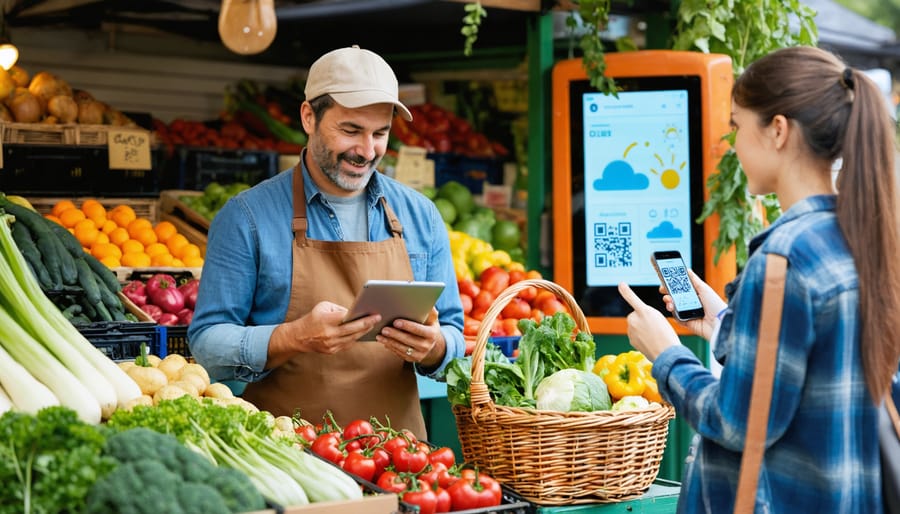
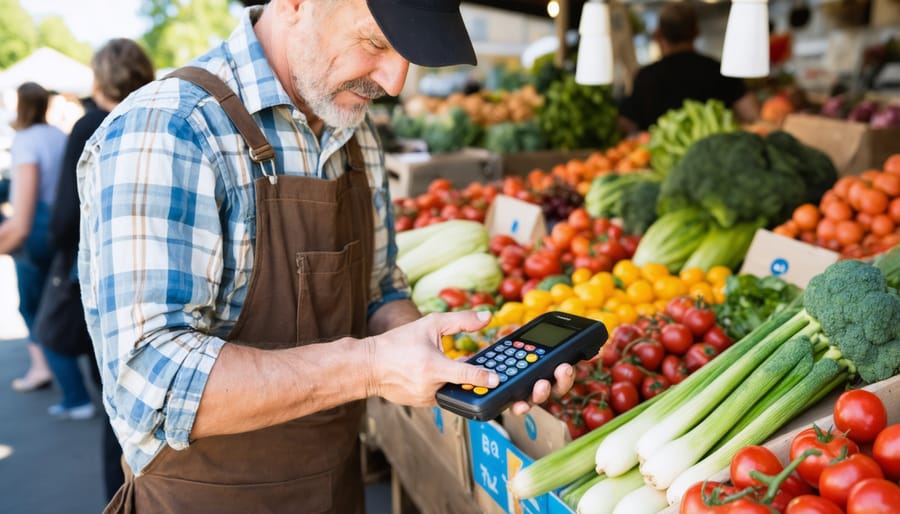
Gone are the days when farmers markets were cash-only operations. Today’s tech-savvy farmers are embracing mobile payment apps and digital wallets to make transactions smoother and more convenient for everyone. Popular platforms like Square, Venmo, and PayPal have become essential tools at market stalls, allowing customers to pay with just a tap of their phones.

These digital payment solutions offer multiple benefits for farmers. They reduce the need to handle cash, minimize accounting errors, and provide detailed sales reports that help track inventory and business growth. Many apps also generate digital receipts, making it easier to maintain accurate records for tax purposes.

For customers, these payment options mean no more rushing to ATMs or missing out on fresh produce because they forgot to bring cash. Digital wallets also enable convenient features like splitting payments for group purchases or setting up recurring payments for CSA memberships.

Some farmers report seeing up to a 25% increase in sales after implementing digital payment options, as customers tend to spend more when using contactless payments. Plus, these systems help create a more professional image while maintaining the friendly, personal atmosphere that makes farmers markets special.

Vendor accepting contactless payment from customer at farmers market stand
Farmer using a mobile payment terminal at a bustling farmers market stall

Online Pre-ordering Systems

Modern farmers markets are embracing online pre-ordering systems to create a more convenient shopping experience for both customers and vendors. These user-friendly platforms allow shoppers to browse available produce, reserve items in advance, and schedule pickup times, eliminating the disappointment of arriving at the market only to find favorite items sold out.

Local farmers benefit from this technology by better predicting demand and reducing food waste. They can harvest exactly what’s needed and plan their market inventory more efficiently. Many successful vendors report that pre-orders now account for up to 40% of their weekly sales, providing a reliable income stream even during unpredictable weather conditions.

These systems typically feature real-time inventory updates, secure payment processing, and automated confirmation emails. Some advanced platforms even integrate with farm management software to track crop availability and send harvest reminders to farmers. For customers, the experience feels similar to familiar online shopping but maintains the personal connection with local growers through customized messages and pickup interactions.

The move toward digital pre-ordering has proven especially valuable during peak seasons when markets are bustling with activity. It helps maintain social distancing when necessary and ensures everyone can access fresh, local produce efficiently.

Farm Management Apps Hit the Market Stalls

Digital farm management dashboard displaying produce inventory and sales data
Tablet screen showing farm management software with inventory tracking and sales analytics

Inventory Management Solutions

Modern farming has embraced digital solutions that make market stall management more efficient than ever before. Cloud-based inventory systems now allow farmers to track their produce from seed to sale, ensuring nothing goes to waste. These smart tools help predict harvest times, manage stock levels, and plan market days with precision.

Popular apps like Farmhand and MarketWise let growers scan QR codes on harvest bins to instantly update their inventory. This real-time tracking helps farmers know exactly what’s available, reducing the risk of overselling or running out of popular items during market hours. Some systems even integrate with weather forecasts to help plan harvesting schedules and market day preparations.

Digital inventory management also helps farmers maintain detailed records of crop varieties, growing conditions, and sales patterns. This data becomes invaluable for planning future growing seasons and understanding customer preferences. Many systems can generate reports showing which products sell best at different times of the year, helping farmers optimize their planting schedules and market day offerings.

For small-scale farmers, these tools have become game-changers, allowing them to compete more effectively while maintaining the personal touch that makes farmers markets special.

Customer Relationship Management Tools

Modern farming isn’t just about growing crops – it’s about growing relationships with customers too. Today’s farmers are using sophisticated CRM (Customer Relationship Management) tools to stay connected with their loyal customers and build stronger communities around their farms.

Digital platforms like Farmigo and Local Food Marketplace help farmers track customer preferences, manage CSA subscriptions, and send automated updates about harvest schedules and product availability. These systems can remember which customers prefer specific varieties of tomatoes or who’s interested in bulk purchases for canning season.

Many farms now use mobile apps to run loyalty programs, rewarding regular customers with points or special discounts. These apps also collect valuable feedback, helping farmers adjust their growing plans based on customer demand. Some systems even integrate with social media, allowing farmers to share real-time updates about fresh picks or upcoming market days.

Email marketing tools designed specifically for farms help maintain personal connections through newsletters featuring recipe ideas, farm updates, and upcoming events. The best part? These systems are becoming more user-friendly, allowing even tech-hesitant farmers to manage customer relationships effectively while spending more time in the fields where they’re needed most.

QR Codes Tell Your Food’s Story

Shopper using smartphone to scan QR code on vegetable display at farmers market
Customer scanning QR code on produce display with smartphone to view farm origin story

Track Your Produce Journey

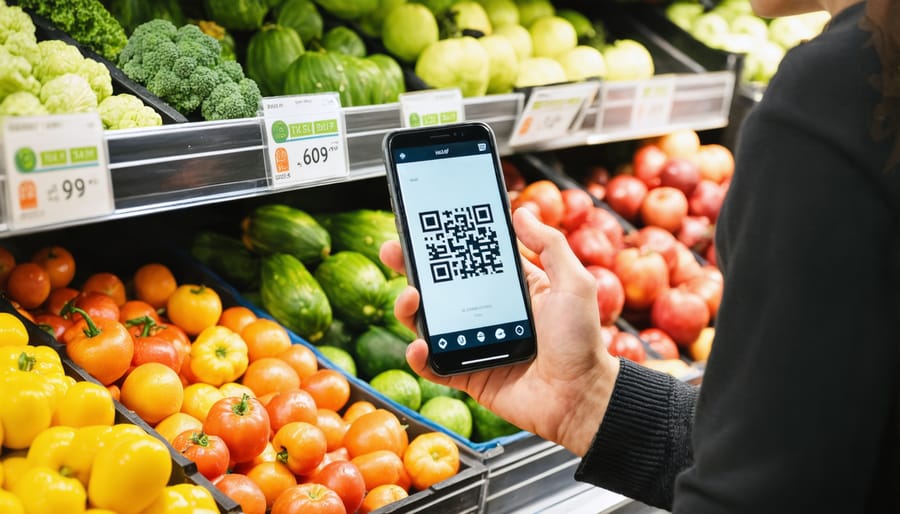
Ever wondered where your tomatoes really came from? Thanks to innovative tracking technology, you can now trace your produce’s journey from seed to shelf. Many farms are implementing QR codes on their packaging that, when scanned with your smartphone, reveal the complete story of your fruits and vegetables.

Local farmer Sarah Chen from Green Valley Farm uses blockchain technology to track her organic produce. “Customers can see when their lettuce was planted, harvested, and delivered,” she explains. “They even get to know which field it grew in and what organic practices we used.”

Several user-friendly apps now connect consumers directly with their food’s origin story. For example, HarvestMark lets you input a code from your produce to view its full journey, including temperature logs during transportation and certification details. The Farmers Market Finder app helps locate markets near you that use produce tracking systems.

This transparency isn’t just about satisfying curiosity – it’s about food safety and supporting local farmers. When you know exactly where your food comes from, you can make more informed choices about your purchases and build stronger connections with the farmers who grow your food.

Digital Recipe Integration

QR codes are revolutionizing the way shoppers interact with fresh produce at farmers markets, creating a seamless bridge between farm-fresh ingredients and delicious home-cooked meals. With a simple smartphone scan, customers can instantly access curated recipe collections that feature the seasonal produce they’re buying.

These digital recipes go beyond basic cooking instructions. Shoppers receive detailed nutritional information, storage tips, and even video tutorials showing creative ways to prepare unfamiliar vegetables. For example, when scanning a QR code on a bundle of rainbow chard, customers might discover both traditional sautéing methods and innovative ways to incorporate it into smoothies or wraps.

Many farmers are adding personal touches to these digital resources by including their own family recipes and cooking tips passed down through generations. Some even feature short videos of themselves preparing dishes using their produce, adding a personal connection that bridges the gap between field and kitchen.

This technology helps reduce food waste by giving shoppers confidence to try new ingredients and ensuring they know how to properly store and prepare their purchases. It’s particularly helpful for seasonal items that might be unfamiliar to some customers.

Real-Time Market Updates Keep Shoppers Informed

Gone are the days when farmers market shoppers had to guess what produce would be available on market day. Modern communication technology has revolutionized how farmers connect with their customers, creating a more efficient and enjoyable shopping experience for everyone involved.

Many farmers now use mobile apps and messaging platforms to send real-time updates about their harvest schedules and available products. Customers can receive instant notifications when their favorite items are in stock or when new seasonal produce becomes available. Some markets have even developed their own apps that allow shoppers to browse vendor inventories before leaving home.

Social media platforms have become vital tools for market communication. Farmers regularly post photos of freshly harvested produce, share updates about weather impacts on crops, and announce special offerings or limited-time deals. These platforms also enable direct messaging between farmers and customers, fostering stronger relationships and building community trust.

Digital newsletters and text message services help farmers share weekly availability lists, recipe suggestions, and storage tips for seasonal produce. This information helps customers plan their shopping trips more effectively and make the most of their purchases.

Several markets now feature digital displays showing real-time inventory updates from various vendors. These screens help shoppers quickly locate specific items and discover new products they might have missed. Some systems even track popular items, helping farmers better predict demand and reduce food waste.

For tech-savvy farmers like Sarah Chen from Green Valley Farm, these tools have been transformative. “We used to lose customers who’d arrive after we’d sold out of popular items,” she says. “Now they know exactly what we’ll have before they visit, and they can even pre-order their favorites.”

The integration of technology in farmers markets represents an exciting evolution in how we connect with local food systems. Today’s farmers are embracing digital tools that make their operations more efficient while preserving the authentic, community-focused experience that makes markets special. From mobile payment systems that make transactions seamless to inventory management apps that reduce waste, these innovations are helping small-scale farmers thrive in the modern marketplace.

Looking ahead, we can expect even more exciting developments. Imagine scanning a QR code to instantly view a farm’s growing practices, or using augmented reality to see recipe suggestions as you shop. Smart sensors and data analytics will help farmers optimize their crops, while blockchain technology could provide unprecedented transparency in food sourcing.

These advancements aren’t just about convenience – they’re creating a more sustainable and resilient local food system. By embracing technology thoughtfully, farmers markets can continue to grow while staying true to their roots in community connection and sustainable agriculture. The future of farming combines the best of both worlds: time-honored growing practices enhanced by innovative solutions that benefit farmers and consumers alike.

School Gardens That Transform: How CSA Farms Are Inspiring Young Minds

Posted by darrell on
0
Educational Programs and Partnerships
School Gardens That Transform: How CSA Farms Are Inspiring Young Minds

In the heart of rural Vermont, Sweet Meadow Farm’s partnership with Lincoln Elementary School transformed from a simple field trip destination into a thriving educational hub that now serves over 500 students annually. This remarkable collaboration demonstrates how local farms can become living classrooms, nurturing both agricultural literacy and community bonds. Through hands-on planting workshops, seasonal harvest celebrations, and weekly farm-to-cafeteria programs, students develop deep connections with their food sources while farmers gain dedicated community support. The impact extends beyond the classroom, as families become CSA members, volunteer at farm events, and actively participate in sustainable food initiatives. This successful model of community connection showcases how agricultural partnerships can cultivate not just crops, but also environmental stewardship, nutritional awareness, and lasting relationships that strengthen local food systems for generations to come.

From Farm to Classroom: Building Educational Bridges

Starting the Connection

Initiating a meaningful connection between your CSA farm and local schools requires a thoughtful, step-by-step approach. Start by researching schools within a 30-minute radius of your farm and identify those already participating in farm-based education networks. These schools often have existing infrastructure for agricultural programs and may be more receptive to partnerships.

Craft a concise proposal highlighting your farm’s unique educational offerings and how they align with curriculum standards. Consider age-specific programs like seedling workshops for elementary students or sustainable agriculture projects for high schoolers. Remember to emphasize both the educational value and the hands-on experience your farm can provide.

Reach out to school administrators or science department heads through a professional email, followed by a phone call within a week. Be prepared to discuss practical aspects like transportation logistics, safety protocols, and scheduling flexibility. Start small with a pilot program, perhaps beginning with a single grade level or class, allowing you to refine your approach based on feedback and experience before expanding to more extensive programs.

Creating Sustainable Partnerships

Building lasting partnerships requires dedication, clear communication, and mutual understanding. Start by establishing shared goals and expectations with your community partners, whether they’re schools, local businesses, or neighboring farms. Regular check-ins and open dialogue help address challenges before they become significant issues.

Create a structured feedback system where both parties can share concerns and suggestions for improvement. This might include monthly meetings, surveys, or informal gatherings where stakeholders can connect and share experiences.

Document your successes and challenges, using this information to refine your approach over time. Consider creating a partnership agreement that outlines responsibilities, communication channels, and conflict resolution procedures.

Remember that successful partnerships often extend beyond formal arrangements. Organize community events, workshops, or volunteer days that bring partners together in meaningful ways. These activities help build personal connections and strengthen institutional relationships.

When challenges arise, approach them with flexibility and a solutions-oriented mindset. Sometimes, adjusting expectations or finding creative compromises can transform potential obstacles into opportunities for growth and innovation.

Hands-On Learning Activities That Work

Garden-Based Learning

School gardens serve as vibrant outdoor classrooms where students experience hands-on learning while connecting with local food systems. At Washington Elementary, students transformed an unused courtyard into a thriving vegetable garden, growing seasonal crops like tomatoes, lettuce, and herbs. This project not only teaches biology and environmental science but also provides fresh produce for the school cafeteria.

In Portland, Maine, the “Grow Together” initiative partners local organic farmers with middle school students. Each class maintains raised beds under the guidance of experienced farmers, learning about soil health, composting, and seasonal planting schedules. Students take pride in harvesting vegetables they’ve grown themselves, often sharing their bounty with the school community through harvest celebrations.

The “Seeds to Success” program in California demonstrates how garden-based learning supports multiple subjects. Math classes use the garden for measurement and data collection, while language arts students write garden journals and creative stories inspired by their growing experience. Science classes explore ecosystems, plant biology, and weather patterns through hands-on garden activities.

These garden projects often extend beyond the school day, with after-school clubs and summer programs allowing students to maintain their connection to the garden year-round. Many schools report improved student engagement, increased consumption of fresh vegetables, and stronger community bonds through their garden programs.

Diverse group of young students learning hands-on gardening skills in their school garden
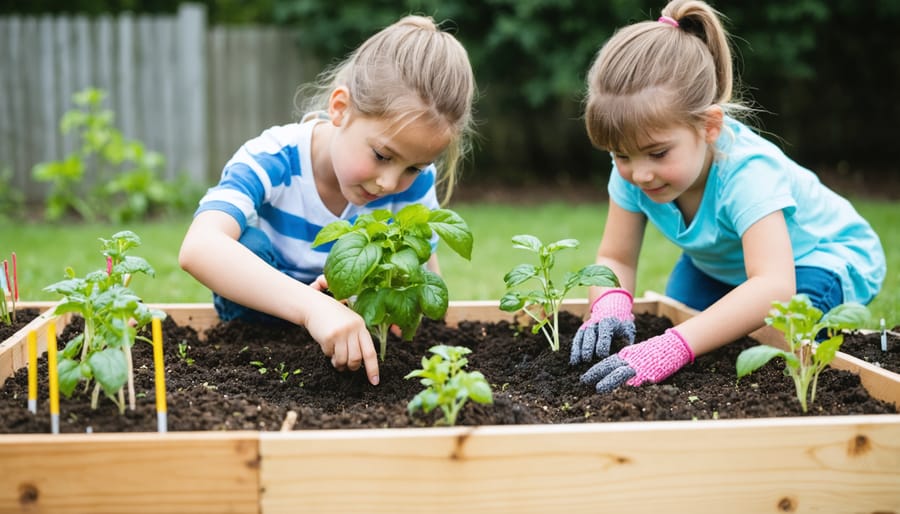
Elementary school students working together in a raised garden bed, planting seedlings with their teacher

Farm Visit Programs

Farm visit programs offer a dynamic way to bridge the gap between agricultural producers and their local community. These structured educational experiences typically include guided tours of working farms, hands-on activities, and interactive learning stations that showcase various aspects of sustainable farming practices.

During these visits, participants get to experience firsthand how their food is grown, from seed to harvest. Children particularly benefit from these programs, as they can pick vegetables, feed farm animals, and learn about composting through engaging activities. Many farms offer seasonal programs that highlight different farming activities throughout the year, from spring planting to fall harvest celebrations.

These programs often incorporate curriculum-aligned elements for school groups, making them valuable educational resources. Visitors learn about soil health, plant life cycles, and the importance of pollinators while developing a deeper appreciation for local food systems. Some farms even offer cooking demonstrations using fresh harvest, helping visitors understand the farm-to-table connection.

Beyond education, farm visits strengthen community bonds and support local agriculture. Many participants become regular customers at farmers’ markets or join CSA programs after experiencing the care and dedication that goes into growing their food. For farmers, these programs provide additional income streams while building a loyal customer base that understands and values their work.

To ensure successful visits, farms typically limit group sizes and require advance registration. This allows for personalized attention and maintains the quality of the educational experience while protecting the working farm environment.

CSA farmer demonstrating vegetable harvesting techniques to elementary school students
Local farmer showing a group of students how to harvest fresh vegetables during a farm visit

Measuring Success and Impact

Student Learning Outcomes

Through hands-on participation in community farming initiatives, students develop a rich array of skills and experience transformative learning experiences that extend far beyond traditional classroom settings. They gain practical knowledge about sustainable agriculture, seasonal growing cycles, and local food systems while strengthening their understanding of environmental stewardship. Students cultivate valuable life skills including responsibility, teamwork, and problem-solving as they collaborate on farm tasks and community projects.

The program enhances academic performance through real-world applications of science, mathematics, and environmental studies. Students develop critical thinking abilities by analyzing crop planning, weather patterns, and ecological relationships. They also build strong communication and leadership skills through community engagement and project management.

Perhaps most importantly, participants develop a deeper connection to their food source and local community. They learn about nutrition, food security, and sustainable living practices while building relationships with local farmers and community members. This comprehensive learning experience creates lasting impacts on students’ personal growth, academic achievement, and understanding of sustainable food systems.

Community Benefits

When farms connect with their local communities, the benefits ripple far beyond the farmers’ fields. These partnerships cultivate a deeper understanding of food systems and encourage sustainable living practices throughout the neighborhood. Children develop a natural curiosity about where their food comes from, while adults gain valuable insights into seasonal eating and local agriculture.

Community engagement through farm activities creates lasting bonds between neighbors, fostering a shared sense of environmental stewardship. Local food awareness increases significantly, with participants becoming more likely to support regional farmers and make conscious food choices. Many communities report increased participation in farmers’ markets and local food initiatives after establishing these connections.

The educational impact extends to practical skills, with community members learning about composting, seed saving, and seasonal cooking. This knowledge transfer helps create more resilient neighborhoods where sustainable food practices become part of daily life. Additionally, these connections often lead to improved access to fresh, nutritious food for all community members, including those in underserved areas.

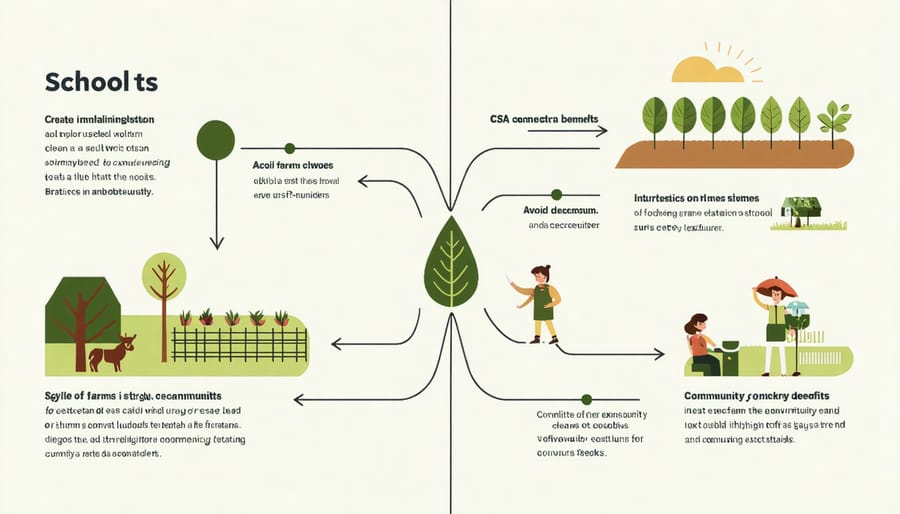
Visual diagram illustrating the relationships and benefits between farms, schools, and community
Infographic showing the connection between CSA farms, schools, and community benefits

Getting Started: Resources and Support

Ready to start building educational partnerships for your CSA farm? Several organizations and resources can help you get the ball rolling. The National Farm to School Network offers comprehensive toolkits and connection opportunities specifically designed for farmers looking to work with educational institutions. Their online database includes templates for partnership agreements, safety guidelines, and lesson plan frameworks.

Local extension offices are invaluable resources, often providing free consulting services and connecting farms with nearby schools. They can help navigate regulations and offer guidance on age-appropriate activities for different student groups. Many extension offices also host workshops throughout the year on farm-based education.

For funding support, explore USDA’s Farm to School Grant Program, which provides financial assistance for implementing educational programs. State departments of agriculture frequently offer similar grants specifically for agricultural education initiatives.

Join online communities and social media groups focused on farm education. Facebook groups like “Farmers for Education” and LinkedIn’s “Agricultural Education Network” provide platforms to share experiences, ask questions, and learn from others who have successfully established similar programs.

Essential resources to gather before starting:
– Insurance documentation and liability waivers
– Age-appropriate safety protocols
– Educational materials and activity guides
– Photo release forms
– Emergency procedures
– Transportation guidelines

Remember to reach out to experienced CSA farmers in your area who have established educational programs. Most are happy to share their insights and might even become mentors as you develop your program. Local food policy councils can also provide valuable connections and resources specific to your region.

Building strong community connections through sustainable agriculture creates lasting positive impacts that extend far beyond the farm gate. Whether you’re a seasoned farmer hosting school visits or a gardening enthusiast sharing knowledge at local events, every effort to connect with your community strengthens the local food system. By implementing educational programs, participating in farmers’ markets, or starting a CSA program, you’re not just growing food – you’re cultivating relationships and fostering a deeper understanding of sustainable agriculture.

Take that first step today by reaching out to local schools, community centers, or neighborhood groups. Start small, stay consistent, and watch as your community connections flourish alongside your crops. Remember, sustainable farming isn’t just about growing food; it’s about growing together as a community, one meaningful connection at a time.