Daily Archives

3 Articles

Why Daily Organic Nut Consumption Keeps Your Heart Beating Strong

Posted by darrell on
0
Consumer Health and Nutrition
Why Daily Organic Nut Consumption Keeps Your Heart Beating Strong

Grab a handful of nuts daily to revolutionize your health – it’s that simple, yet remarkably powerful. Research from Harvard Medical School shows that people who eat nuts daily are 20% less likely to develop heart disease and tend to live longer, healthier lives. From heart-protective omega-3s in walnuts to protein-packed almonds and antioxidant-rich pecans, these nutrient-dense powerhouses pack a concentrated punch of essential vitamins, minerals, and healthy fats your body craves.

But here’s what many don’t realize: the key lies in mindful consumption. While nuts deliver impressive health benefits, they’re also calorie-dense, making portion control crucial for optimal results. Whether you’re sprinkling them on your morning oatmeal, adding crunch to your salad, or enjoying them as a satisfying afternoon snack, a daily serving of 1-2 ounces provides the perfect balance of nutrition without excess calories.

Let’s explore how these small but mighty foods can transform your daily diet into a foundation for lasting health and vitality.

Various organic nuts including almonds, walnuts, and pecans arranged around a heart symbol
Assorted organic nuts arranged artistically with visible nutritional labels and heart shapes

The Heart-Healthy Power of Organic Nuts

Essential Heart-Protective Nutrients

Organic nuts are powerhouses of essential nutrients that protect your heart and support overall cardiovascular health. As part of your heart-healthy dietary choices, nuts provide an impressive array of protective compounds that work together to keep your heart strong.

Most nuts are rich in omega-3 fatty acids, particularly walnuts, which contain alpha-linolenic acid (ALA) that helps reduce inflammation and supports heart rhythm. Almonds and pecans are loaded with vitamin E, a potent antioxidant that prevents oxidative damage to heart cells. Brazilian nuts stand out for their selenium content, which helps maintain healthy heart function.

The antioxidant profiles of different nuts are equally impressive. Pecans contain more than 19 different antioxidants, while hazelnuts provide quercetin and proanthocyanidins that support blood vessel health. Pistachios contain lutein and zeaxanthin, which help reduce oxidative stress.

Organic nuts also provide L-arginine, an amino acid that helps produce nitric oxide in your body, supporting flexible and healthy blood vessels. Combined with their rich mineral content, including magnesium and potassium, nuts create a natural shield for your cardiovascular system.

Organic vs. Conventional: What’s the Difference?

When it comes to choosing between organic and conventional nuts, there are several key differences worth considering. Organic nuts are grown without synthetic pesticides and fertilizers, potentially reducing your exposure to harmful chemicals. Studies suggest that organic nutrition benefits may include higher levels of certain antioxidants and beneficial compounds.

Conventional nuts, while generally safe to consume, may contain trace amounts of pesticide residues. However, their thick shells provide natural protection, making nuts one of the foods less affected by conventional farming practices. Both organic and conventional nuts offer similar macro-nutrient profiles – they’re equally rich in healthy fats, protein, and fiber.

The main difference lies in farming practices and environmental impact. Organic nut farms typically employ sustainable methods that protect soil health and biodiversity. While organic nuts tend to be more expensive, many consumers find the environmental benefits and potential reduction in chemical exposure worth the investment. Whether you choose organic or conventional, remember that proper storage is crucial for maintaining freshness and preventing rancidity.

Perfect Daily Portions for Heart Health

How Much is Just Right?

When it comes to daily nut consumption, the magic number is about a handful, or 1-1.5 ounces (28-42 grams). This amounts to roughly 20-24 almonds, 15-20 cashews, or 15 walnut halves. While nuts are incredibly nutritious, they’re also calorie-dense, so portion control is key.

Listen to your body for signs you might be overdoing it. Stomach discomfort, bloating, or weight gain could indicate you’re consuming too many nuts. For those following organic lifestyles, choosing raw, unsalted nuts from local farmers markets offers the most nutritional benefits while supporting sustainable agriculture.

To make portion control easier, try pre-portioning your nuts into small containers at the start of each week. This simple habit helps prevent mindless snacking while ensuring you get just the right amount of these nutrient-rich foods every day.

Looking to mix things up? Alternate between different organic nut varieties throughout the week to get a diverse range of nutrients and keep your snacking interesting.

Demonstration of proper nut portion sizes using a palm-sized serving and measuring cups
Visual comparison of portion sizes using hands and measuring cups

Best Times to Eat Nuts

The timing of your nut consumption can significantly impact their health benefits. For optimal heart health, consider eating a small portion of nuts as a mid-morning snack, which helps maintain steady blood sugar levels throughout the day. Another ideal time is about 30 minutes before exercise, as nuts provide sustainable energy for your workout.

Many nutritionists recommend incorporating nuts into your breakfast routine, either mixed into organic yogurt or oatmeal, as this helps kickstart your metabolism. For those practicing intermittent fasting, nuts make an excellent choice to break your fast, providing essential nutrients without overwhelming your digestive system.

Evening consumption is also beneficial, particularly for those struggling with sleep. A small handful of nuts about two hours before bedtime can help regulate sleep hormones, thanks to their magnesium and tryptophan content. Just remember to keep portions moderate, as nuts are calorie-dense even though they’re incredibly nutritious.

Choosing and Storing Your Organic Nuts

Fresh vs. Processed: Making the Right Choice

When selecting nuts for your daily consumption, the difference between fresh and processed varieties can significantly impact their nutritional value. Fresh, raw nuts retain their full complement of healthy fats, proteins, and antioxidants, while heavily processed options often contain added oils, salt, and preservatives that can diminish their health benefits.

Look for organic nuts stored in sealed containers or bulk bins with high turnover rates. They should appear plump, uniform in color, and free from cracks or discoloration. Avoid nuts that show signs of moisture damage, mold, or rancidity – these may have a bitter or “off” smell.

The best choices are often found at local farmers’ markets, food co-ops, or organic grocery stores where you can verify their freshness. Store-bought packaged nuts should have clear labeling indicating they’re raw or minimally processed. Be particularly wary of flavored varieties, which typically contain artificial additives and excess sodium.

Store your nuts in an airtight container in a cool, dark place, or refrigerate them to maintain freshness and prevent oxidation of their healthy fats. This simple step can extend their shelf life while preserving their nutritional benefits.

Storage Secrets for Maximum Benefits

To maintain the nutritional goodness of your nuts and ensure they stay fresh longer, proper storage is essential. Always keep nuts in an airtight container – mason jars or resealable glass containers work perfectly for this purpose. The pantry is your best bet for storing nuts at room temperature, but make sure it’s cool, dry, and away from direct sunlight.

For longer shelf life, especially if you buy in bulk, the refrigerator is your friend. Most nuts can stay fresh for up to six months when refrigerated, and up to a year when frozen. Before storing, check that your nuts are completely dry to prevent mold growth.

Here’s a helpful tip from our organic farmers: consider buying nuts in their shells if possible. Nature’s packaging provides the best protection against rancidity and preserves nutrients longer. When you notice a bitter or “off” smell, or if your nuts taste stale, it’s time to replace them.

For those living in humid climates, adding a food-grade silica gel packet to your storage container can help absorb excess moisture and keep nuts crisp longer.

Creative Ways to Include Nuts in Your Daily Diet

Beyond Simple Snacking

Nuts aren’t just for snacking – they’re versatile ingredients that can transform your everyday meals into nutritious culinary adventures. Try sprinkling chopped walnuts and pecans over your morning oatmeal or yogurt parfait to add crunch and help boost your body’s natural defenses.

Create a delicious homemade trail mix by combining your favorite organic nuts with dried local fruits and dark chocolate chips. For lunch, try making a nutrient-rich nut-based pesto using almonds or pine nuts, fresh basil, olive oil, and garlic – perfect for pasta or as a sandwich spread.

Transform dinner by using crushed nuts as a healthy coating for baked fish or chicken instead of breadcrumbs. Add toasted cashews to stir-fries or curry dishes for extra protein and texture. For a creative twist on salads, candy some pecans with maple syrup and a pinch of sea salt for a sweet-savory topping.

Don’t forget about dessert! Blend soaked cashews into a creamy vegan cheesecake base, or process almonds into flour for gluten-free baking. Making your own nut butter is another rewarding way to enjoy these nutritional powerhouses – simply process roasted nuts in a food processor until smooth, adding a touch of honey or cinnamon if desired.

Healthy breakfast bowl with yogurt, fruits, and various nuts as toppings
Creative breakfast bowl featuring nuts as toppings

Local Sources for Fresh Organic Nuts

Finding fresh organic nuts locally isn’t as challenging as you might think. Start by visiting your nearest farmers’ market, where local growers often sell seasonal nuts like walnuts, pecans, and almonds. Many farmers are happy to share their growing practices and may even offer samples of their products.

Community Supported Agriculture (CSA) programs are another excellent source for organic nuts. While most people associate CSAs with vegetables and fruits, some farms include nuts in their seasonal offerings. Check with local CSA programs about their nut harvesting schedules and availability.

Local food co-ops and health food stores frequently partner with regional organic nut farmers. These partnerships ensure fresher products and support local agriculture. Ask store managers about their sourcing practices and whether they can connect you directly with farmers.

For those interested in ultra-local sourcing, consider joining or starting a nut-growing collective. Many communities have unused land that’s perfect for growing nut trees. Local agricultural extension offices can provide guidance on starting such initiatives.

Social media and online farming forums are valuable resources for finding organic nut producers in your area. Many small-scale farmers use these platforms to connect with customers and share harvest updates. Don’t forget to ask about bulk purchasing options, which can make organic nuts more affordable while reducing packaging waste.

Remember to inquire about storage recommendations when buying fresh nuts, as proper storage is crucial for maintaining their nutritional value and preventing rancidity.

Incorporating organic nuts into your daily diet offers a wealth of health benefits while supporting sustainable agriculture practices. From heart-healthy fats and protein to essential minerals and antioxidants, nuts provide comprehensive nutrition in a convenient package. By choosing organic varieties, you’re not only investing in your health but also supporting farming methods that protect soil health and biodiversity. Remember to stick to a portion size of 1-2 ounces daily, store your nuts properly to maintain freshness, and explore different varieties to maximize nutritional benefits. Whether you’re snacking on almonds, adding walnuts to your morning oatmeal, or sprinkling pistachios on salads, making organic nuts part of your daily routine is a smart choice for both personal health and environmental sustainability. Consider sourcing from local organic farmers when possible to reduce your carbon footprint and support your community’s sustainable food system.

CSA Farm Shares: Your Prescription for Better Health and Wellness

Posted by darrell on
0
CSA Fundamentals and Benefits
CSA Farm Shares: Your Prescription for Better Health and Wellness

Transform your health journey through Community Supported Agriculture, a revolutionary approach to accessing farm-fresh, nutrient-dense foods that delivers profound benefits for both body and mind. Beyond simply providing organic produce, CSA membership creates a direct connection to local farmers, ensuring access to peak-season vegetables harvested at their nutritional prime. Recent studies show that people who participate in CSAs consume 60% more fruits and vegetables than the average consumer, while experiencing reduced stress levels through meaningful community connections. This sustainable food system not only provides unparalleled freshness and flavor but also supports immune function through higher concentrations of beneficial compounds found in just-picked produce. Whether you’re seeking better nutrition, environmental sustainability, or a stronger connection to your food source, CSA membership offers a powerful pathway to enhanced wellbeing.

Fresh Food, Better Nutrition

Peak-Season Harvesting

CSA farms excel at maximizing the nutritional benefits of CSA programs through strategic peak-season harvesting practices. Unlike conventional produce that’s often picked early for long-distance shipping, CSA farmers harvest fruits and vegetables at their optimal ripeness, ensuring maximum nutrient density and flavor.

Farmers carefully time their harvests to coincide with early morning or late evening hours when temperatures are cooler, helping preserve delicate nutrients that can degrade in intense heat. Many CSA farmers practice succession planting, which means crops are harvested and delivered to members within hours of picking, preserving vital nutrients that begin declining immediately after harvest.

Local CSA farmers also select varieties specifically for their nutritional content rather than shipping durability. They can grow more nutrient-dense heirloom varieties that might be too delicate for conventional distribution. This focus on peak-season harvesting means members receive produce when it’s not only most flavorful but also at its nutritional prime, packed with essential vitamins, minerals, and antioxidants.

Variety Equals Vitality

One of the most exciting aspects of CSA membership is the ever-changing variety of produce you receive throughout the growing season. Each weekly share brings a colorful array of fruits and vegetables that naturally align with your body’s seasonal nutritional needs. This diversity ensures you’re getting a wide spectrum of vitamins, minerals, and antioxidants that might be missing from a more limited grocery store diet.

When you receive different types of produce each week, you’re naturally encouraged to experiment with new recipes and cooking methods. This culinary adventure not only makes healthy eating more enjoyable but also helps you develop a broader palate and better eating habits. Many CSA members report that they eat more vegetables and try new foods they wouldn’t typically purchase.

The seasonal variety also supports gut health through diverse fiber sources and different beneficial plant compounds. From spring’s tender greens to summer’s juicy tomatoes and fall’s hearty squashes, each season brings its own nutritional profile that works in harmony with your body’s changing needs. This natural rotation of produce helps maintain a healthy microbiome and supports overall immune function.

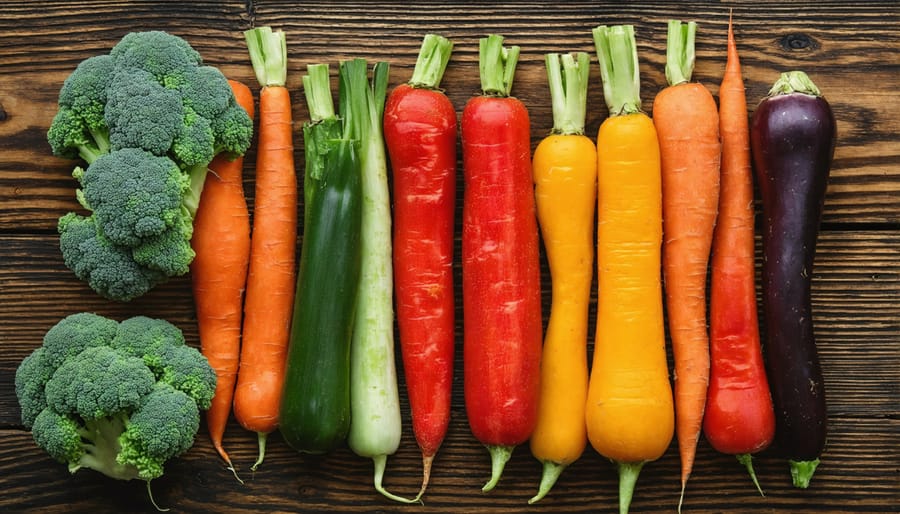
Diverse collection of fresh CSA produce including colorful vegetables and herbs
Colorful array of freshly harvested seasonal vegetables laid out on a rustic wooden table

Mental Health Benefits

Community Connection

Joining a CSA isn’t just about accessing fresh produce – it’s about becoming part of a vibrant community that shares your values and passion for sustainable food. Through building stronger communities through CSAs, members often develop meaningful relationships with their farmers and fellow subscribers.

Weekly pickup days become social gatherings where neighbors exchange recipes, share cooking tips, and discuss their latest kitchen adventures. Many CSAs host seasonal events like harvest festivals, farm tours, and cooking demonstrations that bring members together to celebrate local food culture.

Children especially benefit from this community aspect, learning where their food comes from and developing positive associations with healthy eating through hands-on experiences at the farm. The regular interaction with farmers and other members creates a support network that encourages sustainable living practices and healthy eating habits.

This sense of belonging and shared purpose contributes significantly to mental well-being, as members feel connected to both their food source and their local community. Many CSA members report feeling more grounded and satisfied knowing they’re part of a movement that supports local agriculture while fostering meaningful social connections.

Group of CSA members interacting with farmers and each other while collecting their weekly shares
Smiling community members gathering at a local farm during CSA pickup day

Seasonal Mindfulness

Eating seasonally through a CSA membership does more than nourish your body – it nurtures your mind too. By connecting with the natural rhythm of harvest seasons, you develop a deeper appreciation for nature’s cycles and the food on your plate. This mindful approach to eating helps reduce stress and anxiety while fostering a sense of connection to your local environment.

The anticipation of weekly CSA boxes creates a positive ritual that many members look forward to. Opening your share becomes a moment of discovery and joy, encouraging mindful eating practices and greater awareness of your food choices. This seasonal connection can help combat the disconnection many feel in our fast-paced world.

Members often report feeling more grounded and present when preparing meals with their seasonal produce. The process of cleaning, preparing, and cooking fresh vegetables becomes a form of meditation, offering a peaceful break from daily stresses. Additionally, knowing the story behind your food – who grew it and where it came from – creates a sense of community and belonging that contributes to overall emotional well-being.

The seasonal eating pattern also helps you stay present and engaged with the current moment, rather than always rushing ahead to the next thing.

Physical Wellness Impact

Immune System Support

Fresh, locally grown produce from CSA farms packs a powerful punch when it comes to supporting your immune system. These fruits and vegetables are harvested at peak ripeness, meaning they retain maximum nutritional value and immune-boosting compounds that can help keep you healthy year-round.

The quick journey from farm to table ensures that vital nutrients like vitamin C, beta-carotene, and antioxidants remain intact. Unlike produce that travels long distances, CSA vegetables don’t lose their nutritional potency during extended storage and transportation. This means you’re getting the highest possible levels of immune-supporting nutrients with every bite.

CSA shares typically include a diverse range of colorful vegetables and fruits, each offering unique immune-enhancing properties. Dark leafy greens provide folate and vitamin K, while orange and red vegetables deliver beta-carotene and vitamin A. Many CSA farms also include immunity-boosting herbs and allium vegetables like garlic and onions, known for their natural antimicrobial properties.

Seasonal eating through a CSA also aligns with your body’s natural nutritional needs throughout the year. Winter shares often feature storage crops rich in vitamin C and zinc, helping to ward off seasonal illness, while summer produce provides hydrating foods packed with protective antioxidants.

Local farmers often use organic or low-spray growing methods, reducing your exposure to pesticides while maximizing the beneficial compounds in your produce that support immune function.

Composite image showing organic farming on one side and health metrics like blood pressure and heart rate on the other
Split image showing organic farming practices and common health indicators

Chronic Disease Prevention

Consuming fresh, organic produce through CSA memberships can significantly impact long-term health outcomes and help prevent various chronic diseases. Regular intake of diverse, seasonal vegetables and fruits provides essential nutrients, antioxidants, and fiber that work together to boost your body’s natural defense systems.

Studies have shown that people who consistently eat organic produce have lower risks of developing heart disease, type 2 diabetes, and certain types of cancer. The higher levels of antioxidants found in organic fruits and vegetables help combat inflammation, a key factor in many chronic conditions. Additionally, the absence of synthetic pesticides in organic farming reduces exposure to potentially harmful chemicals linked to various health issues.

CSA members often report making more home-cooked meals and eating a wider variety of vegetables, which naturally leads to better portion control and reduced consumption of processed foods. This dietary shift can help maintain healthy blood pressure, cholesterol levels, and blood sugar balance.

Local farmer Sarah Martinez shares, “Many of our long-term CSA members have told us how their health has improved since joining. One member reversed her pre-diabetes diagnosis after two years of incorporating our seasonal produce into her daily meals.”

The variety of nutrients in seasonal produce also supports immune system function, helping your body ward off illnesses and maintain optimal health throughout the year. Plus, knowing exactly where your food comes from and how it’s grown provides peace of mind about your dietary choices.

Making the Most of Your CSA Share

Getting the most value from your CSA share starts with smart planning and storage. When your weekly bounty arrives, sort produce by ripeness and storage needs. Keep delicate greens in sealed containers with a paper towel to absorb excess moisture, while root vegetables can go in a cool, dark place. This simple organization helps prevent food waste and ensures you’re enjoying everything at peak freshness.

Create a flexible meal plan based on what’s in your share. Start with the most perishable items early in the week, saving hardier vegetables for later. Don’t be afraid to freeze excess produce – many CSA vegetables freeze well when properly prepared, extending their usefulness well beyond the growing season.

Get creative with unfamiliar items by exploring new recipes and cooking methods. Many CSA farmers provide recipe suggestions and cooking tips with their shares. If you receive an abundance of one item, consider batch cooking and freezing prepared dishes for later use. Transform extra vegetables into soups, stews, or stir-fries that can be enjoyed throughout the week.

Make the most of every part of your produce. Many vegetable parts that often get discarded are actually edible and nutritious. Beet greens can be sautéed, carrot tops make excellent pesto, and broccoli stems can be peeled and eaten raw or cooked.

Connect with other CSA members to share recipes and tips. Many farms have social media groups or newsletters where members exchange ideas. This community aspect not only helps you discover new ways to use your produce but also enhances the overall CSA experience through shared knowledge and inspiration.

Consider splitting a share with another household if you’re new to CSA or have a smaller family. This can help you manage the quantity while still enjoying the benefits of fresh, local produce.

Joining a CSA program offers a wealth of health benefits that extend far beyond just fresh produce. From accessing nutrient-rich, seasonal vegetables to fostering mental wellness through community connections, CSA membership can transform your approach to healthy living. The direct farm-to-table relationship ensures you receive the freshest possible produce, packed with essential vitamins and minerals that may be lost in conventional supply chains. By committing to a CSA share, you’re not only investing in your health but also supporting sustainable farming practices that benefit our environment and local communities. Take the first step toward better health today by connecting with a local CSA farm – your body, mind, and local farming community will thank you for it.

Why Organic Inulin Powder Is Your Metabolism’s Best Friend

Posted by darrell on
0
Consumer Health and Nutrition
Why Organic Inulin Powder Is Your Metabolism’s Best Friend

Transform your digestive health and boost immunity with organic inulin powder, a potent prebiotic fiber extracted from chicory root that works synergistically with organic grains and whole foods. This naturally sweet, soluble fiber promotes beneficial gut bacteria growth, regulates blood sugar levels, and enhances calcium absorption for stronger bones. Unlike synthetic alternatives, organic inulin powder offers pure, chemical-free nourishment that supports sustainable farming practices while delivering maximum nutritional benefits.

Mix 1-2 teaspoons daily into morning smoothies, overnight oats, or warm beverages to experience improved digestion, reduced sugar cravings, and enhanced metabolic health. Start with small amounts and gradually increase intake to allow your digestive system to adjust comfortably. Choose certified organic inulin powder to ensure you’re getting a clean, sustainably produced supplement free from pesticides and chemical processing aids.

Fresh organic chicory roots, Jerusalem artichokes, and dandelion roots - natural sources of inulin
Various organic inulin-rich plants including chicory roots, Jerusalem artichokes, and dandelion roots laid out on a rustic wooden surface

The Natural Origins of Organic Inulin

From Farm to Powder: The Organic Journey

The journey of organic inulin powder begins in fertile soil where chicory and Jerusalem artichoke plants flourish without synthetic pesticides or fertilizers. Local farmers carefully nurture these crops through their growing cycle, typically harvesting the roots in late autumn when inulin concentrations peak. After harvest, the roots are thoroughly cleaned using pure water and carefully inspected for quality.

The extraction process starts with cutting the roots into small pieces before they’re gently heated in filtered water. This natural method helps preserve inulin’s beneficial properties while separating it from other plant materials. The resulting liquid undergoes filtration and evaporation at controlled temperatures to prevent nutrient degradation. Finally, the concentrated inulin solution is dried using a special spray-drying technique that transforms it into a fine, easy-to-use powder.

Throughout this process, strict organic certification standards ensure no chemical solvents or artificial additives are used, maintaining the powder’s purity and potency for maximum health benefits.

Why Organic Matters for Inulin Quality

Choosing organic inulin powder ensures you’re getting a pure, clean product free from synthetic pesticides and harmful chemicals. When chicory root and other inulin sources are grown organically, they develop in soil rich with natural nutrients, leading to higher quality fiber content and better overall nutritional value.

Organic farming practices also protect beneficial soil microorganisms that help plants naturally absorb nutrients, resulting in more potent inulin concentrations. These methods preserve the delicate balance of prebiotics and other beneficial compounds found in the root, ensuring you get the maximum digestive and metabolic benefits.

Additionally, organic certification means strict quality control throughout the entire production process – from soil preparation to harvesting and processing. This careful oversight helps maintain the integrity of the inulin powder, ensuring it’s free from contaminants that could potentially interfere with its prebiotic properties or your body’s ability to utilize it effectively.

Metabolic Benefits of Organic Inulin

Blood Sugar Balance

One of inulin’s most remarkable benefits is its ability to help maintain healthy blood sugar levels. As a soluble fiber, organic inulin powder slows down digestion and the absorption of carbohydrates in your body. This gradual process helps prevent sudden spikes in blood glucose levels after meals, making it particularly beneficial for those watching their blood sugar.

When you consume inulin, it works with your body’s natural processes to improve insulin sensitivity. Think of insulin as a key that unlocks your cells to let glucose in – when your cells become more responsive to insulin, they’re better at managing blood sugar levels throughout the day. This makes organic inulin powder a valuable addition to a balanced diet, especially for individuals concerned about maintaining stable blood sugar levels.

The prebiotic properties of inulin also play a role in blood sugar management. By supporting beneficial gut bacteria, it helps create an environment that promotes better metabolic health and glucose regulation. Many of our local farmers have reported feeling more energetic and balanced after incorporating organic inulin powder into their daily routines.

Gut Health Connection

The fascinating relationship between inulin and your digestive system lies at the heart of its numerous health benefits. As a prebiotic fiber, organic inulin powder plays a crucial role in supporting gut health and metabolism by acting as a nourishing food source for beneficial bacteria in your digestive tract.

When you consume organic inulin powder, it travels through your digestive system undigested until it reaches your large intestine. Here’s where the magic happens: your gut bacteria ferment the inulin, producing beneficial short-chain fatty acids (SCFAs) that provide energy for your intestinal cells and help maintain a healthy gut barrier.

This fermentation process creates a nurturing environment for beneficial bacteria like Bifidobacteria and Lactobacilli to thrive, while simultaneously discouraging the growth of harmful bacteria. The resulting digestive health benefits include improved regularity, reduced bloating, and enhanced nutrient absorption.

What makes organic inulin particularly special is its role in metabolic health. As your gut bacteria process inulin, they help regulate blood sugar levels and support healthy cholesterol management. This prebiotic powerhouse also aids in calcium absorption, contributing to stronger bones and teeth.

By choosing organic inulin powder, you’re not only supporting your own health but also sustainable farming practices that protect soil health and biodiversity. Local organic farmers who grow inulin-rich crops like Jerusalem artichokes and chicory root maintain these beneficial properties through careful cultivation without synthetic pesticides or fertilizers.

Visual diagram of how inulin affects gut bacteria and metabolic health
Infographic showing the gut-brain connection with emphasis on prebiotic fiber’s role in metabolic health

Practical Uses in Your Kitchen

Easy Recipe Ideas

Adding organic inulin powder to your daily meals is surprisingly simple and versatile. Start your morning by stirring a teaspoon into your coffee or tea – it dissolves easily and adds a subtle sweetness. For breakfast lovers, blend it into smoothies or sprinkle it over yogurt parfaits for an extra fiber boost.

When baking, replace about 10% of your flour with inulin powder to create healthier versions of your favorite treats. It works wonderfully in muffins, cookies, and breakfast bars while adding moisture and natural sweetness. Try incorporating it into homemade granola mixtures before baking for added crunch and prebiotic benefits.

For everyday cooking, stir inulin powder into soups and sauces – it acts as a natural thickener while boosting nutritional value. Add it to homemade salad dressings or mix it into your post-workout protein shake. For a healthy afternoon pick-me-up, blend it with nut butter and rolled oats to make no-bake energy balls.

Remember to start with small amounts (1-2 teaspoons daily) and gradually increase to allow your digestive system to adjust comfortably.

Healthy recipes featuring inulin powder including smoothie bowls and baked goods
Collection of healthy smoothie bowls and baked goods made with inulin powder, showcasing practical applications

Storage and Usage Tips

To maintain the freshness and potency of your organic inulin powder, store it in an airtight container away from direct sunlight and moisture. A cool, dark pantry or cupboard is ideal, with temperatures between 50-70°F (10-21°C). While properly stored inulin powder can last up to two years, always check the expiration date on the package.

When measuring inulin powder, use a dry spoon to prevent moisture from entering the container. Start with small amounts (1-2 teaspoons) and gradually increase as your body adjusts. Mix the powder thoroughly into your chosen beverage or recipe, as it can clump if added too quickly.

For best results, incorporate inulin powder into room temperature or warm liquids first before adding to cold beverages. It dissolves more easily this way. You can add it to morning smoothies, yogurt, oatmeal, or baked goods. If using in hot beverages, add the powder after the drink has cooled slightly to preserve its beneficial properties.

Remember to reseal the container tightly after each use and keep the measuring spoon clean and dry.

Sourcing Quality Organic Inulin

When selecting organic inulin powder, quality matters just as much as the organic certification itself. Look for products that clearly state their source – typically chicory root or Jerusalem artichoke – and ensure they carry legitimate organic certification from recognized organizations like USDA Organic or similar international standards.

The best organic inulin powder should be pure white to slightly cream in color and have a mild, slightly sweet taste. Avoid products with strong off-putting odors or unusual coloring, as these might indicate poor processing or storage conditions. Quality suppliers will provide detailed information about their sourcing practices and processing methods.

Consider purchasing from companies that maintain direct relationships with organic farmers and offer transparency about their supply chain. Many reputable suppliers will share details about their farming partners and harvesting practices. Local health food stores often carry trusted brands and can provide valuable guidance on product selection.

Storage conditions are crucial for maintaining inulin’s quality. Choose products that come in airtight, moisture-proof containers, preferably made from glass or BPA-free materials. Check the packaging date and opt for newer stock when possible.

Price shouldn’t be your only consideration – while organic inulin powder may cost more than conventional alternatives, this reflects the additional care and standards required in organic farming and processing. Start with smaller quantities to test quality and effectiveness before committing to bulk purchases.

For the freshest product, consider seasonal buying patterns. Chicory root is typically harvested in fall, so purchasing around this time might ensure fresher stock. Remember to check the expiration date and storage recommendations to maintain optimal quality.

Organic inulin powder stands as a testament to nature’s ability to provide sustainable, health-promoting solutions. From supporting digestive health and promoting beneficial gut bacteria to helping maintain healthy blood sugar levels, this prebiotic fiber offers numerous advantages for those seeking natural wellness solutions. By choosing organic inulin powder, you’re not only investing in your health but also supporting environmentally conscious farming practices that protect our soil and ecosystem.

As more people discover the benefits of this versatile supplement, it’s encouraging to see the growing availability of high-quality, organic options. Whether you’re adding it to your morning smoothie, baking with it, or using it as a natural sweetener, organic inulin powder can be a valuable addition to your daily routine. Remember to start with small amounts and gradually increase your intake to allow your body to adjust.

By making mindful choices about the supplements we use, we contribute to a healthier planet while nurturing our own wellbeing. Consider incorporating organic inulin powder into your lifestyle as part of a broader commitment to sustainable, health-conscious living.