Daily Archives

2 Articles

How O’Fallon’s Farmers & Artisans Market Creates Perfect Farm-to-Art Partnerships

Posted by darrell on
0
Market Events and Community Engagement
How O’Fallon’s Farmers & Artisans Market Creates Perfect Farm-to-Art Partnerships

Nestled in the heart of O’Fallon, Missouri, the Farmers & Artisans Market transforms an ordinary parking lot into a vibrant community hub every Saturday morning. Local farmers display just-picked produce alongside skilled artisans showcasing handcrafted jewelry, pottery, and homemade goods, creating a dynamic marketplace that celebrates both agriculture and art. This cherished weekend tradition brings together over 50 vendors from across the region, offering everything from farm-fresh eggs and seasonal vegetables to artisanal bread and handmade soaps.

Since its establishment in 2010, the market has become more than just a shopping destination—it’s a gathering place where neighbors connect, families discover the joy of eating seasonally, and local entrepreneurs build sustainable businesses. Live music, cooking demonstrations, and children’s activities make each visit a unique experience, while the market’s strict vendor guidelines ensure that every product is authentically local, supporting the community’s economy and agricultural heritage.

The Heart of O’Fallon’s Market Community

Market Location and Schedule

The O’Fallon Farmers & Artisans Market operates in the heart of downtown O’Fallon, Illinois, at 308 South Main Street. During peak season (May through October), the market welcomes visitors every Saturday from 8:00 AM to noon, rain or shine. A special mid-week market runs on Wednesdays from 3:00 PM to 7:00 PM, perfect for those seeking fresh produce after work.

The winter season (November through April) brings a modified schedule, with the market moving indoors to the O’Fallon Station. Winter markets are held on the second and fourth Saturdays of each month from 9:00 AM to 1:00 PM, ensuring year-round access to local goods. The spacious venue provides ample parking and shelter from the elements, while maintaining the warm, community atmosphere that makes this market special.
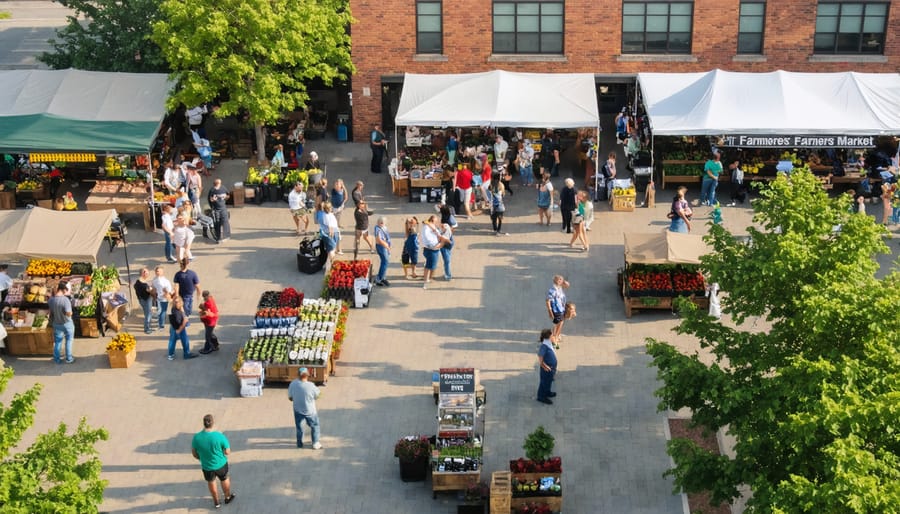
Bird's eye view of bustling outdoor market with colorful vendor tents and walking paths
Aerial view of O’Fallon’s Farmers & Artisans Market during peak hours, showing vendor stalls and customer activity

Vendor Mix and Selection Process

The O’Fallon Farmers & Artisans Market maintains a careful balance of vendors through a rigorous selection process that prioritizes quality, authenticity, and local connections. Vendors must operate within a 100-mile radius of O’Fallon, ensuring true local representation. The market committee evaluates each application based on product uniqueness, production methods, and commitment to sustainable practices.

A 60-40 split between farmers and artisans is maintained throughout the season, with farmers getting priority during peak growing months. This ensures shoppers have access to fresh, seasonal produce while enjoying unique handcrafted items. New vendors are encouraged to review successful market display strategies before applying.

The selection process includes site visits to farms and workshops, allowing the committee to verify growing practices and craftsmanship firsthand. Preference is given to vendors who demonstrate sustainable methods, whether in farming or artisanal creation. This careful curation creates a diverse marketplace where traditional farming knowledge meets contemporary craftsmanship, offering visitors an authentic local shopping experience.

Successful Farm-Artisan Partnerships

From Field to Finished Product

At the O’Fallon Farmers & Artisans Market, the journey from farm to artisanal excellence comes alive through creative collaborations between local growers and craftspeople. Watch as fresh strawberries from Belle Valley Farms transform into handcrafted preserves at Sarah’s Sweet Spreads, or see how Miller’s Organic Lavender becomes a key ingredient in Natural Path Soaps’ signature collection.

Local baker Jean Thompson works directly with three market farmers to source fresh eggs, berries, and herbs for her famous breakfast pastries. She adjusts her weekly menu based on seasonal harvests, ensuring nothing goes to waste while creating unique flavor combinations that keep customers coming back for more.

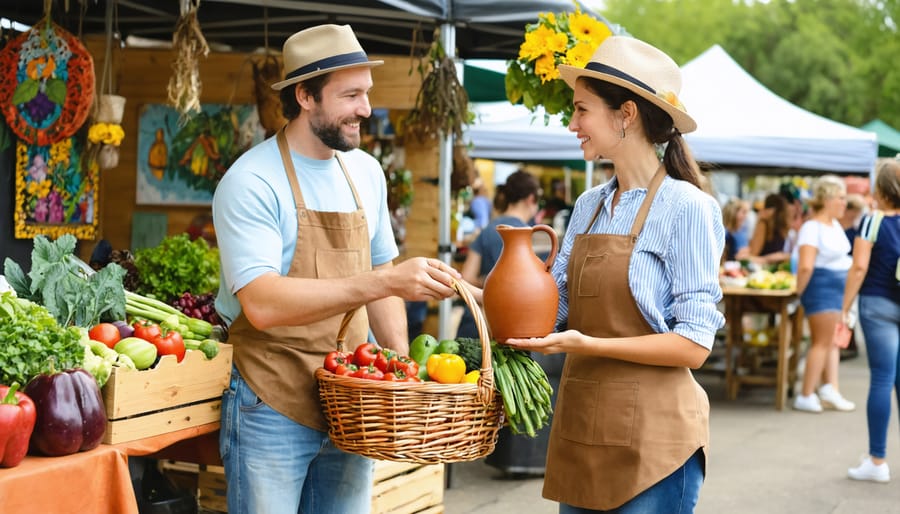
Another inspiring example is the partnership between Green Meadows Farm and Wood & Clay Pottery. The potter creates custom fermentation crocks specifically designed for the farm’s organic cabbage crop, allowing them to produce small-batch sauerkraut year-round.

The market also features unique collaborations like honey-infused hand creams, farm-fresh herb bouquets paired with handmade vases, and seasonal produce baskets displayed in locally woven willow containers. These partnerships not only support our local economy but also showcase the incredible creativity and resourcefulness of our community’s farmers and artisans.
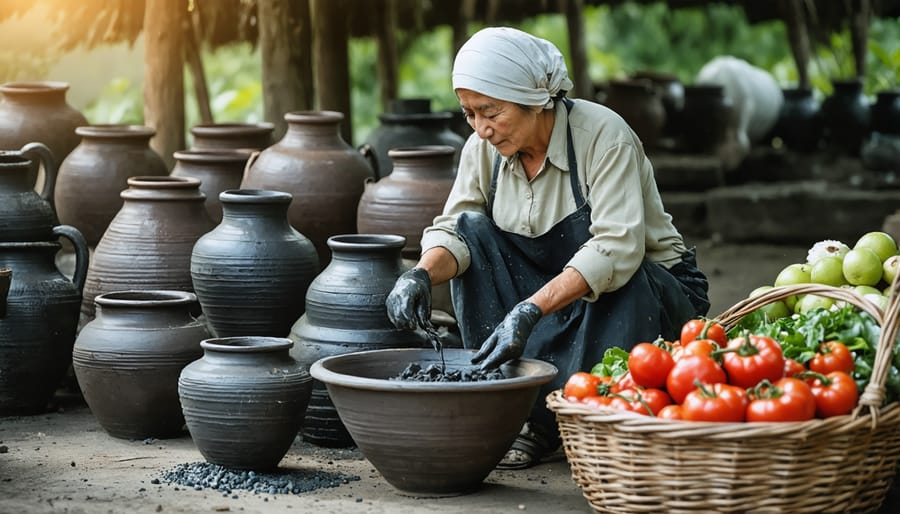
Artisan crafting ceramic pieces next to display of fresh local vegetables
Local artisan creating pottery using locally sourced clay while displaying fresh farm produce

Shared Marketing and Brand Building

At the O’Fallon Farmers & Artisans Market, vendors have discovered that success grows stronger through collaboration. Market participants regularly join forces to create engaging displays that showcase complementary products, such as pairing fresh produce with handcrafted serving bowls or locally made preserves with artisanal breads.

These collaborative efforts extend beyond physical displays to shared marketing initiatives. Vendors frequently cross-promote each other on social media, tag fellow market members in their posts, and share each other’s stories to expand their collective reach. Many have created joint promotional materials that highlight the market’s diverse offerings and strengthen its overall brand identity.

The market’s popular “Featured Vendor” program rotates the spotlight among different sellers each week, with other vendors actively promoting the featured business. This community-driven approach has helped establish the market as a unified destination rather than just a collection of individual sellers.

Seasonal events and themed market days provide additional opportunities for vendor collaboration. During harvest festivals, for example, produce vendors might team up with craft vendors to offer complete fall decorating packages, while food artisans work with farmers to create special farm-to-table tastings.

Regular vendor meetings facilitate relationship building and idea sharing, allowing participants to identify new partnership opportunities and coordinate their offerings to better serve market visitors. This collaborative spirit has become a hallmark of the O’Fallon market’s success and continues to attract both vendors and customers.

Community Impact and Benefits

Economic Growth

The O’Fallon Farmers & Artisans Market has become a significant driver of local economic growth, creating a ripple effect throughout the community. Local vendors report an average 30% increase in their annual revenue since joining the market, with many expanding their operations and hiring additional staff to meet growing demand.

The market’s collaborative environment has sparked numerous successful business partnerships between farmers and artisans. For instance, local honey producers now supply to artisan bakers, while herb growers work with craft soap makers to create unique, locally-sourced products. These synergies have led to the creation of over 25 new small businesses in the past three years alone.

Beyond direct sales, the market has boosted tourism in O’Fallon, with visitors from neighboring communities regularly attending market days. Local restaurants have begun sourcing ingredients directly from market vendors, strengthening the farm-to-table movement in the area. The market also provides valuable opportunities for new entrepreneurs, offering mentorship programs and reduced-rate stalls for startup vendors.

This economic ecosystem has contributed an estimated $2.5 million annually to the local economy, demonstrating how community-based markets can serve as catalysts for sustainable economic development.

Visual representation of market's economic benefits including vendor revenue and job creation
Infographic showing economic impact statistics of the market on local community

Cultural Enhancement

The O’Fallon Farmers & Artisans Market serves as a vibrant cultural hub where local traditions and modern community values seamlessly blend. Through thoughtful partnerships between farmers and artisans, the market has become instrumental in building thriving community markets that celebrate local heritage and craftsmanship.

These collaborations create unique learning opportunities, with artisans often incorporating locally grown materials into their crafts while farmers share traditional growing methods with younger generations. Weekly demonstrations showcase everything from cheese-making to pottery using local clay, helping preserve and pass down valuable cultural knowledge.

The market’s special events calendar features seasonal festivals that bring together diverse community members, from long-time residents to newcomers, fostering meaningful connections through shared experiences. Children’s workshops, cooking demonstrations, and cultural performances add layers of engagement that strengthen community bonds and create lasting memories.

By providing a platform where farmers and artisans can share their stories and expertise, the market helps maintain O’Fallon’s unique identity while embracing growth and innovation. This dynamic environment ensures that local traditions continue to evolve and remain relevant for future generations.

The O’Fallon Farmers & Artisans Market has grown into a vibrant community hub that celebrates local agriculture and craftsmanship. With increasing visitor numbers each season and a growing roster of vendors, the market continues to strengthen the bonds between local producers and consumers. The success of this thriving marketplace has inspired neighboring communities to develop similar initiatives, making it a model for sustainable local commerce.

Looking ahead, market organizers are planning to expand operating hours, introduce educational workshops, and create more opportunities for vendor-customer interactions. New partnerships with local schools and community organizations are in development to foster the next generation of farmers and artisans. As sustainability and support for local businesses become increasingly important to consumers, the O’Fallon Farmers & Artisans Market is well-positioned to remain a cornerstone of community life for years to come.

Safe Food Storage Made Simple: These Natural Containers Keep Your Organic Produce Fresh

Posted by darrell on
0
Culinary and Food Preservation
Safe Food Storage Made Simple: These Natural Containers Keep Your Organic Produce Fresh

Transform your kitchen into a toxin-free sanctuary by switching to chemical-free food storage containers made from natural materials like glass, stainless steel, and bamboo. These safer alternatives eliminate harmful BPA, phthalates, and other plastic-derived chemicals that can leach into your organic produce and prepared meals. Recent studies show that traditional plastic containers can release microplastics and endocrine-disrupting compounds into food, especially when exposed to heat or acidic ingredients.

Smart storage choices not only protect your family’s health but also contribute to environmental sustainability. Glass containers with bamboo lids offer airtight storage while allowing you to easily monitor freshness. Stainless steel containers provide unmatched durability and are ideal for transporting meals, while traditional ceramic crocks naturally regulate moisture for root vegetables and fermented foods.

By investing in chemical-free storage solutions, you’re making a conscious choice to preserve both the nutritional integrity of your food and the health of our planet. These containers often last decades, making them a cost-effective choice for the environmentally conscious household.

Why Your Storage Containers Matter for Organic Food

Common Chemicals in Traditional Storage Containers

Traditional food storage containers often contain concerning chemicals that can affect organic food quality and safety. BPA (Bisphenol A), commonly found in hard plastic containers and can linings, has been linked to hormone disruption and other health concerns. Phthalates, used to make plastics more flexible, can leach into food, especially when containers are heated or contain fatty foods.

Other chemicals like PVC, polyvinyl chloride, and antimony are frequently present in conventional storage solutions. These substances may migrate into food over time, particularly when exposed to heat, sunlight, or acidic ingredients. Even BPA-free alternatives often contain BPS or BPF, which research suggests may have similar effects to BPA.

Many traditional containers also contain formaldehyde-based resins and synthetic dyes, which can compromise the purity of stored foods. Understanding these risks helps explain why more people are switching to natural alternatives for food storage.

Various plastic food containers with chemical warning symbols and BPA labels highlighted
Collection of plastic containers showing BPA and chemical warning labels

How These Chemicals Affect Your Food

When chemicals from plastic containers leach into your food, they can significantly impact both the nutritional value and safety of your meals. This process, known as chemical leaching, typically occurs when food containers are exposed to heat, sunlight, or acidic ingredients. Common chemicals like BPA and phthalates can migrate from the container into your food, potentially altering its taste and introducing harmful compounds into your body.

These chemicals may disrupt your body’s natural hormone balance and have been linked to various health concerns. Additionally, they can affect the flavor profile of your carefully prepared organic produce, making fresh ingredients taste slightly synthetic or “plastic-like.” This is particularly noticeable in acidic foods like tomatoes and citrus fruits, which tend to react more strongly with plastic containers.

The good news is that by switching to chemical-free alternatives, you can preserve both the natural taste of your food and protect its nutritional integrity, ensuring your healthy choices stay truly healthy.

Well-organized kitchen pantry displaying glass jars, stainless steel containers, and ceramic vessels storing different foods
Organized pantry featuring various natural storage containers

Best Natural Materials for Food Storage

Glass Storage Solutions

Glass storage containers are the gold standard for chemical-free food storage, offering unmatched purity and durability. Unlike plastic, glass won’t leach harmful substances into your food, even when storing acidic items like tomatoes or citrus. These containers are perfect for both refrigerator and pantry storage, and many are oven-safe for easy reheating.

Mason jars and tempered glass containers with tight-fitting lids excel at keeping dry goods fresh and protecting leftovers. They’re particularly great for storing homemade broths, fermented foods, and meal prep ingredients. The transparent nature of glass also helps you quickly identify contents and monitor freshness.

While slightly heavier than plastic alternatives, glass containers are incredibly cost-effective since they can last for decades with proper care. They’re also environmentally friendly, being both recyclable and free from microplastic contamination. Just remember to choose containers with quality seals for optimal freshness.

Stainless Steel Options

Stainless steel stands out as a top choice for chemical-free food storage, offering exceptional durability and a naturally non-reactive surface. These containers won’t leach harmful substances into your food and can last for decades with proper care. Perfect for both dry goods and prepared meals, stainless steel containers maintain food freshness without absorbing odors or flavors.

They’re particularly great for storing acidic foods like tomatoes and citrus, which might react with other materials. While they’re slightly heavier than plastic alternatives, their versatility makes up for it – you can use them in the freezer, refrigerator, and even for reheating food in the oven. Many sustainable households love that stainless steel containers are 100% recyclable and often come with airtight silicone seals for leak-proof storage.

The initial investment might be higher, but consider it a one-time purchase for years of safe food storage.

Ceramic and Stone Containers

Ceramic and stone containers offer timeless, natural solutions for storing your organic produce and pantry staples. These traditional materials have been used for centuries across cultures, from Mexican ollas to Korean onggi pots. Modern ceramic containers often feature airtight bamboo or cork lids, making them perfect for storing dry goods like grains, beans, and nuts.

Unglazed ceramic containers are particularly beneficial for root vegetables and garlic, as they allow proper air circulation while maintaining ideal humidity levels. For longer-term storage, glazed ceramic canisters protect against moisture and help preserve the freshness of herbs and spices.

Stone containers, particularly those made from soapstone or marble, naturally maintain cool temperatures and are excellent for storing oils, butter, and temperature-sensitive items. These materials are completely inert, ensuring no chemical leaching occurs, while their substantial weight provides stability in your pantry or on countertops.

Natural Fiber and Bamboo Storage

Natural fiber baskets and bamboo containers offer beautiful, sustainable alternatives for storing dry goods like grains, nuts, and legumes. These breathable materials help prevent moisture buildup while keeping food fresh naturally. Handwoven baskets made from water hyacinth, seagrass, or rattan add a rustic charm to your pantry while providing excellent ventilation. Bamboo containers, known for their natural antibacterial properties, come in various sizes and often feature airtight lids perfect for storing flour, sugar, and coffee beans.

Look for containers treated with natural oils or beeswax instead of chemical finishes. Many artisans create these storage solutions using traditional techniques, supporting both environmental sustainability and local craftsmanship. When selecting natural fiber storage, choose items with tight weaves and smooth finishes to prevent food particles from getting trapped in the material.

Practical Storage Tips for Different Food Types

Infographic showing which natural containers work best for different types of food storage
Visual guide showing different foods in appropriate natural containers

Fresh Produce Storage

For fresh produce, glass containers with airtight seals and ventilation options are ideal for maintaining optimal humidity levels. Mason jars work wonderfully for berries and pre-cut vegetables, while larger glass containers with bamboo lids are perfect for leafy greens. Natural fiber produce bags, made from organic cotton or hemp, allow proper airflow while keeping vegetables crisp in the refrigerator.

One of the most effective proven food storage techniques is using ceramic crisper containers with ventilation holes. These regulate moisture naturally and prevent premature spoilage. For root vegetables like carrots and potatoes, consider traditional clay storage containers that maintain cool temperatures and proper humidity.

Bamboo storage boxes are excellent for counter-stored produce like onions and garlic, as they protect from light while allowing necessary air circulation. For longer-term storage, mesh produce bags made from organic materials help fruits and vegetables breathe while protecting them from bruising. Remember to keep ethylene-producing fruits separate from other produce to prevent accelerated ripening.

Dry Goods and Pantry Items

For dry goods storage, glass jars and stainless steel containers reign supreme, offering excellent protection while keeping your pantry items fresh and chemical-free. Mason jars work wonderfully for storing rice, quinoa, and other grains, while larger glass canisters with airtight bamboo lids are perfect for pasta and cereals. Look for containers with silicone gaskets to ensure an airtight seal that keeps moisture and pantry pests out.

Stainless steel containers with clip-lock lids are excellent for storing nuts and seeds, as they protect these sensitive items from light and air exposure that can cause rancidity. For bulk items like flour and sugar, consider using large ceramic crocks with wooden lids – they’re not only practical but add a rustic charm to your kitchen.

Remember to label your containers with the contents and date of storage. Natural chalk labels or washable markers on glass work well for this purpose, eliminating the need for plastic label makers or adhesive stickers.

Refrigerated and Frozen Foods

For refrigerated and frozen foods, glass containers with tight-fitting lids are your best bet. They’re durable, won’t absorb odors, and maintain food freshness without leaching chemicals. Look for tempered glass containers specifically designed for temperature changes, as they’re less likely to crack when moving from freezer to counter.

Stainless steel containers are another excellent choice for cold storage. They’re virtually indestructible and perfect for long-term freezing. Just be sure to leave some headspace for food expansion when freezing liquids or soups.

For ultimate sustainability, consider investing in silicone storage bags or containers. They’re flexible, reusable, and perfectly safe for both refrigerator and freezer use. Plus, they take up minimal space when not in use.

Mason jars work wonderfully for refrigerated items, though use caution when freezing as they can crack. If using mason jars in the freezer, choose wide-mouth varieties and leave plenty of space for expansion.

Making the Switch: Your Chemical-Free Storage Action Plan

Ready to make the switch to chemical-free storage? Start by taking a gradual approach that won’t overwhelm you. Begin with an inventory of your current containers, identifying which ones need immediate replacement. Focus first on containers you use for hot foods or those showing signs of wear and tear.

Next, choose one food category at a time for transition. Start with your everyday items like leftovers and lunch boxes, then move on to pantry staples. As you replace containers, consider combining traditional natural preservation methods with modern glass, stainless steel, or bamboo alternatives.

Create a priority list based on your budget and needs. High-quality containers can be an investment, so plan your purchases over several months. Look for seasonal sales and consider starting with a basic set that you can expand later.

Remember to properly clean and season new containers before use, especially wooden or bamboo items. This helps extend their lifespan and ensures food safety. Keep your old containers for non-food uses like organizing craft supplies or gardening materials – this reduces waste while you transition.

Label your new containers with purchase dates and care instructions. This helps track their age and maintain them properly. Within a few months, you’ll have a fully transformed, chemical-free storage system that keeps your organic produce fresh and your family healthy.

Making the switch to chemical-free food storage containers is a simple yet powerful step toward a healthier, more sustainable lifestyle. By choosing materials like glass, stainless steel, and bamboo, you’re not only protecting your family from harmful chemicals but also contributing to environmental preservation. Remember that different foods may require specific storage solutions, so don’t hesitate to mix and match containers based on your needs.

Start small by replacing one or two plastic containers at a time, and gradually build your collection of natural storage alternatives. The initial investment might be higher, but the long-term benefits to your health and the environment make it worthwhile. With proper care and maintenance, these sustainable containers will serve you well for years to come, helping you maintain the quality and freshness of your organic produce while keeping your kitchen chemical-free and eco-friendly.