Daily Archives

2 Articles

Transform Your Kitchen with These Powerful Earth-Friendly Cleaners

Posted by darrell on
0
Sustainable Consumer Practices
Transform Your Kitchen with These Powerful Earth-Friendly Cleaners

Transform your kitchen cleaning routine with powerful, eco-friendly solutions that eliminate toxic chemicals while maintaining pristine surfaces. Mix equal parts white vinegar and water in a spray bottle for an all-purpose cleaner that cuts through grease and kills 99% of bacteria. Sprinkle baking soda on stubborn stains, then spray with lemon juice to create a natural scrubbing paste that deodorizes while it cleans. Combine these zero-waste kitchen practices with essential oils like tea tree or lavender for added antimicrobial properties and a fresh scent. These natural cleaning solutions not only protect your family’s health but also reduce environmental impact while saving money. Create a cleaning station with reusable glass bottles, organic cotton cloths, and sustainable ingredients to maintain a sparkling, chemical-free kitchen that aligns with eco-conscious living.

Basic Pantry Ingredients That Pack a Cleaning Punch

Natural cleaning ingredients: white vinegar, baking soda, and fresh lemons arranged together
Styled composition of vinegar bottle, bowl of baking soda, and fresh lemons arranged on a clean wooden surface

The Mighty Trio: Vinegar, Baking Soda, and Lemon

These three kitchen staples form a powerful cleaning alliance that can tackle almost any kitchen mess naturally and effectively. Vinegar, with its acetic acid content, acts as a natural disinfectant and degreaser, making it perfect for cutting through tough grime and killing harmful bacteria. Its mild acidic properties also help dissolve mineral deposits and water stains commonly found on kitchen surfaces.

Baking soda, the gentle yet mighty scrubber, works through its mild abrasive action and natural ability to neutralize odors. It’s especially effective at removing stubborn stains without scratching surfaces and can help restore shine to dull cookware. When combined with vinegar, it creates a fizzing action that helps lift dirt and grease effortlessly.

Lemons complete this natural cleaning trio with their citric acid content and fresh, clean scent. Beyond their pleasant aroma, lemons are natural antibacterial agents and can effectively remove rust stains, brighten surfaces, and eliminate unwanted odors. The juice can be used alone or combined with salt for extra scrubbing power, while the peels can be used to freshen garbage disposals and clean wooden cutting boards.

Essential Oils for Added Power and Fresh Scents

Essential oils not only enhance the cleaning power of your homemade solutions but also leave your kitchen smelling naturally fresh and inviting. Lemon essential oil is particularly effective, offering both antimicrobial properties and a bright, clean scent. Add 10-15 drops to your cleaning mixture to cut through grease and eliminate odors naturally.

Tea tree oil is another powerful addition, known for its natural antibacterial and antifungal properties. Just 5-7 drops can boost your cleaning solution’s effectiveness against common kitchen germs. For a spa-like atmosphere, try adding lavender essential oil, which combines gentle cleaning power with calming aromatherapy benefits.

Peppermint essential oil offers a refreshing scent while helping to deter pests naturally. Orange oil works wonders on stubborn grease and leaves behind an uplifting citrus fragrance. When combining oils, stick to 15-20 drops total per cup of cleaning solution to maintain the right balance.

Remember to always use high-quality, pure essential oils and store your cleaning solutions in dark glass bottles to preserve their potency. The natural fragrances will make your cleaning routine more enjoyable while keeping your kitchen fresh without artificial perfumes.

Ready-to-Use Natural Cleaning Solutions

Hand mixing natural cleaning solution with essential oils in a glass spray bottle
Process shot of making natural counter cleaner with essential oils and spray bottle

All-Purpose Counter Cleaner

Keep your counters sparkling clean with this effective all-purpose solution that’s gentle on both your surfaces and the environment. Mix equal parts white vinegar and water in a spray bottle, then add 10 drops of lemon essential oil and 5 drops of tea tree oil. The vinegar naturally disinfects while cutting through grease, while the essential oils provide antimicrobial properties and a fresh scent.

For daily cleaning, simply spray the solution onto your counters and wipe with a clean, damp microfiber cloth. For tougher spots, let the solution sit for a minute before wiping. This mixture is safe for most surfaces, including granite and marble when properly diluted, but always test in a small, inconspicuous area first.

Pro tip: Keep a spray bottle of this solution readily available near your prep area for quick cleanup during cooking. To make the cleaning process even more sustainable, consider using reusable cleaning cloths instead of paper towels. Store your solution in a clearly labeled amber glass bottle to protect the essential oils from degrading in sunlight.

Remember to refresh your cleaning solution monthly to maintain its effectiveness. This simple recipe proves that effective cleaning doesn’t require harsh chemicals or expensive store-bought products.

Grease-Cutting Dish Soap Alternative

Looking for a powerful yet eco-friendly solution for those stubborn greasy dishes? This natural dish soap alternative combines the cleaning power of citrus with gentle, earth-friendly ingredients. Mix one cup of distilled white vinegar with the juice of two fresh lemons, three tablespoons of baking soda, and a quarter cup of liquid castile soap. The citric acid from lemons naturally cuts through grease, while vinegar acts as a natural disinfectant.

For extra cleaning power, add five drops of tea tree essential oil, which provides antimicrobial properties, and three drops of sweet orange essential oil to enhance the degreasing action. Store the mixture in a glass bottle and shake well before each use.

This solution works particularly well on cast iron pans and baking dishes with baked-on residue. Simply apply the mixture directly to greasy surfaces, let it sit for 2-3 minutes, and scrub with a natural fiber brush or sponge. The best part? This homemade alternative is gentler on your hands than commercial products and won’t harm aquatic ecosystems when it goes down the drain.

Drain and Garbage Disposal Freshener

Keep your drains fresh and flowing naturally with these eco-friendly solutions that work just as effectively as harsh chemicals. Mix equal parts baking soda and salt, pour down the drain, and follow with hot white vinegar for a powerful cleaning action that breaks down buildup and eliminates odors. For extra freshness, add a few drops of lemon or orange essential oil to the mixture.

For garbage disposals, freeze vinegar with citrus peels in ice cube trays. Running these cubes through your disposal helps clean the blades while releasing a fresh scent. Another effective method is grinding a handful of citrus peels with cold water, which naturally deodorizes while cleaning.

Instead of throwing citrus peels away, use them for cleaning before adding them to your composting kitchen waste. For monthly maintenance, sprinkle baking soda down the drain, followed by a cup of vinegar. Let it fizz for 15 minutes, then flush with hot water. This simple routine keeps pipes clear and prevents unpleasant odors from developing.

Remember to run cold water while using your disposal and avoid putting fibrous materials down the drain to prevent clogs naturally.

Natural Oven and Stovetop Cleaner

For a powerful yet gentle oven and stovetop cleaner, combine one cup of baking soda with a quarter cup of natural liquid soap and enough water to form a spreadable paste. This eco-friendly mixture tackles stubborn grease and baked-on food without harsh chemicals or overwhelming fumes.

Apply the paste generously to your oven’s interior surfaces, avoiding the heating elements. For stovetops, spread the mixture evenly across problem areas. Let it sit for 15-20 minutes to break down tough residue. For extra cleaning power, add a few drops of lemon essential oil to the paste – it cuts through grease while adding a fresh, natural scent.

For persistent stains, create a vinegar spray by mixing equal parts white vinegar and water in a spray bottle. After applying the baking soda paste, spray this solution over it. The resulting fizzy reaction helps lift away stubborn grime.

Wipe everything clean with a damp cloth, followed by a dry microfiber cloth for a streak-free finish. This natural cleaning method is safe for both gas and electric appliances, and it’s gentle enough to use regularly for maintenance cleaning.

Storage shelf displaying properly labeled natural cleaning solutions in glass containers
Organized shelf with labeled glass bottles containing homemade cleaning solutions

Storage and Shelf Life Tips

Proper storage of your homemade kitchen cleaning solutions is crucial for maintaining their effectiveness and ensuring safety. Store your natural cleaners in eco-friendly storage containers that are clean, airtight, and clearly labeled with contents and date of preparation.

Glass bottles with spray nozzles work excellently for most cleaning solutions, especially those containing essential oils, as they won’t react with the containers. Dark-colored glass bottles are even better, as they help protect light-sensitive ingredients from degradation.

Most homemade kitchen cleaners remain effective for 2-3 months when stored properly. Keep them in a cool, dark place away from direct sunlight and heat sources. Your cleaning cabinet or under-sink storage area is ideal, but ensure it’s out of reach of children and pets.

For vinegar-based solutions, avoid storing them in metal containers as the acid can cause corrosion. If using hydrogen peroxide in your cleaners, always store it in dark bottles as light exposure reduces its effectiveness.

Before each use, give your cleaning solutions a gentle shake to remix any separated ingredients. If you notice any unusual changes in color, consistency, or smell, it’s best to make a fresh batch. Some separation is normal, but any signs of mold or fermentation indicate it’s time to dispose of the solution.

To maximize shelf life, make smaller batches that you can use within a month or two. This practice ensures you’re always working with fresh, effective cleaning solutions while minimizing waste.

Making the switch to natural kitchen cleaning solutions isn’t just about maintaining a sparkling clean home – it’s about creating a healthier environment for you and your family while protecting our planet. By using simple, natural ingredients like vinegar, baking soda, and essential oils, you can effectively clean your kitchen without introducing harsh chemicals into your living space.

These eco-friendly solutions are not only safer but often more cost-effective than traditional cleaning products. You’ll find that most ingredients are already in your pantry, making natural cleaning both convenient and sustainable. The versatility of these natural cleaners means you can tackle everything from stubborn grease to everyday countertop maintenance with just a few basic ingredients.

Remember that transitioning to natural cleaning methods is a journey, not a race. Start by replacing one conventional cleaner at a time with a natural alternative. As you become more comfortable with these solutions, you’ll discover which combinations work best for your specific needs.

By embracing natural kitchen cleaning solutions, you’re joining a growing community of environmentally conscious individuals who prioritize both cleanliness and sustainability. Your kitchen will not only shine but will become a healthier space filled with natural, fresh scents instead of artificial fragrances. Take that first step today – your kitchen, your health, and our environment will thank you for it.
Smart Food Storage That Saves Money and The Planet

Posted by darrell on
0
Sustainable Consumer Practices
Smart Food Storage That Saves Money and The Planet

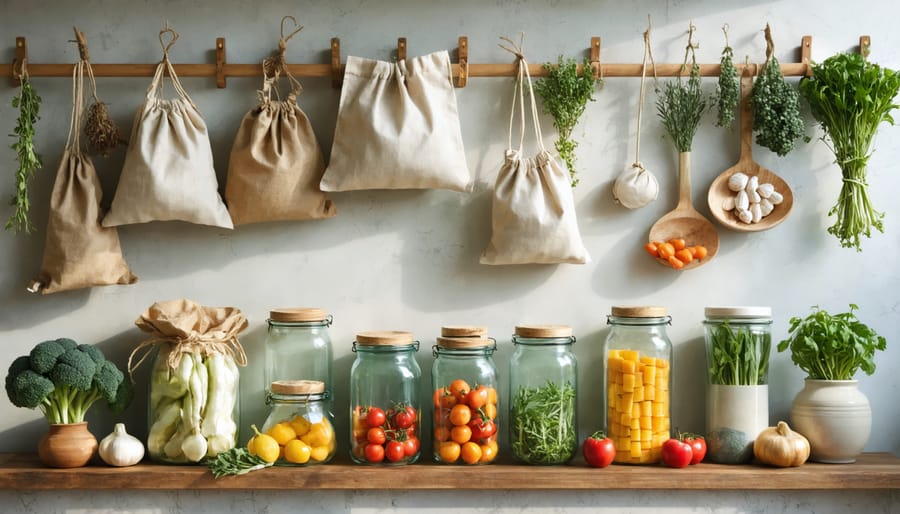
Transform your kitchen into a zero-waste powerhouse by storing produce in breathable cotton bags, repurposed glass jars, and natural beeswax wraps – cutting plastic waste while extending food freshness by up to two weeks. Map your refrigerator’s temperature zones, placing ethylene-sensitive fruits and vegetables separately to prevent premature ripening and reduce food spoilage by 30%. Revive wilted greens and preserve seasonal abundance through traditional fermenting, dehydrating, and composting food scraps – methods that not only minimize energy use but also retain maximum nutritional value.

Root cellaring and cold storage techniques passed down through generations offer energy-free preservation, while modern vacuum-sealing with reusable silicone bags creates an airtight environment that extends shelf life without single-use plastics. These practical storage solutions work in harmony with nature’s rhythms, reducing your carbon footprint while maintaining the integrity of fresh, local produce throughout the seasons.

Nature-Inspired Storage Solutions

Root Cellaring: The Original Cool Storage

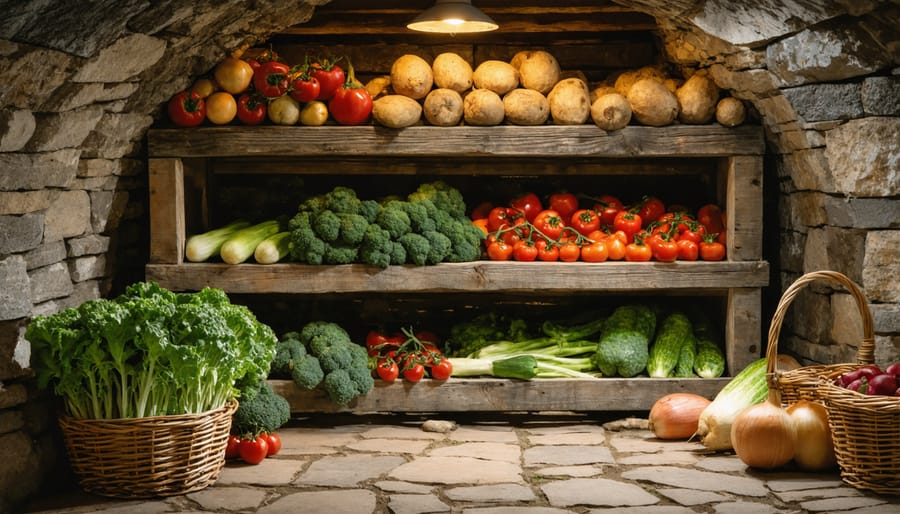
Root cellaring is a time-tested method for storing locally sourced produce without using electricity. This traditional storage technique harnesses the earth’s natural cooling and humidity-regulating properties to keep vegetables fresh for months.

To create a root cellar, choose a location that maintains temperatures between 32-40°F (0-4°C) and humidity levels around 85-95%. Common options include basement corners, hillside dugouts, or even repurposed storm cellars. The key is ensuring good ventilation while protecting your storage space from freezing temperatures and excess moisture.

Different vegetables require specific storage conditions. Root vegetables like carrots, potatoes, and beets thrive in cool, damp environments, while onions and garlic prefer slightly warmer, drier conditions. Store produce in breathable containers like wooden crates or mesh bags, and check regularly for any signs of spoilage.

Success tip: Place an old-fashioned thermometer and humidity gauge in your root cellar to monitor conditions. This simple step helps maintain the perfect environment for your stored harvest throughout the seasons.

Interior of a root cellar showing organized rows of stored vegetables and root crops on wooden shelves
Traditional root cellar storing vegetables on wooden shelves with natural stone walls

Solar-Powered Cold Storage

Solar-powered cold storage represents a game-changing solution for sustainable food preservation, especially in areas with abundant sunlight. These innovative systems use solar panels to power refrigeration units, providing reliable cooling without depending on the traditional power grid. The technology has become increasingly accessible, with options ranging from small-scale units perfect for family farms to larger installations serving entire communities.

Modern solar cold storage systems typically combine photovoltaic panels with efficient insulation and thermal energy storage, allowing them to maintain consistent temperatures even during cloudy periods or at night. Many units now incorporate smart monitoring systems that optimize energy usage and alert users about temperature fluctuations.

For small-scale farmers and gardeners, portable solar-powered coolers offer an excellent entry point into sustainable cold storage. These units can keep produce fresh for days or even weeks, reducing food waste and extending the selling window for perishable items. Some innovative designs even include features like humidity control and adjustable compartments for different types of produce.

The return on investment for solar cold storage is particularly attractive, with most systems paying for themselves through energy savings within 3-5 years while significantly reducing environmental impact.

Assorted eco-friendly food storage containers featuring colorful beeswax wraps, mason jars, and ceramic vessels
Collection of sustainable food storage items including beeswax wraps, glass jars, and ceramic containers

Sustainable Packaging Materials

Beeswax Wraps and Natural Alternatives

Discovering eco-friendly packaging alternatives like beeswax wraps can revolutionize your kitchen storage routine while helping the planet. These reusable wraps, made from organic cotton coated with beeswax, tree resin, and jojoba oil, create a breathable, natural barrier that keeps food fresh longer than plastic wrap.

Creating your own beeswax wraps is surprisingly simple and cost-effective. With just a few basic materials and an afternoon of crafting, you can build a collection that’ll last for months. When they begin to lose their cling, simply refresh them with a quick heat treatment.

Beyond beeswax wraps, other natural alternatives include cotton produce bags, which work wonderfully for storing fruits and vegetables. Glass jars with bamboo lids offer an airtight solution for dry goods and leftovers, while banana leaves can serve as nature’s food wrap in tropical regions.

For those who prefer ready-made solutions, vegan food wraps made from plant-based waxes and organic cotton provide similar benefits to beeswax versions. Silicone food covers offer another durable, washable option that creates an airtight seal without any plastic waste.

Remember to care for your natural wraps by washing them in cool water with mild soap, avoiding hot water which can melt the wax coating. With proper care, these sustainable alternatives can replace single-use plastics in your kitchen for years to come.

Glass and Ceramic Storage Solutions

Glass and ceramic containers are the workhorses of sustainable food storage, offering durability and versatility without the environmental concerns associated with plastic. These timeless storage solutions are non-porous, meaning they won’t absorb food odors or stains, and they’re completely free from harmful chemicals that could leach into your food.

Mason jars, in particular, have become a storage icon among sustainable living enthusiasts. Their airtight seals make them perfect for storing dry goods like grains, nuts, and legumes, while their clear walls let you easily monitor food levels. Wide-mouth versions are especially practical for storing prepared meals and preserves.

Ceramic crocks and containers offer excellent temperature stability, making them ideal for fermenting vegetables or storing root crops in cooler environments. Their opaque nature helps protect light-sensitive foods, extending shelf life naturally.

To maximize the lifespan of your glass and ceramic storage:
– Always clean thoroughly and dry completely before storing food
– Use silicone or rubber gaskets to ensure airtight seals
– Store in cool, dark places to protect both container and contents
– Label contents and dates using washable markers or adhesive labels
– Choose appropriately sized containers to minimize air exposure

While the initial investment might be higher than plastic alternatives, glass and ceramic containers often last for decades when properly cared for, making them both environmentally and economically sound choices for sustainable food storage.

Temperature and Humidity Control

Natural Ventilation Systems

Natural ventilation systems offer an energy-efficient approach to food storage by harnessing the power of airflow. These systems work by creating strategic pathways for cool air to enter and warm air to exit, maintaining optimal temperatures without electricity. A well-designed ventilation setup can include features like roof vents, adjustable windows, and ground-level intake ports.

Root cellars exemplify this principle perfectly, using the earth’s constant temperature and natural air circulation to keep produce fresh. Many farmers have found success with simple solutions like installing wind-powered turbine vents or positioning storage areas to take advantage of prevailing winds.

To create your own natural ventilation system, consider starting with a north-facing storage space equipped with both high and low vents. This arrangement promotes the “stack effect,” where warm air naturally rises and exits through upper vents while drawing in cooler air through lower openings. Adding adjustable vent covers helps regulate airflow during different weather conditions.

Traditional techniques like using mesh screens on vents prevent pest entry while maintaining airflow, making these systems both practical and sustainable for long-term food storage.

Moisture Management

Managing moisture levels in your food storage area is crucial for preserving food quality naturally. One of the most effective methods is using silica gel packets, which can be reused after drying them in the sun. Clay pots and unglazed ceramic containers also work wonderfully as natural humidity regulators, as they allow excess moisture to escape while maintaining optimal humidity levels.

Consider placing bowls of rock salt in your storage area, as they naturally absorb excess moisture from the air. Rice and dried corn kernels can serve a dual purpose – store them in cloth bags to act as natural dehumidifiers while being food items themselves. For root cellars and basement storage, proper ventilation is key. Install small fans or create cross-ventilation by opening windows during dry weather.

In traditional storage spaces, spreading dried bay leaves not only helps control moisture but also acts as a natural pest deterrent. Cedar blocks or boards can help manage humidity while adding a pleasant aroma. Remember to check humidity levels regularly using a simple hygrometer, aiming for 50-65% relative humidity for most stored foods.

Storage Organization for Maximum Efficiency

First In, First Out (FIFO) System

Implementing a First In, First Out (FIFO) system is one of the most effective ways to reduce kitchen waste and maintain the freshness of your stored produce. Think of your storage space like a conveyor belt: newer items go to the back, while older items stay at the front for immediate use.

Start by dating your stored items, whether they’re fresh produce in your crisper drawer or preserved goods in your pantry. When unpacking new groceries, move existing items forward and place new ones behind them. This simple practice ensures older produce gets used before it spoils.

For root cellar storage, create a rolling shelf system where newer vegetables are placed on the back shelves, while older ones remain easily accessible in front. In your refrigerator, designate specific zones for different storage durations – front areas for items needing quick use and back spaces for fresher produce.

Consider using clear storage containers to maintain visibility of your food items. This helps you quickly identify what needs to be used first and prevents forgotten produce from spoiling in hidden corners. Remember to check your storage areas weekly and adjust items as needed, keeping the oldest products within easy reach.

By maintaining this organized rotation system, you’ll maximize the lifespan of your stored produce while minimizing food waste and saving money.

Visual diagram demonstrating First In, First Out food storage organization system with arrows and labeled sections
Infographic showing FIFO storage system implementation in a pantry

Zone Planning

Effective zone planning is essential for maintaining the freshness and quality of your stored foods while minimizing energy consumption. Start by mapping out your storage spaces according to temperature requirements and frequency of use. Create distinct zones for different types of produce and preservation methods.

The “everyday access” zone should be at eye level in your pantry or kitchen, containing frequently used items and those with shorter shelf lives. This area should maintain room temperature (around 70°F) and include items like onions, potatoes, and winter squash that don’t require refrigeration.

Your “cool storage” zone, ideally between 50-60°F, works perfectly for root vegetables, apples, and hardy fruits. A basement or cellar often provides these conditions naturally. Consider using recycled materials to build storage bins that allow proper air circulation.

The “cold storage” zone in your refrigerator should be organized by temperature variations. The bottom shelf is typically the coldest, perfect for dairy and meats, while crisper drawers maintain higher humidity for leafy greens and sensitive produce.

Create a “preservation zone” for your canned goods and fermented foods, keeping them in a dark, cool place. Use adjustable shelving to maximize space efficiency and ensure proper rotation of stored items.

Remember to label zones clearly and maintain a first-in-first-out system to minimize food waste. Monitor temperatures regularly and adjust storage locations seasonally for optimal preservation.

As we’ve explored throughout this guide, sustainable food storage isn’t just about keeping our food fresh – it’s about making conscious choices that benefit both our planet and our communities. By implementing these eco-friendly storage solutions, we can significantly reduce food waste, lower our energy consumption, and minimize our environmental impact.

Remember that sustainable storage is a journey, not a destination. Start small by incorporating one or two methods that work best for your lifestyle, whether it’s switching to glass containers, experimenting with root cellaring, or mastering the art of fermentation. As you become more comfortable with these practices, you can gradually expand your sustainable storage repertoire.

The benefits extend far beyond environmental impact. You’ll likely notice reduced grocery bills, better-tasting food, and a deeper connection to seasonal eating patterns. Many of our featured farmers have reported significant savings in both energy costs and food expenses after adopting these methods.

Let’s make sustainable food storage a daily habit. Every small change counts – from properly organizing your refrigerator to choosing plastic-free storage solutions. By taking these steps, we’re not just preserving food; we’re preserving our planet for future generations.

Take action today by implementing at least one sustainable storage practice from this guide. Your journey toward a more sustainable kitchen starts with a single step, and the positive impact of your choices will ripple far beyond your home.