Daily Archives

2 Articles

Farm-to-Table Revolution: How Local Partnerships Are Transforming Our Food Communities

Posted by darrell on
0
Farm-to-Table Experiences
Farm-to-Table Revolution: How Local Partnerships Are Transforming Our Food Communities

The farm-to-table revolution represents a transformative shift in how we connect with our food, bringing fresh ingredients directly from local farms to our plates. This movement goes far beyond a simple food trend – it’s a complete reimagining of our food system that prioritizes freshness, sustainability, and community connections. By shortening the distance between farmers and consumers, farm-to-table creates a transparent food chain where you can trace every ingredient back to its source, often within 100 miles of your table. This direct partnership between local farmers and consumers not only ensures peak-fresh produce but also strengthens local economies, reduces environmental impact, and fosters meaningful relationships between growers and eaters. Whether you’re a home cook passionate about quality ingredients or a conscientious consumer concerned about food sustainability, understanding farm-to-table principles opens the door to more mindful, delicious, and community-centered eating.

The Real Meaning of Farm-to-Table

Beyond the Buzzword

Traditional food systems often involve multiple intermediaries, with produce traveling hundreds or even thousands of miles before reaching your plate. Farm-to-table dramatically shortens this journey, creating a direct line between farmers and consumers. Instead of produce sitting in warehouses or spending days in transit, farm-to-table vegetables often go from harvest to table within 24 hours.

This direct connection benefits everyone involved. Farmers receive fair compensation for their work and maintain control over their growing practices. Restaurants and consumers get fresher, more nutritious produce at peak ripeness. The environmental impact is also significantly reduced, with fewer transportation emissions and less packaging waste.

Consider this: A conventional tomato might change hands 5-6 times and travel over 1,500 miles before reaching your salad. In contrast, a farm-to-table tomato might travel just 30 miles from a local farm to your favorite restaurant or farmers’ market, preserving both flavor and nutritional value.

Key Components of True Farm-to-Table

True farm-to-table practices are built on several essential pillars that work together to create a sustainable and transparent food system. Direct relationships between farmers and consumers form the foundation, with farmers selling their produce directly through farmers’ markets, CSA programs, or partnerships with local restaurants. Seasonal eating is another crucial component, as authentic farm-to-table operations follow natural growing cycles rather than forcing year-round availability.

Traceability plays a vital role, with clear documentation of where food comes from and how it’s grown. This includes transparent farming practices, harvest dates, and delivery methods. Local sourcing is paramount, typically keeping food distribution within a 100-mile radius to maintain freshness and reduce transportation impacts.

Quality and freshness standards are non-negotiable, with produce often harvested within 24-48 hours of reaching the consumer. Sustainable farming practices, including organic methods, soil health management, and responsible water usage, round out the key elements that define genuine farm-to-table operations.

Building Strong Community Partnerships

Farmer-Restaurant Relationships

The heart of farm-to-table dining lies in successful farm-restaurant partnerships that bring fresh, local ingredients directly from fields to plates. These relationships often begin with chefs visiting local farms, getting to know the farmers, and understanding their growing practices. Farmers work closely with restaurants to plan seasonal menus, adjusting their crop schedules to meet culinary needs while maintaining sustainable farming practices.

Many farmers customize their growing plans based on specific restaurant requests, cultivating unique or heritage varieties that add distinctive flavors to dishes. Regular communication helps both parties coordinate harvest times with menu changes, ensuring optimal freshness and reducing food waste. Some partnerships even include restaurant staff participating in harvest days or farmers hosting educational sessions for kitchen teams.

These collaborations often extend beyond simple buying and selling. Many restaurants prominently feature their farm partners on menus and websites, while farmers gain stable income streams and valuable feedback about crop varieties. This mutual support creates a sustainable local food system that benefits both businesses while delighting diners with exceptional fresh flavors.

Community Support Networks

Community support networks form the backbone of the farm-to-table movement, creating vital connections between farmers and consumers. Farmers markets serve as vibrant weekly meeting points where locals can purchase fresh produce directly from growers while learning about seasonal offerings and farming practices. These markets not only provide access to fresh, local food but also foster meaningful relationships between producers and consumers.

Community Supported Agriculture (CSA) programs offer another powerful way to support local farmers. Members pay upfront for a season’s worth of produce, providing farmers with essential early-season capital while sharing in both the bounty and risks of farming. CSA subscribers typically receive weekly boxes of fresh, seasonal produce, often accompanied by newsletters featuring recipes and farm updates.

Food co-ops represent yet another pillar of community support, operating as member-owned grocery stores that prioritize local sourcing. These democratically run organizations often work directly with multiple local farmers, providing year-round market access while keeping prices fair for both producers and consumers. Many co-ops also offer educational programs and cooking classes, helping members make the most of seasonal produce and supporting the broader farm-to-table ecosystem.
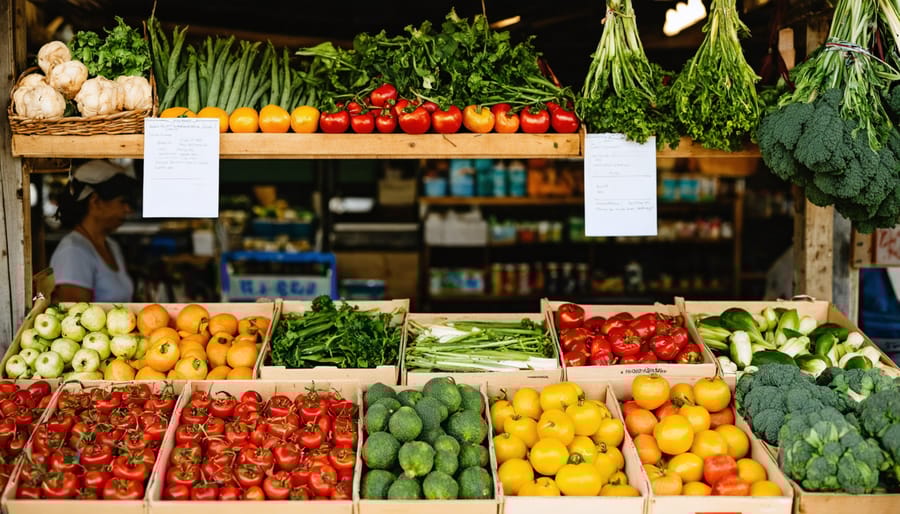
Farmers market scene with vendors displaying fresh produce at wooden stalls
Local farmers market vendors display fresh seasonal produce, demonstrating the direct connection between producers and consumers in farm-to-table systems.

Success Stories from the Field

Local Farm Spotlight

Green Valley Organics, nestled in the rolling hills of Vermont, exemplifies the farm-to-table movement’s success. Sarah and Mike Thompson, former tech professionals turned farmers, transformed their 15-acre plot into a thriving hub of sustainable agriculture that’s become one of our most inspiring local farm success stories.

Their operation specializes in heritage vegetables and rare fruit varieties, supplying fresh produce to five local restaurants and maintaining a 100-member CSA program. What sets Green Valley apart is their innovative approach to community engagement. They host monthly farm-to-table dinners where guests harvest ingredients for their meals, creating an immersive educational experience.

The farm’s success stems from their commitment to regenerative practices, including companion planting and natural pest management. They’ve reduced water usage by 40% through drip irrigation and collect rainwater for their greenhouse operations. Their weekly newsletter connects customers directly with their food source, sharing recipes, farming updates, and upcoming harvest schedules.

The Thompsons prove that sustainable farming isn’t just environmentally conscious – it’s economically viable. Their model demonstrates how small-scale agriculture can thrive while nurturing both community relationships and the land.
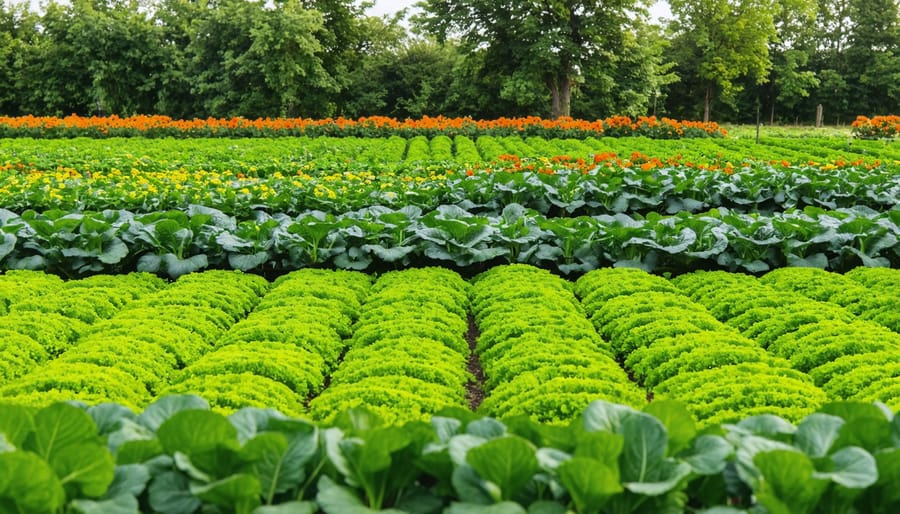
Aerial view of small organic farm with diverse crops at sunrise
A thriving small-scale organic farm demonstrates diverse crop cultivation and sustainable farming practices essential to farm-to-table agriculture.
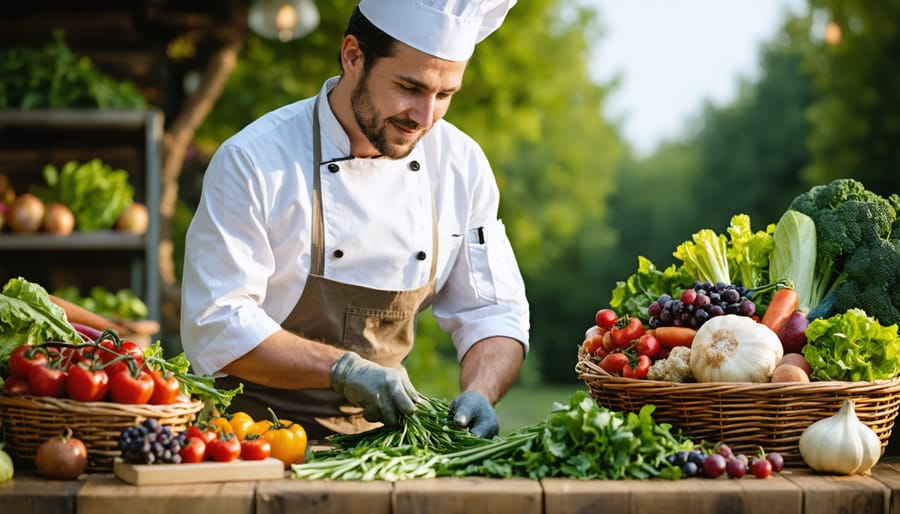
Chef and farmer examining fresh vegetables together in barn setting
A chef and local farmer collaborate to select the day’s harvest, exemplifying the direct relationships at the heart of farm-to-table partnerships.

Restaurant Partnership Case Study

The Blue Hill Restaurant in New York’s Hudson Valley exemplifies a successful farm-to-table partnership that has thrived for over two decades. Working directly with Stone Barns Center for Food and Agriculture, the restaurant sources nearly 80% of its ingredients from within a 30-mile radius.

Chef Dan Barber collaborates closely with local farmers to plan seasonal menus months in advance. This partnership allows farmers to grow specific heritage varieties of vegetables and raise heritage breed livestock that perfectly match the restaurant’s culinary vision. The restaurant’s menu changes daily based on harvest schedules and seasonal availability.

The partnership extends beyond simple purchasing agreements. Blue Hill’s kitchen staff regularly visits the farm to understand growing practices and harvest timing, while farmers participate in menu planning sessions. This close collaboration has created a sustainable economic model that benefits both parties – the restaurant receives ultra-fresh, high-quality ingredients, while farmers enjoy guaranteed purchase agreements and premium prices for their produce.

This partnership has become a model for other restaurants and farms looking to establish meaningful farm-to-table relationships, demonstrating how direct collaboration can create both culinary excellence and agricultural sustainability.

Starting Your Own Farm-to-Table Initiative

Finding Local Partners

Building relationships with local farmers and food producers is easier than you might think. Start by visiting your local farmers’ markets, where you can meet producers face-to-face and learn about their growing practices. Many farmers are eager to establish direct relationships with regular customers and restaurants.

Community Supported Agriculture (CSA) programs offer another excellent way to connect with local farms. These programs typically provide regular deliveries of seasonal produce while supporting local agriculture. Food co-ops and natural food stores often maintain relationships with nearby farmers and can help facilitate connections.

Social media and online directories have made finding local producers simpler than ever. Websites like LocalHarvest and USDA’s Farmers Market Directory can help you locate nearby farms and markets. Don’t forget to check Facebook groups and Instagram accounts focused on local food in your area.

Consider attending agricultural events, farm tours, and food festivals in your region. These gatherings provide opportunities to network with farmers, learn about their operations, and discover new local food sources.

Building Sustainable Relationships

Building successful farm-to-table relationships requires dedication, clear communication, and mutual understanding between farmers and buyers. Start by visiting local farmers’ markets to meet producers and learn about their growing practices. When approaching farmers, be transparent about your needs and expectations while showing genuine interest in their work.

Regular communication is key – establish consistent ordering schedules and discuss seasonal availability well in advance. Consider signing up for CSA programs or joining local food co-ops to support farmers while gaining firsthand experience with the farm-to-table model.

Remember that successful partnerships are built on trust and flexibility. Be understanding of weather-related challenges and seasonal variations that may affect produce availability. Supporting farmers during slower seasons helps maintain strong relationships year-round. Many successful farm-to-table partnerships also include farm visits, harvest celebrations, and community events that strengthen these vital connections.

Celebrate and share your farm-to-table success stories with your community to inspire others and help grow the local food movement.

The farm-to-table movement continues to strengthen communities by fostering direct relationships between farmers and consumers. As more people recognize the value of locally sourced food, these partnerships create lasting benefits for everyone involved. Farmers receive fair compensation for their work, while consumers enjoy fresher, more nutritious produce and a deeper connection to their food sources.

Looking ahead, farm-to-table collaborations are poised to grow even stronger. Local food systems are becoming more resilient through innovative approaches like community-supported agriculture programs, farmers’ markets, and farm-to-school initiatives. These partnerships not only support sustainable agriculture but also boost local economies and promote environmental stewardship.

By participating in farm-to-table initiatives, we can all contribute to a healthier, more sustainable food system. Whether you’re a consumer making conscious food choices, a restaurant owner sourcing local ingredients, or a farmer connecting directly with your community, you’re part of a movement that’s reshaping how we think about and value our food.

Traditional Farm Life: Where Heritage Meets Your Dinner Table

Posted by darrell on
0
Farm-to-Table Experiences
Traditional Farm Life: Where Heritage Meets Your Dinner Table

Picture a sun-dappled meadow where weathered hands work the soil using methods passed down through generations. Traditional farming isn’t just about growing food—it’s about preserving our agricultural heritage while feeding our future. At the heart of today’s thriving farm-to-table movement lies the wisdom of traditional farming practices that have sustained communities for centuries.

These time-tested methods embrace natural cycles, working in harmony with the land rather than against it. From the careful selection of heritage seeds to the practiced art of crop rotation, traditional farms represent a delicate balance between human ingenuity and nature’s wisdom. They stand as living museums of agricultural knowledge, where every furrow tells a story of sustainable food production.

Unlike industrial agriculture’s focus on maximum yield, traditional farming prioritizes soil health, biodiversity, and food quality. These farms serve as blueprints for modern sustainable agriculture, demonstrating how ancient wisdom can address contemporary challenges in food security and environmental stewardship. As we face growing concerns about food quality and environmental impact, traditional farming practices offer proven solutions that nourish both the land and its people.

The Heart of Traditional Farming

Seasonal Rhythms and Crop Rotation

Traditional farmers have long understood the importance of working in harmony with nature’s cycles. By following seasonal rhythms, these farms maintain a natural balance that supports both crop health and soil fertility. During spring, farmers prepare and plant their fields as soil temperatures warm, while summer brings intensive cultivation and care. Fall harvest seasons yield abundant crops, and winter allows the land to rest and regenerate.

Crop rotation stands as a cornerstone of traditional farming wisdom. Farmers typically divide their land into sections, rotating different crop families through these areas over several years. This practice naturally prevents soil depletion, as different plants have varying nutrient needs and root depths. For example, following nitrogen-hungry corn with nitrogen-fixing legumes helps restore soil fertility naturally.

These time-tested methods also help control pests and diseases without chemical interventions. When crops are rotated, pest cycles are disrupted, and beneficial insects find year-round habitat. Many traditional farmers enhance these natural cycles by incorporating cover crops during winter months, protecting soil and adding organic matter that enriches next season’s plantings.

Heritage Livestock Breeds

Heritage livestock breeds represent the living history of farming, carrying genetic traits that have been carefully selected over centuries of agricultural practice. These traditional breeds, such as Devon cattle, Gloucestershire Old Spots pigs, and Plymouth Rock chickens, are naturally adapted to specific local environments and often demonstrate remarkable resilience to weather extremes and disease.

Unlike their modern commercial counterparts, heritage breeds typically thrive on pasture-based systems and require fewer external inputs. They’re known for their excellent mothering abilities, longevity, and ability to produce high-quality meat, milk, or eggs while foraging on natural vegetation.

Preserving these traditional breeds isn’t just about maintaining genetic diversity; it’s about protecting valuable traits that might become crucial for future food security. Many heritage animals produce meat with superior marbling, richer flavor profiles, and higher nutritional content compared to conventional breeds.

Farmers who raise heritage breeds often find themselves becoming stewards of both agricultural history and biodiversity, while providing consumers with unique, high-quality products that connect them to traditional farming methods.

Heritage breed farm animals including chickens, sheep and cattle grazing together in a pastoral setting
Heritage breed livestock grazing together showcases traditional mixed farming practices that promote biodiversity and sustainable land use.

Time-Tested Tools and Techniques

Hand Tools vs. Modern Equipment

Traditional farming relied heavily on hand tools that required physical labor but offered precise control and a intimate connection with the soil. Tools like the hoe, scythe, and pitchfork were essential for tasks ranging from soil preparation to harvesting. These implements, while demanding more time and effort, allowed farmers to tend their crops with careful attention to detail and minimal soil disruption.

Modern farming equipment, in contrast, emphasizes efficiency and large-scale production. Tractors, combines, and specialized machinery can accomplish in hours what once took days or weeks of manual labor. However, this efficiency comes with trade-offs: higher costs, potential soil compaction, and reduced flexibility for small-scale operations.

Many traditional farms today strike a balance between old and new methods. Hand tools remain invaluable for precise tasks like weeding delicate crops or working in smaller spaces, while selected modern equipment helps manage larger areas more efficiently. This hybrid approach allows farmers to maintain the benefits of traditional practices while adapting to current agricultural demands.

For small-scale and organic farmers, traditional hand tools often prove more practical and cost-effective than their modern counterparts. These tools require minimal maintenance, have no fuel costs, and can last for generations when properly cared for. Plus, their use promotes physical activity and a deeper understanding of the land’s needs.

Collection of well-worn traditional farming hand tools displayed on leather work apron
Time-tested traditional farming tools that have proven their worth through generations of use.

Natural Pest Management

Traditional farms excel at managing pests through time-tested natural methods that work in harmony with nature. Instead of relying on chemical pesticides, these farms use companion planting, where certain plants are grown together to naturally repel unwanted insects. For instance, marigolds planted alongside tomatoes help ward off harmful nematodes, while basil protects various crops from flies and mosquitoes.

Beneficial insects play a crucial role in pest management. Farmers actively encourage ladybugs, praying mantises, and parasitic wasps to make their homes in the fields, as these helpful creatures naturally control populations of harmful pests. Creating diverse habitats with hedgerows and flowering plants helps maintain a healthy balance of beneficial insects.

Physical barriers like row covers and netting provide protection without chemicals, while crop rotation disrupts pest life cycles naturally. Many traditional farmers also use ancient techniques like introducing ducks and chickens to their fields, as these birds eagerly feast on slugs, insects, and weed seeds while providing natural fertilizer.

Herbal preparations and natural deterrents, such as garlic and hot pepper sprays, offer additional protection when needed. These solutions are both effective and environmentally friendly, leaving no harmful residues on crops or in the soil. The success of these methods proves that working with nature, rather than against it, creates a resilient and sustainable farming system.

From Field to Fork

Traditional Harvest Methods

Traditional harvest methods reflect the wisdom passed down through generations of farmers who worked in harmony with nature’s rhythms. Hand harvesting remains a cornerstone of these practices, where skilled farmers carefully select produce at peak ripeness, ensuring optimal flavor and nutritional value.

During grain harvests, traditional farmers still employ time-tested techniques like hand scything and bundle tying. These methods, while labor-intensive, allow for selective harvesting and help preserve soil structure by minimizing heavy machinery use. Many small-scale farmers continue to use draft horses for hauling harvested crops, maintaining a gentler approach to field management.

Root vegetables are traditionally harvested using hand forks and spades, allowing farmers to assess soil conditions and protect the crop from damage. Fruit picking involves careful handling and timing, with farmers using traditional picking baskets and following the sun’s position to determine the best harvesting times.

These methods often incorporate companion planting wisdom, where certain crops are harvested together or in sequence to maintain soil health. Traditional storage techniques, such as root cellaring and natural preservation methods, complement these harvest practices, extending the usefulness of crops throughout the year while maintaining their natural qualities.

Storage and Preservation

Before modern refrigeration, traditional farms relied heavily on traditional preservation methods to ensure food availability throughout the year. Root cellars played a vital role in storing vegetables and fruits, maintaining consistent cool temperatures and humidity levels that kept produce fresh for months. These underground storage spaces were particularly effective for potatoes, carrots, onions, and apples.

Farmers also mastered the art of food preservation through fermentation, creating sauerkraut, pickles, and other fermented vegetables. Smoking meats in specially designed smokehouses helped preserve proteins while adding distinctive flavors. Salt-curing was another essential technique, used for both meat and fish preservation.

Drying fruits, vegetables, and herbs was commonplace, with dedicated drying rooms or outdoor racks taking advantage of natural air flow. Many farms featured herb-drying rafters in their kitchens, where bundles of herbs would hang to dry. Fruit preservation often involved making jams and preserves, using sugar as a natural preservative.

These time-tested storage methods not only prevented food waste but also created unique flavors and nutritional profiles that many modern food enthusiasts now seek to recreate.

Interior view of traditional root cellar showing stored produce and preservation methods
Traditional root cellars provide natural climate control for long-term food storage without modern refrigeration.

Living Heritage

Traditional farms serve as living museums, preserving centuries of agricultural wisdom and cultural heritage that might otherwise be lost to time. These farms maintain time-tested techniques passed down through generations, from seed saving practices to natural pest management methods that have proven effective for hundreds of years.

Beyond their role in food production, traditional farms act as educational centers where younger generations can learn about their agricultural heritage. Many of these farms host workshops, demonstrations, and seasonal celebrations that keep old customs alive while fostering community connections through shared experiences and knowledge exchange.

The preservation of heritage livestock breeds and heirloom crop varieties is another vital aspect of traditional farms. These genetic resources represent irreplaceable agricultural diversity, adapted to local conditions over centuries. By maintaining these traditional varieties, farms help ensure food security for future generations while protecting biodiversity.

Traditional farms also preserve cultural practices beyond agriculture, such as traditional food preparation methods, craft-making, and seasonal celebrations tied to the agricultural calendar. These activities help maintain local identity and create meaningful connections between people and the land they inhabit.

Through apprenticeships and mentoring programs, traditional farms ensure that valuable farming knowledge continues to flow from one generation to the next. This living heritage not only maintains important agricultural practices but also helps create resilient local food systems that can adapt to changing times while honoring the wisdom of the past.

Traditional farming methods continue to prove their worth in today’s agricultural landscape, offering valuable lessons for sustainable food production. These time-tested practices, refined over generations, demonstrate how working in harmony with nature can create resilient and productive farming systems. By maintaining soil health through natural fertilization, practicing crop rotation, and utilizing local resources, traditional farms showcase a model of agriculture that’s both environmentally responsible and economically viable.

Modern farmers who incorporate traditional methods often find they can reduce their dependence on chemical inputs while improving their soil’s long-term fertility. These practices not only benefit the environment but also result in healthier, more flavorful produce that consumers increasingly demand. The success of small-scale traditional farms in local food systems shows that old-world wisdom can effectively address contemporary challenges in food security and sustainability.

As we look to the future of agriculture, traditional farming methods offer invaluable insights for creating sustainable food systems. By blending time-honored practices with modern innovations, we can build a more resilient and environmentally conscious agricultural sector that nourishes both people and the planet for generations to come.