Category Archives

15 Articles

Why Every Bite Tastes Different: The Truth About Farm-to-Table Terroir

Posted by darrell on
0
Farm-to-Table Experiences
Why Every Bite Tastes Different: The Truth About Farm-to-Table Terroir

Taste a tomato from a small farm thirty miles north, then one from a farm thirty miles south—you’ll notice distinct differences in sweetness, acidity, and texture, even if they’re the same variety planted on the same day. This is terroir at work, the French concept that a food’s flavor reflects the specific soil, climate, and farming practices of where it grew. While wine lovers have celebrated terroir for centuries, the farm to table movement reveals this phenomenon extends far beyond the vineyard to every carrot, apple, and head of lettuce on your plate.

Understanding terroir transforms grocery shopping from a mundane task into an adventure in flavor discovery. The limestone-rich soil that gives certain regions their coveted asparagus might be just fifteen minutes from your home. The microclimate that produces exceptionally sweet strawberries could exist in a valley you drive past weekly. By connecting directly with local farmers, you gain access to produce at peak freshness while supporting agricultural practices that preserve the unique terroir characteristics of your region.

Farm to table cuisine celebrates these location-specific flavors by shortening the distance between harvest and plate. When produce travels mere hours instead of days or weeks, you experience vegetables and fruits as the farmer intended—bursting with the authentic taste of place. This approach benefits your palate, supports local economies, and reduces environmental impact through decreased transportation. The journey to appreciating terroir begins with curiosity, a willingness to ask farmers questions, and a commitment to tasting with intention.

What Terroir Really Means for Your Food

The Soil Connection

The secret to incredible flavor starts beneath the surface. Healthy soil is a living ecosystem teeming with billions of microorganisms that work together to create the foundation for truly exceptional produce. These tiny helpers break down organic matter, making essential minerals and nutrients available to plant roots in forms they can actually absorb.

Think of soil structure as a plant’s pantry. Sandy soils drain quickly and produce vegetables with concentrated, intense flavors. Clay-rich soils hold moisture longer, often yielding more tender, juicier crops. The mineral composition matters too—iron-rich soils might give your greens a slightly earthier taste, while calcium-heavy soils can produce sweeter, crisper vegetables.

What’s fascinating is that these same minerals and microorganisms don’t just affect taste; they directly impact nutritional content. A tomato grown in nutrient-dense, biologically active soil contains significantly more vitamins, antioxidants, and trace minerals than one grown in depleted earth. The beneficial bacteria and fungi in healthy soil actually help plants develop stronger immune systems, which translates to more robust flavor compounds and higher nutritional value for you.

Local farmer Maria Rodriguez discovered this firsthand when she transitioned to organic practices at her small farm. After three years of building her soil health through composting and cover cropping, customers began commenting that her carrots tasted sweeter and her lettuce had more complexity. Testing confirmed what her taste buds already knew—her produce contained notably higher levels of beneficial nutrients, all thanks to the thriving soil ecosystem she’d cultivated.

Cross-section of healthy farm soil showing layers, organic matter, and plant roots
Healthy soil composition with visible organic matter and root systems demonstrates how terroir begins beneath the surface.

Beyond the Dirt: Climate and Place

While soil provides the foundation for flavor, it’s just one piece of a fascinating puzzle. The true character of your locally grown tomatoes or carrots emerges from the complete environment where they grow.

Think of climate as nature’s recipe modifier. Rainfall patterns determine how minerals move through soil and into plant roots. A pepper grown during a dry season concentrates its sugars and develops intense flavor, while abundant rain creates juicier, milder produce. Temperature swings between day and night can make the difference between bland and brilliant – cool nights help plants retain acids that balance sweetness, creating that perfect bite.

Sun exposure matters more than you might expect. Southern-facing slopes bathe crops in extra warmth, accelerating ripening and sugar development. Meanwhile, plants growing in partial shade often develop different flavor compounds as they adapt to lower light conditions.

Elevation adds another layer of complexity. Higher altitudes mean cooler temperatures and intense UV exposure, which can trigger plants to produce protective compounds that translate into unique tastes and aromas.

When you visit your local farmers market, ask growers about their microclimates. You’ll discover that two farms just miles apart can produce remarkably different tasting vegetables from the same seeds, all thanks to these environmental factors working together.

How Farm-to-Table Captures Terroir on Your Plate

The Freshness Factor

Ever wonder why that heirloom tomato tastes so incredible at the farmers market but disappoints when shipped from across the country? The answer lies in timing. Once harvested, produce begins losing its flavor compounds and nutritional value almost immediately. Those delicate terroir characteristics—the unique taste signatures from specific soil minerals, climate conditions, and growing practices—are the first to fade.

Research shows that some vegetables lose up to 50% of their vitamin C within just a few days of harvest. But it’s not just about nutrition. The subtle flavors that reflect a farm’s unique environment deteriorate rapidly during transport and storage. When you buy directly from local growers participating in the farm-to-table movement, you’re experiencing produce at its peak expression.

Take Sarah Chen, a small-scale organic farmer in Ontario, who harvests her greens each morning for that afternoon’s deliveries. Her customers consistently notice the difference—the peppery bite of arugula, the mineral notes in spinach, the sweet earthiness of carrots. These aren’t just fresher vegetables; they’re a genuine taste of place, preserved through minimal time between soil and table.

Seasonal Eating and Flavor Intensity

When you bite into a sun-ripened tomato in August versus a greenhouse variety in February, you’re experiencing the dramatic difference seasonal eating makes in flavor intensity. Produce harvested at its natural peak doesn’t just taste better—it carries a more pronounced expression of terroir, that unique fingerprint of soil, climate, and place.

Spring asparagus grown in sandy Michigan soil tastes remarkably different from California asparagus, but only when you’re eating it fresh during its natural season. The same applies to autumn squashes, summer berries, and winter root vegetables. When plants grow according to their natural rhythms, they develop fuller flavor profiles and higher nutrient densities, allowing the characteristics of your local landscape to shine through.

Consider Sarah Chen, a small-scale farmer in Vermont who noticed customers could actually taste the difference between her early-season lettuce (crisp and mild) and late-season varieties (nutty and intense). The changing soil temperatures and day length throughout the growing season influenced not just growth patterns, but the plants’ chemical composition and flavor compounds.

Eating seasonally also deepens your connection to your local food landscape. You become attuned to what thrives in your region’s unique conditions—whether that’s the first tender greens of spring or the hardy brassicas that sweeten after frost. This awareness transforms grocery shopping into an exploration of place, turning each meal into a celebration of where you live and the farmers who cultivate its distinct flavors.

Experiencing Terroir Tastings: What to Expect

Comparing the Same Crop from Different Farms

One of the most revealing experiences in exploring farm-to-table cuisine is conducting a side-by-side tasting of the same vegetable from different farms. Try gathering heirloom tomatoes from three local growers and taste them one after another. You’ll likely be amazed at how distinct each one tastes, even though they’re the same variety.

These differences come down to terroir: the unique combination of soil composition, water quality, microbial activity, and farming practices at each location. A tomato grown in mineral-rich clay soil will taste noticeably different from one cultivated in sandy loam, even if both farms are only miles apart. The same principle applies to carrots, lettuce, and virtually any produce you can imagine.

Consider Sarah Chen, who runs Meadowbrook Farm in Vermont. She attributes her exceptionally sweet carrots to her farm’s naturally occurring calcium-rich soil and her practice of adding composted seaweed. Meanwhile, just fifteen minutes away, Tom Martinez at Green Valley grows carrots with a deeper, earthier flavor profile thanks to his volcanic rock dust amendments and forest compost.

Organizing your own comparison tasting is simple. Visit your local farmers market and purchase the same vegetable from different vendors. At home, slice them up and taste mindfully, noting differences in sweetness, texture, and overall flavor complexity. This hands-on approach transforms abstract concepts about sustainable agriculture into a delicious, tangible reality that deepens your appreciation for the farmers who nurture these unique flavors.

Overhead view of tomato tasting arrangement showing samples from multiple farms
Side-by-side tasting of the same variety from different farms reveals how soil and location create distinct flavor profiles.

Meeting the Farmers Behind Your Food

One of the most rewarding aspects of farm-to-table cuisine is connecting directly with the people who grow your food. During local farm tours and tastings, farmers share their deep knowledge about soil management and growing philosophies that directly impact the flavors on your plate.

These educational encounters reveal how organic farmers build healthy soil ecosystems through techniques like crop rotation, cover cropping, and composting. You’ll learn why a tomato grown in mineral-rich soil tastes dramatically different from one raised in depleted earth. Many farmers explain how they work with their land’s natural characteristics rather than against them, choosing varieties that thrive in their specific microclimate.

Take Sarah Chen, who transformed her family’s conventional farm into an organic success story. During tastings, she demonstrates how adding organic matter and beneficial microorganisms creates living soil that produces nutrient-dense carrots with incredible sweetness. She’ll often let visitors taste the same variety grown in different field sections, showing how soil composition affects flavor intensity.

These conversations go beyond farming methods. You’ll discover why farmers chose their profession, their commitment to environmental stewardship, and their vision for sustainable food systems. This personal connection transforms how you experience food, making every meal more meaningful. When you understand the care and expertise behind your vegetables, you’re not just eating dinner—you’re participating in a relationship between land, farmer, and table.

Farmer discussing soil practices with visitors during farm tour
Farm visits and terroir tastings connect consumers directly with farmers who explain their soil management philosophy.

Finding Terroir-Focused Farms Near You

Questions to Ask Your Farmer

When visiting a farm or farmers market, engaging in conversation can reveal how deeply a farmer understands their land’s unique character. Start by asking about their soil health practices. Questions like “How do you build and maintain your soil?” or “What amendments do you add to your fields?” will help you understand their commitment to terroir.

Dig deeper with questions about compost: “Do you make your own compost on-site?” and “What materials go into it?” Farms that create their own compost from local materials strengthen the connection between land and produce.

Explore their growing philosophy by asking, “How do you decide what to plant where?” and “Do you notice flavor differences in crops grown in different parts of your farm?” Farmers attuned to terroir will enthusiastically share observations about microclimates and how location affects taste.

Finally, ask about their water sources and whether they’ve noticed how seasonal changes influence flavor profiles. These conversations not only deepen your appreciation for terroir but also build meaningful connections with the people growing your food.

CSA Programs as Terroir Education

Joining a Community Supported Agriculture (CSA) program offers one of the most immersive ways to understand terroir in action. When you subscribe to a CSA, you receive weekly boxes of whatever’s thriving on your local farm that season, creating an ongoing education in how soil, climate, and weather patterns shape flavor.

Unlike grocery shopping where you select the same items year-round, CSA memberships introduce you to vegetables and fruits at their peak ripeness, grown in your specific region’s unique conditions. One week might bring tender spring greens influenced by cool morning mists, while summer boxes overflow with sun-sweetened tomatoes that taste nothing like their winter counterparts. This seasonal rhythm teaches you to recognize how your local terroir expresses itself through different crops.

Many CSA farmers include newsletters with their deliveries, sharing insights about growing conditions, soil amendments, and how recent rainfall or temperature shifts affected the harvest. These notes transform your weekly produce into a living lesson about place-based agriculture. Some farmers even share stories about heirloom varieties they’ve chosen specifically because they thrive in local conditions, deepening your appreciation for how location and agricultural choices intertwine to create distinctive flavors on your plate.

Creating Your Own Terroir Tasting at Home

Simple Tasting Setup

Creating your own terroir tasting at home is surprisingly simple and incredibly rewarding. Start by selecting 2-3 samples of the same vegetable or fruit from different local farms. For best results, choose produce with distinct flavors like tomatoes, carrots, or strawberries. Visit your farmers market and ask growers about their soil type, farming practices, and growing conditions. These conversations often reveal fascinating insights about what makes each farm unique.

When preparing your samples, keep it simple. Wash and slice the produce into uniform pieces, arranging them on separate plates labeled with the farm name and location. Serve at room temperature to allow the full flavor profile to emerge. Provide plain crackers and water between tastings to cleanse the palate.

Guide participants through the experience by encouraging them to notice color variations, texture differences, and aromatic qualities before tasting. Ask open-ended questions like “What flavors do you detect?” or “How does the sweetness compare?” There are no wrong answers in a tasting. The goal is to slow down, pay attention, and appreciate how the land and farming practices shape what we eat. This mindful approach transforms ordinary produce into an educational adventure.

What to Notice and Discuss

When tasting farm-to-table produce, pay attention to the subtle differences that reveal each farm’s unique terroir. Start with appearance – notice variations in color intensity, size, and shape between similar items from different locations. A tomato from sandy coastal soil might have thinner skin than one grown in clay-rich inland earth.

Focus on texture next. Is the lettuce crisp or tender? Does the carrot have a dense, almost woody crunch, or does it yield easily? These qualities often reflect soil composition and water availability at the farm.

Flavor is where terroir truly shines. Take small bites and let the taste develop on your palate. You might detect mineral notes in greens grown near rocky terrain, or sweetness in vegetables from nutrient-rich composted soil. Notice whether flavors are bold and concentrated or mild and delicate. Compare the finish – does the taste linger or fade quickly?

During group tastings, share your observations openly. One person might notice earthy undertones while another detects hints of sweetness. These discussions help everyone develop a deeper appreciation for how location shapes our food.

Farmer holding freshly harvested carrots with soil still attached
A farmer’s dedication to soil health produces vegetables with distinctive terroir characteristics and exceptional flavor.

Farmer Success Story: Cultivating Distinct Flavor

Meet Sarah Chen, whose Rolling Hills Farm has become a destination for chefs and home cooks seeking vegetables that taste unmistakably different. Located on a gentle slope in Oregon’s Willamette Valley, her three-acre farm produces carrots so distinctly sweet and tomatoes with such complex flavor that customers now request her produce by name at local farmers markets.

Sarah’s journey into terroir-focused farming began when she noticed her neighbor’s identical heirloom tomato variety tasted completely different from hers. “That’s when I realized the soil was telling its own story,” she explains. Rather than fighting her naturally rocky, mineral-rich earth, she embraced it, building organic matter through cover cropping and minimal tillage to enhance rather than mask the land’s unique characteristics.

Her soil-building approach focuses on three key practices. First, she rotates nitrogen-fixing legumes like clover and field peas throughout her beds, adding organic matter while preserving the soil’s natural mineral profile. Second, she uses compost made exclusively from her own farm waste, ensuring nothing foreign dilutes the terroir signature. Third, she waters minimally, encouraging plants to develop deeper root systems that access the unique mineral layers below.

The results speak through flavor. Customers describe her produce with wine-tasting vocabulary: earthy undertones, mineral notes, bright acidity. Local restaurants feature “Rolling Hills carrots” on their menus, and she’s built a waiting list of CSA subscribers eager to experience these stories behind local produce.

For aspiring farmers or gardeners wanting to cultivate terroir, Sarah offers practical advice: “Start by understanding what makes your soil unique through testing, then work with those qualities rather than against them. Keep your inputs simple and local. Most importantly, taste everything at different stages and keep notes. Your palate will become your best guide to understanding how your specific piece of earth expresses itself through food.”

Understanding terroir transforms your relationship with food from passive consumption into an active exploration of place and flavor. When you bite into a tomato from your local farm, you’re not just tasting a vegetable—you’re experiencing the soil, sunshine, and dedicated care that shaped its unique character. This awareness creates meaningful connections to the farmers who nurture your food and the land that sustains your community.

Ready to begin your terroir journey? Start simple. Visit your farmers market this weekend and buy the same vegetable from two different farms. Compare their flavors side by side. Join a CSA and note how produce tastes different throughout the season as weather patterns shift. Ask farmers about their soil and growing practices—most love sharing their knowledge and passion.

Consider organizing a backyard terroir tasting with friends, turning local produce into an adventure of discovery. Each carrot, each apple, each head of lettuce tells a story about where you live.

By becoming a conscious eater who seeks out and celebrates these flavor differences, you’re supporting sustainable agriculture, strengthening local food systems, and rediscovering the incredible diversity that exists right in your own region. The terroir of your community is waiting to be tasted.

Why Biodiverse Farms Produce Better Food (And How to Find Them)

Posted by darrell on
0
Farm-to-Table Experiences
Why Biodiverse Farms Produce Better Food (And How to Find Them)

Picture a farm where honeybees pollinate heirloom tomatoes while chickens patrol between vegetable rows, eating pests and fertilizing soil. This isn’t a nostalgic fantasy—it’s the reality of biodiverse farming, where multiple plant and animal species work together to create healthier food and more resilient agricultural systems.

Biodiverse farms operate on a simple principle: nature thrives on variety, not monoculture. Instead of endless rows of a single crop, these farms cultivate dozens of plant species, integrate livestock, and preserve wild spaces where beneficial insects and native plants flourish. The result transforms everything about your food—from nutritional density to flavor intensity to environmental impact.

The farm-to-table movement has brought biodiverse farming into the spotlight, and for good reason. These farms produce vegetables bursting with flavor because healthy soil creates nutrient-rich produce. They require fewer chemical inputs because natural predators manage pests. They weather climate extremes better because diverse ecosystems adapt more successfully than monocultures.

Whether you’re seeking the freshest produce for your table, considering sustainable farming practices for your own land, or simply want to understand where your food comes from, biodiverse farms offer compelling answers. They prove that working with nature’s complexity rather than against it creates abundance for farmers, consumers, and the environment alike. The practices happening on these farms today are shaping the future of how we all eat.

What Makes a Farm Truly Biodiverse

Biodiversity on a farm goes far beyond simply planting rows of different vegetables. In a farming context, biodiversity means creating a thriving ecosystem where plants, animals, insects, and countless soil organisms all work together in harmony. Think of it as nature’s own support system, where each element plays a vital role in keeping the whole farm healthy and productive.

A truly biodiverse farm is a carefully orchestrated community of life. It starts beneath the surface with beneficial bacteria, fungi, earthworms, and microorganisms that build rich, living soil. Above ground, you’ll find a vibrant mix of crops growing alongside each other through companion planting, where certain plants naturally protect or nourish their neighbors. For example, marigolds deter pests from tomatoes, while beans fix nitrogen in the soil for hungry crops like corn.

These farms integrate livestock thoughtfully into their systems. Chickens might follow grazing cattle to break up manure and control parasites, while their scratching naturally fertilizes the pasture. Sheep could graze between orchard rows, keeping grass manageable without machinery while adding nutrients back to the soil.

Native plantings form another cornerstone of biodiversity. By incorporating indigenous flowers, shrubs, and grasses around field edges and throughout the property, farmers create crucial habitats for pollinators, beneficial insects, and wildlife. These native plants require less water and maintenance while attracting helpful predators that keep pest populations in check naturally.

Habitat creation takes many forms on biodiverse farms. You might spot hedgerows providing shelter for birds, small ponds supporting amphibians and insects, or beetle banks offering refuge for ground beetles that hunt aphids and other crop pests. Some farmers leave areas deliberately wild, understanding that these untamed spaces serve as biodiversity reservoirs.

This interconnected approach means the farm essentially manages itself more effectively. When you support farms practicing true biodiversity, you’re investing in a resilient food system that works with nature rather than against it, producing nutrient-dense food while supporting entire ecosystems.

Diverse vegetable garden showing multiple crop varieties growing together including tomatoes, kale, marigolds, and lettuce
Biodiverse farms integrate multiple crop varieties, companion plants, and habitat features to create thriving ecosystems that produce superior food.

The Flavor Advantage: How Biodiversity Changes Your Plate

When you bite into a tomato from a biodiverse farm, you’re experiencing something fundamentally different from conventional produce. That intense, complex flavor isn’t just your imagination—it’s the direct result of the living ecosystem beneath your feet.

Biodiverse farms create a remarkable chain reaction that begins in the soil. When farms incorporate multiple plant species, beneficial insects, and natural habitats, they foster incredibly rich soil microbiology. This underground community of bacteria, fungi, and microorganisms works together to break down organic matter and create a nutrient-dense environment that plants can actually access and absorb.

The result? Food that doesn’t just taste better, but genuinely is better for you. Studies have shown that produce from biodiverse, organic farms often contains higher levels of vitamins, minerals, and beneficial compounds like antioxidants. That heirloom carrot with the deep orange color and sweet, earthy flavor reflects soil that’s been nourished by cover crops, composting, and natural pest management rather than synthetic inputs.

Beyond nutrition, biodiversity brings seasonal variety to your plate. Instead of monoculture fields producing one crop, diverse farms rotate plantings and maintain multiple harvests throughout the year. You might find unexpected treasures at your farmers market—heritage apple varieties with flavors ranging from honeyed to tart, or rainbow chard that adds both nutrition and visual appeal to your dinner.

The flavor advantage extends to animal products too. Chickens foraging in diverse pastures produce eggs with richer yolks, while cattle grazing on varied grasslands create more flavorful, nutrient-dense meat. When farms work with nature’s diversity rather than against it, every ingredient tells a story of healthy soil, thriving ecosystems, and the care that goes into sustainable farming practices.

From Seed Selection to Your Kitchen Table

Heritage Varieties and Seed Diversity

When you bite into a tomato from a biodiverse farm, you might taste something remarkably different from supermarket varieties. That’s the magic of heritage varieties and seed diversity at work.

Biodiverse farms prioritize growing diverse seed varieties, including treasured heirlooms passed down through generations. Unlike modern commercial varieties bred for uniform appearance and long shelf life, these seeds preserve incredible genetic diversity. Each variety carries unique traits like drought resistance, pest tolerance, and most importantly, exceptional flavor profiles you simply can’t find elsewhere.

This diversity acts as a living insurance policy for our food system. When farms grow multiple varieties of the same crop, they’re protecting against disease outbreaks and climate challenges that could devastate monoculture operations. If one variety struggles, others thrive.

For gardeners and small farmers, working with diverse seeds means you’re participating in something bigger than just growing food. You’re stewarding genetic resources that might otherwise disappear, keeping alive the work of countless farmers who carefully selected and saved these seeds over centuries. Many CSA farms now offer seed-saving workshops, teaching members how to preserve these precious varieties at home, creating a community of guardians for our agricultural heritage.

Farmer's hands holding diverse collection of colorful heirloom seeds including beans, corn, and squash
Heritage seed varieties preserve genetic diversity and offer flavors and characteristics lost in modern commercial agriculture.

The Living Ecosystem Approach

Instead of fighting nature with chemicals and monocultures, biodiverse farms work with natural systems to create balance. Think of these farms as thriving neighborhoods where everyone has a job to do. Beneficial insects like ladybugs and lacewings patrol crops for pests, reducing the need for intervention. Birds swoop in to control caterpillars and beetles while aerating soil with their foraging. Below ground, an invisible workforce of soil microbes breaks down organic matter, fixes nitrogen, and helps plants absorb nutrients more effectively.

Companion planting plays a crucial role in this ecosystem. Marigolds planted among tomatoes repel harmful nematodes, while basil enhances tomato growth and flavor. Three sisters gardens, where corn, beans, and squash grow together, demonstrate how plants can support each other: corn provides structure for beans to climb, beans enrich soil with nitrogen, and squash leaves shade the ground to retain moisture and suppress weeds.

This interconnected approach creates resilience. When one component faces stress, others compensate. A diverse farm doesn’t collapse when a single pest appears because natural predators are already present. The result? Healthier soil, more nutritious produce, and farms that actually improve their environment over time rather than depleting it.

Real Farmers, Real Results: Success Stories

When farmers embrace biodiversity, the results speak for themselves. These farmer stories showcase the transformative power of working with nature rather than against it.

Sarah Chen operates Wildflower Farm in southern Ontario, where she transformed 15 acres of conventional vegetable production into a biodiverse ecosystem. By planting pollinator corridors, adding hedgerows, and rotating cover crops, Sarah noticed dramatic changes within two growing seasons. Her cucumber beetles dropped by 70% thanks to natural predators like lacewings and ladybugs that now call her hedgerows home. More remarkably, her tomato yields increased by 25% despite using fewer inputs. Sarah attributes this to improved soil health from diverse plantings and better pollination. Her CSA membership has grown from 40 to 120 families, with customers specifically seeking out her farm because of its environmental stewardship.

The Martinez Family Farm in British Columbia tells an equally compelling story. After struggling with aphid infestations that required constant management, Miguel and Rosa Martinez decided to experiment with companion planting and insectary strips. They planted yarrow, phacelia, and alyssum between their crop rows and around field edges. Within one season, they watched beneficial insects like hoverflies establish populations that kept aphids in check naturally. The family saved over $3,000 annually on pest management while simultaneously attracting more pollinators for their berry crops. Customer loyalty soared when they started sharing their biodiversity journey through farm tours and newsletters, turning their operation into a community education hub.

In Manitoba, Tom Westfield discovered that biodiversity saved his grain operation during an unexpectedly dry summer. His decision to maintain native prairie strips, plant windbreaks, and create wildlife habitat resulted in soil that retained moisture far better than neighboring monoculture fields. While conventional farms around him saw 40% yield losses, Tom’s diverse system proved resilient, losing only 15%. The permanent vegetation held soil in place during windstorms and provided habitat for ground beetles that controlled pest populations in his crops.

These farmers demonstrate that biodiversity isn’t just an environmental ideal—it’s a practical farming strategy that delivers measurable benefits in pest reduction, improved yields, financial savings, and farm resilience against climate challenges.

How to Experience Biodiversity Farming Yourself

Ready to discover biodiversity farming firsthand? There are wonderful ways to connect with farms that embrace nature’s diversity and experience the difference it makes in your food.

Start by joining a Community Supported Agriculture (CSA) program from a biodiverse farm. As a CSA member, you’ll receive regular shares of seasonal produce while supporting farming practices that nurture ecosystems. Many CSA farms offer member newsletters explaining which crops are thriving and how companion planting or pollinator habitats contribute to your harvest.

Farm tours provide eye-opening experiences where you can walk through diverse crop fields, meet livestock, and see wildlife habitats integrated into working farmland. Farmers love sharing their biodiversity strategies, from hedgerows attracting beneficial insects to cover crops building soil health.

U-pick experiences let you harvest your own produce while observing biodiversity in action. Notice the variety of plants growing together, listen for birdsong, and spot pollinators moving between flowers and food crops.

Attend seed-to-plate dinners hosted by biodiverse farms. These events showcase the farm’s seasonal bounty while farmers explain how diversity creates the exceptional flavors on your plate. You’ll taste the difference biodiversity makes and build relationships with growers.

Volunteer days offer hands-on learning opportunities. Help with planting pollinator strips, building compost, or harvesting specialty crops while discovering sustainable techniques you can apply in your own garden.

When seeking biodiverse farm experiences, ask farmers about their practices. Questions like “What companion planting methods do you use?” or “How do you support pollinators and beneficial insects?” reveal their commitment to biodiversity. Inquire about crop rotation, cover cropping, and wildlife habitat integration.

These connections transform how you understand food production and support farms creating healthier ecosystems for everyone.

Family with children learning to harvest vegetables during farm tour experience with farmer
Farm tours and hands-on experiences allow consumers to connect directly with biodiverse farming practices and understand where their food comes from.

Bringing Biodiversity to Your Home Garden

You don’t need acres of farmland to embrace biodiversity—your home garden can become a thriving ecosystem that supports local wildlife while producing healthier plants. Let’s explore some practical ways to bring these principles into your backyard.

Start with companion planting, a time-tested strategy that mimics nature’s diversity. Plant tomatoes alongside basil to repel pests naturally, or grow the “Three Sisters” combination of corn, beans, and squash that indigenous farmers have used for centuries. The corn provides structure for beans to climb, beans fix nitrogen in the soil, and squash leaves shade out weeds while retaining moisture.

Creating pollinator habitats transforms your garden into a buzzing paradise. Dedicate a corner to native wildflowers like coneflowers, black-eyed Susans, and milkweed. Leave a small water source—even a shallow dish with pebbles works perfectly. Consider leaving some areas slightly wild with leaf litter and dead wood, which provide essential homes for beneficial insects like ladybugs and ground beetles that naturally control aphids and other pests.

Speaking of beneficial insects, resist the urge to eliminate every bug you see. Lacewings, parasitic wasps, and hoverflies are garden allies that keep harmful pest populations in check without chemicals. Plant dill, fennel, and yarrow to attract these helpful creatures.

Finally, try seed saving to preserve biodiversity and reduce costs. Start simple with tomatoes, beans, or lettuce. Allow your healthiest plants to go to seed, collect and dry them properly, then store in a cool, dark place. You’ll develop varieties perfectly adapted to your local conditions while connecting to generations of gardeners who sustained themselves through this ancient practice.

Every time you choose food from a biodiverse farm, you’re casting a vote for a healthier planet and more delicious meals. The connection is simple: farms that embrace biodiversity grow food that’s better for you, better for wildlife, and better for future generations. These farms demonstrate that we don’t have to choose between environmental protection and exceptional flavor—they go hand in hand.

Ready to experience this for yourself? Start by exploring farm-to-table and seed-to-plate biodiversity experiences in your community. Visit local farmers markets and ask growers about their practices. Join a CSA program that prioritizes ecological farming methods. When you dine out, choose restaurants that partner with biodiverse farms. Even your home garden can become a small biodiversity haven by planting native flowers alongside your vegetables and avoiding synthetic pesticides.

Your food choices ripple outward in ways you might not immediately see. Supporting biodiverse farms means supporting pollinator populations, cleaner water, healthier soil, and resilient food systems. It means backing farmers who are stewarding the land with care and creativity. So next time you’re deciding where to get your vegetables or eggs, remember that you have the power to nourish both yourself and the environment with every purchase.

Why Picking Your Own Food Changes Everything About How You Eat

Posted by darrell on
0
Farm-to-Table Experiences
Why Picking Your Own Food Changes Everything About How You Eat

Pick your own strawberries warm from the sun, pull carrots straight from the earth, and fill your basket with produce that was growing just moments ago. U-Pick farm-to-table experiences connect you directly with your food source while supporting local agriculture and reducing your environmental footprint. These hands-on farm tours and experiences transform grocery shopping into an educational adventure where you discover seasonal eating, meet the farmers who nurture your food, and taste the difference that freshness makes.

Visit participating farms during peak harvest seasons to gather fruits and vegetables at their nutritional best. Spring brings asparagus and peas, summer delivers berries and tomatoes, fall offers apples and pumpkins, while winter root vegetables extend the bounty year-round. Most farms provide containers and guidance, charging by weight or volume for what you harvest.

Engage with farmers to learn organic growing methods, pest management strategies, and soil health practices that make sustainable agriculture thrive. This knowledge empowers you to make informed food choices and potentially start your own garden. Children especially benefit from understanding where food originates, developing appreciation for agriculture while creating lasting family memories.

Save money compared to farmers market prices while accessing produce varieties rarely found in grocery stores. Heritage tomatoes, unusual squash varieties, and specialty herbs become available when you harvest directly. The physical activity of picking provides gentle exercise, and the outdoor setting offers stress relief and connection to nature’s rhythms.

What Makes U-Pick Different from Your Grocery Store Run

When you stroll through a grocery store, your produce has already traveled an average of 1,500 miles before landing in your cart. At a U-Pick farm, your food’s journey measures in footsteps, not fuel miles. This fundamental difference transforms your relationship with what you eat.

A typical U-Pick visit puts you directly in the fields alongside the crops. You’ll receive a basket or container and head to designated rows where ripe produce awaits. Rather than grabbing pre-selected items under fluorescent lights, you’re choosing sun-warmed strawberries still attached to their plants or plucking crisp beans from their vines. You become part of the harvest process, selecting only what meets your standards for ripeness and quality.

This hands-on approach creates an immediate connection to your food source that grocery shopping simply cannot replicate. When you harvest a tomato yourself, you understand why heirloom varieties might look irregular or why peak-season timing matters so much. You see the soil that nourished your food, observe beneficial insects at work, and witness sustainable farming practices in action.

The educational value extends beyond agriculture basics. Children discover that carrots grow underground, not in plastic bags. Adults learn to identify ripeness indicators they’d never considered before. Many farms offer informal education during your visit, with farmers answering questions about growing methods, pest management, and seasonal cycles.

Take Sarah Martinez, who transformed her family’s eating habits after their first U-Pick experience. “My kids thought all apples came waxed and uniform,” she shares. “Seeing different varieties growing on actual trees, understanding why some had small blemishes, completely changed how we shop and what we value in our food.”

Unlike the passive experience of pushing a cart through climate-controlled aisles, U-Pick engages all your senses while teaching valuable lessons about seasonality, agricultural work, and food quality. It’s shopping reimagined as an outdoor adventure with lasting educational benefits.

Family with children picking strawberries together in U-Pick farm field
Families discover the joy of harvesting fresh produce while creating meaningful connections to local agriculture and food sources.

The Real Benefits You’ll Get from Harvesting Your Own Produce

Fresher Food That Actually Tastes Like Something

There’s a reason backyard tomatoes taste infinitely better than their supermarket cousins, and the same principle applies to everything you pick yourself at U-Pick farms. When you harvest your own produce, you’re getting fruits and vegetables at their absolute peak ripeness, something commercial agriculture simply can’t replicate.

Store-bought produce is typically harvested early to survive the long journey from farm to distribution center to grocery store. Those strawberries might look perfect, but they were picked green and never developed their full flavor potential. At U-Pick farms, that same strawberry stays on the plant until it’s bursting with sweetness and natural sugars, creating an explosion of flavor you’ve probably forgotten was possible.

The nutritional benefits are equally impressive. Produce begins losing vitamins and minerals the moment it’s harvested, so the shorter time between picking and eating, the more nutrients you’re getting. Studies show that some vegetables can lose up to 50% of their vitamin C within a week of harvest. When you pick and eat within hours or days, you’re maximizing every nutritional benefit nature intended.

Many U-Pick farmers practice organic or low-spray methods, meaning fewer chemicals on your food and healthier soil producing more nutrient-dense crops. It’s fresher food that actually nourishes your body properly.

Close-up of freshly harvested tomatoes and peppers held in gardener's soil-covered hands
Peak-ripeness produce harvested directly from the field delivers superior flavor and nutritional value compared to store-bought alternatives.

Teaching Kids Where Food Really Comes From

Farm-to-table U-Pick experiences offer incredible teaching moments that no classroom can replicate. When children pluck a strawberry from its vine or dig up a carrot, they’re not just harvesting food—they’re building a foundational understanding of where meals actually begin.

These hands-on experiences create lasting food literacy. Kids learn that tomatoes don’t naturally come in plastic containers and that potatoes grow underground, not in bags. They discover the patience farming requires, understanding that food production takes time, care, and favorable weather. One local farmer shared how a five-year-old visitor exclaimed with genuine surprise, “Wait, this is what broccoli looks like before the store?”

The educational impact extends beyond plant identification. Families engage in conversations about soil health, the role of pollinators, and why organic practices matter for environmental sustainability. Children develop respect for agricultural work and the people who grow their food.

This connection often transforms picky eaters into adventurous ones. Research shows kids are more willing to try vegetables they’ve harvested themselves. U-Pick visits also provide perfect opportunities to discuss seasonal eating, local food systems, and sustainable living practices—lessons that shape lifelong values about environmental stewardship and supporting community agriculture.

Supporting Your Local Farm Economy

When you pick your own produce, you’re making a direct investment in your local food economy. Every strawberry basket and bag of apples puts money straight into the pockets of family farmers who work tirelessly to bring fresh, healthy food to your table. This direct relationship eliminates the middleman, ensuring farmers receive fair compensation for their labor and sustainable practices.

U-Pick farms are a cornerstone of the farm-to-table movement, dramatically reducing food miles. Instead of produce traveling thousands of miles from large-scale operations, you’re harvesting food that travels mere steps from field to basket. This shorter supply chain means fresher produce for you and a smaller carbon footprint for the planet.

Beyond economics, these experiences strengthen community food systems by creating connections between growers and eaters. You’ll meet the people growing your food, learn about seasonal cycles, and gain appreciation for agricultural work. Many U-Pick farmers share inspiring stories of how customer support has allowed them to expand sustainable practices, protect farmland from development, and pass their knowledge to the next generation. Your participation helps preserve local farming traditions while building food security in your community.

What You Can Expect to Harvest Throughout the Seasons

Spring and Early Summer Picks

As warmer days arrive, U-Pick farms burst into life with their first harvests of the season. Strawberries take center stage, typically ready for picking from late April through June depending on your region. There’s nothing quite like biting into a sun-warmed berry you’ve just plucked yourself—the sweetness is unmatched by anything you’ll find at the grocery store.

Alongside strawberries, tender asparagus spears emerge, offering a brief but beloved window for harvesting. Look for stalks about pencil-thick for the best flavor and texture. Sugar snap peas and English peas follow close behind, perfect for teaching kids how food grows while enjoying a healthy snack straight from the vine.

Early spring greens like lettuce, arugula, and spinach also become available during this time. Many farms allow you to snip your own salad mix, creating the freshest possible farm-to-table meal. These cool-season crops thrive in spring’s mild temperatures, giving you a head start on your seasonal eating journey before summer’s heat arrives.

Peak Summer Harvests

Summer transforms U-Pick farms into colorful wonderlands bursting with sun-ripened treasures. This is when your harvest basket truly overflows with nature’s sweetest offerings.

Berries take center stage in early summer, with strawberries leading the parade, followed by blueberries, blackberries, and raspberries. These delicate fruits taste incomparably better when picked at peak ripeness—something commercial farming rarely achieves due to shipping demands. Stone fruits like peaches, plums, and cherries arrive mid-season, offering that perfect balance of sweetness and juice that drips down your chin.

As summer progresses, tomatoes and peppers dominate the fields. Heritage tomato varieties showcase incredible diversity in colors, shapes, and flavors you won’t find in grocery stores. Bell peppers, jalapeños, and specialty varieties thrive in the heat, perfect for preserving summer’s bounty through canning or freezing.

Many farmers report that summer U-Pick visitors become year-round customers, discovering the superior taste of produce harvested at its absolute prime. Pro tip: arrive early in the morning when fruits are coolest and firmest, making them easier to handle and longer-lasting once you get home.

Fall’s Bounty

Autumn transforms U-Pick farms into treasure troves of seasonal delights. As temperatures cool, orchards overflow with crisp apples perfect for everything from fresh eating to homemade cider. Varieties like Honeycrisp, Gala, and Granny Smith each offer unique flavors worth exploring during your harvest visit.

Pumpkin patches become family destinations where you can select the perfect jack-o’-lantern or pie pumpkin straight from the vine. The experience of choosing your own adds special meaning to fall traditions. Beyond pumpkins, diverse winter squash varieties like butternut, acorn, and delicata await discovery. These nutrient-dense vegetables store beautifully for months when properly cured.

Late-season vegetables continue thriving in cooler weather. Hardy greens such as kale, chard, and collards actually sweeten after the first frost, while root vegetables like carrots and beets develop enhanced flavor profiles. Many farmers note that autumn produce often tastes superior to summer harvests due to ideal growing conditions. Take advantage of this seasonal abundance to stock your pantry with organic, locally grown provisions that capture fall’s essence.

Apple orchard with ripe fruit on trees and wooden picking baskets during fall harvest season
Fall U-Pick orchards offer abundant harvests of apples and other seasonal produce perfect for autumn family activities.

How to Make Your U-Pick Visit Actually Successful

What to Bring and How to Dress

Come prepared to make the most of your farm-to-table harvest adventure. Bring sturdy containers or reusable bags to transport your fresh produce home safely. Wide, shallow baskets work wonderfully for delicate items like berries and tomatoes, preventing bruising during picking.

Dress for outdoor comfort in lightweight, breathable clothing with long sleeves to protect against sun exposure and minor scratches from plants. A wide-brimmed hat and sunscreen are essential for those sunny mornings in the fields. Closed-toe shoes with good traction will keep your feet comfortable and protected as you navigate rows and uneven terrain.

Consider packing gardening gloves if you’re picking prickly crops like raspberries or handling thorny stems. Small scissors or pruning shears can make harvesting easier and help avoid damaging plants. Don’t forget a refillable water bottle to stay hydrated while you work.

Many successful organic farmers recommend arriving early when temperatures are cooler and produce is at peak freshness. This sustainable approach ensures you’ll enjoy the best quality harvest while staying comfortable throughout your experience.

Picking Techniques That Keep Plants Happy

Learning the right picking technique makes all the difference between a successful harvest and disappointed plants. Start by using a gentle twist-and-pull motion for most fruits and vegetables rather than yanking or tugging, which can damage the plant’s stem and reduce future yields. For delicate berries, support the fruit with one hand while gently rolling it off the stem with your thumb. Always bring clean scissors or garden shears for crops like herbs, lettuce, and tomatoes that benefit from a clean cut.

Timing matters too. Pick in the cooler morning hours when plants are most hydrated, and produce stays fresher longer. Harvest regularly to encourage continued production, especially with crops like zucchini, beans, and cucumbers that can quickly become oversized. Remember to leave some fruit on the plant to signal it should keep producing.

Local farmer Maria Santos from Green Valley Farm shares her wisdom: “Treat each plant like it’s your own garden. When pickers harvest thoughtfully, our plants thrive all season long, giving everyone better produce and a more rewarding experience.” By respecting the plants that feed us, you’ll maximize your haul while supporting the farm’s sustainability throughout the growing season.

Avoiding the Biggest U-Pick Mistakes

Even experienced U-Pick enthusiasts occasionally stumble into common traps that can dampen the farm-to-table experience. One frequent mistake is picking unripe produce in your enthusiasm to fill baskets quickly. Take a moment to learn what ripe fruit or vegetables look like for each crop—farmers are usually happy to demonstrate the telltale signs of perfect ripeness.

Another pitfall is overestimating how much you’ll actually use. That overflowing bushel of strawberries seems perfect until you’re frantically making jam at midnight. Start with smaller quantities until you understand your household’s consumption patterns and preservation capacity.

Ignoring farm rules might seem harmless, but these guidelines exist for good reasons. Staying on designated paths protects delicate crops, and respecting picking boundaries ensures everyone gets a fair harvest. Some farms have specific rules about children, pets, or coolers—always check before arriving.

Finally, arriving unprepared without sun protection, proper footwear, or water bottles can cut your experience short. Smart planning means you’ll enjoy every moment in the fields while supporting the sustainable farming practices that make these experiences possible.

Finding the Right U-Pick Farm Near You

Discovering quality U-Pick farms in your area has never been easier, thanks to online directories and community resources designed to connect conscious consumers with local growers. Start your search with CSA (Community Supported Agriculture) directories, which provide comprehensive listings of farms in your region along with details about their growing practices, available crops, and seasonal schedules. These databases often include farmer profiles and customer reviews, giving you valuable insight before you visit.

When evaluating potential farms, look for operations that prioritize transparency about their growing methods. Quality U-Pick farms will openly share information about their soil management, pest control approaches, and whether they follow organic or sustainable practices. Check their websites or social media pages for harvest calendars and current availability, as this shows their commitment to keeping customers informed.

Before your first visit, don’t hesitate to call ahead with questions. Ask about their picking policies, container requirements, pricing structure, and any specific rules they may have. Inquire whether they offer guidance for first-time pickers and if children are welcome. Understanding what crops are currently ready for harvest ensures you’ll have a successful and enjoyable experience.

Consider farms that go beyond simple picking opportunities. Many operations host farm festivals, educational workshops, and seasonal events that deepen your connection to where your food comes from. These experiences often feature farmer success stories that inspire and educate visitors about sustainable agriculture.

Local farmers’ markets can also point you toward nearby U-Pick operations, as many vendors maintain pick-your-own sections at their farms. Fellow market-goers often share their favorite spots and insider tips about the best times to visit for specific crops.

Real Stories from Farms Making U-Pick Work

When Sarah Chen started offering U-Pick strawberries at her three-acre farm in Ontario, she expected a modest side income. What she didn’t anticipate was how completely it would transform her operation. “The first season, we had maybe twenty families show up,” Sarah recalls. “By year three, we were hosting over 500 visitors during our eight-week berry season.” The direct connection with customers not only doubled her farm revenue but also created a loyal community that now participates in her winter CSA box program and attends her seasonal farm dinners.

The magic happened when Sarah realized U-Pick wasn’t just about selling produce. She began hosting “Berry Basics” workshops where families learned about organic growing methods while picking. Children who initially refused strawberries at home became enthusiastic berry ambassadors. Parents shared farmers’ stories on social media, creating organic marketing she could never afford otherwise. “People want to know where their food comes from and who grows it,” Sarah explains. “U-Pick gives them that story.”

Similarly, the Martinez family’s fourth-generation apple orchard in British Columbia was struggling with wholesale prices until they pivoted to U-Pick five years ago. They introduced an innovative “Pick Your Own Adventure” system where visitors use a mobile app to learn about different apple varieties, optimal picking times, and recipe suggestions while harvesting. This tech-forward approach attracted younger demographics while maintaining the authentic farm experience older generations cherished.

Both farms discovered that U-Pick operations created unexpected benefits beyond revenue. They reduced harvest labor costs, minimized produce waste since customers pick only what they need, and built relationships that extended into year-round support. “Our U-Pick customers became our biggest advocates,” notes the Martinez family. “They understand the challenges we face and celebrate our successes because they feel invested in our farm’s story.”

What to Do with All That Fresh Produce

Making the most of your U-Pick harvest starts the moment you get home. Quick action preserves freshness and maximizes flavor. Begin by sorting your produce – separate items that need immediate attention from those that store well. Give delicate berries and leafy greens priority, as they’re most perishable.

For short-term storage, keep produce unwashed until you’re ready to use it. Excess moisture speeds up spoilage. Store berries in breathable containers lined with paper towels, and keep leafy greens crisp by wrapping them loosely in damp cloth. Root vegetables prefer cool, dark spaces with good air circulation.

When you have an abundance, preservation techniques become your best friends. Freezing works wonderfully for berries, blanched vegetables, and fruit purees. Simply spread items on baking sheets to freeze individually before transferring to containers. Water bath canning transforms tomatoes, pickles, and jams into pantry staples that last months. Dehydrating herbs, tomatoes, and fruits creates concentrated flavors perfect for winter cooking.

Preparing fresh produce doesn’t need to be complicated. Many vegetables shine with simple roasting or quick sautés that highlight their natural sweetness. Fresh herbs can be chopped and frozen in olive oil using ice cube trays for easy seasoning portions.

By mastering these storage and preservation methods, you’ll minimize waste while enjoying your harvest year-round. This sustainable approach honors both your effort in the field and the farm’s dedication to growing quality produce.

Stepping into a U-Pick farm transforms your relationship with food in ways that grocery shopping simply cannot match. When you pluck sun-warmed strawberries or harvest crisp lettuce with your own hands, you’re not just gathering ingredients—you’re connecting with the land, the seasons, and the dedicated farmers who nurture these crops. This experience reminds us that our food choices ripple outward, supporting local economies, reducing environmental impact, and preserving agricultural traditions for future generations.

Every visit to a U-Pick farm becomes a vote for sustainable agriculture and transparent food systems. You’re choosing to know where your food comes from, how it’s grown, and who grows it. The satisfaction of filling your basket with freshly picked produce extends beyond the meal itself, creating memories and teaching valuable lessons about seasonal eating and food appreciation.

Ready to begin your own farm-to-table journey? Start by exploring local Community Supported Agriculture (CSA) programs in your area. Many CSA farms offer U-Pick opportunities alongside their regular shares, giving you flexible ways to connect with your food source. Take that first step, get your hands dirty, and discover how this simple act can transform your perspective on eating, sustainability, and community.

How Smart Technology Is Bringing Your Farm and Dinner Plate Closer Than Ever

Posted by darrell on
0
Farm-to-Table Experiences
How Smart Technology Is Bringing Your Farm and Dinner Plate Closer Than Ever

Picture a tomato that texts your farmer when it needs water, or lettuce beds monitored by drones that detect pest problems before your eye can see them. This is high tech farming today—where cutting-edge innovations meet the soil to grow your food more sustainably than ever before.

Modern farmers are revolutionizing agriculture by combining traditional organic practices with smart sensors, automated irrigation systems, and data analytics. These technologies aren’t replacing the farmer’s wisdom; they’re amplifying it. Local CSA operations now use soil moisture monitors to conserve water, predictive weather models to optimize planting schedules, and blockchain systems to give you complete transparency about your produce’s journey from seed to plate.

The farm-to-table movement has found its perfect partner in agricultural technology. Small-scale organic farms that once struggled to compete with industrial operations now leverage precision agriculture tools to increase yields while maintaining their commitment to chemical-free growing. Solar-powered sensors track soil health in real time, mobile apps connect you directly with farmers for pre-orders, and automated greenhouse systems extend growing seasons without compromising organic certification.

This technological transformation means you get fresher produce, farmers waste fewer resources, and local food systems become more resilient. Whether you’re an aspiring farmer exploring sustainable methods or a conscious consumer wanting to understand where innovation meets your dinner plate, high tech farming represents agriculture’s most exciting frontier—one that honors the earth while feeding communities more efficiently.

The New Face of Farm-to-Table: Where Technology Meets Tradition

Why Small Farms Are Embracing Smart Tools

The way small farms are transforming their operations through technology isn’t about abandoning their values—it’s about protecting them. Across North America, organic and CSA farms face mounting challenges that technology helps solve while keeping sustainability at the forefront.

Labor shortages top the list. Finding workers willing to handle repetitive tasks like weeding or transplanting has become increasingly difficult. Smart tools like automated seeders and AI-powered weeding robots allow farmers to maintain production levels without compromising organic practices or exhausting small crews.

Consumer expectations have also evolved. Today’s farm members want to know exactly where their carrots were grown, when they were harvested, and how they traveled from field to box. Digital tracking systems and farm management apps provide this transparency effortlessly, building trust and strengthening the farm-community connection.

Climate unpredictability makes traditional farming knowledge less reliable. Soil sensors and weather monitoring systems help farmers make informed decisions about irrigation and planting schedules, reducing water waste and crop losses. For Sarah Chen of Green Valley Farm, “Smart irrigation cut our water use by 40 percent while actually improving our yields.”

These technologies aren’t replacing the heart of small-scale farming—they’re helping farmers do what they do best, more efficiently and sustainably.

The Balance Between High-Tech and Hands-On

Many people worry that technology might strip away the soul of farming, but the reality is quite different. Modern farming technology isn’t replacing the farmer’s expertise—it’s enhancing it. Think of precision sensors and data analytics as powerful assistants that handle the monitoring and number-crunching, freeing up farmers to focus on what they do best: making informed decisions based on years of hands-on experience.

Successful organic farmers today blend traditional farming practices like crop rotation, composting, and natural pest management with smart tools that help them execute these methods more effectively. For example, a soil moisture sensor doesn’t replace a farmer’s knowledge of when to water—it provides real-time data that helps them make better decisions based on that knowledge. Similarly, weather tracking apps complement years of reading the sky and understanding local climate patterns.

The key is balance. Technology handles repetitive monitoring tasks and provides valuable insights, while farmers apply their judgment, intuition, and commitment to sustainable practices. This partnership allows small-scale organic farms to compete more effectively while maintaining their core values of environmental stewardship and quality produce.

Smart Growing: Technologies Transforming the Field

Farmer using tablet and soil sensor in organic vegetable field
Modern soil sensors and farm management software help organic farmers make data-driven decisions while maintaining sustainable practices.

Precision Agriculture Tools for Organic Farms

Modern organic farmers are harnessing precision agriculture tools to grow healthier crops while treading lightly on the earth. These smart technologies take the guesswork out of daily farming decisions, helping growers work with nature rather than against it.

Soil sensors have become game-changers for organic operations. These small devices measure nutrient levels, pH balance, and microbial activity in real-time, allowing farmers to understand exactly what’s happening beneath the surface. Instead of applying amendments across entire fields, farmers can target specific areas that need attention, reducing waste and keeping costs down.

Moisture monitoring systems track water content at various soil depths, sending alerts directly to farmers’ smartphones when irrigation is needed. This precision prevents overwatering, which can leach nutrients and promote disease, while ensuring plants never experience drought stress. One California organic vegetable grower reduced water usage by 30% after installing moisture sensors, all while increasing crop yields.

Weather tracking technology combines satellite data with hyperlocal weather stations to provide accurate forecasts tailored to individual farms. These systems help farmers time their planting, predict pest pressure, and plan harvests around optimal conditions. Many platforms even offer frost warnings, giving growers precious hours to protect vulnerable crops.

The beauty of these tools lies in their ability to support sustainable practices. By using only the water, amendments, and interventions truly needed, organic farmers minimize their environmental footprint while maximizing the quality of produce heading to your local farmers market.

Automated Irrigation and Water Management

Water conservation meets cutting-edge technology in modern smart irrigation systems, transforming how sustainable farms manage their most precious resource. These automated systems use soil moisture sensors, weather data, and plant-specific algorithms to deliver precisely the right amount of water at exactly the right time.

At Full Belly Farm in California’s Capay Valley, farmers use soil moisture monitoring technology that sends real-time data to their smartphones. When sensors detect adequate moisture levels, the system automatically delays irrigation, saving thousands of gallons weekly while maintaining optimal growing conditions for their organic vegetables.

Smart irrigation technology offers multiple benefits beyond water conservation. Drip irrigation systems equipped with sensors reduce water usage by up to 50% compared to traditional methods while actually improving crop yields. By delivering water directly to plant roots and avoiding overwatering, these systems prevent fungal diseases and nutrient runoff that can harm both crops and surrounding ecosystems.

Stone’s Throw Farm in upstate New York combines weather station data with automated timers to adjust their irrigation schedule based on rainfall predictions and temperature fluctuations. This approach has cut their water bills significantly while ensuring their leafy greens and herbs receive consistent moisture throughout the growing season.

For aspiring farmers, these technologies are becoming increasingly affordable, with basic automated systems starting around a few hundred dollars, making water-smart farming accessible to operations of all sizes.

Vertical Farming and Controlled Environment Agriculture

Imagine walking into a multi-story building where lettuce, herbs, and microgreens grow on stacked shelves beneath LED lights, producing fresh harvests year-round regardless of the weather outside. That’s the promise of vertical farming, and it’s transforming how we think about local food production.

Vertical farms use controlled environment agriculture to maximize space while minimizing resource use. These innovative systems stack growing beds vertically, using precisely calibrated LED lighting that mimics natural sunlight. The result? Farms can produce significantly more food per square foot than traditional field farming, often using 95% less water through recirculating systems.

Greenhouse automation is another game-changer for extending growing seasons. Automated systems monitor and adjust temperature, humidity, and ventilation, creating ideal conditions for plants even during harsh winters. Some farmers are combining traditional greenhouse structures with smart sensors and climate controls, allowing them to offer fresh tomatoes, peppers, and cucumbers to their communities twelve months a year.

One inspiring success story comes from an urban farm in Detroit that converted an old warehouse into a vertical growing space, now supplying fresh greens to local restaurants and families year-round. The controlled environment means no pesticides are needed, keeping produce naturally organic while reducing the farm’s environmental footprint.

These technologies are making hyperlocal food production more accessible than ever before.

Indoor vertical farming system with multiple tiers of leafy greens in greenhouse
Vertical farming systems allow small-scale farmers to maximize production space and extend growing seasons year-round.

Connecting Farms to Your Table: Distribution and Transparency Tech

Farm Management Software for CSA Operations

Managing a CSA operation involves juggling countless details, from planning what to plant to keeping members informed about their weekly shares. Thankfully, specialized farm management software has transformed how farmers handle these tasks, making operations smoother and member relationships stronger.

These platforms streamline everything from membership sign-ups and payment processing to harvest tracking and distribution planning. Farmers can map out crop rotations based on member preferences, monitor yields throughout the season, and adjust planting schedules to ensure consistent weekly shares. Many systems include mobile apps that let farmers update harvest data directly from the field, saving precious time during busy growing seasons.

Communication features are particularly valuable, allowing farmers to send automated newsletters, share recipes for unusual vegetables, and notify members about farm events or share pickup changes. Some platforms even let members customize their preferences or swap items they don’t want.

Take Sarah Martinez, who runs a 50-member CSA in Vermont. After implementing farm management software, she reduced her administrative time by 15 hours weekly, freeing her to focus on soil health and crop quality. Her members love receiving personalized texts with storage tips for each week’s vegetables.

These digital tools help small farms operate more efficiently while maintaining the personal touch that makes CSA relationships special.

Blockchain and QR Codes: Knowing Your Food’s Story

Ever wonder about the hands that grew your heirloom tomatoes or how far your lettuce traveled? Thanks to blockchain technology and QR codes, you can now discover your produce’s complete story with a simple smartphone scan.

Progressive farms are placing scannable codes right on their packaging, revealing a transparent trail from seed to your kitchen table. When you scan that little square, you might learn which field your carrots grew in, the farmer who tended them, what organic practices were used, and even the harvest date. Some farms share photos of their growing process, soil health reports, and details about their water conservation methods.

This technology builds genuine trust between farmers and consumers. You’re no longer just buying vegetables—you’re connecting with the people and practices behind your food. For small-scale organic farmers, this transparency becomes a powerful marketing tool that showcases their dedication to sustainable practices.

Meet Sarah, a third-generation farmer in Vermont, who implemented QR codes last season. Her customers loved learning that their greens were harvested just 12 hours before delivery. Sales increased by 30% as shoppers appreciated the accountability and authenticity. This farm-to-table transparency helps you make informed choices while supporting farmers who prioritize environmental stewardship and quality over quantity.

Customer scanning QR code on farm produce box with smartphone at local market
QR code technology allows consumers to instantly access information about their produce’s journey from farm to table.

Online Marketplaces and Direct-to-Consumer Platforms

The digital revolution has made it easier than ever for farmers to bypass traditional distribution channels and sell directly to you. Online marketplaces and direct-to-consumer platforms are transforming how local food communities connect with their growers, putting fresh, organic produce just a few clicks away.

These platforms work like online farmers’ markets, allowing you to browse seasonal offerings, place orders, and arrange pickup or delivery—all from your phone or computer. Many farms use specialized software that manages inventory in real-time, ensuring you know exactly what’s available and when it was harvested. Some platforms even let you customize your produce boxes based on dietary preferences or family size.

Take Sarah Chen, a small-scale organic farmer in Ontario, who tripled her customer base within six months of joining an online marketplace. “I spend less time worrying about distribution and more time growing quality food,” she shares. The platform handles payments, sends harvest updates to customers, and even provides recipe suggestions for seasonal items.

For consumers, these digital tools mean transparency about where your food comes from, reduced food waste through better planning, and the satisfaction of supporting local agriculture. You’re not just buying vegetables—you’re investing in your community’s food future.

Real Farmers, Real Results: Success Stories from the Field

Technology isn’t just for industrial-scale operations. Small and mid-sized farms across North America are proving that high-tech tools can work beautifully alongside traditional sustainable practices. These stories behind your food reveal how smart innovation enhances rather than replaces the care and expertise of dedicated farmers.

Take Green Meadow Farm in Vermont, where Sarah Jenkins runs a 40-acre CSA serving 200 families. After implementing soil sensors and a simple irrigation management app, she reduced water usage by 35% while increasing yields by 20%. “I was skeptical at first,” Sarah admits. “But now I can monitor soil moisture from my phone and know exactly when crops need water. It’s freed up hours each week and helped us weather two drought seasons without crop loss.”

Meanwhile, Riverbend Organic Farm in Ontario embraced drone technology for crop monitoring. Owner Marcus Chen uses aerial imagery to spot disease pressure and nutrient deficiencies before they’re visible from ground level. “We caught a pest outbreak in one section of our lettuce field early enough to manage it organically,” he explains. “Without the drone, we might have lost the entire planting.” The investment paid for itself in the first season through reduced crop losses.

Community-supported agriculture farms are also finding success with member management software. Willow Creek Farm in British Columbia streamlined their operations by switching to digital tracking for share distribution and member communications. “Our members love getting harvest updates via text,” says co-owner Lisa Park. “And we’ve cut our administrative time in half, which means more time actually farming.”

The common thread in these success stories? Technology serves as a tool to enhance sustainable practices, not replace them. These farmers started small, testing one or two technologies before expanding. They chose solutions that aligned with their values and addressed specific challenges on their farms.

The lesson is clear: you don’t need a huge budget or technical expertise to benefit from agricultural innovation. Start with what makes sense for your operation, learn as you go, and let technology handle the data while you focus on growing exceptional food for your community.

How Consumers Benefit from Farm-to-Table Technology

The real magic of farm-to-table technology isn’t just happening in the fields—it’s transforming your weekly grocery experience in ways that benefit both your wallet and your well-being.

Thanks to advanced harvesting and distribution technologies, produce travels from farm to table in record time, often within 24 hours of being picked. This means you’re getting vegetables at their peak nutritional value and flavor, unlike conventional produce that might spend a week in transit. Smart tracking systems allow you to see exactly when your tomatoes were harvested and which field they came from, bringing unprecedented transparency to your food choices.

Technology-enabled direct sales platforms connect you straight to local farmers, cutting out middlemen and their markups. Many farmers report offering better prices through their online farm stores while still earning more than they would through traditional distribution channels. It’s a genuine win-win that benefits everyone involved.

Mobile apps and digital marketplace platforms make discovering and supporting local farms easier than ever. You can browse available produce, place orders, and arrange pickup times—all from your smartphone. Some farms even offer virtual farm tours through video technology, letting you see exactly where and how your food grows without leaving your couch.

Perhaps most importantly, these innovations dramatically reduce food miles and environmental impact. GPS-optimized delivery routes and community pickup points mean your lettuce isn’t logging hundreds of unnecessary miles. You’re not just eating healthier—you’re supporting sustainable practices that protect the land for future generations.

These technological advancements create meaningful connections between you and the people growing your food, fostering the kind of community relationships that make eating local truly rewarding.

Getting Started: Tips for Supporting Tech-Savvy Sustainable Farms

Ready to support farms embracing innovation while staying true to sustainable values? Start by searching for CSA programs that highlight their use of technology on their websites or social media. Look for mentions of precision agriculture, renewable energy systems, or smart irrigation practices. Many tech-forward farms proudly share their commitment to both innovation and environmental stewardship.

When connecting with potential CSA farms, ask thoughtful questions about their operations. How do they use technology to reduce water usage or minimize waste? What tools help them grow healthier crops without synthetic inputs? Do they offer digital platforms for managing your share preferences or tracking what’s coming in your weekly box? These conversations reveal whether a farm aligns with your values while using innovation responsibly.

Consider joining farm tours or workshops offered by tech-savvy operations. Many farmers love sharing their journey and explaining how sensor systems or data analytics enhance their organic practices. These visits deepen your connection to where your food comes from and help you understand the real-world impact of agricultural technology.

Support these farms by committing to seasonal memberships, sharing their stories on social media, and encouraging friends to join CSA programs. Your consistent patronage helps farmers invest in sustainable technologies that benefit both the land and your community. Remember, every subscription box purchased from an innovative, eco-conscious farm reinforces the viability of high-tech sustainable agriculture, proving that cutting-edge tools and organic values can thrive together.

The marriage of technology and agriculture isn’t creating distance between farmers and consumers—it’s building bridges. Smart sensors, precision irrigation, and data analytics are simply modern tools that empower farmers to grow healthier food more sustainably, just as previous generations embraced tractors and greenhouses. These innovations allow small-scale farmers to compete with industrial operations while maintaining their commitment to organic practices and environmental stewardship.

As you explore your local food scene, seek out farms embracing these technologies. Visit their operations, ask questions about their methods, and understand that a farmer checking soil moisture on a smartphone is every bit as connected to the land as one relying solely on intuition. Many innovative farms offer tours where you can see technology and traditional farming wisdom working hand in hand.

The future of sustainable agriculture looks bright. Each advancement—from automated composting systems to renewable energy solutions—helps farmers reduce waste, conserve resources, and deliver fresher produce to your table. By supporting tech-savvy local farms, you’re investing in a food system that honors both environmental responsibility and agricultural innovation. Together, we’re cultivating a future where technology serves the land, the farmers, and the communities they nourish.

The Real People Behind Your Farm-to-Table Meal (And Why Their Stories Matter)

Posted by darrell on
0
Farm-to-Table Experiences
The Real People Behind Your Farm-to-Table Meal (And Why Their Stories Matter)

Every bite you take connects you to someone’s labor story—and behind your fresh tomatoes, leafy greens, and crisp carrots are real people whose working conditions vary dramatically from farm to farm. The farm-to-table movement has revolutionized how we think about food quality and environmental impact, yet the human element often remains invisible on our plates.

Labor farming examines the critical intersection between agricultural work and human dignity. While industrial agriculture frequently relies on exploitative practices—including poverty wages, unsafe working conditions, and limited legal protections—a growing network of ethical farms demonstrates that food production can honor both land and laborers. These operations prove that fair wages, safe environments, and respectful treatment aren’t luxury add-ons but essential ingredients in truly sustainable agriculture.

Understanding labor justice transforms you from passive consumer to informed advocate. When farms provide living wages, health benefits, and safe working conditions, they create ripple effects throughout entire communities. Workers gain financial stability, families thrive, and local economies strengthen. The slightly higher price you might pay for ethically produced food directly funds human dignity—supporting parents who can afford quality housing, children who can pursue education, and communities that flourish rather than merely survive.

This guide equips you with practical knowledge to identify farms committed to fair labor, understand what genuine justice looks like in agricultural settings, and make purchasing decisions that align with your values while supporting the people who grow your food.

What Is Labor Farming and Why Should You Care?

When you bite into that fresh heirloom tomato or savor locally grown strawberries, you’re probably thinking about flavor, nutrition, and supporting local agriculture. But there’s an important part of the stories behind your food that often remains invisible: the hands that planted, tended, and harvested your meal.

Labor farming refers to the systems and practices farms use to source, manage, and compensate their agricultural workers. While the term sounds neutral, it often describes exploitative arrangements where workers face low wages, unsafe conditions, limited legal protections, and little control over their circumstances. This reality exists in stark contrast to the wholesome, picturesque farm-to-table narrative many of us envision.

Understanding labor farming matters because every purchase you make either supports or challenges these systems. The organic lettuce in your basket might be pesticide-free, but was it harvested by someone earning a living wage? That beautiful farmers market display represents countless hours of backbreaking work, but are those workers treated with dignity and respect?

As conscious consumers, we often focus on what our food choices mean for our health and the environment. These considerations are important, but they tell an incomplete story. True sustainability must include the well-being of farmworkers who make our food system possible. When farms cut corners on labor practices, they’re essentially passing hidden costs onto vulnerable workers.

The good news? You have more power than you might think. By learning to recognize fair labor practices and supporting farms committed to justice, you can help create positive change. Understanding labor farming isn’t about judgment or guilt; it’s about making informed choices that align with your values and supporting a food system that nourishes everyone involved, from soil to table.

Farmworkers harvesting fresh vegetables in agricultural field during golden hour
Farmworkers harvesting produce represent the essential human labor behind every farm-to-table meal.

The Hidden Reality of Farm Labor in America

Beyond the Pastoral Image

The picturesque images of farmers tending sun-drenched fields tell only part of the story. While these marketing photos capture genuine moments of agricultural beauty, they often obscure the challenging realities many farm workers face daily.

Seasonal workers, who make up a significant portion of the agricultural workforce, frequently navigate unstable employment that shifts with harvest cycles. Many positions offer no health insurance, paid time off, or retirement benefits. This creates particular hardship for families who depend on farming income year-round but find work available only during peak growing seasons.

Power dynamics present another layer of complexity. Workers in remote rural areas may have limited employment options, making it difficult to advocate for better conditions without risking their livelihoods. Language barriers and immigration status can further complicate these relationships, leaving some workers vulnerable to exploitation.

Understanding these challenges helps us appreciate farms that prioritize fair labor practices. Some inspiring farmers are creating models that include year-round employment, profit-sharing arrangements, and comprehensive benefits packages. These operations demonstrate that ethical treatment and agricultural success can coexist beautifully.

By recognizing both the struggles and the solutions, we can make purchasing decisions that support genuinely sustainable farming systems where both land and people thrive together.

The Migrant Worker Experience

Behind every harvest lies a workforce that often remains invisible to consumers. Migrant and immigrant farmworkers form the backbone of our food system, yet they face extraordinary challenges that many of us never consider when selecting produce at the market.

Language barriers frequently prevent these workers from understanding their rights, accessing healthcare, or reporting unsafe conditions. Many arrive in rural areas speaking languages that local support services don’t accommodate, creating isolation that extends beyond communication. This disconnect makes it difficult for workers to advocate for themselves or seek help when facing exploitation.

Legal vulnerabilities compound these challenges. Workers with temporary visas or uncertain immigration status may fear reporting violations, knowing that speaking up could jeopardize their employment or residency. This power imbalance leaves many susceptible to wage theft, unsafe working conditions, and substandard housing.

Geographic isolation further separates farmworkers from community resources, medical facilities, and social networks. Living in remote farm quarters without reliable transportation limits access to essential services and deepens feelings of disconnection.

Understanding these realities helps us appreciate why supporting farms with strong labor protections matters so profoundly. When we choose producers committed to fair wages, safe conditions, and worker dignity, we’re investing in a more just food system that honors everyone who brings food to our tables.

What Fair Food Labor Justice Actually Looks Like

Farmworker smiling while holding crate of freshly harvested organic vegetables
Fair labor practices prioritize worker dignity, safety, and meaningful compensation in sustainable agriculture.

Living Wages and Benefits That Matter

A living wage in agriculture goes beyond minimum wage requirements—it means workers can afford housing, food, healthcare, and savings in their local communities. According to the MIT Living Wage Calculator, this typically ranges from $15 to $25 per hour depending on the region, significantly higher than what many farmworkers traditionally earn.

Progressive farms are changing this narrative. Green Acres Farm in Vermont offers all full-time employees health insurance coverage, two weeks paid vacation, and contributes 3% to retirement accounts. Similarly, Harmony Valley Farm in Wisconsin provides paid sick leave and profit-sharing bonuses during strong harvest seasons. These benefits, standard in many industries but rare in agriculture, help reduce worker turnover and build experienced, dedicated teams.

Some farms creatively address housing challenges by offering on-site accommodations at reduced rates or partnering with local organizations for affordable housing access. Others provide childcare assistance, recognizing that family support is crucial for retention.

When you purchase from farms prioritizing fair compensation and benefits, you’re voting with your dollars for dignified work conditions. Ask farmers at your local market about their labor practices—ethical employers are usually proud to share their commitment to worker wellbeing.

Worker Voice and Empowerment

When farms genuinely value their workers, everyone benefits. Progressive farms are breaking the traditional hierarchy by bringing workers into decision-making processes, from crop planning to harvest schedules. This approach recognizes that the people working closest to the land often have invaluable insights about soil health, pest management, and efficient practices.

Many forward-thinking operations invest in worker development through bilingual training programs covering everything from organic certification standards to equipment operation and safety protocols. These opportunities help workers build skills that increase their value and open doors to advancement.

Perhaps most exciting are the pathways some farms create toward ownership and leadership. Worker cooperative models, like those emerging across California and the Northeast, allow farmworkers to become stakeholder-owners over time. Other farms offer management training programs that prepare experienced workers to oversee operations or even lease land to start their own enterprises.

One inspiring example comes from a Vermont vegetable farm where three former field workers now manage different production areas, making independent decisions about their crops. The farm owner credits this empowerment model with boosting both productivity and worker satisfaction while creating a more resilient business overall. These success stories demonstrate that investing in worker voice isn’t just ethically right—it’s smart farming.

Safe Working Conditions and Dignity

When we talk about ethical labor farming, the foundation starts with meeting basic human needs without compromise. Farm workers deserve access to shade during hot days, clean drinking water throughout their shifts, and proper restroom facilities. These aren’t luxuries—they’re fundamental requirements for human dignity.

Protective equipment matters too. Workers handling pesticides, operating machinery, or performing physically demanding tasks need appropriate gear to stay safe. Farms committed to labor justice invest in quality boots, gloves, hats, and any specialized equipment their team needs.

Beyond physical provisions, respectful treatment creates a positive work environment. This means fair scheduling, regular breaks, clear communication, and addressing worker concerns promptly. Some inspiring farmer success stories show how treating employees with dignity leads to lower turnover, higher productivity, and stronger farm communities. Workers who feel valued bring their best to the fields, which ultimately benefits everyone—from the farmers to the families enjoying fresh, sustainably grown produce at their dinner tables.

Success Stories: Farms Getting It Right

Across North America, progressive farms are proving that fair labor practices and profitability can go hand in hand. These operations demonstrate that treating workers with dignity isn’t just the right thing to do—it’s smart business.

At Full Belly Farm in California’s Capay Valley, owners Dru Rivers, Paul Muller, Judith Redmond, and Andrew Brait have built a thriving 400-acre organic operation around worker empowerment. Their crew members receive competitive wages starting well above minimum wage, comprehensive health insurance, and paid vacation time. But what sets Full Belly apart is their commitment to year-round employment, which provides stability rare in agricultural work. “When workers know they have consistent income and benefits, they invest in the farm’s success,” explains Muller. The farm also provides housing assistance and English language classes, creating pathways for advancement. This approach has resulted in remarkably low turnover, with many employees staying for over a decade. The institutional knowledge and dedication this creates translates directly to higher quality produce and stronger local food partnerships with restaurants and CSA members who value the farm’s ethical foundation.

On the East Coast, Wellspring Farm in Vermont takes a different but equally compelling approach. This 140-acre vegetable farm operates as a worker cooperative, where employees have ownership stakes and decision-making power. Farm manager Sarah Webb notes that this model addresses power imbalances inherent in traditional agricultural operations. “Our workers aren’t just following orders—they’re invested stakeholders who share in profits and have voices in farm direction,” she says. The cooperative structure has attracted skilled, committed workers willing to tackle the challenges of northeast farming. Workers earn living wages, receive profit shares, and participate in quarterly planning meetings. The model has proven economically sustainable, with the farm serving 200 CSA members and multiple wholesale accounts.

Meanwhile, Gaining Ground Farm in Massachusetts demonstrates fair labor practices within an educational framework. This nonprofit farm pays interns and apprentices actual wages rather than offering unpaid “learning experiences.” Executive Director Sarah Smith explains: “Education doesn’t justify exploitation. Our apprentices earn $15-18 per hour while learning organic techniques.” This approach attracts diverse candidates who couldn’t otherwise afford agricultural training, strengthening the sustainable farming movement’s future workforce while maintaining a successful operation that donates thousands of pounds of produce annually to local food pantries.

Farmworkers and farm owner engaging with customers at farmers market produce stand
Direct connections between farms and consumers create transparency and accountability in labor practices.

How to Support Fair Labor as a Consumer

Questions to Ask Your CSA or Farmers Market Vendor

Starting a conversation about labor practices doesn’t have to feel awkward. When you visit farms directly or chat with vendors at farmers markets, try these friendly questions:

“How many people work on your farm during peak season?” Listen for answers that acknowledge seasonal workers and their contributions, not just family members.

“Do you offer housing for your workers?” Fair farms often provide quality accommodations or housing stipends for employees who need them.

“What’s your approach to worker training and safety?” Look for enthusiasm about training programs and clear safety protocols.

“How do you handle extreme weather days?” Ethical operations have policies protecting workers during heat waves or storms.

“Do your workers have access to benefits?” While small farms may not offer full benefits, listen for efforts like paid time off or healthcare contributions.

The best answers show genuine respect for farm workers and acknowledge them as essential team members. Farmers who practice labor justice are usually proud to discuss their practices and appreciate your interest in supporting fair food systems.

Certifications and Programs That Verify Fair Labor

When shopping for produce, look for certifications that guarantee farms treat their workers fairly. The Fair Food Program stands out as a worker-centered initiative where farmworkers help design the standards themselves. Participating farms commit to fair wages, humane working conditions, and zero tolerance for abuse. You’ll find their seal on tomatoes, peppers, and strawberries from cooperating growers.

The Agricultural Justice Project certification covers both labor rights and fair pricing for farmers. Their standards include living wages, safe working conditions, and the right to organize. Food Justice Certified products meet these rigorous requirements.

Other reliable certifications include Equitable Food Initiative, which combines worker training with third-party audits, and Certified Humane, which extends ethical standards beyond animal welfare to farm labor. Some smaller farms participate in regional programs or adopt transparent practices verified through community-supported agriculture models.

These certifications aren’t perfect, but they provide a meaningful starting point for aligning your purchases with your values. By choosing certified products, you’re voting with your dollar for a food system that respects the people who grow your food.

Beyond Your Purchasing Power

Your voice matters even when your wallet has limits. Support farm labor justice by attending farm community events where you can learn workers’ stories firsthand. Contact local representatives to advocate for fair wage policies and stronger protections for agricultural workers. Share articles and documentaries about farm labor conditions on social media to raise awareness. Join community organizations working toward food justice, volunteer your time, or donate to farmworker advocacy groups. Small actions create meaningful change when we stand together for the people who nourish our communities.

When we embrace the farm-to-table movement, we’re celebrating more than fresh vegetables and sustainable soil practices—we’re honoring the hands that cultivate our food. True farm-to-table values extend from seed to harvest to the people who make it all possible. Every purchase is a vote, and choosing to support farms committed to fair labor practices creates ripples of positive change throughout our food system.

The good news? A growing movement of farmers, consumers, and advocates are proving that ethical agriculture isn’t just idealistic—it’s achievable. From Fair Food certified farms to community-supported agriculture programs prioritizing worker welfare, models for justice-centered farming are taking root across the country. These pioneers demonstrate that when we prioritize human dignity alongside environmental stewardship, everyone benefits: workers receive fair treatment, farmers build stronger communities, and consumers gain connection to food grown with integrity.

As you explore your local farmers market or choose where to shop, remember that sustainable agriculture encompasses both land and labor. Your conscious choices help cultivate a future where farming nourishes both soil and soul.

Virginia’s Farm-to-Table Festivals Will Change How You Eat This Season

Posted by darrell on
0
Farm-to-Table Experiences
Virginia’s Farm-to-Table Festivals Will Change How You Eat This Season

Discover Virginia’s thriving farm-to-table scene by visiting restaurants that source ingredients directly from nearby farms within 50 miles of their kitchens. Places like The Shack in Staunton and Lemaire in Richmond partner with multiple local farms, rotating their menus weekly based on harvest schedules. Check restaurant websites between March and November when seasonal festivals peak, as most establishments host special farm dinners, harvest celebrations, and meet-the-farmer events during these months.

Connect with the movement by attending seasonal festivals where chefs prepare dishes on-site using produce harvested that morning. Farm festivals are transforming how diners experience local food, offering cooking demonstrations, farm tours, and direct conversations with the growers who supply your favorite restaurants. The Virginia Wine and Harvest Festival in September and Spring Farm-to-Table dinners throughout the Shenandoah Valley provide perfect opportunities to taste the difference freshness makes.

Build lasting connections beyond festival attendance by asking restaurant staff which farms supply their ingredients, then visit those farms directly or join their CSA programs. Many Virginia farm-to-table restaurants post weekly harvest updates on social media, showcasing their farmer partnerships and upcoming seasonal menu changes. This transparency helps you understand exactly where your meal originates and supports the local farmers who make exceptional dining experiences possible year-round.

Why Virginia’s Farm-to-Table Festival Scene Stands Out

From Shenandoah Valley to Tidewater: Virginia’s Agricultural Richness

Virginia’s agricultural landscape offers an incredible diversity that keeps farm-to-table restaurant menus exciting year-round. From the fertile Shenandoah Valley in the west to the coastal Tidewater region, each area contributes its own unique bounty to the commonwealth’s culinary scene.

The Shenandoah Valley, often called Virginia’s breadbasket, produces exceptional apples, peaches, and stone fruits that shine in late summer festival menus. This region’s rolling farmland also yields heritage grains and grass-fed beef that appear on restaurant plates throughout the year. Local farmers here have embraced sustainable practices, with many transitioning to organic methods that enhance soil health while producing nutrient-dense crops.

Moving east, the Piedmont region excels in vegetable production. Spring brings tender asparagus and sweet peas, while summer overflows with heirloom tomatoes, squash, and peppers. Festival-goers in this area during autumn can expect dishes featuring butternut squash, Brussels sprouts, and late-season greens.

The Tidewater region, with its proximity to the Chesapeake Bay, offers a unique combination of land and sea. Beyond famous oysters and blue crabs, coastal farms grow specialty greens and herbs that thrive in the milder climate. Winter festivals here showcase collards, kale, and root vegetables that store beautifully.

This geographic diversity means Virginia’s farm-to-table festivals can celebrate different harvests throughout the seasons, giving restaurants incredible flexibility to create memorable, locally-sourced menus that truly reflect the surrounding landscape.

The Restaurant-Farm Connection at Virginia’s Seasonal Festivals

Chef and farmer meeting at outdoor table with fresh harvested vegetables
Virginia’s farm-to-table festivals create meaningful partnerships between local chefs and farmers, strengthening community food systems.

Meet the Chefs and Farmers Making It Happen

Behind every memorable farm-to-table meal lies a meaningful partnership between chef and farmer. In Virginia, these relationships have blossomed through seasonal festivals, creating a ripple effect that strengthens local food systems year-round.

Take Chef Emily Watson of Harvest Kitchen in Charlottesville, who met organic vegetable farmer Marcus Chen at the 2022 Blue Ridge Harvest Festival. What began as a conversation about heirloom tomatoes evolved into a weekly partnership where Marcus grows specific varieties exclusively for Emily’s seasonal menus. Their collaboration showcases how local partnerships transform communities, creating reliable income for farmers while ensuring restaurants receive peak-quality ingredients.

In the Shenandoah Valley, Chef Sarah Rodriguez partners with Willow Creek Farm, run by third-generation farmers the Thompson family. After connecting at the Valley Harvest Celebration, they developed a unique arrangement where Sarah visits the farm weekly to harvest ingredients herself. This hands-on approach helps her understand seasonal growing challenges while allowing the Thompsons to focus on sustainable soil management practices rather than harvest logistics.

The Richmond area highlights another success story with Chef David Kim and Greenspring Farm. Their partnership, formed at Capital City Farm Fest, centers on regenerative agriculture practices. David promotes the farm’s pasture-raised meats and vegetables through educational dinners, explaining sustainable farming techniques to diners while featuring dishes that celebrate the farm’s commitment to soil health and biodiversity.

These chef-farmer relationships demonstrate that festivals serve as crucial networking spaces where shared values around sustainability, quality, and community create lasting professional bonds that nourish both businesses and customers.

Festival attendees enjoying farm-to-table food tastings at outdoor Virginia event
Virginia’s farm-to-table festivals bring together food lovers and local producers for immersive seasonal celebrations.

What to Expect at Virginia’s Seasonal Farm-to-Table Festivals

Spring Festivals: Celebrating New Growth

As winter’s chill fades, Virginia’s farm-to-table restaurants burst into life with spring festivals celebrating the season’s first harvest. These events showcase the tender asparagus spears, peppery arugula, and sweet spring peas that local farmers have carefully nurtured through the cooler months.

Many restaurants partner directly with nearby farms to create special tasting menus featuring spring lamb raised on Virginia pastures, paired with vibrant microgreens and delicate ramps foraged from mountain hollows. These festivals offer a wonderful opportunity to meet the farmers behind your food and learn about sustainable growing practices that protect our soil and waterways.

Popular spring events include asparagus dinners in the Shenandoah Valley and strawberry celebrations in the Tidewater region. Chef demonstrations often highlight simple preparation methods that let seasonal ingredients shine, teaching attendees techniques they can use at home. Some festivals include farm tours, giving visitors firsthand glimpses of where their food originates.

These gatherings create meaningful connections between diners and farmers, often inspiring attendees to join CSA programs for continued access to fresh, local produce throughout the growing season. Spring festivals remind us that eating seasonally means enjoying food at its peak flavor while supporting farming families in our communities.

Summer Abundance: Peak Season Celebrations

Summer in Virginia transforms farm-to-table menus into vibrant celebrations of peak-season abundance. From late June through August, restaurants showcase sun-ripened heirloom tomatoes in every color imaginable, sweet corn pulled from fields just hours before service, and juicy berries that capture the essence of the season.

Many Virginia farm-to-table establishments host special summer dinners highlighting these warm-weather harvests. You’ll find creative preparations of summer squash, zucchini, and cucumbers sourced from nearby organic farms, often featuring the stories of the growers who nurtured them. These seasonal menus frequently include heirloom tomato towers with fresh basil, grilled peach salads with local goat cheese, and berry-studded desserts made with strawberries, blueberries, and blackberries picked at their prime.

What makes these summer celebrations truly special is the direct connection between diners and farming communities. Restaurant chefs often invite their partner farmers to guest appearances, sharing their sustainable growing practices and the journey from seed to plate. This transparency helps you understand the dedication behind each ingredient while supporting agricultural families who prioritize soil health and chemical-free cultivation methods throughout Virginia’s growing season.

Overhead view of colorful seasonal Virginia vegetables arranged on rustic wooden table
Summer farm-to-table festivals in Virginia celebrate the season’s peak abundance with colorful harvests from local farms.

Fall Harvest Festivals: The Grand Finale

As leaves turn golden and temperatures cool, Virginia’s fall harvest festivals transform farm-to-table dining into a grand celebration of abundance. October brings apple picking excursions that connect directly to restaurant menus, where heirloom varieties like Winesap and Albemarle Pippin shine in seasonal dishes. Chefs showcase their creativity with root vegetables pulled fresh from partnership farms—roasted beets, sweet potatoes, and turnips become centerpiece ingredients.

Many restaurants host harvest dinners on partnering farms, creating unforgettable experiences where guests dine among the fields that grew their meal. These events often feature local cider pairings and pumpkin-forward desserts that highlight Virginia’s agricultural diversity. Farmers share their success stories during these gatherings, explaining how crop rotation and cover cropping enrich the soil for next season’s bounty.

The festivals also serve as educational opportunities, helping diners understand the work behind their plates. You’ll discover which vegetables store well through winter and learn tips for preserving your own seasonal produce at home. These celebrations aren’t just about eating well—they’re about building lasting connections between your table and the farmers who make exceptional food possible year-round.

Top Farm-to-Table Restaurants Leading Virginia’s Festival Movement

Virginia’s farm-to-table restaurant scene thrives through genuine partnerships between chefs and local farmers, with many establishments taking leadership roles in the state’s seasonal festival movement. These restaurants don’t just serve local food—they actively celebrate and promote Virginia’s agricultural heritage through year-round community events.

In Northern Virginia, The Farm at Red Hill in Warrenton stands out for its dual role as both working farm and restaurant. Chef-owner Bryan Wavra sources ingredients from the property’s gardens and partners with neighboring farms for what he can’t grow himself. The restaurant hosts quarterly farm dinners that coincide with harvest seasons, giving diners a front-row seat to sustainable agriculture in action. Their spring asparagus festival and autumn apple celebrations draw food lovers from across the region, offering cooking demonstrations and farm tours alongside multi-course meals.

Central Virginia’s Fleurie Restaurant in Charlottesville has championed the farm-to-table movement for over two decades. Located near several family farms, the restaurant maintains close relationships with growers who supply heirloom tomatoes, pasture-raised meats, and artisanal cheeses. Fleurie participates in the Charlottesville Farm-to-Table Week each November, showcasing how these partnerships bring peak-season flavors to the plate while supporting local agricultural businesses.

The Blue Ridge region offers The Shack in Staunton, where chef Ian Boden’s innovative approach earned the restaurant a James Beard Award nomination. The Shack partners with dozens of Shenandoah Valley farms and participates in multiple seasonal festivals throughout the year. Their commitment extends beyond their dining room—they help organize the Staunton Local Food Hub’s harvest celebrations, which connect community members directly with the farmers who grow their food.

In Hampton Roads, Commune in Norfolk exemplifies coastal farm-to-table dining. Chef-owner Tim Haresign works with Eastern Shore farmers and Chesapeake Bay watermen to create menus reflecting Virginia’s maritime heritage. The restaurant actively participates in the Norfolk Harborfest and the Virginia Beach Neptune Festival, offering tastings that educate attendees about sustainable seafood and seasonal produce.

These restaurants prove that farm-to-table dining is more than a trend—it’s a commitment to community, sustainability, and preserving Virginia’s agricultural traditions. By participating in festivals and hosting their own farm-focused events, they create meaningful connections between diners and the land that feeds them, inspiring others to support local food systems year-round.

How These Festivals Support Your Local Food System

When you attend a farm-to-table festival in Virginia, you’re doing much more than enjoying a delicious meal. You’re participating in a movement that creates ripples of positive change throughout your community.

Every ticket purchased directly support small farms that form the backbone of Virginia’s agricultural heritage. These festivals provide crucial revenue streams for family-run operations, helping them maintain sustainable practices and continue growing the nutrient-rich produce we all love. When local farmers thrive, they can invest in better equipment, improve soil health, and even hire additional workers from your community.

The environmental benefits are equally impressive. By celebrating locally sourced ingredients, these festivals dramatically reduce the carbon footprint associated with food transportation. Instead of produce traveling thousands of miles, your meal might feature tomatoes grown just 20 miles away. This shorter supply chain means fresher food on your plate and fewer emissions in our atmosphere.

These gatherings also strengthen community bonds in meaningful ways. You’ll meet the actual farmers who grow your food, hear their stories, and understand the dedication behind every harvest. Take Sarah Mitchell from Blue Ridge Heritage Farm, who credits festival connections with helping her expand from a small vegetable operation to a thriving CSA program serving 150 families.

The economic impact extends beyond farms too. Local restaurants gain exposure, artisan food producers find new customers, and tourism dollars circulate within Virginia communities rather than flowing to corporate chains. By attending these festivals, you’re casting a vote for a more sustainable, connected, and resilient food system that benefits everyone from soil to table.

Planning Your Farm-to-Table Festival Experience

Connecting with Farms Through CSA Programs

Discovered a fantastic farm at a Virginia festival? Take your farm-to-table journey beyond the event by joining their Community Supported Agriculture (CSA) program. CSA memberships create a direct connection between you and local farmers, delivering fresh, seasonal produce to your doorstep or a convenient pickup location throughout the growing season.

When you chat with farmers at festivals, ask about their CSA offerings. Most programs run from spring through fall, with some providing year-round options including winter vegetables and storage crops. You’ll typically receive a weekly or bi-weekly box filled with whatever’s being harvested that week, introducing you to vegetables you might not normally purchase and inspiring creative cooking adventures.

Many Virginia farmers offer flexible membership options, including half-shares for smaller households or work-trade opportunities where you can volunteer at the farm in exchange for reduced costs. This hands-on involvement deepens your understanding of sustainable farming practices while building meaningful relationships with the people growing your food.

By joining a CSA, you’re investing in your local food system, supporting small-scale agriculture, and ensuring that the farm-to-table connection you experienced at the festival becomes a regular part of your sustainable lifestyle. Plus, you’ll enjoy the freshest possible produce while learning about seasonal eating patterns.

Virginia’s farm-to-table festivals offer more than just delicious food—they’re gateways to understanding where your meals truly come from. When you attend these events, you’re not just a spectator; you become part of a community that values sustainable living and supports local farmers who work tirelessly to bring fresh, organic produce to your plate.

These festivals create meaningful connections that extend beyond a single meal. You’ll meet the farmers behind your food, learn about their growing practices, and discover new ways to incorporate seasonal ingredients into your daily cooking. Many attendees find themselves inspired to start their own gardens or join CSA programs, transforming their relationship with food entirely.

Whether you’re a seasoned locavore or curious newcomer, Virginia’s farm-to-table scene welcomes everyone. The conversations you’ll have, the flavors you’ll experience, and the knowledge you’ll gain can reshape how you think about eating and living sustainably. So mark your calendar, bring your appetite and curiosity, and take that first step toward becoming an active participant in Virginia’s thriving local food movement. Your journey toward more mindful, connected eating starts here.

Boston’s Farm-to-Table Festivals Bring Fresh Local Flavors to Life

Posted by darrell on
0
Farm-to-Table Experiences
Boston’s Farm-to-Table Festivals Bring Fresh Local Flavors to Life

Boston’s vibrant farm-to-table festivals transform the city’s culinary landscape into a celebration of local harvests throughout the year. From the bustling Copley Square Farmers Market to intimate chef-led dinners at Allandale Farm, the city’s farm-to-table movement connects urban dwellers directly with Massachusetts farmers and artisanal food producers. Innovative restaurants like Field & Vine and Loyal Nine have revolutionized seasonal dining by partnering with small-scale farmers within a 50-mile radius, while community-supported agriculture programs flourish across neighborhoods from Jamaica Plain to Somerville. This dynamic ecosystem of growers, chefs, and conscious consumers has established Boston as a northeast hub for sustainable dining, where each plate tells the story of New England’s agricultural heritage and its evolving food future.

Spring Harvest Celebrations

Boston Public Market’s Spring Fling

Each spring, the Boston Public Market transforms into a vibrant celebration of local agriculture during its annual Spring Fling festival. This beloved event brings together over 50 New England farmers, artisans, and food producers under one roof for a weekend of seasonal delights and community connection.

Visitors can explore stalls bursting with early spring produce like fresh asparagus, tender pea shoots, and colorful radishes, all harvested from nearby farms. Local cheese makers, bakers, and specialty food crafters showcase their latest creations, often incorporating seasonal ingredients into special Spring Fling offerings.

The festival features hands-on workshops where attendees can learn about starting their own herb gardens, cooking with spring vegetables, and sustainable farming practices. Children’s activities include seed planting stations and educational demonstrations about the importance of pollinators in our food system.

Live music from local musicians creates a festive atmosphere while visitors sample fresh-pressed ciders, artisanal chocolates, and farm-fresh prepared foods. The market’s regular vendors also participate with special spring-themed products and tastings throughout the weekend.

Harbor Islands Farm Festival

Each summer, Boston’s Harbor Islands transform into a vibrant celebration of local agriculture during the Harbor Islands Farm Festival. This unique event combines the region’s maritime heritage with sustainable farming practices, offering visitors a chance to experience farming in an unexpected island setting.

Spectacle Island and Thompson Island host the main festivities, where local farmers showcase their island-grown produce, herbs, and flowers. Visitors can participate in hands-on farming demonstrations, learn about traditional crop rotation methods, and enjoy guided tours of the islands’ agricultural areas.

The festival features farm-fresh tastings prepared by Boston’s top chefs, who create dishes using ingredients harvested just hours before. Educational workshops cover topics like saltwater-resistant farming techniques and the challenges of island agriculture. Children especially enjoy the interactive planting activities and meeting the heritage breed chickens that help maintain the islands’ ecosystems.

What makes this festival particularly special is its focus on coastal farming innovation and the unique growing conditions of the Harbor Islands. It’s a perfect example of how Boston’s agricultural community continues to adapt and thrive in unexpected places.

Summer Food Festivals

Wide view of Boston Public Market interior showing produce stands and shoppers
The bustling Boston Public Market connects local farmers directly with urban consumers through year-round indoor marketplace experiences.

Boston Local Food Festival

The Boston Local Food Festival stands as the city’s premier celebration of sustainable food culture, drawing over 50,000 visitors annually to the Rose Kennedy Greenway. This free outdoor festival showcases the best of New England’s local food movement, bringing together farmers, chefs, food entrepreneurs, and enthusiastic foodies for a day of culinary exploration and education.

Visitors can sample farm-fresh produce, artisanal cheeses, and locally crafted beverages while watching live cooking demonstrations from Boston’s top chefs. The festival’s “Seafood Throwdown” has become a beloved tradition, where local chefs compete to create spectacular dishes using sustainably caught seafood from regional waters.

What sets this festival apart is its zero-waste policy and commitment to affordability. All vendors must offer at least one $6 tasting item, making local food accessible to everyone. Interactive workshops teach practical skills like container gardening, composting, and food preservation, while the Family Fun Zone engages young visitors with hands-on activities about sustainable food practices.

The festival’s Farmer Market Plaza provides a direct connection between local farmers and consumers, offering everything from heirloom vegetables to grass-fed meats. Food entrepreneurs showcase their innovative products, often telling inspiring stories of how they transformed local ingredients into successful business ventures.

For those interested in sustainable living, the festival’s educational pavilion features talks on urban farming, food justice, and reducing food waste.

Farm-to-Fork Weekend

Boston’s Farm-to-Fork Weekend celebrates the region’s vibrant local food scene with a series of special dining events, farm tours, and culinary workshops. This annual spring celebration connects diners directly with local farmers and chefs, offering unique farm-to-fork dining experiences throughout Greater Boston.

During this three-day event, participating restaurants create special prix-fixe menus showcasing ingredients sourced from nearby farms. Diners can enjoy multi-course meals featuring seasonal produce, locally raised meats, and artisanal products while learning about the farms behind their food. Many restaurants offer meet-and-greet sessions with farmers during dinner service.

The weekend also includes hands-on activities like cooking demonstrations at Boston Public Market, guided tours of urban farming initiatives, and workshops on seasonal cooking. Families can participate in kid-friendly activities such as seed starting and herb gardening classes.

Popular events include the Friday night kick-off celebration at the Boston Harbor Hotel, featuring small bites from 20+ restaurants and local farmers, and Sunday’s Farm Family Brunch series, where participating restaurants host casual brunches with their partner farms.

Tickets typically go on sale two months before the event, with early-bird pricing available. A portion of proceeds supports local farming education programs and helps fund grants for small farms in Massachusetts.

Outdoor restaurant dining scene with seasonal dishes and Boston harbor view
Farm-to-table restaurants along Boston’s waterfront combine fresh local ingredients with stunning harbor views.

Fall Harvest Events

Harvest Moon Festival

Every autumn, Boston transforms into a vibrant celebration of local agriculture during the Harvest Moon Festival. This cherished tradition brings together farmers, chefs, and food enthusiasts for a weekend of farm-fresh feasting and community connection. Building on traditional harvest celebrations, the festival has evolved through strong local farm partnerships to showcase the best of New England’s seasonal bounty.

Held in the historic Boston Common, the festival features long communal tables where guests enjoy family-style meals prepared by the city’s most innovative farm-to-table chefs. Local farmers share their stories while serving up heirloom vegetables, heritage meats, and artisanal cheeses directly from their farms. Interactive workshops teach visitors about seed saving, food preservation, and sustainable cooking techniques.

Children delight in hands-on activities like apple pressing and pumpkin decorating, while adults can sample local craft beverages in the harvest beer garden. As evening falls, string lights illuminate the common, and local musicians provide a soundtrack for this magical celebration of community and sustainable food culture. The festival has become a cherished autumn tradition, connecting urban dwellers with their agricultural roots while supporting local food systems.

Farm stand display of pumpkins, gourds and apples with fall foliage backdrop
Local farms outside Boston showcase the autumn harvest with traditional farm stands full of seasonal produce.

Apple & Pumpkin Festival

When autumn paints New England in vibrant hues, Boston’s farm-to-table scene comes alive with apple and pumpkin celebrations. Local farms within an hour’s drive of the city transform into festive destinations where families can experience the harvest season firsthand. Popular spots like Honey Pot Hill Orchards and Lookout Farm welcome visitors for apple picking, with varieties ranging from classic McIntosh to heirloom types like Northern Spy.

The festivities typically run from mid-September through October, featuring fresh-pressed cider demonstrations, pumpkin carving workshops, and hayrides through the orchards. Many farms host weekend markets where visitors can purchase homemade apple butter, pumpkin pies, and other seasonal treats made from their harvest. Kids particularly enjoy the hands-on activities like building scarecrows and navigating corn mazes.

Local chefs often participate in these celebrations, offering cooking demonstrations that showcase creative ways to use fall produce. Watch them transform freshly picked apples into everything from savory chutneys to decadent desserts. Several farms also feature cideries where adults can sample hard ciders crafted from local apples.

For those interested in sustainable agriculture, many participating farms offer educational tours explaining their organic growing practices and commitment to preserving heirloom varieties for future generations.

Winter Markets & Events

Boston’s farm-to-table movement doesn’t hibernate during the cold months. The Boston Public Market serves as a year-round indoor haven for local food enthusiasts, hosting over 30 New England vendors who offer everything from fresh produce to artisanal cheeses and freshly baked goods.

Winter Fare, held annually in January, brings together farmers and food producers from across Massachusetts for a celebration of seasonal eating. Visitors can stock up on root vegetables, winter greens, locally made preserves, and maple products while enjoying cooking demonstrations and workshops on winter food preservation.

The SoWa Winter Festival, typically held in early December, transforms the iconic SoWa Power Station into a magical marketplace featuring local farmers, food artisans, and craft vendors. The festival’s famous “Winter Wine Garden” showcases regional wines paired with seasonal farm-fresh dishes.

Several Boston-area farms host special winter events, including Ward’s Berry Farm’s “Greenhouse Tours” and Allandale Farm’s “Winter Growing Workshop Series.” These educational experiences give visitors insight into how local farmers maintain production during the colder months.

Don’t miss the annual “Farm to Fork Winter Feast” series, where prominent Boston chefs partner with local farmers to create multi-course meals highlighting seasonal ingredients. These intimate dining experiences often sell out quickly and showcase the incredible versatility of New England’s winter harvest.

Boston’s vibrant farm-to-table scene flourishes year-round through an exciting calendar of festivals and events that celebrate local agriculture and sustainable food practices. From the springtime Boston Public Market festivals showcasing early harvests to summer’s abundant farmers’ markets in every neighborhood, there’s always an opportunity to connect with local farmers and artisans. Fall brings harvest celebrations and apple-picking festivals throughout the region, while winter features indoor markets and farm-to-table dining events that keep the local food movement alive even in the coldest months. These gatherings not only provide fresh, seasonal produce but also offer educational workshops, cooking demonstrations, and chances to meet the farmers who grow our food. Whether you’re a dedicated locavore or just beginning to explore sustainable eating, Boston’s year-round food events provide endless opportunities to participate in and support our local food ecosystem.

Farm-to-Table Revolution: How Local Partnerships Are Transforming Our Food Communities

Posted by darrell on
0
Farm-to-Table Experiences
Farm-to-Table Revolution: How Local Partnerships Are Transforming Our Food Communities

The farm-to-table revolution represents a transformative shift in how we connect with our food, bringing fresh ingredients directly from local farms to our plates. This movement goes far beyond a simple food trend – it’s a complete reimagining of our food system that prioritizes freshness, sustainability, and community connections. By shortening the distance between farmers and consumers, farm-to-table creates a transparent food chain where you can trace every ingredient back to its source, often within 100 miles of your table. This direct partnership between local farmers and consumers not only ensures peak-fresh produce but also strengthens local economies, reduces environmental impact, and fosters meaningful relationships between growers and eaters. Whether you’re a home cook passionate about quality ingredients or a conscientious consumer concerned about food sustainability, understanding farm-to-table principles opens the door to more mindful, delicious, and community-centered eating.

The Real Meaning of Farm-to-Table

Beyond the Buzzword

Traditional food systems often involve multiple intermediaries, with produce traveling hundreds or even thousands of miles before reaching your plate. Farm-to-table dramatically shortens this journey, creating a direct line between farmers and consumers. Instead of produce sitting in warehouses or spending days in transit, farm-to-table vegetables often go from harvest to table within 24 hours.

This direct connection benefits everyone involved. Farmers receive fair compensation for their work and maintain control over their growing practices. Restaurants and consumers get fresher, more nutritious produce at peak ripeness. The environmental impact is also significantly reduced, with fewer transportation emissions and less packaging waste.

Consider this: A conventional tomato might change hands 5-6 times and travel over 1,500 miles before reaching your salad. In contrast, a farm-to-table tomato might travel just 30 miles from a local farm to your favorite restaurant or farmers’ market, preserving both flavor and nutritional value.

Key Components of True Farm-to-Table

True farm-to-table practices are built on several essential pillars that work together to create a sustainable and transparent food system. Direct relationships between farmers and consumers form the foundation, with farmers selling their produce directly through farmers’ markets, CSA programs, or partnerships with local restaurants. Seasonal eating is another crucial component, as authentic farm-to-table operations follow natural growing cycles rather than forcing year-round availability.

Traceability plays a vital role, with clear documentation of where food comes from and how it’s grown. This includes transparent farming practices, harvest dates, and delivery methods. Local sourcing is paramount, typically keeping food distribution within a 100-mile radius to maintain freshness and reduce transportation impacts.

Quality and freshness standards are non-negotiable, with produce often harvested within 24-48 hours of reaching the consumer. Sustainable farming practices, including organic methods, soil health management, and responsible water usage, round out the key elements that define genuine farm-to-table operations.

Building Strong Community Partnerships

Farmer-Restaurant Relationships

The heart of farm-to-table dining lies in successful farm-restaurant partnerships that bring fresh, local ingredients directly from fields to plates. These relationships often begin with chefs visiting local farms, getting to know the farmers, and understanding their growing practices. Farmers work closely with restaurants to plan seasonal menus, adjusting their crop schedules to meet culinary needs while maintaining sustainable farming practices.

Many farmers customize their growing plans based on specific restaurant requests, cultivating unique or heritage varieties that add distinctive flavors to dishes. Regular communication helps both parties coordinate harvest times with menu changes, ensuring optimal freshness and reducing food waste. Some partnerships even include restaurant staff participating in harvest days or farmers hosting educational sessions for kitchen teams.

These collaborations often extend beyond simple buying and selling. Many restaurants prominently feature their farm partners on menus and websites, while farmers gain stable income streams and valuable feedback about crop varieties. This mutual support creates a sustainable local food system that benefits both businesses while delighting diners with exceptional fresh flavors.

Community Support Networks

Community support networks form the backbone of the farm-to-table movement, creating vital connections between farmers and consumers. Farmers markets serve as vibrant weekly meeting points where locals can purchase fresh produce directly from growers while learning about seasonal offerings and farming practices. These markets not only provide access to fresh, local food but also foster meaningful relationships between producers and consumers.

Community Supported Agriculture (CSA) programs offer another powerful way to support local farmers. Members pay upfront for a season’s worth of produce, providing farmers with essential early-season capital while sharing in both the bounty and risks of farming. CSA subscribers typically receive weekly boxes of fresh, seasonal produce, often accompanied by newsletters featuring recipes and farm updates.

Food co-ops represent yet another pillar of community support, operating as member-owned grocery stores that prioritize local sourcing. These democratically run organizations often work directly with multiple local farmers, providing year-round market access while keeping prices fair for both producers and consumers. Many co-ops also offer educational programs and cooking classes, helping members make the most of seasonal produce and supporting the broader farm-to-table ecosystem.
Farmers market scene with vendors displaying fresh produce at wooden stalls
Local farmers market vendors display fresh seasonal produce, demonstrating the direct connection between producers and consumers in farm-to-table systems.

Success Stories from the Field

Local Farm Spotlight

Green Valley Organics, nestled in the rolling hills of Vermont, exemplifies the farm-to-table movement’s success. Sarah and Mike Thompson, former tech professionals turned farmers, transformed their 15-acre plot into a thriving hub of sustainable agriculture that’s become one of our most inspiring local farm success stories.

Their operation specializes in heritage vegetables and rare fruit varieties, supplying fresh produce to five local restaurants and maintaining a 100-member CSA program. What sets Green Valley apart is their innovative approach to community engagement. They host monthly farm-to-table dinners where guests harvest ingredients for their meals, creating an immersive educational experience.

The farm’s success stems from their commitment to regenerative practices, including companion planting and natural pest management. They’ve reduced water usage by 40% through drip irrigation and collect rainwater for their greenhouse operations. Their weekly newsletter connects customers directly with their food source, sharing recipes, farming updates, and upcoming harvest schedules.

The Thompsons prove that sustainable farming isn’t just environmentally conscious – it’s economically viable. Their model demonstrates how small-scale agriculture can thrive while nurturing both community relationships and the land.
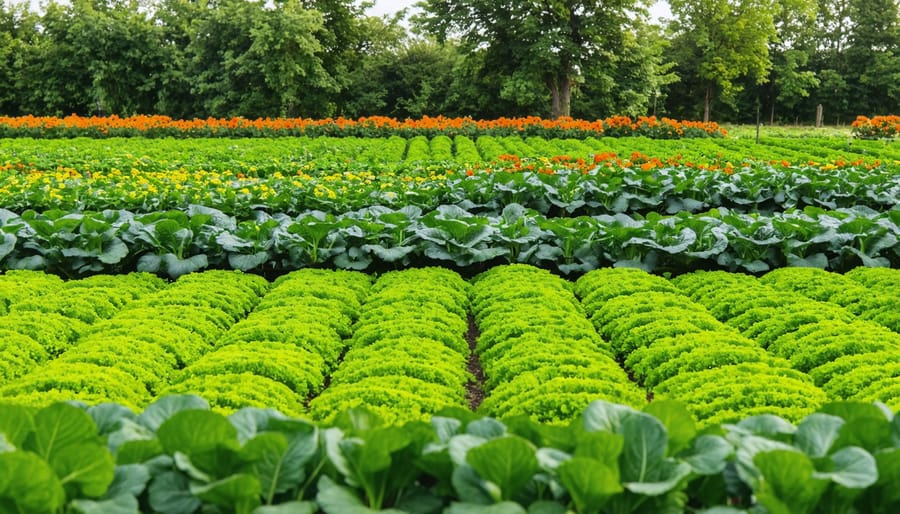
Aerial view of small organic farm with diverse crops at sunrise
A thriving small-scale organic farm demonstrates diverse crop cultivation and sustainable farming practices essential to farm-to-table agriculture.
Chef and farmer examining fresh vegetables together in barn setting
A chef and local farmer collaborate to select the day’s harvest, exemplifying the direct relationships at the heart of farm-to-table partnerships.

Restaurant Partnership Case Study

The Blue Hill Restaurant in New York’s Hudson Valley exemplifies a successful farm-to-table partnership that has thrived for over two decades. Working directly with Stone Barns Center for Food and Agriculture, the restaurant sources nearly 80% of its ingredients from within a 30-mile radius.

Chef Dan Barber collaborates closely with local farmers to plan seasonal menus months in advance. This partnership allows farmers to grow specific heritage varieties of vegetables and raise heritage breed livestock that perfectly match the restaurant’s culinary vision. The restaurant’s menu changes daily based on harvest schedules and seasonal availability.

The partnership extends beyond simple purchasing agreements. Blue Hill’s kitchen staff regularly visits the farm to understand growing practices and harvest timing, while farmers participate in menu planning sessions. This close collaboration has created a sustainable economic model that benefits both parties – the restaurant receives ultra-fresh, high-quality ingredients, while farmers enjoy guaranteed purchase agreements and premium prices for their produce.

This partnership has become a model for other restaurants and farms looking to establish meaningful farm-to-table relationships, demonstrating how direct collaboration can create both culinary excellence and agricultural sustainability.

Starting Your Own Farm-to-Table Initiative

Finding Local Partners

Building relationships with local farmers and food producers is easier than you might think. Start by visiting your local farmers’ markets, where you can meet producers face-to-face and learn about their growing practices. Many farmers are eager to establish direct relationships with regular customers and restaurants.

Community Supported Agriculture (CSA) programs offer another excellent way to connect with local farms. These programs typically provide regular deliveries of seasonal produce while supporting local agriculture. Food co-ops and natural food stores often maintain relationships with nearby farmers and can help facilitate connections.

Social media and online directories have made finding local producers simpler than ever. Websites like LocalHarvest and USDA’s Farmers Market Directory can help you locate nearby farms and markets. Don’t forget to check Facebook groups and Instagram accounts focused on local food in your area.

Consider attending agricultural events, farm tours, and food festivals in your region. These gatherings provide opportunities to network with farmers, learn about their operations, and discover new local food sources.

Building Sustainable Relationships

Building successful farm-to-table relationships requires dedication, clear communication, and mutual understanding between farmers and buyers. Start by visiting local farmers’ markets to meet producers and learn about their growing practices. When approaching farmers, be transparent about your needs and expectations while showing genuine interest in their work.

Regular communication is key – establish consistent ordering schedules and discuss seasonal availability well in advance. Consider signing up for CSA programs or joining local food co-ops to support farmers while gaining firsthand experience with the farm-to-table model.

Remember that successful partnerships are built on trust and flexibility. Be understanding of weather-related challenges and seasonal variations that may affect produce availability. Supporting farmers during slower seasons helps maintain strong relationships year-round. Many successful farm-to-table partnerships also include farm visits, harvest celebrations, and community events that strengthen these vital connections.

Celebrate and share your farm-to-table success stories with your community to inspire others and help grow the local food movement.

The farm-to-table movement continues to strengthen communities by fostering direct relationships between farmers and consumers. As more people recognize the value of locally sourced food, these partnerships create lasting benefits for everyone involved. Farmers receive fair compensation for their work, while consumers enjoy fresher, more nutritious produce and a deeper connection to their food sources.

Looking ahead, farm-to-table collaborations are poised to grow even stronger. Local food systems are becoming more resilient through innovative approaches like community-supported agriculture programs, farmers’ markets, and farm-to-school initiatives. These partnerships not only support sustainable agriculture but also boost local economies and promote environmental stewardship.

By participating in farm-to-table initiatives, we can all contribute to a healthier, more sustainable food system. Whether you’re a consumer making conscious food choices, a restaurant owner sourcing local ingredients, or a farmer connecting directly with your community, you’re part of a movement that’s reshaping how we think about and value our food.

Traditional Farm Life: Where Heritage Meets Your Dinner Table

Posted by darrell on
0
Farm-to-Table Experiences
Traditional Farm Life: Where Heritage Meets Your Dinner Table

Picture a sun-dappled meadow where weathered hands work the soil using methods passed down through generations. Traditional farming isn’t just about growing food—it’s about preserving our agricultural heritage while feeding our future. At the heart of today’s thriving farm-to-table movement lies the wisdom of traditional farming practices that have sustained communities for centuries.

These time-tested methods embrace natural cycles, working in harmony with the land rather than against it. From the careful selection of heritage seeds to the practiced art of crop rotation, traditional farms represent a delicate balance between human ingenuity and nature’s wisdom. They stand as living museums of agricultural knowledge, where every furrow tells a story of sustainable food production.

Unlike industrial agriculture’s focus on maximum yield, traditional farming prioritizes soil health, biodiversity, and food quality. These farms serve as blueprints for modern sustainable agriculture, demonstrating how ancient wisdom can address contemporary challenges in food security and environmental stewardship. As we face growing concerns about food quality and environmental impact, traditional farming practices offer proven solutions that nourish both the land and its people.

The Heart of Traditional Farming

Seasonal Rhythms and Crop Rotation

Traditional farmers have long understood the importance of working in harmony with nature’s cycles. By following seasonal rhythms, these farms maintain a natural balance that supports both crop health and soil fertility. During spring, farmers prepare and plant their fields as soil temperatures warm, while summer brings intensive cultivation and care. Fall harvest seasons yield abundant crops, and winter allows the land to rest and regenerate.

Crop rotation stands as a cornerstone of traditional farming wisdom. Farmers typically divide their land into sections, rotating different crop families through these areas over several years. This practice naturally prevents soil depletion, as different plants have varying nutrient needs and root depths. For example, following nitrogen-hungry corn with nitrogen-fixing legumes helps restore soil fertility naturally.

These time-tested methods also help control pests and diseases without chemical interventions. When crops are rotated, pest cycles are disrupted, and beneficial insects find year-round habitat. Many traditional farmers enhance these natural cycles by incorporating cover crops during winter months, protecting soil and adding organic matter that enriches next season’s plantings.

Heritage Livestock Breeds

Heritage livestock breeds represent the living history of farming, carrying genetic traits that have been carefully selected over centuries of agricultural practice. These traditional breeds, such as Devon cattle, Gloucestershire Old Spots pigs, and Plymouth Rock chickens, are naturally adapted to specific local environments and often demonstrate remarkable resilience to weather extremes and disease.

Unlike their modern commercial counterparts, heritage breeds typically thrive on pasture-based systems and require fewer external inputs. They’re known for their excellent mothering abilities, longevity, and ability to produce high-quality meat, milk, or eggs while foraging on natural vegetation.

Preserving these traditional breeds isn’t just about maintaining genetic diversity; it’s about protecting valuable traits that might become crucial for future food security. Many heritage animals produce meat with superior marbling, richer flavor profiles, and higher nutritional content compared to conventional breeds.

Farmers who raise heritage breeds often find themselves becoming stewards of both agricultural history and biodiversity, while providing consumers with unique, high-quality products that connect them to traditional farming methods.

Heritage breed farm animals including chickens, sheep and cattle grazing together in a pastoral setting
Heritage breed livestock grazing together showcases traditional mixed farming practices that promote biodiversity and sustainable land use.

Time-Tested Tools and Techniques

Hand Tools vs. Modern Equipment

Traditional farming relied heavily on hand tools that required physical labor but offered precise control and a intimate connection with the soil. Tools like the hoe, scythe, and pitchfork were essential for tasks ranging from soil preparation to harvesting. These implements, while demanding more time and effort, allowed farmers to tend their crops with careful attention to detail and minimal soil disruption.

Modern farming equipment, in contrast, emphasizes efficiency and large-scale production. Tractors, combines, and specialized machinery can accomplish in hours what once took days or weeks of manual labor. However, this efficiency comes with trade-offs: higher costs, potential soil compaction, and reduced flexibility for small-scale operations.

Many traditional farms today strike a balance between old and new methods. Hand tools remain invaluable for precise tasks like weeding delicate crops or working in smaller spaces, while selected modern equipment helps manage larger areas more efficiently. This hybrid approach allows farmers to maintain the benefits of traditional practices while adapting to current agricultural demands.

For small-scale and organic farmers, traditional hand tools often prove more practical and cost-effective than their modern counterparts. These tools require minimal maintenance, have no fuel costs, and can last for generations when properly cared for. Plus, their use promotes physical activity and a deeper understanding of the land’s needs.

Collection of well-worn traditional farming hand tools displayed on leather work apron
Time-tested traditional farming tools that have proven their worth through generations of use.

Natural Pest Management

Traditional farms excel at managing pests through time-tested natural methods that work in harmony with nature. Instead of relying on chemical pesticides, these farms use companion planting, where certain plants are grown together to naturally repel unwanted insects. For instance, marigolds planted alongside tomatoes help ward off harmful nematodes, while basil protects various crops from flies and mosquitoes.

Beneficial insects play a crucial role in pest management. Farmers actively encourage ladybugs, praying mantises, and parasitic wasps to make their homes in the fields, as these helpful creatures naturally control populations of harmful pests. Creating diverse habitats with hedgerows and flowering plants helps maintain a healthy balance of beneficial insects.

Physical barriers like row covers and netting provide protection without chemicals, while crop rotation disrupts pest life cycles naturally. Many traditional farmers also use ancient techniques like introducing ducks and chickens to their fields, as these birds eagerly feast on slugs, insects, and weed seeds while providing natural fertilizer.

Herbal preparations and natural deterrents, such as garlic and hot pepper sprays, offer additional protection when needed. These solutions are both effective and environmentally friendly, leaving no harmful residues on crops or in the soil. The success of these methods proves that working with nature, rather than against it, creates a resilient and sustainable farming system.

From Field to Fork

Traditional Harvest Methods

Traditional harvest methods reflect the wisdom passed down through generations of farmers who worked in harmony with nature’s rhythms. Hand harvesting remains a cornerstone of these practices, where skilled farmers carefully select produce at peak ripeness, ensuring optimal flavor and nutritional value.

During grain harvests, traditional farmers still employ time-tested techniques like hand scything and bundle tying. These methods, while labor-intensive, allow for selective harvesting and help preserve soil structure by minimizing heavy machinery use. Many small-scale farmers continue to use draft horses for hauling harvested crops, maintaining a gentler approach to field management.

Root vegetables are traditionally harvested using hand forks and spades, allowing farmers to assess soil conditions and protect the crop from damage. Fruit picking involves careful handling and timing, with farmers using traditional picking baskets and following the sun’s position to determine the best harvesting times.

These methods often incorporate companion planting wisdom, where certain crops are harvested together or in sequence to maintain soil health. Traditional storage techniques, such as root cellaring and natural preservation methods, complement these harvest practices, extending the usefulness of crops throughout the year while maintaining their natural qualities.

Storage and Preservation

Before modern refrigeration, traditional farms relied heavily on traditional preservation methods to ensure food availability throughout the year. Root cellars played a vital role in storing vegetables and fruits, maintaining consistent cool temperatures and humidity levels that kept produce fresh for months. These underground storage spaces were particularly effective for potatoes, carrots, onions, and apples.

Farmers also mastered the art of food preservation through fermentation, creating sauerkraut, pickles, and other fermented vegetables. Smoking meats in specially designed smokehouses helped preserve proteins while adding distinctive flavors. Salt-curing was another essential technique, used for both meat and fish preservation.

Drying fruits, vegetables, and herbs was commonplace, with dedicated drying rooms or outdoor racks taking advantage of natural air flow. Many farms featured herb-drying rafters in their kitchens, where bundles of herbs would hang to dry. Fruit preservation often involved making jams and preserves, using sugar as a natural preservative.

These time-tested storage methods not only prevented food waste but also created unique flavors and nutritional profiles that many modern food enthusiasts now seek to recreate.

Interior view of traditional root cellar showing stored produce and preservation methods
Traditional root cellars provide natural climate control for long-term food storage without modern refrigeration.

Living Heritage

Traditional farms serve as living museums, preserving centuries of agricultural wisdom and cultural heritage that might otherwise be lost to time. These farms maintain time-tested techniques passed down through generations, from seed saving practices to natural pest management methods that have proven effective for hundreds of years.

Beyond their role in food production, traditional farms act as educational centers where younger generations can learn about their agricultural heritage. Many of these farms host workshops, demonstrations, and seasonal celebrations that keep old customs alive while fostering community connections through shared experiences and knowledge exchange.

The preservation of heritage livestock breeds and heirloom crop varieties is another vital aspect of traditional farms. These genetic resources represent irreplaceable agricultural diversity, adapted to local conditions over centuries. By maintaining these traditional varieties, farms help ensure food security for future generations while protecting biodiversity.

Traditional farms also preserve cultural practices beyond agriculture, such as traditional food preparation methods, craft-making, and seasonal celebrations tied to the agricultural calendar. These activities help maintain local identity and create meaningful connections between people and the land they inhabit.

Through apprenticeships and mentoring programs, traditional farms ensure that valuable farming knowledge continues to flow from one generation to the next. This living heritage not only maintains important agricultural practices but also helps create resilient local food systems that can adapt to changing times while honoring the wisdom of the past.

Traditional farming methods continue to prove their worth in today’s agricultural landscape, offering valuable lessons for sustainable food production. These time-tested practices, refined over generations, demonstrate how working in harmony with nature can create resilient and productive farming systems. By maintaining soil health through natural fertilization, practicing crop rotation, and utilizing local resources, traditional farms showcase a model of agriculture that’s both environmentally responsible and economically viable.

Modern farmers who incorporate traditional methods often find they can reduce their dependence on chemical inputs while improving their soil’s long-term fertility. These practices not only benefit the environment but also result in healthier, more flavorful produce that consumers increasingly demand. The success of small-scale traditional farms in local food systems shows that old-world wisdom can effectively address contemporary challenges in food security and sustainability.

As we look to the future of agriculture, traditional farming methods offer invaluable insights for creating sustainable food systems. By blending time-honored practices with modern innovations, we can build a more resilient and environmentally conscious agricultural sector that nourishes both people and the planet for generations to come.

How Small Farms Are Revolutionizing Fresh-to-Fork Dining

Posted by darrell on
0
Farm-to-Table Experiences
How Small Farms Are Revolutionizing Fresh-to-Fork Dining

Imagine stepping into a restaurant where every ingredient tells a story – from the heirloom tomatoes picked that morning to herbs still carrying garden dew. This culinary movement, known as the farm-to-table revolution, has transformed how we think about dining, connecting our plates directly to local farmers and seasonal harvests.

Beyond just a dining trend, farm-to-table represents a return to our culinary roots while embracing modern innovation. Chefs partner with nearby farms to craft menus that change with the seasons, ensuring peak freshness and flavor while supporting local agricultural communities. This direct partnership between farmers and restaurants has created a new ecosystem of sustainable dining that benefits everyone – from the soil to the table.

The impact extends far beyond taste. When restaurants source locally, they reduce their carbon footprint, support regional economies, and preserve traditional farming practices. Each plate becomes a celebration of place and time, offering diners not just a meal, but a connection to their local landscape and the people who tend it.

This movement has sparked a renaissance in American dining, where the story behind each ingredient matters as much as its flavor. As we continue to face global food challenges, farm-to-table cuisine offers a delicious solution that nourishes both people and planet.

Redefining Restaurant-Farm Partnerships

Beyond Traditional Sourcing

Modern chefs are revolutionizing the farm-to-table movement by forming deep partnerships with local farmers, going far beyond simple purchasing relationships. These collaborations often begin months before the growing season, with chefs and farmers sitting down together to plan entire crop schedules and discuss unique varietals that will eventually become signature menu items.

Many restaurants now employ dedicated farm liaisons who work directly with multiple growers, coordinating planting schedules to ensure consistent supply throughout the year. Some chefs are even experimenting with heritage seeds and forgotten varieties, working with farmers to revive ancient grains and heirloom vegetables that offer distinct flavors and textures.

This collaborative approach has led to exciting innovations, such as farmers growing specific micro-greens to a chef’s exact specifications or cultivating unique herb varieties that complement particular dishes. For example, Chef Sarah Martinez of Portland’s Terra works with local farmer John Miller to grow purple snow peas and striped cherry tomatoes exclusively for her seasonal tasting menu.

These partnerships also help reduce food waste, as chefs can plan menus around entire crop yields and work with farmers to utilize everything from root to stem. Some restaurants even arrange for farmers to harvest produce at specific times to maximize flavor and freshness, sometimes just hours before service. This evolving relationship between chef and farmer represents the future of sustainable restaurant cuisine, where the line between kitchen and field becomes increasingly blurred.

Chef and farmer discussing crops in an organic vegetable field during sunset
A chef and local farmer collaborate in the field, exemplifying the direct partnership that defines modern farm-to-table relationships.

Seasonal Menu Innovation

The heart of farm-to-table cuisine lies in its ability to dance with the seasons, creating menus that reflect nature’s ever-changing bounty. Successful restaurants embracing this philosophy understand that adapting their offerings to local harvest schedules isn’t just about sustainability – it’s about capturing the peak flavor and nutritional value of each ingredient.

Chefs who excel in seasonal cooking techniques work closely with local farmers to plan their menus months in advance. They study crop calendars, consider preservation methods, and develop creative ways to showcase each season’s highlights. During spring, tender shoots and early greens take center stage. Summer brings an explosion of colorful vegetables and fruits, while autumn celebrates root vegetables and hardy greens. Even winter offers opportunities with stored crops, preserved ingredients, and greenhouse-grown produce.

Innovation comes through preservation methods like fermentation, pickling, and dehydrating, allowing chefs to extend the use of seasonal ingredients. Many restaurants maintain their own kitchen gardens, giving them access to fresh herbs and specialty items year-round. Some even experiment with indoor growing systems for microgreens and edible flowers.

The key to successful seasonal menu planning lies in flexibility and creativity. Rather than viewing seasonal limitations as restrictions, innovative chefs see them as opportunities to create unique dishes that tell the story of their local foodshed, one plate at a time.

Technology Meets Tradition

Chef preparing fresh local vegetables in professional kitchen
A professional chef transforms fresh local produce into elegant dishes, showcasing farm-to-table cuisine in action.

Smart Farming Integration

Modern technology has revolutionized the way farms and restaurants work together in the farm-to-table movement. Smart farming apps and digital platforms now enable farmers to precisely coordinate their harvests with restaurant demands, ensuring the freshest possible ingredients make it from soil to plate.

Many farmers use crop management software that tracks growing cycles and predicts harvest dates. These tools integrate with restaurant ordering systems, allowing chefs to see real-time updates about when specific produce will be available. This digital coordination helps reduce food waste and ensures restaurants can plan their menus around seasonal availability.

Weather monitoring systems and soil sensors provide valuable data that helps farmers optimize growing conditions and predict potential challenges. When connected to restaurant management systems, this information allows chefs to adjust their menu planning based on how weather might affect crop yields.

Success stories like Green Valley Farm show how this integration works in practice. Their smart irrigation system and harvest tracking app helped them reduce water usage by 30% while better meeting the needs of their restaurant partners. Local chef Sarah Martinez shares, “Having real-time updates about our partner farms’ harvests helps us create more precise seasonal menus and reduce our food waste significantly.”

Some farms even use QR codes on their produce deliveries, allowing restaurants to trace exactly when and where items were harvested. This transparency builds trust and helps restaurants share authentic farm-to-table stories with their customers.

Digital Farm-to-Chef Platforms

The digital revolution has transformed the traditional farm-to-table movement, making it easier than ever for chefs and farmers to connect directly. Modern platforms and mobile apps are streamlining the sourcing process, allowing restaurants to browse local harvests and place orders with just a few taps.

Popular platforms like FarmersWeb and Local Food Marketplace have created virtual marketplaces where farmers can showcase their seasonal produce, while chefs can easily track availability and place orders in real-time. These digital solutions eliminate the need for multiple phone calls and text messages, saving valuable time for both parties.

Success stories abound, like Sarah’s Green Acres in Vermont, which increased its restaurant partnerships by 300% after joining a digital platform. The farm now supplies fresh produce to over 20 local restaurants, with order management fully automated through their chosen app.

These platforms often include features like harvest calendars, delivery scheduling, and automated invoicing. Some even offer predictive analytics to help farmers plan their crops based on restaurant demand patterns. For chefs, many platforms provide detailed information about growing practices, harvest dates, and farm certifications, ensuring complete transparency in sourcing.

The technology also enables better inventory management and reduces food waste, as restaurants can order exactly what they need and farmers can better plan their harvests. Some platforms have even introduced features for consumers, allowing them to see which restaurants source from their favorite local farms.

Creative Preservation Methods

Ancient Meets Modern

In today’s farm-to-table movement, chefs and farmers are creating an exciting fusion of time-tested preservation methods with cutting-edge technology. Traditional techniques like fermentation, pickling, and smoking are being enhanced by precise temperature controls and modern monitoring systems, allowing for consistent, safe results while maintaining authentic flavors.

Take Sarah Miller’s Blue Hill Farm, for example, where centuries-old root cellaring meets smart humidity sensors to create the perfect environment for storing winter vegetables. Her team uses mobile apps to track fermentation progress in their kimchi and sauerkraut, ensuring each batch reaches peak flavor while maintaining food safety standards.

Modern vacuum sealers and sous vide equipment are helping chefs extend the shelf life of seasonal ingredients without compromising their nutritional value. Meanwhile, ancient practices like dry-aging meats and curing fish are being perfected through digital monitoring systems that maintain ideal temperature and humidity levels.

Some innovative restaurants are even combining hydroponics with traditional companion planting methods, growing microgreens and herbs year-round using automated watering systems while following age-old wisdom about which plants grow best together. This marriage of old and new ensures that farm-to-table restaurants can serve fresh, local ingredients throughout the year while honoring traditional preservation techniques that have shaped our culinary heritage.

Zero-Waste Innovation

In today’s farm-to-table movement, innovative chefs and farmers are revolutionizing how we use every part of their harvested ingredients. Root-to-stem cooking has become a cornerstone of sustainable cuisine, transforming what was once considered kitchen waste into culinary gold.

Carrot tops transform into vibrant pestos, while their peels become crispy garnishes. Beet greens, often discarded, are now starring in sautéed side dishes, while their stems pickle beautifully for future use. Creative chefs are even turning corn silk into tea and using tough broccoli stems in slaws and gratins.

Fruit preservation takes on new life with creative applications: citrus peels become candied treats or zesty seasonings, apple cores transform into drinking vinegars, and overripe fruits find purpose in fermented beverages and natural dyes for plant-based food coloring.

Animal proteins receive similar treatment in zero-waste kitchens. Bones become the foundation for rich broths, while organ meats feature in innovative charcuterie. Even fish scales are being transformed into crispy garnishes, while shells from shellfish get pulverized into unique seasonings.

Local farmer Maria Rodriguez shares her success story: “We’ve partnered with three restaurants that use everything we grow. Even our sunflower stalks become natural trellises for next season’s climbing plants. It’s amazing to see zero waste in action from field to plate.”

This whole-ingredient approach not only reduces food waste but also introduces diners to new flavors and textures while honoring the full potential of farm-fresh ingredients.

Success Stories

Beautifully plated seasonal dish featuring local ingredients
An expertly crafted seasonal dish demonstrates the creative possibilities of farm-to-table cuisine.

From Field to Fame

The farm-to-table movement has given rise to numerous success stories across North America, with pioneering restaurants transforming how we experience food. One standout example is Blue Hill at Stone Barns in New York, where Chef Dan Barber has created an innovative ecosystem that seamlessly connects farming and dining. The restaurant’s menu changes daily based on what’s harvested from their 80-acre farm, creating some of the most compelling local produce stories in modern cuisine.

In California, Chez Panisse continues to influence the farm-to-table movement decades after Alice Waters first opened its doors. The restaurant maintains partnerships with over sixty local farmers, ensuring a steady supply of seasonal ingredients that shape their daily-changing menu. Their success has inspired countless restaurants to adopt similar practices.

The Herb Farm in Washington State takes the concept even further by growing most of their ingredients on-site. Their nine-course themed dinners celebrate the Pacific Northwest’s seasonal bounty, with each dish telling a story about the land and its farmers. They’ve mastered the art of turning limitations into opportunities, proving that seasonal constraints can spark culinary creativity.

Outstanding in the Field has reimagined the entire restaurant concept by bringing diners directly to farms. Their traveling restaurant sets up long tables in fields, orchards, and beaches across America, creating unforgettable dining experiences where guests connect directly with farmers and their land. This innovative approach has hosted over 100,000 guests at more than 1,000 locations.

In urban settings, Acre in Memphis demonstrates how rooftop gardens and strategic local partnerships can create a successful farm-to-table restaurant even in city centers. Their 1.5-acre rooftop garden provides fresh herbs and vegetables year-round, while relationships with nearby farmers supply additional ingredients. This hybrid model has become a blueprint for urban restaurants looking to embrace local sourcing.

These success stories show that farm-to-table isn’t just a trend but a sustainable business model that benefits farmers, chefs, and diners alike. Each restaurant has found unique ways to overcome challenges and create memorable dining experiences while supporting local agriculture.

As we look to the future, farm-to-table cuisine continues to evolve and reshape our culinary landscape in exciting ways. Modern chefs and restaurateurs are pushing boundaries by combining traditional local sourcing with cutting-edge technology and innovative growing methods. From rooftop hydroponic gardens to AI-powered crop management, these advancements are making farm-to-table experiences more accessible and sustainable than ever before.

The movement has sparked a lasting transformation in how we think about food, fostering stronger connections between farmers, chefs, and diners. Restaurant kitchens are becoming living laboratories where seasonal ingredients inspire creative dishes, while smart farming techniques help extend growing seasons and reduce environmental impact.

Looking ahead, we can expect to see more integration of urban farming solutions, enhanced traceability systems, and innovative preservation methods that maintain the integrity of local ingredients year-round. The rise of community-supported agriculture programs and educational initiatives will continue to strengthen the bond between producers and consumers, ensuring that farm-to-table remains not just a dining trend, but a fundamental approach to sustainable food systems.

As this movement matures, it’s clear that farm-to-table cuisine has forever changed our relationship with food, creating a more conscious, connected, and sustainable culinary future for generations to come.