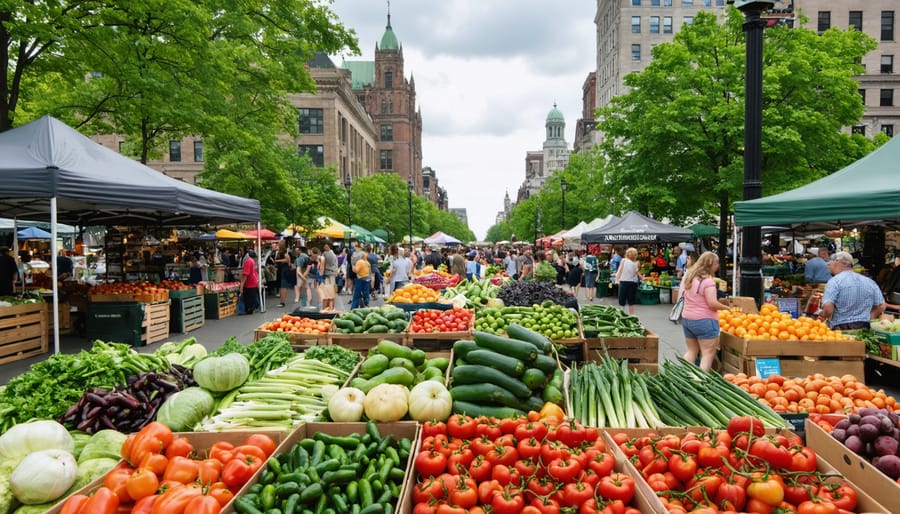
Daily Archives

2 Articles

Regenerative Grazing: Transform Your Pastures Into Thriving Ecosystems

Posted by darrell on
0
Regenerative Agriculture Insights
Regenerative Grazing: Transform Your Pastures Into Thriving Ecosystems

Transform depleted grazing lands into thriving regenerative farming systems through strategic livestock rotation, allowing pastures to rest and recover for 30-45 days between grazing periods. Plant diverse cover crop mixtures including deep-rooted perennials like chicory and alfalfa alongside nitrogen-fixing legumes to build soil organic matter and create resilient ecosystems. Implement adaptive multi-paddock grazing by dividing larger pastures into smaller sections, moving livestock daily to mimic natural herd movements and prevent overgrazing while stimulating plant growth. Monitor soil health through regular testing and visual assessment of ground cover, root development, and soil structure to fine-tune management practices and maximize carbon sequestration.

These proven regenerative techniques don’t just restore degraded landscapes – they create robust, profitable farming operations that produce nutrient-dense food while building environmental resilience. By working with nature’s cycles rather than against them, farmers can dramatically reduce input costs while increasing productivity and ecosystem services.

The Core Principles of Regenerative Grazing

Planned Grazing Patterns

Planned grazing patterns form a cornerstone of sustainable ecosystem development in regenerative farming. This approach mimics nature’s rhythms by moving livestock through different pasture sections, allowing grass to recover and soil to regenerate between grazing periods.

Think of it as a carefully choreographed dance between animals and land. Instead of letting livestock graze freely in one area, farmers divide their pastures into smaller paddocks. Animals are moved every few days – or even daily – depending on factors like grass height, soil moisture, and season. This movement prevents overgrazing while promoting healthy root systems and soil biology.

The magic happens during rest periods when grass regrows and deepens its root system. This process naturally aerates the soil, increases organic matter, and enhances water retention. Many farmers report seeing dramatic improvements within just one season: thicker grass coverage, increased biodiversity, and healthier animals.

Success tip: Start small by dividing one pasture into four sections and rotate animals weekly. Monitor grass recovery and adjust your timing based on what you observe. Remember, nature is your best teacher!

Herd of cattle grazing closely together in lush, diverse pasture during sunset
Cattle graze intensively in a carefully managed rotational pattern, demonstrating successful implementation of regenerative grazing practices.

Rest and Recovery Periods

One of the most crucial aspects of regenerative grazing is allowing adequate rest and recovery periods for pastures. Just as our gardens need time to rejuvenate after harvest, grasslands require sufficient breaks between grazing sessions to rebuild their root systems and restore soil health.

The optimal recovery period varies depending on several factors, including climate, season, and grass species. In temperate regions, pastures typically need 30-45 days of rest during the growing season, while in drier climates, this period might extend to 60-90 days or more.

Smart farmers watch for specific indicators to determine when a pasture is ready for grazing again. Look for grass that’s reached at least 6-8 inches in height, showing vibrant color and strong root development. The presence of diverse plant species and beneficial insects is another positive sign.

Sarah Miller, a regenerative farmer in Vermont, shares her success story: “I’ve learned to read my land’s signals. When I see earthworms returning and grass stems becoming thick and sturdy, I know the pasture has recovered well.” This patient approach has helped her triple her soil organic matter in just five years.

Soil Health and Carbon Sequestration

Close-up of rich soil with visible root systems and earthworms
Healthy soil structure showing the results of regenerative grazing practices, with visible organic matter and biological activity.

Building Organic Matter

Building organic matter in soil through grazing management is a cornerstone of creating thriving food ecosystems. When managed properly, livestock can dramatically improve soil health through a natural cycle of grazing, trampling, and manure deposition.

The key lies in mimicking nature’s patterns. Instead of continuous grazing, animals are moved frequently through paddocks, allowing grass to recover fully between grazing periods. This practice, known as rotational or managed grazing, helps plants develop deeper root systems and increases their ability to store carbon underground.

As livestock graze, they naturally trample uneaten plant material into the soil surface. This creates a protective mulch layer that reduces water evaporation and feeds soil organisms. Their hooves also break up compacted soil, allowing better water infiltration and root growth.

The manure and urine deposited by grazing animals provide readily available nutrients and organic matter to the soil. These natural fertilizers feed beneficial microorganisms, which in turn break down organic materials into stable forms of carbon-rich humus.

Success stories from regenerative ranchers show that well-managed grazing can increase soil organic matter by 1-2% within just a few years. This improvement translates to better water retention, increased fertility, and more resilient pastures that produce nutritious forage throughout the growing season.

Natural Fertilization Cycles

Natural fertilization through animal impact is one of nature’s most effective ways to enhance soil fertility. When livestock graze in a managed rotational pattern, they create a beautiful cycle of soil enrichment that mimics natural ecosystems.

As animals graze, they deposit manure and urine across the land, providing an immediate source of nitrogen, phosphorus, and other essential nutrients. Their hooves work these nutrients into the soil while simultaneously breaking up compacted earth, improving soil structure and water infiltration.

What makes this system truly remarkable is the stimulation of plant growth. When animals bite down on grass, it triggers the plant to release sugary substances through its roots. These substances feed beneficial soil microorganisms, which in turn break down organic matter more efficiently and make nutrients more available to plants.

Sarah Thompson, a regenerative farmer in Vermont, saw dramatic improvements after implementing managed grazing on her land. “Within two years, our soil organic matter increased by 2%, and we noticed a significant increase in earthworm activity,” she shares. “The pastures are more resilient during dry spells, and the grass grows back faster after grazing.”

To maximize these benefits, timing is crucial. Moving animals frequently prevents overgrazing and ensures manure distribution is even across the land. This approach not only improves soil health but also reduces or eliminates the need for synthetic fertilizers, creating a self-sustaining system that gets better with time.

Practical Implementation Steps

Pasture Assessment

Before implementing regenerative grazing practices, it’s essential to assess your pasture’s current condition and potential. Start by examining soil health through basic tests that measure organic matter, nutrients, and compaction levels. Look for signs of soil life, such as earthworms and beneficial insects, which indicate a thriving ecosystem.

Evaluate plant diversity by identifying existing species and their distribution. A healthy pasture should have a mix of grasses, legumes, and forbes. Note areas of bare soil, erosion, or invasive species that need attention. These observations will help you develop targeted improvement strategies.

Monitor water infiltration by performing simple tests: pour water on different areas and observe how quickly it absorbs. Poor absorption often indicates compacted soil that needs rehabilitation. Also assess natural water sources, drainage patterns, and potential for water retention improvements.

Document your findings with photos and detailed notes, creating a baseline for measuring future progress. This information will guide your decisions about stocking rates, grazing patterns, and restoration efforts. Remember that successful pasture regeneration takes time, but careful assessment helps ensure your efforts are focused where they’ll have the most impact.

Farmer kneeling in pasture examining grass quality and height
A farmer evaluates pasture health through hands-on assessment of grass diversity and growth.

Herd Management

Effective herd management lies at the heart of regenerative farming, where livestock becomes a vital tool for land restoration rather than just a source of food. The key principle is planned grazing, which mimics the natural movement patterns of wild herds across grasslands.

To implement successful herd management, farmers should rotate their animals frequently through different paddocks, allowing each area adequate rest and recovery time. The ideal grazing duration depends on factors like grass height, season, and local climate conditions, but typically ranges from one to three days per paddock.

Livestock density plays a crucial role in this system. Higher density grazing for shorter periods often yields better results than continuous low-density grazing. This approach ensures even distribution of manure, prevents selective grazing, and promotes uniform plant recovery.

Consider the “mob grazing” technique, where animals graze intensively in small areas before moving to fresh pasture. This method helps build soil organic matter, increases biodiversity, and improves water retention in the soil. Many successful farmers use portable electric fencing to create flexible paddock systems that can be adjusted based on seasonal conditions and herd size.

Monitor your animals’ impact regularly by observing soil health, plant diversity, and recovery periods. Remember, healthy animals contribute to healthy land, creating a regenerative cycle that benefits both the ecosystem and farm productivity.

Monitoring Progress

Tracking the success of regenerative farming practices involves monitoring several key indicators that reflect soil and ecosystem health. Start by conducting regular soil tests to measure organic matter content, nutrient levels, and microbial activity. Document changes in soil structure and water retention capacity through simple field tests like the soil infiltration test or earthworm counts.

Keep detailed records of crop yields, pest presence, and beneficial insect populations. Photograph your fields seasonally to track visible changes in plant diversity and soil coverage. Many farmers find success using smartphone apps designed for agricultural monitoring, making data collection more manageable.

Monitor water quality in nearby streams or ponds, as improved farming practices often lead to cleaner waterways. Track your carbon footprint through specialized agricultural carbon calculators, which can help quantify your farm’s environmental impact. Remember to measure economic indicators too, such as reduced input costs and crop resilience during extreme weather events.

Create a baseline assessment before implementing new techniques, allowing you to measure progress effectively over time. Consider partnering with local agricultural extension services or conservation groups for additional monitoring support and expertise.

Real Farm Success Story

When Sarah and Tom Mitchell inherited their family’s 200-acre cattle ranch in Montana, they faced declining soil health and struggling pastures. Determined to restore their land while maintaining profitable cattle operations, they embarked on a journey into regenerative grazing that would transform their ranch into a model of farm vitality.

The Mitchells implemented a carefully planned rotational grazing system, dividing their land into smaller paddocks where cattle would graze intensively for short periods before moving to the next area. This approach mimics natural grazing patterns of wild herds and allows grass to recover fully between grazing periods.

“We started with just 20 acres as a test plot,” Sarah explains. “Within the first year, we noticed thicker grass growth and more diverse plant species returning to our pastures. The soil was visibly darker and richer, and we found more earthworms – a clear sign of improving soil health.”

Their success encouraged them to expand the system across their entire ranch. They introduced mobile water systems and portable electric fencing to facilitate cattle movement, making management more flexible and efficient. The Mitchells also incorporated multi-species grazing, adding sheep to their operation, which helped control weeds naturally and created an additional revenue stream.

After three years of regenerative grazing, the results were remarkable:
– Soil organic matter increased from 2% to 4.5%
– Water retention improved, reducing irrigation needs by 30%
– Forage production increased by 40%
– Cattle health improved with fewer veterinary interventions needed
– Profit margins grew by 25% despite initial investment costs

The transformation hasn’t gone unnoticed. Local farmers regularly visit the Mitchell Ranch to learn about their methods, and their success has inspired several neighboring ranches to adopt similar practices. “The most rewarding part,” Tom shares, “is seeing the land come back to life. We’re not just raising cattle anymore; we’re rebuilding an ecosystem while creating a sustainable future for our family farm.”

The Mitchells continue to refine their approach, experimenting with cover crops in their rotation and documenting their journey to help other farmers transition to regenerative practices. Their story demonstrates that with careful planning and patience, regenerative grazing can restore landscapes while building a more resilient and profitable agricultural operation.

Regenerative farming stands as a beacon of hope for our agricultural future, offering a powerful combination of environmental stewardship and economic viability. By embracing these sustainable practices, farmers worldwide are witnessing remarkable improvements in soil health, water retention, and biodiversity while maintaining profitable operations.

The benefits extend far beyond the farm gate. Enhanced soil carbon sequestration helps combat climate change, while improved water management creates more resilient farming systems. Local communities benefit from cleaner water, healthier ecosystems, and more nutritious food products. Farmers report increased crop yields, reduced input costs, and greater farm resilience against extreme weather events.

The journey to regenerative farming doesn’t have to be overwhelming. Start small by implementing one or two techniques, such as cover cropping or rotational grazing, and gradually expand your practices as you gain confidence and experience. Connect with local farming communities, attend workshops, and learn from experienced practitioners who have successfully made the transition.

Remember, every step toward regenerative agriculture is a step toward a more sustainable future. Whether you’re managing a large farm or tending a small garden, these principles can be adapted to suit your needs. By choosing to farm regeneratively, you’re not just growing food – you’re nurturing the earth, supporting biodiversity, and helping create a more resilient food system for generations to come.

Boston’s Farm-to-Table Festivals Bring Fresh Local Flavors to Life

Posted by darrell on
0
Farm-to-Table Experiences
Boston’s Farm-to-Table Festivals Bring Fresh Local Flavors to Life

Boston’s vibrant farm-to-table festivals transform the city’s culinary landscape into a celebration of local harvests throughout the year. From the bustling Copley Square Farmers Market to intimate chef-led dinners at Allandale Farm, the city’s farm-to-table movement connects urban dwellers directly with Massachusetts farmers and artisanal food producers. Innovative restaurants like Field & Vine and Loyal Nine have revolutionized seasonal dining by partnering with small-scale farmers within a 50-mile radius, while community-supported agriculture programs flourish across neighborhoods from Jamaica Plain to Somerville. This dynamic ecosystem of growers, chefs, and conscious consumers has established Boston as a northeast hub for sustainable dining, where each plate tells the story of New England’s agricultural heritage and its evolving food future.

Spring Harvest Celebrations

Boston Public Market’s Spring Fling

Each spring, the Boston Public Market transforms into a vibrant celebration of local agriculture during its annual Spring Fling festival. This beloved event brings together over 50 New England farmers, artisans, and food producers under one roof for a weekend of seasonal delights and community connection.

Visitors can explore stalls bursting with early spring produce like fresh asparagus, tender pea shoots, and colorful radishes, all harvested from nearby farms. Local cheese makers, bakers, and specialty food crafters showcase their latest creations, often incorporating seasonal ingredients into special Spring Fling offerings.

The festival features hands-on workshops where attendees can learn about starting their own herb gardens, cooking with spring vegetables, and sustainable farming practices. Children’s activities include seed planting stations and educational demonstrations about the importance of pollinators in our food system.

Live music from local musicians creates a festive atmosphere while visitors sample fresh-pressed ciders, artisanal chocolates, and farm-fresh prepared foods. The market’s regular vendors also participate with special spring-themed products and tastings throughout the weekend.

Harbor Islands Farm Festival

Each summer, Boston’s Harbor Islands transform into a vibrant celebration of local agriculture during the Harbor Islands Farm Festival. This unique event combines the region’s maritime heritage with sustainable farming practices, offering visitors a chance to experience farming in an unexpected island setting.

Spectacle Island and Thompson Island host the main festivities, where local farmers showcase their island-grown produce, herbs, and flowers. Visitors can participate in hands-on farming demonstrations, learn about traditional crop rotation methods, and enjoy guided tours of the islands’ agricultural areas.

The festival features farm-fresh tastings prepared by Boston’s top chefs, who create dishes using ingredients harvested just hours before. Educational workshops cover topics like saltwater-resistant farming techniques and the challenges of island agriculture. Children especially enjoy the interactive planting activities and meeting the heritage breed chickens that help maintain the islands’ ecosystems.

What makes this festival particularly special is its focus on coastal farming innovation and the unique growing conditions of the Harbor Islands. It’s a perfect example of how Boston’s agricultural community continues to adapt and thrive in unexpected places.

Summer Food Festivals
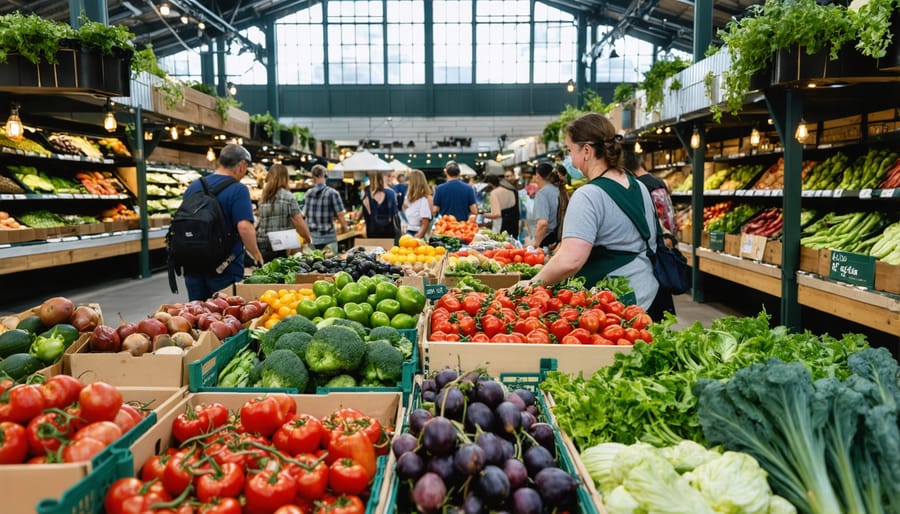
Wide view of Boston Public Market interior showing produce stands and shoppers
The bustling Boston Public Market connects local farmers directly with urban consumers through year-round indoor marketplace experiences.

Boston Local Food Festival

The Boston Local Food Festival stands as the city’s premier celebration of sustainable food culture, drawing over 50,000 visitors annually to the Rose Kennedy Greenway. This free outdoor festival showcases the best of New England’s local food movement, bringing together farmers, chefs, food entrepreneurs, and enthusiastic foodies for a day of culinary exploration and education.

Visitors can sample farm-fresh produce, artisanal cheeses, and locally crafted beverages while watching live cooking demonstrations from Boston’s top chefs. The festival’s “Seafood Throwdown” has become a beloved tradition, where local chefs compete to create spectacular dishes using sustainably caught seafood from regional waters.

What sets this festival apart is its zero-waste policy and commitment to affordability. All vendors must offer at least one $6 tasting item, making local food accessible to everyone. Interactive workshops teach practical skills like container gardening, composting, and food preservation, while the Family Fun Zone engages young visitors with hands-on activities about sustainable food practices.

The festival’s Farmer Market Plaza provides a direct connection between local farmers and consumers, offering everything from heirloom vegetables to grass-fed meats. Food entrepreneurs showcase their innovative products, often telling inspiring stories of how they transformed local ingredients into successful business ventures.

For those interested in sustainable living, the festival’s educational pavilion features talks on urban farming, food justice, and reducing food waste.

Farm-to-Fork Weekend

Boston’s Farm-to-Fork Weekend celebrates the region’s vibrant local food scene with a series of special dining events, farm tours, and culinary workshops. This annual spring celebration connects diners directly with local farmers and chefs, offering unique farm-to-fork dining experiences throughout Greater Boston.

During this three-day event, participating restaurants create special prix-fixe menus showcasing ingredients sourced from nearby farms. Diners can enjoy multi-course meals featuring seasonal produce, locally raised meats, and artisanal products while learning about the farms behind their food. Many restaurants offer meet-and-greet sessions with farmers during dinner service.

The weekend also includes hands-on activities like cooking demonstrations at Boston Public Market, guided tours of urban farming initiatives, and workshops on seasonal cooking. Families can participate in kid-friendly activities such as seed starting and herb gardening classes.

Popular events include the Friday night kick-off celebration at the Boston Harbor Hotel, featuring small bites from 20+ restaurants and local farmers, and Sunday’s Farm Family Brunch series, where participating restaurants host casual brunches with their partner farms.

Tickets typically go on sale two months before the event, with early-bird pricing available. A portion of proceeds supports local farming education programs and helps fund grants for small farms in Massachusetts.

Outdoor restaurant dining scene with seasonal dishes and Boston harbor view
Farm-to-table restaurants along Boston’s waterfront combine fresh local ingredients with stunning harbor views.

Fall Harvest Events

Harvest Moon Festival

Every autumn, Boston transforms into a vibrant celebration of local agriculture during the Harvest Moon Festival. This cherished tradition brings together farmers, chefs, and food enthusiasts for a weekend of farm-fresh feasting and community connection. Building on traditional harvest celebrations, the festival has evolved through strong local farm partnerships to showcase the best of New England’s seasonal bounty.

Held in the historic Boston Common, the festival features long communal tables where guests enjoy family-style meals prepared by the city’s most innovative farm-to-table chefs. Local farmers share their stories while serving up heirloom vegetables, heritage meats, and artisanal cheeses directly from their farms. Interactive workshops teach visitors about seed saving, food preservation, and sustainable cooking techniques.

Children delight in hands-on activities like apple pressing and pumpkin decorating, while adults can sample local craft beverages in the harvest beer garden. As evening falls, string lights illuminate the common, and local musicians provide a soundtrack for this magical celebration of community and sustainable food culture. The festival has become a cherished autumn tradition, connecting urban dwellers with their agricultural roots while supporting local food systems.
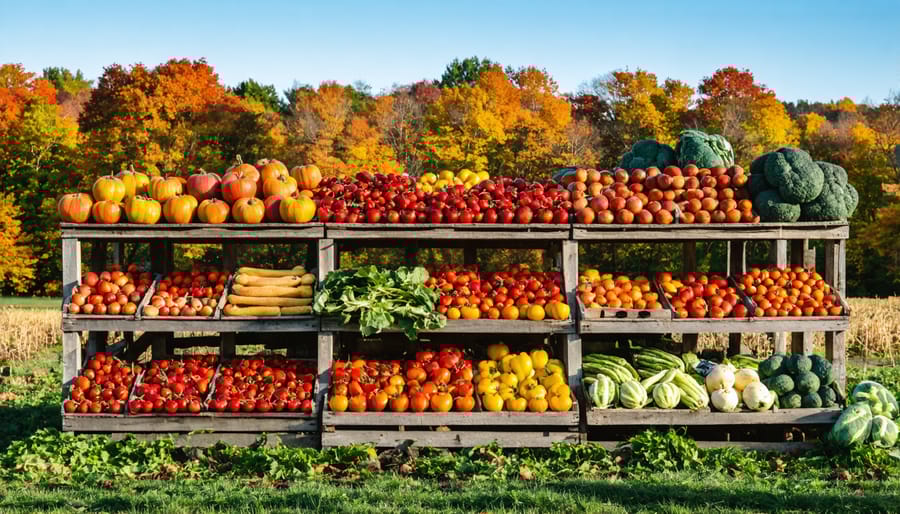
Farm stand display of pumpkins, gourds and apples with fall foliage backdrop
Local farms outside Boston showcase the autumn harvest with traditional farm stands full of seasonal produce.

Apple & Pumpkin Festival

When autumn paints New England in vibrant hues, Boston’s farm-to-table scene comes alive with apple and pumpkin celebrations. Local farms within an hour’s drive of the city transform into festive destinations where families can experience the harvest season firsthand. Popular spots like Honey Pot Hill Orchards and Lookout Farm welcome visitors for apple picking, with varieties ranging from classic McIntosh to heirloom types like Northern Spy.

The festivities typically run from mid-September through October, featuring fresh-pressed cider demonstrations, pumpkin carving workshops, and hayrides through the orchards. Many farms host weekend markets where visitors can purchase homemade apple butter, pumpkin pies, and other seasonal treats made from their harvest. Kids particularly enjoy the hands-on activities like building scarecrows and navigating corn mazes.

Local chefs often participate in these celebrations, offering cooking demonstrations that showcase creative ways to use fall produce. Watch them transform freshly picked apples into everything from savory chutneys to decadent desserts. Several farms also feature cideries where adults can sample hard ciders crafted from local apples.

For those interested in sustainable agriculture, many participating farms offer educational tours explaining their organic growing practices and commitment to preserving heirloom varieties for future generations.

Winter Markets & Events

Boston’s farm-to-table movement doesn’t hibernate during the cold months. The Boston Public Market serves as a year-round indoor haven for local food enthusiasts, hosting over 30 New England vendors who offer everything from fresh produce to artisanal cheeses and freshly baked goods.

Winter Fare, held annually in January, brings together farmers and food producers from across Massachusetts for a celebration of seasonal eating. Visitors can stock up on root vegetables, winter greens, locally made preserves, and maple products while enjoying cooking demonstrations and workshops on winter food preservation.

The SoWa Winter Festival, typically held in early December, transforms the iconic SoWa Power Station into a magical marketplace featuring local farmers, food artisans, and craft vendors. The festival’s famous “Winter Wine Garden” showcases regional wines paired with seasonal farm-fresh dishes.

Several Boston-area farms host special winter events, including Ward’s Berry Farm’s “Greenhouse Tours” and Allandale Farm’s “Winter Growing Workshop Series.” These educational experiences give visitors insight into how local farmers maintain production during the colder months.

Don’t miss the annual “Farm to Fork Winter Feast” series, where prominent Boston chefs partner with local farmers to create multi-course meals highlighting seasonal ingredients. These intimate dining experiences often sell out quickly and showcase the incredible versatility of New England’s winter harvest.

Boston’s vibrant farm-to-table scene flourishes year-round through an exciting calendar of festivals and events that celebrate local agriculture and sustainable food practices. From the springtime Boston Public Market festivals showcasing early harvests to summer’s abundant farmers’ markets in every neighborhood, there’s always an opportunity to connect with local farmers and artisans. Fall brings harvest celebrations and apple-picking festivals throughout the region, while winter features indoor markets and farm-to-table dining events that keep the local food movement alive even in the coldest months. These gatherings not only provide fresh, seasonal produce but also offer educational workshops, cooking demonstrations, and chances to meet the farmers who grow our food. Whether you’re a dedicated locavore or just beginning to explore sustainable eating, Boston’s year-round food events provide endless opportunities to participate in and support our local food ecosystem.