
Stop Throwing Away Your Money: How Mindful Meal Planning Cuts Food Waste in Half
 darrell on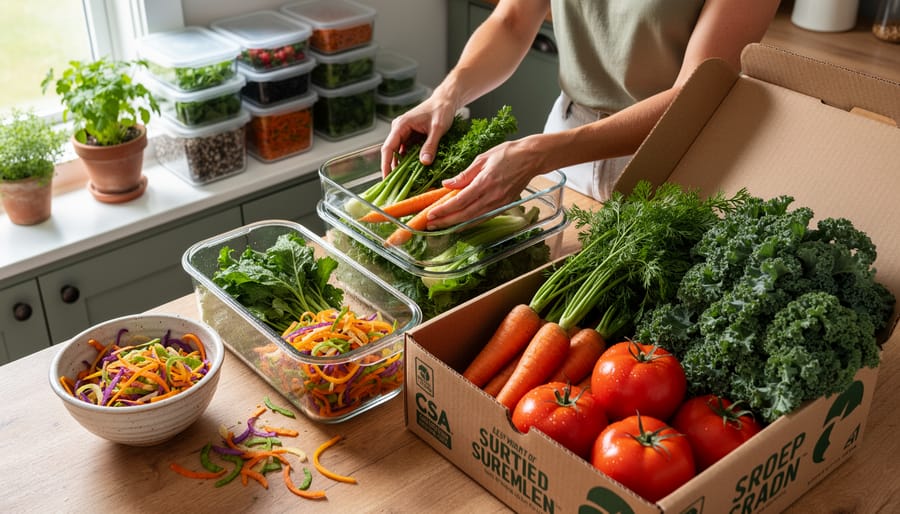
Examine your refrigerator’s forgotten corners before planning your next meal. Food mindfulness transforms how you interact with every carrot, tomato, and bunch of kale that enters your kitchen—especially when seasonal abundance from CSA boxes and garden harvests threatens to overwhelm even the most organized home cook.
The average household wastes 31% of available food, but mindful meal planning cuts that number dramatically by creating intentional systems between harvest and plate. This practice goes beyond simple meal prep; it’s a complete shift in how you perceive, value, and utilize every ingredient that crosses your threshold.
Start by conducting weekly produce assessments, cataloging what needs immediate attention and what can wait. Build your meal plans around these priorities rather than external recipes or cravings. When Maria, a Chicago CSA member, adopted this approach, she reduced her family’s food waste from two full garbage bags weekly to less than half a bag, saving roughly $150 monthly while eating more creatively than ever before.
Connect each planning decision to its environmental impact. Those wilting greens represent water, soil nutrients, and farmer labor—resources too precious to discard. Mindful planning honors these connections while solving the practical challenge of managing produce abundance.
The strategies ahead provide concrete frameworks for inventory systems, flexible meal structures, and preservation techniques that work with your schedule and kitchen capabilities, transforming potential waste into nourishing meals your family will actually enjoy.
What Food Mindfulness Really Means
The Connection Between Mindful Eating and Mindful Shopping
When we truly pay attention to how we eat, something fascinating happens: we start shopping differently. Mindful eating reveals patterns we might have missed – like realizing you rarely finish that bag of salad greens before they wilt, or discovering you actually prefer butternut squash over acorn squash.
This awareness transforms your shopping trips from autopilot missions into intentional choices. Instead of grabbing the usual items, you start asking: “Will I actually use this?” and “How many meals can I create with what I already have?” This pause before purchasing prevents the impulse buys that often end up forgotten in the back of the fridge.
For CSA members and farmers market shoppers, this connection is especially valuable. When you notice which vegetables your family genuinely enjoys versus which ones languish unused, you can better customize your share or make targeted purchases. One community gardener, Maria, shared how tracking her family’s actual eating habits for two weeks helped her realize they needed smaller quantities more frequently rather than bulk purchases. Her food waste dropped by 40 percent simply by aligning her shopping with reality rather than aspirations.
Why Most Meal Planning Fails (And How Mindfulness Changes Everything)
You’ve probably been there: Sunday afternoon spent enthusiastically planning a week of beautiful meals, only to find yourself ordering takeout by Wednesday with wilted greens still sitting in your crisper drawer. Traditional meal planning often stumbles because it’s more about following rules than connecting with reality.
The biggest pitfall? Creating ambitious plans that ignore what’s actually in your kitchen right now. We get excited about new recipes without accounting for the half-bunch of kale and those three zucchini from last week’s CSA box. This disconnect leads to doubled-up ingredients and inevitable waste.
Another common mistake is planning without considering the rhythm of your actual week. Monday’s elaborate stir-fry looks great on paper, but if Monday is your busiest day, those fresh vegetables become tomorrow’s compost. We also tend to forget that our appetites and schedules shift day to day. What sounds appealing on Sunday might not match your energy level or weather-influenced cravings by Thursday.
Seasonal disconnect compounds these issues. Planning meals without awareness of what’s currently abundant means fighting against nature’s flow rather than working with it. When tomatoes are everywhere in August, why are we buying imported peppers for a recipe?
This is where mindfulness transforms everything. Rather than treating meal planning as a rigid to-do list, mindful planning starts with awareness. Before making any decisions, take five minutes to honestly assess your fridge, pantry, and schedule. Notice what needs using first. Observe your energy patterns throughout the week.
Consider Sarah, a CSA member from Vermont, who struggled with overflowing produce until she started mindful planning. She began each week by simply sitting with her farm box, touching and observing each item before planning anything. This practice helped her create realistic meals that honored both her vegetables and her actual lifestyle. Her food waste dropped by 60 percent within a month, and cooking became enjoyable again rather than stressful.
Mindful planning means flexibility, curiosity, and honest connection with your resources and rhythms.
Building Your Mindful Meal Planning Practice
Start With a Mindful Pantry and Fridge Inventory
Before diving into meal planning, take stock of what’s already in your kitchen. This simple practice can dramatically reduce waste while honoring the food you’ve already brought home from your CSA box or farmers market.
Start by pulling everything forward in your fridge and pantry so items aren’t hiding in the back. Check expiration dates, but remember these are guidelines. “Best by” dates indicate peak quality, while “use by” dates are more critical for safety. Your senses are valuable tools—wilting greens can become soup, slightly soft tomatoes transform into sauce.
Group similar items together as you go. You might discover three half-used bags of carrots or forgotten bunches of herbs. These findings become your meal planning starting point. Sarah, a longtime CSA member from Ontario, reduced her weekly grocery spending by 40 percent simply by cooking from her existing inventory first.
Create a visible “use first” section in your fridge for items nearing their prime. This mindful approach respects both your budget and the farmers who grew your food. Understanding proper food storage methods will extend ingredient life even further, giving you more flexibility in your meal planning journey.


Plan Around Your CSA Box and Garden Harvest
The key to mindful meal planning with seasonal produce is embracing flexibility rather than rigid weekly menus. Instead of deciding on specific recipes before your CSA pickup or garden harvest, create a loose framework based on cooking methods and flavor profiles. Think “grain bowls,” “stir-fries,” or “roasted vegetable medleys” rather than exact dishes.
Before pickup day, spend 15 minutes browsing recipes that highlight in-season items. Bookmark three to five versatile options that can adapt to whatever arrives in your box. Focus on recipes with flexible ingredient lists that say “any summer squash” or “mixed greens” rather than demanding specific varieties.
Local farmer Maria Rodriguez shares her approach: “I keep a running list of cooking techniques I want to try each week. When my CSA box arrives, I match the produce to the method. Last week’s kohlrabi became perfect oven fries, something I’d never have planned in advance.”
Create a master list of quick-prep staples that complement most vegetables: grains, beans, proteins, and favorite sauces. This foundation lets you build meals around whatever’s abundant without starting from scratch. When zucchini floods your garden, you’re ready with pasta, fritters, or grilled options already in mind.
Remember, the produce dictates the menu, not the other way around.
The ‘Eat First’ Strategy
Think of your refrigerator like a living garden where some plants need immediate attention. The eat first strategy transforms food mindfulness from abstract concept to daily practice by creating a simple visual system in your kitchen.
Start by designating a specific shelf or bin as your eat first zone. After each CSA pickup or farmers market visit, assess your haul with fresh eyes. Delicate greens like arugula and spinach, ripe tomatoes, and tender herbs go directly into this priority area. One family farm member in Vermont shares how she places a small chalkboard on her eat first shelf, listing items and their harvest dates as a gentle daily reminder.
Build your meal plans backward by checking this zone before deciding what to cook. Those wilting kale leaves become tomorrow’s breakfast smoothie. Soft peaches transform into tonight’s dessert rather than next week’s compost. This approach honors both the farmers who grew your food and the earth’s resources that nurtured it.
The beauty of this system lies in its flexibility. As items get used, others rotate in naturally. You’ll soon develop an intuitive sense of what needs attention first, making mindful choices effortlessly. This simple reorganization can reduce household food waste by up to thirty percent while ensuring you enjoy produce at peak freshness and flavor.
Embrace Imperfect Produce Mindfully
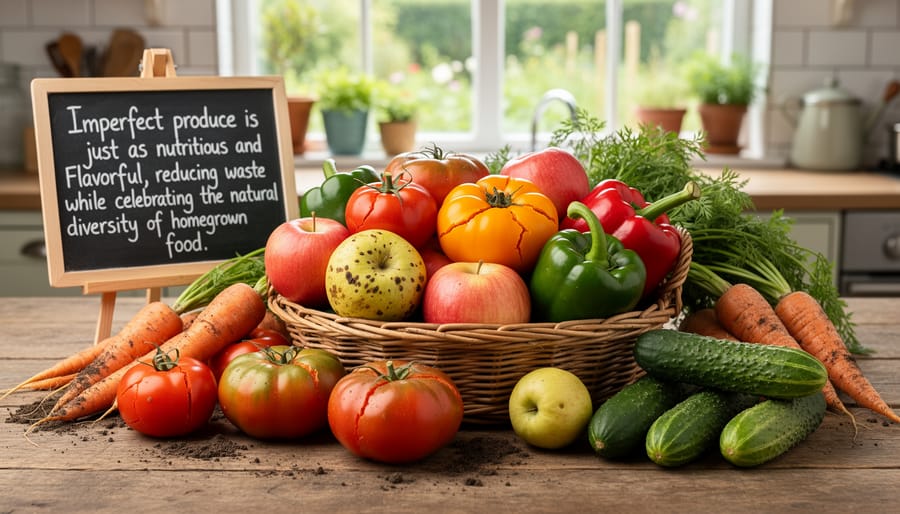
That bumpy tomato or curved carrot deserves just as much appreciation as its picture-perfect counterparts. When you shift your perspective on cosmetically imperfect produce, you’re taking a powerful stand against food waste. Those oddly-shaped vegetables often taste identical to uniform ones, yet approximately 30% of farm-fresh produce never makes it to market simply due to appearance standards.
Start viewing imperfections as character rather than flaws. A knobby potato makes excellent soup when diced, while split tomatoes are perfect for immediate use in sauces or salsa. When planning your weekly meals, designate blemished items for early consumption or preservation projects. Consider a local farmer’s success story: after offering “ugly produce” boxes at reduced prices, they found customers became creative cooking advocates, sharing recipes specifically designed for misshapen squash and scarred peppers.
Create a “use first” basket in your kitchen for imperfect items, turning potential waste into culinary opportunities. This mindful approach honors the resources invested in growing your food while expanding your cooking creativity.
Build in Flexibility Days
Schedule dedicated flexibility nights each week where your goal is to transform odds and ends into something delicious. Wednesday might become your official clean-out-the-fridge night, giving purpose to those three carrots, half an onion, and wilting greens. These meals become opportunities to practice creative ways to use leftovers rather than signs of poor planning. One CSA member shared how her Friday leftover remix nights became family favorites, teaching her kids resourcefulness while reducing waste to nearly zero.
Smart Preservation: Mindful Methods for Extending Your Harvest
Preserving your harvest mindfully means honoring every step of your food’s journey while preventing waste. When you understand the care that went into growing your produce, preservation becomes an act of gratitude rather than just a chore.
Freezing remains one of the simplest methods for extending your harvest’s life. Blanch vegetables like green beans, broccoli, and carrots for two to three minutes before freezing to lock in nutrients and flavor. Store berries on a single layer before transferring to containers, preventing them from clumping together. This simple approach maintains quality while keeping your freezer organized.
Fermenting transforms surplus vegetables into probiotic-rich foods that support gut health. Start with easy projects like sauerkraut or pickled cucumbers, which require just salt, water, and time. Sarah, a CSA member from Ontario, turned her overwhelming cabbage share into weekly fermentation experiments, now gifting jars to neighbors and reducing her food waste by 60 percent.
These preservation techniques connect you more deeply with your food while building valuable skills. Root cellaring works beautifully for storing potatoes, carrots, and winter squash in cool, dark spaces, mimicking traditional storage methods farmers have used for generations.
Proper storage starts with understanding each vegetable’s needs. Leafy greens stay crisp wrapped in damp towels, while tomatoes keep their flavor on the counter rather than refrigerated. By learning these simple practices, you extend your harvest naturally while maintaining the mindful connection between your table and the farm that nourished it.
Real Stories: Farmers and CSA Members Who Transformed Their Food Waste
Meet Sarah Chen, who runs Willow Creek Farm, a thriving CSA operation in Vermont. After years of supplying fresh produce, she noticed a troubling pattern. “I’d see members picking up their boxes excited, but then they’d confess half of it went bad before they could use it,” Sarah shares. This observation inspired her to include simple meal prep cards in each delivery, helping members plan around what they were receiving. The results? Her CSA retention rate jumped by 35% as members felt more confident managing their produce.
For member Jamie Rodriguez, the transformation was dramatic. “We were throwing away about 40% of our CSA box each week, which felt terrible,” she admits. By adopting mindful meal planning—spending just 20 minutes on Sunday mornings to inventory her box and create a flexible meal outline—her household now wastes less than 10% of their weekly produce. “I prep the most perishable items first, like greens and herbs, and suddenly everything has a purpose.”
The Patterson family took a different approach but saw similar success. Dad Marcus started what they call “veggie audits” every three days. “We open the fridge, see what needs using, and build dinner around those items,” he explains. Combined with batch cooking techniques, they’ve reduced their food waste by 60% over six months and cut their grocery bills significantly.
These stories aren’t unique. Across the country, CSA members who embrace food mindfulness—really seeing what they have and planning intentionally—are discovering that reducing waste isn’t about perfection. It’s about creating simple systems that work with their lifestyle, not against it. The bonus? They’re finally enjoying every delicious bite of their farm-fresh produce.
Your First Week: A Simple Mindful Meal Planning Challenge
Ready to transform your relationship with food and reduce waste? This seven-day challenge eases you into mindful meal planning with simple daily focus points.
Day 1: Inventory Day. Open your fridge, pantry, and freezer. Write down everything you have, especially those forgotten vegetables and grains. Notice what you’ve been overlooking without judgment.
Day 2: Flexible Planning. Using your inventory list, sketch a loose meal plan for the week. Leave room for spontaneity and seasonal surprises from your CSA box or garden harvest.
Day 3: Mindful Shopping. Before heading to the farmers market or grocery store, review your plan and inventory. Purchase only what fills genuine gaps, resisting impulse buys of beautiful produce you already have at home.
Day 4: Prep with Presence. Dedicate 30 minutes to washing, chopping, and storing produce properly. This simple act extends shelf life and makes cooking easier throughout the week.
Day 5: Creative Cooking. Challenge yourself to create one meal using only ingredients you already have. You’ll be surprised at your resourcefulness.
Day 6: Root-to-Stem Cooking. Use vegetable scraps for broth, turn wilting greens into pesto, or roast broccoli stems. This practice honors the whole plant and reduces waste significantly.
Day 7: Reflect and Adjust. Review what worked and what didn’t. Notice how much less food you wasted and how this mindful approach felt. Many home gardeners and CSA members report feeling more connected to their food and wasting up to 40 percent less within their first week.
Embracing mindful meal planning creates a beautiful ripple effect that extends far beyond your kitchen. By taking intentional steps to reduce waste, you’re supporting local farmers, lightening your environmental footprint, and discovering real savings in your grocery budget. Each thoughtfully planned meal connects you more deeply to the seasons and the hands that grew your food.
The journey doesn’t require perfection. Start with one simple change, whether that’s dedicating fifteen minutes each week to meal planning, trying a new preservation method, or composting unavoidable scraps. These small actions build momentum and transform how you relate to food. Many CSA members report that mindful planning not only eliminates waste but actually makes cooking more enjoyable and less stressful.
Remember, every carrot top saved, every overlooked vegetable transformed into a delicious meal, and every connection made with seasonal rhythms matters. You’re participating in a movement that honors the earth’s resources and celebrates the abundance of local agriculture. Your mindful choices today plant seeds for a more sustainable tomorrow, one thoughtful meal at a time.