
Transform Your Shopping Cart Into a Zero-Waste Powerhouse
 darrell on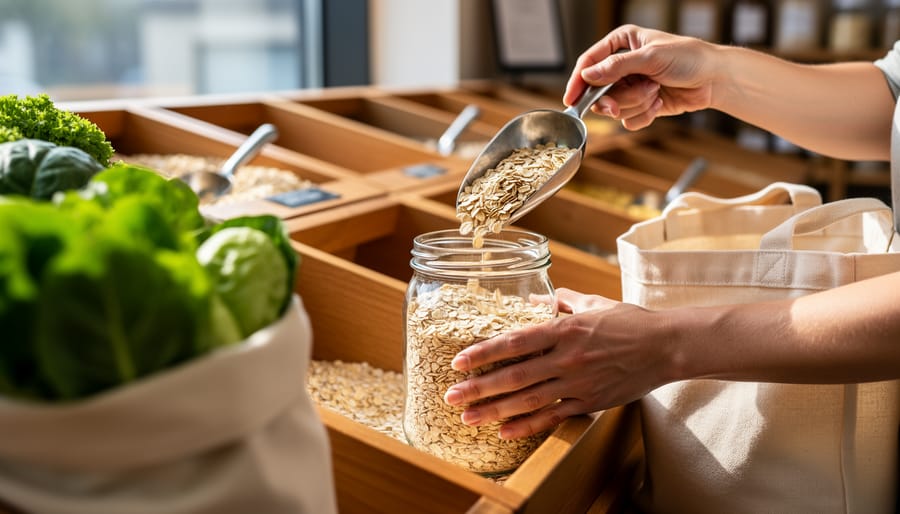
Bring your own containers to bulk bins for grains, nuts, dried fruits, and spices—most stores will weigh your containers first and deduct that weight at checkout. Start with just three reusable items: cloth produce bags for fruits and vegetables, a sturdy tote for carrying groceries, and glass jars for liquids like oils or milk from refill stations. Shop your local farmers market where vendors often skip packaging entirely, letting you fill your own bags while supporting the farms growing your food—many farmers actually prefer when customers bring containers since it saves them money on supplies.
Choose sustainable packaging alternatives when package-free options aren’t available, prioritizing glass, metal, or paper over plastic. Join a CSA program where you’ll receive fresh produce with minimal packaging, often just a reusable box you return each week. Plan your shopping trips around what’s available loose rather than pre-packaged—root vegetables, leafy greens, and seasonal fruits rarely need wrapping.
Every year, the average household discards roughly 185 pounds of packaging waste from groceries alone. But here’s the encouraging part: zero waste grocery shopping doesn’t require perfection or a complete lifestyle overhaul. Small changes create significant impact when practiced consistently. You might start by eliminating plastic produce bags one week, then gradually work toward filling all your pantry staples from bulk bins. The beauty of this approach is that it naturally connects you to local food systems, seasonal eating patterns, and the hardworking farmers who make it all possible—all while dramatically reducing what ends up in landfills.
What Zero-Waste Grocery Shopping Really Means
The Connection Between Zero-Waste and Local Food Systems
Local food systems are the unsung heroes of zero-waste grocery shopping. When you visit farmers markets, farm stands, or participate in Community Supported Agriculture (CSA) programs, you’re tapping into a shopping experience that naturally minimizes packaging. Farmers typically display produce loose or in reusable crates, making it easy to fill your own containers and bags without any plastic intermediaries.
These direct-from-farm channels embody zero-waste principles by design. There’s no need for excessive packaging when food travels just miles instead of across continents. Local food sourcing also eliminates the protective layers required for long-distance shipping, meaning your tomatoes arrive in simple bins rather than plastic clamshells.
Take Sarah Chen, who runs Hilltop Farm outside Vancouver. She encourages CSA members to return egg cartons and berry baskets each week, creating a closed-loop system that eliminates waste entirely. Many farmers share this commitment to sustainability, often accepting returned containers or offering small discounts for customers who bring their own packaging.
By choosing these community-based food sources, you’re supporting agricultural practices that prioritize soil health and biodiversity while simultaneously achieving your zero-waste goals. It’s a natural partnership where environmental stewardship meets practical shopping solutions.
Essential Tools for Your Zero-Waste Shopping Journey
Building Your Reusable Bag Collection
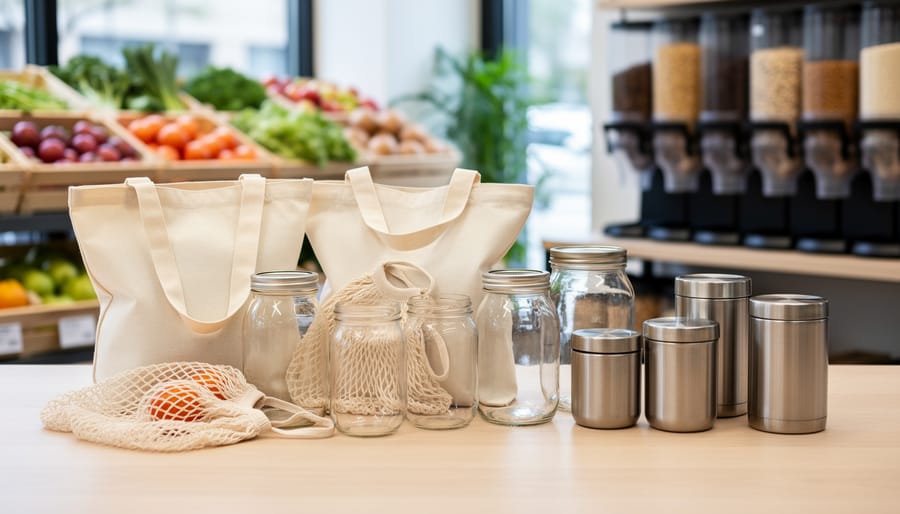
Building a versatile collection of reusable bags is your first step toward zero waste grocery shopping. Start with sturdy cotton tote bags for carrying your overall haul. Look for ones with reinforced handles that can support heavy loads like squash or potatoes from the farmers market.
Lightweight mesh produce bags are game-changers for fruits and vegetables. These breathable bags keep produce fresh while eliminating plastic. Choose organic cotton or recycled polyester mesh in various sizes. The transparency lets cashiers easily identify items without opening bags.
For bulk foods like grains, nuts, and dried beans, invest in drawstring muslin or linen bags. Many bulk sections at food co-ops and natural grocers encourage these, and farmers market vendors appreciate shoppers who come prepared. Some even offer slight discounts when you bring your own containers.
Where to find them? Check your local farmers market first. Sarah Martinez, who runs an organic farm in Vermont, started making reusable bags from her cotton harvest and now sells them at markets. You can also find quality options at thrift stores, craft fairs, or make your own from old t-shirts or fabric scraps.
Start with three to five bags of each type, keeping a set in your car so you’re always prepared for impromptu shopping trips.
Containers and Jars That Work
The right containers make zero-waste shopping effortless and enjoyable. Glass jars are fantastic workhorses for bulk shopping—mason jars in various sizes work perfectly for grains, nuts, and dried fruits. Before heading to the store, weigh your empty containers at home and write the tare weight on a piece of masking tape stuck to the bottom. This simple step speeds up checkout considerably.
Stainless steel containers excel for items like oils, nut butters, and anything messy. They’re lightweight, unbreakable, and practically indestructible. For produce, breathable cotton mesh bags allow air circulation, keeping greens fresher longer than plastic ever could.
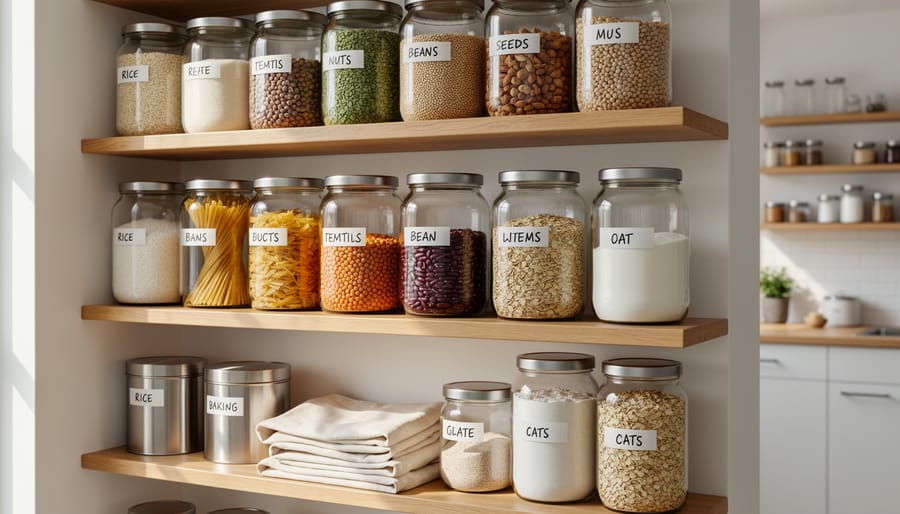
Storage tip from organic farmer Maria Chen: arrange your pantry with the most-used items at eye level in clear containers. This visibility reduces food waste because you’ll actually use what you buy. Label everything with purchase dates using a chalk marker directly on glass jars—it wipes off easily for reuse.
Start with containers you already own before investing in new ones. That old pasta sauce jar? Perfect for lentils. Yogurt containers work great for initial trips while you’re building your collection. The goal is reusing what exists, not buying everything new at once.
Where to Shop Zero-Waste: From CSAs to Bulk Stores
CSA Memberships: The Zero-Waste Gold Standard
Community Supported Agriculture (CSA) memberships represent perhaps the ultimate zero-waste grocery solution. When you join a CSA, you receive weekly or bi-weekly boxes of fresh, seasonal produce directly from local farms—typically with zero packaging involved. The produce arrives in reusable wooden crates or sturdy cardboard boxes that return to the farm for the next delivery cycle.
Most CSA farms harvest your share just hours before pickup or delivery, meaning you’re getting the freshest possible produce while eliminating all the plastic clamshells, bags, and wrapping found in conventional stores. Many programs also offer add-ons like eggs in returnable cartons, milk in glass bottles, and bread in simple paper bags.
To maximize the zero-waste benefits, bring your own bags to transfer items at pickup. Some farms even allow you to leave your reusable containers on-site for direct filling. Consider sharing a full share with a neighbor if the quantity seems overwhelming—this reduces potential food waste while strengthening community connections.
Take inspiration from farmers like the Johnson family, who transformed their small farm by starting a 50-member CSA program. They’ve completely eliminated single-use packaging and report that members waste less food because they’re invested in using every item from their weekly share.
Farmers Markets and Farm Stands
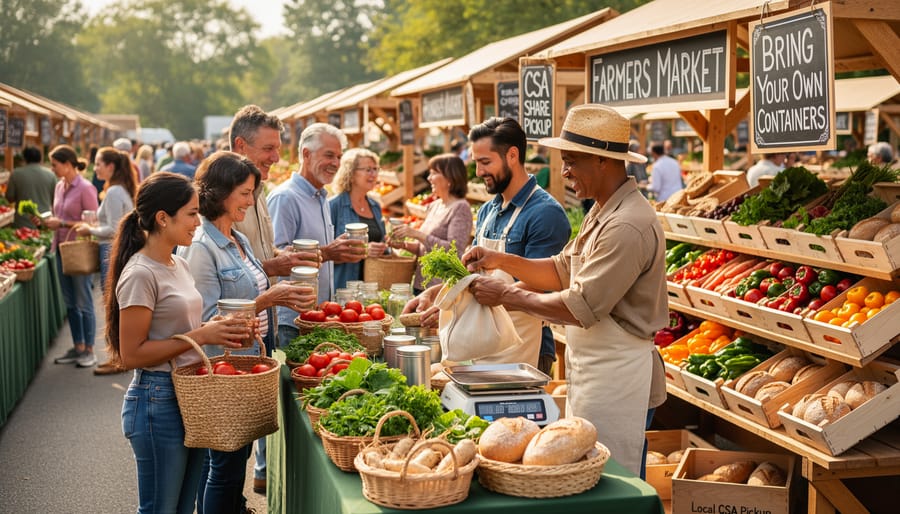
Farmers markets are zero-waste shopping havens where package-free produce is the norm. Arrive with a game plan and your reusable bags, mesh produce bags, and egg cartons to maximize your waste-free experience.
Most farmers welcome your own containers, but always ask first as a courtesy. A simple “May I use my own bag?” goes a long way in building rapport. Many vendors appreciate customers who bring containers for items like berries, cherry tomatoes, or fresh herbs, as it saves them packaging costs.
Building relationships with farmers transforms your shopping experience. Chat with them about their growing practices, ask when specific crops will be ready, and share what you’re planning to cook. These conversations often lead to helpful tips about storing produce or discovering new varieties. Local farmer Maria Chen shares how regular customers who bring their own containers have inspired her to eliminate plastic bags entirely from her stand.
Shop early for the best selection, but late for potential deals on items farmers don’t want to transport back. Bring small bills to make transactions smoother, and remember that supporting these farmers directly strengthens your local food system while eliminating middleman packaging.
Bulk Stores and Co-ops
Bulk stores and natural food co-ops are treasure troves for zero waste shoppers. These spaces let you fill your own containers with exactly the amount you need, eliminating packaging waste entirely. Before your first visit, call ahead to confirm their container policy. Most stores will weigh your clean, empty jars or bags at customer service, marking the tare weight so you’re only charged for the food itself.
Start with staples like rice, quinoa, oats, and pasta, then explore the variety of nuts, seeds, dried fruits, and baking ingredients available. Spice sections are particularly valuable since you can purchase small quantities to keep them fresh. Bring lightweight cloth bags for dry goods and glass jars for oils, nut butters, and honey.
Many co-ops prioritize locally sourced products, connecting you with regional farmers who share your environmental values. Some even offer bulk cleaning supplies and personal care items. Don’t feel overwhelmed by doing everything at once. Begin with a few favorite items, then gradually expand your bulk buying as you develop a rhythm that works for your household.
Your Step-by-Step Zero-Waste Shopping Strategy
Planning Your Trip
Success starts before you leave home. Spend a few minutes each week reviewing what’s already in your fridge and pantry—this prevents overbuying and reduces waste. Build your shopping list around seasonal produce and simple recipes that use whole ingredients. Check out these helpful meal planning strategies to minimize food waste while maximizing your budget.
Gather your reusable bags, cloth produce bags, glass jars, and containers before heading out. Label containers with tare weights if your store requires it. Keep a set in your car so they’re always ready. Many farmers market vendors love when customers bring their own containers—it saves them packaging costs and creates less cleanup. Start small with one or two bulk items like grains or nuts, then expand as you get comfortable with the routine.
At the Store: Navigating Checkout and Weighing
The checkout process is simpler than you might think! Before shopping, ask customer service to weigh your empty containers and mark the tare weight with a marker or sticker. Most stores are happy to accommodate once they understand your goal. If your store doesn’t pre-weigh, simply bring your containers to the checkout and explain you’d like them weighed before filling.
When approaching the register, friendly communication works wonders. A quick “I’m using my own containers to reduce waste” helps cashiers understand your approach. Many appreciate customers making sustainable choices! If you encounter resistance, stay positive and ask to speak with a manager who can explain store policies. Some cashiers worry about food safety or pricing accuracy, so reassure them that your containers are clean and you’re willing to work within their system.
Keep things moving smoothly by organizing your items clearly and having tare weights visible. At farmers markets, vendors often love seeing reusable containers since they share your environmental values. One farmer told me that customers bringing their own bags and jars inspired her entire family to adopt zero-waste practices at home. Your commitment to sustainability creates ripples of positive change throughout your community, one shopping trip at a time.
Smart Storage Solutions at Home
Once you’ve brought home your package-free groceries, proper food storage becomes essential for keeping everything fresh and organized. Glass jars in various sizes work wonderfully for grains, beans, nuts, and dried fruits—simply label them with washable markers or reusable tags. Store leafy greens in breathable cotton produce bags slightly dampened to maintain moisture, and keep root vegetables in a cool, dark spot in mesh bags that allow air circulation. For herbs, try placing stems in a jar of water like a bouquet. Sarah, a CSA farmer from Ontario, recommends storing tomatoes and stone fruits at room temperature until ripe, then refrigerating only if needed. Investing in beeswax wraps or silicone lids gives you reusable options for covering cut produce and leftovers, eliminating plastic wrap entirely while keeping your food fresh longer.
What to Buy Package-Free and What to Skip
Produce and Fresh Foods
Fresh produce is your golden ticket to zero-waste shopping success. Farmers markets and farm stands naturally minimize packaging since vegetables come straight from the field to your basket. When you buy from local farms, you’re getting food that hasn’t traveled cross-country wrapped in layers of plastic. Many farmers happily accept returned berry containers and egg cartons for reuse, creating a true circular system.
At conventional grocery stores, skip those flimsy plastic produce bags entirely. Most fruits and vegetables have natural protective peels or rinds, so they don’t need extra wrapping for a quick trip home. For smaller items like green beans or mushrooms, bring reusable mesh produce bags. Place loose items directly in your cart, then wash everything when you get home. Cashiers can easily scan product stickers or enter codes without bagging.
Here’s a simple tip from experienced zero-wasters: keep a few mesh bags in your car so you’ll never forget them. Choose produce that’s sold loose rather than pre-packaged options, and remember that a little dirt on your carrots just means they’re genuinely farm-fresh.
Dry Goods and Pantry Staples
Dry goods are perfect for zero-waste shopping since they’re easy to buy in bulk using your own containers. Bring clean cloth bags or glass jars to your local bulk bins and stock up on grains like rice, quinoa, and oats, along with dried beans, lentils, nuts, and seeds. Many natural food stores let you weigh your containers first, then fill and pay by weight.
For truly sustainable sourcing, connect with local mills and grain producers at farmers markets. I recently met Sarah, a small-scale miller who stone-grinds heritage wheat varieties grown just miles from her mill. She refills customers’ bags weekly at the market, creating a completely packaging-free loop while supporting regional agriculture. The flour is fresher and more flavorful than anything you’ll find on grocery shelves.
Local producers often sell directly in reusable containers or accept returns for sanitizing and refilling. This relationship-based approach not only eliminates waste but also helps you understand exactly where your food comes from and how it’s grown.
When Packaging Makes Sense
Let’s be honest—sometimes packaging serves an important purpose. Items like fresh meat, fish, and soft cheeses often require proper wrapping to prevent contamination and ensure food safety. While you might bring your own containers to the butcher counter or ask for paper wrapping, completely eliminating packaging for these items isn’t always practical or safe.
The goal is progress, not perfection. Focus on reducing waste where it’s easiest first—bringing reusable bags for produce, buying bulk grains and nuts, and choosing items with minimal packaging. When you do need packaged goods, look for recyclable or compostable materials. Sarah, a small-scale farmer from Ontario, reminds her CSA members that “every small step counts. Even choosing one less plastic-wrapped item per shopping trip makes a difference over time.”
Remember that your zero-waste cooking practices at home can offset occasional necessary packaging. The journey toward zero-waste living is personal and flexible—do what works for your family while staying committed to gradual improvement.
Real Stories: Zero-Waste Shoppers Making It Work
Meet Sarah from Portland, who transformed her grocery routine two years ago by joining her local CSA and committing to zero-waste shopping. “I was intimidated at first,” she admits, “but my farmer taught me that most produce doesn’t need any packaging at all.” Now she brings mesh bags to her weekly CSA pickup and stores everything in glass jars at home. Her biggest tip? Start small. “I began with just produce, then gradually expanded to bulk grains and beans.”
The Martinez family in Vermont took a different approach by partnering with three neighboring families to share a farm share. “We split the weekly CSA box and take turns picking up,” explains Maria Martinez. “This way, nothing goes to waste, and we’ve built a community around sustainable eating.” They’ve eliminated nearly all plastic from their grocery shopping by combining their CSA membership with monthly trips to a cooperative bulk store.
On the farming side, Green Valley Farm owner Tom Jenkins redesigned his entire distribution system to support zero-waste shoppers. “We started offering a jar return program where customers bring back containers for eggs, honey, and dairy,” he shares. “It’s created incredible customer loyalty.” He also provides reusable produce bags at his farm stand and offers a small discount to shoppers who bring their own containers.
The common thread? Everyone started somewhere and learned as they went. Most recommend finding one farmer or CSA you trust, asking questions without embarrassment, and remembering that progress matters more than perfection. As Sarah puts it, “Even reducing waste by half makes a real difference for our planet and supports farmers doing things right.”
Overcoming Common Zero-Waste Shopping Challenges
When You Don’t Have Local Zero-Waste Options
Living far from bulk stores or package-free markets doesn’t mean you can’t embrace zero-waste shopping. Start by connecting with neighbors to form a buying club—pooling orders from sustainable online retailers often unlocks bulk discounts and reduces shipping emissions per person. Platforms like Azure Standard and Thrive Market deliver organic staples in minimal packaging to rural areas.
Consider starting a community garden or partnering with nearby small-scale farmers willing to deliver. One inspiring example is the Miller family farm in Iowa, who began offering weekly veggie boxes after local residents expressed interest in package-free produce. Their micro-CSA now serves 15 families who bring their own containers for pickup.
Don’t underestimate your power to create change. Approach local grocery managers with suggestions for bulk bins or package-free options—many stores respond to customer requests. Start online petitions, gather signatures, or organize community meetings to demonstrate demand for sustainable shopping alternatives.
Meanwhile, focus on what you can control: buy larger quantities to reduce packaging frequency, choose products in glass or paper over plastic, and save any unavoidable packaging for creative reuse in your garden as seed starters or plant markers.
Starting your zero-waste grocery shopping journey doesn’t mean overhauling your entire lifestyle overnight. The beauty of this approach is that every small step counts. Each reusable bag you carry, every glass jar you bring to the bulk bins, and every visit to your local farmers market creates a ripple effect that extends far beyond reducing your personal waste.
When you choose zero-waste shopping methods, you’re doing more than eliminating plastic from your life. You’re investing in your local food economy, supporting farmers who prioritize sustainable practices, and helping build a more resilient community food system. That heirloom tomato you bought directly from a farmer at the market? It traveled just miles instead of thousands, required minimal packaging, and your purchase directly supported someone committed to nurturing the land.
The connection between zero-waste living and local agriculture is powerful. Farmers markets and farm stands naturally align with waste reduction because they’ve always operated on principles of simplicity and direct exchange. Many small-scale farmers are eager to work with customers who bring their own containers and bags.
Ready to take the next step? Community Supported Agriculture programs offer one of the most waste-free ways to get fresh, local produce regularly. Explore CSA options in your area using our directory to find farms near you. You’ll discover that supporting local agriculture and living zero-waste aren’t separate goals—they’re two sides of the same sustainable coin. Start small, stay consistent, and watch your impact grow.