
How Farm-Fresh Food Is Transforming Early Learning for At-Risk Children
 darrell on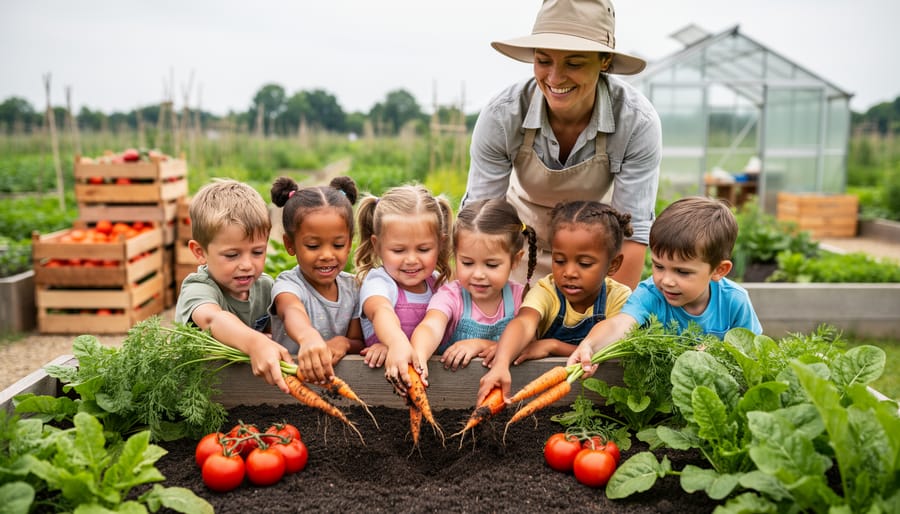
Connect QSAC early childhood programs with local Community Supported Agriculture farms to create hands-on learning environments where children ages 3-5 develop cognitive skills through seasonal planting activities, sensory exploration of fresh vegetables, and weekly farm visits that build nutritional awareness from the ground up. Partner with CSA coordinators to establish weekly produce delivery programs that integrate fresh, organic ingredients directly into classroom cooking projects, allowing special needs learners and typically developing children to experience textures, colors, and flavors while practicing fine motor skills through washing, sorting, and simple food preparation.
Integrate farm-based education networks into your QSAC curriculum by scheduling monthly farm field trips where children with autism spectrum disorders and developmental delays engage in adapted agricultural activities like seed starting, composting observations, and gentle animal interactions that support sensory integration therapy goals. Design classroom garden boxes that mirror CSA growing practices, giving young learners consistent exposure to plant life cycles while building vocabulary around sustainable farming concepts through songs, story time, and outdoor exploration.
Leverage CSA farmer expertise by inviting growers into QSAC classrooms for interactive demonstrations that show children where their food originates, transforming abstract concepts into concrete understanding through soil touching, seed examining, and harvest basket exploring. These partnerships create meaningful connections between early intervention services and community agriculture, fostering environmental stewardship while addressing individualized education plan objectives in naturalistic, engaging settings that celebrate both child development milestones and seasonal growing rhythms.
What QSAC Early Childhood Development Brings to the Table
Quality Services for the Autism Community (QSAC) has been transforming early childhood development for over 50 years, offering specialized programs that recognize each child’s unique potential. Their comprehensive approach goes far beyond traditional classroom learning, embracing the philosophy that meaningful development happens when children engage all their senses in real-world experiences.
What sets QSAC apart is their commitment to holistic child development that weaves together cognitive, social, emotional, and physical growth. Their early childhood programs create nurturing environments where children explore, discover, and build essential life skills through hands-on activities. A cornerstone of this approach involves sensory experiences with fresh, wholesome foods that help children develop healthy relationships with nutrition from their earliest years.
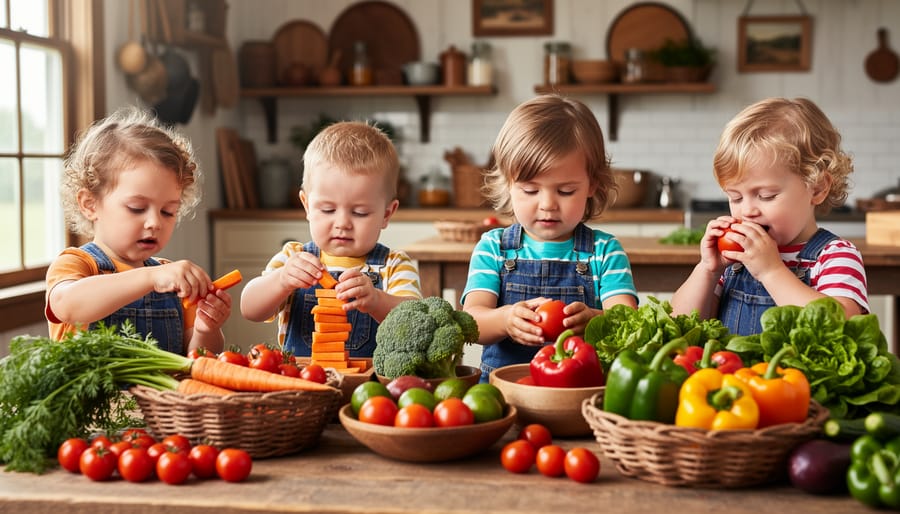
The organization understands that young children learn best through touch, taste, smell, and exploration. By incorporating fresh produce and farm-based learning into their curriculum, QSAC educators help children develop fine motor skills while peeling carrots, practice counting with cherry tomatoes, and explore textures by touching different leafy greens. These seemingly simple activities build critical developmental milestones while fostering curiosity about where food comes from.
QSAC’s nutrition education component teaches children that eating well can be both fun and empowering. When children participate in preparing healthy snacks or washing vegetables, they gain confidence and independence. The sensory-rich experiences with fresh foods also support children who may have specific dietary needs or sensory processing differences, helping them gradually expand their comfort zones in supportive, positive settings.
Through partnerships with local farms and community supported agriculture programs, QSAC demonstrates how sustainable farming practices connect directly to childhood wellness, creating meaningful learning opportunities that nourish both bodies and minds.
The CSA Connection: Why Local Farms Matter for Head Start Programs
Farm-to-Classroom Benefits
Partnering with local CSA farms brings remarkable benefits to early childhood classrooms. Children gain consistent access to fresh, seasonal produce throughout the growing year, introducing their developing palates to vegetables and fruits at peak flavor and nutritional value. This regular exposure helps young learners overcome food neophobia naturally, as repeated tastings of colorful produce become an exciting classroom routine rather than a dinnertime battle.
Educational farm visits transform abstract concepts into hands-on experiences. Imagine preschoolers meeting the farmers who grow their snacks, touching soil, observing pollinators at work, and harvesting strawberries themselves. These memorable field trips create lasting connections between food and its origins, building food literacy from the earliest ages.
CSA partnerships also expose children to incredible variety. Throughout the seasons, classrooms receive diverse produce that families might not typically purchase—kohlrabi, rainbow chard, heirloom tomatoes, and specialty melons. This agricultural diversity supports adventurous eating habits and cultural food exploration. Teachers report that children who participate in farm-connected programs show increased willingness to try new foods and greater understanding of where meals come from. For farmers, these partnerships provide stable income while nurturing the next generation of conscious consumers who value sustainable agriculture and community connections.
Breaking Down Barriers to Fresh Food Access
Community Supported Agriculture partnerships are transforming how Head Start programs tackle food deserts, those neighborhoods where fresh, nutritious food feels miles away even when a convenience store sits on the corner. For families enrolled in early childhood programs like those supported by QSAC, access to organic fruits and vegetables can mean the difference between thriving and just getting by.
CSA-Head Start collaborations work by delivering farm-fresh produce shares directly to program sites, eliminating transportation barriers that often prevent families from reaching farmers markets or distant grocery stores. These partnerships ensure that children from all economic backgrounds experience the same colorful carrots, crisp greens, and juicy tomatoes that their peers in food-secure neighborhoods enjoy.
Here’s where it gets exciting: many programs offer sliding-scale pricing or subsidized shares, making organic produce affordable for families navigating tight budgets. Some CSA farmers even accept SNAP benefits, further breaking down financial barriers. One inspiring success story comes from a Head Start center in an underserved area where weekly CSA deliveries became a community gathering point, with parents swapping recipes and gardening tips alongside their vegetable boxes.
This equitable approach doesn’t just fill lunchboxes with nutritious options. It sends a powerful message that every child deserves access to food grown with care, regardless of their zip code or family income.
Growing Minds Through Garden-Based Learning
Sensory Exploration with Farm-Fresh Ingredients
Fresh produce from CSA farms offers incredible opportunities for sensory-rich learning experiences that benefit all young children, with particularly powerful impacts for those with developmental delays or autism spectrum disorders. When children wash crisp lettuce leaves, feel the bumpy texture of heirloom tomatoes, or smell fragrant herbs like basil and mint, they engage multiple senses simultaneously, creating valuable neural connections that support cognitive growth.
Farm-fresh ingredients provide safe, natural materials for tactile exploration. The varied textures—from fuzzy peach skin to smooth bell peppers—help children become comfortable with different sensations, which can be especially helpful for those with sensory processing challenges. Smelling aromatic strawberries or fresh-cut cucumbers introduces children to natural scents in a controlled, positive environment.
Tasting activities with organic produce encourage children to try new foods while developing oral motor skills and reducing food sensitivities common in children with autism. One CSA partner shared how a child who previously refused most foods began accepting new vegetables after growing and harvesting them together with classmates.
These multisensory experiences also build vocabulary and communication skills as children describe what they observe, creating meaningful connections between words and real-world experiences. By incorporating farm-fresh ingredients into early childhood programs, educators provide inclusive learning opportunities that celebrate each child’s developmental journey.
Building Food Literacy from the Start
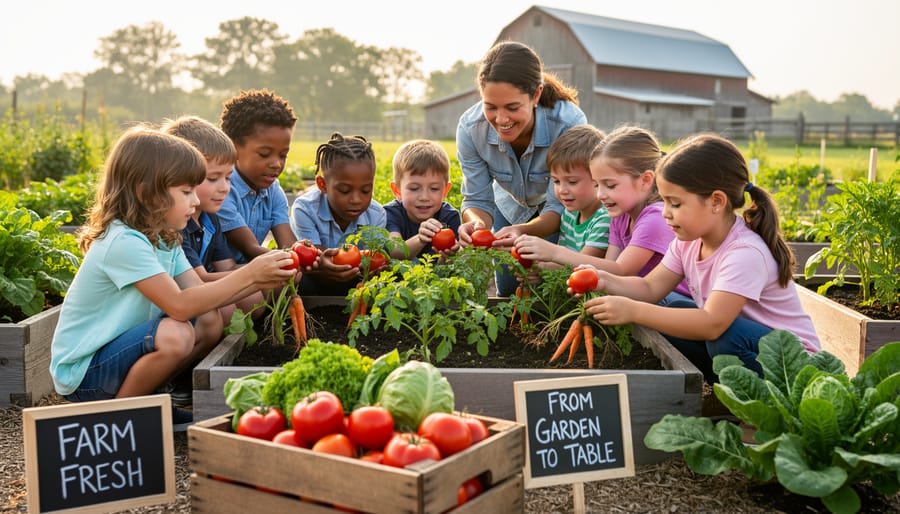
Introducing young children to the origins of their food creates lasting connections to healthy eating and environmental stewardship. When preschoolers visit CSA farms, they discover that carrots grow underground and tomatoes ripen on vines—simple revelations that transform their relationship with vegetables. These hands-on experiences make nutrition education tangible and exciting.
Farm partnerships bring food literacy directly into early childhood classrooms through seasonal harvest deliveries and cooking activities. Children wash, chop, and taste fresh produce they’ve watched grow, building confidence with new flavors. One QSAC program director shared how a formerly picky eater became the classroom’s “kale ambassador” after helping prepare a farm-fresh salad.
Just as school gardens transform learning for older students, early exposure to agriculture shapes lifelong habits. Simple activities like sorting vegetables by color, counting beans, or planting seeds integrate math and science naturally. Parents often report children requesting farmers market trips and showing genuine curiosity about ingredient sources.
By connecting meals to the people who grow them, CSA partnerships help children understand the journey from soil to table, fostering gratitude and environmental awareness from their earliest years.
Real Success Stories: Farms and Early Learning Centers Working Together
When Green Valley CSA partnered with Riverside Head Start in Oregon, the results transformed how families connected with food and learning. Over 18 months, teachers noticed remarkable improvements: children who participated in weekly farm visits showed 35% better vocabulary retention around nutrition concepts compared to control groups. Parents reported that 82% of participating families tried at least three new vegetables at home, creating lasting dietary changes that extended well beyond the classroom.
The program worked because it was simple and consistent. Every Tuesday, farmers delivered harvest boxes directly to the learning center, where children helped wash vegetables and prepare snacks. This hands-on approach created powerful learning experiences that engaged multiple senses and development areas simultaneously. Teachers integrated the produce into math lessons (counting beans), science explorations (observing decomposition), and art projects (vegetable printing).
Meanwhile, Sunset Meadows Farm in Vermont developed a mentorship model with their local Head Start program that emphasized family engagement. They invited families to monthly farm workdays where children and parents learned together. This approach resulted in 67% of families reporting improved parent-child communication around healthy eating. The farm also provided recipe cards in multiple languages, acknowledging the diverse backgrounds of participating families and making everyone feel welcome.
Perhaps most inspiring was Mountain View CSA’s partnership with a rural Head Start serving predominantly low-income families in Colorado. By offering subsidized CSA shares to program families, they created year-round access to fresh produce. Teachers tracked developmental milestones and found that children showed increased fine motor skills through garden activities like planting seeds and pulling carrots. Community connections deepened too, with 15 families continuing their CSA memberships independently after the pilot program ended, demonstrating true sustainability beyond initial funding.
These partnerships prove that combining quality early childhood education with local agriculture creates benefits that ripple through entire communities.
Starting Your Own CSA Partnership with Local Early Learning Programs
Ready to forge meaningful connections between your CSA farm and early childhood programs in your community? Starting this partnership journey is easier than you might think, and the rewards extend far beyond the farm gate.
Begin by identifying potential partners. Contact local Head Start programs, preschools, and childcare centers to gauge their interest in farm-fresh produce and educational programming. Many directors are actively seeking ways to improve nutrition and provide hands-on learning experiences for their young students. Come prepared with a clear proposal outlining what you can offer, whether it’s weekly produce deliveries, farm visits, or classroom gardening projects.
Funding doesn’t have to be a roadblock. Several grant opportunities specifically support farm-to-school initiatives. The USDA Farm to School Grant Program offers funding for equipment, training, and program development. State agriculture departments often provide smaller grants perfect for pilot programs. Some CSA farms have successfully implemented share donation programs where members purchase extra shares specifically designated for early childhood centers, creating a community-supported approach to childhood nutrition.
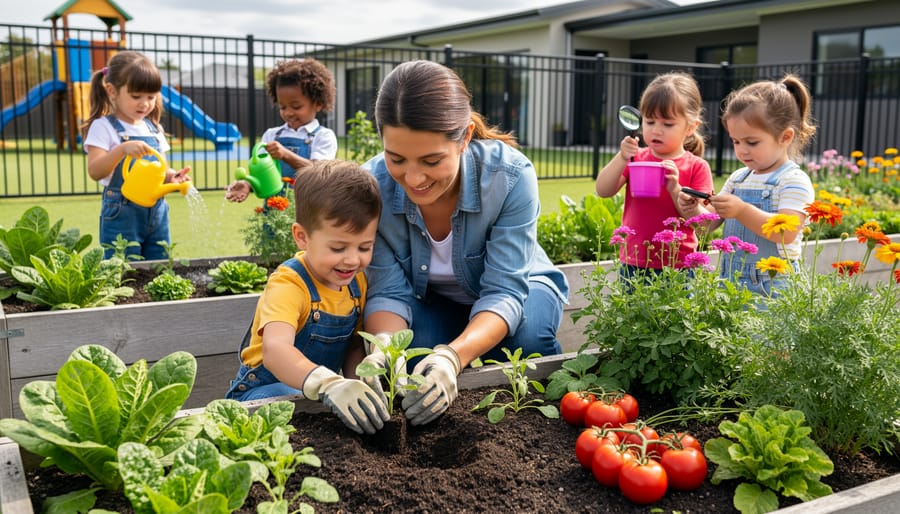
When designing your program, start small and build gradually. A farmer in Vermont began with simple monthly farm visits for one classroom, which eventually expanded to year-round programming serving three centers. Keep activities age-appropriate, focusing on sensory experiences like touching different vegetables, planting seeds in cups, and tasting fresh produce. Consider seasonal themes that align with what’s currently growing on your farm.
Document your program’s impact through photos, testimonials, and simple metrics like the number of children served and varieties introduced. These success stories become powerful tools for securing future funding and inspiring other farms to follow your lead.
The connection between sustainable agriculture and early childhood education creates a powerful foundation for lifelong learning and community wellbeing. When CSA farms partner with early childhood programs, everyone benefits. Children develop crucial connections to nature, nutrition, and their local food systems while building cognitive and motor skills through hands-on farm experiences. Families gain access to fresh, organic produce and educational resources that support healthy development at home. Meanwhile, CSA programs transform communities by strengthening local food networks and creating meaningful educational partnerships.
For CSA farm operators, these collaborations offer sustainable revenue streams, expanded community engagement, and the rewarding opportunity to shape young minds during their most formative years. The investment in early childhood education partnerships pays dividends through loyal member families, enhanced community support, and the knowledge that your farm is nurturing the next generation of environmental stewards.
If you operate a CSA farm or manage an early childhood program, now is the time to explore partnership possibilities. Start small, connect with local organizations, and discover how sustainable agriculture and early education naturally grow together.