
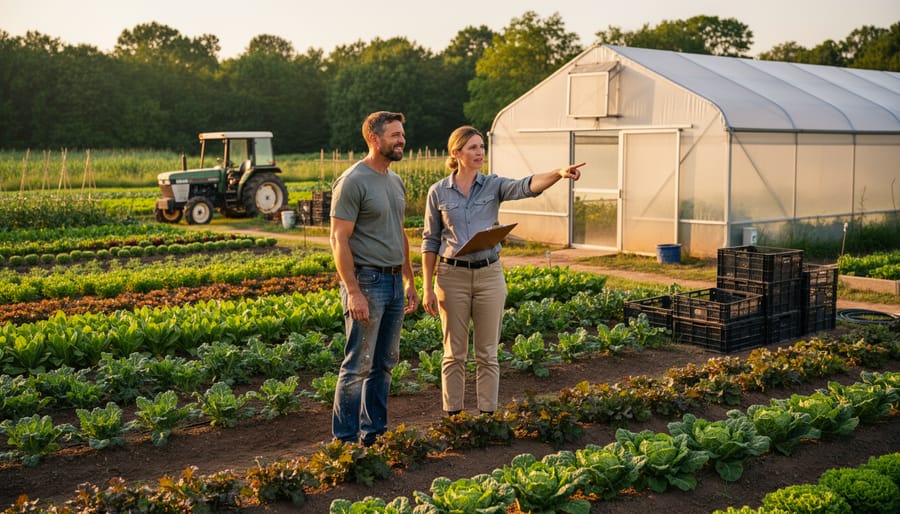
Access affordable farmland through NC State’s land-grant programs designed specifically to help beginning farmers and CSA operators overcome one of agriculture’s biggest barriers. NC State University, established in 1887 under the Morrill Act, exists with a clear mission: making agricultural knowledge, resources, and opportunities accessible to everyone in North Carolina, regardless of background or experience level.
If you’re dreaming of starting a CSA but feeling overwhelmed by land costs and tenure insecurity, you’re not alone. Farmland prices have soared 40% in the past decade, pushing sustainable agriculture out of reach for many aspiring growers. The good news? NC State’s land-grant system offers concrete solutions through research-backed programs, expert guidance, and connections to farmland access resources that most people don’t know exist.
The Cooperative Extension Service provides free one-on-one consultations with agricultural agents who understand local land markets and can guide you through lease agreements, farm transition programs, and alternative land tenure models. Their Small Farm Unit specifically supports beginning farmers with business planning, soil health assessments, and connections to landowners seeking responsible stewards.
Beyond advice, NC State connects you to incubator farms, land-linking databases, and financing programs tailored for sustainable operations. Real farmers have transformed these resources into thriving CSAs, proving that the land-grant promise still works. Whether you’re searching for your first acre or trying to secure long-term tenure, understanding how to navigate NC State’s land-grant resources could be the difference between dreaming about farming and actually feeding your community.
What NC State’s Land-Grant Status Actually Means for Farmers
Back in 1862, when President Lincoln signed the Morrill Act, something remarkable happened for American agriculture. This legislation created land-grant universities with a clear mission: bring practical education and research to everyday people, not just the wealthy elite. North Carolina State University earned its land-grant status in 1887, joining this national network dedicated to serving farmers and rural communities.
So what does this mean for you as a farmer or aspiring grower? Essentially, NC State exists to be your partner in agricultural success. The university’s three-part mission makes this happen through research, teaching, and extension services.
The research component means NC State scientists are constantly working on real-world farming challenges. They’re developing disease-resistant crop varieties, testing organic pest management strategies, and finding ways to improve soil health. This isn’t theoretical work locked in ivory towers—it’s practical science designed to help you grow better food more sustainably.
Extension services bring that knowledge directly to your farm gate. Through NC Cooperative Extension, you get free access to agricultural experts, educational workshops, and research-based resources. County extension agents become your personal consultants, helping troubleshoot problems and implement new techniques.
Consider Sarah Martinez, who transformed her struggling vegetable operation into a thriving organic CSA after attending extension workshops on season extension and soil management. She credits the personalized guidance from her local agent with saving her farm.
This land-grant commitment means NC State’s resources aren’t reserved for large-scale operations. Whether you’re managing two acres or two hundred, whether you’re just starting or expanding, these taxpayer-supported services exist specifically to help you succeed in feeding your community sustainably.
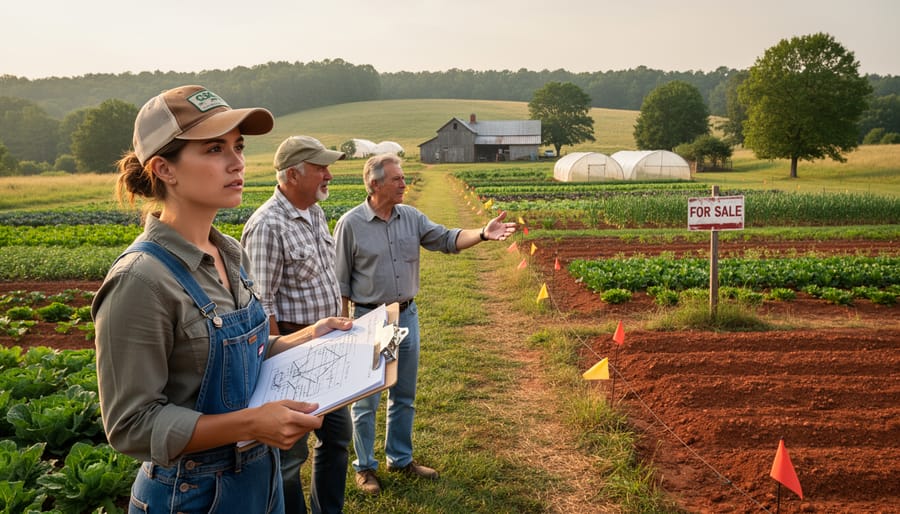
The Land Access Crisis Facing CSA Farmers Today
Why Land Tenure Matters for Your CSA
Secure land tenure is the foundation of a thriving CSA farm. When you have long-term access to your land—whether through ownership, extended leases, or land grants—you can invest confidently in soil health improvements that take years to yield results. Building organic matter, establishing perennial systems, and creating infrastructure like hoop houses or irrigation all require the certainty that you’ll be farming the same ground next season and beyond.
This stability directly impacts your members too. Building lasting CSA relationships depends on consistency and quality. When farmers face uncertain land tenure, they often hesitate to make improvements or may need to relocate suddenly, disrupting member trust and crop planning. Conversely, secure tenure allows you to develop signature varieties, perfect your growing systems, and create the dependable, high-quality harvests that keep members renewing their shares.
NC State’s land-grant programs recognize this reality, offering resources that help CSA farmers establish stable land access. Whether you’re exploring lease agreements, seeking affordable farmland, or navigating land purchase options, understanding your tenure options protects both your farm’s future and your community’s food security.
The Real Numbers Behind Farmland Costs
North Carolina farmland prices have climbed steadily over the past decade, with average costs ranging from $4,000 to $7,000 per acre depending on location and soil quality. Prime agricultural land near urban centers like Raleigh-Durham commands premium prices, sometimes exceeding $10,000 per acre, while rural counties in the eastern and western regions offer more affordable options starting around $3,000 per acre.
For aspiring CSA operators, these numbers can feel daunting. However, securing farmland affordably is possible with creative approaches. Many successful farmers start small, leasing rather than purchasing land initially. Average lease rates in North Carolina hover between $50 and $150 per acre annually for cropland, making this an accessible entry point.
The good news? NC State’s land-grant resources help bridge this gap through conservation easements, beginning farmer programs, and connections to landowners seeking agricultural partnerships. Understanding these real numbers empowers you to make informed decisions and explore alternatives that align with your budget and farming vision.
How NC State Extension Supports CSA Land Access
Free Educational Programs and Workshops
NC State’s Cooperative Extension offers a wealth of free educational programs designed to help aspiring farmers turn their agricultural dreams into reality. Through their comprehensive workshop series, you’ll discover practical guidance on farm business planning, financial management, and strategies for securing farmland. These sessions cover everything from developing business plans and understanding lease agreements to navigating the complexities of land acquisition and farm succession planning.
The university regularly hosts webinars that connect you with experienced farmers and agricultural professionals who share real-world insights. Topics range from soil health management to marketing strategies for CSA operations. Many programs feature farmer success stories that demonstrate how proper planning and education laid the foundation for thriving agricultural businesses.
Extension agents also offer one-on-one consultations to address your specific farming challenges. Whether you’re exploring beginning farmer programs or seeking to understand the essential ingredients for farm success, these resources provide invaluable support. Virtual and in-person options make it easy to participate regardless of your location. Visit your local Extension office or check their online calendar to find upcoming workshops, webinars, and training opportunities tailored to new and expanding farm operations.
One-on-One Extension Agent Support
Finding the right land and navigating purchase agreements can feel overwhelming, especially for new farmers launching a CSA. That’s where NC State’s local extension agents become invaluable allies in your farming journey. These knowledgeable professionals offer personalized, one-on-one consultations tailored to your specific situation and goals.
Extension agents help aspiring farmers understand the complexities of land leasing agreements, including fair pricing, contract terms, and renewal options. They can review potential land purchases with you, discussing soil quality assessments, water rights, and zoning regulations that might impact your CSA operation. When negotiating with landowners, they provide guidance on structuring favorable tenure arrangements that give you the stability needed to invest in soil improvements and infrastructure.
Take Sarah Martinez, who started a thriving organic CSA in Chatham County. Her local extension agent helped her negotiate a ten-year lease with an option to purchase, giving her confidence to build high tunnels and develop a loyal member base. The agent also connected her with legal resources to ensure her contract protected both parties.
These services are completely free and available throughout North Carolina. Your extension agent becomes a trusted partner who understands local land markets and can help turn your CSA dreams into reality.
Research-Backed Solutions for Affordable Farmland
Land-Link Programs That Actually Work
Finding farmland is one of the biggest hurdles for new CSA operators, but NC State’s land-link initiatives are creating real pathways to agricultural success. These programs connect retiring farmers who want to see their land continue in production with energetic newcomers ready to grow fresh, organic food for their communities.
The FarmLink program stands out as a practical matchmaking service. Through online listings and in-person consultations, Extension agents help retiring landowners find compatible beginning farmers. Many arrangements start as lease-to-own agreements, giving new operators time to build their customer base before committing to purchase.
Take Sarah Mitchell’s story. After working on established farms for three years, she connected with a retiring tobacco farmer through the program. He mentored her through her first season while she launched a 30-member CSA. Within four years, Sarah purchased the 15-acre property and now serves 85 families with certified organic vegetables.
Another success involves the Rodriguez family, who discovered available land in Chatham County through Extension workshops. The retiring owners appreciated their commitment to sustainable practices and offered favorable lease terms. Today, their thriving CSA employs two additional farmhands and supplies three local restaurants.
These programs work because they build relationships, not just transactions, creating agricultural legacies that benefit entire communities.
Creative Leasing Arrangements for CSA Success
Getting access to land doesn’t always mean taking out a hefty mortgage. Research from NC State Extension has highlighted several creative leasing arrangements that make CSA farming more achievable, especially for those just starting out.
Share agreements are gaining popularity among new farmers. Under this model, you work established farmland and share a percentage of your harvest or profits with the landowner. This reduces your upfront costs while giving landowners a stake in your success. The arrangement works particularly well when pairing experienced landowners with enthusiastic new growers.
Long-term leases with purchase options offer another pathway to farm ownership. These agreements let you lease land for five to ten years with the option to buy later, allowing you to build your CSA business while working toward ownership. You’re investing in infrastructure and soil health knowing you’ll eventually own the fruits of your labor.
Cooperative land ownership is also emerging as a viable solution. Multiple farmers pool resources to purchase land together, sharing costs and responsibilities. This model builds community while making land ownership accessible to those who couldn’t afford it alone.
NC State’s research shows these alternative arrangements significantly improve farmer retention rates. They reduce financial barriers while providing the stability needed to develop successful CSA operations. Consider exploring which model aligns best with your goals and financial situation.
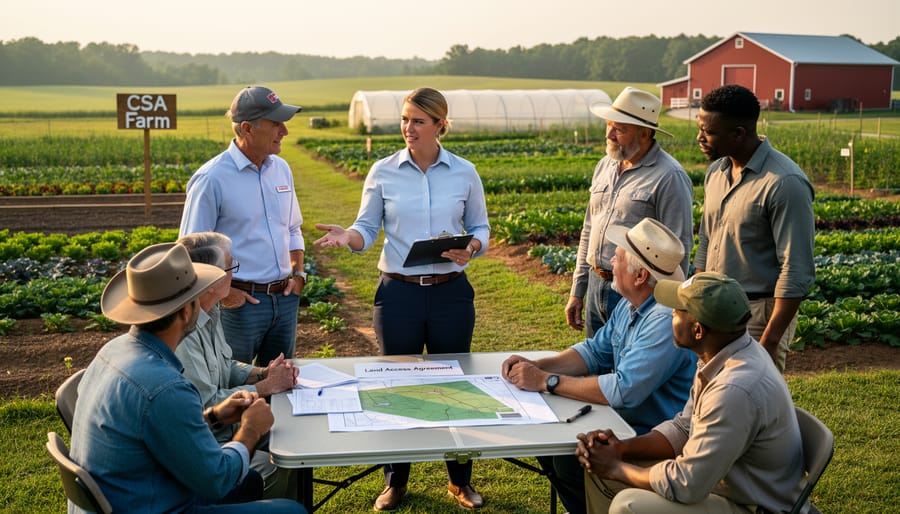
Success Stories: NC CSA Farmers Who Found Their Land
Nothing tells the story better than real farmers who’ve walked the path. Take Emma Garrison, who launched Piedmont Harvest CSA in Orange County after connecting with NC State’s Extension program. Facing the common struggle of finding affordable land, Emma participated in a farm transfer workshop where Extension agents introduced her to the state’s Beginning Farmer programs. Through NC State’s network, she connected with a retiring farmer looking to lease acreage at below-market rates. Five years later, Emma serves 120 member families and has become a mentor herself, showing other aspiring farmers how NC State resources can open doors.
Over in Chatham County, brothers Marcus and David Chen transformed their dream of sustainable farming into reality through NC Cooperative Extension’s farm business planning assistance. The Chens had farming experience but lacked capital for land purchase. Extension specialists helped them craft a business plan that secured FSA loans and connected them with land-access programs specifically designed for beginning farmers. Today, Green Valley Farm operates on 15 acres, with a waiting list for their popular vegetable and herb CSA shares. Their success demonstrates the tangible CSA economic impact in their community, employing three local residents and supplying restaurants year-round.
Meanwhile, Jasmine Rodriguez found her path through NC State’s Small Farm Unit programs. After attending workshops on organic certification and season extension techniques, she discovered farmland through the state’s AgLink matching service, which pairs landowners with farmers. Her Asheville-area operation, Mountain Roots CSA, now flourishes on leased land, serving 80 families with certified organic produce. Jasmine credits NC State’s ongoing technical support and networking opportunities for helping her navigate everything from soil health to member retention.
These farmers share one thing in common: they didn’t navigate alone. NC State’s land-grant mission created the pathways they needed to succeed.
Your Action Plan for Securing CSA Farmland
Ready to tap into NC State’s resources for your CSA venture? Here’s your roadmap to getting started.
First, connect with NC State’s Cooperative Extension offices in your county. These local experts offer free consultations on land evaluation, soil testing, and crop planning specific to North Carolina’s climate zones. Schedule a visit to discuss your CSA goals and get personalized recommendations for your region.
Next, explore NC State’s online land tenure resources through their Center for Environmental Farming Systems. They offer downloadable lease agreement templates, land access guides, and budgeting tools designed specifically for beginning farmers. Take advantage of their webinar series on farmland financing options, including conservation easements and Farm Service Agency loan programs.
Consider attending NC State’s annual farm tours and field days, where you can meet successful CSA farmers who’ve navigated similar challenges. Sarah Chen, who started her Durham County CSA in 2019, credits an Extension agent’s guidance with helping her secure a favorable long-term lease on previously idle farmland. She learned to evaluate properties for water access, soil quality, and proximity to customer bases.
Reach out to NC State’s Small Farm Unit for their Beginning Farmer and Rancher Development Program. This initiative provides mentorship connections and workshops on business planning, land searching strategies, and building relationships with landowners.
Don’t overlook the university’s research station network. Many stations host demonstration plots where you can observe organic growing techniques and variety trials before committing to your own land investment.
Finally, join NC State’s online farming community forums to network with other CSA operators. These connections often lead to land-sharing opportunities, equipment loans, and invaluable peer support as you launch your sustainable farming journey.

NC State’s land-grant mission remains as vital today as it was over a century ago, continually adapting to support the evolving needs of modern farmers, especially those building community-supported agriculture operations. Whether you’re just dreaming about starting your own CSA or already managing acres of organic vegetables, the university’s commitment to accessible agricultural education and practical support is a resource you can count on.
The beauty of this land-grant legacy is that it’s designed for you, the people growing food in North Carolina communities. Extension agents understand the unique challenges CSA farmers face, from securing affordable land to building loyal customer bases. They’ve helped countless farmers transform ideas into thriving operations through personalized guidance, research-backed insights, and connections to funding opportunities.
Take advantage of what’s available. Your local Cooperative Extension office is staffed with experts eager to help you succeed, offering everything from soil testing to business planning workshops. Many farmers have discovered that a simple conversation with an extension agent opened doors they didn’t know existed, leading to land access programs, grant opportunities, and mentorship connections.
Don’t navigate your farming journey alone. Reach out to your county extension office today and discover how NC State’s land-grant resources can help you grow not just crops, but a sustainable agricultural future for your community.
