
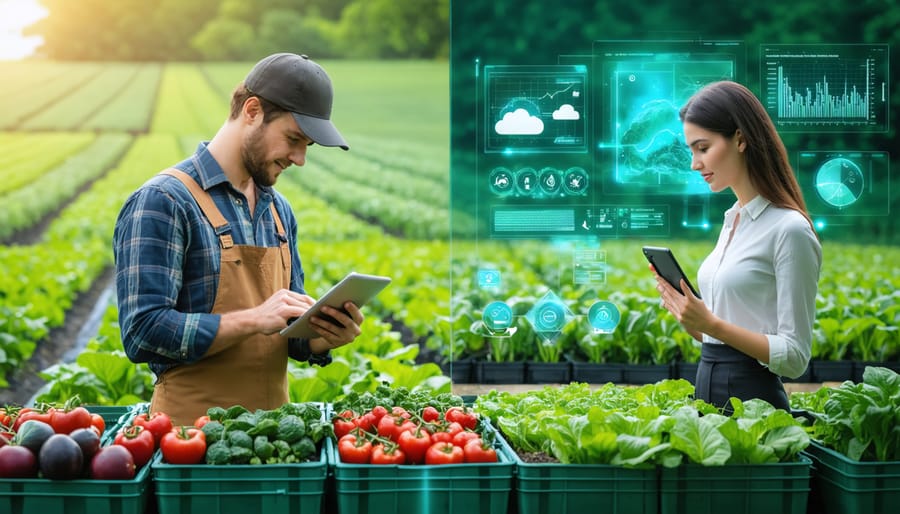
Transform your farm’s decision-making process with modern business intelligence tools that turn raw data into profitable insights. Today’s CSA farm operators harness the power of smart systems to track crop yields, predict market demands, and optimize resource allocation in real-time. These digital solutions combine weather patterns, soil conditions, customer preferences, and historical performance data to create a comprehensive view of your agricultural operation.
Business intelligence decision support systems serve as your farm’s digital backbone, offering clear pathways to reduce waste, increase efficiency, and strengthen customer relationships. Whether you’re managing crop rotation schedules, forecasting harvest times, or analyzing distribution patterns, these systems provide the concrete data needed to make confident, informed choices that impact your bottom line.
For small-scale organic farmers, these tools have become increasingly accessible and user-friendly, requiring minimal technical expertise while delivering maximum value. They bridge the gap between traditional farming wisdom and modern data analytics, helping you maintain the personal touch of local agriculture while leveraging the power of digital innovation to grow your operation sustainably.
As we dive deeper into specific applications and benefits, you’ll discover how these systems can work for your unique farming context, supporting both your agricultural mission and business growth objectives.
The Evolution of Decision Support in CSA Farming
Traditional vs. AI-Powered Decision Making
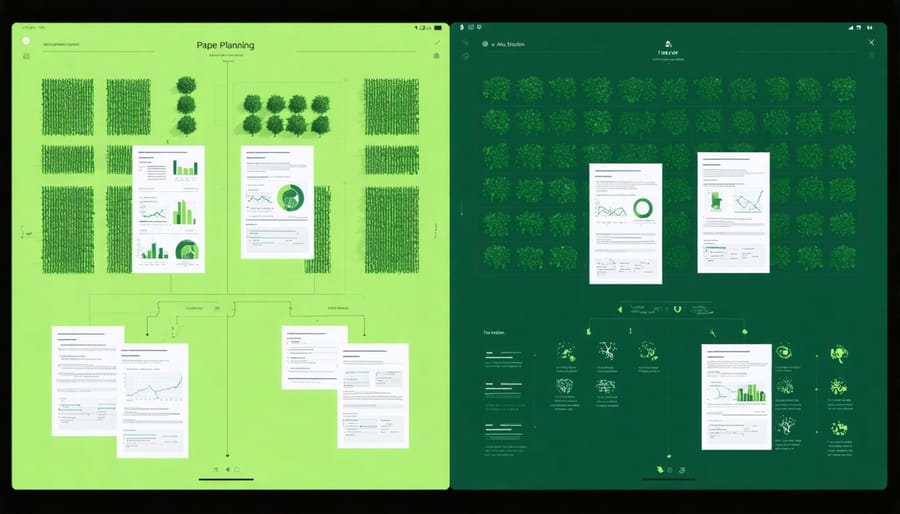
Traditional CSA farm management relied heavily on manual record-keeping, weather almanacs, and gut feelings for decision-making. Farmers would track their plantings in notebooks, estimate harvest yields based on previous seasons, and schedule deliveries using basic spreadsheets. While these methods served well for generations, today’s farming landscape demands more precise tools to stay competitive and efficient.
Enter the era of AI-powered decision support systems, where IoT is transforming CSA operations through smart sensors, predictive analytics, and automated data collection. These systems help farmers make data-driven decisions about everything from optimal planting times to customer preference tracking.
Modern farms can now leverage real-time soil moisture readings, weather predictions, and crop growth patterns to maximize yields. AI algorithms analyze historical data alongside current conditions to suggest the best times for harvesting, while smart inventory systems automatically update share contents based on actual harvest quantities. This blend of traditional farming wisdom and cutting-edge technology creates a more sustainable and profitable operation, allowing farmers to focus more on growing quality produce and less on administrative tasks.
Real Benefits for Small-Scale Farmers
Business intelligence systems bring tangible advantages to small-scale farmers, making daily operations smoother and more profitable. By analyzing weather patterns, crop yields, and market trends, farmers can make better-informed decisions about planting schedules and crop selection. For example, Sarah Jensen, a CSA farmer in Vermont, increased her farm’s efficiency by 30% after implementing a simple BI dashboard to track customer preferences and seasonal produce performance.
These systems help farmers optimize resource allocation by providing insights into water usage, soil health, and labor distribution. Many farmers report significant cost savings through better inventory management and reduced waste. The technology also enables better customer relationship management, allowing farmers to track preferences and adjust their growing plans accordingly.
Real-time data analysis helps in identifying potential problems before they become critical. Whether it’s detecting early signs of pest infestation or monitoring soil moisture levels, BI tools empower farmers to take proactive measures. This preventive approach not only saves crops but also reduces the need for expensive emergency interventions.
For CSA operators, BI systems simplify share management and delivery logistics, ensuring members receive fresh, high-quality produce consistently.
Core Components of Modern Farm Intelligence Systems

Yield Prediction and Crop Planning
Modern farming has been transformed by AI-powered yield prediction systems, which help farmers make data-driven decisions about when to plant and harvest their crops. These intelligent systems analyze multiple data points, including historical weather patterns, soil conditions, and previous harvest records, to provide accurate forecasts for crop performance.
For example, Sarah Miller, an organic farmer in Vermont, increased her farm’s productivity by 30% after implementing a smart crop planning system. The AI tool helped her determine the optimal times to plant different varieties of vegetables throughout the season, considering factors like frost dates and growing degree days.
These systems can also predict potential challenges before they arise. By monitoring real-time weather data and soil moisture levels, farmers receive alerts about when to adjust irrigation schedules or protect sensitive crops from extreme weather events. This proactive approach helps reduce crop losses and optimize resource use.
The technology isn’t just for large operations – even small-scale farmers can benefit from simplified versions of these tools. Many platforms offer user-friendly interfaces that make it easy to input data and receive actionable recommendations. Some systems even integrate with mobile apps, allowing farmers to access predictions and planning tools right from their smartphones while working in the field.
Beyond individual crop planning, these systems help farmers develop comprehensive rotation schedules that maintain soil health and maximize land use efficiency throughout the year.
Member Management and Distribution
Modern business intelligence systems have revolutionized how CSA farms manage their memberships and distribution processes. These smart solutions streamline everything from member sign-ups to delivery route optimization, making operations more efficient and member-friendly.
The systems help track member preferences, dietary restrictions, and delivery schedules in real-time. Farmers can easily manage subscription levels, payment processing, and automated renewal reminders, reducing administrative workload significantly. Smart analytics tools can predict member retention rates and suggest personalized engagement strategies to maintain strong relationships with subscribers.
For distribution management, BI systems optimize delivery routes based on member locations, reducing fuel costs and ensuring fresh produce reaches customers quickly. These tools can also track inventory levels, monitor product freshness, and automatically generate picking lists for harvest days. Weather data integration helps adjust harvest and delivery schedules to maintain product quality.
Many systems now include mobile apps that allow members to customize their shares, pause deliveries during vacations, or swap items based on preferences. Farmers receive instant notifications about changes, helping them adjust harvest plans accordingly. Real-time delivery tracking keeps members informed about their share’s status, improving satisfaction and reducing support inquiries.
The data collected through these systems provides valuable insights into member behavior, popular produce items, and seasonal trends, helping farms make informed decisions about crop planning and resource allocation.
Implementing AI Decision Support in Your CSA
Starting Small: Essential Tools
Starting a business intelligence journey doesn’t require a massive investment or complex systems. For small farm operations, the key is to begin with essential tools that provide immediate value while setting the foundation for future growth.
A simple spreadsheet program like Excel or Google Sheets can serve as your first BI tool. Start by tracking basic metrics such as crop yields, sales data, and customer preferences. These programs offer built-in analysis features that can help identify patterns and trends in your data.
Free or low-cost data visualization tools like Tableau Public or Google Data Studio can transform your spreadsheet data into easy-to-understand charts and graphs. These visual representations make it easier to spot opportunities and challenges in your farm operations.
Consider implementing a basic customer relationship management (CRM) system to track interactions with CSA members and market customers. Many affordable options exist, including Hubspot’s free version, which can help organize customer data and improve communication.
Weather tracking apps and simple soil monitoring tools can provide valuable environmental data. Combining this information with your production and sales data gives you a more complete picture of your operation’s performance.
Start collecting data systematically, even if you’re not sure how you’ll use it all. Focus on:
– Daily harvest quantities
– Sales figures by product
– Customer feedback and preferences
– Weather conditions during growing seasons
– Labor hours and costs
Remember, the goal is to make data-driven decisions that improve your farm’s efficiency and profitability. As you become comfortable with these basic tools, you can gradually expand your BI capabilities based on your specific needs and growth objectives.
Scaling Up: Advanced Features
As your CSA farm operation expands, advanced business intelligence features can help you grow your organic farm business more efficiently. Smart inventory forecasting uses historical data and weather patterns to predict crop yields and optimize planting schedules. This helps prevent waste and ensures steady product availability for your members.
Automated customer relationship management (CRM) systems can track member preferences, dietary restrictions, and satisfaction levels, allowing you to personalize share contents and communication. Many farmers find that this personal touch significantly improves member retention rates.
Real-time analytics dashboards provide instant insights into key performance indicators like crop productivity, member satisfaction, and revenue streams. These visual tools make it easier to spot trends and make data-driven decisions quickly. For example, Valley Green Farm in Vermont used analytics to identify their most profitable crops and adjusted their planting schedule accordingly, increasing their annual revenue by 30%.
Integration with weather monitoring systems and soil sensors can automate irrigation schedules and pest management alerts. Some systems even incorporate machine learning to predict potential crop diseases before they become problematic. This proactive approach helps maintain crop health while reducing resource usage.
Mobile apps for field workers can streamline harvest tracking and quality control processes. Workers can input data directly from the field, ensuring accurate real-time inventory updates and reducing administrative overhead. These tools also help maintain food safety compliance by automatically generating required documentation and tracking produce from field to distribution.
Future-Proofing Your Farm Operations
Emerging Technologies
The future of farm business intelligence is evolving rapidly, with exciting new technologies on the horizon. Artificial Intelligence and Machine Learning are becoming more accessible to small-scale farmers, offering predictive analytics that can forecast crop yields and market demands with increasing accuracy. These tools are integral to the ongoing digital transformation of local food systems, making data-driven farming more achievable for community-supported agriculture.
Smart sensors and Internet of Things (IoT) devices are becoming more affordable and user-friendly, allowing farmers to monitor soil conditions, weather patterns, and crop health in real-time. These technologies are being integrated into comprehensive mobile apps that put powerful decision-making tools right in farmers’ pockets.
Blockchain technology is emerging as a promising solution for supply chain transparency and food traceability. This helps build trust with CSA members who want to know exactly where their food comes from and how it’s grown.
Computer vision and drone technology are becoming more sophisticated, offering automated crop monitoring and early disease detection. These tools can help organic farmers spot issues before they become major problems, reducing crop losses while maintaining chemical-free growing practices.
Voice-activated systems and natural language processing are making it easier for busy farmers to input data and access insights while working in the field, ensuring that valuable information isn’t lost during hectic harvest times.

Preparing for Integration
Before implementing a business intelligence system on your farm, it’s essential to lay the proper groundwork. Start by assessing your current data collection methods – from crop yields and weather patterns to sales figures and customer preferences. Make sure your team understands basic computer skills and is comfortable with digital record-keeping.
Create a clear inventory of your existing technology infrastructure, including computers, tablets, and internet connectivity across your property. Consider upgrading your internet service if needed, as reliable connectivity is crucial for cloud-based BI tools.
Organize your historical farm data into consistent formats. This might mean digitizing paper records and standardizing how you track various metrics. Consider starting with a simple spreadsheet system before moving to more advanced solutions.
Invest in staff training early. Your team should understand not just how to use new tools, but why they’re valuable for the farm’s success. Start with basic data entry and reporting skills, then gradually introduce more complex analysis techniques.
Set realistic goals for what you want to achieve with BI implementation. Whether it’s optimizing crop rotation, improving CSA member satisfaction, or reducing resource waste, having clear objectives will guide your technology choices.
Finally, establish a budget that includes not just initial software costs, but also ongoing expenses for maintenance, updates, and training. Remember that implementing BI tools is a gradual process – start small and scale up as your team’s comfort and capabilities grow.
As we’ve explored throughout this article, business intelligence decision support systems are becoming essential tools for modern CSA operations. By embracing these AI-driven solutions, small-scale farmers can make more informed decisions about crop planning, resource allocation, and customer management, ultimately leading to more sustainable and profitable farms.
The integration of data analytics and artificial intelligence into farming operations doesn’t need to be overwhelming. Starting small, perhaps with basic crop tracking software or customer relationship management tools, can provide immediate benefits while building confidence in these systems. Many farmers who have implemented these technologies report increased yields, better resource management, and stronger customer relationships.
Remember that the goal isn’t to replace traditional farming wisdom but to enhance it with data-driven insights. These systems can help predict weather patterns, optimize planting schedules, and better understand customer preferences – all while maintaining the personal touch that makes CSA farming special.
Looking ahead, the future of sustainable agriculture lies in finding the right balance between time-tested farming practices and innovative technology. Whether you’re managing a small family farm or a larger CSA operation, implementing these smart systems can help you build a more resilient and successful agricultural business.
Take the first step today by exploring some of the user-friendly tools we’ve discussed. Your CSA’s future success may well depend on finding the right mix of traditional wisdom and modern technology to serve your community better.
