

Refilleries are revolutionizing how we shop for everyday essentials by eliminating single-use packaging from the equation. Picture walking into a store with your own containers, filling them with grains, oils, household cleaners, and even locally sourced honey, then paying only for what you need. This zero-waste approach mirrors the community-focused values of farm-to-table movements, where knowing your food’s origin matters as much as the packaging it comes in.
The concept is refreshingly simple: bring reusable jars, bottles, or bags to a refillery, weigh them empty, fill them with bulk products, and pay by weight. Many refilleries partner with local farms and producers to stock organic grains, dried beans, nut butters, and seasonal produce, creating a direct connection between sustainable agriculture and conscious consumption. You’re not just reducing plastic waste; you’re supporting small-scale farmers who prioritize soil health and biodiversity.
What makes refilleries particularly powerful is their ability to transform routine shopping into an act of environmental stewardship. Every refill prevents another container from entering landfills or oceans, while building resilient local food systems that benefit farmers, communities, and the planet simultaneously.
What Is a Sustainable Refillery?
The Refill Model Explained
The refill model is beautifully simple and puts you in control of reducing waste. Here’s how it works: bring your own clean containers from home—mason jars, cloth bags, or any reusable container works perfectly. When you arrive at the refillery, you’ll first weigh your empty container at the designated station. This “tare weight” gets noted so you only pay for the product itself, not the container.
Next comes the fun part: filling up! Browse the selection of bulk items, from organic grains and dried beans to cleaning supplies and personal care products. Use the dispensers or scoops to fill your container with exactly the amount you need—no more, no less. This means zero food waste and complete portion control.
Finally, weigh your filled container again. The staff subtracts the tare weight and charges you only for the product. Many refilleries price items per pound or ounce, making it easy to budget and buy precisely what you need. The entire process eliminates single-use packaging while supporting local sustainable businesses and reducing your environmental footprint with every visit.

Beyond the Bulk Bins
Today’s refilleries have evolved far beyond bulk bins of grains and beans. Many now showcase an impressive array of locally sourced treasures that connect you directly to regional farmers and producers. Imagine filling your containers with cold-pressed olive oil from a nearby grove, raw honey harvested just miles away, or fresh-ground nut butters made from local almonds and peanuts. Some refilleries partner with community farms to offer seasonal produce, farm-fresh eggs, and even artisanal dairy products. This expanded selection transforms your shopping trip into a journey through your local food landscape. By choosing these options, you’re not only eliminating packaging waste but also supporting small-scale farmers who prioritize sustainable growing practices. Each refill becomes an opportunity to taste the difference that local, seasonal eating makes while building resilience in your community’s food system.
How Refilleries Support Local Farms and Food Systems
Creating Direct Farm-to-Consumer Connections
Refilleries are revolutionizing local food sourcing by creating direct partnerships with nearby farms. Instead of sourcing products through traditional distributors, these zero-waste stores work hand-in-hand with local producers to stock bulk items like grains, legumes, honey, dried fruits, and seasonal produce. This farm-to-shelf approach eliminates multiple middlemen, ensuring farmers receive fair prices while customers enjoy fresher products at competitive rates.
Take Sarah’s organic grain farm in Ontario, for example. By partnering with three local refilleries, she increased her income by 40% compared to selling through conventional channels. Customers can now scoop her heritage wheat, oats, and barley directly into reusable containers, knowing exactly where their food comes from.
These partnerships strengthen community food systems while reducing transportation emissions and packaging waste. Many refilleries display information about their farming partners, including growing practices and harvest dates, fostering transparency and trust. For consumers, this means access to traceable, often organic products while directly supporting the hardworking farmers who grow their food. It’s a win-win arrangement that keeps dollars circulating within local communities.

Supporting Small-Scale Organic Producers
Refilleries create meaningful partnerships with small-scale organic producers who might otherwise struggle to reach retail customers. Take Meadowbrook Farm in Vermont, where farmer Sarah Chen started supplying her herb-infused vinegars and raw honey to a local refillery. Within six months, her products reached 200 households without the need for expensive individual packaging or complicated distribution networks.
These partnerships work beautifully because refilleries handle the logistics of storage, dispensing, and customer education while farmers focus on what they do best: growing quality organic products. Small producers can test new items like flavored oils, fermented foods, or specialty grains with minimal upfront investment. If a product doesn’t sell well, there’s no waste from unused packaging materials.
The model also helps beginning farmers establish steady income streams. Many refilleries commit to purchasing set quantities throughout the season, providing financial predictability that’s often missing in farmers market sales alone. This stability allows producers to reinvest in soil health, expand certified organic acreage, and experiment with regenerative growing practices. For customers, it means accessing truly local products while supporting the people growing their food sustainably.
Environmental Benefits That Go Beyond Reducing Plastic
The True Cost of Single-Use Packaging
Every year, North Americans generate over 35 million tons of plastic packaging waste, with single-use containers making up a staggering portion of what ends up in our landfills and oceans. To put this in perspective, that’s like filling an entire garbage truck every minute. The average household throws away approximately 70 pounds of plastic packaging annually, much of it from food and personal care products.
These containers don’t just disappear. Most take 400-1,000 years to decompose, releasing harmful chemicals into our soil and waterways along the way. When we consider that only 9% of plastic ever produced has been recycled, the picture becomes clearer: our convenience comes at a steep environmental price.
Here’s where reducing packaging waste through refilleries makes real impact. By choosing reusable containers over single-use packaging, one person can eliminate hundreds of plastic bottles, jars, and bags each year. This shift doesn’t just reduce waste, it cuts down the energy and resources needed to produce new packaging. Small changes in how we shop create ripples that benefit our communities and planet for generations to come.
Shorter Supply Chains Mean Lower Carbon Footprints
One of the most compelling environmental benefits of shopping at a refillery is the dramatic reduction in transportation emissions. When refilleries partner with local farmers and producers, your food travels dozens of miles instead of thousands. Think about it: conventional grocery items often journey across continents, burning fossil fuels every step of the way. A tomato from California to New York logs about 3,000 miles, while your local refillery’s tomatoes might travel just 30 miles from a nearby farm.
These shorter supply chains mean dramatically lower carbon footprints. Food miles matter because transportation accounts for a significant portion of our food system’s greenhouse gas emissions. By sourcing seasonally from regional growers, refilleries eliminate the need for long-haul trucking, air freight, and refrigerated storage.
Here’s a practical tip: ask your refillery which local farms they work with. Many proudly display maps showing their supplier radius, often within 100 miles. Supporting these businesses creates a ripple effect—encouraging more farmers to sell locally and further reducing our collective environmental impact. It’s a simple choice that makes a measurable difference in fighting climate change while enjoying fresher, more nutritious food.
Starting Your Refillery Journey: A Practical Guide
What to Bring and How to Prepare
Your first refillery visit is easier than you might think! Start by gathering clean, dry containers from home—mason jars, glass bottles, cloth bags, and food-safe plastic containers all work perfectly. Don’t worry if your collection is mismatched; refilleries welcome any reusable container.
Before heading out, give your containers a quick wash and let them dry completely. Most refilleries will weigh your empty containers first, then you fill them with products, and pay based on the weight of just the contents. It’s that simple!
First-timers should know that staff members are genuinely excited to help you navigate the space. Don’t hesitate to ask questions about products, container sizes, or the weighing process. Many refilleries offer a starter selection of containers for purchase if you need them.
Consider bringing a shopping list and start small with a few staple items like grains, beans, or cleaning supplies. This helps you get comfortable with the process without feeling overwhelmed. Remember, every refill—no matter how small—makes a positive environmental impact. Local farmer Maria from Green Valley Farm shares, “Switching to refillery shopping reduced our farm store’s packaging waste by 60 percent while strengthening our community connections.”
Best Products to Start With
Starting your refillery journey doesn’t have to be overwhelming. Begin with pantry staples you already use regularly in your kitchen. Dry goods like rice, quinoa, oats, and lentils are perfect first choices since they’re easy to measure, transport in reusable containers, and store at home. Flour, sugar, and various beans are also excellent beginner options that keep well and integrate seamlessly into everyday cooking.
Once you’re comfortable with dry goods, expand to cooking oils, honey, maple syrup, and nut butters. These items significantly reduce single-use plastic waste while supporting local producers. Many refilleries also stock cleaning products and personal care items, making them ideal for extending your zero-waste cooking practices beyond food preparation.
Choose products you use frequently to maximize your environmental impact and create lasting sustainable habits in your home.
Finding Refilleries Near Your CSA or Farmers Market
Finding a refillery near your CSA pickup location or farmers market is easier than you might think. These eco-conscious businesses often pop up in the same neighborhoods that support local food systems, creating convenient hubs for sustainable shopping. Start by searching online directories like Litterless or Zero Waste Near Me, or simply ask your CSA coordinator and fellow members for recommendations. Many farmers markets now host refillery vendors alongside produce stands, letting you stock up on pantry staples, cleaning products, and personal care items in one trip.
Don’t overlook natural food co-ops and independent grocery stores, which increasingly offer bulk refill stations. Sarah Chen, who runs an organic vegetable farm in Vermont, discovered that partnering with a nearby refillery helped her customers adopt a more holistic zero-waste lifestyle. She now keeps reusable containers at her farm stand for members who want to refill cleaning supplies after picking up their weekly harvest, proving that local food communities naturally embrace these sustainable solutions.
Return Programs: Closing the Loop on Food Packaging
How Return Programs Work in Practice
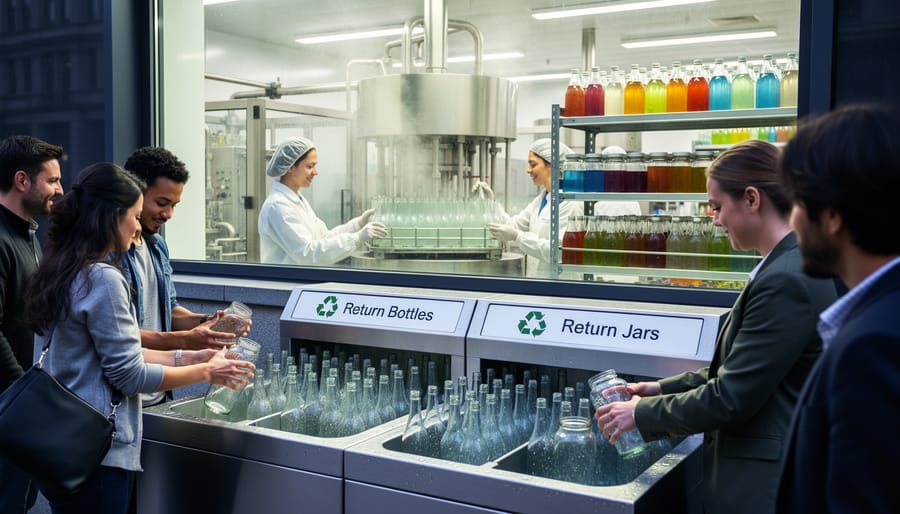
The deposit-return system is beautifully simple and helps close the loop on packaging waste. Here’s how it typically works: When you purchase items like milk, yogurt, or specialty sauces from participating farms and producers, you pay a small deposit on each glass container, usually between $1 to $3. Keep those jars and bottles safe at home, then bring them back on your next shopping trip or delivery day.
The producer collects the empties, sanitizes them according to food safety standards, and refills them with fresh products. Once you return your containers, you receive your deposit back, often as credit toward your next purchase. Many local dairies have perfected this system over generations. Take Green Valley Dairy, whose founder shares that their bottle return rate hits 95 percent because customers love the nostalgia and environmental impact of reusable glass bottles.
Some farms make returns even easier by collecting containers during regular delivery routes or at farmers market booths. The key is keeping containers clean and returning them promptly so they can get back into circulation. This simple practice significantly reduces single-use packaging while strengthening the connection between you and your local food producers.
Success Stories from Local Farms
Green Valley Cooperative in Vermont has transformed their dairy operation by partnering with local refilleries to distribute milk, yogurt, and cream in returnable glass containers. Since launching their return program two years ago, they’ve eliminated over 50,000 single-use plastic containers from their distribution chain. Farmer Sarah Mitchell explains their success: “Customers love the nostalgic feel of glass bottles, and we’ve seen a 30% increase in repeat purchases. The deposit system ensures a 95% return rate, and we simply sanitize and refill.” The cooperative now saves $8,000 annually on packaging costs while building stronger relationships with customers who appreciate knowing exactly where their food comes from and how it’s packaged sustainably.
Making Refilleries Work in Your Community
Talk to Your Local CSA or Farm Stand
Your local CSA or farm stand might be closer to offering refill options than you think! Many farmers are already passionate about reducing waste and would welcome the conversation. Start by asking if they’d consider accepting clean containers for items like honey, maple syrup, grains, or dried beans. You could say something like, “I’m trying to reduce my packaging waste. Would you be open to filling my own containers?” Most farmers appreciate customer feedback and are part of broader community food networks where sustainable ideas spread quickly. If enough customers express interest, you might inspire a whole new service. Bring clean glass jars or cloth bags on your next visit and gauge their response. Remember, farmers are innovators at heart, and your request could spark the next step in their sustainability journey.
Starting Small: DIY Community Refill Initiatives
You don’t need a storefront to start making a difference! Community-based refill initiatives are sprouting up everywhere, bringing zero-waste shopping closer to home. Consider organizing a neighborhood buying club where members pool orders for bulk staples like grains, beans, and oils, then divide them into personal containers during monthly meetups.
Co-op refill programs work beautifully in community gardens or farmer’s markets. Local growers we’ve spoken with have successfully partnered with neighbors to offer weekly refills of honey, maple syrup, or pantry essentials alongside their fresh produce. One farmer in Vermont started small, offering just olive oil and vinegar refills at market, and now serves 50 regular customers.
Start by connecting with like-minded friends, reach out to local farms about sourcing products in bulk, and designate a regular pickup spot. Even a garage or community center works! These grassroots efforts build strong local food networks while dramatically cutting packaging waste. The key is starting simple and growing organically as your community embraces the refill mindset.
Every time you choose a refillery or participate in a return program, you’re casting a vote for the kind of food system you want to see flourish. These simple acts ripple outward, supporting the organic farmers who nurture your soil, reducing waste that burdens our environment, and strengthening the local economy right in your community. The beauty of this movement is that it doesn’t require perfection. Start small: bring one jar to your next refillery visit, return those glass bottles, or ask your local CSA about their container programs.
Across the country, farmers and entrepreneurs are reimagining how we access wholesome food without the packaging waste. From the small-town refillery partnering with nearby organic growers to the urban farm offering bottle deposits, these pioneers are proving that convenient and sustainable can go hand in hand. Their success stories remind us that change happens one reusable container at a time. By embracing refilleries and return programs, you’re not just reducing your environmental footprint—you’re becoming part of a growing community committed to waste-free living and thriving local farms. Your choices matter, and together, we’re building a more sustainable future, one refill at a time.
