
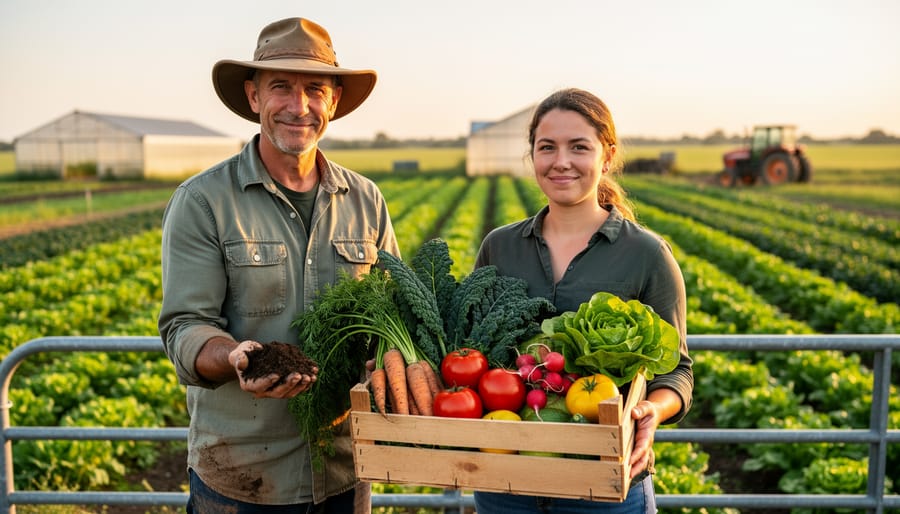
When you pick up your weekly CSA box, you’re holding more than fresh vegetables—you’re holding a promise. But how do you know if that promise is real? Transparency in farming isn’t just a buzzword; it’s the bridge between what farmers say and what they actually do, and understanding whether it qualifies as a genuine value shapes everything from your food choices to your farm’s business strategy.
For CSA farmers wondering if open-door policies are worth the effort, and for consumers questioning whether a farm’s Instagram posts reflect reality, this matters deeply. The Community Supported Agriculture model thrives on trust, but trust without verification becomes blind faith. Real transparency means inviting members to visit fields unannounced, sharing both harvest triumphs and crop failures, documenting growing practices with photos and soil tests, and explaining exactly where your membership dollars go.
Consider Sarah Chen’s farm in Ontario, which started posting weekly video updates from the fields. Member retention jumped 40% not because her vegetables got better, but because people finally understood the daily realities of organic farming—the late blight that devastated tomatoes, the unexpected surplus of kale, the reasons behind price adjustments. That openness transformed transparency from a nice-to-have into her farm’s most valuable asset.
The question isn’t whether transparency sounds good philosophically. It’s whether radical honesty about your farming practices creates measurable benefits for your business and genuinely empowers consumers to make informed choices.
What Transparency Actually Means in CSA Farming
In the world of Community Supported Agriculture, transparency isn’t just another trendy marketing term plastered on websites to attract customers. It’s a concrete commitment to openness that fundamentally shapes the relationship between farmers and their community members. But what does this actually look like in practice?
At its core, transparency in CSA farming means you know exactly where your food comes from and how it was grown. This goes far beyond a simple organic certification label. When a CSA farm practices genuine transparency, you’ll receive regular updates about what’s happening in the fields—which crops are thriving, what challenges the weather might be creating, and even when things don’t go as planned.
Open communication forms the foundation. This includes sharing detailed information about farming practices, from soil amendments and pest management strategies to seed varieties chosen for each season. You shouldn’t need a detective to figure out what methods your farmer uses. They should readily share this information through newsletters, farm visits, or social media updates.
Financial clarity is another essential element that separates authentic transparency from mere marketing speak. Honest CSA farms often explain their pricing structure, showing members where their investment actually goes—whether that’s covering labor costs, purchasing quality seeds, or maintaining infrastructure. This doesn’t mean sharing every financial detail, but providing enough context so members understand the real economics of small-scale farming.
Complete traceability represents the final piece. Every carrot, tomato, and bunch of kale in your share box should have a clear story. Which field did it grow in? When was it harvested? What variety is it? This seed-to-harvest knowledge transforms your weekly produce from anonymous vegetables into food with history and meaning, strengthening your connection to the land that nourished it.
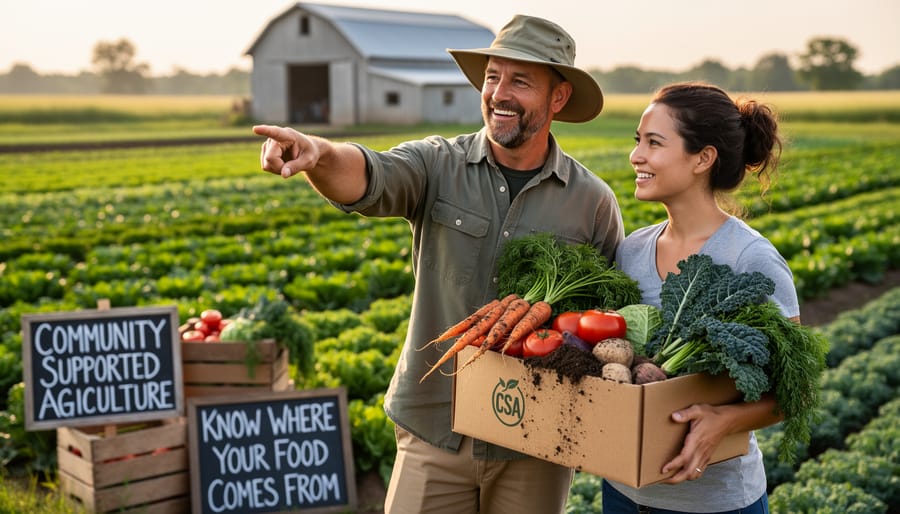
When Transparency Functions as a Business Strategy
The Trust Economy: How Openness Converts Customers
When customers know exactly where their food comes from and how it’s grown, something remarkable happens: they become loyal advocates. Transparency isn’t just good ethics—it’s smart business for CSA farms. By opening your farm gates through field days, sharing weekly harvest updates, or posting behind-the-scenes stories on social media, you’re building trust with members that translates into real economic benefits.
Consider Sarah’s organic farm in Vermont, which began sending detailed growing notes with each box. Within two seasons, her member retention jumped from 60% to 85%, and referrals doubled. Members felt connected to their food’s journey and happily paid premium prices because they understood the care behind each carrot and tomato.
Transparent farms also weather challenges better. When crop failures happen, members who’ve witnessed your sustainable practices throughout the season become understanding partners rather than disappointed customers. They know you’re doing everything possible to grow healthy food responsibly. This trust creates financial stability through consistent membership renewals and word-of-mouth marketing that no advertising budget could buy. Openness becomes your competitive advantage in an increasingly crowded marketplace.
Traceability as Your Competitive Edge
When food safety scares hit the news—whether it’s E. coli in romaine or listeria in packaged salads—CSA farms have a distinct advantage. Unlike grocery store produce that passes through multiple handlers and distribution centers, your farm knows exactly which field grew Tuesday’s carrots and which members received them. This level of traceability isn’t just impressive; it’s powerful.
During recalls, conventional suppliers often must dump entire harvests because they can’t pinpoint the contamination source. Your CSA, however, can trace every vegetable back to its exact planting date, field location, and harvest crew. This means you can quickly identify and address any issues while reassuring members with concrete details about their food’s journey.
This precision builds member confidence in ways supermarkets simply can’t match. When parents ask about pesticide use on the spinach their toddler eats, you can pull up field records showing organic practices for that specific bed. When someone with allergies needs to know if equipment touched certain crops, you have answers immediately.
One Massachusetts farmer shared how her detailed harvest logs helped a member’s doctor identify a previously unknown sensitivity to a specific heirloom tomato variety—something impossible without complete traceability. These moments transform transparency from a buzzword into genuine care that keeps members loyal through seasons and years.
When Transparency Becomes a Core Value
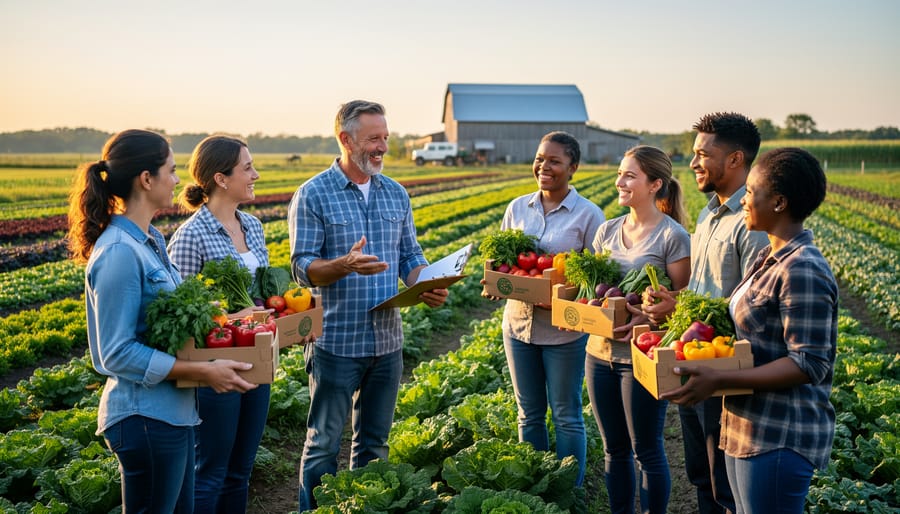
The Hard Conversations: Sharing Bad News with Members
Transparency gets tested when things go wrong, and how farmers handle these moments reveals whether openness is truly a core value. Take Three Springs Farm in Oregon, where late blight destroyed their tomato crop mid-season. Rather than staying silent, they sent members detailed updates about the problem, explained the organic treatment options they tried, and offered cherry tomatoes as a substitute. The response? Members appreciated the honesty and many even volunteered to help with cleanup.
At Willow Creek CSA in Vermont, aphid infestations reduced their lettuce yields by 40% one summer. Their farmer, Maria, shared weekly photo updates showing the pest pressure and her management strategies. Sharing challenges with members strengthened their community rather than weakening it. Several members with gardening experience offered advice, creating valuable dialogue.
Price increases present another difficult conversation. When Rising Sun Farm needed to raise shares by 15% due to labor costs, they provided a transparent breakdown of expenses. They explained wages, seed costs, and infrastructure needs. Members overwhelmingly renewed their memberships, with some even paying extra to support fair wages.
These examples demonstrate that transparency during hard times builds trust and loyalty. Members don’t expect perfection; they expect honesty and communication about the realities of farming.
Beyond What’s Required: Going the Extra Mile
Some farmers choose transparency not because customers demand it, but because openness simply reflects who they are. Take Sarah Chen of Riverbend Farm, who publishes detailed weekly growing logs on her website, documenting everything from seed varieties to pest management decisions. She shares her soil testing results each season and even posts financial breakdowns showing exactly where member fees go. “I’m not required to do this,” Sarah explains, “but it keeps me accountable and helps other farmers learn from my experiences.”
Similarly, Mark Thompson at Green Valley CSA goes beyond sustainable farming practices by offering farm walks where members can photograph and measure anything they’re curious about. He maintains a digital library of crop rotation plans dating back five years and openly discusses both successes and failures.
These farmers view transparency as a core value rather than a marketing strategy. The effort requires extra time—Sarah estimates three hours weekly for documentation—but both report deeper member relationships and increased retention. Their openness creates educational opportunities for aspiring farmers and sets new standards within their communities. While not every farm needs this level of detail, their examples demonstrate how genuine transparency, driven by personal values rather than external pressure, can transform a CSA into something more: a learning community built on trust and shared commitment to conscious food production.
The Real Benefits of Traceability in CSA Models
Farm-to-Table in Real Time
Modern CSA farms are proving that transparency doesn’t require expensive technology or complicated systems. The most effective farms keep it beautifully simple. Weekly newsletters have become a cornerstone of transparent communication, with farmers sharing updates about what’s growing, weather challenges they’re facing, and what members can expect in upcoming harvest boxes. These aren’t corporate bulletins—they’re personal notes that might include a photo of seedlings emerging or a quick tip for storing root vegetables.
Social media has opened another window into farm life. Instagram stories showing morning harvest routines or Facebook posts about unexpected frost damage create real-time connections. One Pennsylvania farmer shares that her candid posts about crop failures actually strengthened member loyalty because people appreciated the honesty.
Farm visits remain the gold standard for transparency. Open-farm days, volunteer opportunities, and simple “stop by anytime” policies let members see operations firsthand. When children can touch the soil where their carrots grew or watch farmers at work, transparency transforms from concept to lived experience. These straightforward practices build trust without requiring farmers to become marketing experts—just authentic storytellers sharing their daily reality.
Safety and Accountability Built In
When you know exactly where your carrots were grown and who harvested them, food safety becomes a natural byproduct rather than an afterthought. Traceability creates an inherent layer of protection for everyone involved in the CSA relationship. If a quality concern arises—say, an unexpected pest issue affects one garden bed—transparent farms can immediately identify which members received produce from that specific location and reach out proactively.
This level of accountability transforms how farms handle challenges. Rather than broad, wasteful recalls that affect entire harvests, farmers can pinpoint precisely which items need attention. One small CSA farmer shared how their detailed record-keeping helped them trace a minor soil contamination issue to a single growing area within hours, preventing any member illness and maintaining trust.
For consumers, this traceability offers peace of mind that goes beyond organic certification. You’re not just trusting a label—you’re connected to a system where every step is documented and verifiable. When farms openly share their growing practices, pest management approaches, and harvest dates, they’re essentially inviting accountability. This transparency motivates consistent quality because farmers know their members can trace any issue directly back to its source, creating a powerful incentive for excellence at every stage.

Can Transparency Be Both Strategy and Value?
Here’s the truth: transparency can absolutely be both a strategy and a value, and there’s nothing contradictory about that. Think of it like composting on your farm. You might start composting primarily because it saves money on fertilizer purchases (a strategic decision), but over time, you genuinely come to appreciate the environmental benefits and soil health improvements it brings (a core value). The initial motivation doesn’t diminish the authenticity of your commitment.
The same applies to transparency in your CSA operation. Maybe you first decided to share harvest reports and farm updates because you noticed members stayed subscribed longer when they felt connected to their food source. That’s smart business. But as you continue the practice, you likely find yourself genuinely valuing the relationships built through open communication and feeling proud of the accountability it creates.
What matters most isn’t whether transparency started as strategy or value, but whether you practice it consistently, especially when it’s inconvenient. A farmer who shares both the triumphs and the challenges, who admits when a crop fails or explains why prices need to increase, demonstrates authentic transparency regardless of initial motivation.
For consumers evaluating a CSA, look for this consistency. Does the farm only share glossy success photos, or do they also communicate setbacks? For farmers, embrace transparency knowing it strengthens both your business and your integrity. When your members see you’re transparent about pest challenges, weather impacts, and production realities, they become partners in your journey rather than just customers. That partnership, whether born from strategy or values, creates the foundation for lasting CSA relationships built on trust and mutual respect.
So, is transparency a value in Community Supported Agriculture? Absolutely. It’s not just a marketing strategy or a nice-to-have feature. Transparency sits at the very heart of what makes CSA work, building the trust and connection that transform a simple transaction into a genuine partnership between farmers and community members.
For farmers considering how transparent to be, the answer is clear: embrace openness wholeheartedly. Share your successes and your challenges. Invite members to visit your fields. Be honest about crop failures and celebrate bumper harvests together. This vulnerability doesn’t weaken your business; it strengthens the bonds that keep members committed year after year. Start small if needed—perhaps a weekly email update with photos, or monthly farm tours—and build from there as you discover what resonates with your community.
For those seeking a CSA membership, look beyond polished websites and ask meaningful questions. Does the farm welcome visitors? Do they share specific growing practices, not just general claims about being sustainable? Can you meet the people who grow your food? Genuine transparency feels inviting and accessible, never defensive or vague.
The most thriving CSA relationships flourish when both parties commit to this open exchange. Farmers who practice true transparency find more engaged members who understand the realities of farming. Members who seek it out discover deeper satisfaction in their food choices and meaningful connections to the land that nourishes them. In Community Supported Agriculture, transparency isn’t just valuable—it’s essential, transforming how we grow, share, and celebrate the food that sustains our communities.
