How Civic Center Farmers Market Became San Francisco’s Community Hub
 darrell on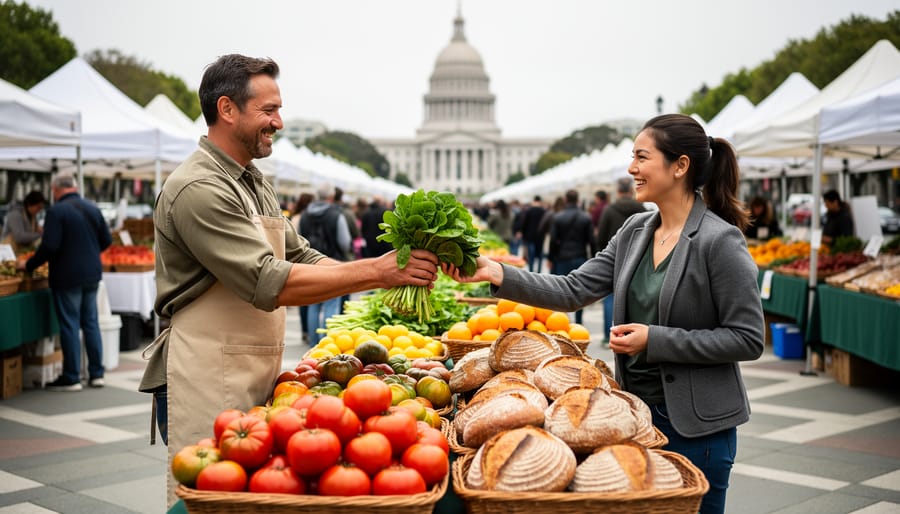
Visit the Civic Center Farmers Market every Wednesday and Sunday at United Nations Plaza, positioned between Hyde and Market Streets, where you’ll discover one of San Francisco’s most vibrant intersections of fresh food, community connection, and sustainable agriculture. Operating year-round from 7 AM to 5 PM on Wednesdays and 10 AM to 4 PM on Sundays, this Heart of the City Farmers Market serves as more than a shopping destination—it’s a living example of how local food systems can strengthen communities while supporting small-scale organic farmers.
Arrive early to secure the best seasonal selections from over 25 regional vendors who bring everything from heirloom tomatoes and Asian greens to fresh-caught fish and artisan breads. The market accepts CalFresh/EBT and offers a Market Match program that doubles nutrition assistance dollars, making organic produce accessible to all income levels. Chat directly with farmers like those from Full Belly Farm and Tierra Vegetables, who eagerly share growing practices, recipe suggestions, and tips for storing your weekly haul.
This isn’t just about filling your shopping bags. The Civic Center market embodies civic engagement through food, creating a weekly gathering space where neighbors from diverse backgrounds connect over shared meals and sustainable values. You’ll witness how supporting local agriculture builds food security, reduces carbon footprints, and preserves farmland—transforming simple transactions into meaningful participation in a healthier, more resilient food system.
The Heart of San Francisco: Understanding Civic Center Farmers Market
Nestled in the heart of one of San Francisco’s most iconic neighborhoods, the Civic Center Farmers Market has become a beloved gathering place where community, sustainability, and fresh organic produce converge. Located at the UN Plaza on Fulton Street between 7th and 8th Streets, this vibrant market operates every Wednesday and Sunday, rain or shine, bringing the bounty of Northern California’s farms directly to city dwellers.
Since its establishment, the market has grown into more than just a place to shop for groceries. It serves as a vital link between urban consumers and the hardworking farmers who practice sustainable agriculture throughout the region. What sets this market apart from San Francisco’s many other farmers markets is its incredible diversity, both in the products offered and the people who gather there. You’ll find everything from heirloom tomatoes and seasonal stone fruits to artisanal cheeses, fresh-cut flowers, and prepared foods that showcase the region’s culinary creativity.
The atmosphere buzzes with energy as vendors share their farming stories and offer samples of their latest harvest. Many farmers here have inspiring journeys of transitioning to organic methods, discovering that regenerative practices not only produce healthier food but also revitalize the soil for future generations. These conversations help shoppers understand where their food comes from and the care required to grow it sustainably.
For the Civic Center neighborhood, the market provides accessible fresh produce in an area that might otherwise lack such options. It’s become a weekly ritual for residents, office workers, and visitors alike, fostering connections that strengthen the community fabric while supporting local agriculture and environmental stewardship.
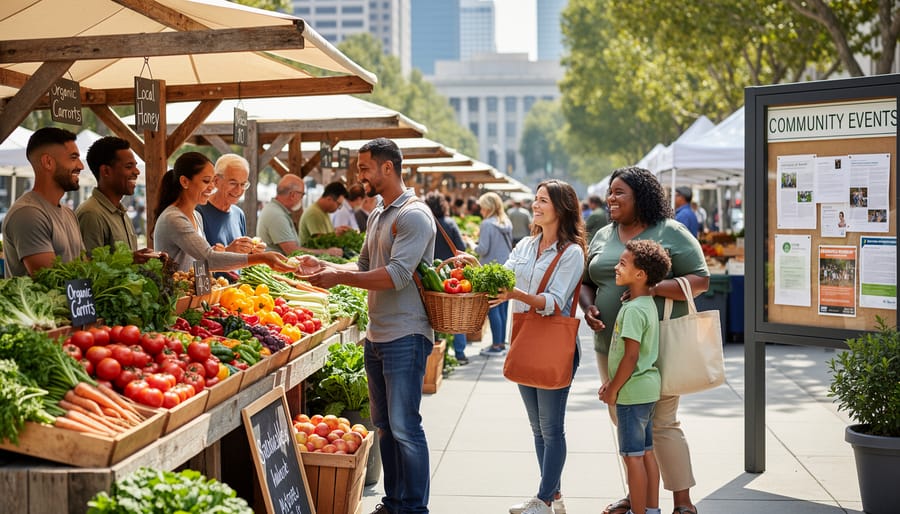
Where Community Meets Commerce: Civic Engagement Partnerships in Action
Food Access Programs That Make a Difference
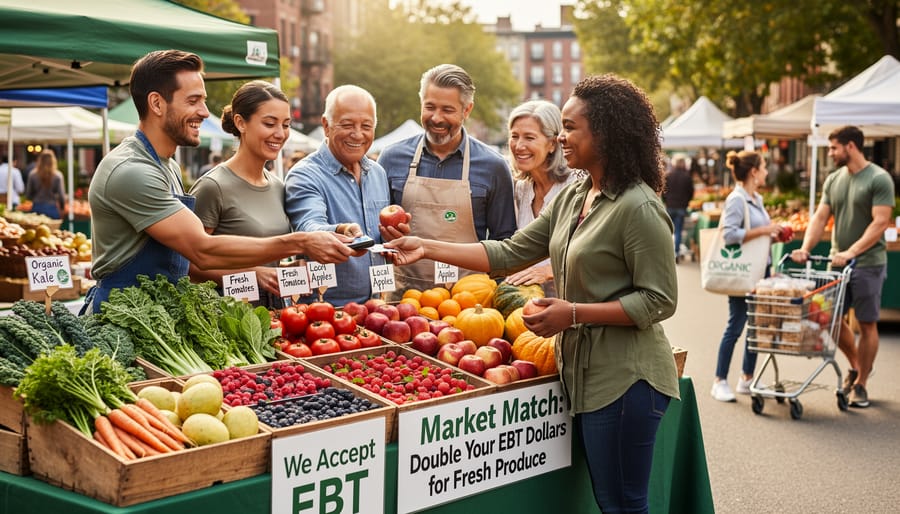
The Civic Center Farmers Market stands out for its commitment to making fresh, organic produce accessible to everyone, regardless of income level. The market proudly accepts EBT and CalFresh cards at all vendor stands, ensuring that participants in federal nutrition assistance programs can purchase wholesome, locally grown food directly from farmers.
One of the market’s most impactful food access initiatives is the Market Match program, which doubles the value of CalFresh dollars spent at the market. When shoppers use their EBT card, they receive matching tokens up to a specific amount, effectively stretching their grocery budget while supporting local farmers. This dollar-for-dollar match means a family can purchase twice the amount of organic strawberries, leafy greens, or seasonal vegetables.
Local farmer Maria Santos shares how these programs have transformed her business: “Market Match brings new customers to my stand who might not otherwise afford organic produce. I love seeing families fill their bags with nutritious food, and it helps my small farm thrive.”
The market also partners with community organizations to distribute fresh produce vouchers to seniors and low-income families. Information booths provide guidance on using benefits and selecting seasonal produce, creating a welcoming environment where healthy eating is achievable for all San Franciscans. These thoughtful programs demonstrate that farmers markets can be inclusive spaces that nourish entire communities while supporting sustainable agriculture.
Educational Partnerships and Cooking Demonstrations
The Civic Center Farmers Market goes beyond simply selling produce by creating a vibrant learning hub where community members can deepen their knowledge of sustainable food systems. Throughout the market season, local chefs, nutritionists, and food educators offer free cooking demonstrations that transform seasonal ingredients into delicious, accessible meals.
These hands-on cooking demos typically feature chefs who source ingredients directly from market vendors, showing shoppers creative ways to prepare unfamiliar vegetables or make the most of abundance during peak harvest times. You might watch a chef turn rainbow chard into a simple sauté or demonstrate how to preserve summer tomatoes for winter enjoyment. The demonstrations are designed to be approachable, with recipes that home cooks can easily replicate in their own kitchens.
Registered dietitians and nutritionists also host regular workshops focusing on the health benefits of eating seasonally and locally. These sessions help visitors understand why organic produce contains more nutrients and how to build balanced meals around what’s available at the market. Parents especially appreciate learning how to introduce children to new vegetables in fun, engaging ways.
Farm education programs bring the story of sustainable agriculture to life. Local farmers share their experiences, explaining organic growing methods and answering questions about everything from composting to crop rotation. These conversations help bridge the gap between urban consumers and rural growers, fostering appreciation for the hard work behind every bunch of carrots or basket of strawberries. Many attendees leave feeling inspired to start their own container gardens or support Community Supported Agriculture programs, carrying the market’s mission of sustainable living into their daily routines.
Meet the Farmers: Stories from the Stalls
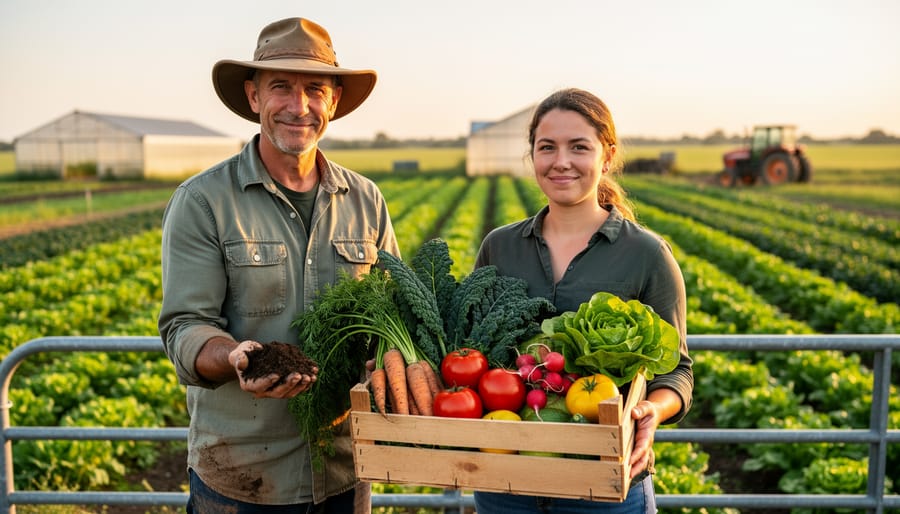
The Civic Center Farmers Market thrives because of dedicated farmers who bring exceptional produce and genuine passion to their stalls each week. These vendors represent the heart of sustainable agriculture in the Bay Area, and their local farmer success stories inspire everyone who visits.
Maria Gonzalez has been bringing her family’s heirloom tomatoes and peppers from Sonoma County for over eight years. Her farm, Valle Verde, practices dry farming techniques that reduce water usage by relying on natural moisture retention in the soil. This method produces incredibly flavorful tomatoes with concentrated sugars and nutrients. Maria explains that dry farming is an ancient technique her grandfather used in Mexico, now perfectly suited to California’s climate challenges. She grows over twenty varieties of tomatoes, from deep purple Cherokee Purples to striped Green Zebras, all certified organic. Her connection with regular customers goes beyond transactions. She shares recipes, growing tips, and even saves seeds for aspiring gardeners in the community.
Jim and Susan Park of Fogline Farm travel from Santa Cruz with their renowned salad greens and edible flowers. Their two-acre farm operates on biodynamic principles, treating the farm as a complete ecosystem. They use composting, cover cropping, and companion planting to maintain soil health without synthetic fertilizers. The Parks grow specialty greens like mizuna, tatsoi, and rainbow chard that chefs and home cooks eagerly await. What sets them apart is their commitment to education. They regularly host farm tours and offer workshops on composting and season extension techniques, helping market visitors understand where their food comes from.
These farmers demonstrate that sustainable agriculture is more than a farming method. It is a lifestyle that builds community connections and environmental stewardship. Their dedication to organic practices, soil health, and customer relationships creates the vibrant atmosphere that makes Civic Center Farmers Market special. By supporting these vendors, shoppers invest in local ecosystems, preserve agricultural knowledge, and enjoy produce grown with care and intention. Every purchase supports farmers who prioritize sustainability over shortcuts, quality over quantity.
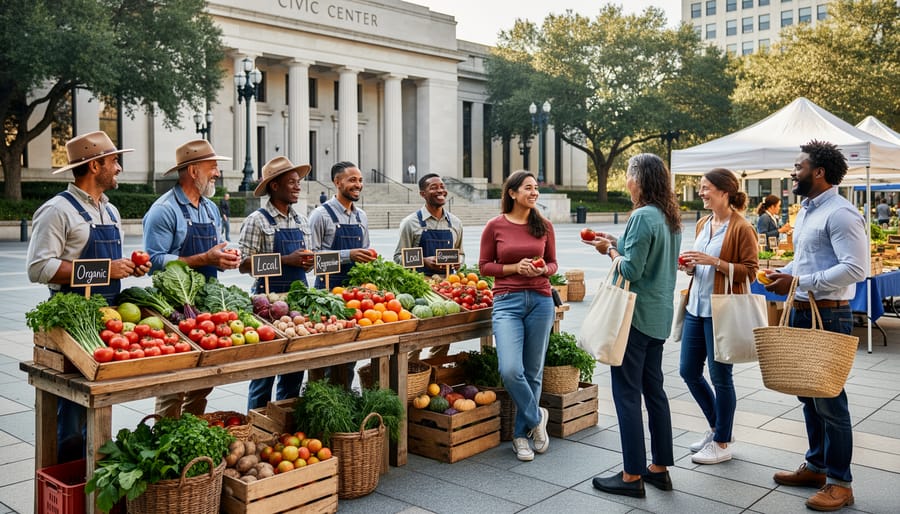
What You’ll Find: Seasonal Bounty and Beyond
The Civic Center Farmers Market transforms with the seasons, offering an ever-changing showcase of Northern California’s agricultural bounty. Spring brings tender greens, sweet strawberries, and vibrant asparagus, while summer explodes with heirloom tomatoes, stone fruits, and colorful peppers. As autumn arrives, expect hearty root vegetables, crisp apples, and winter squashes. Even in cooler months, you’ll find citrus fruits, leafy greens, and cruciferous vegetables thriving in the region’s mild climate.
Beyond fresh produce, the market features artisan goods that reflect the area’s commitment to quality craftsmanship. Browse handcrafted cheeses from small-scale dairies, fresh-baked sourdough from local bakeries, and pasture-raised meats from family farms. You’ll also discover specialty items like raw honey, preserves, fresh-cut flowers, and prepared foods perfect for a quick lunch while exploring the city.
For the best selection, arrive early in the morning when vendors have fully stocked displays and popular items haven’t sold out yet. However, late afternoon shoppers often find reduced prices as farmers prefer selling remaining inventory over transporting it back. Bring reusable bags and cash, though many vendors now accept credit cards.
Make the most of your visit by talking directly with farmers. These conversations provide invaluable insights about growing methods, seasonal availability, and recipe suggestions. Many vendors, like the Martinez family who’ve been selling certified organic vegetables for over a decade, love sharing their knowledge about sustainable farming practices and can guide you toward peak-season items.
Consider planning your weekly meals around what’s fresh at the market rather than arriving with a rigid shopping list. This approach connects you more deeply with seasonal eating patterns while supporting farmers who’ve carefully tended these crops. Sample when offered, ask questions freely, and don’t hesitate to request cooking tips. The market experience extends beyond transactions, fostering genuine connections between growers and eaters while promoting environmental stewardship through reduced food miles and chemical-free agriculture.
Getting Involved: How You Can Support Civic Engagement
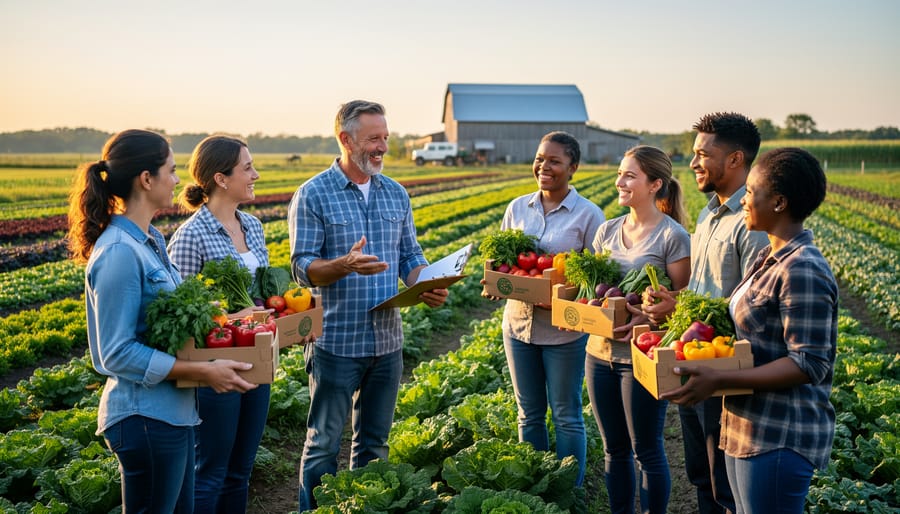
The Civic Center Farmers Market offers numerous ways to deepen your connection to sustainable food systems beyond your weekly shopping trips. Consider volunteering with the market organization, where you can help with setup, assist vendors, or support educational programs that teach children about organic farming. Many volunteers find this hands-on experience both rewarding and educational, gaining insights directly from farmers about seasonal growing practices.
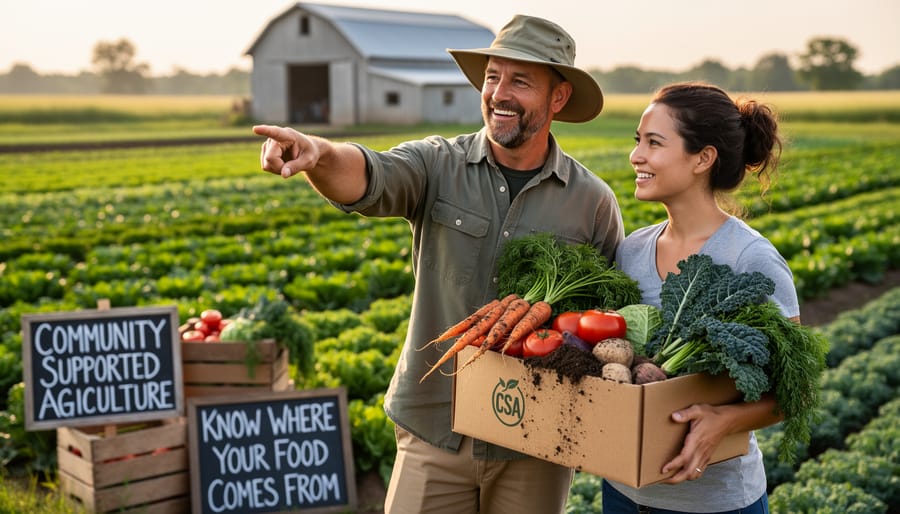
Connect with local CSA programs that have booths at the market. These farm-direct subscription services offer weekly produce boxes and often provide volunteer opportunities at their farms, giving you firsthand experience with organic cultivation methods. It’s a wonderful way to understand where your food comes from while supporting small-scale farmers.
The market regularly hosts community events, cooking demonstrations, and workshops focused on food preservation and sustainable living. Attend these gatherings to expand your knowledge and meet like-minded individuals passionate about organic agriculture.
Support food justice initiatives at the market by participating in programs that accept CalFresh benefits and market incentive programs. These efforts ensure fresh, organic produce reaches all community members regardless of economic circumstances. You might also consider donating to gleaning programs that collect excess produce for local food banks, turning potential waste into nourishment for those in need. Every contribution, whether time, resources, or knowledge-sharing, strengthens our collective commitment to sustainable, accessible food systems.
The Civic Center Farmers Market stands as a shining example of what happens when communities come together around sustainable agriculture and food justice. This vibrant marketplace demonstrates that farmers markets can be so much more than simple commercial exchanges—they’re powerful platforms for civic engagement, education, and meaningful change. By supporting local organic farmers here, you’re not just purchasing fresh produce; you’re investing in a healthier food system, preserving farmland, and ensuring that nutritious food reaches neighbors who need it most.
We encourage you to visit this remarkable market and experience the energy firsthand. Talk with the farmers who grow your food, learn about their sustainable practices, and discover seasonal varieties you’ve never tried before. Whether you’re seeking the freshest organic vegetables, artisan products, or simply want to connect with like-minded community members, you’ll find a welcoming space that celebrates local agriculture. By becoming part of this community-driven movement, you’re joining thousands of others who believe that everyone deserves access to wholesome, sustainably grown food—and that together, we can build a more equitable and environmentally responsible future.