
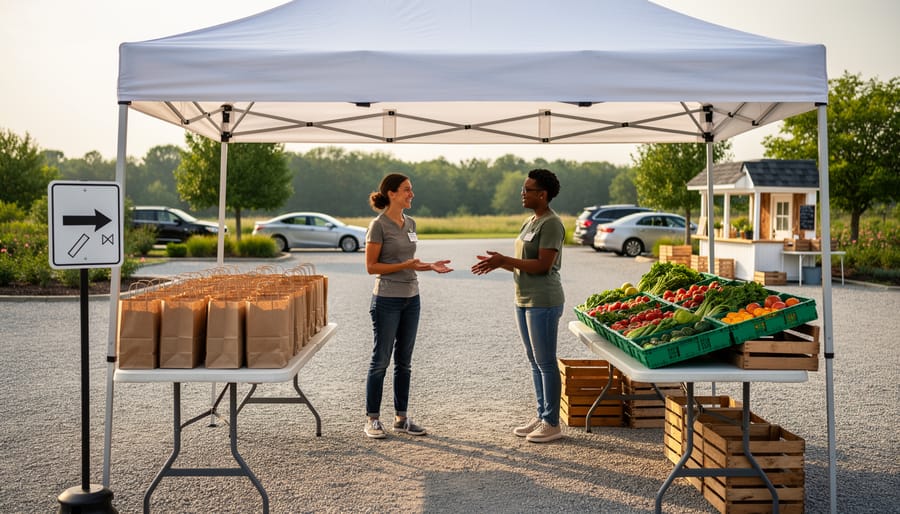
Position your CSA pickup station near adequate parking with clear signage directing members to the exact location—this single change can cut pickup time by 30% and eliminate the most common member complaint. Designate separate tables or zones for different share sizes, with pre-packed bags labeled with member names or numbers arranged alphabetically to prevent bottlenecks during peak hours. Create a simple checkout system where members initial a pickup list or scan a QR code, giving you instant data on who collected their shares and who needs reminder calls about unclaimed produce. Establish a consistent weekly pickup window of at least 2-3 hours to accommodate varying schedules, and station a friendly volunteer or staff member during the first 30 minutes to answer questions and troubleshoot issues before they escalate.
The difference between a chaotic CSA pickup that frustrates members and a smooth operation that builds community loyalty often comes down to intentional design choices made before the season even starts. Whether you’re launching your first CSA or refining an existing program, your pickup system directly impacts member retention, food waste, and your own stress levels throughout the growing season. Small farms across the country have transformed their pickup operations from weekly headaches into efficient systems that members actually look forward to—and the strategies that work have little to do with farm size and everything to do with thoughtful planning.
Why Your Pickup Site Setup Matters More Than You Think
Your CSA pickup site is more than just a distribution point—it’s the weekly touchpoint that shapes how members experience your farm. A chaotic, disorganized pickup can turn enthusiastic supporters into frustrated former members, while a smooth, welcoming setup builds loyalty that lasts for seasons.
Think about it: your members might never visit your actual farm, but they’ll judge your entire operation based on those few minutes each week at pickup. When boxes are clearly labeled, the space flows logically, and volunteers are helpful, members leave feeling good about their investment. They’re more likely to renew their membership, recommend your CSA to friends, and become advocates for local agriculture.
The numbers back this up too. Farmers who prioritize organized pickup sites report significantly higher retention rates—some seeing renewals jump by 20-30% after improving their systems. That’s because a well-run pickup signals professionalism and respect for members’ time.
On the operational side, efficient pickup sites save you precious hours each week. When everything has its place and volunteers know their roles, you’re not scrambling to solve problems or fielding frustrated texts. Instead, you’re focusing on what matters most: growing exceptional produce.
Consider Sarah, a Vermont farmer who transformed her cramped garage pickup into a streamlined outdoor setup with clear signage and designated parking. Member complaints dropped to zero, and her renewal rate climbed to 85%. Small changes to your pickup setup can create ripple effects throughout your entire CSA operation.
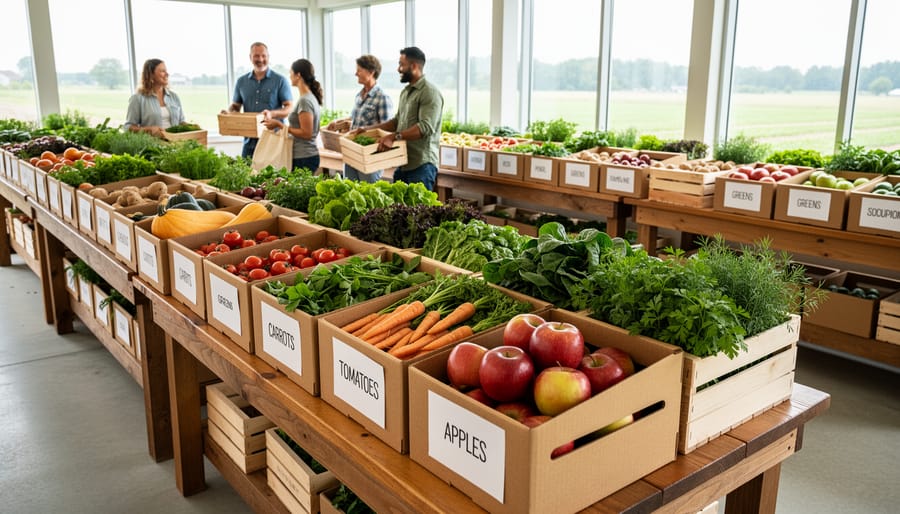
Choosing the Perfect Pickup Location
Essential Features of a Great Pickup Spot
Creating a successful CSA pickup spot requires careful attention to several key features that keep both your members happy and your produce in top condition.
Parking accessibility should be your first priority. Choose a location with ample parking spaces and easy entry and exit points. Your members will appreciate a spot where they can quickly pull in, grab their share, and head home without circling the block or walking long distances with heavy bags. Consider peak pickup times and ensure there’s room for multiple vehicles.
Weather protection makes a tremendous difference in member experience. Whether it’s a covered porch, tent, or indoor space, providing shelter from rain, snow, and intense sun creates a more pleasant pickup environment. This protection is equally important for keeping produce fresh during distribution hours, especially on hot summer days when leafy greens and delicate items can wilt quickly.
Refrigeration access becomes essential during warmer months. Even a few coolers with ice packs can help maintain quality between deliveries and pickups. If you’re fortunate enough to secure a location with refrigerator or walk-in cooler access, your produce quality will noticeably improve.
Space requirements depend on your CSA size, but plan for more room than you think you’ll need. You’ll need areas for organized share staging, a check-in table, optional add-ons display, and comfortable member flow. A cramped space creates confusion and slows down the pickup process, while adequate room allows for a smooth, enjoyable experience.
Central vs. Multiple Pickup Sites: What Works Best
Choosing between a central pickup location or multiple sites depends on your member base and your capacity. A single central site simplifies logistics dramatically—you make one trip, organize one setup, and build community in one place. Maple Ridge Farm in Vermont found their downtown farmers market location fostered incredible member connections and reduced their distribution time by three hours weekly.
However, multiple pickup sites can expand your reach and boost member retention. Green Valley CSA serves three neighborhoods across a 20-mile radius, which owner Sarah Chen credits with reducing member dropouts by 40%. The trade-off? More driving and coordination time. She recommends starting with one site, then adding locations only when you have 15-20 members requesting a specific area.
Consider optimizing delivery logistics by clustering members geographically before committing to new sites. Many successful farms use a hybrid approach: one main farm pickup with two strategic satellite locations at community centers or partner businesses. Survey your members annually about their preferred locations—their feedback reveals whether expansion makes sense or if consolidation would actually improve everyone’s experience.
Setting Up Your Pickup Site for Success
The Layout That Makes Pickup Flow Smoothly
Creating an efficient layout transforms pickup day from chaos into a smooth, enjoyable experience for everyone involved. Think of your pickup space as a natural flow from entry to exit, guiding members through their journey seamlessly.
Start by positioning your pickup table at least six feet from the entrance, giving members room to queue without blocking the doorway. Arrange produce boxes alphabetically by member name in clearly visible rows, using large letter signs (A-F, G-M, N-Z works well for most operations) that members can spot from several feet away. This simple system prevents bottlenecks as people search for their shares.
Place frequently swapped items like greens or herbs near the end of the pickup flow, where members can easily exchange without disrupting others. If you offer add-ons or extras, create a separate station away from the main pickup area to keep traffic moving smoothly.
Tables should be positioned at comfortable standing height, allowing members to inspect their boxes without bending awkwardly. Leave at least three feet of space between parallel tables so two people can pass comfortably with full boxes.
Consider the success story of Riverside Valley Farm, where owner Maria redesigned her barn layout after watching members navigate tight corners with overflowing boxes. By simply widening pathways and adding directional floor arrows, she cut average pickup time from eight minutes to under four.
Don’t forget adequate lighting in all areas and weatherproof signage visible from your parking area, directing members exactly where to go before they even leave their cars.
Essential Equipment and Supplies You’ll Need
Setting up an efficient CSA pickup starts with having the right supplies on hand. You’ll need reusable bins and crates for organizing shares, which are more sustainable and cost-effective than cardboard over time. If you’re working with a tight budget, consider starting with sturdy plastic totes from discount retailers.
Coolers or insulated containers are essential for maintaining freshness, especially during warm weather months. Add ice packs for items like leafy greens and herbs. For record-keeping, simple clipboards with member checklists work beautifully, though a tablet can streamline the process if you prefer digital tracking.
Don’t forget signage to direct members and display farm updates. Basic materials like markers, labels, and tape help keep everything organized. A folding table provides a convenient check-in station, and proper storage systems at your staging area ensure produce stays fresh before pickup.
Many successful farmers start small and gradually upgrade their equipment as membership grows, proving you don’t need a large investment to create a welcoming, organized pickup experience.
Creating Clear Signage and Instructions
Clear signage transforms pickup day from confusing to effortless. Start with a large welcome sign at your entrance directing members to the designated area. Use color-coded cards or labels to organize shares by member name or pickup time slot, making it easy for everyone to spot their box quickly.
Create visual instructions for first-time members showing the pickup process step-by-step. Include simple graphics demonstrating where to check in, how to identify their share, and where to return empty bins or bags. Post allergy alerts and handling tips near produce displays if you offer choice items.
Consider laminated signs highlighting what’s in the week’s harvest with brief storage suggestions. This reduces repetitive questions and helps members appreciate their vegetables. Many successful CSA farmers also post a large whiteboard with weekly announcements, recipe ideas, or upcoming farm events to build community connection. Keep text minimal and fonts large enough to read from several feet away, ensuring accessibility for all members regardless of age or vision capabilities.

Mastering the Member Handoff Process
Check-In Systems That Actually Work
A smooth check-in system keeps your CSA pickup moving and members happy. The good news? You have several options that can work beautifully depending on your farm’s size and style.
The classic paper checklist remains popular for smaller CSAs. Members simply find their name and check it off when they arrive. It’s low-tech, requires no electricity, and feels personal. The downside? Paper gets soggy in rain, and tracking no-shows requires manual record-keeping later.
Digital sign-in apps offer real-time tracking and automatic member notifications. Systems like Harvie or Local Food Marketplace let members check in via smartphone, instantly updating your database. These platforms shine for farms with 50-plus members or multiple pickup locations. The learning curve and monthly fees might feel daunting initially, but many farmers report saving hours each week once established.
A hybrid approach works well for mid-sized operations. Use a tablet at pickup with a simple spreadsheet where members tap their name. It’s more weather-resistant than paper and easier to manage than full farm software.
Whatever system you choose, test it during your first few pickups. Green Acres Farm in Vermont switched from paper to tablets after their second season, cutting check-in time by half. The key is finding what feels manageable for your volunteers while keeping the process quick for members grabbing produce after work.
Handling Substitutions, Absences, and Special Requests
Life happens, and your CSA members will occasionally need flexibility. Establishing clear policies upfront prevents confusion and keeps operations running smoothly.
Create a simple system for share pickups when members can’t attend their scheduled time. Many successful CSAs allow members to send friends or family as proxies—just require advance notice via email or text with the substitute’s name. Some farms offer a 24-hour pickup window or an alternate day each week specifically for missed pickups.
Consider implementing a share-swap board, either physical or digital, where members can coordinate trades or offer their boxes to others when they’re traveling. This reduces waste and builds community connections. One Vermont farmer shared how their member-managed swap system increased satisfaction while decreasing her administrative load.
For extended absences like vacations, offer options like donating shares to food banks, splitting them among remaining members, or crediting the value toward next season. Clear communication is essential—send reminder emails before pickup days and respond promptly to special requests.
Keep detailed records of substitutions and absences to track patterns. If certain members consistently miss pickups, reach out personally to understand their challenges and find solutions. Remember, flexible policies that respect members’ busy lives while maintaining farm efficiency create lasting loyalty and positive word-of-mouth for your CSA program.
Building Community During Pickup Time
Pickup time offers a golden opportunity to transform routine transactions into meaningful connections. Create a welcoming atmosphere with farm tours, recipe cards featuring the week’s harvest, or simple conversations about what’s growing in the fields. Consider hosting occasional meet-and-greet events where members can interact with farmers and each other, fostering a genuine community spirit. Share brief growing tips or seasonal updates during pickup to educate members about your farming practices. One successful Pennsylvania farmer found that dedicating just five extra minutes per pickup to answer questions increased member retention by 40 percent. These personal touches help members feel invested in your farm’s success while building lasting relationships that extend far beyond the weekly vegetable box exchange.
Solving Common CSA Pickup Problems
When Members Don’t Show Up
No-shows happen, and having a clear policy protects both you and your members. Most CSAs implement a 24-hour donation policy where unclaimed shares automatically go to local food banks, shelters, or community kitchens by the next morning. This prevents waste while serving your community.
Communicate your policy clearly during signup and include reminders in weekly newsletters. Some farmers send text alerts an hour before pickup closes, which significantly reduces forgotten shares.
Consider offering flexible solutions like designating pickup buddies where members authorize trusted friends to collect their box, or allowing one-time pickup location swaps when members face emergencies. Documentation is essential—use a simple sign-in sheet or digital check-in system to track patterns.
When members repeatedly miss pickups, reach out personally before assuming they’ve lost interest. Life gets busy, and a friendly conversation often reveals simple scheduling conflicts you can accommodate. One Colorado farmer found that switching Tuesday pickups to Wednesdays reduced no-shows by forty percent, simply because members had more predictable schedules midweek. Clear communication and compassionate flexibility create loyal, engaged members who value their farm connection.
Managing Peak-Time Crowding
Peak-time crowding can turn pickup day into a stressful bottleneck for everyone involved. The good news? A few smart strategies can transform this challenge into a smooth operation.
Consider extending your pickup window by an extra hour or two. This simple adjustment spreads arrivals more evenly throughout the day. Many successful farms have found that offering a four-hour window instead of two reduces congestion by nearly half.
Staggered pickup slots work wonders for larger CSAs. Assign members specific 30-minute time blocks based on their last name or membership number. Member retention actually improved at Green Valley Farm after implementing this system, as people appreciated the predictability and shorter wait times.
If space allows, create multiple pickup stations with dedicated volunteers at each. Think of it like grocery store checkout lanes – having three stations can triple your throughput capacity.
For tech-savvy operations, send reminder texts or emails the day before pickup, encouraging members to come during typically slower periods. You might even offer small incentives like bonus eggs or herbs for off-peak arrivals.
Real Stories from CSA Farmers Who Transformed Their Pickups
Meet Sarah Chen from Green Valley Farm in Vermont, who turned her chaotic Friday pickups into a smooth operation. When she started her CSA three years ago, members often waited 20 minutes while she searched through coolers. Her breakthrough came when she switched to pre-bagged shares organized alphabetically by member name. She also designated a clear pickup window from 4-7 PM instead of all afternoon. The result? Wait times dropped to under three minutes, and member retention increased by 40 percent.
Over at Harvest Moon Farm in Oregon, Jake Martinez faced a different challenge. His remote pickup location at a community center meant coordinating with another organization’s schedule. After members complained about conflicts, Jake implemented a flexible system with three different pickup spots around town on staggered days. He invested in insulated coolers that members could access with codes, allowing 24-hour pickup windows. Though it required more logistics upfront, Jake reduced no-shows by 60 percent and attracted busy professionals who couldn’t make traditional pickup times.
The biggest lesson from Emma Rodriguez at Sunrise Acres in North Carolina? Communication prevents confusion. She struggled with members forgetting pickup days until she created a simple text reminder system and posted weekly farm updates with photos of what was in shares. This personal touch transformed her CSA experience. Members felt more connected to the farm, started attending volunteer days, and even helped new members navigate the pickup process.
These farmers prove that small, thoughtful changes create significant improvements. Whether you’re dealing with long lines, scheduling conflicts, or member engagement issues, solutions exist that work for your unique situation.
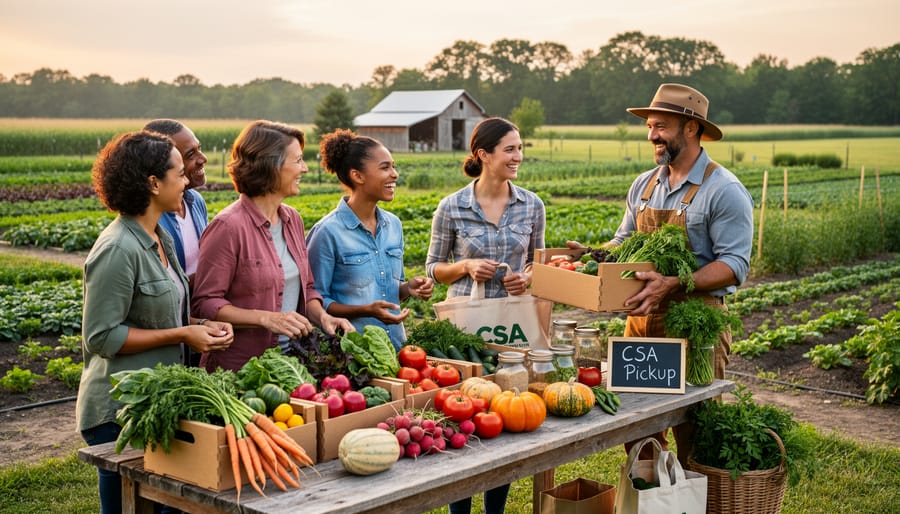
A well-organized CSA pickup system creates a win-win situation for everyone involved. When farmers streamline their pickup operations, they reduce their own stress and free up precious time to focus on what they do best—growing exceptional food. Meanwhile, members enjoy a smooth, pleasant experience that reinforces their decision to support local agriculture and keeps them coming back season after season.
The beauty of improving your pickup system is that you don’t need to overhaul everything at once. Start small by implementing just one or two changes that address your biggest pain points. Perhaps it’s creating clearer signage, setting up a simple check-in table, or sending a weekly reminder email with pickup details. These modest adjustments can yield surprisingly significant results.
Remember, every CSA is unique, and what works brilliantly for one farm might need tweaking for another. Pay attention to feedback from your members, observe what’s working and what isn’t, and don’t be afraid to experiment. The farmers we’ve heard from consistently say that investing time in pickup logistics pays dividends in member retention, positive word-of-mouth, and their own peace of mind. Your pickup day can transform from a hectic scramble into a welcoming community gathering that celebrates the connection between grower and eater.
