
Protect Your CSA Farm’s Digital Assets: Smart Security for Small-Scale Agriculture
 darrell on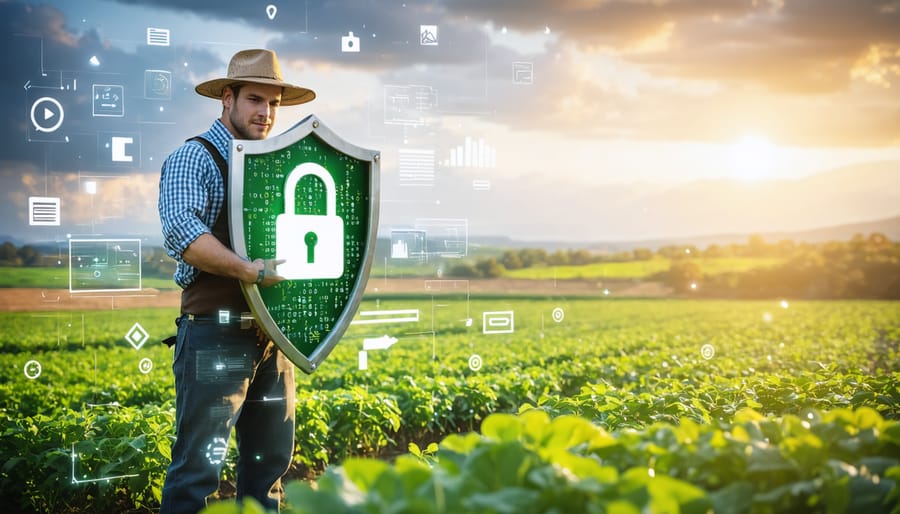
Protect your CSA’s digital operations with robust cybersecurity measures that won’t break the bank. As small-scale farmers increasingly rely on digital tools for member management, payment processing, and crop planning, securing sensitive data has become as crucial as protecting the harvest. Recent cyber attacks on agricultural businesses have highlighted vulnerabilities in farm management software, online ordering systems, and customer databases – making cybersecurity essential for modern CSA operations.
Implementing basic security measures like strong password policies, regular software updates, and encrypted payment processing can shield your farm business from common cyber threats. Small investments in security software and employee training now can prevent costly data breaches later. Whether you’re managing weekly share distributions, coordinating volunteer schedules, or handling member information, maintaining digital security ensures your CSA’s reputation and your members’ trust remain as strong as your commitment to sustainable agriculture.
Start safeguarding your CSA’s digital assets today – your members and your farm’s future depend on it.
Why Your CSA Farm Needs Digital Protection
Digital Tools in Modern CSA Operations
Modern CSA operations increasingly rely on digital farm management tools to streamline their day-to-day activities. Essential platforms include member management systems that track subscriptions, preferences, and delivery schedules, making it easier to maintain strong relationships with shareholders. Secure payment processing systems enable smooth transactions while protecting sensitive financial information, often integrating with popular services like Square or Stripe.
Communication platforms have become vital for keeping members informed about harvest updates, pickup times, and farm events. Many CSAs use email marketing services, SMS notifications, and member portals to share updates and recipes. Cloud-based inventory management helps track produce availability and automate share planning, while scheduling software coordinates volunteer activities and special events.
These digital solutions enhance efficiency but require proper security measures to protect both the farm’s operations and member data. Regular updates, strong passwords, and data backups are essential practices for maintaining these systems safely.

Common Security Risks for Small Farms
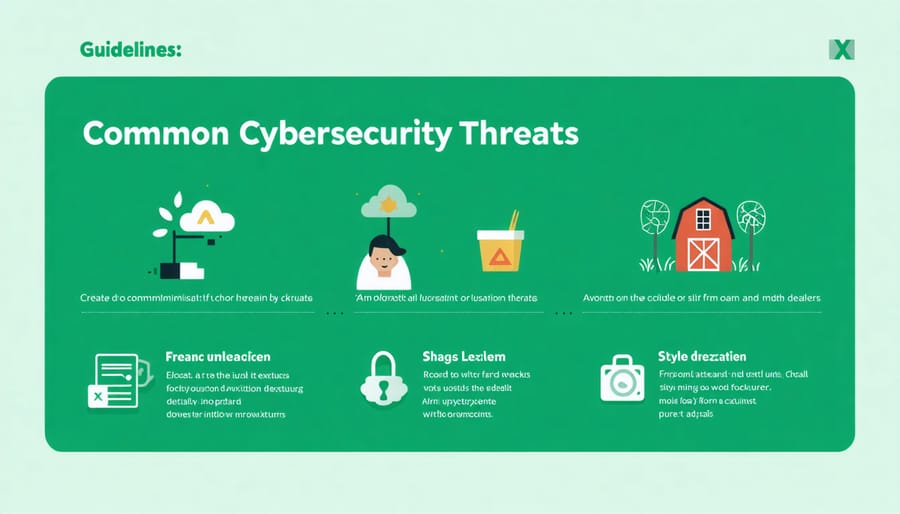
Small farms face several unique cybersecurity challenges that can impact their CSA operations. Common threats include payment system breaches during member sign-ups and recurring payments, compromised email accounts leading to communication disruptions, and unauthorized access to member databases containing sensitive information. Many farmers store valuable crop planning data, harvest schedules, and financial records on their computers or cloud services, making them attractive targets for ransomware attacks.
Social engineering scams targeting small farms are also on the rise, with cybercriminals posing as potential CSA members or vendors to gain access to farm systems. Mobile devices used for farmers’ market sales and CSA distribution tracking are particularly vulnerable to malware and data theft. Additionally, farms using smart agriculture technology for irrigation, climate control, or inventory management face risks from IoT device vulnerabilities.
The good news is that most of these security risks can be managed with simple, affordable solutions and good digital habits.
Essential Security Measures for CSA Digital Systems
Secure Member Data Management
Protecting your CSA members’ personal and financial information is crucial for maintaining trust and complying with data protection regulations. Start by implementing a secure payment processing system that uses encryption and follows PCI DSS standards. Many small farms find success with established platforms like Square or Stripe, which offer built-in security features.
Store member information in a password-protected database, and limit access to only those team members who absolutely need it. Create unique login credentials for each staff member and regularly update passwords. Consider using a reliable cloud-based management system specifically designed for CSA operations, which typically includes security features and regular backups.
Keep your members’ email addresses secure by using blind carbon copy (BCC) when sending group communications. Regularly update your computer systems and use current antivirus software to prevent data breaches. Back up all member data regularly and store it in a separate, secure location.
Develop a clear privacy policy that outlines how you collect, use, and protect member information. Share this policy with your members and get their consent for data collection. Create a response plan for potential data breaches, including steps for notifying affected members and addressing security vulnerabilities.
Train your staff on data security best practices, including proper handling of paper documents containing sensitive information and secure disposal methods when needed.
Safe Online Communication Channels
Establishing secure communication channels with your CSA members is essential for protecting sensitive information and maintaining trust. Start by implementing encrypted email services like ProtonMail or Tutanota for handling member data and payment details. These platforms offer free basic plans perfect for small-scale farms while ensuring your communications remain private.
For regular updates and newsletters, consider using established platforms like MailChimp or Constant Contact, which provide built-in security features and help maintain compliance with data protection regulations. When sharing weekly harvest updates or coordinating pickup times, use secure messaging apps like Signal or WhatsApp Business, which offer end-to-end encryption.
Creating a members-only section on your website can provide a secure space for sharing sensitive information while implementing secure digital marketing practices. This area should be protected with strong password requirements and two-factor authentication when possible.
Remember to regularly update your communication tools and platforms to their latest versions, as these updates often include important security patches. Train your team members on proper communication protocols, such as avoiding sharing sensitive information through unsecured channels and recognizing potential phishing attempts. By maintaining secure communication channels, you’ll protect both your farm’s operations and your members’ trust.
Budget-Friendly Security Solutions
Free and Low-Cost Security Tools
Protecting your CSA doesn’t have to break the bank. Several reliable, budget-friendly security tools can help safeguard your farm’s digital operations. Start with Malwarebytes Free, which offers solid protection against malware and suspicious websites. For email security, consider using Thunderbird with its built-in spam filtering and encryption capabilities.
Password management is crucial, and Bitwarden’s free version provides excellent security for storing and generating strong passwords. To protect your CSA’s files, VeraCrypt offers free, powerful encryption that keeps sensitive customer and financial data safe.
For basic firewall protection, Windows Defender (included with Windows) or UFW (for Linux systems) provide adequate security for most small farm operations. Google Authenticator adds an extra layer of security to your accounts at no cost, while CloudFlare’s free tier offers website protection and basic DDoS prevention.
Many CSA operators have found success using these tools in combination with common-sense security practices, like regular backups and careful email handling. Remember, even basic security measures can significantly reduce your risk of cyber incidents.
DIY Security Best Practices
Protecting your CSA’s digital assets doesn’t have to be complicated or expensive. Start by creating strong, unique passwords for all your accounts and consider using a password manager to keep track of them securely. Enable two-factor authentication whenever possible, especially for your email and financial accounts.
Regularly back up your important files, including member lists, delivery schedules, and financial records, to both a local external drive and a cloud storage service. Keep your devices’ operating systems and software up to date by enabling automatic updates.
Be cautious with email attachments and links, even if they appear to come from known contacts. When using public Wi-Fi at farmers’ markets or events, avoid accessing sensitive information or conducting financial transactions unless you’re using a VPN.
Create separate accounts for different farm workers rather than sharing login credentials. This helps track who accesses what and when. Finally, maintain a written security policy that outlines basic procedures, and regularly discuss these practices with your team members to ensure everyone follows the same safety protocols.
Remember to periodically review and update these security measures as your CSA grows and technology evolves.
Building a Security-Aware Farm Community
Staff Training Essentials
Training your farm staff in basic cybersecurity practices is essential for protecting your CSA operation. Start by establishing clear guidelines for password management, requiring unique, strong passwords for all farm-related accounts. Teach workers how to recognize common phishing attempts and suspicious emails, especially those claiming to be from vendors or members.
Create a simple checklist for daily security practices, such as logging out of shared devices, avoiding suspicious downloads, and keeping mobile devices updated. Implement a buddy system where experienced staff members can guide newcomers through security protocols.
Regular monthly meetings to discuss security updates and share potential threats help keep everyone informed and vigilant. Consider role-playing exercises to practice responding to security incidents, like unauthorized access attempts or suspicious phone calls requesting sensitive information.
Remember to document all training sessions and have staff sign acknowledgment forms to ensure accountability and demonstrate your commitment to protecting member data.

Member Education and Communication
Regular communication about cybersecurity best practices is essential to protect your CSA’s digital assets. Create a monthly newsletter section dedicated to security tips, using simple language that resonates with your members. Share practical advice like password management techniques, how to spot phishing emails, and safe online payment practices.
As you engage with your CSA community, incorporate security reminders into your regular updates. Consider hosting virtual workshops to demonstrate secure account management and safe browsing habits. Create easy-to-follow infographics that members can save and reference.
Remember to explain why these security measures matter, using real-world examples that relate to your CSA operations. When members understand how their data protection connects to their fresh produce delivery, they’re more likely to follow security guidelines. Keep communication friendly and encouraging, avoiding technical jargon that might overwhelm members.
In today’s digital age, protecting your CSA’s online presence and data is just as important as tending to your crops. By implementing basic cybersecurity measures, you can safeguard your farm’s future and maintain the trust of your members. Start with simple steps like strong passwords and regular software updates, then gradually build up your security practices as your operation grows.
Remember that cybersecurity doesn’t have to be overwhelming or expensive. Many effective solutions, like two-factor authentication and basic encryption tools, are free or low-cost. The key is consistency and awareness – make security part of your daily farm management routine, just like checking the weather or watering your plants.
Take action today by conducting a security assessment of your current systems and creating a plan to address any vulnerabilities. Your CSA members rely on you not just for fresh, healthy produce, but also for protecting their personal and payment information. By prioritizing cybersecurity, you’re cultivating not only sustainable agriculture but also sustainable business practices that will help your farm thrive in the digital era.