
Get USDA Organic Certification for Your CSA Farm (Step-by-Step Process)
 darrell on
Transforming your farm into a USDA certified organic operation unlocks premium market opportunities and demonstrates your commitment to the benefits of organic farming. The certification process, while thorough, follows a clear pathway that thousands of successful farmers have navigated before you. From small CSA operations to large-scale producers, obtaining USDA organic certification requires meticulous record-keeping, a three-year transition period free from prohibited substances, and adherence to strict production standards that prioritize soil health and ecological balance.
Whether you’re an established farmer looking to transition or a new grower starting from scratch, understanding the certification journey is crucial for success. The process involves selecting a certified organic agent, developing an organic system plan, implementing required practices, and maintaining detailed documentation of your farming methods. With proper preparation and guidance, your farm can join the growing community of certified organic producers delivering healthy, sustainable food to conscious consumers.
This comprehensive guide walks you through each step of the USDA organic certification process, helping you navigate requirements, avoid common pitfalls, and build a successful organic operation.
Before You Begin: Essential Requirements
Land Requirements
One of the fundamental requirements for USDA organic certification is maintaining land that’s been free from prohibited substances for at least three years. During this transition period, farmers must implement organic soil management techniques and document their practices meticulously. This means no synthetic fertilizers, pesticides, or genetically modified organisms can be used on the land.
The three-year waiting period allows the soil to naturally cleanse itself of previous chemical inputs and rebuild its organic matter content. During this time, farmers can still grow and sell their produce, but they cannot market it as organic until the full transition period is complete.
Buffer zones are also required if your land borders conventional farms. These zones help prevent drift from neighboring properties that might use prohibited substances. Keep detailed records of your land use history, including maps, field numbers, and acreage calculations, as these will be essential for your certification application.
Record-Keeping Systems
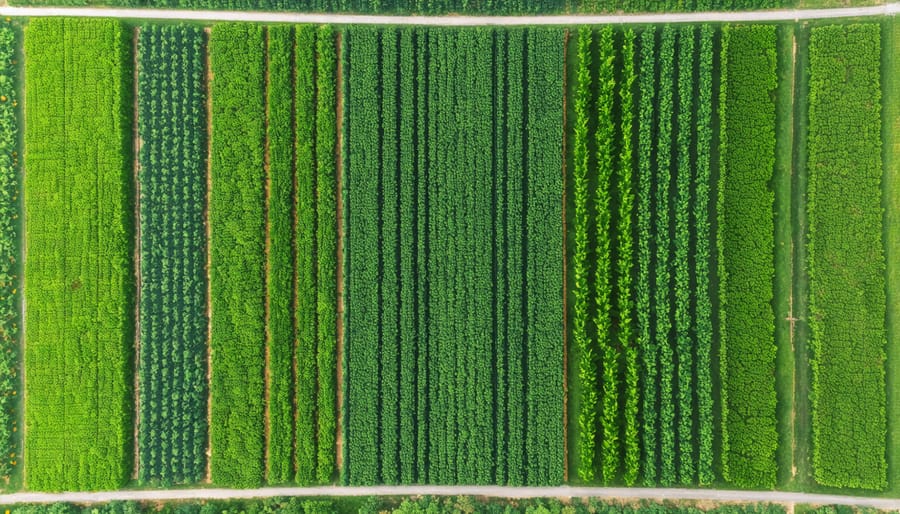
Maintaining detailed records is a crucial part of organic certification. You’ll need to document everything from seed purchases and planting dates to harvest records and sales transactions. Create a system to track your inputs, including approved fertilizers, pest control methods, and any materials used in production. Keep records of crop rotation plans, field maps, and buffer zone maintenance.
Many farmers find success using digital record-keeping software designed specifically for organic operations, while others prefer traditional paper logbooks. Whatever system you choose, ensure it’s organized and easily accessible for annual inspections. Save all receipts, certificates, and correspondence related to your organic operation.
Important documents to maintain include:
– Detailed field histories
– Seed and input purchase records
– Harvest and sales logs
– Equipment cleaning logs
– Storage facility records
– Employee training documentation
Consider setting up a dedicated filing system, whether physical or digital, to keep everything organized and readily available for inspectors.
The Certification Process Timeline
Selecting a Certifying Agent
Selecting the right certifying agent is a crucial first step in your organic certification journey. The USDA maintains a comprehensive list of accredited certifying agents, with over 80 organizations to choose from. While this might seem overwhelming, you can narrow down your options by focusing on agents who operate in your region and have experience with farms similar to yours.
Start by reaching out to several certifying agents to discuss their services, fees, and processes. Many offer free initial consultations where you can ask questions about their certification approach and timeline. Consider factors like their responsiveness, communication style, and whether they provide educational resources or support services.
Local organic farmers can be valuable resources during this selection process. Ask them about their experiences with different certifying agents and any recommendations they might have. Some agents specialize in certain types of operations, so look for one familiar with CSA farms if that’s your focus.
Remember to compare fee structures carefully, as they can vary significantly between agents. Most charge an initial certification fee plus annual renewal fees based on your operation’s size and gross sales.
Organic System Plan Development
The Organic System Plan (OSP) is your farm’s roadmap to certification and serves as a detailed blueprint of your operation. This comprehensive document outlines everything from your soil management practices and crop rotation plans to your natural pest control methods and record-keeping procedures.
Start by documenting your farm’s history, including past land use and any substances applied in the previous three years. Detail your current farming practices, including seed sources, soil fertility management, and harvesting procedures. Be specific about your buffer zones that prevent contamination from neighboring conventional farms.
Include your plans for maintaining organic integrity during post-harvest handling, storage, and distribution to CSA members. Don’t forget to outline your recordkeeping system – this should track everything from seed purchases to harvest dates and sales records.
Many certifiers provide templates to help you organize this information. While the paperwork might seem daunting, remember that your OSP is a living document that will evolve with your farm. Take time to be thorough, as a well-prepared OSP typically leads to a smoother certification process.
Initial Inspection
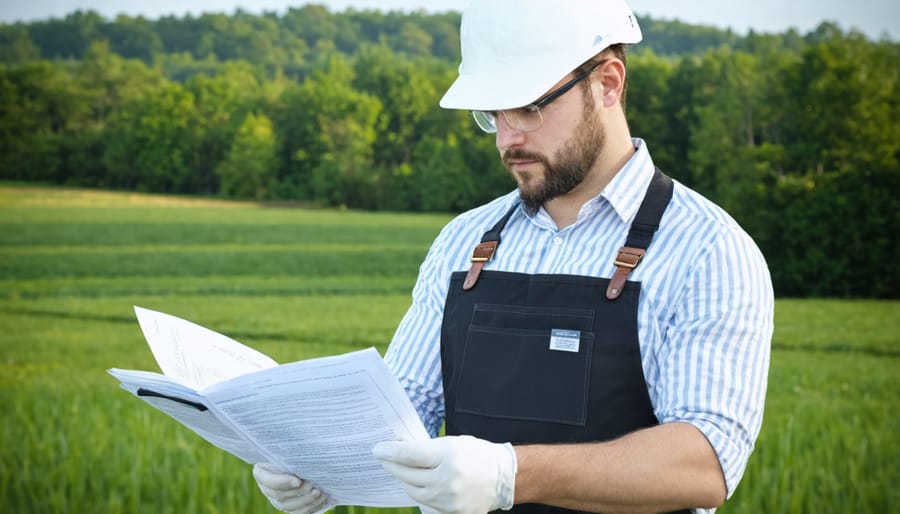
During the initial inspection, a USDA-accredited certifier will visit your farm to verify that your practices align with organic standards. The inspector will walk through your entire operation, examining your fields, storage areas, and processing facilities. They’ll review your record-keeping systems, including seed purchases, crop rotation plans, and pest management strategies.
Be prepared to show documentation of your inputs, including fertilizers and pest control products. The inspector will also evaluate your buffer zones, which protect organic crops from contamination by conventional farming practices on neighboring properties.
The inspection typically takes several hours, during which you’ll need to demonstrate your understanding of organic practices and how you implement them. Your inspector will verify that your actual practices match what you described in your Organic System Plan.
Take this opportunity to ask questions and learn from your inspector’s expertise. Many farmers find the inspection process to be educational and helpful in improving their organic farming practices. After the inspection, you’ll receive a report detailing any issues that need addressing before certification can be granted.
Final Review and Certification
Once all inspections and reviews are complete, the certifying agency will make their final determination. You’ll receive a detailed evaluation report outlining their findings, including any remaining issues that need addressing. If everything meets USDA organic standards, congratulations – you’ll be awarded your organic certification!
Your official USDA organic certificate will arrive with your operation’s name, certification number, and specific products or fields covered under the certification. This valuable document allows you to use the USDA organic seal on your products and marketing materials.
If any issues are identified, don’t worry – you’ll typically have the opportunity to make corrections within a reasonable timeframe. Many farmers successfully address these concerns through simple adjustments to their practices or documentation.
Remember that certification isn’t the end of your organic journey – it’s just the beginning! Your certificate is valid for one year, and you’ll need to complete annual renewal inspections to maintain your organic status. This ongoing process helps ensure the integrity of organic farming practices and builds trust with your CSA members and customers.
Maintaining Your Certification
Annual Updates and Inspections
Maintaining USDA organic certification requires ongoing commitment and regular oversight. Each year, certified operations must undergo an annual inspection and update their organic system plan to maintain their certification status. During these inspections, a USDA-accredited certifying agent reviews your crop rotation practices, pest management strategies, and record-keeping systems.
The annual update process involves submitting documentation of any changes to your farming practices, including new input materials, field expansions, or modifications to your handling procedures. You’ll need to maintain detailed records of all organic activities throughout the year, including planting dates, harvest records, sales documentation, and pest control measures.
Inspectors will visit your farm to verify compliance with organic standards, examining your fields, storage areas, and processing facilities. They’ll review your record-keeping systems and may collect soil or plant tissue samples for residue testing. Any non-compliances identified during the inspection must be addressed promptly to maintain certification.
To ensure a smooth annual renewal process, consider implementing a quarterly self-audit system to track compliance and maintain organized records. Many successful organic farmers use digital record-keeping tools specifically designed for organic certification maintenance, making the annual update process more efficient and less stressful.
Remember, maintaining open communication with your certifying agent throughout the year can help address potential issues before they become problems during your annual inspection.
Common Compliance Challenges
CSA farms often encounter several key challenges when maintaining their USDA organic certification. Record-keeping tends to be one of the biggest hurdles, as farmers must meticulously document everything from seed purchases to harvest dates and sales records. To address this, many successful CSA farmers implement digital tracking systems or dedicate specific times each week for documentation.
Crop rotation and soil management can also prove challenging, especially with limited land. Many CSA farms overcome this by implementing innovative companion planting strategies and utilizing cover crops during off-seasons. Creating detailed field maps and rotation schedules helps ensure compliance while maximizing growing space.
Pest management within organic guidelines requires creative solutions. Successful CSA farmers often integrate beneficial insects, implement physical barriers, and maintain habitat for natural predators. Building healthy soil and promoting biodiversity are key strategies for natural pest resistance.
Buffer zones between organic and conventional fields can be particularly tricky for smaller operations. Some farmers address this by planting tall barrier crops or establishing hedgerows that serve multiple purposes – protecting organic crops while providing habitat for beneficial insects.
Managing multiple varieties of crops, a common practice in CSA operations, can complicate certification compliance. Farmers often streamline this by grouping similar crops together and maintaining detailed planting schedules. Many find success by starting small with fewer varieties and gradually expanding their certified organic offerings as they become more comfortable with the requirements.

Cost Considerations
Fee Structure
The cost of USDA organic certification varies based on several factors, including your operation’s size, complexity, and location. For small farms with annual organic sales under $5,000, certification is optional, though you’ll still need to follow organic standards to use the term “organic.”
For most small to medium-sized farms, initial certification costs typically range from $700 to $1,500. This includes the application fee ($250-$500), site inspection fee ($300-$500), and annual certification fee ($200-$500). Larger operations may pay more, sometimes up to $2,500 or higher.
The good news? The USDA offers cost-share programs that can reimburse up to 75% of your certification costs, with a maximum of $750 per certification scope. Many states also provide additional support through grants and assistance programs for organic transition.
Additional costs to consider include soil testing ($30-$100 per sample), organic seeds (generally 20-100% more expensive than conventional), and record-keeping supplies. While these expenses may seem significant initially, many farmers report that the premium prices commanded by certified organic produce often offset the certification costs within the first year.
Remember to factor in annual renewal fees, which are usually lower than initial certification costs but still require budgeting consideration.
Financial Assistance Programs
The USDA recognizes that obtaining organic certification can be financially challenging for many farmers and offers several programs to help offset the costs. Through the Organic Certification Cost Share Program (OCCSP), producers can receive reimbursement for up to 75% of their certification costs, with a maximum of $750 per certification scope annually.
Many states also provide additional financial assistance programs to complement federal support. These programs may include grants, low-interest loans, and technical assistance specifically designed for organic farmers. Beginning farmers and small-scale operations often receive priority consideration for these programs.
For CSA farmers, the USDA’s Environmental Quality Incentives Program (EQIP) offers specific support for implementing conservation practices that align with organic standards. This program can help cover costs associated with soil testing, cover cropping, and other practices required for certification.
Local agricultural extension offices and organic farming organizations frequently provide free or low-cost workshops and consulting services to help farmers navigate the certification process. Some organizations even offer mentorship programs pairing experienced organic farmers with those pursuing certification, providing valuable guidance while keeping costs manageable.
Remember to check application deadlines and eligibility requirements, as these programs typically operate on an annual basis with limited funding availability.
Embarking on your USDA organic certification journey is a significant step toward sustainable agriculture and creating a positive impact on our food system. While the process may seem complex at first, breaking it down into manageable steps makes it more approachable and achievable.
Remember that successful organic certification requires careful planning, detailed documentation, and a commitment to organic principles. From initial preparation and choosing a certifying agent to implementing organic practices and maintaining compliance, each step builds upon the last to create a strong foundation for your organic operation.
The investment in organic certification can open doors to new markets, premium pricing, and a dedicated customer base that values sustainably produced food. Many farmers report that the process itself helps them become better stewards of their land and more efficient operators.
Don’t let the paperwork or requirements intimidate you. Resources and support are available through the USDA, certifying agents, and experienced organic farmers who have successfully navigated this path. Start by reviewing your current practices, gathering documentation, and reaching out to potential certifying agents.
Take the first step today toward joining the growing community of certified organic producers. Your journey not only benefits your operation but also contributes to a healthier environment and provides consumers with access to verified organic products they can trust.


