
Daily Archives

2 Articles

Fresh Winter Treasures: Your Complete January Farmers Market Shopping Guide

Posted by darrell on
0
Market Events and Community Engagement
Fresh Winter Treasures: Your Complete January Farmers Market Shopping Guide

Embrace the hidden bounty of January’s harvest at local winter farmers markets, where root vegetables, hardy greens, and storage crops offer surprising variety during the coldest month. From frost-sweetened parsnips and carrots to vibrant Swiss chard and kale surviving under row covers, January’s produce celebrates nature’s resilience. Despite winter’s grip, local farmers continue delivering fresh, nutritious options through innovative growing techniques and careful storage methods. These seasonal gems not only connect us to the natural growing cycle but also deliver peak nutrition and flavor when our bodies need it most. Whether you’re a seasoned market shopper or just beginning to explore seasonal eating, January’s offerings prove that eating locally remains possible – and delicious – even in the depths of winter.
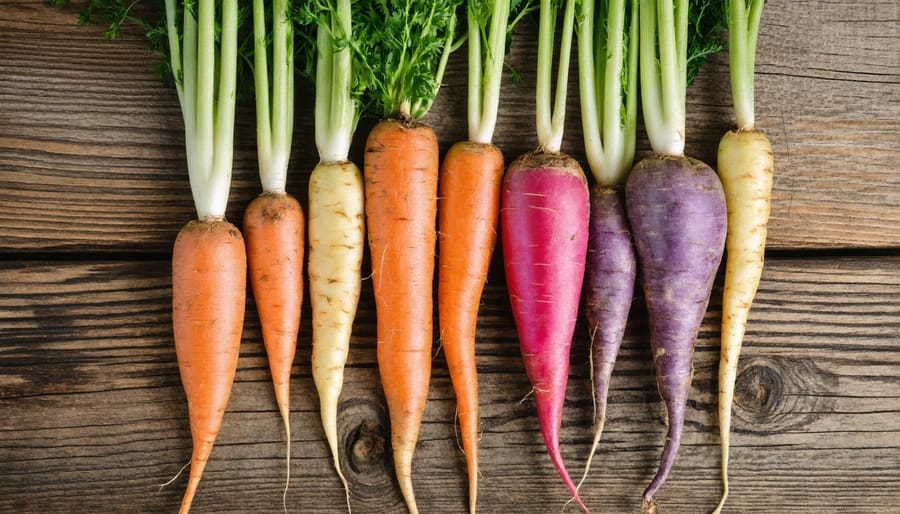
Fresh winter root vegetables including golden carrots, white parsnips, and purple-topped turnips
Colorful arrangement of winter root vegetables including parsnips, turnips, and carrots on a rustic wooden surface

Root Vegetables: Winter’s Underground Stars

Storage Champions

Root vegetables are the true champions of winter storage, providing local markets with fresh, nutritious options throughout January. Parsnips, with their sweet, nutty flavor, actually become sweeter after exposure to cold temperatures, making them a winter delicacy. These pale cousins of carrots can be stored for up to six months in cool, dark conditions.

Turnips and rutabagas are equally impressive storage veterans, lasting 4-5 months when properly stored. Their robust nature and versatility in cooking make them essential winter staples. Look for firm, heavy specimens without soft spots for the longest storage life.

Carrots deserve special mention, as they can maintain their crisp texture and sweet flavor for months when stored properly. Local farmers often keep them in sand-filled boxes in cool cellars, a traditional method that helps maintain optimal humidity levels.

Other storage superstars include celeriac, with its distinctive celery flavor, and sweet potatoes, which can last several months when kept in a cool, dry place away from light. These underground treasures provide essential nutrients and hearty flavors throughout the coldest months of the year.

Selection and Storage Tips

When selecting fresh produce in January, focus on root vegetables and winter greens. Look for firm, heavy root vegetables without soft spots or blemishes. Choose carrots and parsnips that are crisp and bright in color, avoiding any that are rubbery or have excessive cracks. For winter squash, select ones with intact stems and no soft patches.

Store root vegetables in a cool, dark place with good air circulation, ideally between 32-40°F (0-4°C). Most will keep for several weeks in your refrigerator’s crisper drawer. Remove leafy tops from carrots and beets before storing, as they draw moisture from the roots. Winter squash can be kept at room temperature in a dry area for up to three months.

For leafy greens like kale and Swiss chard, choose bunches with firm, deeply colored leaves free from yellowing or wilting. Store them wrapped loosely in slightly damp paper towels inside a plastic bag in the refrigerator. Most greens will stay fresh for about a week when stored properly.

Winter Greens That Thrive in Cold

Kale and Collards

Kale and collards truly shine during the cold winter months, proving themselves to be winter garden champions. These nutrient-packed greens actually become sweeter and more flavorful after exposure to frost, making January an ideal time to enjoy them. Both varieties are incredibly frost-resistant, often surviving temperatures well below freezing while maintaining their crisp texture and robust flavor.

Look for deep green, firm leaves without any yellowing or wilting. Smaller leaves tend to be more tender and less bitter, perfect for raw applications like salads. The larger, more mature leaves are excellent for cooking and hold up beautifully in soups and stews. Local farmers often offer several varieties, including Lacinato (Dinosaur) kale, curly kale, and Georgia collards.

To store these hardy greens, wrap them loosely in slightly damp paper towels and keep them in a plastic bag in your refrigerator’s crisper drawer. They’ll stay fresh for up to a week, though their vitamin content is highest when eaten within the first few days of harvest. For the best flavor and texture, remove the tough center stems before preparing, and massage kale leaves gently if eating them raw to help break down their fibrous structure.

Vibrant green bunches of kale and collard greens with frost-tipped leaves
Fresh bunches of frost-kissed kale and collard greens at a winter farmers market stall

Winter Lettuce Varieties

Even in the depths of winter, dedicated farmers continue to grow a variety of fresh, crisp lettuces using cold frames and greenhouses. These protective structures create micro-climates that shield tender greens from harsh winter conditions while allowing them to thrive in the limited sunlight.

Popular winter lettuce varieties include butter lettuce, which offers sweet, tender leaves perfect for delicate winter salads. The hardy ‘Winter Density’ romaine variety maintains its crunch despite cold temperatures, while red and green leaf lettuces add beautiful color to winter plates. Many farmers also grow microgreens and baby lettuce varieties, which mature quickly even in lower light conditions.

Local farmer Sarah Chen from Green Valley Farm shares, “We use row covers inside our greenhouse for extra protection on extremely cold nights. This allows us to harvest fresh lettuce throughout January, giving our market customers that summer-fresh taste even in winter.”

Look for lettuces with crisp, vibrant leaves and store them wrapped loosely in slightly damp paper towels in the crisper drawer. Most varieties will stay fresh for about a week when properly stored.

Storage Crops: Fall’s Bounty in January

Winter Squash and Pumpkins

Winter squash and pumpkins stored from fall harvests remain delicious well into January, offering rich nutrients and versatile cooking options. Common varieties available this month include butternut squash, with its sweet, nutty flesh; the compact and flavorful acorn squash; and the dense, creamy kabocha. These hardy vegetables can last several months when stored properly in a cool, dry place between 50-55°F.

Look for squash that feels heavy for its size and has a firm, unblemished rind. Small soft spots can quickly spread, so inspect carefully before purchasing. Most winter squash varieties will keep for 2-3 months when stored on a shelf or in a basket with good air circulation – avoid plastic bags which can trap moisture and lead to spoilage.

Local farmer tip: When selecting pumpkins for cooking, choose smaller sugar pie varieties over large carving types for better flavor and texture in your winter recipes.

Apples and Pears

Winter storage apples and pears are January staples, offering a delicious taste of local fruit even in the coldest months. These fruits are harvested in autumn but stored in temperature-controlled environments, allowing them to maintain their crisp texture and sweet flavors throughout winter. Look for hardy apple varieties like Braeburn, Fuji, and Pink Lady, which store exceptionally well. For pears, winter-friendly varieties include D’Anjou, Bosc, and Comice.

When selecting stored fruit, choose specimens that feel firm and heavy for their size, with no soft spots or bruising. The skin should be taught and unblemished. Store your apples and pears in the refrigerator’s crisper drawer, but keep them separate from other produce as they release ethylene gas, which can speed up ripening of nearby fruits and vegetables.

For the best flavor, bring cold storage apples to room temperature before eating. Pears should be allowed to ripen on the counter until they yield slightly to gentle pressure near the stem.
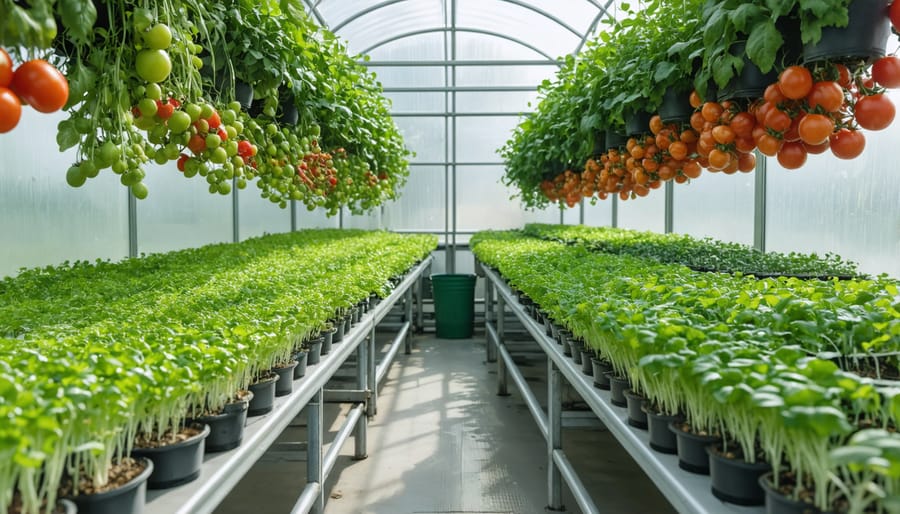
Modern greenhouse interior showing microgreen trays and hydroponic tomato cultivation
Indoor greenhouse setting with rows of microgreens and hanging tomato plants

Greenhouse and Indoor Growing

Microgreens and Sprouts

While outdoor growing may be limited in January, microgreens and sprouts offer a burst of fresh nutrients year-round. These indoor crops can be grown right on your kitchen counter, providing a sustainable source of fresh produce even during the coldest months.

Microgreens, the young seedlings of vegetables and herbs, pack a surprising nutritional punch – often containing up to 40 times more nutrients than their mature counterparts. Popular varieties include pea shoots, sunflower, radish, and mustard greens, each offering distinct flavors from mild to peppery.

Sprouts, including classics like alfalfa, mung bean, and broccoli sprouts, are another excellent indoor crop. They’re ready to harvest in just 3-7 days and require minimal equipment – just a jar, some cheesecloth, and daily rinsing.

Both options are perfect for adding fresh crunch to winter salads, sandwiches, and smoothies. Plus, growing these nutrient-dense crops at home reduces packaging waste and food miles while ensuring the freshest possible produce during the winter months.

Look for locally grown microgreens and sprouts at your winter farmers market, or try growing your own for a rewarding winter gardening project.

Greenhouse Tomatoes and Herbs

While outdoor growing may be limited in January, greenhouse cultivation keeps fresh produce flowing throughout winter. Local greenhouse growers maintain optimal conditions to produce flavorful tomatoes and aromatic herbs year-round. These protected environments typically maintain temperatures between 65-75°F, creating a Mediterranean-like microclimate even during the coldest months.

You’ll find several varieties of greenhouse tomatoes at winter markets, from juicy beefsteaks to sweet cherry tomatoes. These indoor-grown tomatoes often rival their summer counterparts in taste, thanks to carefully controlled growing conditions. Fresh herbs like basil, parsley, cilantro, and mint also thrive in greenhouse settings, providing essential flavors for winter cooking.

When selecting greenhouse produce, look for tomatoes with rich color and firm texture, and herbs with bright, crisp leaves. These products typically command higher prices than summer produce, but they’re worth the investment for adding fresh flavor to winter meals. Many local greenhouse growers use organic methods and sustainable practices, making these products both environmentally friendly and delicious alternatives to imported produce.

Making the Most of Your January Market Visit

Make your January market visits more rewarding by planning ahead and shopping smart. Start by arriving early when produce is freshest and vendors are most available to answer questions. Bring reusable bags and cash, as many small vendors prefer it.

Create a flexible meal plan that incorporates seasonal vegetables like root crops and winter greens. This allows you to take advantage of unexpected finds while ensuring you’ll use everything you buy. When shopping, look for bright, firm vegetables without soft spots or discoloration.

Don’t shy away from asking farmers about storage tips – they’re usually happy to share their expertise. Many winter vegetables store well in cool, dark places, so consider buying in bulk when prices are good. Some farmers offer winter CSA shares or bulk discounts, which can be excellent value.

Remember to pick up hearty cooking greens like kale and collards, which become sweeter after frost exposure. Also, look for stored apples and winter squash – these storage crops often maintain peak quality well into January when properly kept.

Finally, take time to build relationships with your local farmers. They can alert you to upcoming harvests and maybe even hold special items for regular customers.

Shopping seasonally in January not only ensures you get the freshest, most flavorful produce but also helps reduce your environmental impact and food costs. By choosing local winter vegetables and fruits, you’ll discover delicious new ingredients while helping to support local farmers during the challenging winter months. Visit your nearby farmers market to explore these seasonal treasures and become part of a more sustainable food system, one shopping trip at a time.

How the QC Community Foundation Is Transforming Local Food Systems Through CSA

Posted by darrell on
0
CSA Fundamentals and Benefits
How the QC Community Foundation Is Transforming Local Food Systems Through CSA

Transform your local food system by joining the QC Community Foundation’s groundbreaking community supported agriculture initiatives. Since 1964, this visionary organization has channeled over $25 million into sustainable farming projects, connecting farmers directly with families hungry for fresh, local produce. By bridging the gap between urban consumers and rural producers, the Foundation empowers both communities to thrive through innovative grant programs, educational workshops, and farmer mentorship opportunities.

Operating at the intersection of food security and community development, the QC Community Foundation serves as a vital catalyst for agricultural innovation across the region. Their signature Farm-to-Table Grant Program has launched 50+ successful farming enterprises, while their Youth in Agriculture initiative introduces the next generation to sustainable farming practices through hands-on training and apprenticeships. Whether you’re a budding farmer seeking startup support or a community member passionate about local food systems, the Foundation offers concrete pathways to strengthen our regional food security.

Diverse group of farmers harvesting seasonal produce from community-supported agriculture fields
Local farmers working in their CSA fields harvesting fresh vegetables

Building Stronger Communities Through CSA Partnerships

Grant Programs for Local Farmers

The QC Community Foundation’s grant programs serve as vital lifelines for local farmers, fostering sustainable partnerships between farmers and communities. Through their Agricultural Innovation Fund, farmers can access grants ranging from $2,500 to $10,000 to enhance their operations, implement sustainable farming practices, or expand their CSA programs.

These grants have helped numerous local farmers like Sarah Mitchell, who used the funding to install a solar-powered irrigation system, and Marcus Rodriguez, who established a greenhouse for year-round growing. The foundation also offers mentorship opportunities, connecting experienced farmers with newcomers to share knowledge and best practices.

Additional resources include educational workshops, equipment-sharing programs, and marketing support to help farmers build their customer base. The foundation’s commitment extends beyond financial assistance, creating a supportive ecosystem that encourages sustainable farming practices while ensuring fresh, local produce remains accessible to community members.

To apply for grants, farmers must demonstrate their commitment to sustainable practices and community engagement. Applications are accepted twice yearly, with deadlines in March and September.

Community Education Initiatives

The QC Community Foundation hosts a variety of educational workshops throughout the year, empowering local residents with sustainable agriculture knowledge and skills. Their flagship “Grow Your Own” workshop series teaches participants everything from soil preparation and composting to seed saving and organic pest management. These hands-on sessions take place at their demonstration garden, where experienced farmers share practical tips and real-world experience.

Local farmer Mary Johnson, who started with a backyard garden and now runs a successful urban farm, leads the popular “Urban Farming 101” course. This six-week program covers essential topics for aspiring farmers, including season extension techniques, water conservation, and small-scale organic farming methods.

The Foundation also partners with local schools to implement garden-based learning programs. Students get hands-on experience growing vegetables while learning about nutrition and environmental stewardship. Their youth summer program, “Farm to Future,” introduces teenagers to agricultural career paths through mentorship opportunities with established organic farmers.

For those interested in food preservation, monthly workshops teach canning, fermentation, and other traditional food storage methods, helping community members extend their harvest and reduce food waste.

Making Fresh Produce Accessible to All

Subsidy Programs for Low-Income Families

The QC Community Foundation offers several financial assistance programs to help make CSA memberships more accessible to low-income families, transforming community health through CSA participation. Through their Farm Share Support Program, eligible families can receive up to 75% off their CSA membership costs, making fresh, local produce more affordable.

Families earning below 185% of the federal poverty level can apply for subsidies during the annual enrollment period, typically running from January through March. The foundation also offers flexible payment plans and accepts SNAP/EBT benefits, allowing participants to spread costs throughout the growing season.

Additional support includes cooking classes, recipe guides, and food preservation workshops to help families make the most of their CSA shares. The foundation partners with local nutrition educators to provide these resources at no extra cost to subsidy recipients.

To apply, interested families can complete a simple online application or visit the foundation’s office for assistance. Bilingual staff members are available to help with the application process and answer questions about the program.

Partnership Success Stories

The Smith family’s urban farming initiative, supported by our foundation’s micro-grant program, has blossomed into a thriving community garden that now feeds over 50 local families. Through mentorship and resources provided by the foundation, they transformed an empty lot into a vibrant growing space that hosts weekly farmers’ markets and educational workshops.

Local entrepreneur Maria Rodriguez partnered with us to launch her organic honey business. With initial funding and business development support, her operation now supplies honey to three local schools and multiple restaurants while providing valuable pollination services to nearby farms.

The Youth Agriculture Program, another success story, has helped high school students like James Chen develop practical farming skills. James started with a small herb garden and now manages a quarter-acre plot, selling his produce at our weekly markets. His success inspired the school district to incorporate agricultural education into their curriculum.

These partnerships demonstrate how community support and sustainable agriculture can create lasting positive change in our region, improving both food security and economic opportunities for local residents.

Happy family picking up their weekly CSA vegetable share from a community center
Family receiving their CSA share at a local distribution point

Growing a Sustainable Future

Youth Agricultural Programs

The QC Community Foundation actively nurtures the next generation of farmers through comprehensive youth agricultural programs designed to inspire and educate. Students aged 12-18 can participate in hands-on farming experiences through the Young Farmers Initiative, where they learn essential skills from seasoned local farmers. This program includes practical workshops on organic growing methods, soil health management, and sustainable farming practices.

During summer months, the Foundation hosts week-long Agricultural Youth Camps, providing immersive experiences in farming, animal care, and farm-to-table food preparation. Participants engage in daily activities like planting, harvesting, and preparing healthy meals using fresh produce they’ve grown themselves.

The Foundation also partners with local schools to establish educational gardens, helping students understand the importance of local food systems and environmental stewardship. Through these school gardens, children develop practical skills while learning about nutrition, biodiversity, and sustainable agriculture.

Additionally, the Junior Farmer Mentorship Program pairs high school students with experienced organic farmers for year-round learning opportunities, creating pathways for future careers in agriculture.

Group of children participating in hands-on agricultural education program
Young students learning about sustainable farming in a community garden

Expanding Local Food Networks

The QC Community Foundation is taking bold steps to expand its CSA program, reaching more families and strengthening local food networks throughout the region. Building on the success of existing partnerships, the foundation plans to add five new farm collaborations in the coming year, potentially doubling the number of weekly produce shares available to community members.

To make fresh, local produce more accessible, the foundation is introducing a flexible payment system and expanding its subsidized share program for low-income families. The new “Pay What You Can” initiative ensures that financial constraints don’t prevent anyone from participating in the CSA program.

Education remains a cornerstone of expansion efforts, with monthly workshops connecting experienced farmers with aspiring growers. These sessions cover everything from seasonal planting schedules to sustainable farming techniques, fostering knowledge exchange and building a stronger agricultural community.

The foundation is also launching a mobile market program, bringing fresh produce directly to neighborhoods with limited access to healthy food options. This innovative approach combines traditional CSA distribution with the convenience of a traveling farmers market, making local food more readily available to all community members.

The QC Community Foundation has become a cornerstone of sustainable agriculture and community development in our region, touching countless lives through its innovative programs and unwavering commitment to local food security. Through partnerships with local farmers, educational initiatives, and grant programs, the foundation has helped create a more resilient and interconnected food system that benefits everyone in our community.

The impact of the foundation’s work can be seen in the thriving network of CSA programs, the increasing number of new farmers entering the field, and the growing awareness of sustainable agriculture practices among residents. From helping families access fresh, organic produce to supporting beginning farmers with crucial resources, the foundation continues to nurture positive change throughout our region.

You can become part of this transformative movement in several ways. Consider becoming a monthly donor to support ongoing programs, volunteer at foundation events, or participate in educational workshops. Farmers can apply for grants and mentorship opportunities, while community members can join CSA programs or attend seasonal farmers’ markets. For businesses, partnership opportunities are available to help expand the foundation’s reach and impact.

Together, we can build an even stronger, more sustainable local food system. Visit the foundation’s website or stop by their office to learn more about how you can contribute to this vital community resource.