Daily Archives

3 Articles

How Local Grocery Micro-Fulfillment Centers Are Revolutionizing Farm-to-Table Distribution

Posted by darrell on
0
Local Food Systems and Distribution
How Local Grocery Micro-Fulfillment Centers Are Revolutionizing Farm-to-Table Distribution

Revolutionize local food distribution with micro-fulfillment centers that transform vacant urban spaces into automated grocery hubs. These nimble facilities combine AI-powered robotics and smart storage systems to process orders 5-10 times faster than traditional warehouses, while operating within just 10,000 square feet. By bridging the gap between community-supported agriculture and modern commerce, micro-fulfillment centers enable same-day delivery of fresh, local produce to urban consumers. Small-scale farmers particularly benefit from these neighborhood-based distribution points, which reduce last-mile delivery costs by up to 75% while maintaining produce freshness through precise temperature control and inventory management. This technological revolution in grocery logistics doesn’t just optimize operations—it strengthens local food systems and makes sustainable, farm-fresh options more accessible to urban communities.

What Makes Micro-Fulfillment Different from Traditional Distribution

The Technology Behind Local Food Micro-Fulfillment

Modern micro-fulfillment centers are embracing smart systems in food distribution that make getting local produce to consumers faster and more efficient than ever. These compact facilities use a combination of automated storage systems, robotic picking arms, and intelligent inventory management software to handle fresh produce with care.

The heart of these centers features temperature-controlled zones that maintain optimal conditions for different types of produce. Smart sensors monitor humidity and temperature levels, ensuring that delicate greens stay crisp while root vegetables remain properly stored. Automated conveyor systems gently move products through the facility, while robotic picking systems select items with precision, reducing handling damage.

What makes these systems particularly special is their ability to learn and adapt. The software tracks seasonal availability, predicts demand patterns, and helps reduce food waste by optimizing inventory levels. For local farmers, this means their harvest reaches customers at peak freshness, while maintaining the personal connection that makes community-supported agriculture so special.

These technologies work quietly behind the scenes, supporting rather than replacing the human touch that makes local food systems unique.

Automated robotic system retrieving products from compact storage racks in a micro-fulfillment facility
Modern automated micro-fulfillment center with robotic picking systems and storage racks

Space-Efficient Storage Solutions

Micro-fulfillment centers employ innovative vertical storage systems and compact automation technology to make the most of limited urban spaces. These facilities typically utilize automated storage and retrieval systems (AS/RS) that can stack products up to the ceiling, maximizing vertical space that would otherwise go unused. Smart shelving systems with adjustable configurations adapt to varying product sizes, while mobile robots navigate narrow aisles to efficiently pick and pack orders. Some centers even incorporate temperature-controlled zones within the same compact footprint, allowing for the simultaneous storage of ambient, chilled, and frozen products. This space-efficient design enables these facilities to operate in urban locations closer to customers, reducing delivery times while maintaining a small physical footprint in densely populated areas.

Compact vertical storage system with organized bins of fresh local produce
Vertical storage solution showing efficient use of space with fresh produce bins
Farmer handing boxes of fresh vegetables to warehouse staff at micro-fulfillment facility
Local farmer delivering produce to micro-fulfillment center worker

Benefits for Local Farmers and CSA Programs

Reducing Food Waste Through Smart Inventory

Smart inventory management systems are revolutionizing how local farms and grocery fulfillment centers approach reducing food waste. These systems use artificial intelligence to track produce freshness, predict demand patterns, and optimize storage conditions in real-time.

By monitoring temperature, humidity, and ripeness levels, smart sensors help maintain ideal storage conditions for different types of produce. The technology also alerts staff when items are approaching their peak freshness, allowing for timely distribution and preventing spoilage.

Inventory management software creates detailed reports on seasonal patterns and customer preferences, helping farmers and fulfillment centers make data-driven decisions about harvest timing and storage quantities. This precision ensures that produce moves efficiently from farm to table, maximizing freshness while minimizing waste.

Local farmers like Sarah Chen from Green Valley Farm have reported up to 40% reduction in produce waste after implementing these systems. The technology helps them better match harvest schedules with customer demand, ensuring that fresh, local produce reaches consumers at peak quality while supporting sustainable farming practices.

Expanding Market Reach for Small Farms

Micro-fulfillment centers are revolutionizing how small farms connect with local consumers. By utilizing these compact, automated warehouses strategically placed throughout urban areas, farmers can now extend their reach beyond traditional farmers’ markets and CSA programs.

These facilities act as efficient distribution hubs where farmers can store their fresh produce in temperature-controlled environments, ensuring optimal freshness while serving a broader customer base. A single micro-fulfillment center can help multiple small farms pool their resources, sharing storage and delivery costs while maintaining the quality of their products.

Success stories like Green Acres Farm in Vermont showcase the impact of this technology. After partnering with a local micro-fulfillment center, they expanded their customer base by 300% in just six months. The farm now serves five times more families while reducing food waste and delivery costs.

For consumers, this means easier access to farm-fresh produce, often with same-day delivery options. Small farms can now compete more effectively with larger retailers while maintaining their commitment to sustainable, local agriculture. This technology bridges the gap between small-scale farmers and urban consumers, creating a more resilient local food system.

Real-World Success Stories

Several local food distribution initiatives have successfully implemented micro-fulfillment systems, transforming their operations and community impact. The Fresh Farm Collective in Portland, Oregon, converted a former warehouse into a smart distribution hub, reducing order processing time from 24 hours to just 2 hours. Their automated system now serves over 50 local farms and 2,000 weekly customers, with a 95% accuracy rate in order fulfillment.

In Minneapolis, the Urban Growers Cooperative launched a mobile micro-fulfillment center in 2021, using refrigerated pods and smart inventory management. This innovation allowed them to reduce food waste by 40% while expanding their delivery radius to serve food deserts in the metropolitan area.

The Bay Area Food Hub demonstrates how technology can support traditional farmers’ markets. Their hybrid model combines automated storage systems with personal shopping services, enabling them to process 500 custom orders daily while maintaining the authentic farmers’ market experience. Small-scale farmers report a 30% increase in revenue since joining the program.

Perhaps most inspiring is the success of Rural Routes Distribution in Vermont, which uses micro-fulfillment technology to connect remote farms with urban markets. Their network of small, automated fulfillment centers has helped 75 family farms reach new customers, resulting in a 60% increase in direct-to-consumer sales and creating 15 new local jobs.

These examples show how micro-fulfillment solutions can strengthen local food systems while supporting small-scale producers and improving community access to fresh, local food.

Grocery micro-fulfillment centers are revolutionizing local food distribution by bridging the gap between small-scale farmers and urban consumers. These innovative systems make fresh, locally grown produce more accessible while reducing transportation costs and environmental impact. As technology continues to advance, we can expect to see more efficient automation, improved inventory management, and faster delivery times. This evolution will particularly benefit small farms and CSA programs, allowing them to expand their reach without compromising product quality or freshness. The future of local food distribution looks promising, with micro-fulfillment centers playing a crucial role in creating more resilient and sustainable food systems that support both local economies and environmental stewardship. For communities embracing this technology, the result is fresher food, reduced waste, and stronger connections between producers and consumers.

Local Hydroponics Classes That Transform Your Growing Skills

Posted by darrell on
0
Educational Programs and Partnerships
Local Hydroponics Classes That Transform Your Growing Skills

Transform your gardening passion into practical skills through local hydroponics education programs designed for both beginners and experienced growers. Across the country, innovative learning centers, community colleges, and urban farming organizations now offer hands-on training in soil-free growing techniques, empowering students to master sustainable food production right in their communities.

Whether you’re looking to start a commercial operation or simply grow fresh herbs in your kitchen, these programs provide essential knowledge about nutrient management, system design, and crop selection. Most courses combine classroom instruction with practical experience, allowing students to build and maintain their own hydroponic systems while learning from experienced instructors.

Local hydroponics education creates a powerful foundation for future food security, offering practical solutions for urban agriculture and year-round growing. From weekend workshops to comprehensive certification programs, these learning opportunities connect you with like-minded individuals while developing valuable skills for modern farming.

Why Learn Hydroponics Through Local Programs

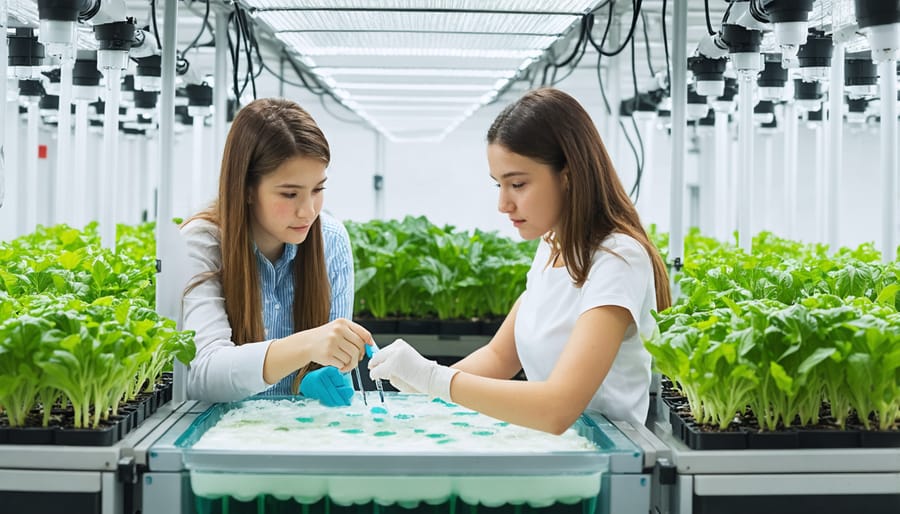
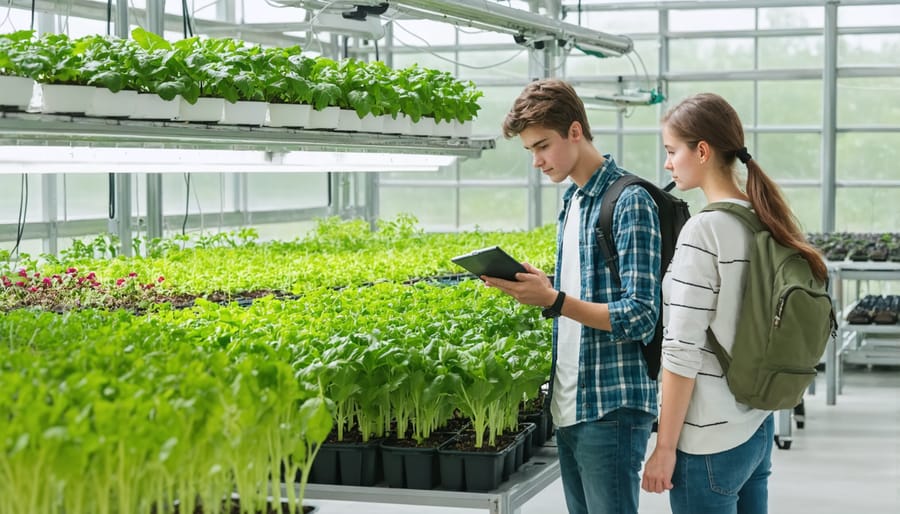
Students learning about hydroponics in a hands-on educational environment
A group of students examining hydroponic growing systems in a greenhouse classroom setting

From Hobby to Sustainable Business

Local hydroponics education programs are proving to be powerful stepping stones for hobbyists looking to transform their passion into profitable ventures. These hands-on learning experiences provide essential skills that bridge the gap between casual gardening and professional growing operations. Many participants have successfully transitioned into sustainable agriculture careers, particularly in the CSA market where demand for locally grown produce continues to rise.

Programs typically cover business planning, scaling operations, and market analysis alongside technical growing skills. Success stories include former program graduates who now operate thriving hydroponic CSAs, supplying fresh greens and herbs to local communities year-round. These educational initiatives often include mentorship opportunities, connecting aspiring farmers with experienced growers who can provide practical guidance on transitioning from hobby to business.

The structured learning environment helps participants develop realistic business models while avoiding common pitfalls, making the journey to professional growing more achievable and sustainable.

Community Learning Benefits

Learning hydroponics alongside local experts and fellow enthusiasts creates powerful learning experiences that go beyond what you can achieve through online courses alone. When you join a local hydroponics community, you gain access to seasoned growers who can share their practical insights, troubleshooting tips, and region-specific knowledge. These face-to-face interactions allow you to ask questions in real-time, observe successful growing systems firsthand, and build lasting connections with other gardening enthusiasts.

Community learning also opens doors to equipment sharing, produce swapping, and collaborative projects. Many participants find that the networking opportunities lead to mentorship relationships and even business partnerships. The shared excitement of watching plants grow and solving challenges together creates a supportive environment where both beginners and experienced growers can thrive. Plus, learning locally means you’ll discover growing techniques specifically adapted to your area’s climate and market conditions.

Finding Local Hydroponics Programs

Educational Institutions

Many community colleges and universities now offer comprehensive hydroponics programs, combining hands-on experience with academic learning. These institutions typically provide access to state-of-the-art growing facilities and experienced instructors who bring real-world expertise to the classroom.

For example, local agricultural extension programs often partner with universities to offer certificate courses in hydroponic farming. These programs usually run for 3-6 months and cover essential topics like nutrient management, system design, and crop selection. Students get practical experience maintaining actual hydroponic systems while learning about the business aspects of urban farming.

Technical schools and vocational institutes are also expanding their offerings to include specialized hydroponics training. These programs tend to be more hands-on and career-focused, perfect for those looking to start their own hydroponic operation or work in commercial facilities.

Many institutions offer flexible learning options, including evening classes, weekend workshops, and hybrid courses that combine online learning with in-person lab work. This makes it easier for working professionals to pursue hydroponics education while maintaining their current commitments.

Community Centers and Gardens

Community centers and public gardens across the country are increasingly offering accessible hydroponics education programs for local residents. These neighborhood hubs provide hands-on workshops and training that make learning about soil-less growing methods both fun and practical.

Many centers feature demonstration gardens where you can see working hydroponic systems in action. Experienced growers guide participants through system setup, plant care, and harvesting techniques. You’ll learn alongside other community members who share your interest in sustainable food production.

Local botanical gardens often partner with hydroponic experts to offer seasonal classes perfect for beginners. These programs typically include basic system construction, nutrient management, and tips for growing popular crops like lettuce, herbs, and tomatoes. Some locations even provide starter kits so you can begin your hydroponic journey right away.

Check your city’s parks and recreation department website or contact nearby community gardens to find programs in your area. Many offer free or low-cost options to make hydroponics education accessible to everyone interested in this innovative growing method.

What to Look for in a Hydroponics Program

Curriculum Essentials

Any comprehensive hydroponics education program should cover several fundamental topics to give you a solid foundation. You’ll start with basic plant science, learning about nutrient requirements, growth cycles, and photosynthesis. Understanding water chemistry is crucial, including pH levels, nutrient solutions, and water quality testing methods. The program should teach you about different hydroponic systems like NFT (Nutrient Film Technique), DWC (Deep Water Culture), and media-based setups.

Essential curriculum elements include lighting requirements, covering both natural and artificial light sources, and environmental control techniques for temperature, humidity, and ventilation. You’ll learn about seed starting, transplanting, and plant maintenance, along with pest management strategies specific to hydroponic environments.

Most quality programs incorporate hands-on components where you’ll practice system assembly, maintenance procedures, and troubleshooting common issues. You should also expect to learn about harvest timing, post-harvest handling, and basic business principles if you’re considering commercial applications. Food safety and sanitation protocols are typically covered as well, ensuring your hydroponic operation meets health standards.

Different types of hydroponic growing systems in an educational display
Various types of hydroponic systems displayed in an educational setting, including NFT, DWC, and vertical systems

Hands-on Experience

Hands-on experience is crucial when learning hydroponics, and most quality programs offer extensive practical training opportunities. You’ll get to work directly with real hydroponic systems, planting seeds, managing nutrient solutions, and monitoring plant growth. Many programs feature dedicated lab spaces where students can experiment with different growing techniques and troubleshoot common issues in a controlled environment.

Local community colleges and urban farming centers often provide access to commercial-grade equipment, allowing you to familiarize yourself with the same technology used in professional operations. During these practical sessions, you’ll learn essential skills like pH testing, system maintenance, and harvest techniques. Some programs even let students manage their own small hydroponic garden throughout the course.

The hands-on component helps solidify theoretical knowledge and builds confidence in working with hydroponic systems. Many successful hydroponic farmers credit their practical training experiences as the foundation for their current operations. Look for programs that offer at least 50% hands-on learning time to ensure you’re getting the most value from your education investment.

Hands-on training of nutrient management in hydroponics education
Student measuring pH and nutrient levels in a hydroponic solution while instructor guides

Getting Started with Your First Class

Getting started with your first hydroponics class is an exciting step toward sustainable growing! Begin by reaching out to your chosen program at least two weeks before the start date to secure your spot and gather essential information. Most programs offer flexible scheduling options, including weekend workshops and evening classes to accommodate various schedules.

Before your first class, prepare by gathering basic note-taking materials and wearing comfortable clothes you don’t mind getting slightly wet or dirty. Many programs provide all the necessary equipment, but it’s worth asking if there are any specific items you should bring.

To make the most of your learning experience, familiarize yourself with basic gardening concepts and hydroponics terminology. Don’t worry if you’re completely new to growing – instructors design these courses for beginners and will explain everything step by step.

Expect your first class to cover fundamentals like:
– Understanding different hydroponic systems
– Basic plant nutrition requirements
– Water quality management
– Essential equipment overview
– Safety protocols

Many students find it helpful to join online hydroponics communities or social media groups before starting classes. This allows you to connect with fellow learners and start building your support network early.

Remember to ask about hands-on opportunities during the program. The best learning comes from practical experience, and most courses include supervised time working with actual hydroponic systems. Some programs even offer mentorship opportunities or follow-up sessions after the initial course.

Take advantage of any course materials provided before class starts, and don’t hesitate to reach out to instructors with questions. Their goal is to help you succeed in your hydroponic growing journey!

Learning hydroponics through local education programs is an investment in your future and our planet’s sustainability. These hands-on courses offer invaluable knowledge, practical experience, and connections with like-minded individuals in your community. Whether you’re dreaming of starting a commercial operation or simply want to grow fresh produce at home, the skills you’ll gain from these programs can transform your approach to agriculture.

Don’t wait to start your hydroponics journey. Research the programs we’ve discussed, reach out to local instructors, and take that first step toward mastering soil-less growing. Remember, many facilities offer flexible scheduling and beginner-friendly options, making it easier than ever to fit this valuable education into your life.

Ready to grow? Contact your nearest hydroponics education center today and join the movement toward sustainable, efficient food production. Your journey into the future of farming starts here.

How Agroecosystems Transform Your Farm Into a Living Powerhouse

Posted by darrell on
0
Agroecology and Ecosystem Practices
How Agroecosystems Transform Your Farm Into a Living Powerhouse

An agroecosystem represents nature’s perfect blueprint reimagined through human ingenuity – a carefully orchestrated farming system where crops, livestock, and natural resources work in harmony to create sustainable food production. Unlike conventional farming, these dynamic agricultural environments mirror natural ecosystems while maximizing productivity through intentional design. Think of it as a living, breathing community where every element, from soil microorganisms to grazing animals, plays a vital role in maintaining balance and productivity.

Today’s farmers are increasingly embracing agroecosystem principles to create resilient farming operations that work with nature rather than against it. By understanding the intricate relationships between plants, animals, and their environment, they’re developing farming systems that require fewer external inputs while producing abundant, healthy food. These sustainable agricultural landscapes not only feed communities but also protect biodiversity, improve soil health, and help combat climate change through enhanced carbon sequestration.

What Makes an Agroecosystem Tick?

The Living Web: Core Components

An agroecosystem thrives through the intricate interactions of its core living components. At its heart are the plants, both cultivated crops and natural vegetation, which form the foundation of agricultural production. These plants work in harmony with diverse animal species, from livestock to beneficial insects that aid in pollination and pest control.

Beneath the surface, a complex network of soil microorganisms plays a crucial role. These tiny but mighty workers break down organic matter, cycle nutrients, and maintain soil health. Beneficial bacteria and fungi form partnerships with plant roots, enhancing nutrient uptake and building soil structure.

Human management ties these elements together through thoughtful practices like crop rotation, composting, and integrated pest management. Successful farmers act as stewards, carefully balancing these living components to create a productive and sustainable system. For example, rotating grazing animals helps maintain healthy pastures while their manure feeds the soil microbes, creating a natural cycle of renewal.

Understanding and working with these living components, rather than against them, is key to maintaining a healthy agroecosystem that can provide food while supporting biodiversity and ecological health.

Infographic illustrating the relationships between different components in a farm ecosystem
Diagram showing interconnected components of an agroecosystem including plants, animals, soil microbes, and energy flows

Natural Cycles at Work

In a thriving agroecosystem, natural cycles work together like a well-orchestrated dance. Nutrients flow through the system as plants take up minerals from the soil, animals graze on the plants, and their waste returns valuable organic matter back to the earth. This continuous cycle helps maintain soil fertility without relying heavily on external inputs.

Water plays a crucial role, and implementing efficient water management practices ensures that every drop counts. Natural water cycles include rainfall absorption, groundwater recharge, and transpiration through plants, creating a sustainable loop that supports crop growth and livestock needs.

Energy flows through the system starting with sunlight, which plants capture through photosynthesis. This energy then moves through the food chain, from plants to herbivores to decomposers. Each organism plays a vital role in maintaining the balance, from beneficial insects pollinating crops to soil microorganisms breaking down organic matter.

Understanding and working with these natural cycles helps farmers create more resilient and sustainable agricultural systems while reducing the need for artificial inputs.

Livestock’s Role in Your Farm’s Ecosystem

Natural Fertilization and Soil Health

Livestock play a vital role in maintaining healthy agroecosystems through their natural contributions to soil fertility and regeneration. When animals graze, they contribute to the ecosystem in multiple ways that benefit soil health. Their hooves naturally aerate the soil as they move, breaking up compacted areas and creating small pockets that help water and nutrients penetrate deeper into the ground.

The manure from grazing animals is nature’s perfect fertilizer, rich in nitrogen, phosphorus, and essential micronutrients. As livestock move across pastures, they distribute these nutrients evenly, creating a natural fertilization system that enriches the soil. This process also introduces beneficial microorganisms that help break down organic matter and improve soil structure.

Rotational grazing practices enhance these benefits by allowing periods of rest between grazing sessions. During these rest periods, plant roots grow deeper, soil organisms multiply, and organic matter builds up. Many farmers have found that incorporating livestock into their farming system reduces or eliminates the need for synthetic fertilizers while improving soil quality year after year.

The symbiotic relationship between grazing animals and soil health demonstrates nature’s elegant design, where each component supports the others in a sustainable cycle of growth and renewal.

Grazing as an Ecosystem Service

Grazing animals play a vital role in maintaining healthy agroecosystems when properly managed. Through managed grazing practices, farmers can enhance plant diversity, improve soil health, and boost overall ecosystem function.

When livestock graze, they naturally cycle nutrients through their manure, making essential elements more available to plants. Their hooves help work organic matter into the soil and create small disturbances that allow seeds to establish. This interaction promotes the growth of diverse plant species and helps maintain a balanced ecosystem.

Well-managed grazing also prevents the dominance of any single plant species, which can lead to more resilient pastures. Animals selectively graze certain plants while leaving others, creating varied vegetation heights and natural patterns that benefit wildlife and insects. These microhabitats support beneficial organisms like pollinators and natural pest controllers.

Additionally, grazing animals help reduce fire risk by keeping plant growth in check and breaking down dead vegetation. They can also aid in weed control when moved strategically through pastures, reducing the need for chemical interventions.

For farmers, these ecosystem services translate to reduced input costs, improved pasture productivity, and more sustainable operations. Many successful farmers have found that working with nature through strategic grazing leads to healthier land and more profitable farms.

Cattle grazing in a biodiverse pasture showing healthy soil and plant integration
Cattle grazing in a diverse pasture with visible soil improvement patterns

Putting It All Together: Creating Balance

Seasonal Planning and Rotation

Successful agroecosystem management hinges on thoughtful seasonal planning and strategic rotation of livestock. Throughout the year, farmers need to adapt their practices to match natural cycles and changing weather patterns, ensuring both land and animals remain healthy and productive.

During spring, farmers typically begin by assessing pasture conditions and planning grazing schedules. This is when many introduce young animals to fresh pastures, taking advantage of rapid grass growth. A popular approach is to divide larger pastures into smaller paddocks, allowing for controlled rotational grazing that prevents overgrazing and promotes soil health.

Summer management focuses on preventing heat stress in livestock while maintaining pasture quality. Many farmers implement shade rotation strategies, moving portable shelters or utilizing natural tree lines to protect animals while preventing soil compaction in shaded areas. They also ensure adequate water distribution across grazing areas.

Fall brings preparation for winter, with farmers stockpiling forage and adjusting rotation schedules as grass growth slows. This season is crucial for assessing pasture recovery and planning winter feeding stations. Some farmers plant cover crops in rested paddocks to improve soil fertility and provide additional winter forage.

Winter rotation strategies often involve moving feeding areas to distribute nutrients evenly across fields through manure. Smart farmers use this slower season to analyze their rotation records and plan improvements for the coming year. They might also implement sacrifice areas to protect main pastures during wet or frozen conditions.

Success story: Local farmer Sarah Miller increased her pasture productivity by 40% after implementing a seasonal rotation plan that matched her cattle’s grazing patterns to natural grass growth cycles.

Four-panel image showing the same pasture across different seasons with varying livestock rotation patterns
Split-view showing seasonal rotation patterns in a managed grazing system

Monitoring and Adjusting

Successful agroecosystem management requires regular monitoring and thoughtful adjustments to maintain optimal health and productivity. Farmers and gardeners should establish a consistent observation schedule, taking note of key indicators like soil quality, plant vigor, pest presence, and beneficial insect populations.

Regular soil testing is essential, ideally conducted seasonally or at least annually. This helps track nutrient levels, organic matter content, and pH balance, allowing for timely amendments when needed. Keep detailed records of test results to identify trends and patterns over time.

Visual inspection of plants provides immediate feedback about system health. Look for signs of stress, nutrient deficiencies, or disease. Healthy plants typically display vibrant colors, strong growth, and resistance to pests. Document any issues you observe, including photographs when possible.

Biodiversity monitoring is another crucial aspect. Count and identify the various species present, including insects, birds, and other wildlife. A diverse ecosystem generally indicates good system health. Pay special attention to beneficial insects like pollinators and natural predators that help maintain pest control.

When adjustments are needed, start with small changes and observe their effects before making larger modifications. This might include:
– Adjusting irrigation schedules
– Modifying crop rotation patterns
– Introducing new companion plants
– Adding organic amendments to soil
– Implementing natural pest management strategies

Remember that agroecosystems are dynamic, and what works one season might need adjustment the next. Stay flexible and responsive to changing conditions while maintaining detailed records of all modifications and their outcomes.

Understanding and implementing agroecosystem principles is a transformative step toward creating more sustainable and resilient farming systems. As we’ve explored, agroecosystems represent the delicate balance between agricultural production and natural ecosystem processes, offering a framework for farmers and gardeners to work in harmony with nature rather than against it.

By adopting agroecosystem practices, you can contribute to biodiversity conservation, improve soil health, and create more productive farming environments. Whether you’re managing a small garden or operating a large farm, the principles remain the same: focus on diversity, encourage natural pest control, maintain soil fertility through organic methods, and promote beneficial relationships between different components of your agricultural system.

Success stories from farmers worldwide demonstrate that agroecosystem management leads to increased yields, reduced input costs, and greater environmental sustainability. Take inspiration from these examples and start small – perhaps by introducing companion planting in your garden or establishing habitat corridors for beneficial insects.

Remember, every step toward agroecosystem implementation, no matter how small, contributes to a more sustainable future for agriculture. By understanding and working with natural processes, we can create farming systems that not only feed communities but also preserve and enhance the environment for generations to come. The journey toward sustainable agriculture begins with understanding agroecosystems and taking action in our own growing spaces.