
The Real People Behind Your Farm-to-Table Meal (And Why Their Stories Matter)
 darrell on
Every bite you take connects you to someone’s labor story—and behind your fresh tomatoes, leafy greens, and crisp carrots are real people whose working conditions vary dramatically from farm to farm. The farm-to-table movement has revolutionized how we think about food quality and environmental impact, yet the human element often remains invisible on our plates.
Labor farming examines the critical intersection between agricultural work and human dignity. While industrial agriculture frequently relies on exploitative practices—including poverty wages, unsafe working conditions, and limited legal protections—a growing network of ethical farms demonstrates that food production can honor both land and laborers. These operations prove that fair wages, safe environments, and respectful treatment aren’t luxury add-ons but essential ingredients in truly sustainable agriculture.
Understanding labor justice transforms you from passive consumer to informed advocate. When farms provide living wages, health benefits, and safe working conditions, they create ripple effects throughout entire communities. Workers gain financial stability, families thrive, and local economies strengthen. The slightly higher price you might pay for ethically produced food directly funds human dignity—supporting parents who can afford quality housing, children who can pursue education, and communities that flourish rather than merely survive.
This guide equips you with practical knowledge to identify farms committed to fair labor, understand what genuine justice looks like in agricultural settings, and make purchasing decisions that align with your values while supporting the people who grow your food.
What Is Labor Farming and Why Should You Care?
When you bite into that fresh heirloom tomato or savor locally grown strawberries, you’re probably thinking about flavor, nutrition, and supporting local agriculture. But there’s an important part of the stories behind your food that often remains invisible: the hands that planted, tended, and harvested your meal.
Labor farming refers to the systems and practices farms use to source, manage, and compensate their agricultural workers. While the term sounds neutral, it often describes exploitative arrangements where workers face low wages, unsafe conditions, limited legal protections, and little control over their circumstances. This reality exists in stark contrast to the wholesome, picturesque farm-to-table narrative many of us envision.
Understanding labor farming matters because every purchase you make either supports or challenges these systems. The organic lettuce in your basket might be pesticide-free, but was it harvested by someone earning a living wage? That beautiful farmers market display represents countless hours of backbreaking work, but are those workers treated with dignity and respect?
As conscious consumers, we often focus on what our food choices mean for our health and the environment. These considerations are important, but they tell an incomplete story. True sustainability must include the well-being of farmworkers who make our food system possible. When farms cut corners on labor practices, they’re essentially passing hidden costs onto vulnerable workers.
The good news? You have more power than you might think. By learning to recognize fair labor practices and supporting farms committed to justice, you can help create positive change. Understanding labor farming isn’t about judgment or guilt; it’s about making informed choices that align with your values and supporting a food system that nourishes everyone involved, from soil to table.
The Hidden Reality of Farm Labor in America
Beyond the Pastoral Image
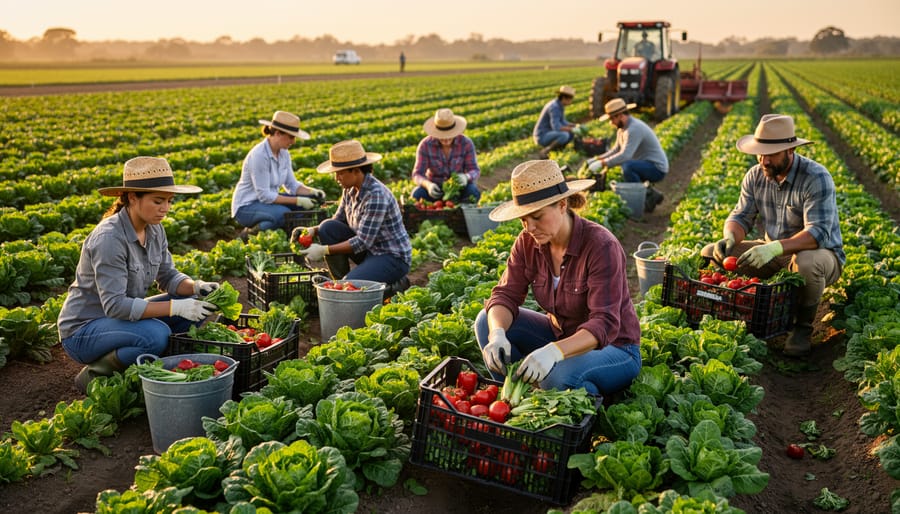
The picturesque images of farmers tending sun-drenched fields tell only part of the story. While these marketing photos capture genuine moments of agricultural beauty, they often obscure the challenging realities many farm workers face daily.
Seasonal workers, who make up a significant portion of the agricultural workforce, frequently navigate unstable employment that shifts with harvest cycles. Many positions offer no health insurance, paid time off, or retirement benefits. This creates particular hardship for families who depend on farming income year-round but find work available only during peak growing seasons.
Power dynamics present another layer of complexity. Workers in remote rural areas may have limited employment options, making it difficult to advocate for better conditions without risking their livelihoods. Language barriers and immigration status can further complicate these relationships, leaving some workers vulnerable to exploitation.
Understanding these challenges helps us appreciate farms that prioritize fair labor practices. Some inspiring farmers are creating models that include year-round employment, profit-sharing arrangements, and comprehensive benefits packages. These operations demonstrate that ethical treatment and agricultural success can coexist beautifully.
By recognizing both the struggles and the solutions, we can make purchasing decisions that support genuinely sustainable farming systems where both land and people thrive together.
The Migrant Worker Experience
Behind every harvest lies a workforce that often remains invisible to consumers. Migrant and immigrant farmworkers form the backbone of our food system, yet they face extraordinary challenges that many of us never consider when selecting produce at the market.
Language barriers frequently prevent these workers from understanding their rights, accessing healthcare, or reporting unsafe conditions. Many arrive in rural areas speaking languages that local support services don’t accommodate, creating isolation that extends beyond communication. This disconnect makes it difficult for workers to advocate for themselves or seek help when facing exploitation.
Legal vulnerabilities compound these challenges. Workers with temporary visas or uncertain immigration status may fear reporting violations, knowing that speaking up could jeopardize their employment or residency. This power imbalance leaves many susceptible to wage theft, unsafe working conditions, and substandard housing.
Geographic isolation further separates farmworkers from community resources, medical facilities, and social networks. Living in remote farm quarters without reliable transportation limits access to essential services and deepens feelings of disconnection.
Understanding these realities helps us appreciate why supporting farms with strong labor protections matters so profoundly. When we choose producers committed to fair wages, safe conditions, and worker dignity, we’re investing in a more just food system that honors everyone who brings food to our tables.
What Fair Food Labor Justice Actually Looks Like
Living Wages and Benefits That Matter
A living wage in agriculture goes beyond minimum wage requirements—it means workers can afford housing, food, healthcare, and savings in their local communities. According to the MIT Living Wage Calculator, this typically ranges from $15 to $25 per hour depending on the region, significantly higher than what many farmworkers traditionally earn.
Progressive farms are changing this narrative. Green Acres Farm in Vermont offers all full-time employees health insurance coverage, two weeks paid vacation, and contributes 3% to retirement accounts. Similarly, Harmony Valley Farm in Wisconsin provides paid sick leave and profit-sharing bonuses during strong harvest seasons. These benefits, standard in many industries but rare in agriculture, help reduce worker turnover and build experienced, dedicated teams.
Some farms creatively address housing challenges by offering on-site accommodations at reduced rates or partnering with local organizations for affordable housing access. Others provide childcare assistance, recognizing that family support is crucial for retention.
When you purchase from farms prioritizing fair compensation and benefits, you’re voting with your dollars for dignified work conditions. Ask farmers at your local market about their labor practices—ethical employers are usually proud to share their commitment to worker wellbeing.
Worker Voice and Empowerment
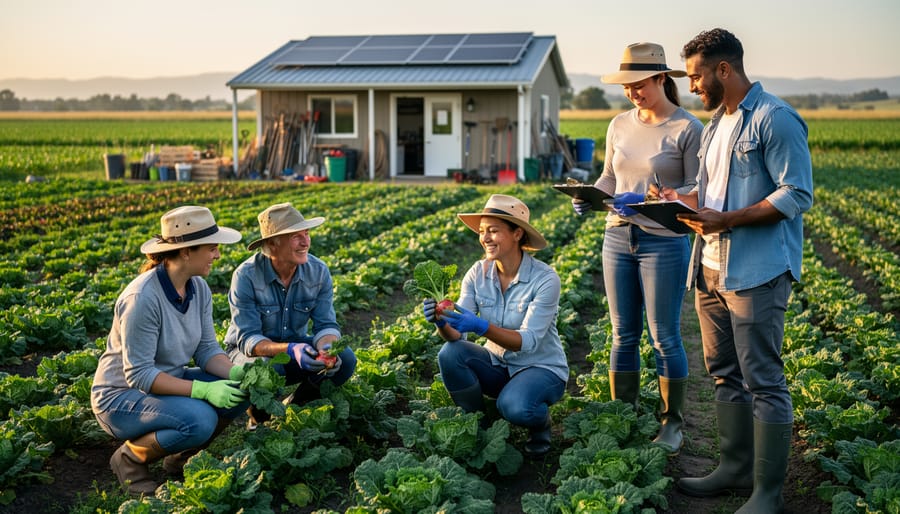
When farms genuinely value their workers, everyone benefits. Progressive farms are breaking the traditional hierarchy by bringing workers into decision-making processes, from crop planning to harvest schedules. This approach recognizes that the people working closest to the land often have invaluable insights about soil health, pest management, and efficient practices.
Many forward-thinking operations invest in worker development through bilingual training programs covering everything from organic certification standards to equipment operation and safety protocols. These opportunities help workers build skills that increase their value and open doors to advancement.
Perhaps most exciting are the pathways some farms create toward ownership and leadership. Worker cooperative models, like those emerging across California and the Northeast, allow farmworkers to become stakeholder-owners over time. Other farms offer management training programs that prepare experienced workers to oversee operations or even lease land to start their own enterprises.
One inspiring example comes from a Vermont vegetable farm where three former field workers now manage different production areas, making independent decisions about their crops. The farm owner credits this empowerment model with boosting both productivity and worker satisfaction while creating a more resilient business overall. These success stories demonstrate that investing in worker voice isn’t just ethically right—it’s smart farming.
Safe Working Conditions and Dignity
When we talk about ethical labor farming, the foundation starts with meeting basic human needs without compromise. Farm workers deserve access to shade during hot days, clean drinking water throughout their shifts, and proper restroom facilities. These aren’t luxuries—they’re fundamental requirements for human dignity.
Protective equipment matters too. Workers handling pesticides, operating machinery, or performing physically demanding tasks need appropriate gear to stay safe. Farms committed to labor justice invest in quality boots, gloves, hats, and any specialized equipment their team needs.
Beyond physical provisions, respectful treatment creates a positive work environment. This means fair scheduling, regular breaks, clear communication, and addressing worker concerns promptly. Some inspiring farmer success stories show how treating employees with dignity leads to lower turnover, higher productivity, and stronger farm communities. Workers who feel valued bring their best to the fields, which ultimately benefits everyone—from the farmers to the families enjoying fresh, sustainably grown produce at their dinner tables.
Success Stories: Farms Getting It Right
Across North America, progressive farms are proving that fair labor practices and profitability can go hand in hand. These operations demonstrate that treating workers with dignity isn’t just the right thing to do—it’s smart business.
At Full Belly Farm in California’s Capay Valley, owners Dru Rivers, Paul Muller, Judith Redmond, and Andrew Brait have built a thriving 400-acre organic operation around worker empowerment. Their crew members receive competitive wages starting well above minimum wage, comprehensive health insurance, and paid vacation time. But what sets Full Belly apart is their commitment to year-round employment, which provides stability rare in agricultural work. “When workers know they have consistent income and benefits, they invest in the farm’s success,” explains Muller. The farm also provides housing assistance and English language classes, creating pathways for advancement. This approach has resulted in remarkably low turnover, with many employees staying for over a decade. The institutional knowledge and dedication this creates translates directly to higher quality produce and stronger local food partnerships with restaurants and CSA members who value the farm’s ethical foundation.
On the East Coast, Wellspring Farm in Vermont takes a different but equally compelling approach. This 140-acre vegetable farm operates as a worker cooperative, where employees have ownership stakes and decision-making power. Farm manager Sarah Webb notes that this model addresses power imbalances inherent in traditional agricultural operations. “Our workers aren’t just following orders—they’re invested stakeholders who share in profits and have voices in farm direction,” she says. The cooperative structure has attracted skilled, committed workers willing to tackle the challenges of northeast farming. Workers earn living wages, receive profit shares, and participate in quarterly planning meetings. The model has proven economically sustainable, with the farm serving 200 CSA members and multiple wholesale accounts.
Meanwhile, Gaining Ground Farm in Massachusetts demonstrates fair labor practices within an educational framework. This nonprofit farm pays interns and apprentices actual wages rather than offering unpaid “learning experiences.” Executive Director Sarah Smith explains: “Education doesn’t justify exploitation. Our apprentices earn $15-18 per hour while learning organic techniques.” This approach attracts diverse candidates who couldn’t otherwise afford agricultural training, strengthening the sustainable farming movement’s future workforce while maintaining a successful operation that donates thousands of pounds of produce annually to local food pantries.
How to Support Fair Labor as a Consumer
Questions to Ask Your CSA or Farmers Market Vendor
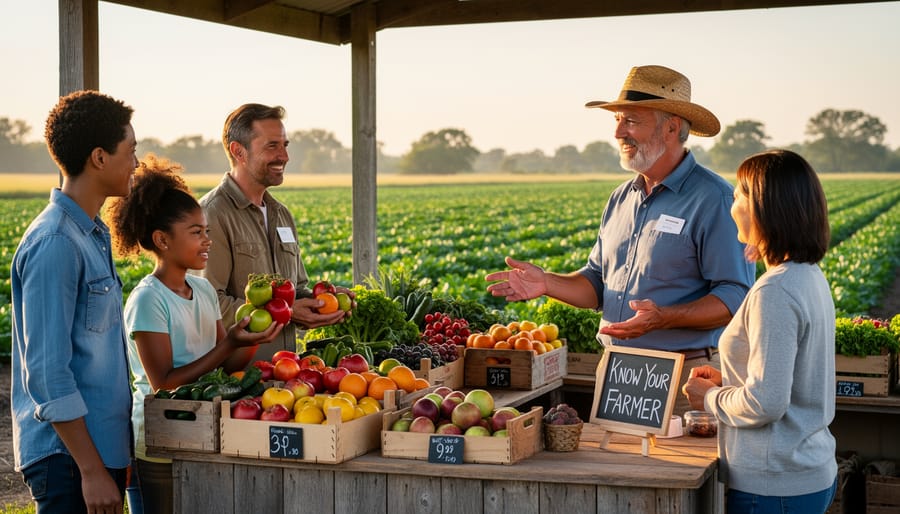
Starting a conversation about labor practices doesn’t have to feel awkward. When you visit farms directly or chat with vendors at farmers markets, try these friendly questions:
“How many people work on your farm during peak season?” Listen for answers that acknowledge seasonal workers and their contributions, not just family members.
“Do you offer housing for your workers?” Fair farms often provide quality accommodations or housing stipends for employees who need them.
“What’s your approach to worker training and safety?” Look for enthusiasm about training programs and clear safety protocols.
“How do you handle extreme weather days?” Ethical operations have policies protecting workers during heat waves or storms.
“Do your workers have access to benefits?” While small farms may not offer full benefits, listen for efforts like paid time off or healthcare contributions.
The best answers show genuine respect for farm workers and acknowledge them as essential team members. Farmers who practice labor justice are usually proud to discuss their practices and appreciate your interest in supporting fair food systems.
Certifications and Programs That Verify Fair Labor
When shopping for produce, look for certifications that guarantee farms treat their workers fairly. The Fair Food Program stands out as a worker-centered initiative where farmworkers help design the standards themselves. Participating farms commit to fair wages, humane working conditions, and zero tolerance for abuse. You’ll find their seal on tomatoes, peppers, and strawberries from cooperating growers.
The Agricultural Justice Project certification covers both labor rights and fair pricing for farmers. Their standards include living wages, safe working conditions, and the right to organize. Food Justice Certified products meet these rigorous requirements.
Other reliable certifications include Equitable Food Initiative, which combines worker training with third-party audits, and Certified Humane, which extends ethical standards beyond animal welfare to farm labor. Some smaller farms participate in regional programs or adopt transparent practices verified through community-supported agriculture models.
These certifications aren’t perfect, but they provide a meaningful starting point for aligning your purchases with your values. By choosing certified products, you’re voting with your dollar for a food system that respects the people who grow your food.
Beyond Your Purchasing Power
Your voice matters even when your wallet has limits. Support farm labor justice by attending farm community events where you can learn workers’ stories firsthand. Contact local representatives to advocate for fair wage policies and stronger protections for agricultural workers. Share articles and documentaries about farm labor conditions on social media to raise awareness. Join community organizations working toward food justice, volunteer your time, or donate to farmworker advocacy groups. Small actions create meaningful change when we stand together for the people who nourish our communities.
When we embrace the farm-to-table movement, we’re celebrating more than fresh vegetables and sustainable soil practices—we’re honoring the hands that cultivate our food. True farm-to-table values extend from seed to harvest to the people who make it all possible. Every purchase is a vote, and choosing to support farms committed to fair labor practices creates ripples of positive change throughout our food system.
The good news? A growing movement of farmers, consumers, and advocates are proving that ethical agriculture isn’t just idealistic—it’s achievable. From Fair Food certified farms to community-supported agriculture programs prioritizing worker welfare, models for justice-centered farming are taking root across the country. These pioneers demonstrate that when we prioritize human dignity alongside environmental stewardship, everyone benefits: workers receive fair treatment, farmers build stronger communities, and consumers gain connection to food grown with integrity.
As you explore your local farmers market or choose where to shop, remember that sustainable agriculture encompasses both land and labor. Your conscious choices help cultivate a future where farming nourishes both soil and soul.