
Why Your Local Farm’s Food Safety Matters More Than You Think
 darrell on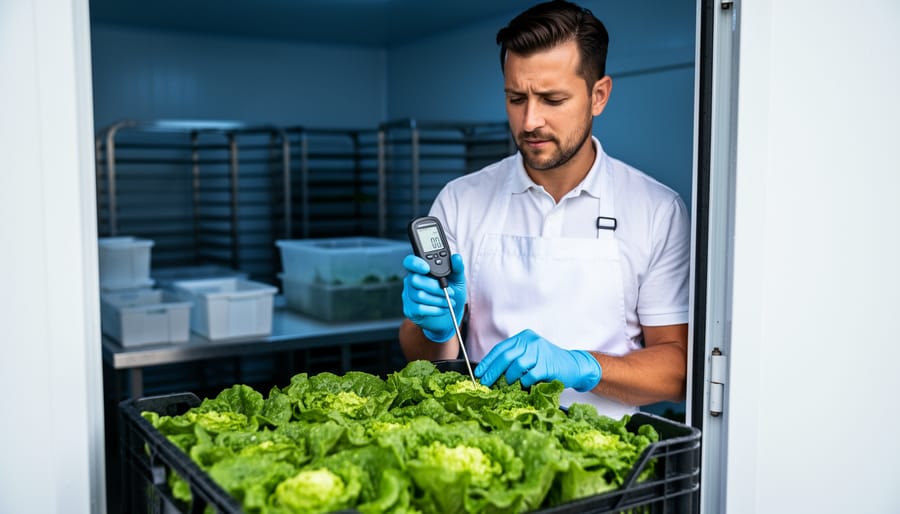
Implement daily temperature monitoring for refrigerated storage, keeping produce between 34-38°F to slow bacterial growth and extend shelf life. This simple habit protects your harvest and builds customer confidence in your food safety practices.
Establish a traceability system that tracks each product from field to delivery, documenting harvest dates, storage conditions, and handling procedures. Even a basic notebook system allows you to quickly identify and address any quality concerns that arise in your CSA operations or farmers market sales.
Train everyone who touches your produce in proper washing and sanitizing techniques, using food-grade cleaning solutions and preventing cross-contamination between harvesting tools, storage containers, and transport vehicles. Your team becomes your first line of defense against foodborne illness.
Create visual quality standards for each crop you grow, photographing what meets your standards versus what should be culled or processed differently. This removes guesswork and ensures consistent quality that keeps customers returning week after week.
Quality food control isn’t about complicated regulations or expensive equipment. It’s about building systematic habits that protect the nutritious, fresh food you’ve worked hard to grow. Small-scale producers and local food advocates face unique challenges in maintaining safety standards without the infrastructure of large operations, but simple, consistent practices create the foundation for thriving local food systems. When you demonstrate reliable quality control, you’re not just protecting public health but strengthening the entire local food movement by proving that sustainable agriculture meets the highest safety standards while delivering superior flavor and nutrition.
What Quality Food Control Really Means for Small-Scale Farms
The Three Pillars of Farm-Level Quality Control
Quality control at the farm level doesn’t need to feel overwhelming. Think of it as three interconnected pillars that work together to ensure your harvest reaches customers in pristine condition.
The first pillar, field practices, starts long before you pick your first tomato. This includes soil health management, proper irrigation timing, and integrated pest management strategies. Sarah Chen, who runs Meadow Brook Farm, discovered that rotating her crops and introducing beneficial insects reduced disease pressure by 60 percent while improving overall vegetable quality. Regular field monitoring helps you catch potential issues early, whether it’s nutrient deficiencies showing up in leaf color or pest populations beginning to build.
The second pillar focuses on harvest handling, which is where many quality issues actually occur. Harvest during cooler morning hours when possible, as produce picked in peak heat deteriorates faster. Use clean containers, handle everything gently to prevent bruising, and move harvested items into shade immediately. Even something as simple as padding the bottom of harvest bins with towels can reduce damage significantly.
The third pillar involves post-harvest management. This means cooling your harvest quickly, maintaining proper storage temperatures, and washing produce with clean water. For CSA operations, this stage also includes careful packing and clear communication with members about proper storage at home. Many successful farmers create simple care cards for each harvest box, helping customers maintain quality after pickup.
These three pillars work best when viewed as a continuous system rather than separate steps. Quality starts in healthy soil and ends with satisfied customers enjoying nutritious, fresh produce from your farm.
Critical Control Points in Local Food Distribution
From Field to Harvest: Where Safety Starts
Quality food control truly begins long before harvest day arrives at your farm or garden. Think of your soil as the foundation of food safety—healthy, well-balanced soil produces stronger plants that naturally resist diseases and pests. Regular soil testing helps you understand nutrient levels and detect potential heavy metal contamination, which can occur from previous land use or nearby industrial activity.
Water quality deserves equal attention since irrigation water directly contacts your crops. Whether you’re drawing from wells, municipal sources, or surface water, periodic testing ensures you’re not inadvertently introducing harmful bacteria like E. coli or chemical contaminants to your produce. Many successful small-scale farmers have found that installing simple filtration systems provides peace of mind and protects their harvest.
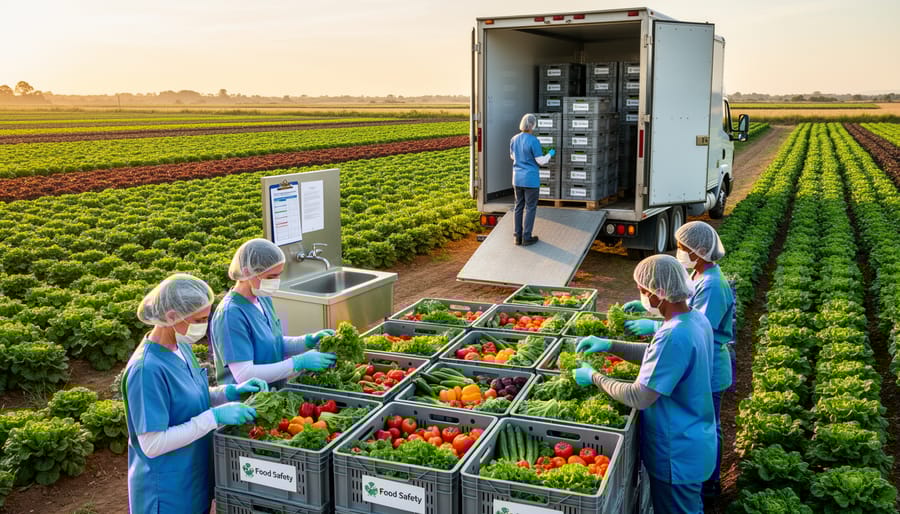
Your crop handling practices create another critical safety checkpoint. Contamination often happens through seemingly innocent actions—using unwashed containers, harvesting with dirty tools, or letting produce sit in warm conditions. Simple protocols make a tremendous difference: clean and sanitize all harvesting equipment, keep harvested crops cool and shaded, and never let produce contact soil after picking.
Consider the story of Green Valley Farm, which transformed their food safety approach by implementing a “clean zone” system. They designated specific areas for washing and packing, separate from field operations, reducing contamination risks dramatically. This straightforward change not only protected their customers but also strengthened their reputation at local farmers markets.
Remember, preventing contamination is always easier and more cost-effective than managing an outbreak. These foundational practices protect both your community and your farming livelihood.
Storage and Transportation Challenges
Moving fresh produce from farm to customer requires careful planning, but don’t let that intimidate you. Many small-scale farmers successfully navigate these challenges with simple, practical approaches that protect food quality without breaking the bank.
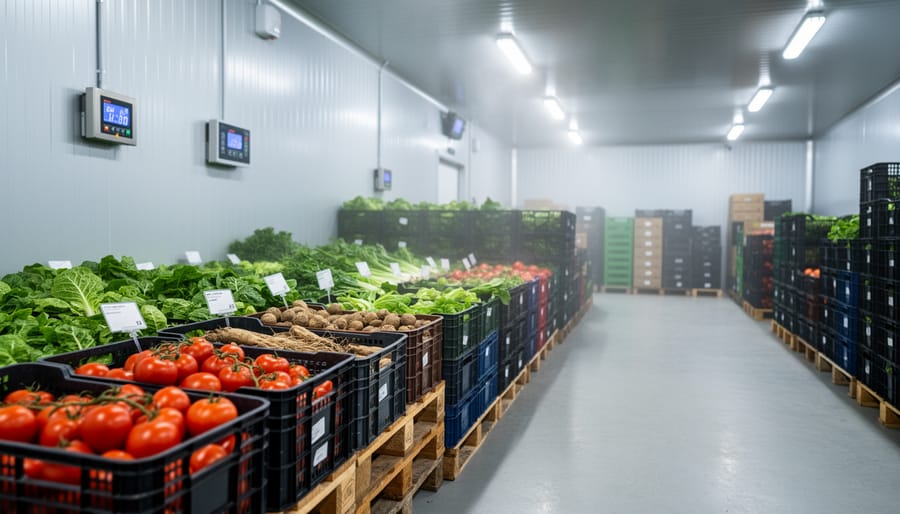
Temperature control stands as your first line of defense against spoilage. For leafy greens and berries, keeping them between 32-40°F makes all the difference. You don’t need expensive equipment to start. Consider filling coolers with ice packs for short trips, or investing in a used refrigerated unit as your operation grows. Sarah Chen, a small-scale organic farmer from Ontario, shares her experience: “We started with three coolers and a thermometer. As our CSA grew, we gradually upgraded to a secondhand cooling unit, but those coolers served us well for two seasons.”
Cross-contamination prevention requires awareness more than money. Keep raw produce separate from soil-covered items during transport. Use clean, food-grade containers and establish a simple cleaning schedule. Designating specific bins for different product types helps prevent mixing allergens or transferring bacteria between items.
Time management becomes crucial in local distribution. Plan your harvest-to-delivery window carefully, ideally keeping it under 24 hours for delicate items like lettuce and herbs. Root vegetables and winter squash tolerate longer windows, giving you flexibility in scheduling.
Create a simple checklist for each delivery run: clean containers, proper temperatures recorded, items sorted correctly, and delivery times confirmed. This systematic approach prevents mistakes and builds customer confidence in your operation. Remember, consistency matters more than perfection when you’re starting out.
Compliance Requirements for Local Food Producers
Understanding the Food Safety Modernization Act (FSMA)
If you’re running a small farm or considering starting one, you’ve probably heard about FSMA and wondered if it applies to you. Here’s the good news: many small-scale operations qualify for exemptions that significantly reduce regulatory burden while still maintaining safety standards.
The qualified exemption is available to farms with average annual produce sales under $500,000 during the previous three years, provided the majority of sales go directly to consumers, local restaurants, or retailers within the same state or within 275 miles. This covers most farmers markets, CSA operations, and farm stands beautifully.
What documentation do you actually need? Start simple. Keep basic records of where your produce goes, maintain receipts showing your sales volumes, and document your food safety practices. Think of it as telling the story of your farm’s commitment to quality. You don’t need elaborate systems—a simple logbook tracking harvest dates, storage temperatures, and buyers works perfectly for most small operations.
The key requirement is displaying your farm name, complete address, and phone number at your point of sale. You’ll also need to provide this information to direct farm customers upon request. It’s straightforward transparency that builds trust with your community.
Remember, these regulations exist to protect both you and your customers. By maintaining simple records and following basic safety practices, you’re demonstrating professionalism while keeping the paperwork manageable. Many successful small farmers find that implementing these practices actually helps them run more efficiently and communicate their quality standards to customers.
State and Local Requirements That Actually Matter
Navigating state and local regulations might seem daunting, but understanding the basics empowers you to run a compliant, trustworthy operation. The good news? Many regions have created pathways specifically designed to support small-scale food producers.
Cottage food laws are your first checkpoint. These regulations allow you to prepare certain low-risk foods in your home kitchen without expensive commercial licensing. Most states permit items like baked goods, jams, and dried herbs, though specifics vary widely. Sales limits typically range from $5,000 to $50,000 annually, and some states require labeling with production location and ingredient lists. Check your state’s agricultural department website for the exact products allowed and any required permits.
If you’re planning to sell at community markets, you’ll need farmers market permits, which often involve a straightforward application process through your local market manager and sometimes your county health department. These permits ensure vendors meet basic food safety standards and carry appropriate insurance.
Your local health department holds the key to many requirements. They conduct inspections, issue permits for food handling, and provide guidance on proper storage temperatures and sanitation practices. Building a positive relationship with your inspector pays dividends. Schedule a pre-inspection consultation to understand exactly what they’re looking for.
Remember, regulations exist to protect both producers and consumers. Sarah Martinez, a successful CSA operator in Oregon, shares: “I initially felt overwhelmed by permits, but my health inspector became my best resource. They genuinely wanted to help me succeed safely.”
Practical Quality Control Systems for CSA Farms
Simple Record-Keeping That Protects Your Farm
Good record-keeping doesn’t need to be complicated to be effective. At its core, you’re simply documenting what happened and when—information that protects both you and your customers while making your operation run more smoothly.
Start with the basics: harvest dates, field locations, and weather conditions. A simple notebook or spreadsheet works perfectly. Note which beds or rows you harvested from, along with any observations about crop health or pest activity. This creates a traceable path from field to customer that proves invaluable if questions arise.
Water source documentation matters more than you might think. Record when you irrigate, which water sources you use, and any water quality testing you’ve done. Many farmers keep a dedicated water log that takes just minutes to update but provides essential safety documentation.
For cleaning and sanitization, create quick checklists you can mark off daily. List your wash station tasks, sanitizer concentrations, and equipment cleaning schedules. Laminate these checklists and use dry-erase markers for easy reuse, or snap photos with your phone to create a digital trail.
Distribution tracking completes the picture. Whether you use a simple delivery log or farm management software, record who received what produce and when. Include lot numbers if you’re using them—they make traceability much faster.
Digital tools like farm management apps offer convenience, but paper systems work beautifully too. Choose whatever method you’ll actually maintain consistently. The best system is the one you’ll use every single day without fail.
Creating Your Farm’s Food Safety Plan
Creating a food safety plan doesn’t have to be overwhelming. The key is starting with the basics and building from there as your operation grows. Begin by mapping out your farm’s specific food flow, from seed to harvest to customer delivery. Identify the critical points where contamination could occur, such as during washing, packing, or storage.
Start with these foundational steps: establish clear protocols for handwashing and personal hygiene, document your water sources and testing schedule, create a cleaning routine for all equipment and surfaces, and develop a system for tracing products back to their harvest date and field location. Write everything down in simple, clear language that anyone on your team can follow.
Sarah Chen, who runs a two-acre organic vegetable operation outside Portland, transformed her food safety practices without breaking the bank. “I started with a basic one-page checklist,” she explains. “Every morning, we’d verify our wash water temperature, check that sanitizing solutions were properly mixed, and confirm our cooler was maintaining the right temperature. Within three months, it became second nature.”
Sarah gradually expanded her system, adding weekly equipment inspections and monthly staff training sessions. She created a simple binder with dated checklists and incident logs. “The beauty was that when my first wholesale buyer asked about our food safety practices, I could show them six months of documentation. It gave them confidence and opened doors to larger accounts.”
Remember that your food safety plan should reflect your unique operation. A greenhouse grower will have different considerations than a field farmer. Focus on what matters most for your crops and distribution methods. Start by dedicating just 15 minutes daily to safety protocols. Document what you’re already doing right, then identify one area for improvement each month. This gradual approach prevents burnout while building a robust system that protects both your customers and your farming business.
Building Consumer Confidence Through Transparency
What Your Customers Want to Know (And How to Tell Them)
Your customers care deeply about what goes into their bodies, and they have every right to ask questions about your food safety practices. The most common questions typically revolve around pesticide use, handling procedures, storage conditions, and how you prevent contamination. Rather than viewing these inquiries as challenges, embrace them as opportunities to build trust and educate your community.
Create transparent communication channels that proactively address these concerns. Your weekly newsletter is perfect for sharing behind-the-scenes glimpses of your quality control measures. Describe how you wash and cool produce, explain your pest management strategies, or introduce the team members who handle food with care. Keep the language conversational and honest—your customers will appreciate the authenticity.
Farm tours offer incredible value for building confidence in your practices. Walking customers through your growing areas, packing stations, and storage facilities transforms abstract concepts into tangible reality. Let them see your sanitation stations, temperature-controlled environments, and organized workspace firsthand. One farmer shared how quarterly open-house events turned skeptical buyers into devoted advocates who now defend his practices to others.
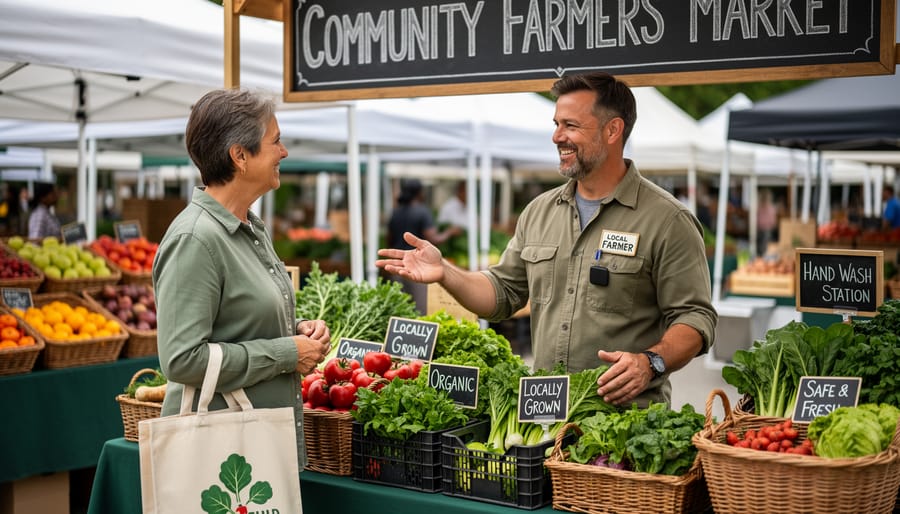
Simple signage at farmers markets makes a difference too. Display your certifications, post harvest dates, and include care instructions for storing produce at home. Consider creating a one-page FAQ sheet highlighting your safety protocols, testing procedures, and commitment to quality. When customers understand your dedication to their wellbeing, they become partners in your mission rather than simply transactions.
Turning Safety Practices Into Your Competitive Edge
Third-party certifications like USDA Organic, GAP (Good Agricultural Practices), or Food Safety Modernized Act compliance aren’t just regulatory hoops—they’re powerful marketing tools that set you apart. When Sarah Chen’s Michigan CSA earned its GAP certification, she noticed something remarkable: not only did restaurants start calling, but member retention jumped 40%. Customers value the transparency these credentials provide.
Farm inspections might seem intimidating, but they offer an opportunity to showcase your commitment to excellence. Consider creating a visible “safety standards” board at your farm stand, displaying your certifications and recent inspection scores. This builds immediate trust with new customers who may be unfamiliar with your operation.
For smaller operations not ready for formal certification, document your safety practices through photos and written procedures. Share these on your website and social media. Host open-house days where customers can tour your facilities and see your standards firsthand. One Vermont farmer created a simple video series showing their harvest and handling processes, which became their most effective sales tool. Remember, in an age where food recalls make headlines, your rigorous quality control becomes a competitive advantage that attracts discerning customers willing to pay premium prices for peace of mind.
Common Food Safety Pitfalls and How to Avoid Them
Even the most dedicated small-scale farmers can stumble into quality control challenges, but recognizing these common pitfalls is the first step toward creating a safer food system for your community.
One of the most frequent issues we see is inadequate washing facilities. Many farms start with a simple garden hose, but this setup can actually spread contamination rather than remove it. The solution? Invest in a three-basin washing system using food-grade containers. The first basin removes visible dirt, the second provides a sanitizing soak with approved solutions, and the third offers a clean rinse. This affordable setup dramatically improves produce safety without requiring expensive infrastructure.
Temperature abuse is another silent troublemaker. Lettuce harvested in morning heat or tomatoes sitting in the sun while you finish picking can quickly lose quality and safety. Smart farmers now use insulated harvest containers and time their picking for cooler hours. Some inspiring success stories come from farmers who installed simple shade structures in their fields, allowing them to stage produce safely before transport to cooling facilities.
Cross-contamination from livestock or equipment catches many farms off guard. A wheelbarrow used for composted manure shouldn’t touch your harvest bins, even after cleaning. The best approach is color-coding your equipment: green tools for produce handling, brown for soil amendments and livestock areas. This simple visual system prevents costly mistakes, especially when you have helpers or volunteers.
Another overlooked issue involves personal hygiene during harvest. Establish a handwashing station right in your field using a water jug with a spigot, biodegradable soap, and paper towels. Make it convenient, and your team will use it consistently.
Remember, these pitfalls aren’t signs of failure but opportunities for growth. By addressing them proactively, you’re building trust with your customers and strengthening the local food movement. Small improvements create lasting change, protecting both your community and your farming reputation.
Quality food control isn’t just achievable—it’s absolutely essential for building resilient, trustworthy local food systems. Whether you’re a farmer implementing safety protocols or a consumer making informed choices at the market, your commitment to food safety strengthens the entire community. The good news? You don’t need industrial-scale equipment or complicated systems to maintain high standards. Simple, consistent practices make all the difference.
For farmers and growers, start small but start now. Implement a basic cleaning schedule for harvest equipment, test your water sources annually, and keep straightforward records of your practices. These foundational steps protect both your customers and your reputation. Consider connecting with other local farmers to share resources and knowledge—many have walked this path before you and are eager to help.
As consumers, you play a vital role too. Ask questions at farmers markets about growing and handling practices. Your interest encourages producers to maintain high standards and shows that food safety matters to the community. Support farms that demonstrate transparent practices and invest in proper storage and handling.
Remember that sustainable agriculture and food safety aren’t competing priorities—they’re complementary. Clean water, healthy soil, and careful handling practices benefit both environmental stewardship and human health. Take one actionable step this week: if you’re growing food, review your harvest procedures; if you’re buying locally, start a conversation with your farmer about their safety practices. Together, we’re building a food system that nourishes both people and planet.