
Why Your Local Food Distribution Center Needs Food Safety Training (Before Someone Gets Sick)
 darrell on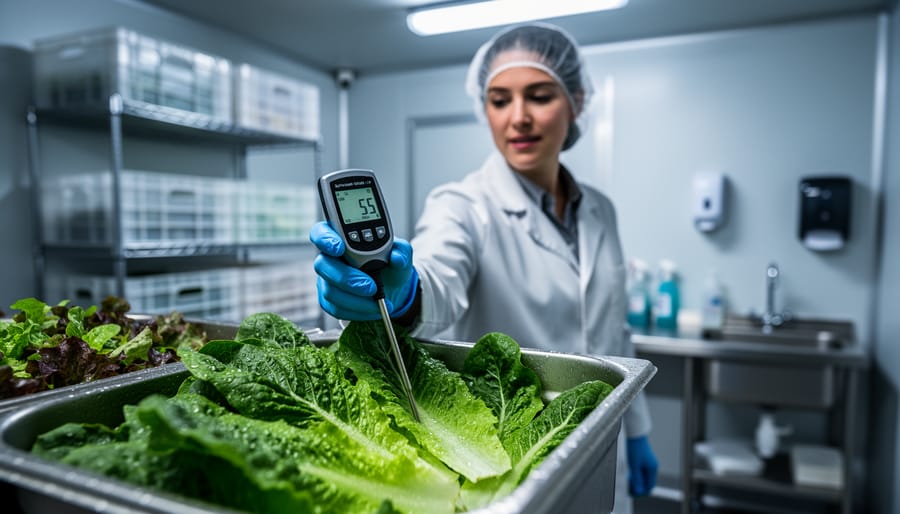
Train your staff using a documented curriculum that covers proper produce handling, temperature control, and cross-contamination prevention—these three elements prevent 80% of foodborne illness outbreaks in small-scale distribution settings. Implement daily temperature logs and regular hand-washing protocols as non-negotiable practices that protect both your customers and your farm’s reputation.
Transform food safety from a compliance burden into a competitive advantage for your CSA operations by creating simple, visual training materials your team can reference during busy harvest seasons. Local food hubs that prioritize safety training see 40% fewer customer complaints and build stronger community trust.
Start with the Food Safety Modernization Act’s Produce Safety Rule requirements, then customize training to reflect your specific crops and distribution methods. Schedule monthly refresher sessions lasting just 15 minutes to reinforce critical practices without disrupting workflow. Document everything—training dates, topics covered, and staff signatures—because this paper trail demonstrates your commitment to safety during inspections and builds confidence with wholesale buyers.
Your distribution center becomes the bridge between farm freshness and family tables. Every team member who understands proper cooling procedures, sanitation standards, and allergen awareness becomes a guardian of public health and your farm’s legacy.
The Real Risks Hiding in Distribution Centers
Temperature Fluctuations That Spoil More Than Just Lettuce
When fresh produce leaves your farm destined for eager customers, maintaining the right temperature becomes absolutely critical. Even a few degrees difference can accelerate spoilage, diminish nutritional value, and create food safety risks. That’s where proper cold chain management training comes into play for distribution center staff.
Temperature abuse happens more often than you’d think. Maybe a cooler door gets left open during loading, or produce sits on a loading dock longer than planned. Within hours, leafy greens can wilt, berries develop mold, and bacterial growth accelerates on items like pre-cut vegetables. Training your team to monitor and document temperatures throughout storage and transit protects both food quality and consumer health.
Consider the story of Green Valley Farm Cooperative, which reduced spoilage by 40 percent after implementing strict temperature monitoring protocols and staff training. Workers learned to use thermometers correctly, recognize warning signs of temperature fluctuations, and respond quickly to equipment issues. This investment not only saved produce but also strengthened customer trust in their local food system.

When Good Produce Goes Bad: Cross-Contamination Points
Cross-contamination in distribution centers happens more often than you might think, and understanding these risk points helps keep your beautiful organic produce safe from farm to table. Let’s explore where things can go wrong so you can prevent them.
Equipment surfaces are common culprits. Pallet jacks, conveyor belts, and sorting tables that handle multiple product types throughout the day can transfer harmful bacteria between items. Think about it: the same forklift moving raw root vegetables with soil residue might later transport ready-to-eat salad greens.
Personnel practices create another vulnerability. When team members move between different temperature zones or handle various products without proper handwashing or glove changes, they unknowingly become vectors for contamination. Something as simple as touching a phone or adjusting clothing can introduce pathogens.
Storage areas present challenges too. Raw products stored above ready-to-eat items can drip condensation or debris downward. Even well-intentioned practices like using the same cleaning cloths across different zones can spread contamination rather than prevent it.
The good news? Many small-scale distribution centers have successfully tackled these issues through color-coded equipment systems, clearly defined workflow patterns, and consistent training reinforcement. By identifying your specific cross-contamination points, you’re taking an essential step toward protecting the quality and safety of the local, organic produce your community depends on.
What Effective Food Safety Training Actually Covers
Personal Hygiene Standards That Actually Matter
Personal hygiene forms your first line of defense against food contamination in distribution centers. Let’s focus on the practices that truly make a difference in keeping your locally sourced produce safe.
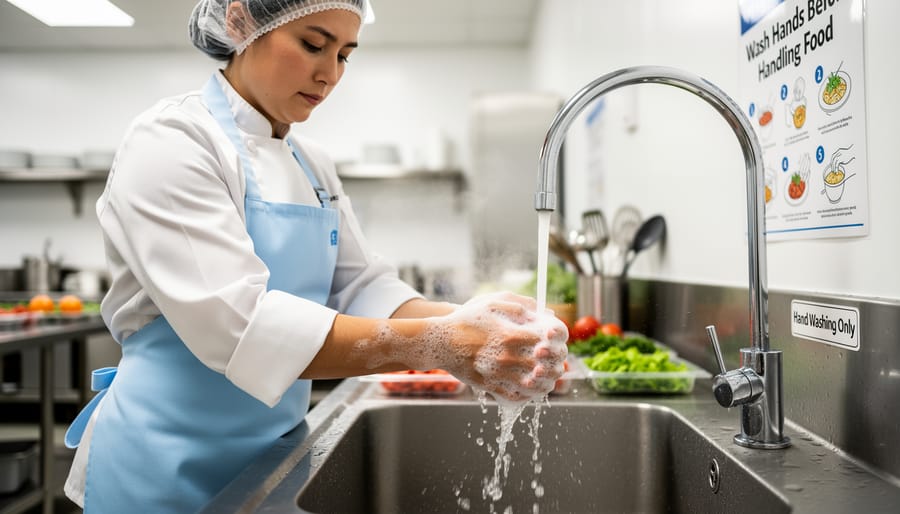
Handwashing is non-negotiable. Team members should wash hands thoroughly for at least 20 seconds before starting work, after bathroom breaks, after handling packaging materials, and before touching fresh produce. Provide accessible handwashing stations with soap, warm water, and single-use towels near all work areas.
Protective clothing matters more than you might think. Clean gloves, hairnets, and smocks create barriers between workers and food. Change gloves between tasks, especially when switching from handling packaging to touching produce. One farm cooperative we know saw contamination incidents drop by 80% after implementing daily fresh uniforms.
Illness policies protect everyone. Workers experiencing symptoms like vomiting, diarrhea, or fever should stay home until symptom-free for 24 hours. This can feel challenging for small operations, but having backup staff or flexible scheduling prevents one sick employee from compromising entire shipments of organic vegetables destined for your community.
Proper Handling and Storage Techniques
Start with a solid receiving protocol. When deliveries arrive, check temperatures immediately using calibrated thermometers—cold items should stay at 41°F or below, frozen at 0°F. Inspect packaging for damage, leaks, or unusual odors before accepting shipments. This first checkpoint prevents contaminated products from ever entering your facility.
Storage requires strategic organization. Practice FIFO (First In, First Out) by dating all items and placing newer stock behind older products. Keep raw and ready-to-eat foods separate, storing raw items on lower shelves to prevent cross-contamination through drips. Maintain proper spacing between boxes for air circulation, which helps preserve freshness and prevents mold growth.
Temperature monitoring is your daily safeguard. Record cooler and freezer readings twice daily, and address any deviations immediately. Clean storage areas weekly using food-safe sanitizers, and keep high-risk allergens clearly labeled and isolated.
When preparing orders for distribution, use clean, sanitized containers and practice proper hand hygiene. One small-scale CSA operator in Vermont credits their perfect safety record to these simple practices combined with regular team training—proving that consistent attention to basics protects both customers and your farm’s reputation.
Cleaning and Sanitation Protocols
Establishing robust cleaning and sanitation protocols protects the quality of your fresh, organic produce from field to customer. Start by creating daily cleaning schedules for all food-contact surfaces, including sorting tables, bins, and refrigeration units. Use food-safe sanitizers approved for organic handling, and train staff on proper dilution ratios to ensure effectiveness without leaving harmful residues.
Temperature-controlled storage areas deserve special attention. Schedule deep cleaning between shipments, paying close attention to corners, drains, and door seals where moisture and debris accumulate. Keep detailed logs of cleaning activities, including dates, times, and staff initials, which helps maintain accountability and demonstrates compliance during inspections.
Implement a color-coded system for cleaning tools to prevent cross-contamination between raw and ready-to-eat produce areas. Remember, a Vermont farm cooperative reduced product loss by 40% after implementing structured sanitation training. Your commitment to cleanliness directly supports local farmers by ensuring their carefully grown crops reach customers in peak condition, maintaining the trust that makes community-supported agriculture thrive.
Building a Food Safety Culture in Small-Scale Operations
Making Training Accessible for Seasonal Staff
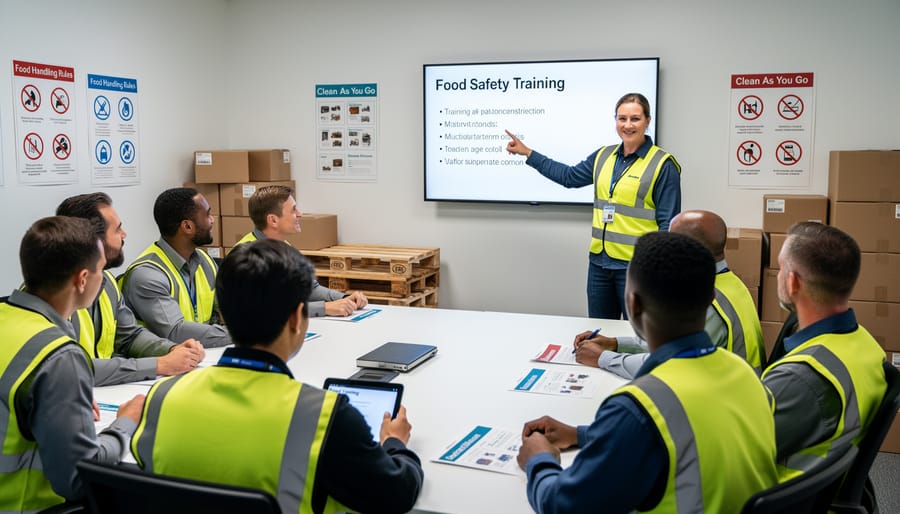
Seasonal workers are the backbone of many distribution operations during peak harvest times, yet training them efficiently can feel overwhelming. The good news? You can create streamlined onboarding that sticks without eating up precious time.
Start with a concise, visual training manual that covers essential food safety basics: proper handwashing, temperature control, cross-contamination prevention, and allergen awareness. Consider creating a one-page checklist format that new workers can reference throughout their shifts. Many successful CSA managers have found that 30-minute hands-on training sessions work better than lengthy lectures.
Buddy systems work wonderfully too. Pair each new seasonal worker with an experienced team member who can demonstrate proper protocols in real-time. This approach reinforces good habits immediately and creates a supportive learning environment.
Digital tools can help tremendously. Short video tutorials that workers can watch on their phones before their first shift ensure everyone starts with baseline knowledge. One Vermont food hub manager shared how brief daily safety huddles transformed their seasonal crew’s practices, reducing handling errors by 60 percent within one harvest season.
Remember, keeping training positive and practical helps temporary staff feel valued and invested in maintaining your operation’s food safety standards.
Low-Cost Tools That Make Compliance Easier
Keeping your distribution center compliant doesn’t require expensive software or consultants. Simple spreadsheet templates can help you track temperatures, cleaning schedules, and employee training records effectively. Many state agriculture departments offer free downloadable checklists specifically designed for small-scale food operations, making it easier to stay organized without breaking the budget.
Digital thermometers with data logging capabilities cost under $50 and provide reliable temperature monitoring for refrigerated storage areas. Free mobile apps like FoodKeeper help staff understand proper storage times and handling procedures right from their phones. Consider creating laminated quick-reference guides for handwashing stations and loading dock areas, which serve as constant visual reminders for your team.
A basic three-ring binder system works wonderfully for maintaining training certificates, supplier approvals, and inspection records. Color-coded sections make information retrieval quick during audits. Several successful CSA operations have shared how they use simple photo documentation on tablets to record daily cleaning tasks and receive conditions, creating accountability without complex systems.
Weekly team huddles, combined with these straightforward tools, build a culture where food safety becomes second nature rather than an overwhelming compliance burden for your operation.
Compliance Requirements You Can’t Ignore
FSMA Rules for Small and Mid-Sized Distributors
The Food Safety Modernization Act includes specific provisions that affect distribution centers of all sizes, though requirements vary based on your operation’s scale. The Preventive Controls for Human Food rule applies to most facilities that manufacture, process, pack, or hold food for consumption in the United States. This means your local food hub or CSA distribution point likely falls under FSMA oversight.
Here’s the good news for smaller operations: exemptions exist for qualified facilities. If your operation averages less than $1 million in annual food sales during the previous three-year period, you may qualify for modified requirements. Additionally, farms that distribute only their own raw agricultural commodities typically receive different treatment than multi-farm aggregators.
Even with exemptions, basic food safety practices remain essential. Many successful small distribution centers have found that implementing simplified hazard analysis and preventive control plans actually protects their business while building customer trust. One Vermont food hub manager shared how their straightforward training program helped them navigate inspections smoothly while maintaining their commitment to supporting local growers.
The key is understanding where your operation fits within FSMA’s framework. Whether you’re exempt or fully covered, documentation of your food safety practices demonstrates your dedication to protecting the community you serve while keeping locally grown food accessible and safe.
Documentation That Protects Your Operation
Keeping solid records isn’t just paperwork—it’s your safety net. When you document food safety training sessions, temperature logs, and cleaning schedules, you’re creating a trail that proves your commitment to safe handling practices. Think of these records as your operation’s insurance policy.
Start with training attendance sheets that note dates, topics covered, and employee signatures. Keep temperature monitoring logs for coolers and transport vehicles, recording times and readings throughout each shift. Document your cleaning and sanitation schedules with completion checkmarks. These simple practices demonstrate due diligence if questions ever arise.
Store records for at least two years, following food safety guidelines. Digital photos of your processes can provide valuable backup evidence. Many small distribution centers find success using simple spreadsheets or affordable apps designed for food operations. This organized approach protects your business while showing customers and inspectors that you take food safety seriously. Remember, consistent documentation reflects the same care you put into delivering quality produce to your community.
Real Stories: When Food Safety Training Made the Difference
When Maria took over as operations manager at Green Valley Food Hub, she inherited a team that handled everything from farm pickups to restaurant deliveries. Despite their best efforts, they struggled with recurring complaints about wilted greens and inconsistent product quality. After implementing a comprehensive food safety training program focused on proper temperature control and handling procedures, everything changed.
Her team learned the critical importance of maintaining the cold chain from farm to customer. They discovered they’d been loading refrigerated trucks inefficiently, creating warm spots that compromised product integrity. Within three months of training, customer complaints dropped by 78%, and their organic lettuce producers noticed significantly less waste. Maria’s biggest takeaway? “We thought we knew what we were doing, but training revealed blind spots we didn’t even know existed. Now our drivers check temperatures at every stop, and it’s just part of our culture.”
Similarly, Oak Ridge Farm Cooperative avoided a potentially devastating situation when their newly trained distribution staff caught a malfunctioning cooler before it spoiled an entire week’s harvest of organic strawberries worth $12,000. Their employee, James, had just completed training on monitoring equipment and immediately recognized the temperature fluctuation patterns. He transferred the berries to backup cooling within an hour.
The practical lesson from both stories? Food safety training isn’t just about passing inspections. It empowers your team to spot problems early, protect your investment in quality produce, and build trust with customers who depend on your commitment to excellence. Small investments in education consistently prevent much larger losses down the road.
Getting Started: Your First Steps Toward Safer Distribution
Starting your food safety journey doesn’t have to feel overwhelming. Whether you’re managing a small CSA distribution point or a regional food hub, taking those first steps can protect your community while building trust with your customers.
Begin by assessing your current operations. Walk through your facility and identify where food is received, stored, and distributed. Notice temperature-sensitive areas, cross-contamination risks, and employee handling procedures. This baseline understanding helps you prioritize where training is most needed.
Next, tap into free and low-cost resources designed for small-scale operations. The FDA offers downloadable guides specifically for produce distributors, while many state agriculture departments provide workshops tailored to local food systems. Organizations like the Local Food Safety Collaborative offer webinars and toolkits perfect for community-scale operations.
Your initial training priorities should focus on three core areas: proper temperature control, preventing cross-contamination, and personal hygiene practices. These fundamentals form the foundation of solid food safety practices that protect everyone from farm to table.
Consider partnering with nearby farms and distribution centers to share training costs and experiences. One successful food hub in Vermont started a regional training cooperative where five small distributors pooled resources for quarterly safety workshops. This collaborative approach made professional training affordable while building a supportive network.
Start small but start today. Even training one employee per week creates momentum. Remember, building a food safety culture is a journey, not a destination, and every step forward protects the health of the communities you serve.
When your distribution center prioritizes food safety training, you’re doing more than protecting products—you’re safeguarding the trust your community has placed in the local food movement. Every person who chooses locally grown organic produce over conventional supermarket options is making a conscious decision to support sustainable agriculture and their neighbors. They’re counting on you to honor that choice with safe, wholesome food.
Strong food safety practices aren’t just about compliance; they’re the foundation that allows the entire local food system to thrive. One foodborne illness incident can undermine years of relationship-building and damage the reputation of countless dedicated farmers and food hubs in your region. By investing in comprehensive training, you’re protecting not only your operation but the collective future of community-supported agriculture.
Think of food safety training as an essential investment in sustainability itself—right alongside composting, renewable energy, and regenerative farming practices. It strengthens community health, builds lasting customer relationships, and ensures the local food movement continues growing for generations to come.
Start today by assessing your current training program and identifying areas for improvement. Your commitment to food safety demonstrates the same care and integrity that drew you to local, organic food in the first place.