
Why Picking Your Own Food Changes Everything About How You Eat
 darrell on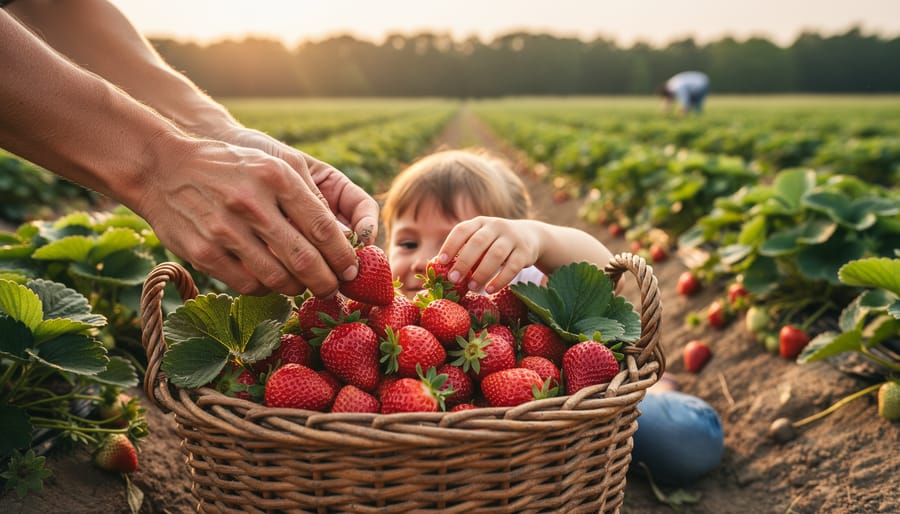
Pick your own strawberries warm from the sun, pull carrots straight from the earth, and fill your basket with produce that was growing just moments ago. U-Pick farm-to-table experiences connect you directly with your food source while supporting local agriculture and reducing your environmental footprint. These hands-on farm tours and experiences transform grocery shopping into an educational adventure where you discover seasonal eating, meet the farmers who nurture your food, and taste the difference that freshness makes.
Visit participating farms during peak harvest seasons to gather fruits and vegetables at their nutritional best. Spring brings asparagus and peas, summer delivers berries and tomatoes, fall offers apples and pumpkins, while winter root vegetables extend the bounty year-round. Most farms provide containers and guidance, charging by weight or volume for what you harvest.
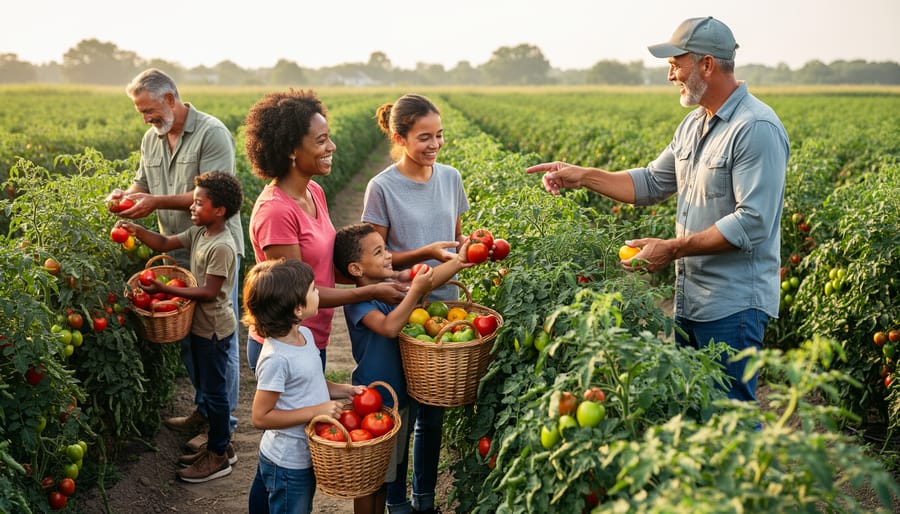
Engage with farmers to learn organic growing methods, pest management strategies, and soil health practices that make sustainable agriculture thrive. This knowledge empowers you to make informed food choices and potentially start your own garden. Children especially benefit from understanding where food originates, developing appreciation for agriculture while creating lasting family memories.
Save money compared to farmers market prices while accessing produce varieties rarely found in grocery stores. Heritage tomatoes, unusual squash varieties, and specialty herbs become available when you harvest directly. The physical activity of picking provides gentle exercise, and the outdoor setting offers stress relief and connection to nature’s rhythms.
What Makes U-Pick Different from Your Grocery Store Run
When you stroll through a grocery store, your produce has already traveled an average of 1,500 miles before landing in your cart. At a U-Pick farm, your food’s journey measures in footsteps, not fuel miles. This fundamental difference transforms your relationship with what you eat.
A typical U-Pick visit puts you directly in the fields alongside the crops. You’ll receive a basket or container and head to designated rows where ripe produce awaits. Rather than grabbing pre-selected items under fluorescent lights, you’re choosing sun-warmed strawberries still attached to their plants or plucking crisp beans from their vines. You become part of the harvest process, selecting only what meets your standards for ripeness and quality.
This hands-on approach creates an immediate connection to your food source that grocery shopping simply cannot replicate. When you harvest a tomato yourself, you understand why heirloom varieties might look irregular or why peak-season timing matters so much. You see the soil that nourished your food, observe beneficial insects at work, and witness sustainable farming practices in action.
The educational value extends beyond agriculture basics. Children discover that carrots grow underground, not in plastic bags. Adults learn to identify ripeness indicators they’d never considered before. Many farms offer informal education during your visit, with farmers answering questions about growing methods, pest management, and seasonal cycles.
Take Sarah Martinez, who transformed her family’s eating habits after their first U-Pick experience. “My kids thought all apples came waxed and uniform,” she shares. “Seeing different varieties growing on actual trees, understanding why some had small blemishes, completely changed how we shop and what we value in our food.”
Unlike the passive experience of pushing a cart through climate-controlled aisles, U-Pick engages all your senses while teaching valuable lessons about seasonality, agricultural work, and food quality. It’s shopping reimagined as an outdoor adventure with lasting educational benefits.
The Real Benefits You’ll Get from Harvesting Your Own Produce
Fresher Food That Actually Tastes Like Something
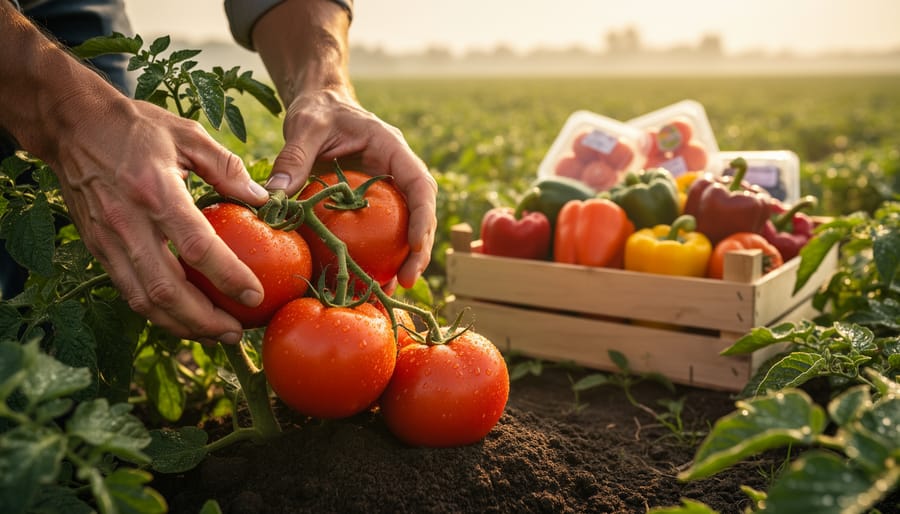
There’s a reason backyard tomatoes taste infinitely better than their supermarket cousins, and the same principle applies to everything you pick yourself at U-Pick farms. When you harvest your own produce, you’re getting fruits and vegetables at their absolute peak ripeness, something commercial agriculture simply can’t replicate.
Store-bought produce is typically harvested early to survive the long journey from farm to distribution center to grocery store. Those strawberries might look perfect, but they were picked green and never developed their full flavor potential. At U-Pick farms, that same strawberry stays on the plant until it’s bursting with sweetness and natural sugars, creating an explosion of flavor you’ve probably forgotten was possible.
The nutritional benefits are equally impressive. Produce begins losing vitamins and minerals the moment it’s harvested, so the shorter time between picking and eating, the more nutrients you’re getting. Studies show that some vegetables can lose up to 50% of their vitamin C within a week of harvest. When you pick and eat within hours or days, you’re maximizing every nutritional benefit nature intended.
Many U-Pick farmers practice organic or low-spray methods, meaning fewer chemicals on your food and healthier soil producing more nutrient-dense crops. It’s fresher food that actually nourishes your body properly.
Teaching Kids Where Food Really Comes From
Farm-to-table U-Pick experiences offer incredible teaching moments that no classroom can replicate. When children pluck a strawberry from its vine or dig up a carrot, they’re not just harvesting food—they’re building a foundational understanding of where meals actually begin.
These hands-on experiences create lasting food literacy. Kids learn that tomatoes don’t naturally come in plastic containers and that potatoes grow underground, not in bags. They discover the patience farming requires, understanding that food production takes time, care, and favorable weather. One local farmer shared how a five-year-old visitor exclaimed with genuine surprise, “Wait, this is what broccoli looks like before the store?”
The educational impact extends beyond plant identification. Families engage in conversations about soil health, the role of pollinators, and why organic practices matter for environmental sustainability. Children develop respect for agricultural work and the people who grow their food.
This connection often transforms picky eaters into adventurous ones. Research shows kids are more willing to try vegetables they’ve harvested themselves. U-Pick visits also provide perfect opportunities to discuss seasonal eating, local food systems, and sustainable living practices—lessons that shape lifelong values about environmental stewardship and supporting community agriculture.
Supporting Your Local Farm Economy
When you pick your own produce, you’re making a direct investment in your local food economy. Every strawberry basket and bag of apples puts money straight into the pockets of family farmers who work tirelessly to bring fresh, healthy food to your table. This direct relationship eliminates the middleman, ensuring farmers receive fair compensation for their labor and sustainable practices.
U-Pick farms are a cornerstone of the farm-to-table movement, dramatically reducing food miles. Instead of produce traveling thousands of miles from large-scale operations, you’re harvesting food that travels mere steps from field to basket. This shorter supply chain means fresher produce for you and a smaller carbon footprint for the planet.
Beyond economics, these experiences strengthen community food systems by creating connections between growers and eaters. You’ll meet the people growing your food, learn about seasonal cycles, and gain appreciation for agricultural work. Many U-Pick farmers share inspiring stories of how customer support has allowed them to expand sustainable practices, protect farmland from development, and pass their knowledge to the next generation. Your participation helps preserve local farming traditions while building food security in your community.
What You Can Expect to Harvest Throughout the Seasons
Spring and Early Summer Picks
As warmer days arrive, U-Pick farms burst into life with their first harvests of the season. Strawberries take center stage, typically ready for picking from late April through June depending on your region. There’s nothing quite like biting into a sun-warmed berry you’ve just plucked yourself—the sweetness is unmatched by anything you’ll find at the grocery store.
Alongside strawberries, tender asparagus spears emerge, offering a brief but beloved window for harvesting. Look for stalks about pencil-thick for the best flavor and texture. Sugar snap peas and English peas follow close behind, perfect for teaching kids how food grows while enjoying a healthy snack straight from the vine.
Early spring greens like lettuce, arugula, and spinach also become available during this time. Many farms allow you to snip your own salad mix, creating the freshest possible farm-to-table meal. These cool-season crops thrive in spring’s mild temperatures, giving you a head start on your seasonal eating journey before summer’s heat arrives.
Peak Summer Harvests
Summer transforms U-Pick farms into colorful wonderlands bursting with sun-ripened treasures. This is when your harvest basket truly overflows with nature’s sweetest offerings.
Berries take center stage in early summer, with strawberries leading the parade, followed by blueberries, blackberries, and raspberries. These delicate fruits taste incomparably better when picked at peak ripeness—something commercial farming rarely achieves due to shipping demands. Stone fruits like peaches, plums, and cherries arrive mid-season, offering that perfect balance of sweetness and juice that drips down your chin.
As summer progresses, tomatoes and peppers dominate the fields. Heritage tomato varieties showcase incredible diversity in colors, shapes, and flavors you won’t find in grocery stores. Bell peppers, jalapeños, and specialty varieties thrive in the heat, perfect for preserving summer’s bounty through canning or freezing.
Many farmers report that summer U-Pick visitors become year-round customers, discovering the superior taste of produce harvested at its absolute prime. Pro tip: arrive early in the morning when fruits are coolest and firmest, making them easier to handle and longer-lasting once you get home.
Fall’s Bounty
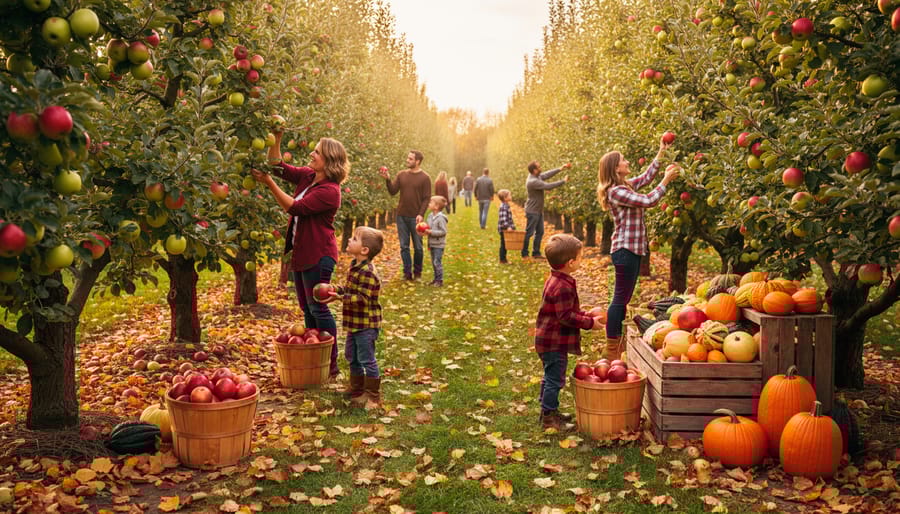
Autumn transforms U-Pick farms into treasure troves of seasonal delights. As temperatures cool, orchards overflow with crisp apples perfect for everything from fresh eating to homemade cider. Varieties like Honeycrisp, Gala, and Granny Smith each offer unique flavors worth exploring during your harvest visit.
Pumpkin patches become family destinations where you can select the perfect jack-o’-lantern or pie pumpkin straight from the vine. The experience of choosing your own adds special meaning to fall traditions. Beyond pumpkins, diverse winter squash varieties like butternut, acorn, and delicata await discovery. These nutrient-dense vegetables store beautifully for months when properly cured.
Late-season vegetables continue thriving in cooler weather. Hardy greens such as kale, chard, and collards actually sweeten after the first frost, while root vegetables like carrots and beets develop enhanced flavor profiles. Many farmers note that autumn produce often tastes superior to summer harvests due to ideal growing conditions. Take advantage of this seasonal abundance to stock your pantry with organic, locally grown provisions that capture fall’s essence.
How to Make Your U-Pick Visit Actually Successful
What to Bring and How to Dress
Come prepared to make the most of your farm-to-table harvest adventure. Bring sturdy containers or reusable bags to transport your fresh produce home safely. Wide, shallow baskets work wonderfully for delicate items like berries and tomatoes, preventing bruising during picking.
Dress for outdoor comfort in lightweight, breathable clothing with long sleeves to protect against sun exposure and minor scratches from plants. A wide-brimmed hat and sunscreen are essential for those sunny mornings in the fields. Closed-toe shoes with good traction will keep your feet comfortable and protected as you navigate rows and uneven terrain.
Consider packing gardening gloves if you’re picking prickly crops like raspberries or handling thorny stems. Small scissors or pruning shears can make harvesting easier and help avoid damaging plants. Don’t forget a refillable water bottle to stay hydrated while you work.
Many successful organic farmers recommend arriving early when temperatures are cooler and produce is at peak freshness. This sustainable approach ensures you’ll enjoy the best quality harvest while staying comfortable throughout your experience.
Picking Techniques That Keep Plants Happy
Learning the right picking technique makes all the difference between a successful harvest and disappointed plants. Start by using a gentle twist-and-pull motion for most fruits and vegetables rather than yanking or tugging, which can damage the plant’s stem and reduce future yields. For delicate berries, support the fruit with one hand while gently rolling it off the stem with your thumb. Always bring clean scissors or garden shears for crops like herbs, lettuce, and tomatoes that benefit from a clean cut.
Timing matters too. Pick in the cooler morning hours when plants are most hydrated, and produce stays fresher longer. Harvest regularly to encourage continued production, especially with crops like zucchini, beans, and cucumbers that can quickly become oversized. Remember to leave some fruit on the plant to signal it should keep producing.
Local farmer Maria Santos from Green Valley Farm shares her wisdom: “Treat each plant like it’s your own garden. When pickers harvest thoughtfully, our plants thrive all season long, giving everyone better produce and a more rewarding experience.” By respecting the plants that feed us, you’ll maximize your haul while supporting the farm’s sustainability throughout the growing season.
Avoiding the Biggest U-Pick Mistakes
Even experienced U-Pick enthusiasts occasionally stumble into common traps that can dampen the farm-to-table experience. One frequent mistake is picking unripe produce in your enthusiasm to fill baskets quickly. Take a moment to learn what ripe fruit or vegetables look like for each crop—farmers are usually happy to demonstrate the telltale signs of perfect ripeness.
Another pitfall is overestimating how much you’ll actually use. That overflowing bushel of strawberries seems perfect until you’re frantically making jam at midnight. Start with smaller quantities until you understand your household’s consumption patterns and preservation capacity.
Ignoring farm rules might seem harmless, but these guidelines exist for good reasons. Staying on designated paths protects delicate crops, and respecting picking boundaries ensures everyone gets a fair harvest. Some farms have specific rules about children, pets, or coolers—always check before arriving.
Finally, arriving unprepared without sun protection, proper footwear, or water bottles can cut your experience short. Smart planning means you’ll enjoy every moment in the fields while supporting the sustainable farming practices that make these experiences possible.
Finding the Right U-Pick Farm Near You
Discovering quality U-Pick farms in your area has never been easier, thanks to online directories and community resources designed to connect conscious consumers with local growers. Start your search with CSA (Community Supported Agriculture) directories, which provide comprehensive listings of farms in your region along with details about their growing practices, available crops, and seasonal schedules. These databases often include farmer profiles and customer reviews, giving you valuable insight before you visit.
When evaluating potential farms, look for operations that prioritize transparency about their growing methods. Quality U-Pick farms will openly share information about their soil management, pest control approaches, and whether they follow organic or sustainable practices. Check their websites or social media pages for harvest calendars and current availability, as this shows their commitment to keeping customers informed.
Before your first visit, don’t hesitate to call ahead with questions. Ask about their picking policies, container requirements, pricing structure, and any specific rules they may have. Inquire whether they offer guidance for first-time pickers and if children are welcome. Understanding what crops are currently ready for harvest ensures you’ll have a successful and enjoyable experience.
Consider farms that go beyond simple picking opportunities. Many operations host farm festivals, educational workshops, and seasonal events that deepen your connection to where your food comes from. These experiences often feature farmer success stories that inspire and educate visitors about sustainable agriculture.
Local farmers’ markets can also point you toward nearby U-Pick operations, as many vendors maintain pick-your-own sections at their farms. Fellow market-goers often share their favorite spots and insider tips about the best times to visit for specific crops.
Real Stories from Farms Making U-Pick Work
When Sarah Chen started offering U-Pick strawberries at her three-acre farm in Ontario, she expected a modest side income. What she didn’t anticipate was how completely it would transform her operation. “The first season, we had maybe twenty families show up,” Sarah recalls. “By year three, we were hosting over 500 visitors during our eight-week berry season.” The direct connection with customers not only doubled her farm revenue but also created a loyal community that now participates in her winter CSA box program and attends her seasonal farm dinners.
The magic happened when Sarah realized U-Pick wasn’t just about selling produce. She began hosting “Berry Basics” workshops where families learned about organic growing methods while picking. Children who initially refused strawberries at home became enthusiastic berry ambassadors. Parents shared farmers’ stories on social media, creating organic marketing she could never afford otherwise. “People want to know where their food comes from and who grows it,” Sarah explains. “U-Pick gives them that story.”
Similarly, the Martinez family’s fourth-generation apple orchard in British Columbia was struggling with wholesale prices until they pivoted to U-Pick five years ago. They introduced an innovative “Pick Your Own Adventure” system where visitors use a mobile app to learn about different apple varieties, optimal picking times, and recipe suggestions while harvesting. This tech-forward approach attracted younger demographics while maintaining the authentic farm experience older generations cherished.
Both farms discovered that U-Pick operations created unexpected benefits beyond revenue. They reduced harvest labor costs, minimized produce waste since customers pick only what they need, and built relationships that extended into year-round support. “Our U-Pick customers became our biggest advocates,” notes the Martinez family. “They understand the challenges we face and celebrate our successes because they feel invested in our farm’s story.”
What to Do with All That Fresh Produce
Making the most of your U-Pick harvest starts the moment you get home. Quick action preserves freshness and maximizes flavor. Begin by sorting your produce – separate items that need immediate attention from those that store well. Give delicate berries and leafy greens priority, as they’re most perishable.
For short-term storage, keep produce unwashed until you’re ready to use it. Excess moisture speeds up spoilage. Store berries in breathable containers lined with paper towels, and keep leafy greens crisp by wrapping them loosely in damp cloth. Root vegetables prefer cool, dark spaces with good air circulation.
When you have an abundance, preservation techniques become your best friends. Freezing works wonderfully for berries, blanched vegetables, and fruit purees. Simply spread items on baking sheets to freeze individually before transferring to containers. Water bath canning transforms tomatoes, pickles, and jams into pantry staples that last months. Dehydrating herbs, tomatoes, and fruits creates concentrated flavors perfect for winter cooking.
Preparing fresh produce doesn’t need to be complicated. Many vegetables shine with simple roasting or quick sautés that highlight their natural sweetness. Fresh herbs can be chopped and frozen in olive oil using ice cube trays for easy seasoning portions.
By mastering these storage and preservation methods, you’ll minimize waste while enjoying your harvest year-round. This sustainable approach honors both your effort in the field and the farm’s dedication to growing quality produce.
Stepping into a U-Pick farm transforms your relationship with food in ways that grocery shopping simply cannot match. When you pluck sun-warmed strawberries or harvest crisp lettuce with your own hands, you’re not just gathering ingredients—you’re connecting with the land, the seasons, and the dedicated farmers who nurture these crops. This experience reminds us that our food choices ripple outward, supporting local economies, reducing environmental impact, and preserving agricultural traditions for future generations.
Every visit to a U-Pick farm becomes a vote for sustainable agriculture and transparent food systems. You’re choosing to know where your food comes from, how it’s grown, and who grows it. The satisfaction of filling your basket with freshly picked produce extends beyond the meal itself, creating memories and teaching valuable lessons about seasonal eating and food appreciation.
Ready to begin your own farm-to-table journey? Start by exploring local Community Supported Agriculture (CSA) programs in your area. Many CSA farms offer U-Pick opportunities alongside their regular shares, giving you flexible ways to connect with your food source. Take that first step, get your hands dirty, and discover how this simple act can transform your perspective on eating, sustainability, and community.