
How Prison Gardens Are Growing Second Chances for Inmates and Communities
 darrell on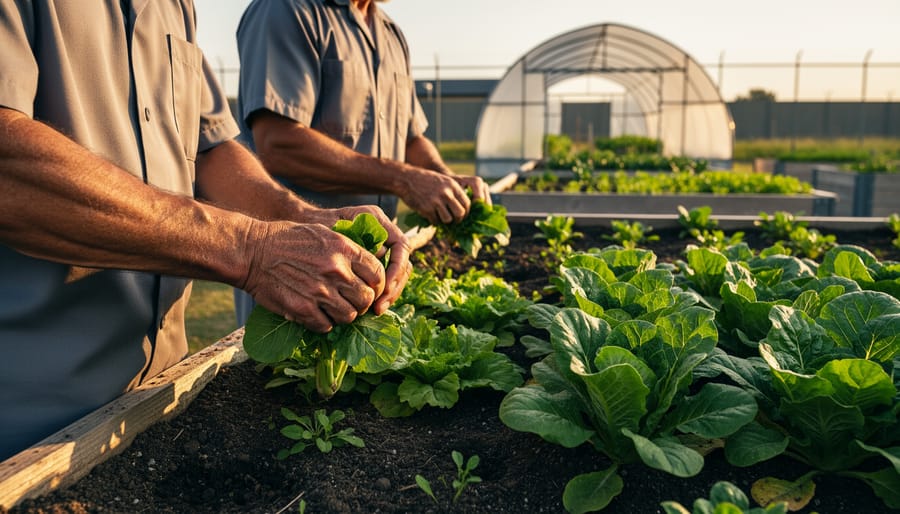
Behind prison walls across America, a quiet transformation is taking root—literally. Department of Corrections reentry programs focused on agriculture are teaching incarcerated individuals sustainable farming skills while addressing food insecurity and building pathways to meaningful employment after release. These innovative initiatives combine hands-on organic growing techniques, business management training, and environmental stewardship to prepare participants for careers in farming and food production.
The results speak volumes: participants gain nationally recognized certifications in horticulture and agriculture, develop marketable job skills, and significantly reduce recidivism rates compared to traditional programming. Many graduates transition directly into positions with local farms, community gardens, and CSA operations upon release, bringing fresh talent to an industry facing labor shortages. These programs also supply fresh, chemical-free produce to prison populations and surrounding communities, creating a positive ripple effect that extends far beyond correctional facilities.
By connecting justice reform with sustainable agriculture, reentry farming programs offer second chances while strengthening local food systems. They prove that investing in education and practical skills creates lasting change for individuals, communities, and our environment—one harvest at a time.
What CSA-Correctional Partnerships Actually Do
The Training Model Behind the Fence
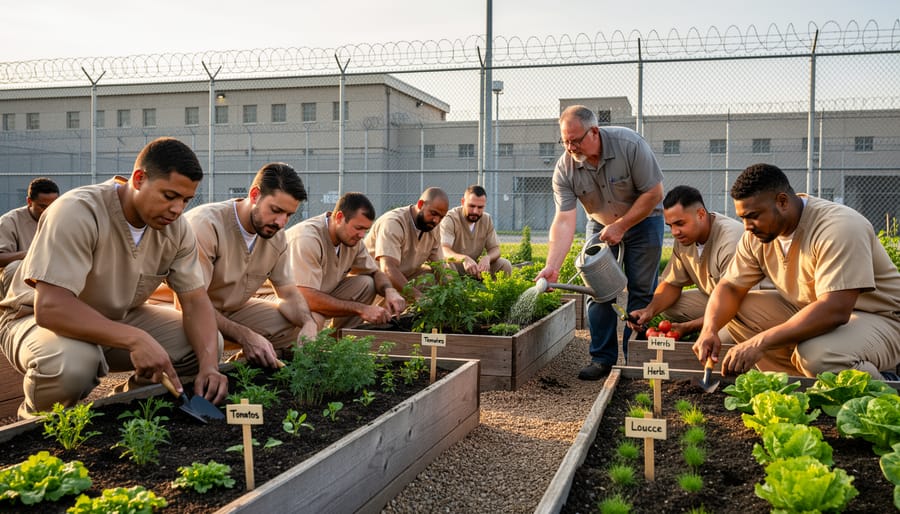
Behind the fences of participating correctional facilities, inmates gain invaluable hands-on experience that forms the foundation of successful career training programs. The agricultural curriculum starts with the basics: participants learn soil preparation techniques, including composting, pH testing, and organic amendment applications that build healthy growing environments. From there, they progress through seed starting, transplanting, irrigation management, and pest control using sustainable methods.
Throughout the growing season, inmates rotate through different stations, ensuring everyone masters each skill from field preparation to harvest timing. They learn to identify plant diseases, manage crop rotation schedules, and understand the importance of biodiversity in maintaining soil health. The program emphasizes practical knowledge that translates directly to employment opportunities, whether on organic farms, community gardens, or landscape maintenance crews.
Take Marcus, who completed the program three years ago. Today, he manages a thriving urban farm, crediting his success to the comprehensive training he received. The hands-on approach builds more than just farming skills; participants develop work ethic, time management abilities, and problem-solving techniques essential for any career path.
Harvest management training teaches proper picking techniques, post-harvest handling, and basic food safety protocols. Many graduates find employment at CSA farms, farmers markets, or farm-to-table restaurants, where their certified training and genuine passion for sustainable agriculture make them valuable team members in the growing local food movement.
From Field to Market: Building Business Skills
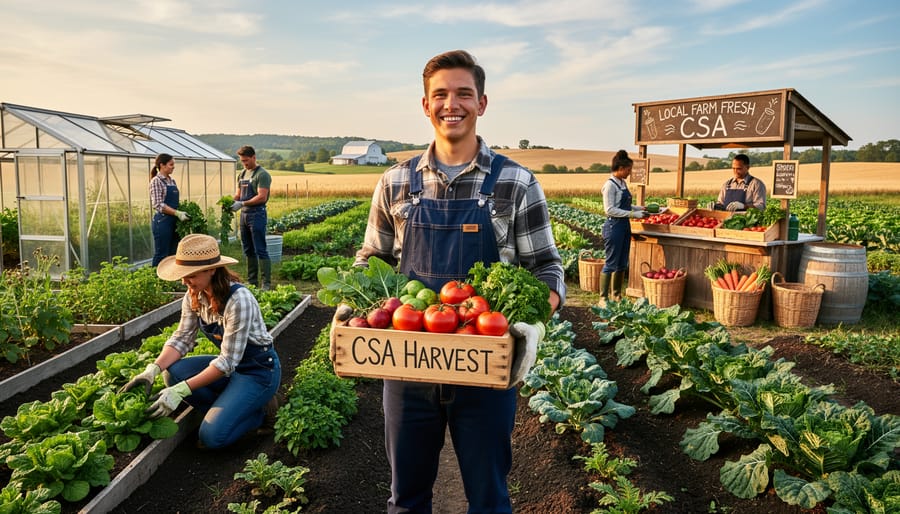
Reentry programs rooted in agriculture don’t stop at teaching participants how to grow tomatoes or manage soil health. The most successful initiatives incorporate essential business skills that translate directly to employment opportunities after release. Through Community Supported Agriculture models, participants gain hands-on agricultural training while learning the full scope of farm-to-market operations.
These programs often include modules on customer service, teaching participants how to communicate effectively with CSA members, handle inquiries, and build trust within their communities. Marketing fundamentals become practical lessons as participants help craft farm newsletters, manage social media presence, and even assist with packaging design that tells their produce’s story.
Small business operations training covers inventory management, basic bookkeeping, and understanding profit margins—skills valuable whether someone pursues farming or another entrepreneurial path. Many programs involve participants directly in CSA box assembly, delivery logistics, and member retention strategies. This comprehensive approach creates a bridge between agricultural knowledge and marketplace reality, equipping individuals with transferable skills that employers across industries value. The result is confident, capable graduates prepared to contribute meaningfully to their communities.
Real Success Stories: Former Inmates Turned Farmers
The transformation from incarceration to successful farming careers represents some of the most powerful outcomes of correctional agriculture programs. These stories showcase not just skill development, but genuine life changes that ripple through communities.
Take Marcus Rodriguez, who spent six years at a California facility where he participated in an intensive organic farming program. During his time there, Marcus learned everything from soil health management to crop rotation planning. Upon release, he joined a community-supported agriculture operation in Sonoma County, where he now manages three acres of organic vegetables. “The program taught me patience and attention to detail,” Marcus shares. “Every seed you plant is an investment in the future, and that mindset changed how I approach life.” Two years later, he’s become a valued team member and mentors other program graduates joining the farming workforce.
Sarah Chen’s journey took a different path after completing a greenhouse management program in Oregon. She secured an apprenticeship with a local CSA farm specializing in year-round greens production. Within eighteen months, Sarah had saved enough to lease a small plot and launch her own micro-farm, supplying restaurants and farmers markets with specialty salad mixes. Her success demonstrates how correctional agriculture programs provide not just employment skills, but entrepreneurial foundations.
The statistics support these individual stories. Research shows that inmates who complete agriculture-focused reentry programs have recidivism rates nearly 40 percent lower than the general prison population. Many attribute this success to the nature of farming itself—the work demands consistency, provides tangible rewards, and connects people to their communities through food production.
James Walker, who now co-manages a 20-member CSA in Vermont, puts it simply: “Growing food taught me how to grow as a person. I learned that making mistakes is part of the process, whether you’re dealing with tomato blight or life challenges. The farm gave me a second chance, and I wake up every day grateful to work with my hands in the soil.”
These success stories highlight how correctional agriculture programs create genuine opportunities for individuals to rebuild their lives while contributing to local food systems and sustainable farming practices.
The Community Impact You Might Not Expect
Where the Food Goes
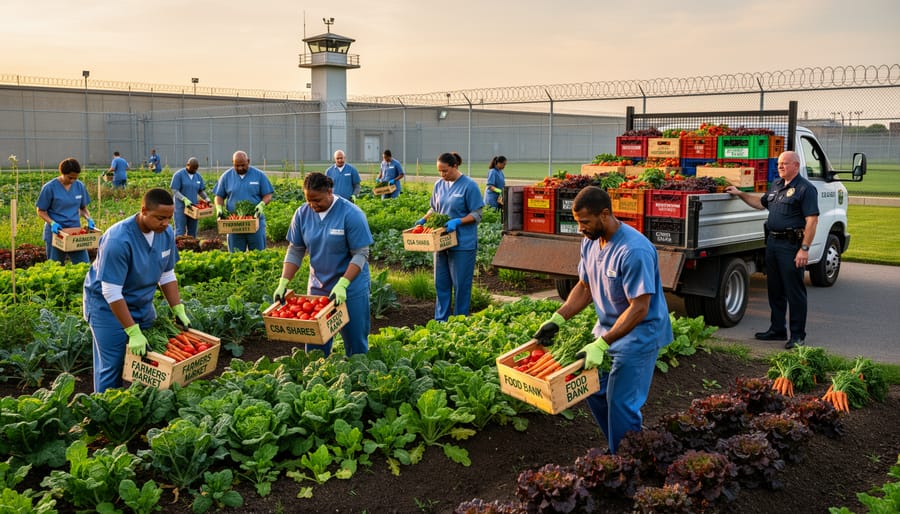
The fresh, organic produce grown through corrections reentry programs finds its way to communities through several meaningful channels. Many programs operate Community Supported Agriculture (CSA) shares, where local residents subscribe to receive weekly boxes of seasonal vegetables harvested by participants. This creates a direct farm-to-table connection while providing participants with valuable experience in distribution logistics and customer service.
A significant portion of the harvest often goes to food banks, homeless shelters, and community kitchens serving underserved neighborhoods. This donation model addresses food insecurity while giving program participants a profound sense of purpose—knowing their work directly helps families access nutritious, chemical-free produce they might not otherwise afford.
Partnerships with farmers markets, local restaurants, and institutional buyers like schools or hospitals create additional distribution pathways. These relationships expose participants to various aspects of the food system, from pricing and quality standards to building professional networks that may lead to employment opportunities after release.
Some programs even establish farm stands at the facility or nearby locations, where participants learn retail skills while connecting with community members. This visibility helps break down barriers and stigma, allowing the broader community to witness firsthand the transformation happening through agriculture-based rehabilitation.
Why Farming Works as Rehabilitation
There’s something profound about working with soil and seeds that reaches people in ways traditional rehabilitation programs often can’t. Agricultural work offers a unique combination of therapeutic benefits and practical skill-building that makes it exceptionally effective for individuals transitioning back into society.
The mental health improvements are remarkable. Being outdoors, connecting with natural cycles, and nurturing living things from seed to harvest creates a sense of purpose and accomplishment. Many participants report reduced anxiety and depression as they develop relationships with the plants they’re growing. The repetitive, meditative nature of tasks like weeding, planting, and harvesting provides a calming rhythm that helps individuals process difficult emotions and develop mindfulness.
Farm work naturally cultivates patience. You can’t rush a tomato plant or force lettuce to mature overnight. This teaches valuable lessons about delayed gratification and the rewards of consistent effort over time. Participants learn that their daily actions, no matter how small, contribute to larger outcomes they can literally see growing before them.
Responsibility develops organically in agricultural settings. Animals need feeding, crops require watering, and gardens depend on regular care. These non-negotiable tasks create accountability structures that translate directly into workplace reliability and personal discipline.
Perhaps most importantly, sustainable agriculture values align beautifully with personal transformation. Both involve nurturing growth, working with natural processes rather than against them, and understanding that healthy systems require balance and care. Participants often describe farming as giving them a fresh start, where past mistakes become compost for future growth, and every season brings new opportunities for renewal and success.
How to Support CSA-Correctional Programs in Your Area
You can make a meaningful difference by supporting CSA programs that partner with correctional facilities. These initiatives create win-win situations, providing fresh organic produce to your community while offering incarcerated individuals valuable agricultural training and a pathway to successful reentry.
Start by exploring whether your local correctional facility offers a CSA program. Many prisons now sell shares of their organically grown produce directly to community members. Purchasing a CSA share supports the program financially while giving you access to fresh, seasonal vegetables grown using sustainable practices. Contact your state’s Department of Corrections to inquire about participating facilities.
Volunteering as a mentor provides invaluable support to program participants. Share your gardening expertise, farming knowledge, or simply offer encouragement to those learning new skills. Organizations coordinating these programs often need experienced gardeners to guide hands-on learning sessions or help graduates transition into agricultural careers.
Advocate for program expansion by contacting your local representatives. Share success stories you’ve learned about, emphasizing the reduced recidivism rates and community benefits these programs deliver. Your voice can influence policy decisions that fund and grow these initiatives.
Connect local organic farms with correctional facilities in your area. Farmers can offer apprenticeships to program graduates, providing essential work experience and helping these individuals build stable futures in agriculture. Farm owners might also partner with facilities to provide seeds, equipment, or technical guidance.
By taking these practical steps, you support both sustainable agriculture and meaningful second chances, strengthening your community in multiple ways.
Department of corrections reentry programs built around sustainable agriculture offer something truly remarkable: they create a ripple effect of positive change that extends far beyond prison walls. When individuals learn to nurture seeds into thriving crops, they’re simultaneously cultivating new skills, confidence, and a renewed sense of purpose. These programs prove that second chances aren’t just about rehabilitation—they’re about transformation.
For our communities, the benefits are equally powerful. Former participants become valuable contributors to local food systems, bringing their agricultural knowledge to farmers markets, CSA operations, and organic farms. They help strengthen food security while reducing our environmental footprint through sustainable practices learned behind bars.
The beauty of these initiatives lies in their simplicity: dirt, seeds, dedication, and mentorship combine to create opportunities where they’re needed most. Whether you’re a CSA subscriber, a farm owner considering hiring program graduates, or simply someone who believes in the power of fresh starts, you’re part of this movement. By supporting locally grown produce and embracing programs that blend agriculture with rehabilitation, we’re not just feeding our families—we’re cultivating hope, building stronger communities, and proving that everyone deserves the chance to grow.