Daily Archives

2 Articles

Industrial Freeze Drying Brings CSA Harvest to Your Pantry Year-Round

Posted by darrell on
0
Culinary and Food Preservation
Industrial Freeze Drying Brings CSA Harvest to Your Pantry Year-Round

Industrial freeze drying transforms abundant CSA harvests into shelf-stable products that retain 97% of their nutritional value, opening new revenue streams for small-scale farmers while reducing food waste. This preservation method removes moisture through sublimation—converting ice directly to vapor—without the heat damage that destroys vitamins, enzymes, and flavor compounds in traditional dehydration.

CSA farmers are discovering that freeze-dried strawberries, tomatoes, and herbs command premium prices at farmers markets and through online sales, often tripling the value of fresh produce. A single harvest of basil worth $200 fresh can generate $600 when freeze-dried and packaged, with a shelf life extending two years or more. Small cooperative groups are pooling resources to purchase shared equipment, making the $15,000-$50,000 investment accessible through collective ownership models.

The technology particularly suits high-value crops with short growing seasons—think heirloom tomatoes, specialty mushrooms, and tender greens that spoil quickly. Unlike canning or freezing, freeze-dried products require no refrigeration, dramatically reducing storage and transportation costs while creating lightweight products perfect for shipping to distant customers.

Understanding the equipment requirements, processing times, and ideal produce candidates helps farmers evaluate whether this value-added opportunity aligns with their operation. Success stories from Vermont berry growers and Oregon mushroom cultivators demonstrate how freeze drying strengthens direct-to-consumer relationships while extending the farm’s economic impact beyond traditional growing seasons.

What Industrial Freeze Drying Actually Does to Your Food

Fresh vegetables and fruits arranged on trays inside industrial freeze-drying equipment
Industrial freeze-drying equipment processes fresh CSA produce while preserving nutrients and flavor through controlled moisture removal.

The Science Made Simple

Industrial freeze drying might sound complicated, but it’s actually one of nature’s smartest preservation tricks turned into a reliable science. Unlike traditional food storage techniques like canning or dehydrating, freeze drying preserves up to 97% of nutrients while keeping flavors incredibly true to fresh.

The process happens in three distinct phases. First comes freezing, where your CSA strawberries or kale are brought down to around -40°F. Think of it like winter hitting pause on your garden – everything locks in place at peak freshness.

Next is primary drying, where the magic really happens. The frozen produce goes into a vacuum chamber, and as pressure drops, something fascinating occurs: ice turns directly into vapor without becoming liquid first. This is called sublimation, the same process that makes frost disappear on a cold, sunny morning without creating puddles. During this phase, which can take 24 hours or more, about 95% of the water vanishes.

Finally, secondary drying removes the last stubborn moisture molecules still clinging to your produce. This ensures your freeze-dried tomatoes or blueberries can sit on a shelf for months or even years without spoiling.

The result? Lightweight, nutrient-packed produce that reconstitutes beautifully when you add water back. For CSA farmers, this means transforming bumper crops of seasonal vegetables into value-added products that customers can enjoy year-round.

Why Nutrients Stay Put

Here’s the secret behind freeze drying’s nutritional advantage: temperature matters more than you might think. When you freeze dry produce at minus 40 degrees Celsius, you’re essentially putting vitamins and minerals into suspended animation. Unlike traditional dehydration methods that blast food with heat up to 60 degrees Celsius, freeze drying keeps those delicate compounds intact.

Think about vitamin C, that fragile nutrient we all need. Heat-based drying can destroy up to 50% of it, while freeze drying preserves around 95%. The same goes for antioxidants and B vitamins. This matters tremendously for health-conscious CSA members who choose local, organic produce specifically for its nutritional benefits.

Local farmer Maria from Ontario’s Harvest Moon CSA discovered this firsthand when she started freeze drying her surplus kale and berries. Lab tests showed her freeze-dried products retained nearly the same nutrient levels as fresh, making preserving nutrients achievable year-round. For CSA operations focused on delivering maximum health value, freeze drying transforms seasonal abundance into nutrient-dense products that maintain the integrity your members expect from their organic investment.

From Farm Box to Freeze Dryer: How CSAs Are Using This Technology

Co-Op Models That Work

Several CSA farms have discovered that cooperation is the key to unlocking freeze-drying opportunities. Rather than shouldering the hefty equipment costs alone, forward-thinking farmers are joining forces to make industrial freeze-drying accessible and profitable.

The Vermont Valley Food Hub serves as an inspiring example. Six small CSA operations pooled resources to purchase a mid-sized industrial freeze dryer, creating a shared-use facility. Each farm contributes to maintenance costs and schedules processing time based on harvest volumes. This arrangement dropped individual investment from $150,000 to roughly $25,000 per farm, making the technology suddenly feasible for operations that never imagined owning such equipment.

In Oregon, the Cascade Growers Cooperative took a slightly different approach. Ten farms formed a processing cooperative where members pay annual fees plus per-pound processing charges. This model allowed them to invest in a larger, more efficient unit that handles higher volumes. The cooperative now processes strawberries, kale chips, and herb blends that member farms sell under individual labels or a collective brand.

The success stories don’t stop at equipment sharing. These cooperatives have discovered that working together opens doors to wholesale accounts that individual farms couldn’t access. Restaurants and specialty food stores prefer reliable, year-round suppliers with diverse product lines. By combining their freeze-dried offerings, cooperative members meet minimum order requirements and maintain consistent inventory.

Start exploring cooperative models in your region by connecting with your local farm bureau or agricultural extension office. Many states offer grants specifically designed to support farmer cooperatives investing in value-added processing equipment.

A Vermont Farm’s Freeze-Drying Success Story

When Green Mountain Harvest CSA in northeastern Vermont faced mountains of surplus berries and greens during their peak seasons, founder Sarah Chen knew something had to change. Like many small farms, they were composting perfectly good produce simply because it couldn’t reach customers in time.

Their breakthrough came in 2021 when they invested in a mid-sized industrial freeze dryer. “I was nervous about the initial cost,” Sarah admits, “but watching food go to waste was heartbreaking.” The farm started small, processing strawberries and spinach that didn’t meet fresh-market standards or couldn’t be distributed before spoiling.

The results exceeded expectations. Their freeze-dried strawberry slices became a member favorite, offering peak-season flavor in January. Within six months, Green Mountain Harvest developed a product line including berry powders, vegetable chips, and herb blends. CSA members could now enjoy locally grown produce year-round, and the farm opened new revenue streams during traditionally slow winter months.

The numbers tell an encouraging story. Sarah reports that their freeze-dried products now generate 30% of annual revenue, with profit margins significantly higher than fresh produce. “We’ve gone from composting 20% of our harvest to preserving it instead,” she explains. The farm recovered their equipment investment within two years.

Beyond finances, the freeze dryer transformed their business model. They now accept more produce from neighboring farms, creating a regional hub for preservation. Members appreciate the convenience of lightweight, shelf-stable products, and the farm maintains customer relationships throughout winter.

Sarah’s advice for other farmers considering this step? “Start with one or two products you grow abundantly. Test the market through your existing CSA members before expanding. The technology works beautifully, but success depends on understanding what your community wants.”

Close-up comparison of freeze-dried strawberries showing preserved color and distinctive porous texture
Freeze-dried strawberries retain their color and nutritional value while becoming lightweight and shelf-stable for year-round use.

Which CSA Produce Freeze Dries Best

The All-Stars: Fruits and Vegetables That Shine

Not all fruits and vegetables emerge from the freeze dryer equally impressive, but certain varieties truly excel in this preservation process. Understanding which produce performs best can help you maximize your investment and delight your CSA members with premium quality products.

Strawberries are absolute champions of freeze drying. They transform into intensely flavored, crispy gems that rehydrate beautifully or make perfect additions to granola and baked goods. The process concentrates their natural sweetness while preserving that bright red color customers love.

Sweet corn and peas retain remarkable flavor profiles that often surprise first-time tasters. These vegetables maintain their natural sweetness and vibrant colors, making them ideal for soups, side dishes, or camping meals. Many farmers report that freeze-dried corn actually tastes sweeter than canned versions, giving you a competitive edge at farmers markets.

Fresh herbs like basil, cilantro, and parsley freeze dry exceptionally well, preserving essential oils that deliver authentic flavor. Unlike air-dried herbs that can lose potency, freeze-dried versions crumble perfectly and rehydrate quickly in cooking. One small-scale farmer in Oregon built an entire product line around freeze-dried herb blends, turning excess garden harvests into year-round income.

Mushrooms are another standout success story. They become incredibly lightweight, intensify in flavor, and rehydrate to near-fresh texture. Gourmet varieties like shiitakes and oyster mushrooms command premium prices when freeze-dried, making them excellent candidates for value-added production on your farm.

Farmer with abundant CSA harvest in barn setting showcasing seasonal produce variety
CSA farmers are transforming seasonal surplus into value-added freeze-dried products that extend their harvest throughout the year.

The Tricky Ones Worth the Effort

Some produce items need a little extra love before freeze drying, but the results can be fantastic for your CSA members. High-fat foods like avocados require careful handling since oils can affect texture and shelf life. The key is to slice them thinly and use them soon after processing, or consider turning them into a powder that members can reconstitute for smoothies or spreads.

High-water content vegetables like cucumbers and zucchini present their own challenges. These watery crops can end up limp or lose their appeal if not prepared correctly. Try slicing them paper-thin and even lightly salting them beforehand to draw out excess moisture. While they won’t replace fresh cucumbers in a salad, freeze-dried cucumber chips make surprisingly delicious snacks.

One Wisconsin CSA farmer found success by experimenting with tomatoes, which fall into both categories with their high water content and delicate structure. By halving cherry tomatoes and freeze-drying them in small batches, she created a premium product that members love adding to pasta dishes and soups. The lesson here is simple: don’t shy away from the challenging items. With proper preparation and creative packaging, these trickier vegetables can become unique value-added products that set your CSA apart.

The Economics: Costs, Returns, and Making It Viable

Understanding the Investment

Getting started with freeze-drying for your farm operation involves understanding three main pathways, each with distinct costs and commitments.

If you’re considering purchasing equipment, industrial freeze-dryers range from $30,000 for small units processing 15-25 pounds per batch to over $500,000 for large-scale operations. You’ll also need adequate facility space with proper electrical infrastructure, often requiring 220-volt power and dedicated circuits. Factor in ongoing costs like electricity, maintenance, and packaging materials too.

For farmers wanting to test the waters without major investment, toll processing offers an accessible alternative. Regional facilities charge per pound processed, typically $4-8 per pound of finished product. This option lets you experiment with different crops and market testing before committing to equipment. Many CSA farmers successfully use toll processors seasonally when they have excess produce.

Mobile freeze-drying services are emerging as an exciting middle ground. These operators bring equipment directly to your farm, processing your produce on-site. You avoid facility modifications while retaining more control over the process than toll processing allows. It’s perfect for mid-sized operations or farmer cooperatives who can share the service costs.

Sarah Martinez, who runs a successful organic CSA in Vermont, started with toll processing three years ago. “We sent our surplus strawberries to a regional facility that first season. The product sold so well at our farm stand that we invested in a small unit the following year. Now freeze-dried fruits are 20 percent of our annual revenue.”

Pricing Your Freeze-Dried Produce

Setting the right price for your freeze-dried produce requires understanding both your costs and what the market will support. Current market research shows consumers typically pay $8-15 per ounce for freeze-dried fruits and vegetables at farmers’ markets and specialty stores, with organic, locally-grown products commanding premium prices.

Start by calculating your true costs including raw produce, electricity for the freeze dryer, packaging materials, and labor time. Most successful CSA farmers find they need to price products at 3-4 times their production cost to maintain profitability. For example, if freeze-drying strawberries costs you $4 per ounce all-in, pricing at $12-16 per ounce provides healthy margins.

Position your freeze-dried offerings as premium, farm-fresh alternatives to mass-produced options. Emphasize your organic growing practices, the superior flavor of locally harvested produce, and the absence of additives. Many CSA farms successfully bundle freeze-dried products into winter share boxes or create gift sets that highlight the farm’s story.

Consider tiered pricing strategies: offer small sampler sizes to attract new customers, medium packages for regular buyers, and bulk options for devoted supporters. Sarah Chen from Meadowbrook Farm discovered that creating seasonal variety packs increased her average transaction value by forty percent while reducing packaging time.

How to Use Freeze-Dried CSA Produce in Your Kitchen

Rehydration Secrets

Bringing freeze-dried produce back to life is simpler than you might think. The basic ratio is one part freeze-dried produce to one part liquid, though delicate items like berries may need slightly less. For most vegetables and fruits, soak them in cool or room-temperature water for 5-10 minutes. Heartier items like root vegetables might need 15 minutes, while tender greens rehydrate in just 2-3 minutes.

Here’s a farmer’s tip from Green Valley CSA: save the soaking liquid! It contains valuable nutrients and flavor that leached out during rehydration. Use it in soups, smoothies, or as cooking liquid for grains.

Some applications work better with freeze-dried produce used dry. Crumble freeze-dried strawberries directly into yogurt or oatmeal for intense flavor without added moisture. Grind dried herbs and vegetables into powders for seasoning blends. For baking, add dry pieces to muffin batter where they’ll absorb moisture during cooking.

Temperature matters too. Hot liquids speed rehydration but can affect texture in delicate produce. Cold water takes longer but preserves that just-picked crispness better. Experiment with your specific crops to find what works best for your CSA customers.

Recipe Ideas That Showcase Quality

Freeze-dried CSA produce opens up incredible possibilities for convenient, nutritious meals throughout the year. Here are some creative ways to put your preserved harvest to work.

For quick breakfast smoothies, toss freeze-dried strawberries, blueberries, or peaches directly into your blender with milk or yogurt. The powder created blends seamlessly while providing concentrated flavor and nutrients. One CSA member from Manitoba shared how she keeps jars of freeze-dried berries on her counter for morning smoothie bowls, eliminating the need for frozen fruit.

Soups become incredibly easy when you’ve got freeze-dried vegetables on hand. Simply crumble freeze-dried tomatoes, peppers, and herbs into broth, and they’ll rehydrate in minutes. This technique works beautifully for cooking with CSA produce year-round, even when fresh options are limited.

Camping enthusiasts love freeze-dried produce for lightweight, nutritious trail meals. Create custom backpacking dinners by combining freeze-dried corn, peas, and carrots with instant rice or pasta. The weight savings compared to canned goods makes a real difference on long trips.

Emergency preparedness kits benefit enormously from freeze-dried vegetables and fruits. Unlike canned options, they’re shelf-stable for 25 years and retain most of their nutritional value. Smart CSA members stock rotating supplies, using older batches in everyday cooking while maintaining fresh emergency reserves. This practical approach ensures nothing goes to waste while keeping your family prepared.

Mason jars filled with colorful freeze-dried vegetables arranged on kitchen counter
Properly stored freeze-dried produce maintains quality for months, bringing farm-fresh ingredients to your kitchen year-round.

Environmental Impact: The Sustainability Angle

For environmentally conscious farmers and consumers, freeze-drying offers compelling sustainability benefits worth considering. One of the most significant advantages is its power to reduce food waste. When your CSA faces a bumper crop of strawberries or an unexpected abundance of kale, freeze-drying transforms potentially wasted produce into shelf-stable products that can be enjoyed for months or even years.

This preservation method extends the impact of your CSA investment beyond the traditional growing season. Instead of composting surplus produce or watching it spoil, farmers can offer freeze-dried items that keep the farm-to-table connection alive year-round. Local food stays local, reducing transportation emissions and supporting your regional food economy even during winter months.

The energy conversation deserves honest consideration. Freeze-drying does require significant electricity during the initial freezing and vacuum processes. However, when you compare the total environmental footprint, the picture becomes more nuanced. Unlike canning, there’s no need for disposable jar lids or energy-intensive water baths. Compared to traditional dehydration, freeze-drying preserves more nutrients, meaning less food goes further nutritionally.

Take Green Valley Farm in Vermont, where owner Maria Chen calculated that freeze-drying her surplus blueberries prevented 400 pounds of annual food waste. She now powers her freeze-dryer with solar panels, creating a nearly carbon-neutral preservation process. The result? Her CSA members enjoy local blueberries in their morning smoothies all winter long.

For the eco-conscious consumer, choosing freeze-dried CSA products means supporting waste reduction, seasonal eating extension, and local food systems simultaneously. It’s preservation that aligns with your values while delivering practical benefits.

Getting Started: Options for CSA Farms and Members

Ready to explore freeze-drying for your CSA? Here are practical steps to get started, whether you’re a farmer or an enthusiastic member.

For CSA farmers curious about adding freeze-dried products to their offerings, starting small makes sense. Consider partnering with a toll processor first—these commercial facilities freeze-dry your produce for a fee, eliminating the initial equipment investment. Search for “freeze-drying toll processing” in your region, or connect with local food hubs that might offer these services. This approach lets you test market demand with products like freeze-dried strawberries or herb mixes before committing to equipment purchases.

When you’re ready to invest, small-scale home units (around $2,500-$4,000) work beautifully for testing recipes and creating sample products. Michigan farmer Sarah Chen started this way, freeze-drying her excess tomatoes and basil. Within two years, member enthusiasm justified upgrading to a commercial unit that now processes 200 pounds weekly during peak season.

For equipment purchases, attend agricultural expos where you can see machines in action and talk with representatives. Request demos with your actual produce—different models handle leafy greens versus berries quite differently. Many manufacturers offer financing options specifically for small farms.

CSA members can advocate for freeze-drying programs too! Bring the idea to your farmer during farm visits or member meetings. Offer to help research grant opportunities—many sustainable agriculture programs fund value-added processing equipment. Some CSAs have even formed member cooperatives to purchase shared equipment.

Start your freeze-drying journey by reaching out to three toll processors this month, attending one equipment demonstration, or scheduling a conversation with your CSA farmer. Small steps lead to preserved harvests and strengthened local food systems.

Industrial freeze-drying offers an exciting pathway for transforming your CSA’s seasonal bounty into year-round nourishment. This preservation method helps bridge the gap between summer’s abundance and winter’s scarcity, allowing you to maintain your connection with local farms even when fields lie dormant. By reducing food waste and extending the shelf life of produce without sacrificing nutritional value, freeze-drying supports truly sustainable eating habits.

For farmers, this technology opens doors to new revenue streams and helps stabilize income throughout the year. Consider Sarah’s success with her Vermont CSA, where freeze-dried tomatoes and berries now generate off-season income while delighting members who crave that farm-fresh taste in January.

For consumers, seeking out freeze-dried options from your local CSA means supporting your community’s agricultural economy while enjoying convenient, nutritious food that travels well and stores easily.

Ready to take the next step? Farmers, research co-packing facilities or cooperative freeze-drying equipment purchases with neighboring farms. Consumers, ask your CSA coordinator about preserved produce options or express interest in freeze-dried additions to your share. Together, we can build a more resilient, waste-free local food system that nourishes communities year-round.

How Ohio’s First Farmers Perfected Plants We Still Grow Today

Posted by darrell on
0
Cultural Agriculture Practices
How Ohio’s First Farmers Perfected Plants We Still Grow Today

Ohio’s native plants carry generations of wisdom, shaped by indigenous plant breeding practices that developed resilient, locally-adapted varieties long before modern agriculture. These plants thrive in Ohio’s clay soils, humid summers, and unpredictable springs without the constant intervention that hybrid varieties demand.

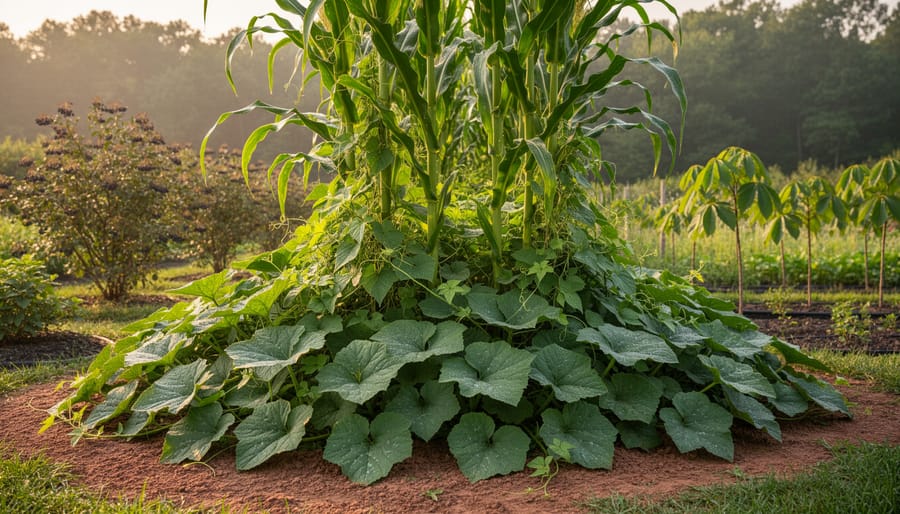
Start with the Three Sisters: corn, beans, and squash planted together create a self-supporting ecosystem where corn provides climbing structure, beans fix nitrogen into soil, and squash leaves shade out weeds while retaining moisture. Plant pole beans when corn reaches knee-high, spacing squash hills four feet apart between corn rows.

Source seeds from regional growers who’ve saved genetics adapted to Ohio’s specific microclimates rather than generic native plant suppliers. Jerusalem artichokes, groundnuts, and wild leeks naturalize easily in partially shaded areas, requiring minimal care once established while providing reliable harvests year after year.

Focus on perennials like ramps, pawpaws, and serviceberries that deepen roots annually, building soil structure and drought resistance that annual crops cannot match. These plants survived centuries of Ohio’s weather extremes, from the Little Ice Age to modern climate variability.

Transform challenging garden spots into productive spaces using plants evolved for Ohio conditions. Wet clay areas support elderberries and winterberry holly, while dry slopes accommodate native plums and hazelnut shrubs. Each plant solves a problem while contributing food, eliminating the need for soil amendments or irrigation systems that drain time and resources from your gardening season.

The Living Legacy: Indigenous Plants That Shaped Ohio Agriculture

The Three Sisters: Ohio’s Original Companion Planting System

Long before European settlers arrived, Ohio’s indigenous peoples had perfected what scientists now call the ultimate companion planting system. The Three Sisters – corn, beans, and squash – represent generations of careful observation and plant selection, creating a self-sustaining garden ecosystem that still inspires sustainable farmers today.

Here’s how this brilliant polyculture works: Corn stalks grow tall and strong, providing natural trellises for climbing beans. The beans, in turn, fix nitrogen from the air into the soil, fertilizing their corn companions. Squash sprawls along the ground below, its large leaves creating living mulch that retains moisture and suppresses weeds while its prickly stems deter pests from the entire planting.

Indigenous farmers didn’t just stumble upon this system – they developed it through countless growing seasons of selecting seeds from plants that thrived together. They noticed beans climbed better on certain corn varieties, and that specific squash types spread without overwhelming their companions. This selective breeding created varieties perfectly adapted to Ohio’s climate and soil conditions.

The ecological benefits go beyond the garden bed. This system eliminates the need for synthetic fertilizers, reduces water usage, minimizes pest pressure naturally, and produces three nutritionally complementary crops from the same space. Modern Ohio farmers are rediscovering these techniques, finding that the Three Sisters approach reduces input costs while building healthier soil year after year.

You can start your own Three Sisters garden by planting corn first, adding beans when stalks reach knee-height, and tucking squash seeds around the mounds.
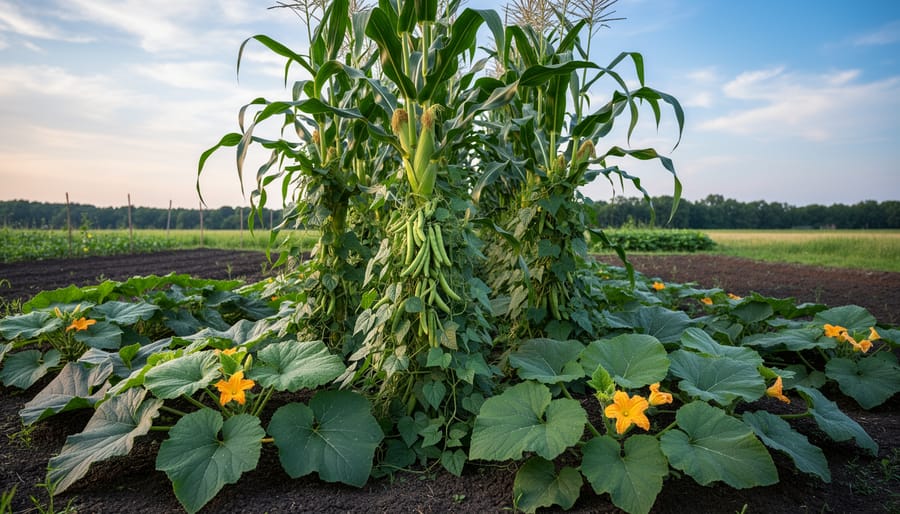
Three Sisters planting showing corn stalks with climbing beans and squash plants at base
The Three Sisters companion planting system demonstrates indigenous agricultural wisdom, with corn, beans, and squash growing in symbiotic relationship.

Beyond the Basics: Lesser-Known Ohio Native Food Plants

Ohio’s native edible landscape extends far beyond the familiar, offering exciting opportunities for organic growers and adventurous gardeners. The pawpaw, North America’s largest native fruit, thrives in Ohio’s woodlands with its creamy, tropical-tasting flesh that’s gaining popularity at farmers markets. These understory trees produce abundant harvests once established, requiring minimal maintenance while supporting local ecosystems.

Wild leeks, commonly called ramps, have become a springtime delicacy that commands premium prices. These pungent alliums emerge in early spring, offering both tender leaves and flavorful bulbs. Sustainable harvesting practices are essential, as overharvesting has depleted wild populations in some regions.

Groundnuts (Apios americana) deserve recognition as an indigenous superfood. These nitrogen-fixing vines produce protein-rich tubers that sustained Native communities for centuries. Local farmer Sarah Mitchell in southeastern Ohio has successfully integrated groundnuts into her diversified operation, discovering they thrive along fence rows with zero fertilizer inputs.

Jerusalem artichokes, black walnuts, and persimmons round out Ohio’s native edible treasures. These plants offer both nutritional value and resilience, adapting naturally to our climate extremes. By incorporating these lesser-known natives into your growing plans, you’re preserving agricultural heritage while building a more sustainable food system.

Ancient Wisdom Meets Modern Gardens: Indigenous Selection Methods

Selecting for Ohio’s Climate: What Indigenous Breeders Knew

Indigenous farmers across Ohio possessed remarkable insight into plant selection that modern gardeners can still learn from today. Over countless growing seasons, Native American communities observed which plants thrived in Ohio’s variable spring weather, clay-heavy soils, and humid summers, then carefully saved seeds only from the strongest performers.

This patient approach to traditional seed saving techniques created varieties uniquely adapted to the region’s challenges. Take the Three Sisters crops, for example. Indigenous breeders developed corn varieties that could handle late spring frosts and still mature before early fall freezes. Their beans fixed nitrogen perfectly timed to Ohio’s growing season, while squash varieties produced large leaves that conserved moisture during August dry spells.

The key lesson for today’s gardeners? Local adaptation matters more than flashy seed catalog descriptions. Indigenous farmers understood that a plant’s ability to handle Ohio’s unpredictable weather trumped maximum yield under perfect conditions. They selected for resilience and reliability rather than perfection.

Modern growers can apply this wisdom by saving seeds from plants that perform well despite challenges, whether that’s a late frost, clay soil, or pest pressure. Start small by selecting seeds from your three best-performing plants each season. Over just a few years, you’ll notice improved adaptation to your specific garden conditions, creating your own locally resilient varieties just as Ohio’s first farmers did centuries ago.

Community-Based Seed Keeping: The Original CSA Model

Long before CSA boxes arrived on modern porches, Ohio’s indigenous communities practiced their own version of community-supported agriculture through community seed sharing. This ancient system created networks of resilience that sustained entire communities through changing seasons and unpredictable weather patterns.

Indigenous peoples of the Ohio region understood something crucial: diversity equals survival. They didn’t just save seeds for themselves—they actively traded varieties with neighboring communities, creating a living seed library that strengthened everyone’s food security. When one family’s squash crop thrived in drought conditions, those seeds became communal treasures, shared freely to benefit the entire network.

This practice created remarkable genetic diversity. By exchanging seeds across different microclimates and growing conditions, indigenous communities essentially practiced open-source plant breeding. Each garden became a testing ground, and successful varieties spread naturally through gift-giving and reciprocal relationships. The Three Sisters garden system itself exemplifies this collaborative approach, where corn, beans, and squash grew together in mutually beneficial partnerships.

Today’s CSA movement echoes these principles beautifully. Just as indigenous communities invested in collective food security through shared knowledge and resources, modern CSA members support farms directly, creating mutual sustainability. Many small Ohio farms now host seed swaps and sharing events, reviving this ancestral wisdom. These gatherings aren’t just about exchanging seeds—they’re about rebuilding community connections and honoring the original keepers of agricultural knowledge who understood that true abundance comes from sharing, not hoarding.
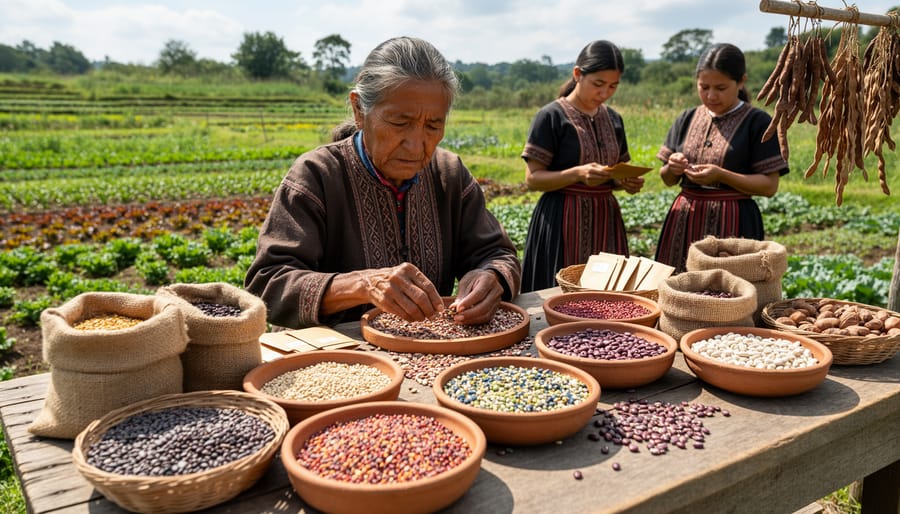
Collection of diverse heirloom seeds including corn, beans, and squash varieties held in hands
Traditional seed saving practices preserve genetic diversity and climate-adapted varieties developed over generations by indigenous farmers.

Growing Indigenous Plants in Your Ohio Garden Today

Starting Simple: Best Indigenous Plants for Beginning Gardeners

Starting your indigenous plant journey doesn’t require advanced gardening skills. Several Ohio native plants practically grow themselves while offering incredible benefits to your garden ecosystem.

The Three Sisters combination makes an excellent starting point. Plant Seneca corn, a traditional Ohio variety with sturdy stalks reaching six feet tall. Alongside it, grow climbing beans like the Jacob’s Cattle bean, which naturally fixes nitrogen in the soil while using corn as support. Complete the trio with winter squash varieties such as Hubbard or butternut. This time-tested companion planting method creates a self-supporting garden that reduces weeding and maximizes space.

For solo plantings, Jerusalem artichokes (sunchokes) thrive with minimal attention in Ohio’s climate. These perennial sunflowers produce nutritious tubers and tolerate various soil conditions. Plant tubers in early spring, and they’ll multiply reliably year after year.

Wild leeks, commonly called ramps, flourish in shaded woodland areas. While they take patience to establish from seed, purchasing small plants gives you a head start on this prized spring vegetable.

Ground cherries offer another beginner-friendly option. These low-growing plants produce sweet, golden fruits in papery husks and self-seed readily once established.

Source authentic indigenous seeds from organizations like Native Seeds/SEARCH, Seed Savers Exchange, and regional heritage seed companies. Many Ohio farmers’ markets also feature vendors selling locally adapted varieties. Start with just one or two plants this season. Susan Martinez, an Ohio community gardener, began with Three Sisters five years ago and now maintains a thriving indigenous garden that supplies her local food cooperative year-round.

Applying Indigenous Growing Techniques in Your Garden

Indigenous growing techniques have sustained communities for thousands of years, and you can bring these time-tested methods into your Ohio garden today. Let’s explore practical ways to implement these sustainable practices.

Start with the Three Sisters planting method, a cornerstone of indigenous agriculture. In late May, when soil temperatures reach 60°F, create mounds about 12 inches high and 18 inches across, spacing them 4 feet apart. Plant four corn seeds in the center of each mound. Once corn reaches 6 inches tall, plant four bean seeds around the corn stalks. A week later, add squash or pumpkin seeds around the mound’s perimeter. The corn provides support for climbing beans, beans fix nitrogen in the soil, and squash leaves shade out weeds while retaining moisture. This companion planting creates a self-supporting ecosystem that reduces your workload and maximizes yields.

Indigenous farmers also practiced natural pest management by encouraging beneficial insects and using companion planting. Plant aromatic herbs like bergamot and wild onions near vulnerable crops to deter pests. Allow a portion of your garden to remain wild, providing habitat for predatory insects that control harmful pests naturally.

Timing your planting by natural indicators rather than calendar dates ensures better success. Watch for oak leaves to reach the size of a mouse’s ear before planting beans, or wait until serviceberry blooms for cool-season crops. These phenological markers align with soil temperatures and frost patterns specific to your microclimate.

By embracing these indigenous techniques, you’ll create a resilient, productive garden that works with nature rather than against it.
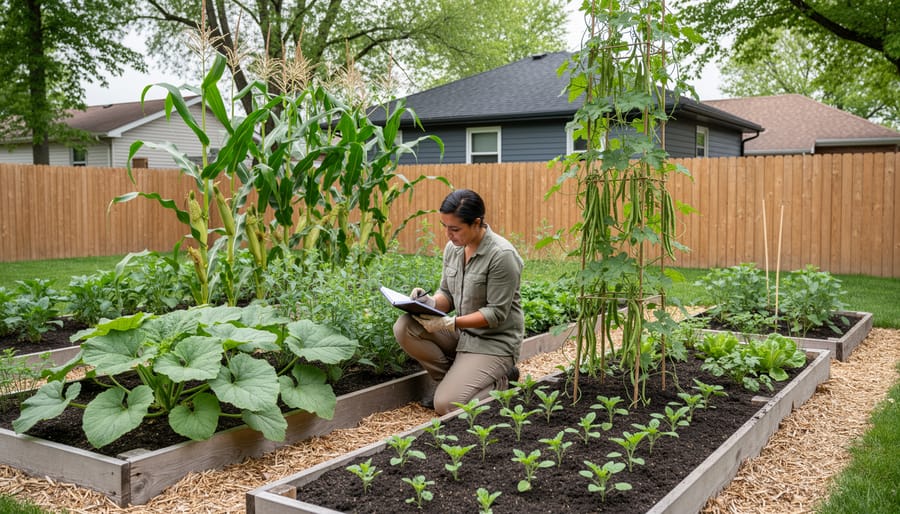
Gardener planting bean seeds beside corn seedlings using traditional companion planting method
Modern Ohio gardeners can apply indigenous planting techniques by following traditional companion planting methods and seasonal timing.

Success Stories: Ohio Farmers Reviving Indigenous Agriculture

Meet Sarah Chen, whose 20-acre CSA farm in Athens County has become a testament to the power of indigenous agriculture. Three years ago, Sarah began incorporating Ohio Pawpaw trees and traditional Three Sisters plantings into her operation. “Our members were skeptical at first,” she admits, “but now the Pawpaws sell out within hours during September harvest.” Her yields of corn, beans, and squash grown using the Three Sisters method increased by 25% compared to monoculture rows, while reducing her irrigation needs by nearly 40%.

Over in Clermont County, James Martinez transformed his backyard garden into a thriving indigenous plant showcase. He started small, planting Jerusalem artichokes and wild bergamot alongside conventional vegetables. “The pollinators went crazy for the bergamot,” James shares. “Within one season, my entire garden’s productivity jumped.” He now sells surplus indigenous produce at farmers markets, where customers appreciate learning about foods their ancestors cultivated.

Green Meadow Farm, a well-established CSA operation near Oberlin, took a bold step by dedicating 30% of their growing space to indigenous varieties. Co-owner Maria Thompson reports remarkable results. “Our ground cherries and ramps have become signature items. Members request them specifically when signing up for shares.” The farm’s adoption of climate-adapted indigenous methods has also reduced their reliance on fertilizers, as many native plants naturally enhance soil health.

The lesson these farmers emphasize? Start small and educate your customers. “We include recipe cards and historical information with each indigenous crop,” Sarah explains. “Once people understand the story behind Pawpaws or amaranth, they’re excited to try them.”

These success stories demonstrate that indigenous agriculture isn’t just historically significant—it’s economically viable. Customers increasingly value unique, locally-adapted foods with cultural significance. The farmers report higher customer retention rates and premium pricing for indigenous varieties. Most importantly, they’ve discovered that these time-tested plants require less intervention while delivering exceptional flavor and nutrition, proving that looking backward can move Ohio agriculture forward.

Preserving and Protecting Ohio’s Indigenous Plant Heritage

Protecting Ohio’s indigenous plant heritage starts right in your backyard garden, and you don’t need to be an expert to make a meaningful impact. Seed libraries across Ohio are becoming vital hubs for preserving heirloom and regionally adapted varieties. Libraries in Cleveland, Columbus, and Cincinnati now offer free seed exchanges where gardeners can borrow seeds in spring and return harvested seeds in fall, creating a community-based conservation network.

The Ohio Seed Savers Exchange connects home gardeners with experienced seed keepers who maintain traditional varieties passed down through generations. By joining these networks, you become part of a living library that preserves genetic diversity. Many indigenous agricultural organizations, including Native American community groups working to revive traditional food systems, welcome collaboration with gardeners interested in learning proper seed-saving techniques.

Getting started is simpler than you might think. Choose open-pollinated varieties of indigenous crops like Three Sisters corn, squash, and beans. Allow your healthiest plants to fully mature and collect seeds when completely dry. Store them in paper envelopes labeled with the variety name, collection date, and any growing notes. This information becomes invaluable for future plantings and sharing with others.

The Ohio Ecological Food and Farm Association offers workshops on seed saving and connects participants with indigenous seed keeper programs throughout the state. Consider attending their annual conference to meet fellow preservation enthusiasts and learn traditional techniques that have sustained these plants for centuries.

Your participation matters more than you realize. Every gardener who saves and shares seeds helps maintain genetic resilience against climate change, diseases, and pests. You’re not just growing plants; you’re stewarding biodiversity and honoring the agricultural wisdom of those who cultivated these crops long before us. Start small with one or two varieties this season and watch your seed-saving confidence grow.

The wisdom embedded in Ohio’s indigenous plants offers modern growers a roadmap toward truly sustainable agriculture. These time-tested crops, refined through centuries of careful selection by Native peoples, naturally align with the core values of CSA operations and organic farming. They require fewer inputs, resist local pests and diseases more effectively, and thrive in our region’s specific climate patterns without the constant intervention that many modern varieties demand.

Starting your journey with indigenous plants doesn’t require transforming your entire garden overnight. Begin with just one or two varieties that spark your curiosity. Plant some Three Sisters in a corner of your plot, or experiment with Jerusalem artichokes along a fence line. Each plant you grow strengthens your connection to this place we call home and links you to generations of farmers who understood that working with nature, rather than against it, creates lasting abundance.

By embracing these resilient plants, you’re not simply gardening; you’re becoming part of a living agricultural tradition that stretches back thousands of years. These plants carry stories, adaptability, and proven performance. They’re ready to share their gifts with anyone willing to learn from their enduring success in Ohio’s soil.