
How to Dispose of Sustainable Food Packaging the Right Way
 darrell on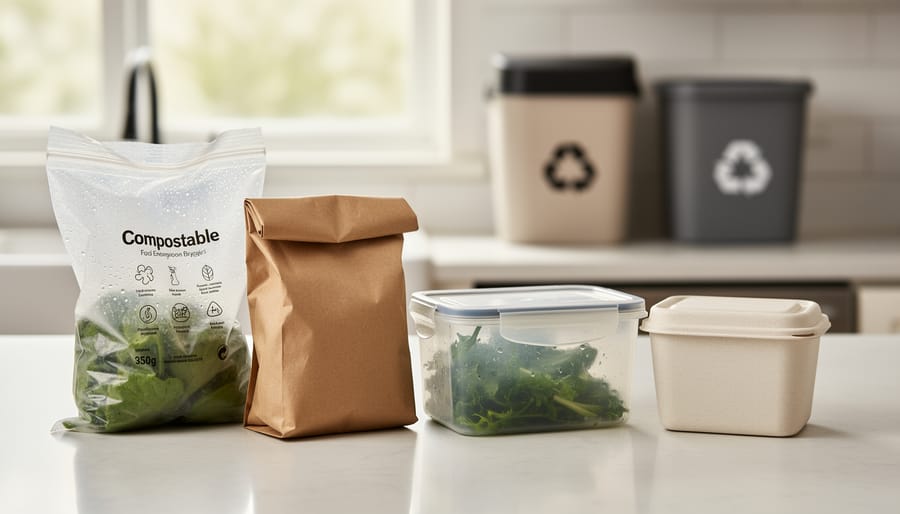
Properly disposing of food packaging from your CSA box or farmers’ market haul takes about 5 minutes per delivery and ensures your commitment to eating local doesn’t end up undermining the planet. The key is identifying which of the five main material types you’re dealing with, compostable film, biodegradable containers, paper wraps, reusable containers, or true plastic recycling, and matching each to its correct disposal stream, since misdirected “eco-friendly” packaging causes more harm than conventional waste in the wrong bin.
Your local farm’s packaging choices reflect a broader shift in how we think about our sustainable food system but even the most thoughtfully sourced materials need proper handling at end-of-life. That compostable bag won’t break down in a landfill, and that “recyclable” container might contaminate an entire recycling load if it still has vegetable residue.
The good news? Most sustainable packaging from local farms falls into straightforward categories once you know what to look for. Farmers choose these materials because they work within existing waste infrastructure when handled correctly. You don’t need special equipment or a PhD in materials science. What you do need is a simple identification system, clear disposal protocols for each type, and maybe a conversation with your waste hauler about what they actually accept.
This guide walks you through recognizing common sustainable packaging materials, preparing them correctly, and verifying they reach their intended destination. Getting it right means your farm-fresh food stays sustainable from soil to disposal.
Understanding Your Sustainable Food Packaging Materials
Before you can dispose of your CSA box packaging correctly, you need to know what you’re actually dealing with. That plastic-looking container might be compostable PLA, or it could be regular plastic with a misleading green label. Getting this identification step right determines whether materials end up enriching soil or contaminating entire batches of compost.
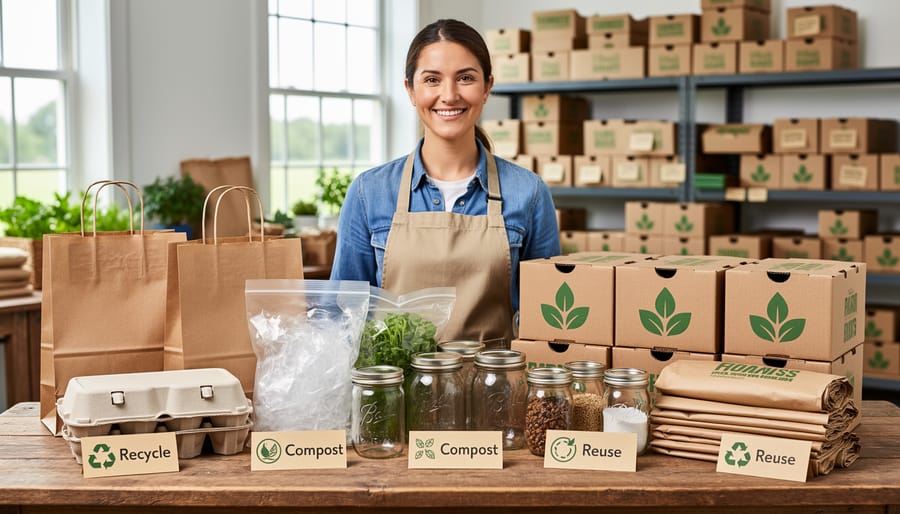
Local farms and CSA programs use a rotating mix of materials depending on what they’re packing and what’s available. Here’s what you’ll typically find:
- Compostable bioplastics (often labeled PLA or PBAT), look for certification logos and a glossy, rigid feel
- Paper-based containers and wraps, check for wax coating or plastic lining that changes disposal method
- Glass jars and bottles, usually mason jars, milk bottles, or repurposed containers meant for return
- Plant fiber boxes and trays, made from bamboo, sugarcane bagasse, or molded paper pulp
- Fabric produce bags, typically cotton, linen, or mesh designed for repeated use
- Cardboard boxes and dividers, often regular corrugated cardboard, sometimes with compostable coating
The trick is learning to spot the difference between genuinely sustainable materials and conventional packaging dressed up with earth-toned colors. Turn containers over and search for certification marks like BPI Certified Compostable, How2Recycle labels, or specific resin codes. If a container says “compostable,” check whether it means home compost or commercial facility only, this distinction matters enormously.
Many farms include a packaging guide in early season deliveries or post one on their website. Don’t guess. A quick text to your farmer or a glance at your CSA’s member resources can prevent you from tossing compostable materials in the trash or contaminating your recycling bin with wishful thinking.
What You’ll Need for Proper Disposal
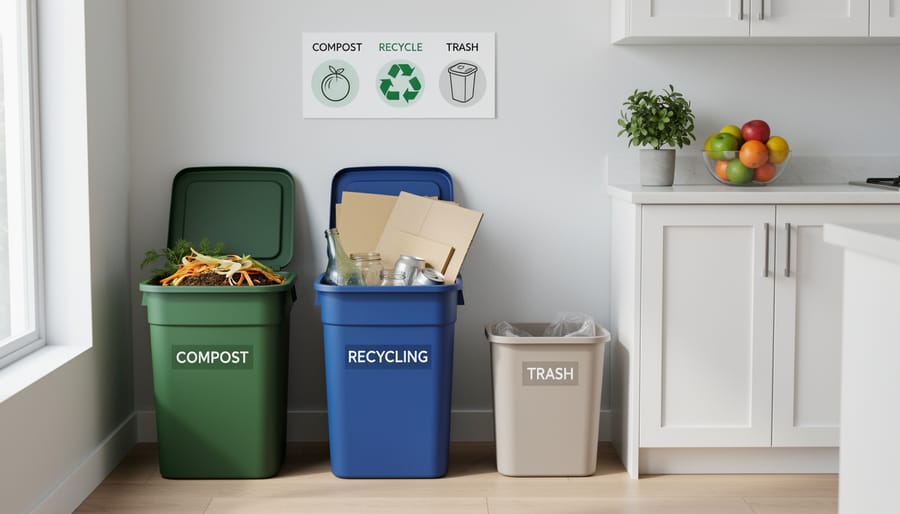
You don’t need fancy equipment to handle sustainable packaging from your CSA box properly. Start with a designated compost bin, either a backyard composter for home systems or a countertop collection container if you use municipal or community composting services. Add standard recycling bins (paper, glass, and plastic if your farm uses any), plus a small tote or shelf space for reusable containers you’ll return to the farm.
Here’s what makes an effective home disposal station:
- Compost bin with a tight-fitting lid to manage odors and pests
- Separate bins for paper/cardboard, glass, and any recyclable plastics
- Dish soap and a scrub brush for cleaning containers before disposal
- Storage basket or box for reusable jars and bags awaiting farm return
- Contact information for your local composting facility and recycling program guidelines
- Small scissors or knife for separating multi-material packaging components
Keep cleaning supplies nearby, since most recycling and composting requires rinsed materials. A spray bottle with diluted vinegar works well for quick rinses. If you’re setting up eco-conscious storage for bulk items, designate a specific area where clean, empty containers live until your next farm pickup day.
The real key isn’t having every tool immediately, it’s creating a simple system you’ll actually use. Many CSA members start with just a compost bucket and one recycling bin, then expand as they learn which packaging types their farm uses most.
Important Disposal Guidelines and Safety Considerations
Before you toss that compostable container from your CSA box, understanding proper disposal rules protects both your compost pile and your community’s recycling programs. What seems straightforward can quickly go wrong without the right precautions.
Cleaning Comes First
All packaging needs a quick rinse before disposal, regardless of where it’s headed. Food residue attracts pests to compost bins and contaminates recycling batches, rendering entire loads unusable. Even “compostable” containers should be free of oils and sauces. This simple step supports both eco-conservative methods and keeps disposal systems running smoothly.
The Contamination Problem
A single non-compostable item can ruin weeks of composting work. Conventional plastic bags, produce stickers, and synthetic labels don’t break down and introduce microplastics into finished compost. Similarly, one greasy pizza box or broken glass jar can contaminate an entire recycling truck load, sending it straight to landfill instead.
Spotting Greenwashing
Not everything labeled “eco-friendly” or “sustainable” is actually compostable or recyclable. Packaging that says “plant-based” may still require industrial composting facilities your town doesn’t have. Look for specific certifications like BPI or CMA compostable rather than vague marketing terms. When in doubt, contact your CSA farm directly about their packaging specifications.
What Never Belongs
Certain items always go to trash, no matter what they claim. This includes biodegradable plastics without certification, waxed cardboard (unless your facility accepts it), soiled paper towels from cleaning products, and any packaging with mixed materials you can’t separate. Styrofoam never gets recycled, despite the recycling symbol. Understanding these rules helps you fight food waste effectively while keeping disposal streams clean.
Step-by-Step Disposal Process for Each Packaging Type
Composting Plant-Based and Compostable Packaging
Start by checking if your packaging carries a “certified compostable” label from the Biodegradable Products Institute (BPI) or similar organization, this tells you whether it needs industrial facilities or can break down at home. True home-compostable materials like uncoated paper, cardboard egg cartons, and certain plant-based containers will decompose in your backyard bin within three to six months. Commercial-compostable plastics (often marked “PLA”) require sustained temperatures of 140-160°F that only municipal facilities achieve, so tossing them in your home pile just creates a mess that won’t break down.
Before adding anything, tear or cut packaging into pieces smaller than two inches; this speeds decomposition and prevents large chunks from matting down. Rinse off food residue, your compost-friendly prep ensures oils and salts won’t disrupt microbial activity. Layer compostable packaging with green materials (vegetable scraps, coffee grounds) and browns (dry leaves, shredded newspaper) in a roughly 1:2 ratio. Bury packaging pieces in the center of your pile where heat builds fastest.
Turn your compost every two weeks to maintain airflow and check that plant-based containers are breaking down. If items still look intact after eight weeks, they likely need commercial processing, bag them separately and contact your city’s composting program or your CSA farm about drop-off options. Many farms with commercial partnerships will accept certified-compostable packaging alongside your produce returns.
Recycling Paper, Cardboard, and Glass Containers
Start by emptying all paper, cardboard, and glass containers completely. Remove any food residue with a quick rinse under cold water. You don’t need spotless containers, but visible food contamination can disrupt recycling streams and reject entire batches at processing facilities.
For cardboard boxes from your CSA share, break them down flat. This saves space in your recycling bin and helps processing equipment handle materials efficiently. Remove any tape, labels, or plastic windows. If cardboard is soiled with grease or moisture, it belongs in compost instead of recycling since oils compromise the paper fiber quality.
Glass jars and bottles require special attention. Rinse them thoroughly and remove metal lids, which go in a separate metal recycling category. Check your local program’s rules about jar colors. Most facilities accept clear, green, and brown glass, but some programs separate by color for better recycling outcomes.
Paper bags and wrapping can go straight into paper recycling once you’ve removed produce stickers. Crumple test helps determine recyclability: if paper springs back, it likely contains plastic coating and shouldn’t be recycled.
Contact your local recycling program or check their website for specific accepted materials. Rules vary significantly between municipalities. Some areas collect all recyclables together, while others require sorting. Knowing your local requirements prevents contamination and ensures your careful preparation actually results in recycled materials rather than landfill waste.
Reusing and Returning Packaging to Your CSA Farm
Most CSA farms welcome back clean containers, and many run formal return programs that slash packaging waste. Start by asking your farm coordinator which items they accept, glass jars, plastic berry containers, egg cartons, and cloth bags top most lists.
Rinse containers immediately after emptying them. Stubborn residue needs hot soapy water and a bottle brush. Let everything air dry completely before storing to prevent mold. Keep a designated box or bin near your kitchen for clean returnables so they don’t clutter your space.
Stack glass jars by size with lids loosely placed on top. Nest berry containers and egg cartons. Fold reusable bags and stuff them inside one larger bag for easy transport. Return items on your next pickup day, farmers often place collection bins at distribution sites.
Some farms offer deposit incentives. You might pay an extra dollar per jar that’s refunded when you return it, similar to bottle deposits. This system keeps containers circulating instead of entering waste streams.
Track which farms want what. One producer might gladly take yogurt cups while another prefers you recycle them. Respecting these preferences helps farms maintain efficient reuse systems and strengthens your relationship with growers who feed your family.
Handling Hybrid and Multi-Material Packaging
Hybrid packaging requires a methodical approach: separate first, then dispose of each component correctly.
Start by identifying all materials in a single package. Window envelopes, for instance, pair paper bodies with plastic film windows. Containers often combine cardboard bases with plastic lids or metal clasps. Check each element individually.
Remove separable components before disposal. Peel plastic windows from paper mailers (most tear away easily along the edges). Unscrew or pop off lids from jars and tubs. Cut away plastic tape from cardboard boxes. Pull metal staples from paper-based clamshells using pliers if needed.
Clean each separated piece according to its material requirements. Paper components need to be dry and free of food residue before recycling. Plastic elements might need a quick rinse.
Sort components into their appropriate disposal streams: compostable parts to your compost bin, recyclable materials to the correct recycling categories, and any non-recyclable pieces to trash. Your CSA farm can often clarify which packaging they’ve chosen specifically because components separate cleanly.
When materials won’t separate cleanly (laminated layers, fused coatings), the entire piece typically goes to trash. Don’t force it into recycling or compost where it’ll contaminate the batch.
How to Verify Your Disposal Was Successful

Knowing whether your disposal efforts are working helps you refine your approach and avoid wasting time on ineffective methods. Here’s how to confirm your sustainable packaging is actually being processed correctly.
For compostable materials, check your compost pile or bin every few weeks. Plant-based packaging should begin breaking down within 30 to 90 days in an active home compost system, though timelines vary by material and temperature. If items remain intact after three months, they may need commercial composting facilities with higher heat levels. Look for items becoming soft, fragmented, or visibly decomposing. Compost that’s ready should smell earthy, not rotten, and packaging pieces should crumble when squeezed.
For recycling, the best verification is no news. Most municipal programs only contact you if materials are contaminated or incorrectly sorted. If you receive rejection tags or notices on your bins, review what you placed inside and cross-check with your local program’s accepted materials list. Many programs now offer online portals or apps where you can see contamination rates for your address.
Track your progress by keeping a simple log for the first month. Note what packaging types you disposed of and how, then check results. If glass jars you returned to your CSA are back in circulation, you’ve succeeded. If compostable containers haven’t budged after 12 weeks, switch to dropping them at a commercial facility instead. Adjust based on what’s actually working in your system, not what the packaging claims should happen.
Farmer Success Story: Closed-Loop Packaging at Riverside Organic Farm
When Sarah Chen took over Riverside Organic Farm in 2023, she noticed something troubling: despite offering sustainable packaging, most materials ended up in landfills because CSA members weren’t sure how to handle them properly. She launched a simple closed-loop system that transformed the farm’s environmental impact.
The program works through three straightforward steps. Members receive clear labels on every package explaining exactly where it goes: back to the farm, home compost, or municipal recycling. The farm provides collection bins at pickup points for reusable containers, which get sanitized and refilled weekly. For items members can compost at home, Sarah includes quick reference cards showing proper breakdown methods.
Within six months, the farm cut packaging waste by 78%. Glass jars that once cost the farm $2 each now circulate through the system an average of twelve times. More importantly, members report feeling connected to the complete cycle of their food, from soil to table and back to soil again.
Sarah’s advice for other farms? “Start small with one packaging type. We began with just berry containers. Once members saw how easy it was, they asked us to expand the program.”
Common Questions About Sustainable Food Packaging Disposal
When you’re actively participating in a CSA program or buying from local organic farms, questions about packaging disposal naturally arise. Here are answers to the most common concerns that come up in practice.
How long can I store compostable packaging before disposing of it?
Most compostable packaging can be stored for several weeks in a dry location without issues, but it’s best to dispose of it within two weeks to prevent premature breakdown or attracting pests. If you notice any deterioration or odors, compost it immediately.
What should I do with packaging that’s been damaged or contaminated with non-organic residue?
Rinse off any food residue first, then assess whether the damage affects its disposal method. Minor tears in compostable materials are fine for composting, but packaging contaminated with oils, chemicals, or meat products from non-organic sources should go in the trash to protect your compost quality.
How do I find commercial composting facilities in my area?
Start by checking your local waste management website or contacting your city’s environmental services department. Many CSA farms also maintain lists of nearby composting facilities, and websites like can help you locate drop-off sites that accept compostable packaging.
What’s the best way to handle sustainable packaging when I’m traveling or away from my usual disposal facilities?
Rinse and store reusable containers to bring home, and keep a small bag for compostable items that you can freeze or refrigerate until you return. If you’ll be gone for an extended period, ask your CSA farm if they can hold your share or donate it to a local food bank rather than letting packaging accumulate.
Remember that your local farm is your best resource for packaging-specific questions. Most CSA coordinators have encountered these situations before and can offer practical solutions tailored to their particular packaging systems. They appreciate members who take disposal seriously and are usually happy to provide guidance that makes the process easier for everyone involved.
Proper disposal of sustainable food packaging isn’t just the final step in your meal preparation, it’s the essential link that completes the circle from farm to table and back to earth. When you take the time to compost that plant-based container or return glass jars to your CSA, you’re directly supporting the soil health that grows next season’s harvest.
Your local organic farmers have already invested enormous effort in selecting packaging that aligns with their environmental values. By disposing of these materials correctly, you honor that commitment and make their sustainability efforts truly worthwhile. A compostable container that ends up in a landfill negates months of careful farming practices, while properly processed materials return nutrients to the land or reduce demand for virgin resources.
The relationship between you and your CSA farm thrives on communication. If packaging disposal feels confusing or your current system isn’t working, talk with your farmers. They want to know what helps you succeed and may offer drop-off programs, clearer labeling, or alternative packaging options you hadn’t considered.
Every container you handle thoughtfully represents a small but meaningful choice for the environment, your community, and the future of local organic agriculture.