
When to Implement TSP Seasonal Strategy: Timing Your CSA’s Post-Harvest Cold Chain
 darrell on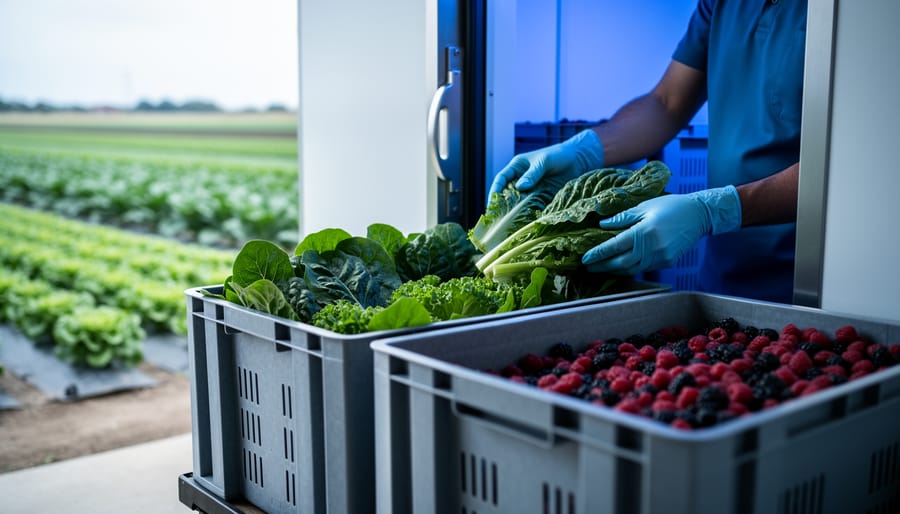
Start temperature-staged processing (TSP) protocols within hours of harvest, especially for high-respiration crops like leafy greens and berries. In most temperate regions, the best window is late spring through early fall, peak CSA seasons when warmth accelerates post-harvest changes, and quality can vanish quickly. Adjust your TSP timing based on crop type, daily temperature swings, and where your produce is headed next. The tighter your harvest-to-cooling turnaround, the longer your veggies stay crisp, flavorful, and CSA-ready. For root crops or fall storage vegetables, you might delay or modify TSP steps, but never skip them entirely. Each crop and season brings its own timing twist, shaped by weather shifts, distribution demands, and your farm’s rhythm. Mastering seasonal TSP means ongoing attention, not one-off fixes, but the payoff is clear: sturdier crops, happier members, and less waste at the finish line.
The Quick Answer: When TSP Strategy Matters Most
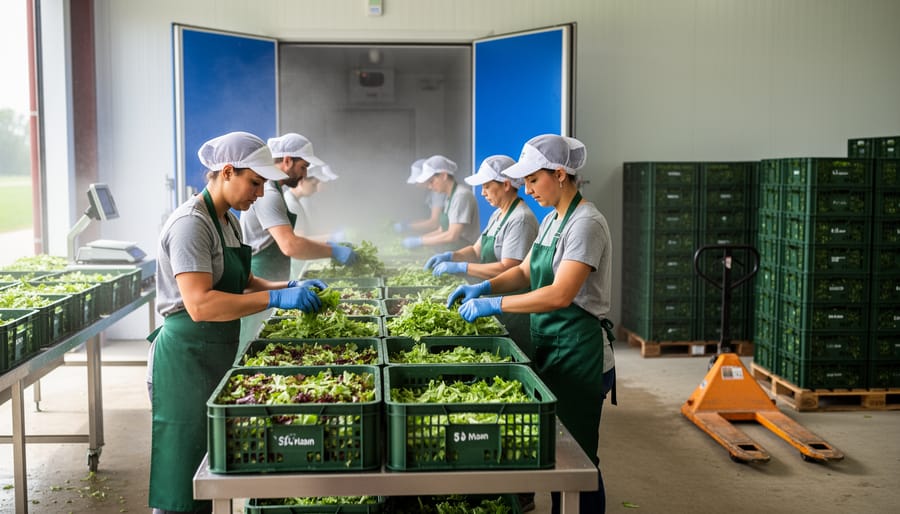
The essential timing for tsp seasonal strategy falls directly in line with every farm’s main production rhythm. For most CSA operations, the need to implement temperature-staged processing ramps up at three distinct points: first with early greens like lettuce, spinach, and peas harvested from April into May, which demand fast post-harvest cooling.
From June through August, as crops like tomatoes, squash, cucumbers, and berries flood the pack shed, TSP’s importance broadens. Each of these crops has unique cooling thresholds and holding temperatures, so activating a tailored TSP protocol during this period minimizes spoilage and supports frequent CSA share pickups.
Come September and October, the focus shifts again as root vegetables, winter squash, and storage onions roll in. Here, it’s not just about rapid cooling, but maintaining specific temperatures for weeks or even months to sustain quality through fall and early winter distributions. CSA farms in warmer regions may need to start TSP even earlier than those in cooler climates, while northern growers often extend cold chain management later to handle storage crops. Timing TSP to these seasonal shifts is fundamental to maximizing both crop value and member satisfaction.
Understanding TSP Timing Windows Throughout the Season
Spring: Early Season Greens and Cool-Weather Crops
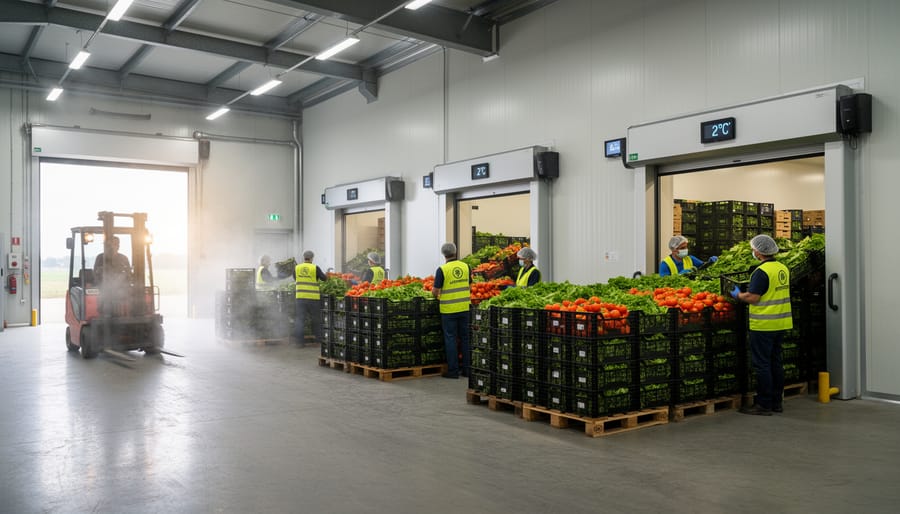
Early season greens like lettuce, spinach, and peas hit their stride in spring, demanding immediate action to preserve flavor and shelf life. As soon as these cool-weather crops are harvested, getting them into rapid cooling, ideally within 30 minutes, is critical. Targeting a storage temperature of 35-40°F stops deterioration and keeps textures crisp, especially for delicate leaves and brassicas.
Spring mornings often provide a cooler harvest window, but don’t rely on outdoor temps alone. Even a mild day can lead to greens wilting quickly if they’re left in bins or unshaded. For a practical breakdown of how different spring crops come on throughout the season, check out this helpful month-by-month produce overview.
Plan your TSP activation around your earliest harvest, set up washing stations and chillers in advance. Monitor field and storage temperatures daily, adjusting as needed for unexpected warm spells. If you’re prepping for your first CSA distributions, tighten your schedule so spring greens go from harvest to cold storage with no lag, reinforcing your quality commitment early in the season.
Summer: Peak Volume and Diverse Temperature Needs
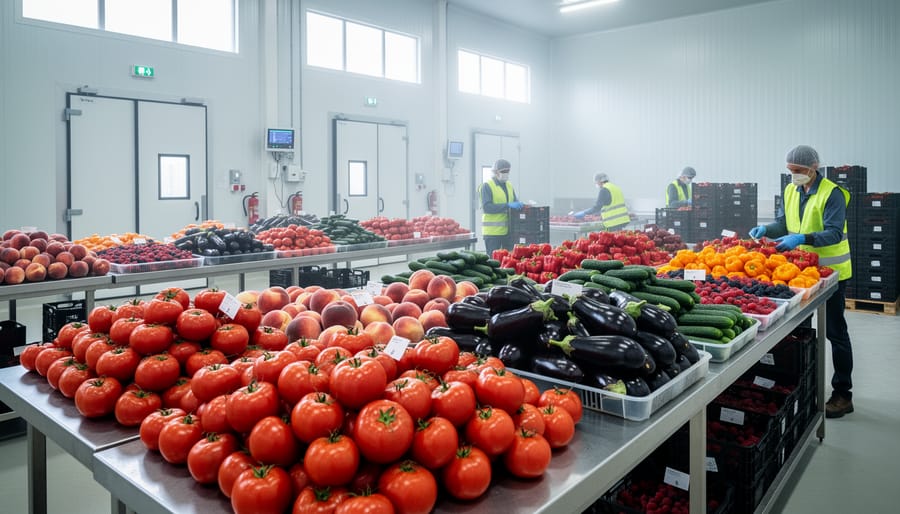
Summer brings not only the biggest harvest surge for a CSA but also the most complex demands on your TSP seasonal strategy. With tomatoes, cucumbers, summer squash, green beans, and berries all reaching maturity within weeks of each other, post-harvest handling becomes a race against the clock. Crops differ in their optimal storage and chilling needs: tomatoes, for instance, hold best at 50-55°F to preserve texture and flavor, while cukes and summer squash keep well at 45-50°F. Berries require near-immediate rapid cooling to around 34°F for maximum shelf life and quality.
In this peak season, timing is everything. Plan your daily TSP protocols to match harvest order and crop sensitivity. Start by harvesting berries and leafy veg early in the morning, moving them into cold storage within 30 minutes. Reserve a slightly warmer holding space for tomatoes and cucurbits harvested later, shifting them to their respective zones as soon as possible. It’s essential to avoid mixing crops with different temperature needs, as a too-cold zone can damage produce like tomatoes, while a too-warm space will shorten berry life.
Don’t overlook airflow and humidity. High-volume cooling rooms fill fast, and overloaded bins slow down chilling rates. Rotate inventory and ensure that harvested produce never sits in the sun or lingers at ambient temperature. Summer’s bounty is only as good as your ability to keep every variety crisp, flavorful, and market-ready with precise, crop-appropriate cooling protocols.
Fall: Storage Crops and Extended Cold Chain
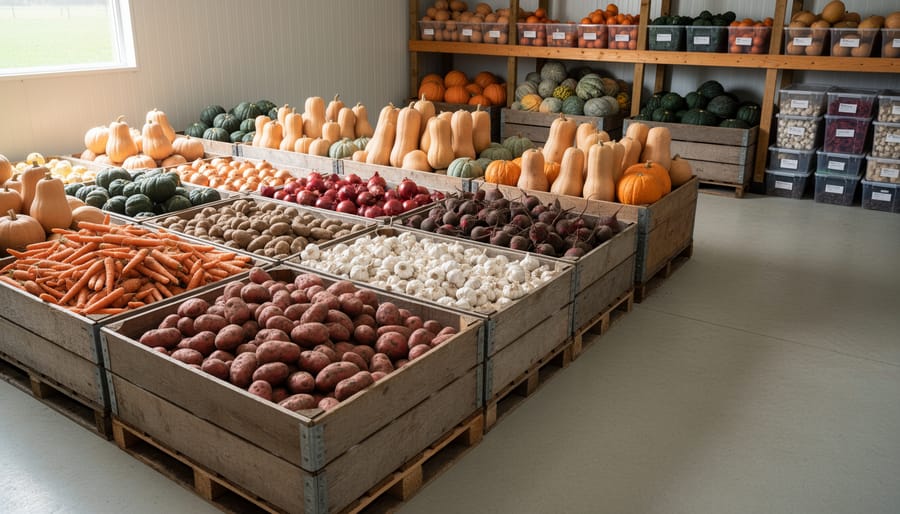
Once fall arrives, the focus of your tsp seasonal strategy shifts to crops built for long-term storage and extended distribution through winter CSA shares. This is when timing becomes crucial, as crops like carrots, beets, potatoes, winter squash, and cabbage can quickly lose quality if cooling protocols are delayed or inconsistent. For root vegetables, activate your lowest temperature stage (typically 32-38°F, with high humidity) immediately after harvest to stop respiration and preserve texture. Hold winter squash and garlic in moderately cool, dry conditions (around 50-55°F), as premature chilling may cause rot.
The challenge of fall is overlapping harvests with varied cold chain requirements. Plan your workflow to sort and pre-cool each crop type promptly before bulk storage. For members receiving winter boxes, maintain tight temperature and humidity control in storage areas, checking conditions at least weekly. This approach keeps your CSA offerings crisp, flavorful, and marketable well beyond the main harvest, supporting both your farm’s bottom line and your members’ winter pantries.
Key Factors That Shift Your TSP Timeline
Climate and Weather Variability
Sudden heatwaves or unseasonably warm nights can push crops to ripen faster or increase the risk of post-harvest spoilage, meaning you may need to activate TSP protocols sooner than your standard schedule. On the flip side, unexpected cold snaps can delay harvest readiness and give you a wider opening before the cold chain becomes urgent. Humidity spikes, especially following late-summer storms, demand extra attention, as elevated moisture can accelerate decay in everything from leafy greens to tomatoes.
Staying flexible with TSP timing keeps your CSA shares fresher, but it can be hard to know how early is early enough. This is where integrating CSA forecasting tools with your post-harvest workflow pays off. Tracking local weather patterns and humidity trends helps you fine-tune cold chain activation day by day instead of relying only on the calendar. Adaptable farmers often start prepping coolers and field packs several days ahead when a heatwave looms. Planning for these climate-driven shifts prevents quality loss and helps keep your CSA flexible in the face of unpredictable weather.
Farm Infrastructure and Equipment Readiness
Launching your TSP seasonal strategy at the right time depends heavily on your farm’s infrastructure and how well your equipment can handle post-harvest volumes. Before peak harvest, confirm your walk-in coolers have sufficient capacity to handle an influx of crops requiring simultaneous temperature staging. If your CSA harvest volume often exceeds cooler space during peak summer, mobile cooling units can bridge the gap, preventing delays in starting TSP protocols that would otherwise compromise quality.
Test all cooling equipment for calibration and reliability before heavy harvests begin. Having a backup power system, whether a generator or battery backup, ensures you don’t lose critical temperature control during storms or outages, a common concern in rural areas. Delay or stagger TSP processing only if your capacity is maxed out. Regular equipment checks and investing in maintenance help avoid last-minute failures that force you to abandon or improperly time temperature-staged processing, resulting in preventable losses.
CSA Distribution Schedule and Member Patterns
Timing your TSP seasonal strategy around the CSA distribution schedule ensures crops arrive fresh and at their optimal quality. The interval between harvest and delivery, plus the fluctuating storage times before members collect their shares, should drive your protocol adjustments throughout the season. Start by mapping out pickup days and delivery routes for the week, then look at which crops need rapid cooling versus those that tolerate room temperature. Crops picked closer to distribution require shorter cold staging, while those harvested earlier, maybe to accommodate long routes, may spend more time in storage, needing staggered temperature controls.
Pay attention to member patterns too. Are some shares picked up later in the day or even the next morning? If so, stage cold chain management to extend freshness for longer-held produce. Adjust your TSP timeline alongside how you plan CSA shares ensuring each step serves the actual timing from field to member. This alignment smooths out the “last mile,” ensuring food quality even when plans shift.
Implementing TSP at the Right Moment: Step-by-Step Timeline
Timing TSP activation starts with organized pre-season preparation, ensuring you’re ready well before crops hit their harvest window. Tools like a 7-step CSA checklist or a seasonal diagram tool can help anchor this process. Here’s a step-by-step approach for putting a temperature-staged processing (TSP) strategy into action just when it’s needed, maximizing produce quality and minimizing post-harvest loss.
- Pre-season equipment testing (2-3 weeks before first harvest): Inspect all cold storage units, mobile cooling systems, and temperature monitoring devices. Run empty dry tests to confirm power reliability, door seals, and backup systems are working. Stock any needed supplies, like temperature log sheets and digital thermometers.
- Temperature zone setup: Set each storage area to target temperatures for your earliest crops. For example, calibrate one cooler to 35-40°F for leafy greens and another to 45-55°F for tomatoes or summer squash. Mark each zone and post crop-specific handling instructions nearby.
- Harvest-day activation protocols: On harvest mornings, pre-cool empty storage areas before fieldwork begins. As each crop is picked, move it into its designated temperature zone within 30-60 minutes. This rapid transfer is crucial for quality retention with crops like spinach or berries.
- Daily monitoring procedures: Assign someone to check and record temperatures morning and evening. Use data loggers if available. Promptly adjust if units drift out of range, and record any cooling delays to help diagnose patterns later.
- Adjustment triggers: Be ready to shift TSP protocols if harvest volume spikes, weather swings, or new crops start coming in. For instance, bump cooler temperatures higher for tomatoes in late summer, or add a second cooling stage for root vegetables as fall approaches.
Getting these steps in place creates a reliable rhythm, letting your farm team respond quickly to seasonal swings and daily surprises. By triggering TSP processes ahead of major harvest surges, rather than waiting for product loss or complaints, you set the tone for a smoother, less stressful season. Coordinating TSP activation with your organized CSA distribution will help preserve flavor and shelf life, especially when the pressure of the season peaks. And integrating lessons learned, such as what worked or what missed the mark this year, into your workflow as you plan next season means your timing will only get sharper with each cycle.
Common Timing Mistakes and How to Avoid Them
One of the biggest timing missteps in TSP seasonal strategy is reacting to post-harvest problems rather than preventing them. Starting too late, especially in years with a sudden warm spell or unexpected surge in harvest volume, lets field heat and ambient moisture deteriorate sensitive crops before they’re ever cooled. Once visible signs of decline show up, even the most precise temperature-staged processing can’t fully reverse the damage.
Implementing TSP protocols too early carries risks as well. If you pre-chill your systems weeks before peak harvest, you waste energy and open your equipment to wear without product to protect. Unnecessarily cold conditions can also stress crops not ready for storage, causing chilling injury in cool-weather greens or slowing the ripening of warm-season produce.
Inconsistency is another common pitfall. Some farms will set up effective cooling routines at the start of the season, then relax or skip steps once they hit a routine, only to discover quality loss creeping back in when harvest volumes spike or temperatures swing. Slipping out of sync with your distribution schedule also means crops spend extra hours at ambient temperatures on busy pickup days, shrinking shelf life for CSA members.
To avoid these mistakes, use harvest forecasts and past records to time TSP activation a day or two before your earliest likely surge, adjust proactively for weather changes, and maintain your routines all season, not just during high visibility weeks. Frequent checks and open communication among harvest, packing, and delivery teams keep timing aligned, reducing costly surprises and helping your CSA deliver the freshest, longest-lasting shares possible.
Aftercare: Maintaining TSP Effectiveness Through Season’s End
Mid-Season Adjustments and Fine-Tuning
Adjusting your tsp seasonal strategy mid-season keeps post-harvest quality high even when conditions shift unexpectedly. Signs you need to tweak timing include produce losing crispness before delivery, slower cooling rates than usual, or increased condensation in storage areas. Use daily temperature logs and quality checks as your early warning system. If you notice frequent out-of-range temperatures or crop wilting, adjust your cooling set points or start chilling harvest bins sooner in the day. In busy peak weeks, check cold storage turnover rates and be ready to deploy extra mobile cooling units if product backs up. Regular review of performance data lets you spot trends and fine-tune your protocols before small issues become big losses. Staying observant and adapting quickly is key to keeping your CSA shares consistently fresh.
End-of-Season Review and Planning Ahead
As harvest winds down, the most effective farms don’t just pack up, they document, review, and learn. Start by noting when each crop entered and exited your TSP protocol, paying close attention to any batches with delayed cooling or shelf-life issues. Compare harvest dates, weather records, and your own notes: did you wait too long to start temperature control for any crop, or activate cold storage before it was needed? Farmers often notice that consistent, season-long record-keeping reveals patterns, like certain greens that always wilt if the TSP process starts a day late, or root crops benefitting from slower temperature ramp-downs. Use these insights to draft next year’s timeline now, planning for an earlier TSP prep and identifying any gaps in equipment or workflow. A simple review each fall makes timing improvements automatic.
Real Farm Success: How Green Valley CSA Perfected Their TSP Timing
Green Valley CSA, a diversified mid-sized farm in the Midwest, once struggled every summer with rapid product deterioration between field harvest and CSA member pickup. Even with reliable cold storage, their mixed greens and summer squash often lost color and crunch by the end of the week. Frustrated, the team looked at their post-harvest process and realized their temperature-staged processing wasn’t starting soon enough in the season. Like many growers, they waited until hot spells in July to ramp up cold chain protocols, relying on ambient shade and ice packs through cooler May and June harvests.
In 2024, they shifted course based on data from previous seasons. The farm began full TSP activation two weeks ahead of their largest spring cutting, even if the weather seemed mild. That meant setting up pre-cooling bins, calibrating walk-in coolers, and preparing ice water baths for greens as soon as the first outdoor lettuces hit market size in late May. This early start led to an immediate difference: instead of just reacting to the first episode of heat-related wilt, staff intercepted field heat from the outset, locking in freshness.
That season, Green Valley’s post-harvest loss rate for susceptible crops dropped from 14% to just over 8%. Customers raved about the crisper greens and longer-lasting root veggies, and the crew noticed easier sorting at pick-up, less trimming, less waste. Their biggest lesson: don’t let the calendar or air temperature dictate your TSP rollout. Instead, anchor your strategy to crop readiness and harvest workload. By getting ahead of the curve, they protected quality, and their reputation, through the most demanding weeks of CSA delivery.
Implement Tsp Seasonal Strategy Timing Your Csa S Terms to Know
To help you implement tsp seasonal strategy effectively for your CSA, here are the most essential terms to know:
- Temperature-Staged Processing (TSP)
- A post-harvest protocol that involves cooling crops through a sequence of specific temperature steps to optimize quality and shelf life.
- Cold Chain
- The uninterrupted refrigerated handling and storage process that preserves perishable crops from harvest to distribution.
- Shock Cooling
- A rapid reduction in crop temperature, usually within the first hour after harvest, to halt respiration and slow spoilage.
- Hold Temperature
- The ideal storage temperature for a particular crop category, maintained after initial cooling to preserve freshness until delivery.
- Distribution Window
- The period between harvest and CSA share pickup or delivery, critical for planning when to initiate and monitor your TSP protocols.
Knowing these key definitions gives you the foundation for precise timing and confident decision-making as you plan your TSP seasonal strategy sequence.
Frequently Asked Questions About TSP Timing
When should I start TSP for a new CSA?
Plan to activate temperature-staged processing protocols just before your first harvest, especially for crops highly sensitive to post-harvest heat like leafy greens. Setting up early ensures your cold chain is ready the moment produce comes in from the field.
Is it possible to implement TSP mid-season, or do I have to start at the beginning?
You can add or adjust TSP protocols mid-season if you notice quality losses or shifting crop profiles, but starting from day one is ideal for consistent results. Many CSAs make upgrades or changes during peak harvest when timing issues become obvious.
What should I do if I don’t have refrigerated storage yet?
If you lack on-farm refrigeration, utilize shade, evaporative cooling, or cold well water baths immediately after harvest as a temporary TSP measure. Prioritize high-risk crops and plan incremental upgrades so your system grows with your CSA.
Are there regional differences in the best timing for TSP?
Absolutely. Warmer climates typically require earlier and longer TSP activation, while cooler regions may extend spring and fall protocols. Always adjust your timeline based on local harvest weather and storage needs rather than a fixed date.
For many small and beginning CSA farms, the most common mistake is waiting until crops are already coming in before thinking about temperature management. Ideally, TSP planning starts weeks before the first planting or even as you design your CSA’s season. Integrating cold chain strategies early builds resilience for everything from leafy greens in spring to root crops in fall. Even a basic setup using shaded storage or ice-chilled water can make a difference while you work toward full-scale refrigeration. Reviewing procedures as seasons progress allows you to fine-tune timing, especially as member pickup patterns or weather conditions shift. TSP isn’t a one-time switch, it’s a season-long rhythm that keeps your harvests fresher, longer, with adjustments for both your fields and your farm’s unique set-up.
Timing is everything when it comes to getting the most from a TSP seasonal strategy. Success starts before the first harvest, with careful planning and cold chain setup well in advance of peak season. Too often, waiting for the produce to hit its stride means scrambling after the fact, by then, freshness and flavor may already be compromised. One of the most effective habits is making TSP protocols a core part of your CSA’s routine, not just a last-minute push.
Staying flexible is just as important. Each year brings its own surprises, heatwaves, cool spells, delayed rains. Farmers who watch the weather and aren’t afraid to start a week or two early consistently see better shelf life and quality for their members. As you plan for next season, schedule TSP checks into your calendar alongside planting and harvest. This early action pays off when your CSA is delivering its very best, every share, all season.