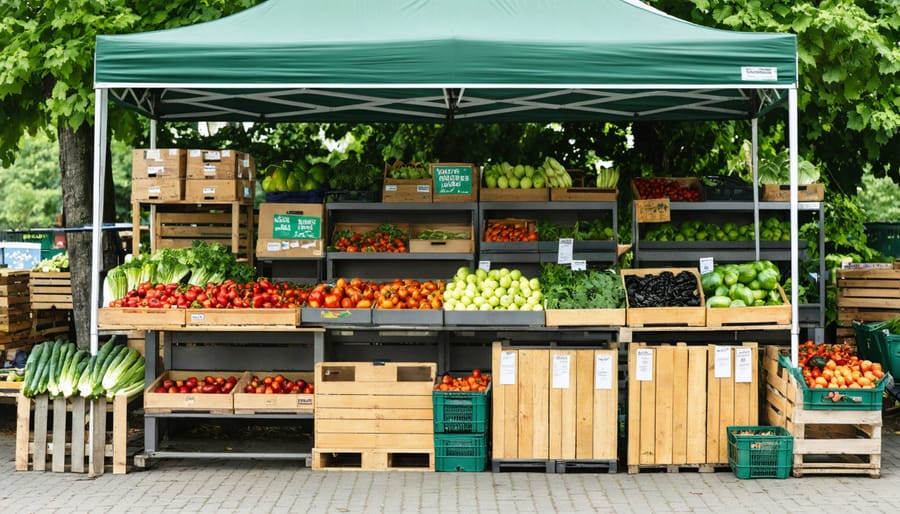
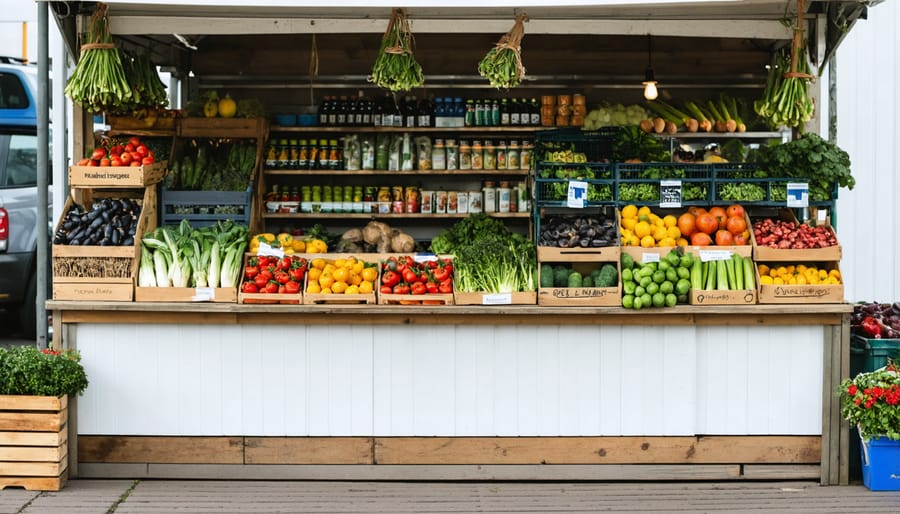
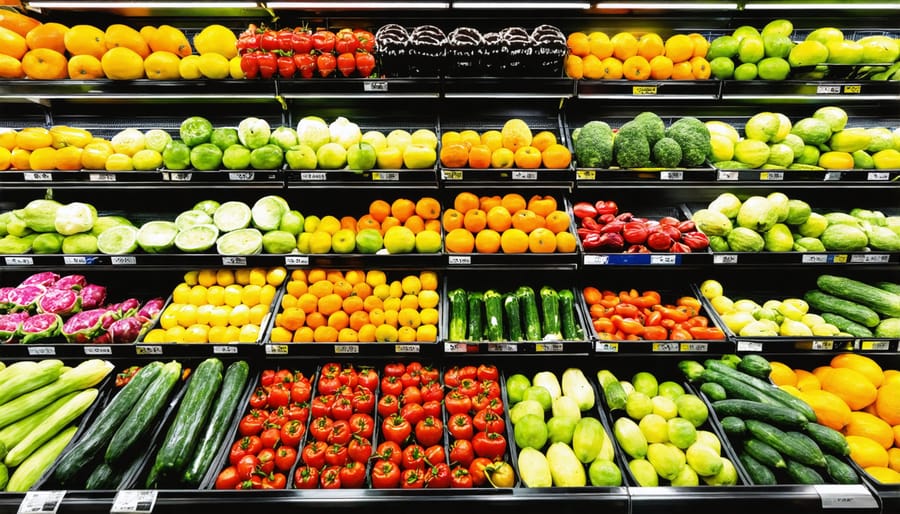
Transform your kitchen table into a real-world math classroom by teaching consumer economics through Community Supported Agriculture (CSA). Students who learn to save money with CSA shares develop essential financial literacy skills while connecting with local food systems. Calculate price-per-pound comparisons between CSA produce and grocery store options, analyze seasonal yield variations, and forecast annual food budgets using actual harvest data. This practical approach to mathematics grounds abstract concepts in tangible decisions families make every week, teaching percentages through bulk purchase savings, fractions through harvest shares, and budgeting through real-time market fluctuations. By integrating consumer math with local agriculture, students master crucial life skills while supporting sustainable food systems – a powerful combination that extends learning beyond textbooks into everyday financial decision-making.
Real-World Math Applications in CSA Shopping
Split screen comparison showing CSA produce box next to grocery store produce with price tags
Comparing CSA Costs to Grocery Store Prices
Let’s walk through a practical exercise in comparing CSA and grocery prices to understand the real value of your local farm share. Start by listing the contents of a typical summer CSA box: 1 head of lettuce, 2 pounds of tomatoes, 1 bunch of carrots, 2 zucchini, and 1 pound of green beans.
Now, record the current prices for these items at your local grocery store. For example:
– Organic lettuce: $3.99
– Organic tomatoes: $4.99/lb ($9.98 total)
– Organic carrots: $2.99/bunch
– Organic zucchini: $1.99 each ($3.98 total)
– Organic green beans: $4.99/lb
Adding these up: $3.99 + $9.98 + $2.99 + $3.98 + $4.99 = $25.93 for comparable organic produce.
If your weekly CSA share costs $22, you’re saving $3.93 per week. Multiply this by a typical 20-week season: $3.93 × 20 = $78.60 in total savings.
Remember to factor in additional CSA benefits like:
– Extra items during peak season
– Specialty varieties not found in stores
– Ultra-fresh harvest (usually picked within 24 hours)
– Supporting local farmers directly
– Learning new recipes and cooking skills
Keep a price comparison journal throughout the season to track your actual savings and help make informed decisions about future CSA participation.
Seasonal Value Calculations
Understanding seasonal value in CSA subscriptions helps students develop practical math skills while learning about food economics. Let’s explore how to calculate weekly costs across different subscription lengths and identify potential savings.
Start by taking the total subscription cost and dividing it by the number of weeks in the season. For example, if a summer CSA costs $480 for 16 weeks, the weekly cost would be $30 ($480 ÷ 16). This basic calculation helps students understand the concept of averaging costs over time.
Compare this with purchasing similar organic produce at grocery stores. Have students research current market prices for common CSA items like tomatoes, lettuce, and cucumbers. Create a spreadsheet to track weekly grocery store costs versus CSA share prices. This real-world comparison demonstrates the value proposition of seasonal subscriptions.
Some farms offer multi-season discounts. If a single-season share costs $480, but a full-year subscription (32 weeks) costs $880, calculate the savings. The full-year weekly cost becomes $27.50 ($880 ÷ 32), showing a $2.50 weekly savings compared to the single-season rate.
Practice percentage calculations by determining the discount rate. In this example, students can calculate that the yearly subscription saves about 8.3% compared to purchasing two separate seasons. These exercises combine essential math skills with valuable consumer education about local food economics.
Calendar-style infographic showing seasonal produce availability and costs
Budget Planning Exercises
Monthly Payment Planning
Learning to budget for monthly food expenses is a vital life skill, and CSA memberships provide an excellent real-world example for practical math exercises. Students can start by calculating their family’s current weekly grocery spending, then compare it to potential CSA share costs. For example, if a local farm offers a 20-week CSA share for $500, students can divide the total cost by the number of weeks to determine the weekly investment ($25 per week).
Many farms offer flexible payment plans, creating opportunities for percentage calculations. If a farm offers a 10% discount for paying the full amount upfront versus monthly installments, students can calculate the savings. They can also practice working with deposit amounts – for instance, if a CSA requires a 25% deposit with the remaining balance split over four months, students determine each payment amount.
Additional exercises might include comparing different share sizes and their value, calculating per-pound produce costs, and budgeting for supplemental grocery items not included in the CSA share. These real-life scenarios help students understand practical applications of percentages, division, and monthly budget planning.
Illustration of two families splitting a CSA share with mathematical calculations
Share-Splitting Calculations
Many CSA members split their shares with other families to make the investment more manageable. Here’s a practical exercise: If a full CSA share costs $600 for 24 weeks and you’re splitting with another family, calculate your weekly cost. First, divide $600 by 2 families to get your share ($300), then divide by 24 weeks to find your weekly payment ($12.50).
For three-way splits, divide the total by 3, then by the number of weeks. Practice calculating different scenarios: What if the share costs $750 for 20 weeks split four ways? What if you’re splitting a half-share that costs $400 for 16 weeks with one other family?
Remember to factor in any additional costs like delivery fees when splitting shares. These real-world calculations help develop practical math skills while learning about food budgeting.
Value-Added Benefits Calculation
Beyond the basic cost-per-share calculation, CSA memberships often include valuable additional benefits worth considering in your total value assessment. To truly maximize your CSA value, calculate these extras into your equation.
Start by listing member perks like farm events, newsletters, and cooking classes. Assign each a market value – for example, a cooking class might typically cost $45, and four seasonal farm events at $25 each adds another $100. Add these figures to your seasonal benefits.
Some CSAs offer pick-your-own opportunities or bonus items during abundant harvests. Track these extras over a season: if you receive an extra $5 worth of produce weekly, that’s $130 in additional value for a 26-week season.
Don’t forget to factor in educational value for children. Learning about farming, seasonal eating, and sustainable agriculture provides lasting benefits beyond just dollars and cents. While harder to quantify, these experiential learning opportunities enhance the overall value proposition of CSA membership.
By applying these mathematical concepts to real-world CSA decisions, families can make informed choices about their food budget while learning valuable consumer math skills. From calculating cost per meal to comparing seasonal values, these exercises demonstrate how numbers shape our daily food choices. Remember, understanding these calculations helps create savvy consumers who can confidently evaluate and maximize the value of their CSA membership investment.
In the heart of concrete jungles, urban community gardens are revolutionizing how city dwellers connect with food, nature, and each other. These vibrant green spaces do more than just transform urban spaces into gardens – they create lasting bonds between neighbors, provide fresh, organic produce, and serve as living classrooms for sustainable agriculture.
From rooftop vegetable patches in New York to shared plots in Toronto, community gardens are proving that meaningful food production doesn’t require vast rural acreage. These collaborative spaces yield an average of 1.2 pounds of produce per square foot, while simultaneously reducing urban heat islands and supporting local biodiversity.
More than just growing spaces, these gardens are incubators for social change. When neighbors cultivate together, they share more than seeds and tools – they exchange knowledge, cultures, and traditions. Studies show that areas with community gardens experience up to 40% more neighborhood interaction and a significant decrease in food insecurity among participants.
Whether you’re a seasoned gardener or just starting out, urban community gardens offer a practical solution to reconnect with nature, ensure food security, and build stronger communities – one plot at a time.
The Power of Collaborative Growing in Urban Spaces
Building Community Through Shared Gardens
Community gardens do more than just grow food – they cultivate meaningful relationships among neighbors who might otherwise never meet. As people work side by side, sharing gardening tips and swapping stories, natural friendships blossom. These green spaces become vibrant social hubs where experienced gardeners mentor newcomers, children learn about nature firsthand, and cultural traditions are shared through growing heritage crops.
Regular garden workdays and harvest celebrations create opportunities for meaningful interaction across age groups and backgrounds. Gardeners often organize potlucks featuring dishes made from their fresh produce, seed-sharing events, and educational workshops that bring the community together. Many gardens also partner with local schools and senior centers, creating intergenerational connections through gardening activities.
The collaborative nature of community gardens helps break down social barriers and isolation. When neighbors work toward common goals – whether it’s building raised beds, maintaining compost bins, or planning seasonal plantings – they develop a stronger sense of belonging and investment in their neighborhood. These shared green spaces become sources of community pride, transforming empty lots into thriving gathering places that nourish both body and soul.
Diverse group of community members working together in a lush urban garden plot with raised beds and various vegetables
Environmental Benefits for Urban Areas
Urban community gardens serve as green oases in concrete jungles, offering remarkable environmental benefits that extend far beyond their boundaries. These vibrant spaces help create diverse ecosystems within cities, providing essential habitats for local wildlife, including birds, butterflies, and beneficial insects that support urban biodiversity.
The gardens’ vegetation plays a crucial role in improving air quality by filtering out pollutants and producing oxygen. Plants naturally absorb harmful particles and gases, including carbon dioxide, helping to reduce the urban carbon footprint. A single community garden can remove hundreds of pounds of air pollutants annually.
Perhaps one of the most significant impacts is the reduction of the urban heat island effect. The plants and soil in community gardens help lower local temperatures through natural cooling processes like evapotranspiration. Studies show that garden areas can be several degrees cooler than surrounding concrete surfaces, making neighboring areas more comfortable during hot summer months.
These green spaces also help manage stormwater runoff by absorbing rainfall that would otherwise flood urban drainage systems. The soil acts as a natural filter, reducing water pollution and helping to replenish groundwater supplies.
Starting a Successful Community Garden Project
Aerial view of a well-organized community garden showing plot layout, common areas, and infrastructure
Finding and Securing Space
Finding suitable space for a community garden requires careful planning and collaboration. Start by scouting vacant lots, unused public spaces, or potential partnerships with schools, churches, or community centers. When evaluating potential sites, consider factors like sunlight exposure, water access, soil quality, and proximity to garden members. Most successful gardens need at least six hours of direct sunlight daily.
Once you’ve identified a promising location, research property ownership through local municipal records. Contact the property owner or relevant authorities to discuss your garden project. Many cities have specific programs or policies supporting community gardens, so check with your local government for available resources and essential gardening tips for beginners.
Secure written agreements that outline terms of use, duration, and responsibilities. Consider liability insurance and establish clear boundaries with neighboring properties. If the space requires cleanup or preparation, organize community work days to build excitement and involvement. Remember to check local zoning laws and obtain necessary permits before breaking ground.
Organizing Your Garden Community
A well-organized community garden thrives on clear structure and shared responsibilities. Start by forming a core committee of dedicated members who can oversee different aspects of the garden. This typically includes a garden coordinator, treasurer, membership coordinator, and maintenance supervisor.
Create a simple but effective management system where members sign agreements outlining their rights and responsibilities. Consider implementing a points system where gardeners earn credits through community service hours, which can be used towards their plot fees or garden supplies.
Regular monthly meetings keep everyone informed and engaged. Use these gatherings to address concerns, plan events, and make collective decisions about garden policies. Many successful gardens operate with working groups focused on specific areas like composting, education, or community outreach.
Establish clear communication channels through a combination of digital tools (like group messaging apps or email newsletters) and traditional methods (bulletin boards at the garden). Document everything in a shared garden handbook that includes guidelines, planting schedules, and contact information.
Remember to delegate tasks based on members’ skills and interests. Some might excel at organizing events, while others prefer hands-on maintenance work. This diversity of talents strengthens your garden community and ensures sustainable operation throughout the growing season.
Essential Infrastructure and Resources
A successful urban community garden requires several key resources and infrastructure elements to thrive. First and foremost, you’ll need reliable access to water through either a municipal connection or rainwater harvesting system. Installing raised beds or ground-level plots is essential, along with clearly marked pathways between growing areas.
Basic gardening tools are vital: shovels, spades, hoes, rakes, wheelbarrows, and watering cans should be stored in a secure tool shed. Consider investing in a shared composting system to create nutrient-rich soil amendments. Fencing helps protect your garden from wildlife and establishes clear boundaries.
A communal gathering space, such as a covered pavilion or picnic area, facilitates meetings and social interactions. Consider installing benches throughout the garden for rest breaks and community bonding. Essential infrastructure should include accessible pathways for wheelchairs and strollers, proper drainage systems, and adequate lighting if evening access is planned.
Don’t forget about administrative resources: a bulletin board for announcements, a first-aid kit, and basic record-keeping supplies. Many successful gardens also maintain a small reference library of gardening books and a seed bank for members to share. For year-round growing, consider adding a greenhouse or cold frames to extend the growing season.
Growing Success: Best Practices for Community Gardens
Sustainable Growing Techniques
Community gardens thrive on sustainable practices that maximize yield while minimizing environmental impact. By implementing organic growing methods, gardeners create healthy, productive spaces that benefit both people and the planet.
Companion planting is a cornerstone technique, where complementary crops are grown together to enhance growth and naturally deter pests. For example, pairing tomatoes with basil or marigolds helps protect against harmful insects while making efficient use of limited space.
Crop rotation plays a vital role in maintaining soil health and preventing nutrient depletion. Plots should follow a four-year rotation cycle, alternating between leaf crops, root vegetables, fruits, and soil-building plants like legumes. This practice naturally prevents pest buildup and ensures sustained soil fertility.
Water conservation is essential in urban settings. Installing drip irrigation systems and using mulch helps retain moisture while reducing water waste. Collecting rainwater in barrels provides a sustainable water source during dry spells.
Composting is another crucial element. Establish a communal composting system where gardeners contribute kitchen scraps and garden waste. The resulting nutrient-rich compost reduces the need for external fertilizers while closing the waste loop within the garden.
For shared spaces, create designated areas for different growing techniques, allowing members to learn from each other while maintaining cohesive garden management. Consider vertical growing systems and container gardens to maximize limited urban space.
Managing Shared Resources
Successful community gardens thrive on well-organized systems for sharing resources. A tool library is often the heart of these shared spaces, where members can access essential gardening equipment without individual investment. Many gardens implement a sign-out system for tools, with designated storage areas and maintenance schedules to keep everything in good working order.
Efficient water management for plants is crucial for any community garden’s success. Most gardens establish watering schedules and install water-conserving systems like drip irrigation or rainwater collection barrels. Members typically share watering duties through rotating schedules, ensuring all plots receive consistent care while avoiding waste.
Common areas require special attention and collective responsibility. These spaces often include composting stations, seating areas, and shared herb gardens. Many successful gardens create monthly maintenance rosters where members take turns caring for these communal spaces. Some communities also designate “garden stewards” who oversee specific areas and coordinate volunteer efforts.
To keep everything running smoothly, most gardens implement clear guidelines through member agreements. These documents outline responsibilities, usage times, and conflict resolution procedures. Regular community meetings provide opportunities to discuss resource management challenges and celebrate shared successes, fostering a sense of ownership and commitment among members.
Real Community Garden Success Stories
The Green Heart of Brooklyn
Tucked away between Brooklyn’s bustling streets lies the Vernon Valley Community Garden, a vibrant half-acre oasis that’s been transforming lives since 1998. What started as a neglected lot has blossomed into one of New York City’s most successful urban farming initiatives, serving over 200 families from diverse backgrounds.
The garden’s success story began when local resident Maria Rodriguez rallied her neighbors to convert the abandoned space into something meaningful. Today, the garden boasts 40 raised beds, a greenhouse, and a community composting station. Members grow everything from traditional vegetables to cultural crops that reflect Brooklyn’s multicultural heritage.
What makes Vernon Valley truly special is its innovative approach to community engagement. The garden hosts weekly workshops on organic growing techniques, seasonal cooking classes, and a youth program that introduces local students to sustainable agriculture. Their “Harvest Share” program ensures that excess produce reaches local food banks and senior centers.
The garden has become more than just a place to grow food – it’s a community hub where neighbors connect, share knowledge, and build lasting relationships. During summer evenings, you’ll find families gathering for potluck dinners featuring dishes made from their homegrown produce, while children learn about pollination in the butterfly garden.
Vernon Valley demonstrates how urban community gardens can serve as powerful catalysts for neighborhood revitalization and food security, proving that even in the heart of Brooklyn, sustainable agriculture can thrive.
Seattle’s P-Patch Program
Seattle’s P-Patch Community Gardening Program stands as a shining example of urban agriculture success, serving over 3,000 gardeners across 90 gardens throughout the city. Established in 1973, the program has grown from a single garden to become one of the largest municipally-managed community gardening initiatives in the United States.
These vibrant green spaces not only provide residents with plots to grow their own organic produce but also serve as neighborhood gathering spots where experienced gardeners mentor newcomers. Each P-Patch garden reflects its unique community, with some featuring educational programs for local schools, while others host cultural celebrations and harvest festivals.
The program particularly excels in its accessibility initiatives, offering reduced fees for low-income participants and ensuring garden plots are available to apartment dwellers and those without access to growing space. Many P-Patch gardens also contribute thousands of pounds of fresh produce annually to local food banks through their Giving Garden programs.
What makes Seattle’s system particularly effective is its strong organizational structure. Garden coordinators work closely with city officials to manage plot assignments, maintain common areas, and organize community events. The program also emphasizes sustainable practices, encouraging composting, water conservation, and organic growing methods.
For aspiring community garden organizers, the P-Patch model offers valuable lessons in how to balance individual growing spaces with community needs while fostering a sustainable and inclusive gardening environment.
Thriving P-Patch community garden in Seattle with Mount Rainier in the background
Urban community gardens have proven to be powerful catalysts for positive change in our neighborhoods. These green spaces do more than just produce fresh, healthy food – they create lasting connections between neighbors, transform unused lots into vibrant gathering places, and help build more resilient communities.
The impact of these gardens extends far beyond their physical boundaries. They serve as outdoor classrooms where children learn about nutrition and environmental stewardship, provide therapeutic spaces for stress relief, and contribute to urban biodiversity. The economic benefits are equally impressive, from reduced grocery bills for participating families to increased property values in surrounding areas.
If you’re inspired to get involved, there’s never been a better time to start. Whether you’re interested in joining an existing garden or starting a new one, your local community likely has resources and support networks available. Begin by reaching out to your neighborhood association or parks department to learn about opportunities in your area.
Remember, every successful community garden started with a small group of dedicated individuals who shared a vision for a greener, more connected neighborhood. Your participation, whether big or small, contributes to this growing movement for sustainable urban living. By joining or supporting a community garden, you become part of a global effort to create more sustainable, resilient, and vibrant cities for future generations.
Policy advocacy transforms individual voices into powerful catalysts for change, especially when it comes to protecting our food systems and agricultural heritage. At its core, effective advocacy combines grassroots mobilization with strategic communication to influence decision-makers and shape policies that affect our communities.
Local farmers and gardeners stand at the forefront of the movement to preserve seed diversity and agricultural independence. By engaging in policy advocacy, these stewards of the land work alongside community organizations to safeguard traditional farming practices and ensure future generations have access to diverse, resilient seed varieties.
The impact of policy advocacy extends far beyond city halls and state legislatures. When communities unite to champion seed sovereignty, they protect not just seeds but also cultural heritage, biodiversity, and food security. Through organized efforts, advocates have successfully implemented seed-saving programs, established community seed banks, and passed legislation protecting farmers’ rights to save and exchange seeds.
Whether you’re a seasoned farmer, home gardener, or concerned citizen, your voice matters in the ongoing dialogue about agricultural policy. By understanding the tools and strategies of effective advocacy, you can help shape policies that support sustainable, resilient food systems for generations to come.
Why Seed Sovereignty Matters for Your Local Food System
Diverse collection of heirloom seeds arranged in a colorful display
The Connection Between Seed Rights and Food Independence
The ability to save and share seeds represents more than just a gardening practice – it’s a fundamental aspect of food independence and community resilience. When farmers and gardeners have control over their seed sources, they can cultivate heirloom varieties that are specifically adapted to their local growing conditions and climate. This autonomy strengthens local food security by reducing dependence on large commercial seed suppliers.
Communities that maintain diverse seed collections can preserve cultural food traditions, ensure crop biodiversity, and adapt to changing environmental conditions. For example, when local growers save seeds from their most successful plants, they naturally select for varieties that thrive in their specific region. This practice creates a positive cycle where each generation of crops becomes better suited to local conditions.
The connection between seed rights and food independence also extends to economic resilience. When communities control their seed supply, they can reduce farming costs, maintain consistent food prices, and support small-scale farmers who form the backbone of sustainable local food systems.
Local Success Story: How One CSA Protected Their Heritage Seeds
In the heart of Vermont’s Champlain Valley, the Mountain View Community Farm’s CSA faced a critical challenge when proposed local ordinances threatened their ability to save and exchange heritage tomato seeds – a practice their farmers had maintained for three generations. Sarah Chen, the farm’s lead grower, rallied fellow CSA members and local food advocates to take action.
The group organized educational workshops about seed saving, highlighting how their special strain of cold-hardy tomatoes had been adapted to local growing conditions over decades. They invited county officials to farm tours, demonstrating their sustainable seed-saving practices and explaining the cultural significance of their heritage varieties.
Through persistent community engagement and clear communication with policymakers, they successfully advocated for amendments to the proposed regulations. The revised ordinances now explicitly protect small-scale farmers’ rights to save and exchange seeds, while maintaining reasonable safety standards. Today, Mountain View’s tomato seeds are shared through a thriving local seed library, ensuring these valuable genetic resources remain in the community’s hands for future generations.
Building Effective Advocacy Networks
Connecting with Local Farmers and CSAs
Building strong relationships with local farmers and Community Supported Agriculture (CSAs) is essential for effective policy advocacy. Start by attending farmers’ markets and engaging in conversations with vendors about their growing practices and seed choices. Many farmers are eager to share their experiences and challenges with seed access and regulations.
Consider joining a CSA program, which provides regular opportunities to connect with farmers and understand their perspectives on seed-related issues. These direct relationships often lead to deeper involvement in local agricultural policy discussions and community initiatives.
Organize or participate in farm tours and educational workshops where you can learn firsthand about seed saving practices and the importance of seed sovereignty. Many experienced farmers are willing to mentor others and share their knowledge about preserving heirloom varieties and maintaining genetic diversity.
Create or join local food policy councils that bring together farmers, consumers, and advocates. These groups often influence local and regional agricultural policies and can be powerful voices for seed sovereignty issues.
Support farmer-led seed exchanges and seed libraries in your community. These initiatives not only preserve local seed varieties but also create platforms for discussing policy challenges and organizing collective action.
Remember to document success stories and challenges faced by local farmers. These real-world examples can become powerful tools when advocating for policy changes at local and state levels. By building these connections, you create a stronger, more unified voice for seed sovereignty while supporting sustainable local agriculture.
Working with Local Government and Policy Makers
Building relationships with local government officials and policymakers is essential for effective seed sovereignty advocacy. Start by identifying key decision-makers in your area, including city council members, county commissioners, and state representatives who work on agricultural issues.
Schedule face-to-face meetings to share your concerns about seed sovereignty and present clear, well-researched information about its importance to local food security and farmer livelihoods. Come prepared with specific examples of how current policies affect local farmers and gardeners in your community.
Joining or forming a local food policy council can provide a structured platform for engaging with officials. These councils often serve as advisory bodies to local governments and can help shape policies that support seed saving and sharing initiatives.
Consider inviting policymakers to visit local farms and community gardens where they can see firsthand the impact of seed sovereignty on local agriculture. These visits often create memorable experiences that influence future policy decisions.
Regular communication through newsletters, email updates, and public comments at government meetings helps maintain momentum. Share success stories from local farmers who benefit from seed-saving practices, and demonstrate community support through petition signatures and letters from constituents.
Remember to be patient and persistent – policy change takes time. Focus on building long-term relationships and celebrating small wins along the way. Working together with other local advocacy groups can amplify your message and increase your influence with decision-makers.
Taking Action: Practical Steps for Seed Advocacy
Community Seed Libraries and Exchanges
Establishing community seed libraries and exchanges is a powerful way to preserve genetic diversity and promote seed sovereignty at the grassroots level. These programs create accessible spaces where gardeners and farmers can share, borrow, and exchange seeds, fostering a resilient local food system.
To start a seed library in your community, begin by partnering with existing institutions like public libraries, community centers, or local garden clubs. Create a simple cataloging system to track seed varieties and establish clear guidelines for seed saving and returning. Consider implementing a “borrow and return” model where members take seeds at planting time and return saved seeds after harvest.
Success story: The Mountain View Seed Library in Colorado started with just 50 seed varieties and has grown to over 500 through community contributions. They now serve more than 300 local gardeners annually.
Essential components of a successful seed exchange program include:
– Educational workshops on seed saving techniques
– Documentation of local varieties and their growing characteristics
– Quality control measures to maintain seed viability
– Regular community events to facilitate exchanges
– Partnerships with local farmers and gardening groups
Remember to check local regulations regarding seed sharing and consider joining larger seed-saving networks for additional support and resources. Many successful programs also maintain digital catalogs and organize seasonal swap meets to keep the community engaged year-round.
Community seed library with members exchanging seeds
Educational Initiatives and Awareness Campaigns
Educational initiatives play a vital role in building grassroots support for seed sovereignty. Community workshops and seed-saving demonstrations help people understand the importance of preserving traditional seed varieties and maintaining genetic diversity in our food system. Local farmers often partner with libraries and community centers to host “seed school” events, where participants learn practical skills while gaining deeper insights into seed preservation.
Social media campaigns and educational videos have become powerful tools for reaching broader audiences. Through engaging content, these campaigns explain complex topics like seed patents and genetic modification in accessible ways. Success stories from seed-saving farmers help illustrate the real-world impact of seed sovereignty, inspiring others to get involved.
Many organizations develop educational materials for schools, introducing young students to concepts of biodiversity and sustainable agriculture through hands-on gardening projects. These programs often include curriculum guides that help teachers integrate seed sovereignty topics into science and social studies lessons.
Regular seed swaps and farming festivals serve as both educational opportunities and community-building events. These gatherings allow experienced seed savers to mentor newcomers while celebrating local agricultural heritage. Documentary screenings and panel discussions featuring local farmers and indigenous seed keepers help raise awareness about the cultural and ecological significance of seed sovereignty.
By combining practical education with awareness-building activities, these initiatives help create informed advocates who can effectively support policy changes at local and national levels.
Farmer teaching children about seed saving
Policy advocacy for seed sovereignty is a powerful way to create lasting change in our food system, and every voice matters in this important conversation. By understanding the key issues, connecting with local farming communities, and taking active steps to support sustainable agriculture, you can make a meaningful difference.
Remember that successful advocacy starts at the grassroots level. Whether you’re attending community meetings, writing to your representatives, or organizing educational events, your actions contribute to the broader movement for seed freedom and sustainable farming practices.
Consider starting small by joining a local food policy council or connecting with nearby organic farmers. Share your knowledge about seed saving with neighbors, support seed libraries, and participate in seed exchanges. These actions not only strengthen our local food systems but also help preserve agricultural biodiversity for future generations.
The journey toward seed sovereignty requires patience, dedication, and collaboration. Stay informed about current policies, build relationships with like-minded individuals, and don’t hesitate to reach out to established advocacy groups for guidance and support.
Together, we can work toward a future where farmers have the freedom to save and exchange seeds, where traditional agricultural knowledge is preserved, and where sustainable farming practices flourish in our communities. Your involvement, no matter how small, helps cultivate this vision of agricultural independence and food security for all.
Community Supported Agriculture (CSA) stands at the forefront of sustainable food production, revolutionizing how we think about our relationship with food and the planet. The environmental footprint of CSA farms demonstrates significantly lower carbon emissions compared to conventional agriculture, with studies showing up to 50% reduction in transportation-related emissions alone.
By connecting consumers directly with local farmers, CSA programs eliminate lengthy supply chains, reduce food waste, and promote biodiversity through diverse crop rotation. These farms typically practice organic methods, eschewing synthetic pesticides and fertilizers while building healthy soil systems that naturally sequester carbon. The result is a resilient, community-based food system that nourishes both people and the environment.
What sets CSA farms apart is their commitment to seasonal eating and regenerative agriculture practices. From water conservation through efficient irrigation systems to promoting beneficial insect populations, these farms create mini-ecosystems that contribute to environmental health while producing nutrient-dense, fresh food for their communities. This innovative approach to agriculture isn’t just feeding people—it’s actively healing our planet one small farm at a time.
CSA’s Carbon Footprint Advantage
Local Food Miles Matter
When you choose local CSA produce, you’re making a significant impact on reducing transportation emissions. Traditional grocery store produce travels an average of 1,500 miles from farm to plate, while CSA produce typically travels just 30-100 miles. This dramatic difference in food miles means your vegetables aren’t spending days on trucks, ships, or in storage facilities.
Consider this: a head of lettuce from California to New York requires about 36 times more fossil fuel energy for transport than the lettuce itself contains in food energy. In contrast, your CSA lettuce might travel just a few miles from a nearby farm, resulting in minimal transportation emissions.
Local farmer Sarah Thompson of Green Meadows CSA shares, “Our members love knowing their food traveled less than 20 miles to reach their table. Some even bike to our farm to pick up their shares, making the journey completely carbon-neutral!”
CSAs also typically use fewer packaging materials for transportation since produce goes directly from field to member. Many CSAs encourage members to bring their own reusable bags or boxes, further reducing waste. And because harvest-to-table time is shorter, produce stays fresher longer, reducing food waste and the associated methane emissions from landfills.
By choosing CSA produce, you’re not just getting fresher food – you’re actively participating in a more sustainable food system that significantly reduces transportation-related carbon emissions.
Side-by-side comparison of a local CSA delivery route versus conventional food transportation
Sustainable Growing Methods
CSA farms typically embrace a variety of sustainable growing methods that significantly reduce their carbon footprint while nurturing soil health. Many CSA farmers practice no-till or minimal-till farming, which keeps carbon locked in the soil and maintains vital soil ecosystems. This approach also reduces fuel consumption since there’s less need for heavy machinery.
Cover cropping is another common practice, where farmers plant beneficial crops during off-seasons to prevent soil erosion, add nutrients naturally, and capture carbon from the atmosphere. Many CSA farmers also implement crop rotation, cycling different plant families through their fields to maintain soil fertility and naturally manage pests without chemical interventions.
Composting plays a crucial role in these operations, transforming farm waste into nutrient-rich soil amendments. This closed-loop system reduces methane emissions from landfills while creating natural fertilizers. Many CSA farms also utilize water-efficient irrigation methods like drip systems and mulching to conserve this precious resource.
Local seed saving and the use of heritage varieties are other sustainable practices that help preserve biodiversity and create plants well-adapted to local growing conditions. CSA farmers often integrate beneficial insects and natural predators into their pest management strategies, eliminating the need for harmful pesticides.
These methods not only reduce environmental impact but also result in healthier, more resilient crops that can better withstand climate challenges while producing nutrient-dense food for the community.
Soil Health and Biodiversity Benefits
Building Living Soil
At the heart of sustainable agriculture lies the foundation of healthy, living soil. Our CSA farmers understand that soil isn’t just dirt – it’s a complex ecosystem teeming with billions of microorganisms, each playing a vital role in plant health and nutrient cycling.
Through organic soil management practices, we cultivate this underground community by incorporating compost, cover crops, and natural amendments. This approach not only eliminates the need for synthetic fertilizers but also creates a self-sustaining system that improves year after year.
Local farmer Sarah Martinez shares, “When I switched to organic soil practices, I noticed my vegetables became more flavorful and resilient. The soil now retains water better, and I’ve seen a dramatic increase in beneficial insects and earthworms.”
Living soil acts as a natural carbon sink, helping combat climate change by sequestering atmospheric carbon dioxide. Research shows that organically managed soils can store up to 25% more carbon than conventionally managed soils. Additionally, healthy soil reduces erosion, improves water retention, and supports biodiversity both above and below ground.
Our farmers employ various techniques to build living soil:
– Regular addition of composted organic matter
– Minimal soil disturbance through no-till practices
– Strategic crop rotation to maintain soil fertility
– Use of cover crops to protect and nourish soil
– Application of natural minerals and amendments
These practices create a virtuous cycle: healthier soil produces more nutritious crops, which in turn supports the local ecosystem and provides better food for our community members. By choosing CSA produce, you’re supporting farmers who prioritize soil health and environmental stewardship.
Close-up of rich, dark soil with visible organic matter and earthworms
Supporting Local Wildlife
CSA farms play a vital role in supporting local wildlife and creating thriving ecosystems within their agricultural spaces. By implementing thoughtful farming practices, these farms have become havens for native species and essential pollinators. The increase in biodiversity on CSA farms demonstrates their commitment to environmental stewardship.
Many CSA farmers maintain hedgerows and natural borders around their fields, creating corridors for wildlife movement and shelter for beneficial insects. These areas often feature native flowering plants, shrubs, and trees that provide food and habitat throughout the growing season. Some farmers even dedicate specific portions of their land to wildflower meadows, which serve as crucial feeding grounds for bees, butterflies, and other pollinators.
Water features like small ponds or rain gardens are another common element on CSA farms, attracting amphibians, birds, and beneficial insects that help maintain natural pest control. These features also support irrigation needs while creating microhabitats for diverse species.
CSA farmers frequently employ companion planting techniques, integrating flowers among their crops to attract pollinators and beneficial insects. Marigolds, nasturtiums, and other flowering plants not only enhance the farm’s beauty but also support healthy ecosystem relationships.
By avoiding synthetic pesticides and practicing organic methods, CSA farms protect pollinator populations and allow natural predator-prey relationships to flourish. This balanced approach helps control pest issues naturally while fostering a healthy environment where local wildlife can thrive alongside food production.
Water Conservation Success
Smart Irrigation Techniques
CSA farmers are leading the way in implementing innovative sustainable water practices that maximize efficiency while minimizing environmental impact. Through carefully planned drip irrigation systems, these farmers deliver water directly to plant roots, reducing waste and preventing soil erosion. Many CSA farms have adopted smart irrigation controllers that use weather data and soil moisture sensors to automatically adjust watering schedules.
Rainwater harvesting has become a cornerstone of CSA water management, with farms collecting precipitation in storage tanks during wet seasons for use during drier periods. Some innovative farmers have integrated grey water systems, safely reusing household water for crop irrigation after proper filtering.
Mulching plays a crucial role in water conservation, with organic materials like straw or wood chips helping to retain soil moisture and reduce evaporation. Many CSA farmers also implement companion planting strategies, grouping plants with similar water needs together to optimize irrigation efficiency.
Time-tested techniques like watering during early morning or evening hours help minimize water loss through evaporation. Some farms have even begun experimenting with drought-resistant heritage crop varieties that naturally require less water while still providing excellent yields.
By combining these methods, CSA farms typically use 30-50% less water than conventional farming operations while maintaining healthy, productive crops. This approach not only conserves precious water resources but also helps build resilient, sustainable food systems for our communities.
Farmer using drip irrigation system in diverse vegetable beds
Drought Resilience
CSA farming practices excel at building drought resilience, helping farms thrive even during water-scarce conditions. Through thoughtful soil management techniques like cover cropping and minimal tillage, CSA farms create soil structures that retain moisture more effectively. This enhanced water retention means crops can sustain themselves longer between rainfall or irrigation events.
Many CSA farmers implement efficient drip irrigation systems and mulching practices that significantly reduce water waste. By applying water directly to plant roots and protecting soil from evaporation, these methods can cut water usage by up to 50% compared to conventional irrigation methods. Some innovative CSA farms also incorporate rainwater harvesting and greywater recycling systems to maximize every available drop.
Crop diversity, another hallmark of CSA farming, plays a crucial role in drought resilience. By growing multiple varieties of plants with different water needs and root depths, farmers create a more resilient system. Deep-rooted plants help maintain soil structure and access water from lower soil layers, while shallow-rooted companions benefit from the improved soil conditions above.
Local farmer Sarah Martinez shares her success: “Since implementing these water-smart practices on our CSA farm, we’ve maintained consistent yields even during drought years. Our diverse plantings and healthy soil act like a natural water bank, helping us weather dry spells while reducing our irrigation needs.”
Moreover, CSA farms often select drought-resistant crop varieties and practice succession planting, ensuring continuous harvests while managing water resources wisely throughout the growing season.
Waste Reduction Impact
Community Supported Agriculture (CSA) programs are leading the charge in reducing food waste and creating more sustainable food distribution systems. One of the most significant environmental benefits of CSA farms is their ability to minimize waste at multiple stages of the food production and distribution process.
Unlike conventional grocery store supply chains, CSA farms harvest produce based on exact member counts, eliminating the need for excess production. This precise planning means that virtually every item grown has a dedicated recipient, dramatically reducing field waste. Farmers can also utilize perfectly edible but aesthetically imperfect produce that might otherwise be rejected by traditional retailers.
Many CSA farms have embraced innovative zero waste packaging solutions for their weekly shares. Common practices include using reusable cloth bags, returnable wooden crates, or compostable containers. Some farms implement deposit systems for packaging, encouraging members to return containers each week for reuse.
The direct-to-consumer model also significantly reduces transportation-related waste. With minimal distance between farm and table, produce requires less protective packaging and stays fresher longer. Many CSA members report that their produce lasts notably longer than store-bought alternatives, leading to less food waste at home.
CSA farms often educate their members about food storage, preservation techniques, and creative ways to use unfamiliar vegetables. This knowledge sharing helps members make the most of their shares, reducing household food waste. Many CSAs also incorporate gleaning programs, where excess produce is donated to local food banks or community organizations, ensuring that any surplus serves a purpose rather than going to waste.
The impact is measurable: studies suggest that CSA members typically waste 50% less food compared to conventional grocery shoppers, contributing to a significant reduction in environmental impact through decreased methane emissions from landfills and more efficient use of agricultural resources.
Community Supported Agriculture represents a powerful solution to many of our environmental challenges, offering a sustainable alternative to conventional farming methods. By supporting local CSA farms, we not only gain access to fresh, nutritious produce but also contribute to significant environmental benefits that extend far beyond our dinner plates.
CSAs reduce food miles dramatically, cutting transportation-related carbon emissions and minimizing the need for excessive packaging. Their organic and regenerative farming practices help build healthy soil, increase biodiversity, and create resilient ecosystems that naturally sequester carbon. Many CSA farmers report improved soil quality within just a few growing seasons, leading to better water retention and reduced irrigation needs.
The impact of CSA farming extends to wildlife conservation, with these diverse agricultural landscapes providing essential habitats for pollinators, beneficial insects, and local bird species. By avoiding synthetic pesticides and fertilizers, CSA farms help protect our waterways and maintain cleaner air quality in their communities.
You can be part of this positive environmental change by joining a local CSA program. Start by researching farms in your area, visiting their operations, and asking about their growing practices. Consider volunteering at a CSA farm to learn more about sustainable agriculture firsthand. Every share purchased supports environmentally conscious farming methods and helps build a more sustainable food system for future generations.
Together, we can cultivate a healthier planet one harvest at a time. Join the CSA movement today and become an active participant in environmental stewardship through sustainable agriculture.
Transform food waste into a forgotten concept by planning meals around your CSA box the moment it arrives. Create a storage map designating specific refrigerator zones for different produce types, and maximize your CSA benefits through strategic preparation.
Every carrot top, beet green, and broccoli stem holds untapped potential. These often-discarded parts pack more nutrients than their conventional counterparts and transform into vibrant pestos, hearty soups, and crispy chips. Store herbs upright in water-filled jars covered with plastic bags, extending their life from days to weeks. Process surplus produce immediately – blanch and freeze greens, pickle vegetables, or blend fruits into smoothie bases.
The average household wastes 31% of their food supply, translating to roughly $1,500 annually per family. By implementing zero-waste practices, not only do we honor the farmer’s labor and protect our environment, but we also extract maximum value from every dollar spent on local, sustainable agriculture. Our choices today ripple through our local food systems, strengthening community bonds and fostering a more resilient agricultural future.
Smart Planning: The Foundation of Zero Waste CSA
The First-In-First-Out Method
The First-In-First-Out (FIFO) method is your secret weapon for conquering food waste in your kitchen. Start by organizing your produce based on shelf life, placing items that spoil quickly at the front of your fridge or counter. Quick-to-perish items like leafy greens, berries, and fresh herbs should be used within 2-3 days of arrival.
Create a simple timeline by grouping your produce into three categories: use within 3 days, use within 5-7 days, and can last 1-2 weeks. Keep a whiteboard or note on your fridge listing items in each category. Root vegetables, winter squash, and hardy fruits like apples can wait their turn at the back of your storage space.
As you cook throughout the week, always reach for the oldest produce first. When unpacking new groceries, move existing items forward and place new ones behind them. This rotation system ensures nothing gets forgotten in the depths of your crisper drawer. Think of it as a produce conveyor belt – the first items in should be the first ones out and onto your plate!
Organized refrigerator with clear containers showing produce arranged by use-by dates
Weekly Meal Mapping
Weekly meal mapping starts with your CSA box contents as the foundation. Begin by unpacking your box and creating a simple inventory list, organizing items by their shelf life. Fresh greens and delicate herbs should be used first, while hardier vegetables like root crops can wait until later in the week.
Create a flexible framework rather than rigid meal plans. For example, designate theme nights that can accommodate various vegetables: stir-fry Mondays, soup Wednesdays, or pizza Fridays. This approach allows you to swap ingredients based on what you receive while maintaining a structured approach to using everything.
Keep a running list of “backup recipes” that can incorporate multiple vegetables. Think versatile dishes like grain bowls, frittatas, or veggie-packed pasta dishes. These become your go-to solutions for using up odds and ends before your next box arrives.
Consider batch cooking sessions where you prep multiple vegetables at once. This might mean roasting several types of vegetables together or preparing a big pot of soup that can incorporate various ingredients. Remember to stay flexible and creative – sometimes the best meals come from improvising with what you have on hand.
Different storage methods for vegetables showing proper humidity and temperature techniques
Storage Solutions That Extend Produce Life
Root Cellar Basics
A root cellar is one of the most effective traditional methods to preserve fresh produce without using electricity. The key to success lies in maintaining optimal temperature, humidity, and ventilation. Aim for temperatures between 32-40°F (0-4°C) and humidity levels around 85-95%.
Choose a cool, dark location in your basement or garage, or create a dedicated space under your porch. Install adjustable vents to control airflow and prevent moisture buildup. Use wooden shelves or crates rather than metal, as they help maintain consistent humidity levels.
Different root vegetables have specific storage needs. Store potatoes in complete darkness to prevent greening, while onions and garlic prefer slightly warmer, drier conditions. Carrots, beets, and parsnips do best wrapped in slightly damp sand or sawdust.
Monitor your storage space regularly for signs of spoilage or pest activity. Keep produce separated by type and check weekly for any soft spots or sprouting. Remove affected items promptly to prevent spread.
For those without basement space, consider creating a modified root cellar using buried containers or converting an unused closet with proper insulation and ventilation. Even a small storage area can help extend the life of your seasonal harvest significantly.
Green Storage Techniques
Proper storage is key to extending the life of your leafy greens and herbs, helping you make the most of your weekly CSA box. Start by giving your greens a gentle wash in cool water, then thoroughly dry them using a salad spinner or clean kitchen towels. Moisture is the enemy of fresh greens, so this step is crucial.
For leafy greens like lettuce, kale, and Swiss chard, wrap them loosely in slightly damp paper towels and store them in reusable plastic bags or containers with a few small holes for airflow. The paper towels help maintain the perfect balance of moisture while preventing excess dampness that can lead to spoilage.
Create a mini greenhouse for fresh herbs by trimming the stems and placing them upright in a glass with about an inch of water, just like a bouquet. Cover loosely with a plastic bag and store in the refrigerator. Change the water every few days, and your herbs can stay fresh for up to two weeks.
For heartier greens like collards and cabbage, remove any damaged outer leaves and store them whole in the crisper drawer. A reusable produce bag can help maintain the right humidity level while allowing enough airflow to prevent rot.
Remember to check your stored greens regularly and remove any yellowing leaves promptly to prevent them from affecting the rest of the bunch.
Creative Uses for Surplus Produce
Quick Preservation Methods
When your CSA box arrives brimming with fresh produce, quick preservation techniques can help you extend the life of your bounty and prevent waste. Freezing is one of the simplest methods – just wash, chop, and store your vegetables in airtight containers or freezer bags. Most vegetables benefit from a quick blanching before freezing, which helps maintain their color and nutrients. Simply dip them in boiling water for 1-2 minutes, then immediately transfer to an ice bath.
For herbs, try creating herb ice cubes by chopping them finely and freezing in water or olive oil. These are perfect for dropping into soups or sauces later. Berries can go straight into the freezer after washing and drying – spread them on a baking sheet first to prevent clumping, then transfer to containers once frozen.
Drying is another fantastic preservation method that doesn’t require special equipment. Herbs can be bundled and hung upside down in a dry, well-ventilated area. For faster results, use your oven on its lowest setting with the door slightly open, or invest in a food dehydrator. Tomatoes, mushrooms, and fruit slices dry beautifully this way.
Don’t forget about quick pickling! A simple brine of vinegar, water, salt, and sugar can transform excess vegetables into delicious pickles that last for weeks in the refrigerator. Cucumbers, carrots, radishes, and onions are all excellent candidates for this method.
Remember to label everything with contents and dates – even the most perfectly preserved foods need to be used within a reasonable timeframe to maintain their quality and prevent waste.
From Scraps to Staples
Transform your kitchen scraps into culinary gold and reduce food waste by creating delicious staples from parts you might typically discard. Those carrot tops, herb stems, and vegetable peels aren’t just compost material – they’re ingredients waiting to be discovered!
Start with homemade vegetable stock, the foundation of countless dishes. Save onion skins, celery ends, carrot peels, and mushroom stems in a freezer bag. Once full, simmer these scraps with water, bay leaves, and peppercorns for a flavorful broth that rivals any store-bought version.
Herb stems pack intense flavor – don’t toss them! Blend parsley, cilantro, or basil stems with olive oil, garlic, nuts, and cheese for vibrant pestos. These versatile sauces enhance pasta, sandwiches, and roasted vegetables while giving new life to parts often overlooked.
Citrus peels can be candied or infused into vinegar for cleaning solutions. Beet greens become stellar sautés, while broccoli stems transform into crispy slaw. Even apple cores and peels can be simmered into sweet, aromatic juice or vinegar.
Get creative with potato peels by tossing them with olive oil and seasonings, then baking until crispy for a zero-waste snack. Turn cauliflower leaves into chips, and blend tomato tops into sauce. These “scrappy” ingredients often contain valuable nutrients and add unexpected depth to your cooking.
Remember, our ancestors used every part of their produce out of necessity. By returning to these wisdom-filled practices, we honor their knowledge while creating delicious, waste-free meals that benefit both our kitchens and the planet.
Process shots of making pesto from carrot tops and herb stems
Community Food Sharing
When your garden or CSA box provides more produce than you can use, connecting with your community through community food sharing initiatives can help ensure no food goes to waste. Many neighborhoods now have informal produce-sharing networks through apps like NextDoor or Facebook groups, where you can easily offer excess vegetables to nearby families.
Local food banks and soup kitchens are always grateful for fresh produce donations. Before donating, check their guidelines for acceptable items and delivery times. Some organizations even arrange pickup services for larger donations. Community fridges, which have become increasingly popular in urban areas, provide another excellent option for sharing extra produce with those in need.
Consider starting a neighborhood produce exchange group where members can swap their excess crops. If you have surplus tomatoes but are craving cucumbers, there’s likely someone nearby in the opposite situation. School gardens and community centers often welcome produce donations for their cooking programs and food education initiatives.
For regular CSA members, coordinating with other subscribers to split larger boxes can prevent waste while making fresh produce more accessible to others. Some CSA programs already facilitate these connections, helping members find sharing partners at pickup locations.
Remember that sharing food not only reduces waste but also strengthens community bonds. Whether through organized programs or informal arrangements, distributing excess produce creates meaningful connections while ensuring good food reaches those who can use it.
Embracing zero food waste is not just about saving money – it’s about respecting our food system and protecting our planet. By implementing simple strategies like meal planning, proper storage techniques, and creative cooking methods, you can dramatically reduce your household food waste. Start small by conducting a waste audit, then gradually incorporate practices like composting, preserving seasonal produce, and using every part of your vegetables from root to stem.
Remember that becoming a zero-waste household is a journey, not a destination. Celebrate your successes, learn from challenges, and share your experiences with others in your community. Whether you’re preserving summer tomatoes, transforming vegetable scraps into stock, or sharing excess produce with neighbors, every action counts toward a more sustainable future.
Take the first step today by choosing one strategy from this guide and making it a habit. As you become more comfortable, add new practices to your routine. Together, we can create positive change in our food system while nurturing both our families and our environment.
Imagine opening your weekly CSA box to find vibrant, just-harvested produce that connects you directly to the local farm where it was grown mere hours ago. Farm-to-table CSA (Community Supported Agriculture) programs have revolutionized how families access fresh, seasonal food while supporting local farmers. By purchasing a CSA share, members receive regular deliveries of freshly harvested produce throughout the growing season, creating a direct link between farmers and consumers that bypasses traditional supply chains.
This innovative farming model does more than just deliver fresh vegetables to your door—it transforms how we think about food, community, and sustainability. CSA members often discover new varieties of produce, learn to cook seasonally, and develop meaningful relationships with the farmers who grow their food. For farmers, CSA programs provide crucial early-season capital and a guaranteed market for their crops, enabling them to focus on what they do best: growing nutrient-dense, sustainable food for their community.
As both a practical solution for accessing high-quality produce and a powerful movement toward sustainable agriculture, farm-to-table CSA programs represent a return to the kind of personal, transparent food system that nourishes both people and planet.
Your Direct Link to Fresh, Seasonal Produce
What’s in Your CSA Box?
A CSA box is like unwrapping a seasonal gift from your local farm, filled with fresh-picked treasures that reflect the farm’s seasonal harvests. During spring months, expect tender greens, asparagus, and early herbs. Summer brings an abundance of tomatoes, peppers, cucumbers, and fragrant basil, while fall delivers hearty squashes, root vegetables, and leafy kale.
The typical box contains 7-10 different vegetables and fruits, though contents vary by farm and season. Many CSAs also offer add-on options like farm-fresh eggs, honey, or flowers. Some farms include recipe cards to help members make the most of unfamiliar items.
What makes CSA boxes special is their ability to introduce you to unique varieties you won’t find in grocery stores – purple carrots, striped tomatoes, or heritage apple varieties. These selections not only expand your culinary horizons but also help preserve crop diversity and support sustainable farming practices. Remember that box contents reflect real-time growing conditions, connecting you directly to the rhythms of local agriculture.
Vibrant assortment of seasonal vegetables and fruits arranged in a wooden CSA box
Beyond Vegetables: Modern CSA Options
Today’s CSA programs have evolved far beyond traditional vegetable boxes, offering an exciting array of farm-fresh products to suit diverse preferences and lifestyles. Many local farms now provide egg shares, delivering fresh eggs weekly from free-range chickens. Meat CSAs have gained popularity, offering sustainably raised beef, pork, and poultry on a monthly or quarterly basis.
For those looking to brighten their homes, flower CSAs deliver seasonal bouquets featuring locally grown blooms throughout the growing season. Some innovative farms have expanded into value-added products, including homemade jams, pickles, fresh-baked bread, and artisanal cheese.
Multi-farm CSAs have emerged as collaborative ventures, allowing members to enjoy a wider variety of products from several local producers under one subscription. These might include honey from local apiaries, maple syrup from nearby sugar bushes, and even locally roasted coffee.
Some farms offer customizable shares where members can choose their preferred mix of products each week, providing flexibility while maintaining the direct farm-to-table connection that makes CSAs special.
From Farm to Your Kitchen Table
Person in kitchen preparing meal with CSA ingredients, surrounded by recipe cards and fresh produce
Planning Meals Around Your CSA Box
Successfully managing your CSA box starts with planning meals with seasonal produce, and it’s easier than you might think! Start by examining your box contents as soon as you receive them and creating a basic inventory. Group vegetables by their shelf life – leafy greens should be used first, while root vegetables and squash can wait.
Consider designing your weekly menu around your box’s contents rather than shopping for specific recipes. This approach not only reduces food waste but also encourages creativity in the kitchen. Keep a few flexible recipes in your back pocket that can accommodate various vegetables, such as stir-fries, soups, or grain bowls.
Don’t forget to prep some vegetables right away. Washing and chopping greens makes them ready for quick salads or cooking. Store them in containers with paper towels to maintain freshness. For busy weeks, consider batch cooking and freezing portions of soups or casseroles using your CSA vegetables.
When you’re stumped for ideas, reach out to your CSA community. Many farms maintain recipe boards or social media groups where members share cooking tips and favorite dishes. Remember, eating seasonally means embracing variety and being open to trying new combinations. Keep basic pantry staples on hand – grains, oils, and seasonings – to complement whatever arrives in your box.
Storage Solutions for Peak Freshness
Getting the most value from your CSA share means knowing how to properly store your fresh produce. Storing different types of produce requires understanding their unique needs for temperature, humidity, and airflow.
Root vegetables like carrots, beets, and potatoes stay fresh longest in a cool, dark place with good air circulation. Store them in perforated bags in your crisper drawer or a basement storage area. Leafy greens need moisture to stay crisp – wrap them loosely in slightly damp paper towels before placing them in an airtight container.
Tomatoes, peaches, and other fruits should ripen at room temperature, then move to the refrigerator once they reach peak ripeness. Keep onions and garlic in a dry, ventilated space, but never store them near potatoes, as they can cause early sprouting.
For herbs, trim the stems and place them in a glass of water like a bouquet, cover loosely with a plastic bag, and refrigerate. Change the water every few days to extend freshness.
Remember to check your produce regularly and remove any items showing signs of spoilage to prevent affecting others. With proper storage techniques, you can enjoy your farm-fresh produce throughout the week and minimize food waste.
Creative Cooking with Unusual Vegetables
One of the most exciting aspects of CSA membership is discovering new vegetables you might not find in typical grocery stores. When faced with unfamiliar produce like kohlrabi, garlic scapes, or romanesco, start by asking your farmer for preparation suggestions. They often have favorite recipes and cooking tips to share.
For root vegetables like rutabaga or celeriac, try roasting them with olive oil and herbs to bring out their natural sweetness. Leafy greens such as mizuna or tatsoi can be treated similarly to spinach – perfect for salads, stir-fries, or wilting into soups. Unknown squash varieties? Cut them in half, remove seeds, and roast face-down until tender for an easy side dish.
Get creative with preservation methods when you have abundance. Pickle unusual vegetables like watermelon radishes or Jerusalem artichokes for a bright, crunchy addition to meals. Unfamiliar herbs can be dried or made into pestos and frozen for later use.
Don’t be afraid to experiment. Many unusual vegetables can be substituted in familiar recipes – try using turnip greens instead of kale, or shaved kohlrabi in place of cabbage in slaws. When in doubt, a quick internet search for the vegetable name will yield numerous recipe ideas and preparation methods.
Remember that most vegetables can be simply roasted, sautéed, or added to soups. This approach helps you appreciate their unique flavors while building confidence in working with new ingredients.
The Community Impact of CSA Programs
Supporting Local Farmers
CSA programs create a vital economic lifeline for small-scale farmers, offering them financial stability through advance payments and guaranteed sales. When community members invest in CSA shares at the beginning of the growing season, farmers receive the capital they need for seeds, equipment, and operational costs without taking on additional debt.
This direct-to-consumer model eliminates middlemen and allows farmers to retain a larger portion of food dollars, typically earning 60-80% more than they would through traditional distribution channels. By participating in local farm networks, agricultural producers can collaborate, share resources, and build stronger regional food systems.
Take Sarah Martinez, a third-generation farmer who transformed her struggling family farm through CSA implementation. “Before starting our CSA program, we were barely breaking even. Now we can confidently plan our crops, knowing we have committed customers who value our work,” she shares. The predictable income stream has allowed her to invest in sustainable farming practices and hire two full-time employees from the local community.
CSA programs also enable farmers to diversify their crops, reducing financial risk while improving soil health. This economic stability helps preserve farmland and agricultural traditions, ensuring that future generations can continue growing food for their communities.
Building Food Communities
CSA programs create more than just a transaction between farmers and consumers – they build vibrant food communities that strengthen local connections. Members often develop meaningful relationships with their farmers, learning firsthand about growing practices and seasonal challenges through regular farm visits and newsletters.
These agricultural partnerships foster a shared sense of purpose, with members celebrating bumper crops and supporting farmers through challenging seasons. Many CSAs host community events like harvest festivals, cooking demonstrations, and farm-to-table dinners where members can meet fellow participants and share recipe ideas.
Children particularly benefit from these community connections, gaining hands-on experience through U-pick days and educational programs that teach them where their food comes from. Some CSAs even offer volunteer opportunities, allowing members to experience farm work firsthand while building stronger bonds with their food sources.
The community aspect extends beyond the farm, as members often create informal networks to share cooking tips, swap excess produce, and organize collective food preservation projects. These connections help sustain local food systems while creating lasting friendships centered around healthy, sustainable eating.
Many CSAs also partner with local food banks and community organizations, ensuring surplus produce reaches those in need and further strengthening the web of food security in their communities. This collaborative approach helps create resilient local food systems that benefit everyone involved.
Farmer and CSA members meeting at farm pickup point, sharing conversation and knowledge
Participating in a CSA program offers far more than just a weekly box of fresh produce – it’s an investment in your health, community, and the environment. By becoming a CSA member, you’re directly supporting local farmers who work tirelessly to bring sustainable, organic farming practices to your neighborhood. The benefits ripple outward, from improving soil health and biodiversity to reducing food miles and packaging waste.
CSA members often report feeling more connected to their food sources and seasons, leading to healthier eating habits and more creative cooking adventures. The joy of discovering new vegetables, learning to cook with seasonal ingredients, and sharing recipes with fellow members creates a vibrant community of food enthusiasts and environmental stewards.
For farmers, CSA programs provide crucial early-season capital and a guaranteed market for their produce, allowing them to focus on what they do best – growing nutritious, delicious food. Many CSA farmers become valued members of their communities, offering farm tours, harvest festivals, and educational programs that benefit everyone.
The environmental impact is equally significant. CSA farms typically use organic methods, protecting soil and water resources while promoting biodiversity. By choosing locally grown food, you’re helping reduce the carbon footprint associated with long-distance food transportation and supporting sustainable agriculture in your region.
Ready to take the next step? Consider reaching out to local farms about their CSA programs. Many offer flexible payment plans, various share sizes, and even work-share opportunities. Visit your local farmers’ market or search online directories to find CSA programs in your area. Whether you’re a cooking enthusiast, health-conscious consumer, or simply want to make a positive impact on your community and environment, joining a CSA program is a meaningful way to participate in building a more sustainable food system.
Remember, every CSA membership helps strengthen local food networks and supports the farm-to-table movement. Your choice to participate makes a difference – for your health, your community, and our planet’s future.
Sustainable farming stands at the intersection of environmental stewardship, economic viability, and social responsibility. Today’s successful CSA farmers understand that true sustainability requires mastering six interconnected factors: ecological balance, resource efficiency, economic resilience, community engagement, soil health, and climate adaptation. By integrating these elements, farmers create operations that not only survive but thrive across generations while regenerating the land they steward.
Think of these six factors as the pillars of a sturdy barn – each one essential, supporting the others to create a structure that withstands time and challenges. Whether you’re launching a new CSA or strengthening an existing operation, understanding and implementing these sustainability factors determines your farm’s long-term success.
From building living soil that produces nutrient-dense crops to developing diversified income streams that weather market fluctuations, these principles transform good farming practices into regenerative systems that benefit both land and community. Let’s explore how each factor contributes to creating an agricultural operation that’s not just sustainable for today, but vital for tomorrow’s food system.
This practical guide will equip you with actionable strategies to implement all six factors while building a resilient farm business that serves your local community for years to come.
Economic Viability: Building a Sustainable Business Model
Fair Pricing Strategies
Fair pricing in sustainable agriculture requires striking a delicate balance between farmer sustainability and consumer accessibility. Successful CSA programs often implement sliding scale payment options, allowing lower-income families to access fresh, organic produce while ensuring farmers receive fair compensation for their work.
Many sustainable farms use transparent pricing models, clearly showing how costs break down between labor, materials, and overhead. This builds trust with customers and helps them understand the true value of their food. Some farms offer early-bird discounts for season-long CSA commitments, providing them with crucial early-season capital while giving customers better value.
Work-trade programs present another innovative solution, where members can exchange labor for reduced pricing on produce. Additionally, partnerships with local food assistance programs help farms extend their reach while securing guaranteed income through institutional buying.
The key is finding creative solutions that maintain farm profitability while serving the community’s needs. When done right, fair pricing creates a win-win situation for both producers and consumers.
Diversifying Income Streams
While CSA shares form the backbone of many farm operations, successful farms often develop multiple income streams to ensure year-round sustainability. Consider offering value-added products like jams, pickles, or dried herbs made from excess produce. Many farms boost revenue through on-site farm stands, farmers’ market participation, and restaurant partnerships. Educational workshops and farm tours can generate additional income while building community connections.
Agritourism opportunities, such as harvest festivals, farm-to-table dinners, and seasonal events, not only create memorable experiences but also diversify revenue. Some farms find success with specialty products like cut flowers, honey, or heritage breed eggs. Corporate wellness programs and workplace CSA deliveries represent emerging opportunities for expansion.
Remember that each new venture should align with your farm’s core values and available resources. Start small, test market demand, and gradually expand successful initiatives while maintaining focus on your primary CSA operation.
Farmer standing at a farmers market booth with diverse produce and a CSA pickup station
Soil Health Management
Healthy soil is the foundation of sustainable agriculture, acting as a living ecosystem that supports plant growth and maintains environmental balance. Successful farmers know that nurturing soil health involves multiple complementary practices. Start by regularly testing your soil to understand its composition and needs. Implement crop rotation to prevent nutrient depletion and break pest cycles, while cover cropping protects soil during off-seasons and adds organic matter.
Composting is another vital practice, transforming farm waste into nutrient-rich soil amendments. Local farmer Sarah Miller shares, “Since implementing our composting system, we’ve seen dramatic improvements in soil structure and crop yields.” Minimize tillage to preserve soil structure and beneficial organisms, and consider mulching to retain moisture and suppress weeds naturally.
Building organic matter through these practices creates resilient soil that better retains water, supports beneficial microorganisms, and naturally resists erosion. Remember that healthy soil not only produces better crops but also sequesters carbon, contributing to climate change mitigation while ensuring long-term farm sustainability.
Water Conservation Methods
Water conservation is at the heart of sustainable farming, and implementing efficient irrigation methods can dramatically reduce water usage while maintaining healthy crop yields. Drip irrigation systems deliver water directly to plant roots, minimizing waste through evaporation and ensuring optimal moisture levels. Many successful CSA farmers combine these systems with soil moisture sensors and weather monitoring to fine-tune their watering schedules.
Rainwater harvesting provides another valuable water source, with collection systems ranging from simple rain barrels to sophisticated storage tanks. This captured water can be used during dry spells, reducing dependence on municipal water supplies. Mulching plays a crucial role too, helping soil retain moisture and reducing watering frequency.
Smart scheduling is equally important – watering during early morning or evening hours minimizes evaporation losses. Some farmers have found success with drought-resistant crop varieties and companion planting techniques that create natural shade and moisture retention. By implementing these methods, many CSA operations have reported water usage reductions of 30-50% while maintaining or even improving their crop quality.
Split image showing traditional soil testing alongside modern soil monitoring technology
Social Responsibility: Building Community Connections
CSA farms play a vital role in creating vibrant, connected communities through their unique ability to strengthen community ties and foster social relationships. When members gather for weekly pickups, these interactions create natural networking opportunities and lasting friendships among neighbors who might otherwise never meet.
Beyond providing fresh produce, CSA farms often serve as educational hubs, hosting workshops, farm tours, and harvest festivals that bring people together while sharing valuable knowledge about sustainable agriculture. These events help bridge the gap between urban and rural communities, creating a deeper understanding of food systems and farming practices.
Many CSA farms partner with local food banks and charitable organizations to donate surplus produce, ensuring that fresh, nutritious food reaches those in need. Some farms offer sliding-scale payment options or work-share programs, making healthy, organic produce accessible to families across different income levels.
Youth engagement is another crucial aspect of CSA social responsibility. School programs and youth internships provide hands-on learning experiences that inspire the next generation of sustainable farmers and conscious consumers. These educational initiatives help young people understand the importance of local food systems and environmental stewardship.
By creating volunteer opportunities and hosting community events, CSA farms become gathering spaces that foster a sense of belonging and shared purpose. Members often develop a deeper connection to their food, their farmers, and their neighbors, creating a resilient social fabric that supports local agriculture while building stronger, more sustainable communities.
Cultural Preservation: Maintaining Agricultural Heritage
Traditional farming methods, passed down through generations, hold invaluable wisdom about sustainable agriculture and local ecosystems. These time-tested practices often work in harmony with nature, requiring minimal external inputs while maintaining soil health and biodiversity. However, the key to agricultural sustainability lies in finding the sweet spot between preserving these traditional methods and incorporating modern innovations.
Many successful CSA farms demonstrate how this balance can be achieved. For instance, some farmers combine traditional companion planting techniques with modern drip irrigation systems, or use ancient crop rotation principles alongside soil testing technology. This hybrid approach helps preserve cultural farming heritage while improving efficiency and yield.
Traditional seed saving practices are particularly important for maintaining genetic diversity and regional crop adaptability. Many CSA farmers work with local seed banks and participate in seed exchanges, ensuring these heirloom varieties continue to thrive. These efforts not only preserve agricultural heritage but also contribute to food security and regional resilience.
Educational programs and mentorship opportunities between experienced farmers and newcomers help transfer this valuable knowledge to the next generation. By documenting traditional methods and sharing them through hands-on workshops, farm tours, and apprenticeships, we can ensure these sustainable practices continue to evolve and adapt while maintaining their cultural significance.
Remember, preserving agricultural heritage isn’t about refusing change – it’s about learning from the past to build a more sustainable future.
Modern farming has evolved beyond traditional methods, embracing smart farming practices that enhance sustainability while maximizing efficiency. Today’s CSA farms utilize precision agriculture tools like soil moisture sensors, automated irrigation systems, and weather monitoring stations to optimize resource usage. These technologies help farmers make data-driven decisions about watering schedules, planting times, and crop rotation.
Digital platforms now enable farmers to track crop yields, monitor pest pressures, and manage inventory with greater accuracy. Mobile apps provide real-time insights about soil health and growing conditions, allowing for quick adjustments to maintain optimal growing environments. Some CSA farms have even implemented drone technology for aerial field mapping and crop health assessment.
Smart greenhouse systems with automated climate control help extend growing seasons while minimizing energy consumption. Solar-powered equipment and energy-efficient LED growing lights reduce environmental impact while maintaining productivity. Resource-sharing platforms connect local farmers, allowing them to pool equipment and share technological resources cost-effectively.
These innovations aren’t just about efficiency – they’re about creating sustainable systems that benefit both farmers and the environment. By integrating technology thoughtfully, CSA farms can reduce water usage, minimize waste, and maintain soil health while producing abundant, high-quality crops for their communities.
Multi-generational family working together on their CSA farm, showing knowledge transfer
Long-term Planning: Future-Proofing Your CSA
Future-proofing your CSA involves thoughtful planning and adaptability to ensure your farm’s longevity. Start by developing a comprehensive succession plan that outlines how your operation will transition to the next generation of farmers. This might include mentoring potential successors, documenting your farming practices, and creating detailed operational manuals.
Consider implementing a diverse range of sustainable practices that can withstand various climate challenges. This might mean experimenting with drought-resistant crops, investing in water-efficient irrigation systems, or developing greenhouse facilities for year-round production. Many successful CSAs are also incorporating technology to streamline operations, from farm management software to automated irrigation systems.
Financial sustainability is crucial for long-term success. Build multiple revenue streams beyond traditional CSA shares – consider value-added products, educational workshops, or agritourism opportunities. Maintain strong relationships with your community by regularly gathering feedback and adapting your offerings to meet changing customer needs.
Stay informed about emerging agricultural trends and sustainable farming innovations. Join farmer networks, attend conferences, and participate in agricultural education programs. Many CSAs find success in partnering with local organizations and other farms to share resources and knowledge.
Remember to regularly review and update your long-term plans, taking into account changing climate patterns, market demands, and technological advances. This flexible approach ensures your CSA remains resilient and relevant for years to come.
The six factors of sustainability work together like a well-orchestrated symphony, each element supporting and enhancing the others to create a harmonious and resilient system. When environmental stewardship aligns with economic viability, social responsibility naturally follows. Similarly, cultural preservation strengthens community engagement, while technological innovation enables more efficient resource management.
To implement these sustainability factors effectively, start by assessing your current practices and identifying areas for improvement. Begin with small, manageable changes like implementing water conservation methods or supporting local suppliers. Consider joining a community garden or farmers’ market to connect with like-minded individuals and share sustainable practices.
Success stories from our farming community show that sustainability isn’t just about environmental protection – it’s about creating lasting, profitable operations that benefit everyone involved. Take inspiration from farmers like Sarah Miller, who transformed her small plot into a thriving organic farm by gradually implementing each sustainability factor, starting with soil health management and expanding to community education programs.
Remember that sustainability is a journey, not a destination. Stay informed about new developments, participate in workshops, and share your experiences with others. By taking consistent steps toward implementing these six factors, you’re contributing to a more sustainable future while building a stronger, more resilient agricultural system for generations to come.
Let’s work together to create positive change, one sustainable practice at a time.
Transform your farm’s environmental impact today with eco-friendly vehicles that blend cutting-edge technology with practical agricultural needs. From electric tractors that slash emissions by up to 90% to solar-powered utility vehicles that handle daily harvesting tasks, sustainable farming equipment has evolved beyond simple alternatives into powerful, cost-effective solutions. Modern eco-friendly farm vehicles now match or exceed traditional equipment in performance while reducing operational costs by 40-60% through lower fuel and maintenance requirements. Whether you’re managing a small organic farm or operating a large-scale CSA, integrating green transportation solutions not only protects our soil and air quality but also resonates deeply with environmentally conscious customers who value sustainable farming practices. As both technology and agricultural needs continue to evolve, eco-friendly vehicles represent not just an environmental choice, but a smart business investment that positions forward-thinking farmers at the forefront of sustainable agriculture.
Why Eco-Friendly Vehicles Matter for Local Food Distribution
Carbon Footprint Reduction
The shift to eco-friendly vehicles can significantly reduce a farm’s carbon footprint while maintaining operational efficiency. Electric tractors and hybrid farm equipment can cut carbon emissions by up to 75% compared to traditional diesel-powered machinery. For smaller farms, electric utility vehicles and cargo bikes offer practical eco-friendly alternatives for daily tasks like harvesting and distribution.
Solar-powered farm vehicles are gaining popularity, with some models capable of operating for 8-10 hours on a single charge. These vehicles not only eliminate direct emissions but also reduce noise pollution, creating a more pleasant working environment. Many farmers report savings of 40-60% on fuel costs after switching to electric equipment.
Biodiesel-powered vehicles, which can be produced using waste vegetable oil from the farm, offer another sustainable option. These vehicles typically produce 78% fewer carbon emissions than conventional diesel engines. When combined with renewable energy charging stations, eco-friendly farm vehicles can achieve near-zero operational emissions, contributing to a more sustainable agricultural future.
Comparison infographic showing carbon emissions between traditional delivery vans and eco-friendly alternatives
Cost Benefits for Small Farms
Small-scale farmers are discovering significant cost benefits when switching to eco-friendly vehicles for their operations. Electric utility vehicles and hybrid tractors typically cost more upfront but offer substantial savings through reduced fuel costs and lower maintenance requirements. Many farmers report saving between $2,000 to $3,000 annually on fuel alone.
Take Sarah Miller’s organic farm in Vermont, for example. After switching to an electric UTV for daily tasks like hauling produce and maintaining fences, she cut her monthly operating costs by 40%. The vehicle charges overnight using solar panels, eliminating fuel expenses entirely.
Government incentives and tax credits make the transition even more appealing. Many states offer grants specifically for small farms adopting clean energy vehicles, covering up to 30% of the purchase price. Additionally, these vehicles often qualify for federal tax incentives, making the initial investment more manageable.
Beyond direct cost savings, eco-friendly vehicles contribute to farm efficiency. Their quiet operation reduces stress on livestock, and their zero emissions make them ideal for use in greenhouses and enclosed spaces. This versatility allows farmers to maximize their productivity while minimizing environmental impact.
Popular Eco-Friendly Vehicle Options for Small Farms
Electric Delivery Vans
Electric delivery vans are transforming the way local farms connect with their customers, offering an eco-friendly solution for transporting fresh produce from field to doorstep. These quiet, emission-free vehicles are perfectly suited for farm-to-table delivery routes, especially in urban and suburban areas where noise and air pollution concerns are paramount.
Modern electric vans like the Ford E-Transit and Rivian Electric Delivery Van offer impressive ranges of 100-150 miles per charge, more than enough for most local delivery routes. Their spacious cargo areas can accommodate multiple CSA boxes, while temperature-controlled compartments help maintain produce freshness during transport.
Farmers who’ve made the switch report significant cost savings on fuel and maintenance. Unlike traditional diesel vans, electric vehicles have fewer moving parts, reducing maintenance needs and downtime. Many farms are coupling their electric vans with solar charging stations, creating a completely sustainable delivery system.
The benefits extend beyond environmental impact. Customers appreciate the quiet early morning deliveries, and the zero-emission vehicles reinforce a farm’s commitment to sustainability. Some farms even use their electric vans as mobile market stands at farmers’ markets, utilizing the built-in power supply for refrigeration and displays.
Several government incentives and grants are available to help farms transition to electric delivery vehicles, making the initial investment more manageable while providing long-term operational savings.
Modern electric delivery van branded with farm logos and produce imagery
Hybrid Pickup Trucks
Hybrid pickup trucks are revolutionizing the way farmers approach their daily operations while reducing their environmental footprint. These innovative vehicles combine traditional gasoline engines with electric motors, offering the perfect balance of power and efficiency for agricultural work.
Many small-scale farmers have found that hybrid trucks excel at typical farm tasks like hauling produce, transporting equipment, and making local deliveries. The electric motor provides instant torque for heavy loads, while the hybrid system significantly reduces fuel consumption during frequent stops around the property.
Sarah Miller, an organic farmer in Vermont, shares her experience: “Our hybrid truck has cut our fuel costs by 30% while maintaining all the functionality we need. The quiet electric mode is especially helpful during early morning harvests when we want to minimize disturbance to our neighbors.”
These vehicles shine in farm-to-market operations, where frequent stops and starts are common. The regenerative braking system captures energy typically lost during braking and converts it back to electricity, making delivery routes more efficient. Some models even offer power takeoff capabilities, allowing farmers to run small equipment directly from the truck’s battery system.
For farmers concerned about maintenance, hybrid trucks have proven surprisingly robust. Many models now come with extended warranties specifically for their hybrid components, providing peace of mind for agricultural applications. The reduction in engine wear and tear, thanks to electric assistance, often results in longer vehicle lifespans.
Real Success Stories: Farms Leading the Way
Green Valley CSA’s Electric Fleet
Green Valley CSA, a 50-acre organic farm in Vermont, has become a shining example of sustainable farming practices through their successful transition to an all-electric vehicle fleet. In 2020, farm owner Sarah Martinez made the bold decision to replace their aging diesel trucks and tractors with electric alternatives.
The farm now operates three electric utility vehicles for harvesting and distribution, two electric tractors for field work, and a solar-powered charging station that keeps their fleet running. “The switch has cut our operational costs by 60% and eliminated our direct carbon emissions from vehicles,” Martinez explains.
The electric vehicles have proven especially valuable during CSA distribution days. The quiet operation doesn’t disturb neighbors during early morning deliveries, and the zero emissions align perfectly with their organic farming philosophy. Farm workers report that the vehicles are easier to maintain and more comfortable to operate than their conventional counterparts.
Martinez advises other farmers considering the switch to start small: “Begin with one electric utility vehicle and expand as you see the benefits. The initial investment pays for itself through reduced fuel and maintenance costs.” The farm’s success has inspired several other CSAs in the region to begin their own transition to electric vehicles.
Green Valley CSA’s fleet of electric vehicles charging at solar-powered stations
River Run Farm’s Solar-Powered Delivery
River Run Farm has revolutionized their delivery system by combining sustainable energy with eco-friendly transportation. Their fleet of electric delivery vans, powered by an extensive solar array installed on their main barn roof, exemplifies modern solar-powered farming operations at their finest.
The farm’s three electric vans make daily deliveries to local farmers’ markets and CSA pickup points, covering a 50-mile radius without consuming a drop of fossil fuel. During peak sunlight hours, excess solar energy is stored in advanced battery systems, ensuring the vehicles remain charged even during cloudy periods.
Farm owner Sarah Martinez estimates they’ve reduced their carbon footprint by 75% since implementing this system two years ago. “We’re not just delivering organic produce,” she explains, “we’re delivering on our promise to protect the environment.”
The setup has inspired neighboring farms to explore similar solutions. River Run offers monthly workshops demonstrating how small-scale farms can transition to solar-powered vehicles, sharing practical advice on grants, installation, and maintenance. Their success shows that sustainable delivery systems aren’t just good for the planet – they’re good for business too.
Getting Started with Eco-Friendly Farm Vehicles
Making the switch to eco-friendly farm vehicles doesn’t have to be overwhelming. Start by assessing your current fleet and identifying which vehicles are due for replacement. Electric utility vehicles and solar-powered tractors are excellent entry points, offering immediate environmental benefits while maintaining operational efficiency.
Consider beginning with smaller equipment like electric ATVs for daily inspections or moving supplies. These vehicles are cost-effective and require minimal infrastructure changes. Many farmers find success by converting existing gas-powered utility vehicles to electric, which can be more budget-friendly than purchasing new equipment.
When you’re ready to invest in larger machinery, explore hybrid tractors that combine electric and biodiesel power sources. These offer flexibility during peak harvest times while significantly reducing emissions. Look for government incentives and sustainable agriculture grants that can help offset the initial costs of eco-friendly vehicles.
Start small with a pilot program – perhaps converting one vehicle or purchasing a single electric utility vehicle. This allows you to test the technology and build confidence before making larger investments. Many successful farms report that transitioning one vehicle at a time helps manage costs while providing valuable learning opportunities.
Remember to factor in charging infrastructure – solar-powered charging stations can make your eco-friendly fleet truly sustainable. Connect with other farmers who’ve made the switch; their experiences and advice can be invaluable as you begin your journey toward a greener farm operation.
The shift towards eco-friendly vehicles in farming represents a crucial step in building a more sustainable agricultural future. By adopting electric tractors, solar-powered utility vehicles, and other green transportation options, farmers can significantly reduce their carbon footprint while maintaining productive operations. These vehicles not only benefit the environment through reduced emissions but also offer long-term cost savings through lower fuel and maintenance expenses. Success stories from farms across the country demonstrate that eco-friendly vehicles are both practical and profitable investments. As our agricultural sector continues to evolve, embracing these sustainable transportation solutions becomes increasingly important for protecting our planet and ensuring the viability of small-scale farming. Whether you’re just starting your farming journey or looking to upgrade existing equipment, consider making the switch to eco-friendly vehicles – it’s an investment in both your farm’s future and our planet’s health.
Transform communities through community supported agriculture and grassroots initiatives that create lasting change. From urban farming cooperatives in Detroit revitalizing abandoned lots into thriving food hubs, to Indigenous communities in British Columbia establishing seed-saving networks, everyday citizens are revolutionizing local food systems. These success stories demonstrate how collective action builds resilience, creates economic opportunities, and strengthens neighborhood bonds. Whether it’s a community garden providing fresh produce to food banks, youth mentorship programs teaching sustainable farming practices, or weekly farmers’ markets connecting producers directly with consumers, empowered communities are crafting innovative solutions to food security challenges. By working together, residents transform passive consumers into active participants in their local food system, building healthier, more connected, and economically vibrant neighborhoods.
Aerial view of a vibrant farmers market with vendors and customers interacting around produce stands
Farmers Markets That Changed Their Neighborhoods
The Green Valley Connection
The Green Valley Connection began as a grassroots initiative in a struggling urban neighborhood where fresh produce was virtually nonexistent. Local resident Maria Rodriguez, along with a small group of dedicated neighbors, transformed three vacant lots into a thriving community-supported agriculture (CSA) project that now feeds over 200 families.
Starting with just 15 members in 2018, the initiative quickly grew as residents recognized the value of fresh, locally grown produce. The project now employs six full-time community members and offers apprenticeships to local youth interested in urban farming. Weekly markets have become neighborhood gathering spots, where members exchange recipes, gardening tips, and build lasting friendships.
Beyond providing access to nutritious food, the Green Valley Connection has sparked wider community development. Local restaurants now source ingredients directly from the garden, and the project hosts monthly workshops on sustainable living and healthy cooking. The success has inspired similar initiatives in neighboring communities, creating a network of urban farmers committed to food security and community empowerment.
Most importantly, what was once a food desert has become a model of community resilience and self-sufficiency, proving that positive change can grow from the ground up.
From Empty Lot to Community Kitchen
What started as a vacant lot in downtown Millbrook transformed into a vibrant community hub when local CSA members identified a shared challenge: plenty of fresh produce but limited knowledge of how to prepare it. Sarah Chen, a CSA member and retired chef, proposed the idea of converting the empty space into a community kitchen and teaching center.
Through collaborative fundraising efforts and volunteer work, CSA members renovated an abandoned storefront, creating a welcoming space equipped with commercial-grade appliances. Today, the Millbrook Community Kitchen hosts weekly cooking classes where CSA members learn to prepare seasonal vegetables, preserve harvest bounty, and create nutritious meals from scratch.
The kitchen has become more than just a cooking space. It serves as a gathering spot where families share meals, seniors teach traditional recipes to younger generations, and food entrepreneurs test new products. Local schools now bring students for hands-on nutrition education, while the facility’s commercial license allows small-scale food producers to legally prepare goods for local markets.
This transformation showcases how CSA programs can spark initiatives that strengthen community bonds while promoting healthy eating habits.
Educational Initiatives That Grow Communities
Youth Farming Programs
Youth farming programs have emerged as powerful catalysts that build stronger communities through hands-on agricultural education. The Growing Minds CSA program in Vermont partners with local schools, engaging students in every aspect of farm operations. Students from grades 6-12 participate in planting, harvesting, and managing farm stands, while learning valuable lessons about nutrition and environmental stewardship.
In California, the Youth Farm Project connects teenagers with experienced farmers through summer internships. Participants learn sustainable farming techniques, business management, and leadership skills. The program has seen remarkable success, with several graduates starting their own small-scale farming operations or pursuing agricultural degrees.
The Urban Sprouts initiative in Chicago brings farming directly to school grounds, transforming unused spaces into productive gardens. Students manage these gardens year-round, supplying fresh produce to school cafeterias and local food banks. This program has not only improved access to healthy food but has also sparked interest in agricultural careers among urban youth.
These programs demonstrate how involving young people in farming creates lasting connections to agriculture while developing crucial life skills and environmental awareness.
Diverse group of students learning gardening techniques from a farmer in a community garden
Senior Gardening Mentorship
In many CSA communities, senior farmers have become invaluable mentors, sharing decades of agricultural wisdom with younger generations. These experienced gardeners bring traditional growing techniques, weather prediction skills, and time-tested crop management strategies to the table, creating a rich learning environment for novice farmers.
Through structured mentorship programs, seniors work alongside younger members in community gardens, teaching everything from seed selection to natural pest control methods. This knowledge exchange not only preserves important agricultural heritage but also helps new farmers avoid common pitfalls while building confidence in their growing abilities.
The benefits flow both ways: senior mentors remain actively engaged in meaningful work, maintaining physical activity and social connections, while younger participants gain practical skills and deep agricultural knowledge. Many CSAs have reported stronger community bonds and improved crop yields after implementing these intergenerational partnerships.
Success stories include senior mentors helping young farmers develop drought-resistant growing techniques and teaching traditional food preservation methods. These partnerships often extend beyond the garden, fostering lasting friendships and creating a support network that strengthens the entire community. The resulting knowledge transfer ensures sustainable farming practices continue for generations to come.
Economic Impact Success Stories
Local farm workers harvesting vegetables with new agricultural equipment
Job Creation Through Local Agriculture
Community Supported Agriculture (CSA) programs have become powerful engines for local job creation, offering diverse employment opportunities that extend far beyond traditional farming roles. Small-scale farmers who might otherwise struggle to compete in conventional markets can now create sustainable livelihoods through direct-to-consumer relationships.
Take Sarah Miller’s story from Green Valley Farm, who started with just two acres and now employs six full-time workers managing her thriving CSA operation. The program not only supports farm workers but has created positions for delivery coordinators, marketing specialists, and customer service representatives who handle member communications and weekly distributions.
CSA programs also spark entrepreneurial opportunities in related sectors. Local food processors transform excess produce into value-added products like jams and pickles, while tech-savvy members have launched apps and platforms to help manage CSA distributions. Some communities have seen the emergence of CSA-focused educational consultants who help new farmers establish their programs.
The multiplier effect extends to supporting businesses too. Local packaging suppliers, delivery services, and bookkeeping professionals all benefit from the growing CSA movement. Many programs have partnered with local schools and community centers to create paid internships and youth employment programs, teaching valuable skills while ensuring program sustainability.
Most importantly, these jobs stay within the community, creating a robust local economy that’s more resilient to external market pressures.
Small Business Growth Around CSAs
Community Supported Agriculture (CSA) programs do more than just connect farmers with consumers – they create ripple effects that spark local business growth and entrepreneurship. When CSA hubs establish themselves in communities, they often become catalysts for related small business development.
Take Sarah’s Organic Farm CSA in Vermont, for example. What started as a single farm operation now supports a network of local enterprises. A commercial kitchen rental space opened nearby, allowing CSA members to process and preserve their seasonal bounty. This led to the emergence of several artisanal food businesses, from jam makers to pickle producers, all using local CSA ingredients.
CSA pickup locations frequently transform into mini-markets, where complementary businesses flourish. Local bakers offer fresh bread on distribution days, coffee roasters set up shop nearby, and food truck operators coordinate their schedules with CSA pickups. These symbiotic relationships strengthen the local food economy while providing additional income streams for entrepreneurs.
Educational opportunities also spawn business growth, with CSA farmers offering workshops that inspire new ventures. Former CSA members have launched composting services, garden supply stores, and farm-to-table catering businesses. Some even start their own micro-farms after gaining experience through CSA volunteering.
The success of CSA hubs demonstrates how sustainable agriculture can foster economic growth while building stronger, more resilient local food systems.
Health and Wellness Transformations
Communities participating in CSA programs are witnessing remarkable transformations in their residents’ well-being, with numerous examples of improving health outcomes through fresh, nutrient-rich produce access. In Vermont, the Burlington Community Health Center partnered with local CSA farms to provide weekly vegetable shares to diabetic patients, resulting in better blood sugar management and reduced medication dependency among participants.
The Healthy Harvest initiative in Milwaukee demonstrates another success story, where CSA memberships provided to low-income families led to increased fruit and vegetable consumption among children and improved dietary habits across entire households. Participating families reported cooking more meals at home and experiencing better energy levels throughout the day.
In California’s Central Valley, the Farm-to-Family program connects CSA farms with community health clinics, offering subsidized produce boxes to patients with chronic health conditions. After one year, participants showed significant improvements in blood pressure levels and reported reduced stress through connection with their local food system.
These programs also foster mental wellness through community building and outdoor activities. Many CSA farms host harvest days and cooking workshops, creating spaces for social connection while teaching valuable nutrition skills. Members often report feeling more connected to their food sources and experiencing increased satisfaction with their dietary choices.
Community Supported Agriculture programs have proven to be powerful catalysts for positive change, transforming neighborhoods into thriving food-conscious communities. Through CSAs, we’ve seen farmers achieve financial stability, families gain access to fresh, healthy produce, and communities develop stronger social bonds. These programs have empowered countless individuals to take control of their food choices while supporting local agriculture and environmental sustainability.
You too can be part of this transformative movement. Whether you’re interested in becoming a CSA member, starting your own farm share program, or simply supporting local agriculture, your participation matters. By joining a CSA, you’re not just subscribing to a produce delivery service – you’re investing in your community’s future, supporting sustainable farming practices, and helping create a more resilient local food system. Take the first step today by reaching out to local farms or existing CSA programs in your area.
Transform your CSA’s impact by integrating comprehensive nutrition education that empowers members beyond just receiving fresh produce. Modern integrated nutrition programs create lasting community health impact through hands-on learning experiences and practical knowledge sharing.
Successful CSA farms now combine traditional farm shares with seasonal cooking workshops, personalized meal planning assistance, and interactive field-to-fork demonstrations. This holistic approach addresses a critical gap in food literacy while strengthening member engagement and retention. By connecting the dots between sustainable agriculture and personal wellness, integrated nutrition education programs help CSA members develop lifelong healthy eating habits while deepening their connection to local food systems.
The most effective programs leverage both digital and in-person learning opportunities, from recipe apps featuring current harvest items to on-farm cooking classes that bring families together. This multi-channel strategy ensures nutrition education reaches members where they are, making healthy eating accessible and enjoyable for diverse communities.
[Word count: 127]
Building the Bridge Between Farm and Kitchen
From Harvest to Health
Community Supported Agriculture programs offer a unique opportunity to bridge the gap between fresh produce and nutritional knowledge. When members receive their weekly harvest boxes, they’re not just getting vegetables – they’re gaining access to a wealth of information about the health benefits of seasonal eating.
Many successful CSAs now include nutrition fact sheets with each delivery, highlighting the vitamins, minerals, and other beneficial compounds found in that week’s produce selection. For example, members learning about the high vitamin C content in fresh bell peppers or the omega-3 fatty acids in purslane can make more informed decisions about their meals.
Farm educators often organize workshops where members can learn about maximizing the nutritional value of their produce through proper storage and preparation methods. These hands-on sessions might include cooking demonstrations, food preservation techniques, and tips for incorporating unfamiliar vegetables into family meals.
Some CSAs have partnered with local nutritionists to create seasonal meal plans that help members make the most of their share while meeting their dietary needs. This educational approach transforms the weekly harvest from a simple grocery alternative into a comprehensive tool for healthier living.
Diverse collection of seasonal vegetables and fruits arranged in a CSA box with nutrition fact labels
Seasonal Eating Education
Our program emphasizes the importance of understanding and embracing seasonal eating benefits through hands-on workshops and interactive cooking demonstrations. Members learn to identify which vegetables are naturally abundant during different times of the year and discover creative ways to prepare them. The education series includes practical tips for storing seasonal produce, preserving techniques for extending harvest enjoyment, and recipe sharing sessions that build community while expanding culinary horizons.
Participants develop skills to adapt their meal planning according to nature’s calendar, making the most of peak-season flavors and nutrients. Through seasonal cooking challenges and tasting events, members gain confidence in experimenting with unfamiliar vegetables and learn to appreciate the unique characteristics of each growing season. The program also highlights how eating seasonally supports local farmers, reduces environmental impact, and connects consumers more deeply with their food sources.
Our seasonal guides and weekly newsletters provide ongoing support, ensuring members can successfully incorporate seasonal produce into their daily meals while maximizing nutritional benefits and minimizing food waste.
Practical Implementation Strategies
Weekly Newsletter Components
Creating engaging newsletter content for your CSA members helps build a strong connection between farm and table while educating about nutrition. Start by featuring a “Vegetable of the Week” spotlight that includes nutritional benefits, fun facts, and creative preparation tips. Include simple, seasonal recipes that showcase current box items and focus on maximizing their health benefits.
Add a “Storage Corner” with tips for storing seasonal produce to help members reduce waste and maintain nutritional value. Feature farmer stories that connect members to their food’s journey, explaining growing practices that enhance nutrient density.
Consider including a “Nutrition Quick Tip” section that offers practical advice for incorporating more vegetables into daily meals. Share meal planning strategies that help members use their entire box while meeting dietary goals. Add seasonal wellness tips that align with current harvest items, such as immune-boosting foods in winter or hydrating produce in summer.
Make the content visually appealing with bright photos of produce and finished dishes. Keep the writing style conversational and encouraging, avoiding complex terminology. Include interactive elements like seasonal cooking challenges or nutrition-focused member spotlights to build community engagement. Remember to maintain a consistent publication schedule and gather feedback to continuously improve content relevance.
Hands-On Learning Sessions
Organizing hands-on learning sessions brings nutrition education to life through engaging cooking demonstrations and interactive workshops. Start by creating a welcoming environment with ample workspace and proper food safety measures in place. Set up cooking stations with essential equipment and pre-measured ingredients to maximize learning time.
For cooking demonstrations, focus on simple, seasonal recipes using produce from your CSA boxes. Begin each session by introducing ingredients and their nutritional benefits, then demonstrate basic cooking techniques while explaining how they preserve nutrients. Encourage participants to ask questions and share their experiences throughout the demonstration.
Workshop planning should incorporate both practical skills and nutritional knowledge. Consider themes like “Meal Prep with Seasonal Vegetables” or “Healthy Snacks from the Garden.” Include activities like knife skills practice, label reading exercises, and food preservation techniques. Make sessions interactive by having participants work in small groups to create dishes or plan weekly menus using CSA ingredients.
Document each session with photos and participant feedback to continuously improve the program. Create take-home materials including recipe cards, nutrition fact sheets, and shopping guides. Consider offering specialized workshops for different age groups or dietary needs, such as family-friendly cooking classes or vegetarian meal planning.
Remember to maintain a casual, supportive atmosphere where participants feel comfortable experimenting with new ingredients and techniques. Success stories from previous participants can inspire and motivate newcomers to embrace healthy cooking habits.
Cooking demonstration showing a chef teaching CSA members how to prepare seasonal vegetables
Digital Resource Library
Our digital resource library serves as a dynamic hub for nutrition education materials, making information accessible to CSA members 24/7. We’ve carefully curated a collection of engaging content including seasonal recipe cards, cooking demonstration videos, and interactive meal planning tools that members can access through our user-friendly online portal.
The library features downloadable guides about different vegetables and fruits, complete with storage tips, nutritional benefits, and creative preparation methods. Members particularly enjoy our “Farm to Kitchen” video series, where local chefs demonstrate innovative ways to prepare less familiar produce items.
We regularly update our digital collection with weekly meal plans, shopping lists, and preservation guides that align with current CSA box contents. Interactive elements include nutrition tracking tools, seasonal eating calendars, and family-friendly activities that make learning about healthy eating fun and engaging.
To support different learning styles, we offer multimedia resources including podcasts, infographics, and printable worksheets. Our mobile-friendly platform ensures members can access these materials wherever they are, whether at home or at the grocery store.
The resource library also includes community features where members can share their own recipes, tips, and success stories, creating a collaborative learning environment that strengthens our CSA community while promoting sustainable, healthy eating habits.
Measuring Success and Community Impact
Health Outcome Tracking
Tracking health outcomes in integrated nutrition education programs helps demonstrate the tangible benefits of these initiatives while providing valuable data for program improvement. Recent studies on health outcomes of CSA participation show promising results when combined with educational components.
Key metrics for monitoring program success include:
– Changes in fruit and vegetable consumption
– Improvements in cooking confidence and frequency
– Reduction in processed food intake
– Weight management progress
– Blood pressure and cholesterol levels
– Overall dietary diversity scores
Successful tracking methods combine both quantitative and qualitative approaches. Pre- and post-program surveys help measure changes in eating habits and food preparation skills. Food diaries and photo journals enable participants to document their journey while providing valuable insights for educators. Regular health screenings can track physical improvements, while participant interviews capture personal success stories and areas for growth.
Digital tools like mobile apps and online platforms make it easier for participants to log their progress and for program coordinators to analyze data. Many CSAs now use simple wellness tracking systems that participants can access through their smartphones, creating a seamless experience that encourages consistent participation and documentation.
To ensure accurate measurement, establish clear baseline metrics at program start and schedule regular check-ins throughout the season. This approach allows for timely adjustments to educational content and support services while maintaining participant engagement and motivation.
Infographic showing health outcomes and engagement metrics from a CSA nutrition program
Member Engagement Metrics
Tracking member engagement is crucial for the success of any integrated nutrition education program. Our experience shows that successful programs typically maintain a participation rate of 70-80% across educational activities, with particularly high engagement in hands-on cooking demonstrations and farm tours.
To evaluate program effectiveness, we recommend implementing a multi-faceted tracking system. This includes monitoring attendance at workshops, collecting post-event feedback surveys, and measuring digital engagement through newsletter open rates and online resource downloads. Many successful CSAs report that interactive elements, such as seasonal recipe exchanges and harvest celebration events, consistently draw the highest participation rates.
Member satisfaction surveys reveal that participants especially value personalized learning experiences. For example, the Thompson Family Farm saw a 40% increase in member retention after introducing small-group cooking classes focusing on less common vegetables from their weekly shares. Similarly, Green Meadows CSA reported that 85% of members felt more confident in using unfamiliar produce after participating in their educational programs.
Digital engagement metrics also provide valuable insights. Programs utilizing mobile apps for sharing recipes and farming updates typically see 60-75% active monthly users. Social media engagement, particularly through member-shared meal photos and cooking tips, creates a supportive community atmosphere while providing measurable interaction data.
Regular feedback loops help fine-tune educational offerings. Quarterly surveys, informal chat sessions during pickup times, and online polls help identify which topics resonate most with members. This adaptive approach ensures that educational content remains relevant and engaging throughout the growing season.
Integrating nutrition education into CSA programs creates a powerful ripple effect that benefits both farms and communities. By combining hands-on learning with fresh, local produce, these programs help members develop lasting healthy eating habits while deepening their connection to local agriculture. Success stories from farms across the country show that educated CSA members are more likely to continue their memberships, try new vegetables, and share their knowledge with friends and family.
The beauty of these programs lies in their ability to transform simple food boxes into gateways for healthier living. When members understand the nutritional value of their weekly shares and know how to prepare them effectively, they’re more likely to incorporate fresh produce into their daily meals. This leads to improved dietary habits and better health outcomes for entire families.
For farmers, implementing nutrition education doesn’t have to be complicated. Starting with simple recipe cards, seasonal newsletters, or monthly cooking demonstrations can make a significant impact. The investment in education often pays off through increased member retention and word-of-mouth marketing.
We encourage all CSA operators to consider adding educational components to their programs. The benefits – from improved community health to stronger farm-member relationships – make it a worthwhile endeavor. Remember, every small step toward better nutrition education helps build a more sustainable and health-conscious food system for everyone.