darrell


Real Farm Stories: CSA Education That Transforms Communities

Posted by darrell on
0
Educational Programs and Partnerships
Real Farm Stories: CSA Education That Transforms Communities

Community-supported agriculture transforms local food systems by connecting farmers directly with conscious consumers through seasonal harvest shares. From bustling urban rooftop gardens in Brooklyn feeding 200 families to multi-generational family farms in Vermont sustaining entire communities, CSA programs showcase the power of collaborative food production. These initiatives not only provide fresh, organic produce but also build resilient local economies and strengthen neighborhood bonds.

Today’s most successful CSA examples combine traditional farming wisdom with innovative distribution models. The Growing Hope Farm Collective in Wisconsin offers sliding-scale payment options and workplace delivery points, making fresh produce accessible to diverse income levels. Meanwhile, California’s Three Sisters Farm demonstrates how educational workshops, volunteer days, and farm-to-table events create deeper connections between consumers and their food sources.

Whether you’re a seasoned farmer or curious consumer, these community-supported models prove that sustainable agriculture can nourish both people and planet while building stronger, more connected communities.

Farm-Based Learning Centers That Get Results

The Living Classroom Model

Several innovative CSAs have transformed their farms into dynamic learning environments, creating powerful farm-based education networks that benefit both students and the community. Green Acres Farm in Vermont combines traditional CSA operations with hands-on workshops for local schools, teaching children about sustainable farming practices through interactive gardening sessions and harvest activities.

In California, Sunshine Valley Farm hosts weekly educational programs where CSA members can learn alongside experienced farmers. Participants engage in practical lessons on composting, seed saving, and organic pest management while contributing to the farm’s daily operations. Their popular “Farm to Fork” workshops connect cooking skills with sustainable agriculture practices.

The Growing Together Initiative in Michigan demonstrates how multi-generational learning can thrive in a CSA setting. Senior community members mentor younger participants, sharing traditional farming wisdom while learning modern sustainable techniques. Their model has successfully created a vibrant community hub where sustainable agriculture education and food production work hand in hand.

These living classrooms prove that education and agriculture can naturally complement each other, creating lasting impacts on community food awareness and sustainable farming practices.

Youth Education Programs

Many successful CSA farms have discovered the power of inspiring young minds through agriculture by creating innovative education programs. The Growing Future Farmers program at Sunshine Valley CSA in Oregon welcomes elementary school students for hands-on learning experiences throughout the growing season. Students participate in seed starting, transplanting, and harvest activities while learning about sustainable farming practices.

Green Meadows Farm in Massachusetts partners with local schools to offer weekly after-school programs where children maintain their own garden plots. They learn about composting, beneficial insects, and seasonal growing cycles while developing a deeper connection to their food sources.

The Little Sprouts initiative at Rainbow Ridge CSA involves children in weekend workshops where they learn about nutrition, cook with fresh produce, and participate in fun agricultural activities. These programs have proven successful in fostering environmental awareness and healthy eating habits among young participants, with many families reporting increased vegetable consumption at home after participating in these educational activities.

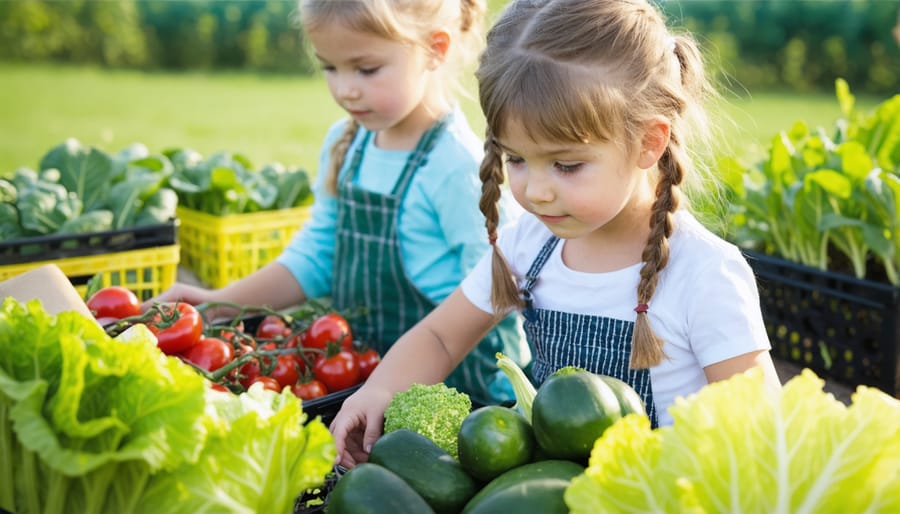
Elementary school students participating in hands-on farming education with an instructor
Diverse group of children learning about planting vegetables in a CSA farm setting

Seasonal Workshop Success Stories

Spring Planting Workshops

Spring workshops have become a cornerstone of successful CSA programs across the country, offering hands-on learning experiences that strengthen community bonds and agricultural knowledge. The Stone Barn Farm in Vermont hosts a popular “Seed to Harvest” series each March, where participants learn season planning, soil preparation, and seedling care. Their workshops regularly attract 30-40 participants and have led to a 60% increase in CSA membership over three years.

In Washington state, River Valley Organics runs “Weekend Warrior Workshops” that combine practical skills with sustainable farming education. Participants spend Saturday mornings learning about crop rotation, companion planting, and organic pest management. These sessions have proven so successful that they’ve expanded to include specialized workshops for children and seniors.

The Urban Roots Initiative in Austin, Texas, offers a unique “Spring Training” program where experienced farmers mentor new growers. Their six-week course covers everything from soil testing to irrigation systems, with participants getting hands-on experience in small groups. The program has helped launch five new micro-farms in the area and created a strong network of local food producers.

These workshops not only educate community members but also create lasting connections between farmers and consumers. Many participants report feeling more connected to their food sources and more likely to support local agriculture after attending these programs.

Group of adults harvesting fresh vegetables during a CSA workshop
Community members participating in a fall harvest workshop, picking and sorting vegetables

Harvest Season Learning

Fall harvest education programs bring CSA communities together while sharing valuable agricultural knowledge. Many CSAs offer hands-on learning experiences during the autumn months, combining education with the excitement of harvest season.

The Popular Roots Farm in Vermont, for example, hosts weekly “Field to Fork” workshops where members learn harvesting techniques for different crops while understanding optimal picking times and storage methods. Families particularly enjoy their pumpkin patch learning sessions, where children discover the life cycle of winter squash while helping with the harvest.

The Green Valley CSA in California runs a successful “Heritage Skills” program during harvest season. Members participate in food preservation workshops, learning traditional techniques like canning tomatoes, fermenting vegetables, and making apple butter. These sessions not only teach valuable skills but also help reduce food waste and extend the harvest’s benefits throughout the year.

Several CSAs incorporate school programs during harvest time. The Sunshine Fields cooperative partners with local elementary schools, bringing students to the farm for educational field trips. Children participate in potato digs, apple picking, and learn about seasonal eating through hands-on activities.

These harvest education programs strengthen community bonds while passing down essential agricultural knowledge to future generations. Many participants report feeling more connected to their food sources and more confident in their ability to support local agriculture after attending these sessions.

Kitchen-to-Farm Connection Programs

Farm-to-Table Workshops

The Sweet Berry Farm in Vermont has transformed their CSA program by hosting weekly cooking workshops that bring members together to learn creative ways to use their seasonal produce. Members gather in the farm’s renovated barn kitchen to learn techniques for preserving tomatoes, fermenting vegetables, and creating farm-fresh meals from unfamiliar ingredients like kohlrabi and rutabaga.

In California, Green Valley CSA’s popular “From Field to Fork” series teaches participants to create complete meals using their weekly share boxes. Their most successful workshop focused on quick weeknight dinners, helping busy families reduce food waste while making nutritious meals. Members reported using 95% of their weekly produce after attending these sessions.

The Urban Roots CSA in Chicago takes a unique approach by partnering with local chefs for monthly demonstration classes. Their “Heritage Cooking” workshops celebrate diverse cultural traditions while teaching members to prepare seasonal vegetables in new ways. A recent workshop on Asian cooking techniques helped members master stir-frying techniques for fresh bok choy and Chinese broccoli, creating enthusiasm for these less common CSA offerings.

These hands-on experiences not only build cooking confidence but also strengthen community bonds and support sustainable farming practices.

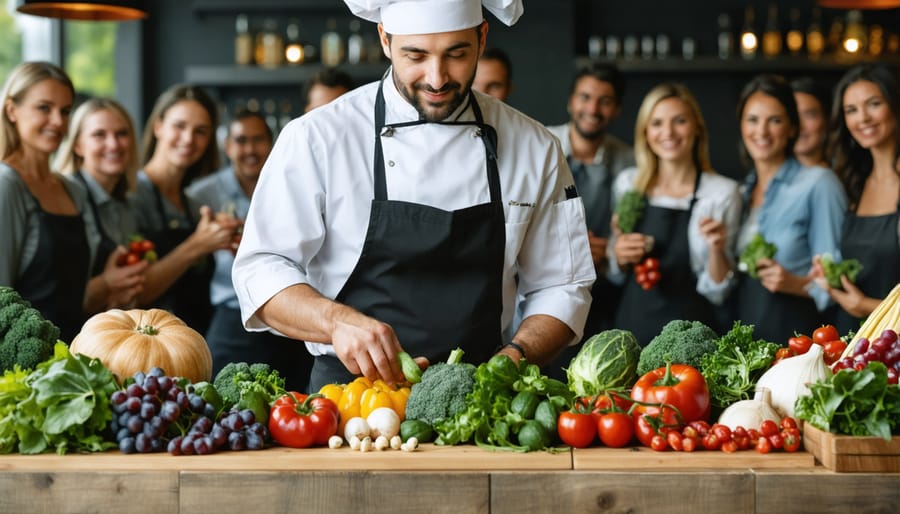
Chef instructor teaching community members how to prepare seasonal vegetables
Cooking demonstration using fresh CSA produce in a community kitchen setting

Food Preservation Classes

Many CSAs enhance their community impact by offering hands-on food preservation workshops throughout the harvest season. Members learn valuable skills like water bath canning for tomatoes and pickles, pressure canning for low-acid vegetables, and various fermentation techniques for cabbage, cucumbers, and other produce. These classes typically run 2-3 hours and are often held right on the farm, allowing participants to process vegetables at peak freshness.

Popular preservation workshops include jam and jelly making during berry season, dehydrating summer herbs and fruits, and preparing root cellar storage for fall crops. Some CSAs host multi-session series where members can master different preservation methods while building connections with fellow food enthusiasts. The Golden Acre Farm in Vermont, for example, offers monthly “Preserve the Harvest” workshops where participants take home finished products like pickled green beans or strawberry preserves.

These classes help reduce food waste while empowering members to enjoy their farm-fresh produce year-round. Many CSAs provide detailed handouts, tested recipes, and ongoing support through social media groups where members share tips and success stories.

Starting Your Own CSA Education Program

Starting a CSA education program can be a rewarding way to connect your community with local agriculture while promoting sustainable living practices. Many successful programs begin with hands-on workshops that teach participants about seasonal growing cycles, organic farming methods, and food preservation techniques.

Consider organizing weekly sessions that combine classroom learning with field experience. For example, the Green Acres CSA in Vermont runs a popular “Farm-to-Kitchen” series where members learn everything from seed starting to harvest planning. Their program includes practical activities like soil testing, composting demonstrations, and cooking classes using fresh produce.

To structure your educational initiative, start with these core components:

• Monthly farm tours highlighting different aspects of agricultural operations
• Hands-on workshops focused on seasonal activities
• Kid-friendly activities that make learning about farming fun
• Recipe sharing sessions using current harvest items
• Basic business planning guidance for aspiring farmers

The Rising Sun CSA in California found success by offering tiered learning opportunities. They created beginner, intermediate, and advanced tracks, allowing participants to progress at their own pace. Their beginner track focuses on basic gardening skills, while advanced levels cover topics like crop planning and organic certification requirements.

Remember to document your journey through photos and videos, which can serve as valuable teaching tools for future participants. Consider partnering with local schools or community centers to expand your reach and create a more sustainable program. Start small, perhaps with monthly workshops, and gradually expand based on community interest and feedback.

Educational programs within CSA communities have proven to be powerful catalysts for sustainable agriculture and community development. These initiatives not only equip participants with valuable farming knowledge but also foster meaningful connections between farmers and consumers. By participating in workshops, farm tours, and hands-on learning experiences, community members gain a deeper appreciation for local food systems and sustainable farming practices. The ripple effects of these educational efforts extend far beyond the farm, inspiring new generations of farmers, promoting environmental stewardship, and strengthening local food security. Whether you’re a seasoned gardener or just beginning to explore sustainable agriculture, getting involved in CSA educational programs can be a rewarding way to contribute to your community’s food future. Take the first step by reaching out to local CSA farms and discovering how you can participate in building a more sustainable and connected food system.

Seed Library Grants: How Your Community Can Get Free Funding to Preserve Heirloom Seeds

Posted by darrell on
0
Seed Preservation and Biodiversity
Seed Library Grants: How Your Community Can Get Free Funding to Preserve Heirloom Seeds

Transform your community’s food security landscape with seed library grants – a powerful funding tool that’s revolutionizing how neighborhoods preserve and share heirloom varieties. Seed libraries across North America are securing grants ranging from $500 to $25,000, empowering local gardeners and strengthening biodiversity.

From small-town initiatives to urban agricultural projects, these grants provide essential resources for seed storage equipment, educational materials, and community workshops. The impact extends beyond just seeds – they’re cultivating knowledge sharing networks, preserving cultural heritage through ancestral varieties, and building resilient local food systems.

Whether you’re a library professional, community organizer, or passionate gardener, understanding how to access and utilize these grants can turn your seed-saving vision into reality. With funding opportunities available through agricultural organizations, community foundations, and government programs, now is the perfect time to plant the seeds of change in your community.

Wooden cabinet with organized drawers containing heirloom seed packets and labels
Neatly organized seed library with labeled drawers and seed packets

What Are Seed Library Grants?

Types of Available Grants

Several funding opportunities are available for establishing and maintaining seed libraries, each catering to different needs and scales of operation. Community foundations often provide local grants specifically designed for projects focused on preserving heirloom seeds and promoting biodiversity. These typically range from $500 to $5,000 and are perfect for starting small seed libraries.

Agricultural extension programs through state universities offer educational grants that can support both the infrastructure and educational components of seed libraries. These grants often include funding for workshops and community outreach programs.

Environmental organizations provide sustainability grants, which can range from $1,000 to $10,000, specifically targeting projects that promote ecological diversity and food security. Library-specific grants from organizations like the American Library Association support the integration of seed libraries into existing public library systems.

Corporate sponsorship programs, particularly from garden supply companies and organic seed producers, offer both monetary support and in-kind donations. Some even provide matching grant opportunities where they double community-raised funds up to a certain amount.

For rural communities, USDA Rural Development grants can provide substantial funding for larger seed library initiatives, especially when combined with other agricultural education programs.

Typical Grant Coverage

Seed library grants typically provide comprehensive funding for various essential components needed to establish and maintain a successful seed lending program. Most grants cover the initial seed inventory, including both heirloom and regionally adapted varieties, along with proper storage equipment like moisture-proof containers and temperature-controlled storage units. The funding often extends to educational materials, such as gardening guides, seed-saving instruction packets, and cataloging systems to track seed circulation.

Many grants also support community outreach initiatives, covering costs for workshops, educational events, and promotional materials to engage local gardeners. Infrastructure needs like shelving units, label makers, and basic office supplies are commonly included in grant coverage. Some more extensive grants may fund part-time staff positions or volunteer coordinator roles to ensure proper program management.

Technical support is another key area, with grants often covering database systems for inventory management and record-keeping. Additional items frequently covered include printing costs for educational materials, basic gardening tools for demonstrations, and materials for seed-packing activities. Some grants even provide funding for partnership development with local farming organizations and agricultural extension offices.

How to Apply for Seed Library Grants

Individual working on seed library grant paperwork with reference materials and planning documents
Person filling out grant application forms with seed library planning documents

Application Requirements

To apply for seed library grants, organizations typically need to submit a comprehensive application package. Start by preparing a detailed project proposal that outlines your seed library’s goals, target community, and expected impact. Include a realistic budget breakdown showing how the funds will be allocated for seeds, storage equipment, and educational materials.

Required documentation usually includes proof of your organization’s non-profit status (if applicable), tax identification numbers, and any existing partnerships with local agricultural organizations or community groups. You’ll also need letters of support from community stakeholders and a sustainability plan demonstrating how your seed library will continue operating after the grant period ends.

Most grant applications require demographic information about your service area and statistics about current community garden participation. Include photos of your proposed or existing space and any relevant certifications held by key staff members or volunteers.

Remember to highlight your organization’s track record in community service and sustainable agriculture initiatives. If you’re just starting, focus on your team’s relevant experience and passion for seed saving and community education. Many grantors also look for innovative outreach strategies and plans for measuring program success through metrics like membership growth and seed distribution numbers.

Writing a Winning Proposal

Creating a winning grant proposal starts with thorough research and a clear vision for your seed library project. Begin by outlining your community’s specific needs and how a seed library would address them. Include concrete data about your area’s food security, gardening interests, and existing community programs.

Make your proposal stand out by highlighting unique aspects of your planned seed library, such as educational workshops, partnership opportunities with local schools, or special collections of heritage seeds. Numbers speak volumes – estimate how many community members you’ll serve and include realistic budget projections.

Tell your story compellingly but concisely. Share your community’s passion for sustainable gardening and explain how the seed library will foster connections between experienced gardeners and newcomers. Include testimonials from community members who support the project.

Remember to address the sustainability of your seed library beyond the grant period. Outline plans for volunteer management, seed collection protocols, and community engagement strategies. Be specific about tracking success through measurable outcomes like membership growth and seed circulation rates.

Lastly, carefully follow all application guidelines and submission deadlines. Have several people review your proposal for clarity and completeness before submitting.

Success Stories: Communities Growing Through Grants

The power of seed library grants is best illustrated through the remarkable transformations they’ve sparked across communities. In Millbrook, New York, a modest $5,000 grant helped the local library establish a thriving seed collection that now serves over 500 families annually. Their program not only provides free seeds but also hosts monthly gardening workshops, creating a hub for community learning and sustainable growing practices.

The Berkeley Ecology Center’s seed library, launched through a $10,000 community development grant, has become a model for urban agricultural initiatives. Within two years, they’ve preserved over 50 local heritage varieties and engaged hundreds of residents in seed-saving workshops, particularly benefiting low-income neighborhoods with limited access to fresh produce.

In rural Montana, the Three Forks Seed Library started with just $2,500 in grant funding but has grown into a regional resource for drought-resistant crop varieties. Their success stems from partnering with local farmers who contribute seeds and expertise, creating a self-sustaining system that supports food security across five counties.

The Vine Street Library in Philadelphia transformed an unused storage room into a vibrant seed exchange space through a $7,500 grant. Their innovative approach includes a youth program where students learn about plant biology and food systems while maintaining the seed inventory. The project has inspired three neighboring libraries to start their own seed-sharing initiatives.

These success stories demonstrate how relatively modest grants can create lasting impacts on community food sovereignty and environmental education.

Diverse group of people exchanging seeds and information at a community seed library gathering
Community members participating in seed library event

Building Community Support

Building local support for your seed library starts with effective community outreach and engagement. Host regular workshops on seed saving techniques, organize seasonal planting events, and collaborate with local master gardeners to share expertise. Partner with nearby schools to introduce children to the joy of gardening and seed preservation, creating educational opportunities that spark interest across generations.

Social media platforms and local newsletters are invaluable tools for spreading awareness about your seed library’s mission of building community resilience through sustainable agriculture. Consider organizing seed swaps and harvest celebrations that bring together experienced gardeners and newcomers alike.

Maintain regular communication with your supporters through monthly newsletters highlighting success stories, seasonal planting tips, and upcoming events. Create volunteer opportunities that allow community members to take ownership of the project, from cataloging seeds to managing educational programs. Remember to acknowledge and celebrate your volunteers’ contributions – they’re the backbone of a thriving seed library.

Form partnerships with local businesses, particularly garden centers and farm supply stores, who may offer in-kind donations or promotional support. These relationships help establish your seed library as an integral part of the local food system while ensuring long-term sustainability.

Seed library grants offer a fantastic opportunity to nurture sustainable food systems in your community. Whether you’re a librarian, community organizer, or garden enthusiast, these funding resources can help turn your seed-sharing vision into reality. Take the first step today by exploring available grants, preparing a compelling application, and connecting with successful seed libraries in your area. Together, we can cultivate a more sustainable and food-secure future, one seed at a time.

How CSA Programs Are Transforming Health and Nutrition in Communities

Posted by darrell on
0
CSA Fundamentals and Benefits
How CSA Programs Are Transforming Health and Nutrition in Communities

Transform your community’s health outcomes by integrating CSA (Community Supported Agriculture) programs with targeted wellness initiatives. Partner local farms with healthcare providers to deliver fresh, organic produce directly to patients managing chronic conditions. Launch educational workshops that connect the transformative health benefits of CSAs with practical cooking skills and nutrition education. Establish sliding-scale payment systems and SNAP benefit acceptance to ensure fresh, local produce reaches underserved populations.

These evidence-based interventions create sustainable bridges between local agriculture and public health, improving both community wellness and farm viability. Recent studies show participants in CSA health programs report increased fruit and vegetable consumption, better dietary habits, and stronger connections to their local food system. By combining healthcare outreach with direct farm relationships, these initiatives address both food access and preventive health care through a single, powerful channel.

Bridging the Gap: CSA-Health Program Integration Models

Hospital-CSA Partnerships

Several innovative hospitals across North America have embraced integrated healthcare approaches by partnering with local CSA farms to improve patient nutrition and recovery outcomes. Boston Medical Center’s Preventive Food Pantry collaborates with local CSAs to provide fresh produce prescriptions to patients with dietary-related health conditions. Patients receive weekly boxes of seasonal vegetables along with cooking demonstrations and nutritional guidance.

In Michigan, Henry Ford Health System’s Fresh Prescription program partners with multiple CSA farms to deliver fresh produce directly to patients managing chronic diseases. The program has shown promising results in improving dietary habits and reducing hospital readmission rates.

Kaiser Permanente’s Farm-to-Hospital initiative stands out for its comprehensive approach, connecting multiple regional hospitals with CSA networks. They offer subsidized CSA shares to patients and staff while integrating cooking classes and nutrition education into their wellness programs. These partnerships not only support patient health but also strengthen local food systems and agricultural communities.

Healthcare worker delivering CSA vegetable box to patient outside hospital
Fresh produce box from a CSA program being handed to a patient at a hospital entrance

Workplace Wellness CSA Programs

Corporate wellness programs are increasingly incorporating CSA partnerships as a innovative approach to employee health and satisfaction. Companies work with local farms to provide employees convenient access to fresh, seasonal produce through workplace delivery or pickup points. These programs often include educational components such as cooking demonstrations, nutrition workshops, and farm visits that help employees make the most of their weekly produce shares.

Many businesses offer CSA memberships as wellness incentives, either subsidizing the cost or allowing employees to use wellness program credits toward their shares. This approach not only promotes healthier eating habits but also supports local agriculture and strengthens community connections. Some companies report increased employee engagement and improved workplace morale after implementing CSA programs.

The success of workplace CSA initiatives often hinges on thoughtful implementation strategies, such as flexible payment options, convenient distribution schedules, and regular communication between farms and employees. Companies frequently complement these programs with office kitchen facilities, recipe sharing platforms, and lunch-and-learn sessions to help employees incorporate fresh produce into their daily routines.

Nutrition Education Through CSA Programs

Cooking Demonstrations and Classes

Many CSA programs have discovered that providing members with cooking demonstrations and educational classes significantly improves their ability to use unfamiliar produce and maintain healthier eating habits. Local chefs and nutritionists often partner with CSA farms to offer hands-on cooking workshops that teach members how to prepare seasonal vegetables in delicious and nutritious ways.

These culinary education sessions typically include practical skills like proper vegetable storage, basic knife techniques, and simple cooking methods that preserve nutrients. Participants learn to create quick, healthy meals using their weekly CSA shares, reducing food waste and increasing consumption of fresh produce. Some programs even offer specialized classes focused on cooking with children or preparing meals for specific dietary needs.

Virtual cooking demonstrations have become increasingly popular, allowing CSA members to access recorded sessions and live-streamed classes from home. Many programs also provide recipe cards, seasonal cooking guides, and online resources to support members throughout their CSA journey. This comprehensive approach to cooking education helps break down barriers to healthy eating and empowers members to make the most of their farm-fresh produce.

Professional chef teaching cooking class with fresh CSA produce
Chef demonstrating cooking techniques with seasonal vegetables to a group of CSA members

Seasonal Recipe Support

Supporting CSA members in utilizing unfamiliar produce is crucial for program success and member satisfaction. Many farms provide weekly recipe cards featuring that week’s vegetables, along with storage tips and preparation methods. Some CSAs create seasonal cookbooks specifically tailored to their harvest schedule, helping members confidently prepare items they might not typically buy.

Digital support through farm newsletters, social media groups, and mobile apps allows members to access recipe ideas instantly and share their own cooking successes. Some farms host cooking demonstrations or virtual kitchen sessions where farmers and experienced members demonstrate preparation techniques for less common vegetables like kohlrabi or garlic scapes.

Recipe swap events and online communities encourage members to share creative ways to use produce, fostering a collaborative learning environment. Many CSAs also maintain recipe archives on their websites, categorized by vegetable type and season, making it easy for members to search for ideas when inspiration is needed.

For maximum engagement, successful CSAs often include simple, family-friendly recipes that require minimal ingredients and preparation time, making seasonal cooking both accessible and enjoyable for busy households.

Making CSA Programs More Accessible

Payment Assistance Programs

Many CSA programs recognize that access to fresh, organic produce shouldn’t be limited by financial constraints. To make healthy food more accessible, numerous CSAs offer flexible payment options and financial assistance programs that strengthen the community impact of CSA programs. Common support options include sliding scale payment systems, where members pay based on their income level, and payment plans that allow costs to be spread across multiple installments.

Some CSAs partner with local organizations and health institutions to provide subsidized shares for low-income families. SNAP/EBT benefits are increasingly accepted at many CSAs, while others offer work-share programs where members can exchange farm labor for a reduced subscription cost. Grant-funded initiatives and community sponsorship programs help bridge the affordability gap, ensuring fresh produce reaches those who need it most.

Many CSAs also maintain emergency assistance funds contributed to by more affluent members, creating a sustainable support system within the community. These various payment assistance options help create an inclusive environment where everyone can access fresh, locally grown produce regardless of their financial situation.

Distribution Solutions

CSA programs are innovating their distribution methods to reach more community members, especially those in underserved areas. Mobile market vans have become increasingly popular, bringing fresh produce directly to neighborhoods with limited access to healthy food options. These traveling CSA units often coordinate with community centers, schools, and senior living facilities to create convenient pickup points.

Some CSAs have partnered with public transportation hubs to establish distribution points near bus and train stations, making it easier for car-free households to participate. Workplace delivery programs have also gained traction, with CSAs coordinating with local businesses to deliver shares directly to employees during office hours.

Digital solutions play a crucial role too. Text message notifications alert members about pickup times and available produce, while online platforms help manage flexible pickup schedules. Some innovative CSAs have established neighborhood “pod leaders” who receive bulk deliveries and coordinate distribution among local members, building community connections while solving logistical challenges.

To address food desert areas, several CSAs have implemented sliding-scale payment options and accept SNAP benefits, combining accessibility with creative distribution methods to ensure fresh, local produce reaches all community members.

Colorful mobile farm stand delivering CSA shares to urban community
Mobile CSA distribution van in an urban neighborhood setting

Measuring Success: Health Outcomes and Impact

CSA intervention programs have demonstrated remarkable success in improving health outcomes across diverse communities. Studies tracking participant health metrics show consistent positive changes, particularly in areas of nutrition and dietary habits. For example, families participating in CSA programs report eating 25-35% more vegetables on average, with a notable increase in the variety of produce consumed.

Success stories from community programs illuminate the real-world impact. The Smith Family Farm CSA partnership with local healthcare providers led to a 40% increase in fruit and vegetable consumption among participating patients with type 2 diabetes. Additionally, participants reported improved blood sugar control and reduced medication needs over a six-month period.

Mental health benefits have also been documented, with regular CSA participation correlating to reduced stress levels and increased social connections. Community surveys reveal that 85% of participants feel more connected to their local food system and report higher levels of satisfaction with their dietary choices.

Children in families participating in CSA programs show particularly encouraging results. Studies indicate improved eating habits, greater willingness to try new vegetables, and increased knowledge about nutrition and farming. School-based CSA programs report that students involved in farm-to-school initiatives score higher on nutrition knowledge assessments and are more likely to choose fresh produce during meals.

Financial health outcomes are equally promising. Families participating in subsidized CSA programs report average monthly savings of $60-100 on grocery bills, while accessing higher quality, fresh produce. This economic benefit extends to local farmers, who report more stable income streams and increased ability to invest in sustainable farming practices.

These documented improvements demonstrate that CSA interventions create lasting positive changes in community health while supporting local agriculture. The combination of improved nutrition, mental well-being, and economic benefits makes these programs valuable tools for public health initiatives.

Community Supported Agriculture health interventions represent a powerful tool for improving public health while supporting local food systems. The success stories from various programs across the country demonstrate how connecting fresh, locally grown produce with healthcare initiatives can create lasting positive changes in communities. These programs have shown remarkable results in improving dietary habits, increasing fruit and vegetable consumption, and fostering better health outcomes for participants.

Looking ahead, there are exciting opportunities to expand these interventions further. The growing interest in preventive healthcare and sustainable agriculture creates perfect conditions for developing new partnerships between healthcare providers and local farms. Technology integration, such as mobile apps for ordering and nutrition tracking, could make programs more accessible and user-friendly.

The future of CSA health interventions lies in making them more inclusive, sustainable, and integrated into mainstream healthcare systems. By continuing to build evidence-based programs, securing sustainable funding sources, and adapting to community needs, these initiatives can play an increasingly vital role in addressing both public health challenges and supporting local agriculture for generations to come.

Make Your Farm Market-Ready: Essential Requirements for Farmers Market Success

Posted by darrell on
0
Market Events and Community Engagement
Make Your Farm Market-Ready: Essential Requirements for Farmers Market Success

Transform your fresh produce passion into local farmers market success by mastering essential vendor requirements. Start with securing proper licensing, including health department permits, food handling certificates, and business registration – prerequisites that establish credibility and legal compliance. Next, invest in commercial-grade equipment meeting local health codes: approved display tables, certified scales, temperature-controlled storage, and weather-protective canopies. Finally, develop clear product labeling and pricing systems that detail growing practices, harvest dates, and organic certifications where applicable.

Farmers markets represent a $1.2 billion industry in North America, but only vendors who meet stringent quality and safety standards consistently thrive. Whether you’re a small-scale organic farmer or artisanal food producer, understanding and implementing these foundational requirements not only ensures compliance but builds lasting customer trust and sustainable market presence. Your journey begins with proper documentation, extends through operational excellence, and culminates in creating an authentic farm-to-table experience that resonates with today’s conscious consumers.

Basic Vendor Requirements and Documentation

Professional farmers market stand with vendor permits and certifications visible
Well-organized farmers market booth with proper permits and licenses displayed

Licenses and Permits

Before setting up your stand at a farmers market, you’ll need to secure several essential licenses and permits. Most markets require a basic business license from your city or county, which establishes you as a legitimate vendor. If you’re selling food products, you’ll also need a food handler’s permit and possibly a temporary food establishment permit from your local health department.

Cottage food operators should obtain specific certifications for home-based food production, while those selling prepared foods need commercial kitchen licenses. Many states require agricultural producers to obtain a certified producer’s certificate, verifying that you’re growing what you’re selling.

Special permits may be needed for specific products: egg handlers certificates for selling eggs, meat handler’s licenses for meat products, and wine-selling permits for vineyard products. Some markets also require proof of liability insurance before allowing you to sell.

Remember that permit requirements vary by location and market, so check with your local market manager and health department for specific requirements. Many markets offer guidance to help new vendors navigate the permitting process.

Insurance Coverage

Insurance coverage is a crucial requirement for vendors at most farmers markets. Typically, markets require vendors to carry general liability insurance with coverage ranging from $500,000 to $2 million. This insurance protects you against claims related to customer injuries, foodborne illnesses, or property damage that might occur during market operations.

Many markets require vendors to list them as “additional insured” on their policy. This extends your coverage to protect the market organization as well. For food vendors, product liability insurance is often mandatory, especially if you’re selling prepared foods or value-added products.

Some vendors opt to join farmers market associations that offer group insurance policies at discounted rates. These group policies can be more cost-effective than individual coverage. Keep in mind that different product types may require different levels of coverage – for instance, hot food vendors typically need higher coverage than those selling whole produce.

Remember to keep your insurance documentation current and readily available for market inspections. Most markets require proof of insurance before allowing vendors to participate in their first market day.

Product Standards and Quality Requirements

Fresh Produce Guidelines

Fresh produce must meet strict quality and safety standards to be sold at farmers markets. All fruits and vegetables should be properly cleaned, free from visible dirt, and displayed in clean containers. For certified organic produce, vendors must maintain current USDA organic certification and display their certification prominently at their stand.

Produce should be harvested at peak ripeness and sold within appropriate timeframes to ensure maximum freshness. Vendors must properly label items with pricing and clearly indicate whether products are conventionally grown or organic. Any produce with visible signs of decay, significant blemishes, or pest damage cannot be sold.

Many markets require vendors to grow their produce within a specific radius of the market location to maintain the “locally grown” standard. Keep detailed records of planting dates, harvest times, and cultivation methods for market management review. If you use any post-harvest treatments, these must be documented and comply with local food safety regulations.

Temperature-sensitive items like leafy greens should be stored in coolers or under appropriate shade structures. Consider investing in a pop-up tent with proper ventilation to protect your produce from direct sunlight. Remember to bring spray bottles for periodic misting of leafy vegetables to maintain freshness throughout market hours.

Success comes from maintaining consistent quality. Many successful vendors, like Sarah from Green Acres Farm, attribute their loyal customer base to their unwavering commitment to produce excellence and transparent farming practices.

Beautifully arranged display of colorful, fresh produce at farmers market
Fresh produce display showing high-quality fruits and vegetables arranged professionally

Value-Added Products

Value-added products at farmers markets must meet specific requirements to ensure consumer safety and compliance with local regulations. These items include jams, jellies, baked goods, pickles, sauces, and other processed foods that transform raw ingredients into ready-to-eat products.

All processed foods must be prepared in a certified commercial kitchen or licensed facility that meets health department standards. Home kitchens typically don’t qualify unless they’ve received specific certification under cottage food laws. Vendors must maintain proper documentation of their kitchen certification and food handler permits.

Products require clear labeling that includes:
– Product name and description
– Complete list of ingredients
– Net weight or volume
– Producer’s name and contact information
– Production date
– Any allergen warnings

Temperature control is crucial for certain value-added products. Items requiring refrigeration must be stored at 41°F or below, while hot foods should maintain a temperature of 135°F or higher. Vendors need appropriate equipment to maintain these temperatures throughout market hours.

Keep detailed production records and maintain copies of all relevant permits and certifications at your market stand. Many markets require samples of new products to be approved by market management before they can be sold. Some states have specific restrictions on certain types of value-added products, so always check local regulations before developing new items for sale.

Remember to practice proper food handling and sanitization procedures during preparation, transportation, and display of your products.

Display and Equipment Standards

Complete farmers market booth setup showing required equipment and safety measures
Market vendor booth setup with proper canopy, tables, and food safety equipment

Booth Setup Requirements

A professional and weather-resistant 10’x10′ pop-up tent is essential for protecting your products and creating a welcoming space. Choose a white or light-colored tent to ensure optimal visibility and temperature control. Secure your tent with appropriate weights (minimum 25 pounds per leg) – never rely on stakes alone, as many market surfaces are paved.

For product display, invest in sturdy folding tables that can support your merchandise weight. Two 6-foot tables typically provide adequate space for most vendors. Ensure tables are level and stable, using adjustable legs for uneven surfaces. Cover tables with clean, wrinkle-free tablecloths that extend to the ground, creating storage space underneath.

Learn effective market display strategies by incorporating varying heights and depths in your setup. Use wooden crates, baskets, or tiered displays to create visual interest and maximize space. Keep a supply of bags, paper products, and sanitizing materials readily available.

Essential equipment includes a digital scale for precise weighing, clear price signs, and a weather-proof cash box or point-of-sale system. Consider investing in battery-powered lighting for early morning setup or evening markets.

Food Safety Equipment

Proper food safety equipment is essential for protecting both vendors and customers at farmers markets. For temperature-sensitive items, you’ll need reliable coolers or refrigeration units capable of maintaining foods at 41°F or below. Consider investing in digital thermometers to monitor temperatures throughout the day, especially during warm weather.

Food handling equipment should include separate cutting boards and utensils for different types of products, particularly when handling raw and ready-to-eat foods. Keep multiple pairs of disposable gloves handy and change them frequently. Hand-washing stations are mandatory for most markets, so pack a portable sink with hot water, soap, and paper towels.

For display purposes, use food-grade containers and protective covers to shield products from environmental contaminants. Elevated platforms or tables should keep all food items at least six inches off the ground. Don’t forget cleaning supplies like sanitizing solution, spray bottles, and clean cloths for maintaining a hygienic workspace.

Remember to bring extra equipment as backup – having spare thermometers and additional storage containers can save the day if something breaks or malfunctions during market hours.

Market Participation Rules

Successful participation in farmers markets requires adherence to specific operational guidelines and conduct rules that ensure a positive experience for both vendors and customers. Most markets require vendors to arrive at least one hour before opening to set up their displays and be ready for the first customers. Late arrivals may risk losing their designated spots or facing penalties.

Vendors must maintain a professional and friendly demeanor, contributing to positive market community engagement throughout the day. This includes keeping your stall area clean, displaying prices clearly, and handling customer inquiries with patience and knowledge about your products.

Your display should be neat and organized, with products properly labeled and prices visible. Many markets require the use of tent weights (typically 25 pounds per corner) for safety, regardless of weather conditions. Tables should be sturdy and covered with clean tablecloths, while produce must be displayed at least six inches off the ground.

Most markets operate rain or shine, so vendors need reliable weather protection for their products and display areas. If you need to leave early or can’t attend a market day, you must notify market management according to their specified timeframe, usually at least 24-48 hours in advance.

Sales reporting is often mandatory, with many markets requiring end-of-day sales totals for record-keeping and market analysis. Some markets also expect vendors to participate in sustainability initiatives, such as proper waste disposal and recycling programs, helping maintain the market’s environmental standards.

Embarking on your farmers market journey is an exciting venture that requires careful preparation and attention to detail. By ensuring you have the proper licenses, certifications, and insurance in place, you’ll be well-positioned to start selling your products with confidence. Remember to thoroughly review your local market’s specific requirements, prepare your display equipment, and maintain high product quality standards. Consider joining local farming organizations or connecting with experienced vendors for additional guidance and support. When you’re ready to take the next step, reach out to your chosen market’s management team to begin the application process. With proper planning and dedication to meeting these requirements, you’ll be well on your way to becoming a successful farmers market vendor, sharing your passion for local food with your community.

Native Seeds Grow Strong: How USDA’s Initiative Powers Indigenous Food Sovereignty

Posted by darrell on
0
Seed Preservation and Biodiversity
Native Seeds Grow Strong: How USDA’s Initiative Powers Indigenous Food Sovereignty

The USDA’s Indigenous Food Sovereignty Initiative marks a watershed moment in reclaiming Native American agricultural heritage and food security. Launched in 2021, this groundbreaking program empowers tribal communities to regain control of their traditional food systems while preserving ancestral farming practices that have sustained Indigenous peoples for generations. By partnering directly with tribal governments and Native-led organizations, the USDA is helping restore sacred seed-saving traditions, expand access to culturally significant foods, and strengthen local food economies across Indian Country. This initiative represents more than just agricultural policy—it’s a vital step toward healing historical inequities and ensuring Indigenous communities can nurture their time-honored connections to the land, seeds, and traditional foodways. Through targeted investments in tribal agriculture, technical assistance, and market development, the program creates pathways for Native communities to rebuild sustainable, culturally appropriate food systems that honor their heritage while feeding future generations.

Roots of Indigenous Food Knowledge

Traditional Seed Keeping Practices

Traditional seed keeping is a sacred practice that connects Indigenous communities to their ancestral heritage and ensures food sovereignty for future generations. This time-honored practice combines indigenous seed knowledge with careful preservation techniques passed down through generations.

Many Indigenous communities maintain seed libraries where heirloom varieties are stored in climate-controlled environments, often using traditional containers made from natural materials like clay pots or dried gourds. Seeds are carefully cleaned, dried, and stored with specific companion plants or herbs that naturally protect against pests and moisture.

The practice goes beyond mere preservation – it’s a living tradition that includes ceremonial practices, storytelling, and community gatherings. Seeds are often blessed before storage and sharing, maintaining spiritual connections while ensuring genetic diversity. Many communities organize seed exchanges, where traditional varieties are shared alongside growing instructions and cultural significance stories.

These methods have proven remarkably effective, with some Indigenous seed varieties surviving for hundreds of years while maintaining their distinct characteristics and agricultural resilience. Modern seed banks are now recognizing the wisdom in these traditional practices, incorporating Indigenous knowledge into their preservation protocols.

Indigenous elder demonstrating seed collection and storage methods to youth
Native American elder teaching young community members traditional seed saving techniques

Sacred Connection to the Land

For Indigenous peoples, agriculture extends far beyond mere food production – it’s a sacred relationship with the land that has been cultivated over thousands of years. This deep connection is rooted in traditional ecological knowledge passed down through generations, viewing the Earth as a living entity that requires respect and reciprocal care. Indigenous farmers have historically practiced sustainable methods like companion planting, water conservation, and soil preservation, working in harmony with natural cycles and seasonal changes. Their agricultural philosophy emphasizes the interconnectedness of all living things and promotes biodiversity through careful seed selection and preservation. This holistic approach to farming not only ensures food security but also maintains cultural traditions, spiritual practices, and community wellbeing, making land stewardship an integral part of Indigenous identity and sovereignty.

USDA’s Indigenous Food Sovereignty Initiative

Key Program Components

The USDA Indigenous Food Sovereignty Initiative operates through several interconnected support mechanisms designed to empower Native American communities in maintaining their traditional food systems. At its core, the program provides direct funding through cooperative agreements and grants, helping tribes establish and expand their food production capabilities.

A key element is the seed preservation program, which supports indigenous communities in protecting and propagating their traditional crop varieties. This includes funding for seed banks, educational programs about seed saving techniques, and resources for maintaining genetic diversity in culturally significant crops.

The initiative also focuses on building infrastructure by providing support for food processing facilities, storage systems, and distribution networks. This helps communities create sustainable food systems that can serve their members year-round while preserving traditional preparation methods.

Technical assistance forms another vital component, with USDA experts offering guidance on agricultural practices, food safety regulations, and business development. The program emphasizes knowledge-sharing between tribes and creates partnerships with agricultural research institutions to combine traditional wisdom with modern farming techniques.

Educational outreach plays a significant role, with resources dedicated to teaching younger generations about traditional foods and farming practices. This includes support for community gardens, youth mentorship programs, and cultural education initiatives that help preserve indigenous food knowledge for future generations.

Community Impact Stories

The Tohono O’odham Nation in Arizona has experienced remarkable success through the initiative, reviving their traditional tepary bean cultivation. This drought-resistant crop, central to their cultural identity, now thrives across 100 acres of tribal lands, providing both sustenance and economic opportunities for community members.

In Minnesota, the Red Lake Nation has leveraged USDA support to expand their wild rice harvesting operations. Their traditional processing facility now employs 15 tribal members and supplies indigenous foods to local schools, helping preserve cultural knowledge while creating sustainable income streams.

The Navajo Nation’s “Diné Food Sovereignty” project exemplifies the initiative’s impact. With USDA backing, they’ve established three community gardens that serve as educational hubs, teaching young people traditional farming methods while providing fresh, culturally significant produce to over 200 families.

In Alaska, the Sitka Tribe has successfully revitalized their traditional herring egg harvesting practices. The initiative helped them acquire proper storage facilities and processing equipment, enabling them to share these nutrient-rich traditional foods with elders and community members year-round.

The Oneida Nation of Wisconsin has transformed 83 acres into a thriving organic farm, growing heritage white corn and other traditional crops. Their success has inspired neighboring tribes to launch similar projects, creating a ripple effect of food sovereignty across the region.

Sustainable indigenous farming method showing corn stalks supporting climbing beans with squash growing below
Traditional Three Sisters garden showing corn, beans, and squash growing together

Preserving Heritage Seeds

Interior view of temperature-controlled seed storage facility with labeled indigenous seed collections
Modern seed bank facility storing indigenous crop varieties

Seed Banking Methods

Indigenous communities have long practiced traditional seed saving methods, passing down knowledge through generations to preserve their cultural food heritage. These time-honored techniques include drying seeds naturally, storing them in handcrafted containers made from local materials, and using smoke or specific herbs as natural preservatives. Today, these ancestral practices are being complemented by modern seed banking techniques that help ensure long-term viability and genetic diversity.

The USDA initiative supports both traditional and contemporary preservation methods. Seeds are carefully cleaned, dried to optimal moisture levels, and stored in temperature-controlled environments. Many tribal communities now maintain their own seed banks, combining traditional wisdom with current technology. These facilities often feature both cold storage units for long-term preservation and traditional storage methods that maintain cultural connections.

Community seed exchanges and educational programs help keep these practices alive, enabling younger generations to learn both ancestral and modern preservation techniques. This dual approach ensures that indigenous crop varieties remain viable while honoring the cultural significance of traditional seed-keeping practices.

Growing Success

Growing indigenous varieties in your home garden can be both rewarding and educational. Start by researching which native plants traditionally grew in your region – many local extension offices and native plant societies maintain helpful databases of indigenous varieties suited to your area.

For beginners, try starting with the Three Sisters planting method – corn, beans, and squash. This traditional Native American growing technique creates a natural support system where corn provides a trellis for beans, while squash spreads along the ground providing weed control and moisture retention.

Consider starting small with hardy indigenous plants like sunflowers, ground cherries, or Jerusalem artichokes. These plants typically require less maintenance as they’re naturally adapted to local growing conditions. Pay attention to planting times based on traditional growing calendars rather than conventional gardening guides.

Save seeds from your successful plants to maintain these varieties and share with other gardeners. Remember to research proper seed-saving techniques specific to each plant type. Creating a garden journal to track planting dates, growing conditions, and harvest times will help you develop expertise with indigenous varieties over multiple growing seasons.

Supporting indigenous food sovereignty is crucial for preserving cultural heritage, protecting biodiversity, and building sustainable food systems. You can make a difference by learning about and purchasing from indigenous food producers in your area, supporting native seed banks, and advocating for policies that protect traditional farming practices. Consider joining local food sovereignty groups, attending educational workshops on indigenous agriculture, or volunteering with organizations that work directly with native communities. Even small actions like growing traditional crop varieties in your garden or sharing knowledge about indigenous foodways can help strengthen these vital initiatives. By working together, we can help ensure that indigenous communities maintain control over their food systems while preserving centuries of agricultural wisdom for future generations.

How Local Farms and Communities Build Thriving CSA Partnerships

Posted by darrell on
0
Community Partnerships and Networks
How Local Farms and Communities Build Thriving CSA Partnerships

Community Supported Agriculture transforms the way we connect with our food, bringing fresh organic produce directly from local farmers to neighborhood tables. From the pioneering Brookfield Farm in Massachusetts, where members receive weekly boxes of seasonal vegetables, to innovative urban CSAs like Seattle’s Growing Washington, these partnerships revolutionize sustainable food systems. When you join your local CSA, you’re not just buying produce – you’re investing in agricultural heritage, environmental stewardship, and community resilience. Today’s CSA models range from traditional vegetable shares to specialized offerings like grass-fed meat, artisanal cheese, and even flower bouquets, demonstrating how this movement adapts to diverse community needs while maintaining its core mission of connecting farmers directly with conscious consumers.

The Sweet Potato Collective: A Model CSA Success Story

Farm-to-Table Journey

The roots of Green Valley CSA began in 2015 when three local farmers joined forces with a vision to connect their community directly to fresh, seasonal produce. Starting with just 25 members and a two-acre plot, they established partnerships with the local farmers’ market and neighborhood food co-op to expand their reach.

As word spread about their high-quality organic vegetables and transparent farming practices, membership grew steadily. The collective forged relationships with local schools, implementing educational programs that brought students to the farm for hands-on learning experiences. These partnerships not only educated the next generation about sustainable agriculture but also attracted more families to join the CSA.

By 2018, Green Valley had expanded to include eight farmers working across fifteen acres, serving over 200 member families. They introduced innovative features like customizable shares and flexible pickup locations through partnerships with local businesses. The collective also established relationships with area restaurants, creating a chef’s choice program that helped reduce surplus produce while supporting the local food scene.

Today, Green Valley CSA stands as a testament to the power of community collaboration, demonstrating how strategic partnerships can help small-scale farming thrive.

Wooden CSA boxes filled with seasonal produce including tomatoes, leafy greens, and root vegetables
Diverse selection of fresh vegetables arranged in wooden CSA boxes with farm logo

Community Impact

Community Supported Agriculture creates a powerful ripple effect that benefits both farmers and local residents. Farmers gain financial stability through upfront payments and guaranteed sales, allowing them to focus on growing high-quality produce rather than worrying about market fluctuations. This predictable income stream enables farmers to invest in sustainable farming practices and expand their operations with confidence.

Community members receive fresh, seasonal produce while developing a deeper connection to their food source. Weekly produce boxes often inspire families to try new vegetables and cooking methods, leading to healthier eating habits. Many CSA members report significant savings on their grocery bills, especially during peak growing seasons.

The model also strengthens local economies by keeping food dollars within the community. Farmers typically hire local workers and purchase supplies from nearby businesses. Educational opportunities abound as many CSA farms host workshops, volunteer days, and farm tours, fostering agricultural literacy and environmental awareness. Children particularly benefit from these hands-on learning experiences, developing an early appreciation for sustainable food systems and healthy eating habits.

Building Strong CSA Partnerships

Farmer explaining growing practices to CSA members in a vegetable field
Farmer and CSA members meeting during a farm tour and harvest event

Farmer-Member Communication

Effective communication between farmers and CSA members forms the backbone of successful community supported agriculture programs. Implementing comprehensive CSA member communication strategies helps build trust and maintain long-term relationships with subscribers.

Most successful CSA farms utilize multiple communication channels to keep members engaged and informed. Weekly newsletters have become a standard practice, typically including harvest updates, recipe suggestions, and storage tips for upcoming produce. These newsletters often feature behind-the-scenes glimpses of farm life, creating a personal connection between members and their food source.

Social media platforms like Instagram and Facebook allow farmers to share real-time updates and beautiful imagery of growing crops, while messaging apps facilitate quick updates about pickup times or weather-related changes. Many CSAs have also adopted mobile apps or online platforms where members can manage their subscriptions, swap items, or communicate directly with farmers.

Regular farm events, such as harvest celebrations or educational workshops, provide valuable face-to-face interaction opportunities. Some CSAs also organize member surveys to gather feedback and adjust their offerings accordingly. This two-way communication ensures that both farmers and members feel heard and valued, strengthening the community aspect of the CSA model.

Shared Risk and Reward

One of the defining features of successful CSA partnerships is the shared commitment to both risks and rewards between farmers and members. When members invest in a farm’s seasonal share, they become true partners in the agricultural journey, experiencing both the bounty of good harvests and the challenges of difficult growing seasons.

During abundant years, members might receive extra produce or specialty items as a bonus to their regular shares. For example, the Blue Hill Farm CSA in Vermont surprised their members with additional heirloom tomatoes and fresh herbs during an exceptionally productive summer season. However, members also understand that crop failures or weather-related challenges might mean fewer items in their weekly boxes.

Many CSAs manage expectations through clear communication and transparent updates about farm conditions. The Growing Together Farm in Oregon sends weekly newsletters detailing current crop conditions and upcoming harvests, helping members feel connected to their food’s journey from seed to table.

Some CSAs offer flexible payment plans or working shares, where members can reduce their subscription costs by contributing labor on the farm. This arrangement deepens the community connection while making fresh, local produce more accessible to diverse income levels.

Successful CSAs often build trust by hosting regular farm events, allowing members to see firsthand how their investment supports sustainable farming practices and local food security.

Beyond the Box: Innovative CSA Models

Multi-Farm Collaborations

Many CSA farms have discovered the power of collaboration, forming networks that enhance their offerings and strengthen local food systems. By partnering with neighboring farms, CSAs can provide members with a more diverse selection of products beyond what a single farm could produce. For example, a vegetable farm might team up with an orchard for fruit, a dairy farm for cheese and milk, and a honey producer for natural sweeteners.

These partnerships often operate through share-swapping arrangements or coordinated distribution systems. Some farms maintain separate CSA programs but coordinate pickup locations and delivery schedules for member convenience. Others fully integrate their operations, offering unified shares that showcase the best of each farm’s products.

Multi-farm collaborations also help buffer against crop failures or weather-related challenges. If one farm experiences a poor tomato harvest, another partner farm might step in to ensure members still receive fresh tomatoes in their shares. This cooperative approach not only benefits farmers through shared resources and reduced risk but also delivers greater value to CSA members through increased variety and reliable supply throughout the growing season.

Workplace CSA Programs

A growing trend in CSA programs involves innovative farm-business partnerships where companies offer CSA memberships as workplace wellness benefits. These arrangements typically involve farms delivering fresh produce directly to office locations, making it convenient for employees to access locally grown food.

For example, tech giant Adobe partnered with several local farms in San Jose to provide weekly produce boxes to their employees. The program not only supports local agriculture but also promotes healthy eating habits in the workplace. Similarly, Seattle-based REI collaborates with regional farmers to offer subsidized CSA shares as part of their employee benefits package.

These workplace programs often feature flexible payment options, with some companies covering a portion of the membership cost or allowing payroll deductions. Many participating businesses report improved employee satisfaction and increased awareness of sustainable food systems. Some programs even include lunch-and-learn sessions where farmers visit offices to share cooking tips and seasonal recipes, creating a stronger connection between producers and consumers.

The success of workplace CSA programs demonstrates how sustainable agriculture can thrive through creative partnerships that benefit both farmers and urban professionals.

Community-Based Distribution Hubs

Community-based distribution hubs have revolutionized how CSA members receive their fresh produce, making local food more accessible to busy families and working professionals. These innovative pickup locations include neighborhood centers, local businesses, and community spaces where members can collect their weekly shares at convenient times.

Many CSA programs now partner with coffee shops, health food stores, and community centers to create mini-distribution points throughout their service area. For example, the Green Valley Farm Collective works with six local businesses across town, allowing members to pick up their produce boxes during extended business hours rather than rushing to the farm during specific timeframes.

Some communities have developed food hub cooperatives, where multiple CSA farms coordinate deliveries to central locations. This system not only reduces transportation costs but also creates opportunities for farmers to collaborate and offer members a wider variety of produce. Members can often customize their pickup times through online scheduling systems, and some hubs even offer cold storage facilities to maintain produce freshness throughout the day.

These distribution networks help strengthen community bonds while making local, sustainable agriculture more convenient for everyone involved.

Several farmers working together at a community distribution center with organized produce displays
Multiple farm stands collaborating at a CSA distribution hub

Community Supported Agriculture has proven to be a transformative force in reconnecting communities with their food systems while providing sustainable income for local farmers. Successful CSA partnerships have shown that when consumers and farmers work together, both parties benefit tremendously. Farmers gain financial security through advance payments and shared risk, while members receive fresh, seasonal produce and a deeper connection to their food source.

Looking ahead, the future of CSA programs appears promising. The growing interest in locally sourced food, combined with increasing awareness of environmental sustainability, suggests continued expansion of these partnerships. Many CSAs are innovating by incorporating technology for better communication, offering customizable shares, and implementing flexible payment options to make fresh produce more accessible to diverse communities.

The impact extends beyond just food production. CSAs have become catalysts for environmental education, community building, and local economic development. They’ve inspired urban farming initiatives, school garden programs, and food justice movements. As climate change concerns grow, these local food systems demonstrate resilience and adaptability.

The success stories from various CSA models across the country show that this agricultural approach can be adapted to different regions, scales, and community needs. Whether through traditional farm shares, cooperative models, or hybrid systems, CSAs continue to evolve while maintaining their core mission of supporting sustainable agriculture and strengthening local food networks.

CSA Farming: How Your Food Choices Build Stronger Communities

Posted by darrell on
0
CSA Fundamentals and Benefits
CSA Farming: How Your Food Choices Build Stronger Communities

Transform your local food system and community wellbeing through Community Supported Agriculture, a revolutionary model that creates lasting connections between farmers and consumers. By investing directly in local farms at the beginning of each growing season, members receive weekly boxes of fresh, seasonal produce while simultaneously strengthening regional food security and economic resilience. Beyond the harvest, CSA programs foster meaningful relationships between neighbors, reduce food transportation emissions, and preserve agricultural heritage for future generations. This direct partnership between farmers and consumers not only ensures access to nutrient-rich, freshly harvested foods but also provides small-scale farmers with the financial stability needed to maintain sustainable growing practices and invest in their land’s long-term health. As climate change and food system vulnerabilities become increasingly apparent, CSA memberships offer a practical, community-based solution that benefits everyone from field to table.

Community members collecting fresh produce boxes at a local CSA farm during pickup day
Small family farm with diverse crops and CSA members picking up their weekly shares

Direct Economic Benefits to Local Communities

Job Creation and Farm Sustainability

CSA programs play a vital role in creating sustainable employment opportunities while ensuring the long-term viability of small-scale farms. By providing farmers with upfront funding through member subscriptions, CSAs offer financial stability that traditional farming models often lack. This predictable income stream allows farmers to focus on what they do best – growing high-quality, sustainable produce – rather than worrying about market fluctuations.

For many small farms, CSA programs create opportunities to hire additional staff, from field workers to delivery drivers and customer service representatives. These jobs typically offer seasonal and year-round employment opportunities in rural communities where such positions might otherwise be scarce.

The stable income from CSA memberships also enables farmers to invest in their operations, whether through infrastructure improvements, sustainable farming equipment, or educational programs for staff. Take Sarah Miller’s Blue Creek Farm in Vermont, for example. Their CSA program helped them expand from a two-person operation to employing six full-time workers and supporting three apprenticeships for aspiring farmers.

Beyond direct employment, CSAs contribute to the broader agricultural economy by supporting local suppliers, seed companies, and farm equipment providers.

Money Staying Local

When you participate in a CSA program, your food dollars create a powerful ripple effect throughout your local economy. Studies show that every dollar spent at local farms generates approximately $2.50 in additional local economic activity. This happens because farmers reinvest their earnings within the community, purchasing supplies from local vendors, hiring local workers, and using local services.

Take Sarah Johnson, a CSA farmer in Vermont, who sources her seeds from a local supplier, hires neighborhood teens for summer work, and gets her equipment maintained at the town’s repair shop. Her CSA members’ investments help support not just her farm, but also these connected local businesses.

Unlike grocery store purchases, where a significant portion of money leaves the community, CSA payments typically keep 80-90% of food dollars circulating locally. This creates a sustainable cycle of economic growth, job creation, and community development. The multiplier effect extends even further when CSA farmers collaborate with other local businesses, such as restaurants, food artisans, and farmers’ markets, strengthening the entire local food ecosystem and building a more resilient community economy.

Social Connection and Community Building

Diverse group of community members sharing a harvest dinner at long tables on a CSA farm
Farm-to-table community dinner event at a CSA farm with people sharing meal outdoors

Farm Events and Education

CSA farms offer more than just fresh produce – they serve as vibrant educational hubs and community gathering spaces. Many farms host seasonal festivals, harvest celebrations, and farm-to-table dinners that bring members together to celebrate local food and farming culture. These events strengthen community bonds and create lasting connections between farmers and consumers.

Educational opportunities abound on CSA farms, with hands-on workshops covering topics like organic gardening, composting, food preservation, and sustainable farming practices. Children particularly benefit from farm visits and youth programs, where they learn about food origins, environmental stewardship, and healthy eating habits through engaging activities.

Some CSAs offer cooking classes using seasonal ingredients, helping members make the most of their weekly shares while learning new culinary skills. Work-share programs provide interested members the chance to experience farming firsthand by contributing labor in exchange for their share, fostering a deeper appreciation for agricultural work.

These educational initiatives and community events create a rich learning environment that goes beyond traditional agriculture, helping to build a more informed and connected local food system.

Building Food Security Networks

Community Supported Agriculture (CSA) programs play a vital role in building resilient local food networks that can withstand supply chain disruptions and economic uncertainties. By implementing sustainable farming practices, CSA farms create a reliable food source that directly connects producers with consumers in their immediate area.

These networks strengthen food security in several ways. First, they reduce dependency on long-distance food transportation, making communities less vulnerable to supply chain disruptions. Second, they preserve local farmland and agricultural knowledge, ensuring continued food production capacity for future generations. Third, they create economic stability for farmers through guaranteed pre-season sales, enabling them to plan and invest in their operations confidently.

CSA networks also foster community resilience through knowledge sharing and mutual support. Members often learn about seasonal eating, food preservation, and cooking techniques from their farmers and fellow subscribers. This educational component helps build food literacy and self-sufficiency skills within the community. During challenging times, such as natural disasters or economic downturns, these established networks can quickly adapt to meet local food needs, demonstrating the true value of community-based food systems.

Environmental Impact on Local Ecosystems

Reduced Food Miles

When you join a CSA, your food travels significantly shorter distances compared to conventional grocery store produce. While the average American meal travels 1,500 miles from farm to plate, CSA produce typically moves just 20-100 miles. This dramatic reduction in food miles means less fuel consumption, fewer emissions, and a smaller carbon footprint for your meals. Local distribution also eliminates the need for excessive packaging and preservatives required for long-distance shipping.

By supporting seasonal eating habits through your CSA membership, you’re naturally reducing the environmental impact of your food choices. Instead of consuming produce shipped from distant regions or other countries, you’re enjoying fruits and vegetables grown right in your community. This direct farm-to-table connection not only preserves the freshness and nutritional value of your food but also helps combat climate change through reduced transportation emissions and energy usage.

Sustainable Farming Practices

CSA farms champion environmentally responsible farming methods that protect and enhance our natural resources. These farms typically embrace organic practices, avoiding synthetic pesticides and fertilizers in favor of natural alternatives like companion planting and beneficial insects. Through crop rotation and cover cropping, CSA farmers maintain soil health naturally, building rich, living soil that produces nutrient-dense foods.

Many CSA farmers practice water conservation through efficient irrigation systems and mulching techniques. They also promote biodiversity by growing multiple crop varieties and creating habitats for beneficial wildlife. Local farmer Sarah Johnson shares, “We view our farm as an ecosystem, where every plant, insect, and microorganism plays a vital role.”

By supporting smaller-scale, diversified farming operations, CSAs help reduce the carbon footprint associated with industrial agriculture. The shorter transportation distances and minimal packaging needs further contribute to environmental sustainability, making CSAs a model for earth-friendly farming practices that future generations can rely on.

Health and Wellness Benefits

Fresh, Seasonal Eating

One of the most compelling benefits of joining a CSA is access to incredibly fresh, seasonal produce harvested at peak ripeness. Unlike supermarket produce that may travel thousands of miles and spend days in transit, CSA vegetables often go from field to table within 24 hours of harvest. This quick turnaround ensures maximum nutrient retention and superior flavor.

Eating seasonally connects you with nature’s natural rhythm and introduces you to a diverse array of vegetables and fruits throughout the year. In spring, you might discover tender asparagus and sweet peas; summer brings sun-ripened tomatoes and fragrant basil; fall delivers hearty squashes and crisp apples. This variety not only makes meals more exciting but also provides a wide range of nutrients essential for optimal health.

Many CSA members report developing a deeper appreciation for seasonal eating and learning to cook with ingredients they might have overlooked in the grocery store. The weekly surprise of what’s in your share can inspire culinary creativity and expand your cooking repertoire. Plus, seasonal produce naturally aligns with what our bodies need during different times of the year – cooling cucumber and watermelon in summer, warming root vegetables in winter.

Farm-fresh produce often lasts longer than store-bought alternatives because it hasn’t endured long-distance shipping and extended storage. This means less food waste and better value for your investment.

Fresh, colorful seasonal produce including tomatoes, leafy greens, root vegetables, and herbs
Colorful array of seasonal vegetables arranged in a harvest display

Food Education and Cooking Skills

Participating in a CSA program offers a unique opportunity to expand your culinary knowledge and skills. As members receive seasonal produce, they often encounter vegetables and herbs they’ve never cooked with before, prompting them to learn new recipes and cooking techniques. Many CSA farmers provide weekly newsletters with recipe suggestions, cooking tips, and storage advice for each item in the share box.

The educational aspect extends beyond just cooking. Members learn about seasonal eating patterns, crop cycles, and the natural growing seasons in their region. This knowledge helps develop a deeper connection with food and understanding of agricultural practices. Some CSA farms even offer cooking workshops or farm-to-table demonstrations, where members can learn directly from farmers and local chefs about preparing fresh, seasonal ingredients.

Children particularly benefit from this food education. When families participate in CSAs, kids become more curious about different vegetables and are more likely to try new foods. They learn where their food comes from and develop healthy eating habits early in life. Many CSA members report that their children become more interested in cooking and helping in the kitchen when they know the vegetables came from “their” farm.

The regular supply of fresh produce often leads to more home-cooked meals and less reliance on processed foods. Members frequently share that their CSA participation has helped them develop healthier eating habits and a more sustainable approach to meal planning.

Community Supported Agriculture offers far more than just fresh, seasonal produce. It creates a resilient local food system that strengthens neighborhood bonds, supports small-scale farmers, and promotes environmental stewardship. By joining a CSA, you become part of a movement that keeps food dollars within your community, preserves farmland, and ensures sustainable farming practices for future generations. The ripple effects of your CSA membership extend from improved local food security to stronger community connections and a healthier environment. Take the first step today by researching CSAs in your area and becoming part of this transformative agricultural model. Your commitment to local farming helps create a more sustainable and connected community while providing your family with the freshest, most nutritious produce available.

Turn Your CSA’s Economic Impact into Growth: Smart Tools That Show Your True Value

Posted by darrell on
0
Business and Economic Impact
Turn Your CSA’s Economic Impact into Growth: Smart Tools That Show Your True Value

Transform your farm’s economic story into compelling data using today’s most effective economic impact studies and analysis tools. Calculate your direct community impact through IMPLAN software, tracking local job creation, supplier relationships, and worker spending patterns. Measure indirect benefits by documenting farmers’ market sales multipliers, regional food distribution networks, and agritourism revenue streams. Quantify your farm’s ecosystem services value using the InVEST toolkit to showcase environmental contributions alongside financial metrics.

These accessible tools help small-scale farmers demonstrate their true worth beyond simple revenue figures, speaking directly to community stakeholders and grant makers. Modern impact analysis transforms complex economic relationships into clear, actionable insights that strengthen funding applications and community partnerships. Whether you’re launching a new CSA or expanding existing operations, these measurement tools illuminate your farm’s role in building a resilient local economy.

Economic Impact Tools That Work for Small Farms

IMPLAN: Making Complex Data Simple

IMPLAN (Impact Analysis for Planning) makes understanding your farm’s economic impact as simple as harvesting ripe tomatoes. This user-friendly software transforms complex economic data into clear, meaningful insights that show how your CSA farm contributes to the local economy.

Think of IMPLAN as a digital map that traces every dollar spent at your farm as it flows through the community. When you buy seeds from local suppliers, hire workers, or sell produce at farmers’ markets, IMPLAN captures these transactions and shows their ripple effects. For example, your farm workers might spend their wages at local restaurants, creating additional economic activity.

For CSA farmers, IMPLAN can demonstrate your farm’s value beyond just produce sales. It calculates direct impacts (like your farm’s revenue), indirect impacts (such as business with local suppliers), and induced impacts (spending by your employees in the community). This data helps when applying for grants, securing loans, or showing community stakeholders the real value of supporting local agriculture.

Many successful CSA farms use IMPLAN to tell their economic story effectively, making it easier to gain community support and grow their operations.

IMPLAN software dashboard displaying economic impact analysis charts and graphs
Computer screen showing IMPLAN software interface with economic data visualization

Local Food Economics Toolkit

The USDA’s Local Food Economics Toolkit is a game-changing resource for farmers and food system organizers looking to measure their economic impact on local communities. This user-friendly toolkit combines data collection methods, analysis frameworks, and real-world case studies to help you tell your farm’s economic story effectively.

The toolkit offers step-by-step guidance for measuring various impacts, including job creation, income generation, and multiplier effects in your local economy. What makes it particularly valuable is its flexibility – whether you’re running a small CSA or managing a regional food hub, you can adapt the tools to fit your needs.

Local farmers like Sarah Martinez in Vermont have used the toolkit to demonstrate their farm’s $2.3 million annual economic contribution to their county, helping secure community support and local government backing. The toolkit includes customizable spreadsheets, survey templates, and clear instructions for calculating both direct sales impacts and ripple effects throughout the community.

Best of all, it’s completely free and available online, making it accessible to farmers of all scales and experience levels.

Real Numbers That Tell Your Story

Direct Sales Impact Tracking

When measuring your farm’s economic impact, tracking direct sales is like following the ripples in a pond – it all starts with that first splash! For CSA farms, direct sales tracking involves carefully monitoring revenue from CSA memberships, farmers’ market sales, and on-farm purchases.

Start by maintaining detailed records of all transactions, including the number of CSA shares sold, weekly market earnings, and direct-to-consumer purchases. Many farmers find success using simple spreadsheet templates or user-friendly point-of-sale systems designed specifically for small farms.

Consider tracking these key metrics:
– Total revenue from each sales channel
– Number of customers served
– Average purchase value
– Seasonal sales patterns
– Product-specific performance

Sarah Johnson, a successful CSA farmer in Vermont, shares: “By tracking our direct sales carefully, we discovered that offering half-shares brought in 40% more members and increased our overall revenue by 25%.”

Remember to document both monetary and non-monetary transactions, such as work-share arrangements or produce donations to local food banks. This comprehensive approach helps paint a complete picture of your farm’s direct economic contributions to the community.

For best results, review your sales data monthly and analyze trends seasonally. This regular assessment helps identify opportunities for growth and allows you to make informed decisions about crop planning and pricing strategies.

Circular diagram illustrating how CSA dollars circulate through different local businesses and services
Infographic showing money flow from CSA farm through local economy

Community Multiplier Effects

When CSA members invest in local farms, their dollars create a ripple effect that helps transform local economies in powerful ways. This multiplier effect occurs as money circulates through various local businesses and service providers, creating additional economic value with each transaction.

For example, when CSA farmers receive payment from members, they typically spend a significant portion locally – purchasing seeds from nearby suppliers, hiring local farm workers, or buying equipment from area dealers. These businesses, in turn, use that income to pay their employees and make their own local purchases, continuing the cycle.

Studies show that every dollar spent at a CSA farm generates between $1.80 and $2.40 in local economic activity. This is significantly higher than money spent at conventional grocery stores, where much of the revenue leaves the community through corporate supply chains.

To measure these effects, farmers can use simple tracking tools like spending logs and local vendor lists. More comprehensive analysis might include surveying local businesses about their farm-related income or partnering with local economic development offices to conduct detailed impact studies.

By understanding and documenting these multiplier effects, CSA farms can better demonstrate their vital role in building resilient local economies and securing community support for their operations.

Putting Your Data to Work

Building Community Support

Economic impact data serves as a powerful tool for building strong community relationships and fostering local support for your CSA farm. When you can clearly demonstrate how CSA payments support local farmers and benefit the broader community, you create compelling reasons for stakeholders to invest in your success.

Start by sharing your economic impact findings with local business associations, community organizations, and government officials. Present data showing job creation, local spending patterns, and multiplier effects in easy-to-understand formats like infographics or short reports. These materials can help potential partners visualize their role in strengthening the local food economy.

Consider organizing community events where you can present your farm’s economic impact alongside tastings of your produce. This combination of data and direct experience helps people connect emotionally with your mission while understanding its practical benefits. Partner with local schools and colleges to create educational programs that highlight sustainable agriculture’s economic advantages.

Remember to regularly update your impact measurements and share success stories through social media and newsletters. When community members see concrete evidence of their support making a difference, they’re more likely to become long-term advocates for your farm.

CSA farmer showing economic impact charts to local business leaders and government officials
Farmer presenting economic impact data to community stakeholders

Securing Financial Resources

Economic impact data can be a powerful tool for securing financial resources for your farm. When applying for grants, loans, or other funding opportunities, having concrete numbers that demonstrate your farm’s positive impact on the local economy can significantly strengthen your case. Start by organizing your economic data into clear, compelling narratives that highlight job creation, local spending, and community benefits.

Many grant-making organizations and financial institutions look favorably upon businesses that can quantify their community impact. Include specific metrics like the number of local jobs supported, total annual local purchases, and the multiplier effect of your farm’s spending in the local economy. Consider creating a simple one-page impact summary that showcases these key figures.

Success story: Sweet Meadows Farm secured a $50,000 grant by demonstrating how their CSA program generated $175,000 in annual economic activity within their county. They highlighted their partnerships with local businesses, employment of seasonal workers, and educational programs for school children.

Remember to tailor your economic impact presentation to each funding source’s specific interests. Some may prioritize job creation, while others focus on environmental benefits or food security. Keep your data current and verify all figures to maintain credibility with potential funders.

Economic impact analysis tools are invaluable assets for CSA farms and local food producers looking to demonstrate their value to the community. By implementing these tools effectively, you can showcase your farm’s contribution to the local economy, strengthen relationships with stakeholders, and make data-driven decisions that benefit both your operation and the community.

Remember that you don’t need to be an economist to start measuring your impact. Begin with simple metrics like tracking local spending and job creation, then gradually incorporate more sophisticated tools as your comfort level grows. Consider partnering with local universities or agricultural extension offices for guidance and support in your analysis efforts.

Take action today by selecting one or two tools that align with your farm’s goals and capacity. Whether you’re seeking grant funding, building community support, or planning for expansion, understanding and communicating your economic impact can open new doors for your agricultural enterprise. Your farm’s success story isn’t just about growing food – it’s about growing a stronger, more resilient local economy.

Together, we can build a more sustainable and economically vibrant food system, one analysis at a time.

Farm Fresh to Your Table: How Consumer Supported Agriculture Changes Everything

Posted by darrell on
0
Market Events and Community Engagement
Farm Fresh to Your Table: How Consumer Supported Agriculture Changes Everything

Transform your relationship with food and farming by joining an organic farm CSA, where you invest directly in local farmers and receive weekly harvests of fresh, seasonal produce. Consumer Supported Agriculture (CSA) revolutionizes the traditional food system by creating direct partnerships between farmers and eaters, ensuring farmers receive fair compensation while providing communities with the freshest possible food. This innovative model has exploded in popularity over the past decade, with thousands of farms across North America now offering CSA shares that connect urban and suburban families to the age-old rhythms of seasonal eating and sustainable agriculture. Beyond just vegetables, modern CSAs now feature everything from grass-fed meats and artisanal cheeses to fresh-cut flowers and value-added products like jams and pickles – all produced with care by farmers you know and trust in your local community.

What Makes Consumer Supported Agriculture Different?

Direct Farm-to-Consumer Connection

One of the most compelling aspects of consumer supported agriculture is the intimate connection it creates between farmers and consumers. Unlike traditional grocery shopping, CSA members develop a personal relationship with the people growing their food. Farmers regularly communicate with members through newsletters, farm updates, and harvest reports, sharing insights about growing conditions, crop varieties, and seasonal challenges.

This direct relationship allows consumers to understand exactly where their food comes from and how it’s grown. Many CSA farms welcome members to visit during scheduled farm days, where they can see their food growing, participate in harvest activities, or attend educational workshops. Some farmers even share recipes and storage tips to help members make the most of their weekly shares.

For farmers, this connection provides valuable feedback about crop preferences and allows them to better plan their growing seasons. They can adjust their planting schedules and crop varieties based on member suggestions and seasonal demands. This two-way communication creates a supportive community centered around local, sustainable food production, where both farmers and consumers share in the rewards and challenges of seasonal farming.

Smiling farmer handing seasonal vegetable box to CSA member at farm stand
Farmer and CSA members exchanging fresh produce at a farm pickup point

Shared Risk and Reward System

One of the unique aspects of CSA membership is the shared commitment between farmers and members in both successful harvests and challenging seasons. When you join a CSA, you’re not just subscribing to a produce delivery service – you’re becoming a partner in the farm’s journey throughout the growing season.

During bountiful times, members enjoy an abundance of fresh, seasonal produce that often exceeds their expectations. A successful tomato harvest might mean extra sauce-making opportunities, while a bumper crop of berries could fill your freezer for months. However, members also share the risks that farmers face, such as crop failures due to weather events, pest problems, or disease.

If an early frost damages the lettuce crop or a drought affects the cucumber yield, members understand that their weekly shares might reflect these challenges. This system creates a supportive community where everyone has a stake in the farm’s success. Many CSA farmers communicate openly about these situations through newsletters or farm updates, helping members understand the natural ebbs and flows of agricultural production and fostering a deeper connection to their food source.

The Real Benefits of Joining a CSA

Colorful display of fresh seasonal produce packed in wooden CSA boxes
Diverse array of seasonal vegetables arranged in weekly CSA share boxes

For Consumers: Beyond Fresh Produce

Participating in a CSA program offers benefits far beyond just receiving fresh produce. When you join a CSA, you’re not just getting a box of vegetables; you’re gaining access to a wealth of knowledge and experiences that can transform your health through CSA membership in meaningful ways.

Many CSA farms offer educational workshops where members can learn about seasonal cooking, food preservation, and sustainable gardening practices. These hands-on experiences help members develop new culinary skills and deepen their connection to their food source. Farm visits and harvest festivals create opportunities for families to understand farming practices firsthand and build lasting relationships with their local farming community.

The health benefits extend beyond just eating more vegetables. CSA members often report trying new ingredients they wouldn’t typically purchase, leading to more diverse and nutritious diets. The weekly rhythm of receiving seasonal produce encourages meal planning and home cooking, fostering healthier eating habits for the whole family.

The social aspects of CSA membership are equally valuable. Pick-up days become community gatherings where members exchange recipes, share cooking tips, and build connections with like-minded individuals. Many CSAs also organize potlucks and community events, creating a supportive network of people committed to sustainable, healthy living.

For Farmers: Sustainable Business Model

CSA programs offer farmers a unique sustainable business model that addresses many common challenges in agriculture. By receiving payment upfront before the growing season begins, farmers gain immediate access to capital when they need it most – during seed purchasing and planting time. This financial stability allows farmers to better plan their crops, invest in necessary equipment, and focus on growing quality produce rather than worrying about market fluctuations.

The predictable income stream helps farmers accurately forecast their annual revenue and make informed decisions about crop diversity and volume. Since CSA members commit to sharing both the rewards and risks of farming, farmers feel more secure experimenting with heirloom varieties and sustainable growing practices that might be too risky in traditional market-only operations. In a similar way, having a clear financial strategy can reduce uncertainty, and exploring options like debt consolidation loans may help individuals better manage multiple obligations and plan for long-term stability.

Many successful CSA farmers report that this model allows them to spend more time improving soil health and implementing regenerative practices, as they’re not constantly chasing market sales. The direct connection with members also means farmers can better plan their harvests, reducing food waste and maximizing crop efficiency.

For new farmers, CSAs can be particularly advantageous as they provide a built-in customer base and steady cash flow from the start. This reliability often makes it easier to secure additional funding or loans when needed, as financial institutions view CSA operations as more stable than conventional farming ventures.

Getting Started with CSA Membership

Finding the Right CSA Match

Finding your perfect CSA match is like choosing a farming partner for the season. Start by determining your produce preferences and cooking habits. Do you enjoy experimenting with unique vegetables, or do you prefer familiar staples? Consider your household size and cooking frequency to ensure you’ll make good use of your weekly share.

Location and pickup logistics are crucial factors. Look for a CSA with convenient pickup times and locations that fit your schedule. Some farms offer multiple pickup sites or home delivery options, while others require on-farm pickup, which can be a fun experience but needs to factor into your planning.

Don’t hesitate to ask questions before committing. Reach out to farmers about their growing practices, typical share contents, and season length. Many farms offer sample photos of previous shares on their websites or social media. Ask about their policies for vacation holds or share splitting with other members.

Consider attending farm events or open houses to get a feel for the operation and meet the farmers. This personal connection is valuable and helps you understand their farming philosophy. Some CSAs offer different share sizes or flexible payment plans, so discuss these options if needed.

Finally, read member reviews and testimonials if available. Current or past members can provide valuable insights into the CSA experience, share sizes, and produce quality. Remember, the right CSA should align with both your food preferences and lifestyle needs.

Making the Most of Your Share

Getting the most from your CSA share starts with smart planning and storage. Keep a flexible meal plan that adapts to your weekly produce, and don’t be afraid to experiment with new vegetables you might not typically buy. Invest in proper storage containers and learn basic preservation techniques like blanching and freezing to extend the life of your bounty.

When you receive unfamiliar items, reach out to your farmer or fellow members for recipe suggestions. Many CSAs offer online forums or social media groups where members share cooking tips and favorite dishes. Being part of a thriving CSA community means learning from each other’s experiences and celebrating seasonal eating together.

Consider batch cooking when you receive large quantities of specific items. Soups, stews, and casseroles freeze well and make great meals during busy weeks. Don’t let anything go to waste – those carrot tops can become pesto, and beet greens are delicious sautéed.

Participate in farm events when possible. Many CSAs host harvest celebrations, cooking demonstrations, or volunteer days. These activities deepen your connection to the farm and help you understand seasonal growing patterns. Keep a journal of what works for your family and note which vegetables you particularly enjoy. This information will help you decide whether to renew your share and can guide your cooking adventures throughout the season.

Farmers tending to diverse crops in sustainable agricultural setting
Small family farm team working together in organic vegetable fields

Success Stories: Real CSA Impact

The transformative power of CSA programs shines through in the stories of both farmers and members across the country. Take Sarah and Mike Reynolds, who started Pleasant Valley Farm in Vermont with just two acres and 15 members in 2015. Within five years, their CSA grew to serve 200 families, allowing them to expand to 15 acres and add three greenhouses for year-round production.

“The steady income from our CSA members helped us weather unpredictable seasons and invest in farm infrastructure,” Sarah shares. “More importantly, we’ve built lasting relationships with families who have watched our farm grow alongside their children.”

On the consumer side, the Martinez family in Colorado credits their CSA membership with transforming their eating habits. “Before joining River Bend Farm’s CSA, our kids wouldn’t touch vegetables,” says Maria Martinez. “Now they get excited about trying new produce and even help cook with ingredients from our weekly share.”

Small-scale farmer Tom Chen in California found that his CSA program helped him preserve his family’s farming heritage while adapting to modern needs. “Our members appreciate that we grow traditional Asian vegetables alongside conventional produce. Their commitment allowed us to transition to organic practices without risking our farm’s survival.”

The impact extends beyond individual stories. The Growing Hope CSA in Michigan partners with local food banks, using member contributions to provide fresh produce to food-insecure families. Program director Lisa Wong notes, “Last year, our members’ support helped us donate over 5,000 pounds of fresh produce to community members in need.”

These success stories highlight how CSAs create resilient local food systems while fostering community connections. From helping new farmers establish sustainable businesses to transforming how families approach healthy eating, CSA programs continue to demonstrate their value in building stronger, more connected communities.

Consumer Supported Agriculture represents more than just a novel way to purchase fresh produce – it’s a transformative movement reshaping our food system from the ground up. Through CSA programs, communities are rediscovering the joy of seasonal eating, building meaningful connections with local farmers, and actively participating in sustainable agriculture practices.

The impact of CSA extends far beyond individual dinner tables. Farmers gain financial stability and can focus on regenerative farming methods, while consumers receive ultra-fresh, nutritious produce and education about sustainable food production. This mutual support system creates resilient local food networks that can weather economic uncertainties and environmental challenges.

Looking ahead, CSA programs continue to evolve and adapt to modern needs. From customizable shares to year-round offerings and digital platforms connecting farmers with consumers, these innovations make local agriculture more accessible than ever. The success stories of both small family farms and urban agricultural projects demonstrate that CSA can work in diverse settings and scales.

By choosing to participate in CSA, individuals become active players in building a more sustainable and equitable food system. Whether you’re a consumer seeking healthier food options, a farmer looking for stable income, or an environmentalist concerned about food miles, CSA offers a practical solution that benefits everyone involved while nurturing our planet for future generations.

Natural Garden Defense: Keep Pests Away From Your Vegetables Without Chemicals

Posted by darrell on
0
Home and Urban Gardening
Natural Garden Defense: Keep Pests Away From Your Vegetables Without Chemicals

Protect your vegetable garden naturally by planting marigolds and nasturtiums alongside crops to repel harmful insects while attracting beneficial pollinators. Spray plants weekly with a mixture of neem oil and water to combat aphids, caterpillars, and whiteflies without harming beneficial insects. Create protective barriers using row covers or copper tape to prevent slugs and snails from reaching tender seedlings. These natural pest control secrets combine traditional wisdom with modern organic practices, ensuring your vegetables thrive without synthetic pesticides. Build healthy soil with compost and maintain proper plant spacing to strengthen natural defenses against pests, creating a resilient garden ecosystem that produces abundant, chemical-free harvests.

Understanding Your Garden’s Ecosystem

Friend or Foe: Identifying Common Garden Pests

Not every bug in your garden is out to destroy your vegetables! Learning to distinguish between beneficial insects and harmful pests is crucial for maintaining a healthy organic garden. Beneficial insects like ladybugs, praying mantises, and parasitic wasps are your allies, feeding on common pests and pollinating your crops. Look for these garden friends patrolling your plants.

Common harmful pests include aphids (tiny green or black insects that cluster on stems and leaves), cabbage moths (white butterflies whose caterpillars munch through brassicas), and squash bugs (gray-brown insects that damage cucurbits). Spider mites, recognizable by their fine webbing on leaves, and tomato hornworms, large green caterpillars with distinctive white stripes, are also frequent troublemakers.

Monitor your garden regularly, checking both the top and bottom of leaves. Remember, seeing a few insects isn’t always cause for alarm – it’s when populations grow unchecked that damage becomes significant.

Comparison between harmful garden pests and beneficial insects, featuring aphids and ladybugs
Split comparison photo showing common garden pests on left (aphids, caterpillars) and beneficial insects on right (ladybugs, praying mantis)

Building a Healthy Garden Defense System

Building a robust garden defense system starts with creating a diverse ecosystem that naturally deters pests. Plant companion flowers like marigolds, nasturtiums, and calendula throughout your vegetable beds to attract beneficial insects that prey on garden pests. These helpful predators, including ladybugs and praying mantises, become your natural pest control army.

Incorporate herbs such as basil, mint, and rosemary, which not only add flavor to your kitchen but also confuse and repel unwanted insects with their strong aromas. Create habitat spaces by adding rock piles or wooden structures that provide shelter for pest-eating toads, lizards, and birds.

Maintain healthy soil through regular composting and crop rotation to strengthen your plants’ natural defenses. Strong, well-nourished plants naturally resist pest problems better than weak ones. Remember to space your plants properly to ensure good air circulation, which helps prevent fungal diseases and reduces hiding spots for pests.

Preventive Measures That Actually Work

Vegetable garden demonstrating companion planting techniques with marigolds and herbs
Organized vegetable garden showing companion planting with marigolds, basil, and other pest-deterrent plants among vegetables

Companion Planting Strategies

Companion planting is a time-tested organic method that pairs compatible vegetables and herbs to naturally deter unwanted pests. Marigolds are garden superstars, protecting tomatoes and other vegetables from nematodes while adding cheerful color to your beds. Plant aromatic herbs like basil near tomatoes to repel hornworms, or grow nasturtiums alongside squash and cucumbers to draw aphids away from your main crops.

Create a protective barrier by surrounding your cabbage family vegetables with strongly-scented herbs like thyme, sage, or rosemary. These herbs confuse and deter cabbage moths and other brassica-loving pests. Onions and garlic make excellent companions for most vegetables, as their pungent aroma naturally repels many insects.

For a classic “Three Sisters” approach, plant corn, beans, and squash together. The corn provides support for beans, while squash leaves shade the soil and discourage weed growth. This traditional Native American planting method not only manages pests but also maximizes garden space and promotes healthy plant growth through natural symbiotic relationships.

Physical Barriers and Garden Design

Strategic garden design and physical barriers for pest control are your first line of defense against unwanted visitors. Start by installing row covers or floating fabric over young plants to protect them from flying pests. Protective mesh fencing around your garden keeps out larger animals like rabbits and deer, while copper tape creates an effective barrier against slugs and snails.

Consider companion planting arrangements, placing aromatic herbs like basil, marigolds, and lavender between your vegetables. These natural barriers confuse pests and make it harder for them to locate their preferred host plants. Raised beds with hardware cloth bottoms prevent burrowing pests from accessing your crops from below.

Create wide paths between plant rows to improve airflow and reduce humidity, making your garden less appealing to many pests. Installing vertical trellises for climbing vegetables not only maximizes space but also keeps fruits off the ground, reducing pest damage and making harvesting easier. Remember to maintain a clear border around your garden area, free from weeds and debris that could harbor unwanted insects.

Natural Solutions for Active Pest Problems

DIY Organic Pest Sprays

Creating effective organic pest sprays at home is both economical and environmentally friendly. Here are three proven recipes that utilize common household ingredients to keep garden pests at bay.

Garlic and Chili Spray: Blend 4-5 cloves of garlic and 1-2 hot chilies with 2 cups of water. Let the mixture steep overnight, strain, and add a few drops of liquid soap. This potent spray deters aphids, caterpillars, and various soft-bodied insects. Apply weekly or after rain.

Neem Oil Solution: Mix 2 teaspoons of neem oil and 1 teaspoon of liquid soap with 1 quart of warm water. This natural insecticide works against a broad spectrum of pests while being safe for beneficial insects when dry. Apply in the evening to prevent leaf burn and reapply every 7-14 days.

Herbal Pest Deterrent: Steep 1 cup each of fresh mint, lavender, and rosemary in 2 quarts of boiling water for 30 minutes. Strain, add 1 teaspoon of liquid soap, and dilute with equal parts water. This aromatic spray naturally repels many common garden pests while adding a pleasant scent to your garden.

Remember to always test sprays on a small area first and apply to both sides of leaves for maximum effectiveness. Store solutions in labeled containers away from direct sunlight and use within one week for best results.

Making homemade organic pest spray with garlic and neem oil ingredients
Step-by-step preparation of natural garlic and neem oil pest spray

Biological Controls

Nature provides some of the most effective pest control solutions through beneficial insects and other helpful creatures. Ladybugs, praying mantises, and parasitic wasps are your garden’s natural defenders, feeding on common pests like aphids, caterpillars, and harmful beetles. To attract natural pest predators to your garden, plant flowering herbs like dill, fennel, and yarrow, which provide nectar and shelter for these helpful insects.

Ground beetles and spiders work the night shift, controlling slugs and other nocturnal pests. Encourage these beneficial creatures by maintaining ground cover and avoiding disturbing the soil unnecessarily. Birds, particularly chickadees and wrens, are excellent caterpillar hunters, while toads can consume up to 100 insects per night.

Consider purchasing beneficial insects from garden centers or online suppliers to jumpstart your biological control system. Release them during cool evening hours and provide water sources to help them establish themselves. Remember that maintaining plant diversity and creating habitat zones will help sustain these natural pest controllers throughout the growing season.

Plant-Based Pest Solutions

Nature provides powerful pest control solutions through companion planting and natural repellent herbs. Marigolds are garden superheroes, repelling harmful nematodes and many insects while attracting beneficial pollinators. Plant them around your vegetable beds as a colorful protective barrier.

Strongly-scented herbs like basil, mint, and rosemary naturally deter many common garden pests. Basil pairs beautifully with tomatoes, not just in the kitchen but in the garden too, helping to repel tomato hornworms. Mint wards off cabbage moths and ants, though it’s best grown in containers to prevent spreading.

Create a protective border using aromatic plants like lavender, thyme, and sage. These herbs not only defend your vegetables but also provide fresh seasonings for your kitchen. Nasturtiums work as trap crops, attracting aphids away from your precious vegetables while adding edible flowers to your garden.

For maximum effectiveness, distribute these pest-deterrent plants throughout your garden rather than clustering them in one area. This creates multiple layers of natural protection while maintaining the garden’s biodiversity.

Seasonal Pest Management Calendar

Early spring is your prime time for garden preparation and pest prevention. Start by removing winter debris and adding compost to build healthy soil. Install row covers and plant companion flowers like marigolds and nasturtiums to naturally deter pests before they become a problem.

As temperatures warm in late spring, monitor your garden daily for early signs of pest activity. This is the perfect time to introduce beneficial insects like ladybugs and praying mantises, which will help establish a natural balance in your garden ecosystem.

Summer brings peak pest pressure, so maintain vigilant observation. Apply organic pest deterrents like neem oil or insecticidal soaps early in the morning or late evening for best results. Continue succession planting of companion flowers and herbs to maintain a diverse garden that naturally confuses and repels unwanted insects.

In fall, focus on garden cleanup to prevent overwintering pests. Remove dead plants and debris, and consider planting cover crops to protect and enrich your soil. This is also the ideal time to make notes about which pest control strategies worked best throughout the season.

Winter is your planning season. Use this time to order beneficial insects for spring release, maintain your garden tools, and research new organic pest control methods to implement in the coming growing season. Remember, successful organic pest management is a year-round commitment that starts with prevention and planning.

Embracing organic pest control methods in your vegetable garden not only protects your precious crops but also contributes to a healthier ecosystem. By implementing preventive measures like companion planting, maintaining healthy soil, and encouraging beneficial insects, you can create a naturally balanced garden environment. Remember that successful organic pest management is about working with nature rather than against it. Whether you choose to use DIY solutions like neem oil sprays and garlic-based repellents, or opt for physical barriers and trap crops, there are numerous effective options at your disposal. Start small, observe what works best in your garden, and adjust your approach accordingly. Your efforts in organic pest control will reward you with chemical-free, nutritious vegetables while helping preserve our environment for future generations of gardeners.