darrell


How YC SAFE Agreements Are Transforming Small Farm Funding

Posted by darrell on
0
Business and Economic Impact
How YC SAFE Agreements Are Transforming Small Farm Funding

The YC SAFE (Simple Agreement for Future Equity) has revolutionized how early-stage startups secure funding, offering a streamlined alternative to traditional convertible notes. Created by Y Combinator in 2013, this standardized investment tool has become the gold standard for seed-stage fundraising, allowing founders to defer complex equity discussions while quickly securing essential capital.

Unlike traditional financing methods, SAFE agreements eliminate interest rates and maturity dates, creating a clearer path forward for both investors and entrepreneurs. The agreement’s beauty lies in its simplicity: investors provide capital now in exchange for the right to purchase equity during a future priced round, typically when the company raises a larger investment.

For farm owners and agricultural enterprises exploring flexible funding options, SAFE agreements present a compelling opportunity to access capital without immediately diluting ownership or taking on debt. The straightforward terms and standardized structure make it particularly attractive for agriculture-focused startups seeking to scale their operations while maintaining operational control during crucial growth phases.

This modern financing instrument bridges the gap between traditional agricultural lending and conventional startup funding, offering a practical solution for innovative farming enterprises looking to grow sustainably.

Why SAFE Agreements Matter for CSA Farms

Traditional Farm Funding vs. SAFE Agreements

Traditional farm funding often relies on bank loans, which can be challenging for small-scale farmers to secure due to strict collateral requirements and rigid repayment schedules. These conventional methods may not align well with the seasonal nature of farming income or the unique needs of Community Supported Agriculture (CSA) operations that support local farmers.

SAFE agreements offer a more flexible alternative, allowing farmers to receive immediate funding without the pressure of monthly payments or the need to give up significant control of their operation. Unlike traditional loans, SAFE agreements convert to equity only when specific conditions are met, such as a future funding round or revenue milestone.

For farmers, this means they can focus on growing their operation without the immediate burden of debt service. The investor shares in the farm’s success through future equity, creating a more aligned partnership. This model particularly benefits seasonal operations, as it doesn’t require regular payments during low-income periods, making it an attractive option for growing CSA programs and sustainable farming initiatives.

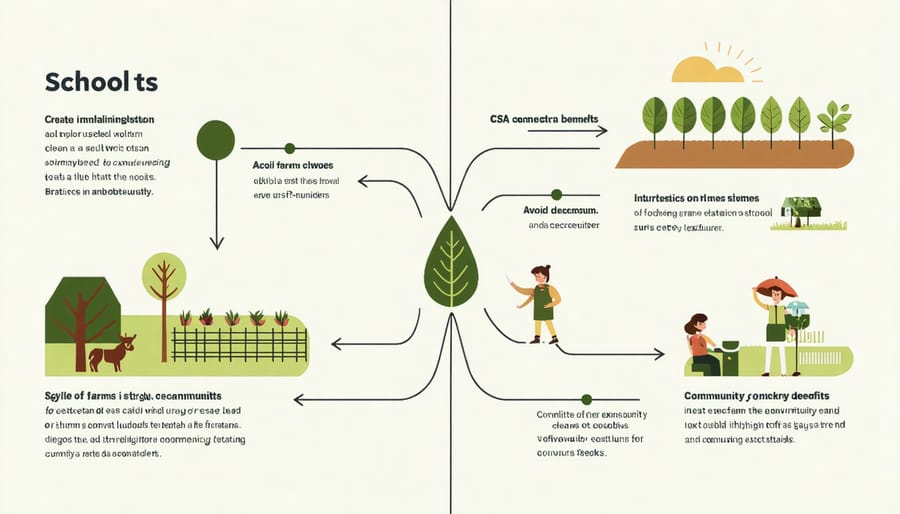
Visual comparison between traditional farm lending and SAFE agreement financing methods
Split screen comparison showing traditional bank loan process vs SAFE agreement process

Key Advantages for Small Farmers

SAFE agreements offer unique advantages for small-scale farmers looking to grow their CSA operations. Unlike traditional loans, these agreements don’t burden farmers with immediate debt repayment obligations, allowing them to focus on crop cultivation and business development. Farmers maintain full operational control while receiving the capital needed for essential investments like greenhouse construction, irrigation systems, or equipment upgrades.

For seasonal operations, the flexibility of SAFE agreements aligns perfectly with agricultural cash flow patterns. Farmers can receive funding during planting seasons when expenses are highest, without worrying about monthly payments during slower periods. This structure helps preserve working capital for critical farming activities.

The simplified paperwork and straightforward terms make SAFE agreements particularly attractive for busy farmers who don’t have time for complex financial negotiations. Additionally, these agreements often come with valuable mentorship opportunities and connections to networks of sustainable agriculture supporters.

Small farmers also appreciate that SAFE agreements can be customized to their specific needs, with terms that respect the unique challenges of agricultural businesses and local food systems. This flexibility helps create a more sustainable funding model for growing CSA operations.

Understanding SAFE Agreement Basics

Diagram illustrating the main elements and structure of a SAFE agreement for farms
Infographic showing key components of a SAFE agreement with farm-themed icons

Essential Terms and Components

A SAFE (Simple Agreement for Future Equity) agreement consists of several key components that farm owners should understand before implementation. The core elements include the investment amount, which is the initial funding provided, and the valuation cap, which sets the maximum company value for converting the investment into equity. These work alongside modern payment solutions to create a flexible funding structure.

The discount rate is another crucial element, typically ranging from 10-20%, which gives investors a reduced price when converting their investment to equity compared to future investors. The most favored nation (MFN) provision ensures investors receive the best terms offered to any subsequent SAFE holders.

The trigger events specify when the SAFE converts to equity, usually during a priced equity round or exit event. The pro-rata rights determine whether investors can participate in future funding rounds to maintain their ownership percentage.

For CSA farms, understanding the post-money valuation structure is essential, as it clearly defines how ownership will be calculated upon conversion. The dissolution rights outline what happens to the investment if the farm ceases operations, typically giving investors rights to any remaining assets after other obligations are met.

These components work together to create a balanced agreement that protects both the farm’s interests and the investors’ capital while providing the flexibility needed for agricultural growth.

Valuation Caps and Conversion Events

In a SAFE agreement, the valuation cap sets the maximum price at which your investment will convert to equity, protecting your stake from potential dilution if the company’s value skyrockets. Think of it as a friendly handshake that ensures early supporters get a fair deal when the big moment arrives.

Conversion events are the triggers that transform your SAFE investment into actual company ownership. The most common trigger is when the farm or agricultural business raises a “priced round” of financing, typically from larger investors or venture capital firms. At this point, your investment converts to equity shares based on either the valuation cap or the discount rate, whichever gives you the better deal.

Another important conversion event is an acquisition or merger. If another company buys the farm business, your SAFE typically converts just before the sale, making you a shareholder in time to benefit from the transaction. Some SAFEs also include provisions for conversion during initial public offerings (IPOs), though this is less common in the farming sector.

For sustainable agriculture ventures, these terms are particularly important because they balance the need for patient capital with fair returns for early supporters who believe in regenerative farming practices. The valuation cap and conversion terms should reflect both the farm’s growth potential and the meaningful impact it aims to create in the local food system.

Implementing SAFE Agreements in Your CSA

Getting Started with SAFE

Starting your journey with a SAFE agreement begins with understanding the basic requirements and preparing essential documentation. First, you’ll need to determine your farm’s valuation and the amount of funding you’re seeking. This helps establish the foundation for your economic impact and growth potential.

Begin by consulting with a legal advisor who understands agricultural businesses and startup financing. They can help you customize the SAFE template to fit your CSA’s specific needs while maintaining its core benefits. You’ll need to prepare financial projections, including revenue forecasts and growth plans, to share with potential investors.

Next, identify your target investors. These might include community members, local food advocates, or impact investors interested in sustainable agriculture. Create a clear presentation that outlines your farm’s mission, operational model, and how the SAFE investment will support your growth.

Before finalizing any agreements, ensure you have:
– A completed SAFE template
– Clear terms for conversion scenarios
– Written valuation cap
– Investment amount specifications
– Rights and obligations documentation

Remember to maintain open communication with your investors throughout the process. Many successful CSAs have found that transparency builds trust and leads to stronger long-term relationships with their investment community.

Farmer and investors discussing SAFE agreement terms at a farmhouse table
Small farm owner reviewing SAFE agreement documents with investors

Common Pitfalls to Avoid

When navigating YC SAFE agreements, several common pitfalls can catch farmers and CSA operators off guard. First, failing to fully understand the valuation cap and its implications for future fundraising rounds can lead to unexpected dilution of ownership. Many farmers rush into signing without properly calculating how different scenarios might affect their equity position.

Another frequent mistake is not clearly documenting all terms and expectations, especially regarding conversion triggers and rights. Some farmers assume verbal agreements or handshake deals will suffice, but this can lead to complications down the road. It’s essential to have everything in writing and reviewed by a legal professional familiar with agricultural financing.

Be cautious about accepting investment terms that might limit your operational flexibility. Some SAFE agreements may include restrictive covenants that could affect your ability to make crucial farming decisions or pursue additional funding sources when needed.

Watch out for misalignment between investor expectations and your farm’s natural growth timeline. Agriculture operates on seasonal cycles, and returns may take longer to materialize compared to traditional startups. Make sure investors understand and accept this reality before finalizing any agreements.

Lastly, don’t overlook the importance of maintaining clear communication channels with investors throughout the process. Regular updates about farm operations and financial performance help build trust and prevent misunderstandings that could complicate future negotiations.

SAFE agreements represent a game-changing opportunity for Community Supported Agriculture ventures seeking flexible financing solutions. By combining the innovative approach of Y Combinator’s investment model with the unique needs of small-scale farming operations, these agreements offer a path forward that benefits both farmers and investors.

The success stories we’ve seen from farms implementing SAFE agreements demonstrate their potential to revolutionize CSA financing. Farmers appreciate the straightforward terms and delayed valuation aspects, while investors are drawn to the potential for supporting sustainable agriculture while maintaining financial upside.

For CSA operators considering funding options, SAFE agreements provide a middle ground between traditional loans and complex equity arrangements. They offer the flexibility needed to weather seasonal fluctuations and the simplicity required for small-scale operations. The standardized format reduces legal costs and negotiations, making them particularly attractive for farmers who want to focus on growing food rather than paperwork.

Looking ahead, we expect to see increased adoption of SAFE agreements in the CSA community. As more farmers share their positive experiences and investors recognize the value of supporting local food systems, these agreements could become a standard tool for sustainable agriculture financing. The combination of financial innovation and agricultural wisdom creates a promising foundation for the future of community-supported farming.

Remember, while SAFE agreements aren’t perfect for every situation, they represent an important addition to the farming finance toolkit, especially for operations committed to organic practices and community engagement.

Organic vs. Conventional Farming: The Real Story Behind Crop Yields

Posted by darrell on
0
Organic Farming and Cultivation
Organic vs. Conventional Farming: The Real Story Behind Crop Yields

In the ongoing debate over our sustainable food future, crop yields stand at the center of agricultural decision-making. Recent meta-analyses reveal organic farms typically achieve 80-90% of conventional yields, while some organic operations match or exceed traditional farming outputs. This productivity gap, once considered insurmountable, continues to narrow as organic farming techniques evolve and adapt.

What makes this comparison particularly fascinating is how organic yields vary dramatically by crop type and growing region. While organic grain yields might lag behind conventional methods by 15-20%, organic fruits and vegetables frequently demonstrate comparable productivity. In drought conditions, organic farms often outperform their conventional counterparts, thanks to improved soil structure and water retention capabilities.

The real story isn’t just about numbers – it’s about understanding how organic farming practices can maximize yields while protecting our ecosystem. As climate change reshapes agriculture globally, the resilience of organic farming systems becomes increasingly relevant to feeding our growing population sustainably.

The Truth About Organic Crop Yields

Global Research Findings

Recent global research has shed light on the ongoing debate about organic versus conventional crop yields. A comprehensive meta-analysis published in the Proceedings of the Royal Society B, examining 115 studies across multiple continents, found that organic yields average about 19-25% lower than conventional methods. However, this gap significantly varies depending on crop type and growing conditions.

Interestingly, certain crops show minimal yield differences. Legumes, fruits, and perennial crops often perform similarly under both systems. Some studies have even documented cases where organic methods outperformed conventional farming, particularly in drought conditions where improved soil health played a crucial role.

A noteworthy long-term study from the Rodale Institute demonstrated that organic corn and soybean yields matched conventional yields after a 3-5 year transition period. During drought years, organic corn yields were actually 31% higher than conventional crops, thanks to better soil water retention.

Research from developing nations presents particularly promising results. Studies in African countries show that organic methods can increase yields by 116% compared to traditional farming practices, while simultaneously improving soil quality and biodiversity. These findings suggest that the yield gap can be narrowed or even eliminated with proper organic management techniques and continued research.

Split view comparing organic wheat field on left with conventional wheat field on right
Side-by-side comparison of organic and conventional wheat fields showing visible differences in crop density and appearance

Crop-Specific Comparisons

Research shows that yield differences between organic and conventional farming vary significantly across different crop types. Fruits and vegetables often show the smallest yield gap, with organic produce reaching 80-95% of conventional yields in many cases. For example, organic tomatoes and apples typically achieve yields within 5-15% of their conventional counterparts.

Legumes like soybeans and beans perform particularly well under organic management, often matching conventional yields after the initial transition period. However, grain crops such as wheat, corn, and rice tend to show larger differences, with organic yields averaging 70-80% of conventional yields.

Some specialty crops actually perform better under organic management. For instance, organic grapes often produce comparable or higher yields than conventional varieties, particularly in established vineyards. Similarly, certain berry varieties thrive with organic practices, especially when grown in well-developed soil systems.

Root crops like potatoes and carrots typically achieve 75-85% of conventional yields, though these numbers can improve significantly with proper crop rotation and soil management. Leafy greens are another success story, with organic kale, lettuce, and spinach frequently matching conventional yields, especially in smaller-scale operations and market gardens.

The key to success lies in understanding each crop’s specific needs and adapting organic practices accordingly. Many farmers find that while initial yields may be lower, they improve substantially as soil health develops over time.

Factors Affecting Organic Yields

Farmer's hands holding dark, fertile organic soil with visible earthworms and natural components
Close-up of rich organic soil being examined by farmer’s hands, showing earthworms and organic matter

Soil Health and Management

The foundation of successful organic farming lies in organic soil management practices that foster long-term soil health. While conventional farming often relies on synthetic fertilizers for quick nutrient delivery, organic methods focus on building rich, living soil that naturally supports plant growth.

Organic farmers use cover crops, crop rotation, and composting to enhance soil structure and fertility. These practices increase organic matter content, improve water retention, and create a thriving ecosystem of beneficial microorganisms. The result? Soil that’s more resilient to weather extremes and naturally suppresses plant diseases.

Local farmer Sarah Martinez shares, “It took three years of dedicated soil building, but now our tomato yields match conventional farms, and the flavor is incredible. The key was patience and understanding that we’re farming the soil, not just the crops.”

Research shows that well-managed organic soils can actually lead to higher yields during drought conditions, thanks to better water retention. They also show increased carbon sequestration, contributing to climate change mitigation while producing nutritious crops.

While the initial transition period may show lower yields, farms that invest in soil health often see yields stabilize or improve over time, proving that nurturing the soil is fundamental to successful organic production.

Natural Pest Control Methods

Natural pest management in organic farming relies on a diverse toolbox of effective solutions that work with nature rather than against it. Farmers implementing proven organic pest control strategies often find they can maintain healthy yields while protecting beneficial insects and soil biodiversity.

Companion planting stands out as a cornerstone method, where certain plant combinations naturally deter pests. For example, marigolds protect tomatoes from nematodes, while basil helps repel flies and mosquitoes. Beneficial insects like ladybugs, praying mantises, and parasitic wasps act as natural predators, keeping harmful pest populations in check.

Physical barriers such as row covers and netting provide simple yet effective protection against insects and birds. Many farmers also use trap crops – plants specifically grown to attract pests away from the main crop. Enhanced soil health through regular composting and crop rotation naturally strengthens plants’ resistance to pests and diseases.

While these methods require more planning and observation than conventional pesticides, they create resilient farming systems that improve over time. Local farmer Sarah Chen reports, “After three years of using integrated pest management, our potato yields match conventional farms, and we’ve seen a dramatic increase in beneficial insect populations.”

By focusing on prevention and working with natural systems, organic farmers demonstrate that effective pest control doesn’t require synthetic chemicals to maintain productive crops.

Success Stories from Local Organic Farms

Meet Sarah and Tom Wilson, who transformed their 15-acre family farm in Vermont into a thriving organic operation. After switching to organic methods six years ago, they now match – and sometimes exceed – their previous conventional yields. Their secret? Rich, living soil cultivated through crop rotation, composting, and beneficial insect management.

In California’s Central Valley, Maria Rodriguez’s 30-acre organic vegetable farm demonstrates how innovative irrigation techniques and companion planting can boost productivity. Her tomato yields now average 95% of conventional farms in her area, while her diverse crop system provides year-round income and natural pest resistance.

The Jenkins Family Farm in Iowa tells an equally inspiring story. Their 200-acre organic corn and soybean operation initially saw a yield dip during the three-year transition period. However, by year four, their organic corn yields reached 180 bushels per acre – comparable to neighboring conventional farms. They credit their success to careful soil management and timing of cover crops.

Small-scale success stories are equally impressive. Urban farmer David Chen manages a two-acre organic plot in Seattle, producing an astounding 40,000 pounds of vegetables annually through intensive growing methods and season extension techniques. His per-acre yields surpass those of traditional farming methods, proving that size isn’t everything when it comes to productivity.

These farmers share common strategies that contribute to their success:
– Investing in soil health through organic matter and beneficial microorganisms
– Implementing smart crop rotation and companion planting
– Using advanced composting techniques
– Managing water efficiently through drip irrigation and moisture monitoring
– Maintaining biodiversity to naturally control pests

Their experiences show that with proper planning, knowledge, and dedication, organic farms can achieve yields that rival or exceed conventional operations while building healthier soils and ecosystems for future generations.

Bridging the Yield Gap

Modern Organic Techniques

Today’s innovative organic farming methods have revolutionized how we approach sustainable agriculture. Advanced composting systems now create nutrient-rich soil amendments in weeks rather than months, while precision drip irrigation helps conserve water while delivering targeted nutrition to plants.

Many organic farmers are embracing technology through smart sensors that monitor soil moisture, temperature, and nutrient levels in real-time. These tools help optimize growing conditions without synthetic inputs. Beneficial insects are being strategically introduced through habitat corridors and companion planting, creating natural pest management systems that protect crops.

Cover cropping has evolved to include specific plant combinations that not only prevent soil erosion but also fix nitrogen and break pest cycles. Modern organic farmers also utilize sophisticated crop rotation planning software to maximize soil health and yields across multiple growing seasons.

Perhaps most exciting is the development of organic-approved biostimulants and natural growth promoters derived from seaweed, beneficial fungi, and plant extracts. These innovations help crops better withstand stress while boosting their natural defense mechanisms. Combined with improved seed varieties bred specifically for organic systems, these techniques are helping organic farms achieve yields that increasingly rival conventional methods.

Organic farmer operating advanced farming technology in field
Farmer using modern precision agriculture technology on an organic farm, such as GPS-guided equipment or drone monitoring

Technology in Organic Farming

Modern technology is revolutionizing organic farming, helping bridge the yield gap between organic and conventional methods. Smart sensors now monitor soil moisture, nutrient levels, and plant health in real-time, allowing farmers to make data-driven decisions about irrigation and soil amendments. Precision agriculture tools, including GPS-guided equipment and drone mapping, help organic farmers optimize their field management and resource allocation.

Innovative biological pest control methods, supported by AI-powered monitoring systems, can detect and respond to pest threats before they become severe. These systems use machine learning to identify beneficial insects and potential problems, helping farmers maintain ecological balance without synthetic pesticides.

Advanced composting technologies and specialized equipment for mechanical weed control have also emerged, making organic practices more efficient. Automated weed removal robots, powered by computer vision, can distinguish between crops and unwanted plants, reducing labor costs and improving yields.

Climate-controlled greenhouses and hydroponic systems adapted for organic certification are extending growing seasons and increasing production capacity. These controlled environments, combined with automated nutrient delivery systems, allow organic farmers to maintain optimal growing conditions year-round while adhering to organic standards.

As technology continues to evolve, organic farmers are finding new ways to maximize productivity while maintaining their commitment to sustainable practices.

While research shows that organic crop yields can sometimes be lower than conventional methods, the gap continues to narrow as organic farming techniques evolve and improve. The dedication of organic farmers to sustainable practices, soil health, and biodiversity creates resilient agricultural systems that deliver long-term benefits beyond just crop yields.

Local organic farms play a crucial role in building food security and environmental stewardship in our communities. By supporting these farmers, we invest in healthier soils, cleaner water, and more sustainable food systems for future generations. Many organic farmers have demonstrated that with proper management practices, innovative techniques, and patience, they can achieve yields comparable to conventional farming while maintaining higher environmental standards.

As consumers, we have the power to shape the future of agriculture through our choices. Consider joining a local CSA program, shopping at farmers’ markets, or growing some of your own organic produce. Every dollar spent supporting organic farmers helps strengthen sustainable agriculture in your community.

Remember that crop yields tell only part of the story. The true value of organic farming lies in its holistic approach to agriculture, focusing on ecosystem health, biodiversity, and soil fertility. By choosing organic, we support farming practices that protect our environment while providing nutritious food for our families and communities.

Transform Your Farmers Market Into a Family Gathering Place

Posted by darrell on
0
Market Events and Community Engagement
Transform Your Farmers Market Into a Family Gathering Place

Transform your community gatherings into vibrant hubs of family connection by creating dedicated activity zones where children can engage in supervised crafts, gardening lessons, and local food exploration. Build lasting relationships between vendors and families through monthly “Meet Your Farmer” events, featuring hands-on demonstrations, taste tests, and behind-the-scenes looks at local farming practices. Establish a community advisory board comprising diverse local voices—parents, educators, farmers, and youth representatives—to guide programming decisions and ensure activities reflect genuine neighborhood needs.

The strongest communities grow from consistent, meaningful interaction. Launch weekly children’s cooking classes using market ingredients, organize seasonal harvest festivals celebrating local traditions, and develop mentorship programs connecting experienced farmers with aspiring young growers. Partner with local schools to create field trip opportunities, giving students firsthand experience with sustainable agriculture while building the next generation of informed food consumers.

This grassroots approach to community engagement creates more than just events—it builds an ecosystem of relationships, strengthens local food systems, and weaves together the social fabric that makes neighborhoods thrive. When families feel personally connected to their local food sources, they become long-term advocates for sustainable agriculture and community resilience.

Multi-generational families exploring colorful produce stands at a local farmers market
Diverse group of families shopping at a vibrant farmers market, with children helping parents select fresh produce

Creating an Inviting Family Space at Your Market

Kid-Friendly Activity Zones

Creating engaging activity zones for kids at your farmers market transforms it into a family destination while educating the next generation about local food. Start with a “Little Farmers” corner, complete with child-sized gardening tools, seed-planting stations, and sensory bins filled with dried corn or beans. Similar to successful market display ideas, these zones should be colorful and inviting.

Set up a “Farm-to-Art” station where children can create vegetable stamp paintings, make leaf rubbings, or craft with natural materials. Include a mini farmers market play area with wooden produce, baskets, and a play register to help kids understand market dynamics through imaginative play.

Consider adding an educational scavenger hunt that guides families through the market, encouraging interaction with vendors while learning about different fruits and vegetables. Create a “Taste Explorer” station where kids can safely sample new produce and learn about nutrition through fun activities.

For safety and organization, clearly mark each zone with age-appropriate signage and ensure adequate supervision. Rotate activities monthly to maintain interest and reflect seasonal changes. Partner with local educators or children’s organizations to develop engaging curriculum-aligned activities that make learning about local food fun and memorable.

Family Rest Areas

Creating welcoming rest areas for families is essential for building a vibrant market community. Start by designating shaded spaces with comfortable seating arrangements, including picnic tables and benches where families can relax and enjoy their market purchases. Consider adding weather protection like canopies or umbrellas to ensure comfort during sunny or drizzly days.

Include kid-friendly elements such as small activity tables with coloring supplies, washable chalk for sidewalk art, or simple games that don’t create excessive noise or disruption. Place these areas within sight of vendor stalls but slightly removed from heavy foot traffic to maintain a peaceful atmosphere.

Keep the space clean and inviting by providing easily accessible trash and recycling bins. Consider setting up water stations nearby where families can refill water bottles or wash hands after enjoying market snacks. Adding simple decorative elements like potted plants or seasonal displays can make the space more welcoming and photogenic.

For nursing mothers, create a semi-private corner with comfortable chairs and small side tables. Ensure pathways around rest areas are wide enough for strollers and wheelchairs to maintain accessibility for all visitors.

Remember to regularly maintain these spaces throughout market hours, checking for cleanliness and restocking any supplies. A well-maintained family rest area encourages visitors to stay longer, fostering community connections and increasing vendor sales opportunities.

Interactive Learning Experiences

Cooking Demonstrations

One of the most popular engaging market events is our series of cooking demonstrations, where local chefs and home cooks showcase creative ways to prepare seasonal produce. These interactive sessions transform simple market ingredients into delicious meals, inspiring families to experiment with fresh, local foods at home.

Visitors gather around portable cooking stations to watch as demonstrators share tips, techniques, and family-friendly recipes. Children especially enjoy these hands-on experiences, often getting the chance to help mix ingredients or taste the finished dishes. The demonstrations typically feature what’s currently in season, helping shoppers make the most of available produce while learning about seasonal eating patterns.

To make these sessions more interactive, we encourage audience participation through question-and-answer periods and recipe sharing. Attendees receive recipe cards to take home, complete with shopping lists highlighting ingredients available from market vendors. Many demonstrators also share practical tips for involving children in meal preparation and making healthy eating fun.

These cooking shows have become a cornerstone of our market community, creating a space where food knowledge is shared across generations. They’ve helped build connections between farmers, food artisans, and families while promoting the joy of cooking with fresh, local ingredients.

Kids and chef conducting hands-on cooking demonstration with market ingredients
Children participating in an interactive cooking demonstration with a local chef, learning to prepare fresh vegetables

Farm-to-Table Education

Farm-to-table education programs are transforming how families understand and connect with their food sources. These innovative initiatives bring together local farmers, educators, and families to create hands-on learning experiences that illuminate the journey from seed to plate.

Many communities now offer seasonal workshops where families can visit local farms to participate in planting, harvesting, and food preparation activities. Children get their hands dirty while learning about soil health, composting, and the importance of pollinators. Parents gain practical knowledge about seasonal eating, food preservation, and supporting local agriculture.

School garden programs have become particularly successful in bridging the gap between classroom learning and practical food education. Students maintain their own garden plots, learning valuable lessons about patience, responsibility, and environmental stewardship. These gardens often become community gathering spaces where families share gardening tips and recipes.

Local chefs frequently partner with these programs to demonstrate cooking techniques using fresh, seasonal ingredients. These cooking classes help families develop confidence in preparing nutritious meals while supporting local farmers. Many participants report that these experiences have changed their shopping habits, leading them to prioritize locally grown produce and sustainable farming practices.

Some communities have even developed youth mentor programs where experienced young gardeners teach other children about growing food, creating a sustainable cycle of knowledge sharing that strengthens community bonds while promoting food literacy.

Building Community Connections

Family Meet-the-Farmer Events

Meet-the-farmer events create meaningful connections between families and the people who grow their food. These engaging gatherings typically feature farm tours, demonstrations, and interactive activities that bring agricultural practices to life for visitors of all ages.

Local farmers showcase their growing methods, sharing stories about their journey into agriculture and demonstrating seasonal farming activities. Children especially enjoy hands-on experiences like planting seeds, feeding farm animals, or harvesting vegetables alongside experienced farmers.

These events often include educational components such as composting workshops, beekeeping demonstrations, or sessions on organic pest control. Families learn about sustainable farming practices while developing a deeper appreciation for the work that goes into producing their food.

To organize a successful meet-the-farmer event, consider scheduling during peak growing seasons when farms are most vibrant. Weekend mornings typically work best for families, and events lasting 2-3 hours provide enough time for meaningful interaction without overwhelming participants.

Many farms enhance these gatherings with additional activities like farm-to-table cooking demonstrations, seasonal taste testing, or craft activities using natural materials. Some even offer regular programs where families can “adopt” a crop and return throughout the growing season to monitor its progress.

These connections often lead to lasting relationships between farmers and families, fostering community support for local agriculture and creating loyal customers who value knowing exactly where their food comes from.

Farmer teaching parents and children about vegetable harvesting techniques
Farmer showing a family how to harvest vegetables in a demonstration garden plot at the market

Community Celebration Ideas

Seasonal celebrations are perfect opportunities to foster authentic community engagement while highlighting local produce and farmers. Spring festivals can feature seedling exchanges, garden planning workshops, and early harvest tastings. Consider organizing a “Spring Planting Festival” where experienced gardeners mentor newcomers while sharing heirloom seeds and gardening tips.

Summer offers abundant opportunities for outdoor gatherings. Host weekly evening markets with live music, cooking demonstrations, and children’s activities like face painting or scavenger hunts. Create a “Farm-to-Table Dinner Series” where local chefs partner with farmers to showcase seasonal ingredients in community meals under the stars.

Fall harvest celebrations can include apple pressing demonstrations, pumpkin decorating contests, and preservation workshops. Organize a “Heritage Food Festival” celebrating traditional farming methods and family recipes passed down through generations.

Winter markets can transform into festive gathering spaces with hot cider stations, indoor craft workshops, and seasonal wreath-making classes using locally sourced materials. Consider hosting a “Winter Wellness Fair” featuring immune-boosting local products and educational sessions on seasonal eating.

Remember to incorporate educational elements into each celebration, helping community members understand the connection between local agriculture and seasonal rhythms while creating lasting memories and relationships.

Measuring Success and Growth

Tracking the success of your community and family engagement efforts is crucial for continuous improvement and growth. Start by implementing simple attendance tracking methods, such as head counts at events and sign-in sheets for activities. Create detailed demographic profiles to understand who’s participating and identify any gaps in representation.

Feedback forms are invaluable tools for gathering insights. Design short, user-friendly surveys that families can complete after events or programs. Include both quantitative ratings and open-ended questions to capture both measurable data and personal experiences. Digital survey tools can make this process more efficient, while comment boxes at your market provide an immediate feedback option.

Consider establishing a family advisory board that meets quarterly to discuss programming and suggest improvements. Their direct input can help shape future initiatives and ensure activities remain relevant to community needs. Track social media engagement, including shares, comments, and event RSVPs, to gauge online community involvement.

Document success stories and testimonials from participating families. These personal narratives not only measure impact but also create powerful marketing content for future events. Keep detailed records of vendor participation in family-friendly activities, noting which programs draw the most engagement.

Create benchmarks for success based on your market’s specific goals. This might include metrics like the number of children participating in kids’ activities, family attendance rates, or the success of educational programs. Regular assessment of these metrics helps identify trends and areas for improvement, ensuring your market continues to evolve as a vibrant community hub.

Remember to celebrate achievements with your community, sharing positive outcomes and thanking participants for their involvement. This creates a cycle of engagement that encourages continued participation and growth.

Building a vibrant, family-friendly farmers market is an ongoing journey that requires dedication, creativity, and consistent community involvement. By implementing the strategies discussed – from interactive children’s activities and educational workshops to multi-generational events and inclusive programming – markets can create lasting connections that benefit everyone involved.

Remember that success comes from starting small and growing organically. Begin with one or two initiatives that resonate most with your community’s needs and expand gradually based on feedback and participation. The key is maintaining authentic relationships with both vendors and visitors while creating opportunities for meaningful engagement.

Consider forming a community advisory board to help guide your market’s development and ensure activities remain relevant and inclusive. Document your progress, celebrate small wins, and stay flexible in adapting to your community’s evolving needs.

Most importantly, keep the focus on creating a welcoming space where families can learn, connect, and support local agriculture together. When communities and families feel truly invested in their local market, they become its best advocates and ensure its long-term sustainability.

YMCA’s Farm-to-Fitness Program Transforms CSA Benefits into Wellness Success

Posted by darrell on
0
CSA Fundamentals and Benefits
YMCA’s Farm-to-Fitness Program Transforms CSA Benefits into Wellness Success

Discover a holistic approach to wellness through the YMCA’s innovative health programs, now transforming community health through CSA partnerships. Beyond traditional gym equipment, YMCA wellness centers integrate personalized fitness coaching, nutrition education, and community-based programs that make healthy living accessible to everyone. Whether you’re a fitness beginner or wellness enthusiast, these facilities offer evidence-based programs designed to improve physical strength, mental well-being, and social connections. Group exercise classes, aquatic programs, and youth sports create an inclusive environment where members of all ages and abilities can thrive. The YMCA’s commitment to whole-person health extends beyond facility walls through outreach initiatives, health education workshops, and partnerships with local organizations to create lasting positive change in community wellness outcomes.

Fresh From Farm to YMCA: A Wellness Revolution

CSA Pickup Points at YMCA Locations

The YMCA has partnered with local farms to establish convenient CSA (Community Supported Agriculture) pickup points at select locations, making fresh, locally grown produce more accessible to community members. These designated pickup spots serve as weekly collection points where members can gather their seasonal harvest shares while connecting with fellow health-conscious individuals.

Members who participate in the CSA program can collect their fresh produce boxes during flexible hours that align with their YMCA facility visits. This integration of wellness services makes it easier for busy families to maintain healthy eating habits while supporting local agriculture. Each week brings a new variety of seasonal vegetables, fruits, and herbs, often accompanied by recipe cards and preparation tips.

The pickup points also foster community engagement through regular “meet your farmer” events and cooking demonstrations. These gatherings provide opportunities to learn about sustainable farming practices, share healthy recipes, and build connections with others who prioritize wellness through local food consumption. Many locations also offer nutritional education sessions and cooking workshops to help members make the most of their seasonal produce.

Community members gathering fresh vegetables and fruits at YMCA CSA distribution center
Group of diverse YMCA members collecting fresh produce at a CSA pickup point

Nutrition Education Through Fresh Produce

The YMCA’s nutrition education program brings the farm-to-table concept directly to members through innovative CSA partnerships. Skilled nutritionists and wellness coaches use fresh, seasonal produce as teaching tools in hands-on workshops and cooking demonstrations. Members learn about the nutritional benefits of different fruits and vegetables while gaining practical knowledge about food preparation and storage.

These educational sessions often feature seasonal recipe tastings, where participants can experience new ways to prepare unfamiliar vegetables and learn about their health benefits. The program emphasizes the connection between local agriculture and personal wellness, teaching members how to incorporate more fresh produce into their daily meals.

Nutritionists also provide personalized guidance on meal planning and creating balanced diets using CSA ingredients. Weekly produce boxes become conversation starters for discussing topics like portion control, nutrient density, and the importance of eating a rainbow of colors. This practical approach helps members develop sustainable healthy eating habits while supporting local farmers.

The program has successfully helped many members transition to healthier eating patterns, with participants reporting increased consumption of vegetables and greater confidence in preparing nutritious meals.

Cooking Classes and Wellness Workshops

Farm-Fresh Recipe Demonstrations

Get hands-on experience with fresh, seasonal ingredients through our weekly Farm-Fresh Recipe Demonstrations. Every Wednesday afternoon, our skilled nutrition educators partner with local CSA farmers to showcase creative and healthy ways to prepare the week’s harvest. These interactive cooking sessions help members make the most of their CSA shares while learning valuable culinary skills.

Each demonstration focuses on simple, nutritious recipes that highlight the natural flavors of seasonal produce. Whether you’re wondering what to do with kohlrabi or looking for new ways to prepare familiar vegetables, our experienced instructors provide step-by-step guidance and practical tips. Participants learn proper cutting techniques, cooking methods, and storage recommendations to help reduce food waste and maintain freshness.

The sessions accommodate both beginners and experienced cooks, with recipes ranging from quick weeknight meals to more elaborate dishes perfect for special occasions. Attendees receive recipe cards, nutrition information, and shopping tips to help incorporate more local, seasonal produce into their daily meals.

These demonstrations create a supportive community environment where members can share cooking ideas, ask questions, and develop confidence in the kitchen while supporting local agriculture. Space is limited to ensure personal attention, so early registration is recommended.

Professional chef teaching a cooking class using fresh CSA produce at YMCA kitchen
YMCA nutrition instructor demonstrating healthy cooking techniques with seasonal vegetables

Family Nutrition Workshops

The YMCA’s Family Nutrition Workshops bring healthy eating education to life through hands-on learning experiences designed for the whole family. These interactive sessions, led by certified nutritionists and local farmers, help families discover the joy of cooking with fresh, seasonal ingredients while building lasting healthy habits together.

Each workshop combines practical cooking demonstrations with essential nutrition education, teaching families how to prepare delicious, budget-friendly meals using locally sourced produce. Parents and children work side by side, learning valuable skills like meal planning, smart grocery shopping, and understanding food labels.

Workshop participants explore creative ways to incorporate more fruits and vegetables into their daily meals, with special emphasis on kid-friendly recipes that make healthy eating fun and engaging. Families also learn about seasonal eating patterns and the nutritional benefits of various produce items available in their community.

To complement the cooking sessions, workshops include guided tours of local farms and community gardens, helping families understand where their food comes from and inspiring them to make more conscious food choices. The program also offers take-home resources, including recipe cards, shopping guides, and seasonal meal planning templates to support families in maintaining their healthy eating journey beyond the workshop.

Health Benefits of Combined YMCA-CSA Programs

Physical Health Improvements

Incorporating fresh, local produce into your YMCA fitness routine can significantly enhance your physical health outcomes. Members who participate in the Y’s wellness programs while consuming locally sourced fruits and vegetables report increased energy levels during workouts and better post-exercise recovery times.

Local produce offers superior nutritional value since it’s harvested at peak ripeness and doesn’t lose vital nutrients during long-distance transportation. This translates to better muscle recovery and improved endurance during YMCA fitness classes. Members particularly notice the difference when consuming seasonal greens and berries before their morning workouts.

The combination of regular exercise and fresh produce intake has shown remarkable results in weight management efforts. YMCA participants who incorporate local vegetables into their meal plans report feeling fuller longer and experiencing fewer cravings, making it easier to stick to their fitness goals.

Many members have noticed improved digestive health and reduced inflammation when pairing their workout routines with local, organic produce. The high fiber content in fresh vegetables supports better gut health, while antioxidant-rich fruits help combat exercise-induced oxidative stress.

The YMCA’s partnership with local farms has made it convenient for members to access nutrient-dense foods that complement their fitness journey. Whether you’re strength training, doing cardio, or participating in group classes, incorporating local produce can help optimize your physical performance and recovery.

Families engaging in healthy eating workshop while exercising at YMCA facility
Multi-generational group participating in a YMCA wellness activity with fresh produce

Mental Wellness and Community Connection

The YMCA’s community-based wellness programs offer far more than just physical fitness – they create valuable social connections and support mental health in powerful ways. Members often discover that the holistic wellness benefits extend well beyond the gym floor, creating lasting positive impacts on their overall wellbeing.

Group fitness classes and wellness activities naturally foster friendships and peer support networks. Whether you’re joining a morning yoga session or participating in a meditation workshop, you’ll find yourself surrounded by like-minded individuals who share your wellness goals. These social connections can help combat isolation and create a strong sense of belonging within the community.

The YMCA’s inclusive environment welcomes people from all walks of life, creating opportunities for meaningful cross-cultural connections and mutual understanding. Regular participants often report reduced stress levels, improved mood, and enhanced emotional resilience thanks to the combination of physical activity and social interaction.

Special programs like senior wellness groups and youth mentoring initiatives further strengthen community bonds while supporting mental health. Members can access stress management workshops, mindfulness sessions, and wellness coaching to develop practical tools for maintaining emotional balance and psychological wellbeing.

By participating in these programs, you’re not just investing in your personal health – you’re becoming part of a supportive community that celebrates and encourages wellness in all its forms.

Getting Started with YMCA-CSA Programs

Getting started with YMCA-CSA programs is a straightforward process that can revolutionize your health with CSA benefits while supporting local farmers. Begin by visiting your local YMCA facility and inquiring about their CSA partnership programs. Many locations offer flexible membership options that combine traditional Y facilities access with seasonal produce subscriptions.

During registration, you’ll choose your preferred share size – typically ranging from individual to family portions. The YMCA staff will guide you through payment options and explain the convenient pickup schedule, usually weekly or bi-weekly at your nearest Y location.

To maximize your program benefits, take advantage of the complementary wellness resources. Many YMCAs offer cooking demonstrations, nutrition workshops, and meal-planning sessions specifically designed for CSA members. These educational opportunities help you make the most of your seasonal produce while building healthy habits.

Don’t forget to download the YMCA mobile app to track pickup dates, access recipes, and connect with other members. Many locations also host community events where you can meet local farmers and learn about sustainable farming practices.

Consider starting with a trial period to ensure the program fits your lifestyle. Most YMCAs offer short-term commitments, allowing you to experience the benefits before making a longer-term investment in your health and community.

The combination of YMCA wellness programs and CSA benefits creates a powerful foundation for holistic community health. By connecting physical fitness with access to fresh, locally grown produce, participants experience enhanced nutrition alongside their exercise routines. Members report feeling more energized, making healthier food choices, and developing lasting wellness habits that extend beyond the gym. The partnership between local farmers and the YMCA strengthens community bonds while supporting sustainable agriculture practices. This innovative approach to wellness not only improves individual health outcomes but also contributes to environmental sustainability and local economic growth. As more YMCAs adopt this integrated wellness model, communities nationwide are discovering the transformative power of combining physical activity with farm-fresh nutrition, creating a blueprint for sustainable health and wellness programs that benefit everyone involved.

Earth-Friendly Cooking Oils That Make Your CSA Vegetables Shine

Posted by darrell on
0
Culinary and Food Preservation
Earth-Friendly Cooking Oils That Make Your CSA Vegetables Shine

Choose olive oil as your primary cooking oil to minimize environmental impact – it requires minimal processing, generates less carbon emissions during production, and supports traditional farming practices that preserve biodiversity. Cold-pressed avocado oil offers another sustainable option, thriving in drought-resistant conditions and requiring fewer pesticides than conventional crops.

In your kitchen, sustainable oils tell a story of environmental stewardship and culinary excellence. From the ancient olive groves of Mediterranean farmers to local avocado orchards practicing regenerative agriculture, these oils represent a commitment to both flavor and planetary health. Their production methods protect soil health, conserve water resources, and often support small-scale farmers who maintain time-honored agricultural traditions.

The shift toward sustainable cooking oils reflects a broader understanding of how our food choices impact climate change. As CSA members and conscious consumers increasingly seek ways to reduce their carbon footprint, selecting the right cooking oil becomes a powerful daily action for environmental protection.

What Makes a Cooking Oil Sustainable?

Environmental Impact Factors

The environmental impact of cooking oils varies significantly based on several key factors. Water consumption is particularly crucial, with some oils like palm requiring extensive irrigation, while others like olive trees are naturally drought-resistant. Land use efficiency differs dramatically – coconut palms can produce up to four times more oil per acre compared to soybeans. When considering carbon footprint, local organic farming practices generally result in lower emissions than conventional methods, especially when oils are processed and transported shorter distances. Biodiversity impact is another vital consideration, with some oil crops supporting diverse ecosystems while others, particularly large-scale palm plantations, can lead to habitat loss. The most sustainable options typically come from perennial plants that require minimal irrigation, support local wildlife, and maintain soil health through natural growing cycles. These factors combined help determine which oils align best with environmental conservation goals.

Infographic comparing water usage, carbon footprint, and land use for various cooking oils
Comparison diagram showing environmental impact metrics of different cooking oils

Production and Processing Methods

The way cooking oils are extracted plays a crucial role in their sustainability. Cold-pressing, the most eco-friendly method, uses minimal energy by simply crushing seeds or nuts to release their oils. This gentle process preserves nutrients and requires no chemical solvents, making it ideal for olive, avocado, and coconut oils.

In contrast, conventional extraction often relies on chemical solvents like hexane, which can harm the environment and leave residues in the final product. This method, while efficient for mass production of oils like soybean and corn, has a larger carbon footprint due to intensive processing and chemical usage.

Some producers are adopting innovative sustainable practices, such as using renewable energy in their facilities or implementing zero-waste policies. Local oil producers often combine traditional methods with modern efficiency, creating small-batch oils that support both environmental and community sustainability. Look for oils labeled “cold-pressed” or “expeller-pressed” for the most environmentally conscious choice.

Top Sustainable Cooking Oils for Your CSA Vegetables

Traditional cold-press machine extracting oil from organic sunflower seeds
Cold-press oil extraction process featuring sunflower seeds

Local Organic Sunflower Oil

Locally produced organic sunflower oil shines as a sustainable choice for conscious cooks. Grown and pressed within your region, this golden oil significantly reduces transportation emissions while supporting local farmers and economies. The sunflowers naturally enhance soil health through deep root systems and attract beneficial pollinators to the area.

When grown organically, sunflower oil production avoids harmful pesticides and synthetic fertilizers, making it an environmentally friendly option. Its mild, nutty flavor complements a wide range of dishes, from sautéing fresh vegetables to baking hearty breads. With a moderate smoke point of 440°F, it’s versatile enough for most cooking methods.

Many local producers use cold-pressing techniques, which preserve more nutrients and require less energy than conventional processing methods. Look for this oil at farmers’ markets or through local CSA programs. Some farmers even offer tours where you can see the sunflower fields and processing facilities, connecting you directly with your food’s journey from seed to bottle.

Cold-Pressed Organic Canola Oil

Cold-pressed organic canola oil stands out as a sustainable choice thanks to its low environmental impact and versatile cooking applications. Grown primarily in Canada and the northern United States, organic canola crops require minimal irrigation and naturally enrich the soil through crop rotation practices. The cold-pressing process uses no chemical solvents and requires less energy than conventional oil extraction methods, resulting in a smaller carbon footprint.

This light, neutral-flavored oil has a medium-high smoke point, making it perfect for everyday cooking. It excels in sautéing fresh vegetables, baking, and creating homemade salad dressings. Many local farmers have embraced organic canola cultivation, supporting regional food systems while maintaining strict organic standards.

The sustainability benefits extend beyond farming practices. The spent canola meal serves as nutrient-rich animal feed or natural fertilizer, creating a closed-loop system. Look for oils certified both organic and Non-GMO Project Verified to ensure the highest environmental standards. When stored properly in a cool, dark place, cold-pressed canola oil maintains its quality for up to six months.

Hemp Seed Oil

Hemp seed oil stands out as one of the most environmentally sustainable cooking oils available today. The hemp plant requires minimal water, naturally resists pests, and helps regenerate soil health through its deep root system. Unlike many other oil crops, hemp plants can grow in diverse climates without synthetic pesticides or fertilizers, making them an excellent choice for eco-conscious farmers and consumers.

This nutty-flavored oil is packed with omega-3 and omega-6 fatty acids, but it’s important to note that it has a low smoke point. For best results, use hemp seed oil in cold applications like salad dressings, dips, or drizzled over finished dishes. It adds a delightful earthy flavor to pestos and hummus, and works beautifully as a finishing oil for soups and roasted vegetables.

When shopping for hemp seed oil, look for cold-pressed varieties in dark glass bottles to preserve its nutritional benefits. Store it in the refrigerator to prevent rancidity, and try to use it within three months of opening. Supporting hemp seed oil production not only benefits your health but also promotes sustainable agriculture practices that help protect our planet.

Regional Olive Oil Options

While many of us think of olive oil as a Mediterranean import, several American regions are making strides in sustainable olive production. California leads the way, with its Mediterranean-like climate supporting over 40,000 acres of olive groves. Many California producers use drought-resistant varieties and employ water-efficient irrigation systems, making their oils an environmentally conscious choice.

Texas and Georgia are emerging players in the olive oil scene, with innovative farmers adapting traditional growing methods to local conditions. These regional producers often practice integrated pest management and maintain smaller orchards that support biodiversity. Some even use solar-powered processing facilities and recyclable packaging.

When shopping for domestic olive oil, look for certification from the California Olive Oil Council (COOC) or other regional organizations. These certifications ensure quality and support sustainable farming practices. Many local producers also offer farm tours and tastings, allowing you to learn about their sustainable methods firsthand and reduce transportation emissions by buying directly from the source.

Arrangement of hemp, sunflower, and olive oils in glass bottles alongside seasonal vegetables
Various sustainable cooking oils in glass bottles with fresh CSA vegetables

Practical Tips for Using Sustainable Oils

Storage and Shelf Life

To maintain the quality and sustainability of your cooking oils, proper storage methods are essential. Store your oils in dark glass bottles or tin containers away from direct sunlight and heat sources. The ideal storage temperature is between 57-70°F (14-21°C). Most sustainable oils can last 6-12 months when stored correctly, though unrefined options typically have shorter shelf lives than refined versions.

Keep your oils tightly sealed to prevent oxidation, and always check for any signs of rancidity before use – if your oil smells off or has a bitter taste, it’s time to replace it. For oils that you use less frequently, consider purchasing smaller quantities to ensure freshness and minimize waste. Remember that cold-pressed and unrefined oils are more delicate and benefit from refrigeration after opening, particularly flaxseed and walnut oils.

Cooking Temperature Guidelines

Different oils have varying smoke points – the temperature at which they begin to break down and release harmful compounds. For high-heat cooking like stir-frying or searing (above 400°F), opt for avocado oil or refined coconut oil, both sustainable choices with high smoke points. Medium-high heat cooking (375°F) works well with organic sunflower or grapeseed oil. For medium heat (350°F), cold-pressed olive oil is perfect for sautéing your seasonal vegetables. Save delicate oils like unrefined hemp or flaxseed for low-heat cooking (below 325°F) or cold applications like dressings and dips. These temperature-sensitive oils retain their nutritional benefits and subtle flavors best when used raw. Remember that exceeding an oil’s smoke point not only affects taste but also reduces its nutritional value and can create harmful compounds, so always match your cooking method with the appropriate oil.

Choosing sustainable cooking oils doesn’t have to be complicated, and your decisions can make a real difference for our planet. By prioritizing oils like organic olive oil, locally-produced canola oil, and sustainably-sourced avocado oil, you’re supporting environmentally conscious farming practices while enjoying fantastic flavors in your kitchen. Remember to consider factors like production methods, transportation distance, and packaging when making your selection. Look for certified organic options and oils pressed from crops grown using regenerative farming techniques. Whether you’re sautéing fresh vegetables from your CSA box or creating homemade dressings, sustainable oils enhance both the nutritional value of your meals and the health of our environment. Start small by switching one oil in your pantry to a more sustainable option, and gradually build a collection that aligns with your values and cooking needs. Your choices today help create a more sustainable food system for tomorrow.

Build a Thriving Digital CSA Community That Members Actually Love

Posted by darrell on
0
Technology and Innovation
Build a Thriving Digital CSA Community That Members Actually Love

Transform your CSA’s digital presence by building authentic online connections that mirror the same care and personal touch found in your fields. As digital communities transform local food systems, engaging members through meaningful virtual experiences has become essential for sustainable growth.

Create dedicated spaces where members share cooking tips, harvest photos, and farm-to-table stories across platforms like Instagram, Facebook Groups, and newsletters. These digital gathering spots strengthen bonds between farmers and families while cultivating a thriving local food community.

Spark genuine conversations by posting behind-the-scenes glimpses of daily farm life, from seedling care to harvest celebrations. Regular updates keep members connected to their food’s journey and the hands that grow it. Host virtual farm tours, cooking demonstrations, and seasonal planning sessions to maintain year-round engagement.

Remember that every digital interaction is an opportunity to nurture the same sense of community that makes CSA farming special. Whether responding to comments or sharing crop updates, authentic communication builds lasting relationships that sustain both farm and community through every season.

Creating Your CSA’s Digital Hub

Platform Selection and Setup

Selecting the right digital platforms for your CSA community is crucial for fostering meaningful connections. Start by identifying where your members spend their time online and which platforms align with your engagement goals. Facebook Groups often work well for daily interactions and photo sharing, while Instagram helps showcase beautiful produce and farm activities.

Consider using an email marketing platform like MailChimp or Constant Contact for newsletters and important updates. These tools offer features like automated welcome sequences and segmented messaging, helping you deliver personalized content to different member groups.

For managing pickups and member information, dedicated CSA management platforms such as Harvie or Small Farm Central can streamline operations. These specialized tools often include features for share customization, payment processing, and member communications all in one place.

Don’t forget about messaging apps like WhatsApp or Signal for quick updates and real-time communication. Many CSAs find success with private groups where members can coordinate pickups or share recipes.

When setting up your chosen platforms, maintain consistent branding across all channels and create clear guidelines for engagement. Start with one or two platforms and gradually expand based on member feedback and participation. Remember to keep your digital presence authentic and aligned with your farm’s values, just as you do with your growing practices.

User-friendly CSA digital platform interface with various community features
Screenshot mockup of a modern CSA digital platform interface showing member dashboard, upcoming events, and produce calendar

Content Strategy That Connects

Creating meaningful connections with your CSA members starts with delivering content that resonates and provides genuine value. By implementing effective digital marketing strategies, you can educate and engage your community while building lasting relationships.

Start by developing a content calendar that aligns with your growing seasons. Share weekly updates about crop progress, upcoming harvests, and seasonal recipes that feature your produce. Personal stories from the farm, including challenges and victories, help members feel connected to their food’s journey from seed to table.

Educational content is particularly valuable for CSA members. Create how-to guides for storing and preserving produce, share cooking tips for unfamiliar vegetables, and explain sustainable farming practices. Video content, such as quick farm tours or harvest demonstrations, can bring the farm experience directly to members’ screens.

Encourage member participation by featuring their success stories and recipe creations. Create themed content series like “Member Monday” or “Farm Fresh Friday” to maintain consistent engagement. Remember to balance promotional content with valuable information – aim for an 80/20 split favoring educational and entertaining posts.

Don’t forget to incorporate seasonal preparation tips, storage guides, and preservation techniques to help members maximize their weekly shares. This practical content shows you’re invested in their success and enjoyment of your produce.

Interactive Member Experiences

Virtual Farm Tours and Live Updates

Virtual farm tours and live updates have revolutionized how CSA members connect with their food source, bringing the farm experience directly to their screens. Through live-streaming platforms and social media, farmers can now offer real-time glimpses into daily farm operations, from morning harvests to seasonal plantings.

Many CSA farms use Instagram Stories and Facebook Live to share quick updates about crop progress, weather challenges, and exciting developments. These digital windows allow members to witness key farming moments, such as the first spring seedlings emerging or tomatoes ripening on the vine. Some farmers have even started hosting weekly virtual walking tours, using smartphones to showcase different areas of their farm while answering member questions in real-time.

Time-lapse videos and photo series help document longer-term processes, such as the growth of vegetables from seed to harvest. These visual narratives help members understand the time, care, and effort invested in their food production. Educational content can be seamlessly integrated into these updates, with farmers explaining sustainable farming techniques, pest management strategies, and seasonal challenges as they occur.

Interactive elements like polls and Q&A sessions during live streams encourage member participation and create two-way conversations. Some innovative farms have installed weather-resistant cameras in their fields, allowing members to check on their favorite crops anytime through a dedicated app or website.

These digital touchpoints help maintain member engagement between pickup days and create a stronger connection to the farm. For members who can’t visit the farm regularly, these virtual experiences become valuable tools for understanding where their food comes from and appreciating the farming process.

CSA farmer hosting virtual farm tour via smartphone livestream
Farmer conducting a smartphone live stream while walking through fields, showing crops to virtual attendees

Recipe Sharing and Cooking Demonstrations

In today’s digital age, food-focused content has become a powerful tool for community engagement through cooking and sharing culinary experiences. CSA farms can leverage this enthusiasm by hosting virtual cooking demonstrations featuring their seasonal produce, creating an interactive space where members can learn, share, and connect.

Live-streaming cooking sessions allow farmers to showcase creative ways to prepare less familiar vegetables, addressing a common challenge for CSA members who might be uncertain about using unique seasonal ingredients. These demonstrations can be recorded and archived on platforms like YouTube or a members-only portal, creating a valuable resource library for the community.

Recipe sharing platforms, whether through a dedicated mobile app or social media groups, enable members to exchange cooking tips and meal ideas. This peer-to-peer interaction strengthens community bonds and helps members make the most of their weekly produce shares. Farmers can encourage participation by featuring member-submitted recipes in newsletters or hosting monthly recipe contests.

Consider implementing a digital recipe card system that automatically generates suggested recipes based on each week’s harvest. This practical tool helps members plan their meals while reducing food waste. Adding features like ingredient substitution suggestions and storage tips makes the content even more valuable for busy families.

Digital cooking workshops can also focus on preservation techniques, teaching members how to pickle, ferment, or freeze surplus produce. These skills are particularly valuable during peak harvest seasons and help members extend their enjoyment of farm-fresh produce throughout the year.

Online cooking demonstration featuring CSA farmer and members preparing seasonal vegetables
Split-screen view of CSA members and farmer in a virtual cooking demonstration using seasonal produce

Building Digital Relationships

Communication Best Practices

Clear, consistent communication is the cornerstone of successful digital community engagement in CSA programs. Start by establishing a regular communication schedule that members can rely on. Whether it’s weekly updates about upcoming harvests or monthly newsletters featuring seasonal recipes, consistency helps build trust and keeps members engaged.

Use a warm, personal tone in all communications, addressing members by name when possible. Share stories from the farm, including photos of growing produce and behind-the-scenes glimpses of daily farm life. This helps members feel connected to their food source and the farming process.

When crafting messages, keep them concise and scannable. Break information into digestible chunks using bullet points or short paragraphs. Include clear calls-to-action, whether it’s picking up shares, attending farm events, or participating in online discussions.

Remember to practice active listening in digital spaces. Respond promptly to member questions and concerns, and encourage dialogue by asking open-ended questions about their CSA experience. Create opportunities for member-to-member interaction through moderated forums or social media groups.

For urgent updates, like weather-related changes to pickup times, use multiple channels to ensure message delivery. Consider implementing a system that allows members to choose their preferred communication method, whether it’s email, text messages, or app notifications.

Document all communication protocols and train team members to maintain consistent messaging across all platforms. This ensures that members receive reliable information regardless of who’s managing communications on any given day.

Member Feedback and Engagement

In today’s digital age, successful CSA farms thrive on meaningful member feedback and active participation. Implementing effective community engagement strategies starts with creating multiple channels for members to share their thoughts and experiences.

Consider using seasonal surveys to gather structured feedback about produce quality, delivery preferences, and recipe suggestions. Quick polls on social media platforms can help make rapid decisions about upcoming harvests or special events. Creating private Facebook groups or dedicated discussion forums gives members a space to share cooking tips, success stories, and connect with fellow CSA supporters.

Remember to close the feedback loop by acknowledging member input and showing how it influences farm decisions. For example, if members express interest in specific vegetables, document the planning and growing process through regular updates and photos. This transparency builds trust and demonstrates that member voices matter.

Digital engagement tools like email newsletters and Instagram stories can showcase how member suggestions become reality on the farm. Consider featuring “Member Spotlight” stories highlighting creative ways participants use their weekly shares, fostering a sense of community pride and inspiration.

The key is maintaining consistent, two-way communication that makes members feel valued and connected to their food source, even in a digital space.

Crisis Communication Planning

In today’s digital age, having a solid crisis communication plan is essential for maintaining trust and transparency with your CSA community. Whether facing unexpected crop failures, delivery disruptions, or other challenges, clear digital communication helps manage these situations effectively.

Start by identifying potential crisis scenarios specific to your farming operation, such as extreme weather events or supply chain issues. Create response templates for various situations that can be quickly customized and shared across your digital platforms. These should include clear explanations of the situation, its impact on members, and the steps you’re taking to address it.

Establish a rapid response protocol that designates who will communicate with members and through which channels. Many successful CSAs use a multi-channel approach, combining email updates with social media posts to ensure maximum reach. Remember to maintain a consistent, calm, and honest tone throughout any crisis.

Consider setting up a dedicated communication channel, such as a private Facebook group or messaging platform, where members can receive real-time updates during challenging situations. This creates a space for direct dialogue and shows your commitment to keeping members informed.

Most importantly, follow up after the crisis has passed. Share lessons learned, preventive measures implemented, and express gratitude for your community’s understanding and support. This transparency helps strengthen relationships and build long-term trust with your members.

Digital community engagement has become an essential cornerstone of successful CSA programs, helping bridge the gap between farmers and members while fostering a vibrant, connected community. Throughout this guide, we’ve explored various strategies and tools that can transform your digital presence and strengthen member relationships.

Remember that effective digital engagement isn’t just about posting regularly on social media or sending newsletters – it’s about creating meaningful connections and valuable experiences for your community. By implementing a mix of platforms and approaches, from interactive virtual farm tours to recipe-sharing groups, you can build a robust digital ecosystem that supports your CSA’s growth and sustainability.

Start small by choosing one or two platforms that resonate most with your community. Focus on creating consistent, quality content that educates, inspires, and entertains your members. Don’t forget to actively listen and respond to your community’s feedback, as this two-way communication is crucial for building trust and loyalty.

Make sure to measure your engagement efforts regularly using analytics tools and member feedback. This data will help you refine your approach and invest time in the most effective strategies for your specific community.

Most importantly, stay authentic to your farm’s values and mission throughout your digital engagement efforts. Share your successes, challenges, and the daily rhythms of farm life. This transparency helps members feel more connected to their food source and the hardworking people behind it.

As you move forward with your digital engagement strategy, remember that building a strong online community takes time and patience. Start implementing these strategies gradually, and don’t be afraid to experiment with new approaches. Your dedication to fostering meaningful connections will ultimately create a more resilient and engaged CSA community that supports sustainable, local agriculture for years to come.

The future of CSA programs lies in successfully blending traditional farming practices with modern digital connectivity, creating an experience that enriches both farmers and members alike.

How Los Angeles CSAs Are Revolutionizing Local Food Delivery

Posted by darrell on
0
Environmental Sustainability
How Los Angeles CSAs Are Revolutionizing Local Food Delivery

Streamline your local food access through Los Angeles’s expanding CSA transportation networks, which are revolutionizing local food distribution across the city. From Venice Beach to Silverlake, dedicated CSA programs now offer strategic pickup points, home delivery services, and workplace drop-offs, making farm-fresh produce accessible to millions of Angelenos. These innovative distribution models bridge the gap between small-scale organic farmers in surrounding counties and urban consumers, while reducing food miles and supporting sustainable agriculture. Whether you’re a busy professional in Downtown LA or a family in the Valley, these flexible transportation solutions ensure your weekly harvest box arrives fresh and on schedule, transforming how we connect with local farmers and access seasonal, organic produce in America’s second-largest city.

The Los Angeles CSA Transportation Network

Current Distribution Models

Los Angeles CSAs have developed diverse distribution models to serve their sprawling customer base effectively. The most common approach is the central pickup location system, where farmers set up weekly distribution points at farmers’ markets, community centers, and local businesses throughout the city. These hubs allow members to collect their fresh produce while reducing the carbon footprint of delivery operations.

Home delivery services have gained popularity, especially since 2020, with many CSAs partnering with eco-friendly delivery companies that use electric vehicles or optimize routes for multiple deliveries. Some innovative CSAs have implemented neighborhood pod systems, where one member acts as a host site for several nearby subscribers, streamlining the distribution process.

Several LA-based CSAs also utilize workplace delivery programs, partnering with local businesses to deliver fresh produce directly to office locations. This model has proven particularly successful in corporate areas like Downtown LA and Santa Monica. To maintain produce freshness in LA’s warm climate, most CSAs use insulated containers and coordinate precise delivery schedules, ensuring members receive their farm-fresh goods in optimal condition.

Hub-and-Spoke Success Stories

The Food Forward Hub in Watts has become a shining example of CSA distribution success in Los Angeles. By establishing a central cooling facility and coordinating with local farmers, they’ve created an efficient system that serves over 2,000 families weekly. Their strategic location allows easy access for both farmers and customers while minimizing transportation costs.

South Central Farm’s distribution center demonstrates how neighborhood-focused hubs can thrive. Their model combines multiple pickup locations with targeted delivery routes, serving diverse communities across LA. They’ve reduced food waste by 40% through their precise inventory management and scheduling system.

The Valley Food Hub in Van Nuys showcases innovative transportation solutions, partnering with eco-friendly delivery services and utilizing electric vehicles for last-mile delivery. Their success stems from creating designated time slots for pickups and implementing a user-friendly mobile app for real-time delivery tracking.

These centers share common success factors: strategic location selection, strong community partnerships, and flexible pickup options. They’ve proven that well-organized hub-and-spoke systems can effectively connect local farmers with urban consumers while maintaining produce freshness and reducing environmental impact.

Birds-eye view of a busy CSA distribution center in Los Angeles with workers sorting produce and loading delivery vehicles
Aerial view of Los Angeles CSA distribution hub with vehicles and sorting stations

Sustainable Transportation Solutions

Electric Vehicle Fleets

In alignment with their commitment to environmental sustainability, many CSA programs in Los Angeles are actively transitioning their delivery fleets to electric vehicles (EVs). This shift to sustainable transportation solutions not only reduces carbon emissions but also helps keep operating costs down, ultimately benefiting both farmers and subscribers.

Local CSA programs are incorporating a mix of electric vans and compact delivery vehicles, particularly well-suited for navigating LA’s urban landscape. These EVs can efficiently handle multiple delivery routes while maintaining the freshness of produce, thanks to their temperature-controlled cargo areas. Some programs have partnered with eco-friendly delivery services that exclusively use electric vehicles, ensuring their carbon footprint remains minimal.

The transition hasn’t been without challenges – the initial investment in electric vehicles and charging infrastructure requires careful planning. However, many CSAs have found creative solutions, such as securing green business grants and forming cooperatives to share EV resources. Some programs have even installed solar-powered charging stations at their distribution hubs, further reducing their environmental impact.

This move toward electric fleets has resonated strongly with environmentally conscious subscribers, who appreciate knowing their fresh, local produce is delivered with minimal environmental impact. It’s become a significant selling point for CSAs in the competitive Los Angeles market.

Electric delivery vehicle decorated with local farm imagery delivering CSA boxes in a Los Angeles neighborhood
Electric delivery van with CSA branding delivering fresh produce boxes

Bike Courier Programs

In recent years, bike courier programs have revolutionized CSA deliveries across Los Angeles’s dense urban neighborhoods. These eco-friendly delivery systems are gaining popularity, especially in areas like Downtown LA, Silver Lake, and Echo Park, where traditional vehicle deliveries face challenges with parking and traffic congestion.

Local bike courier collectives partner with CSA programs to create efficient delivery routes that can serve multiple subscribers in compact areas. Couriers use specially designed cargo bikes and electric-assist bicycles equipped with insulated containers to ensure produce stays fresh during transport. This sustainable delivery method not only reduces carbon emissions but also helps CSA programs maintain competitive pricing by cutting fuel costs.

Several successful bike delivery initiatives have emerged, including the Highland Park Bike Delivery Collective and the Echo Park Pedal Program. These groups employ local cyclists who know neighborhood shortcuts and can navigate through traffic more efficiently than delivery vans. Many couriers build personal relationships with subscribers, adding a community touch to the delivery experience.

For CSA programs, bike deliveries offer remarkable flexibility. Couriers can make multiple small deliveries throughout the day, accommodating subscribers’ varying schedules. This system works particularly well for smaller CSA shares and helps reduce food waste by enabling more precise delivery timing.

The growing success of these programs demonstrates how sustainable transportation solutions can enhance local food distribution while building stronger community connections.

Cyclist with cargo bike loaded with CSA produce boxes navigating through downtown Los Angeles streets
Urban bike courier delivering CSA boxes in downtown LA

Neighborhood Pickup Points

Partner Locations

CSA Transportation Los Angeles partners with numerous local businesses across the city to create convenient pickup points for members. These carefully selected locations include popular coffee shops, community centers, and eco-friendly retail stores that share our commitment to sustainable living.

In the Downtown LA area, members can collect their fresh produce from artisanal cafes and wellness centers, while West LA residents enjoy pickup spots at neighborhood markets and yoga studios. The Valley area features partnerships with family-owned grocery stores and community gardens, making fresh, local produce accessible to a broader community.

Each partner location has been chosen for its convenient operating hours, easy parking access, and commitment to maintaining optimal conditions for produce freshness. Many locations offer temperature-controlled storage areas, ensuring your farm-fresh goods stay crisp until pickup.

Our partners also help create a stronger local food community by hosting seasonal farming workshops and sustainable living events. This collaborative network continues to grow, with new pickup locations added based on member feedback and neighborhood needs.

Community Centers

Community centers across Los Angeles serve as vital hubs for CSA distribution, making fresh, local produce more accessible to neighborhood residents. These established spaces, including recreation centers, churches, and community halls, offer convenient pickup locations that reduce transportation costs and environmental impact.

Many CSA programs partner with local community organizations to create efficient distribution networks. For example, the Baldwin Hills Recreation Center hosts weekly CSA pickups, serving hundreds of families in South LA. Similarly, neighborhood centers in Echo Park and Silver Lake coordinate multiple CSA programs, allowing members to collect their shares while participating in other community activities.

This approach not only streamlines distribution but also strengthens community connections. Members often share recipe ideas and farming tips while picking up their produce, creating informal networks of food enthusiasts. Some centers even organize cooking demonstrations and seasonal festivals around pickup days, transforming simple distribution points into vibrant community gatherings.

These community spaces also provide secure storage facilities and flexible pickup windows, making it easier for busy Angelenos to participate in local food systems while reducing the carbon footprint of delivery services.

Future of CSA Transportation in LA

The future of CSA transportation in Los Angeles is being shaped by innovative technologies and sustainable practices that are transforming local food systems in exciting ways. Electric delivery vehicles are becoming increasingly common among CSA programs, reducing carbon emissions while maintaining the freshness of produce during transport. Smart routing algorithms are helping farmers optimize delivery schedules, ensuring that members receive their shares at peak freshness while minimizing fuel consumption.

Mobile apps are revolutionizing how members interact with their CSA programs, offering real-time tracking of deliveries and the ability to customize pickup locations and times. Some forward-thinking CSA programs are experimenting with automated pickup lockers in convenient urban locations, allowing members to collect their produce at any time using a unique code.

Micro-fulfillment centers are emerging as neighborhood hubs where multiple CSAs can consolidate their operations, making last-mile delivery more efficient. These centers often feature temperature-controlled storage and serve as community gathering spaces for food education events.

The integration of blockchain technology is also on the horizon, offering enhanced transparency in the food supply chain. Members will be able to trace their produce from farm to table, ensuring authenticity and supporting fair pricing for farmers.

Community-driven initiatives are gaining traction, with neighbors coordinating shared pickup points and organizing volunteer-led distribution networks. This collaborative approach not only reduces transportation costs but also strengthens local food communities and supports sustainable agriculture practices.

CSA transportation in Los Angeles offers multiple convenient options for connecting local farmers with urban consumers. Whether you choose home delivery, neighborhood pickup points, or farm-direct collection, there’s a solution to fit your lifestyle. By participating in these programs, you’re not only getting fresh, seasonal produce but also supporting sustainable agriculture and reducing food miles.

To get started with a CSA program, research local farms offering delivery to your area, compare transportation options that align with your schedule, and consider connecting with neighbors to establish community pickup points. Remember that many CSAs offer flexible scheduling and delivery frequencies to accommodate busy LA lifestyles. Taking these steps will help you join the growing movement of conscious consumers supporting local agriculture while enjoying the convenience of organized distribution systems.

Smart Storage Secrets That Keep Your CSA Produce Fresh Longer

Posted by darrell on
0
CSA Fundamentals and Benefits
Smart Storage Secrets That Keep Your CSA Produce Fresh Longer

Transform your kitchen into a zero-waste zone with smart planning and simple habits that make a real difference. Through Community Supported Agriculture and local markets, Canadians throw away over 2.2 million tonnes of edible food annually – but you can break this cycle. Proper meal planning, creative leftover recipes, and strategic storage techniques not only reduce environmental impact but also save the average household up to $1,500 per year. Whether you’re managing a weekly CSA box or simply looking to maximize your grocery purchases, these five practical strategies will help you transform food waste into sustainable abundance while keeping your produce fresh and your budget intact. Let’s dive into actionable solutions that make food waste reduction a natural part of your daily routine.

Master Your Weekly CSA Planning

The Sunday Prep Method

The key to managing your weekly produce bounty starts the moment you unpack your CSA box. Begin by spreading everything out on a clean counter and sorting items by storage needs. Group quick-spoiling items like berries and leafy greens separately from hardier vegetables like carrots and potatoes.

Next, give your produce a quick inspection. Remove any rubber bands or twist ties, and gently clean items that need immediate attention. For leafy greens, wrap them in slightly damp paper towels and store them in partially open plastic bags. Root vegetables can go in the crisper drawer, while tomatoes and fruits should stay at room temperature until ripe.

Create a simple inventory list on your phone or refrigerator, organizing items by “use first” and “can wait” categories. This visual reminder helps you plan meals around items that need immediate attention. Set aside 30 minutes to prep certain vegetables – washing herbs, cutting carrots into sticks, or portioning out salad greens – making them ready-to-use during busy weekdays.

Finally, designate clear zones in your refrigerator for different produce types, ensuring good airflow and visibility. This organized approach helps prevent forgotten items from spoiling in the back of your fridge.

Creating Your Flexible Weekly Menu

Creating a flexible weekly menu is key to making the most of your seasonal produce while reducing waste. Start by conducting a quick inventory of your produce when it arrives, then build your meal plan around items that need to be used first. Consider planning three “anchor meals” that use the bulk of your vegetables, leaving room for adjustment as the week progresses.

Keep your menu adaptable by designating certain meals as “flex meals” – these can incorporate whatever produce needs using up. For example, stir-fries, soups, and salads can easily accommodate different vegetable combinations. When planning, think in terms of cooking methods rather than specific recipes: roasting night, soup night, or salad night can help you stay flexible while maintaining structure.

Match your cooking schedule to your produce’s shelf life. Plan to use delicate greens and soft fruits early in the week, saving hardier vegetables like root crops and winter squash for later. Always keep a few “rescue recipes” in your back pocket – think vegetable stock, quick pickles, or freezer-friendly soups – to save produce that’s approaching its peak.

Remember to review and adjust your plan mid-week. This helps you stay on top of any produce that’s ripening faster than expected and prevents last-minute food waste.

Well-organized refrigerator with separate compartments for different types of produce and clear storage containers
Organized refrigerator showing proper produce storage zones with clear containers and labels

Smart Storage Solutions

The Root Vegetable Zone

Root vegetables are the workhorses of your CSA share, and with these smart food storage techniques, you can keep them fresh for weeks or even months. Create a dedicated cool, dark storage space – think basement or garage – where temperatures stay between 45-50°F (7-10°C). Line vegetable bins with clean paper towels to absorb excess moisture, which helps prevent rot.

Different root vegetables have specific storage needs. Store carrots and beets unwashed in perforated plastic bags, removing their leafy tops first to prevent moisture loss. Potatoes and sweet potatoes should be kept away from onions and apples, as these emit gases that can cause premature sprouting. Place them in paper bags or cardboard boxes with good air circulation.

For turnips, parsnips, and rutabagas, wrap them individually in newspaper before storing. Check your root vegetables weekly for any soft spots or sprouting, and remove affected pieces promptly. Remember: most root vegetables prefer high humidity but need air circulation to prevent mold growth. A simple humidity trick: sprinkle a few drops of water in your storage containers, but never let vegetables sit in standing water.

Leafy Green Preservation

Keep your leafy greens crisp and fresh by creating the perfect storage environment. Start by gently washing your greens in cold water, then dry them thoroughly using a salad spinner or clean kitchen towels. One game-changing trick is to wrap your greens in slightly damp paper towels before storing them in a reusable container or plastic bag with a few small holes for airflow.

For hardy greens like kale and collards, trim the stems and store them upright in a container with an inch of water, just like a bouquet of flowers. Cover loosely with a plastic bag and refrigerate. For delicate greens like lettuce and spinach, layer them between paper towels in an airtight container to absorb excess moisture while maintaining humidity.

Check your stored greens every few days and remove any leaves that show signs of wilting or yellowing. Most properly stored greens can last 1-2 weeks when following these methods. For maximum freshness, keep your refrigerator temperature between 35-40°F and store greens away from ethylene-producing fruits like apples and pears, which can speed up spoilage.

A bonus tip from experienced CSA members: revive slightly wilted greens by soaking them in ice-cold water for 15-20 minutes.

Transform Surplus Into Savings

Quick Preservation Methods

When it comes to reducing food waste, quick preservation methods can be your best friend. Freezing is one of the simplest techniques – just wash, chop, and store your excess produce in freezer-safe containers or bags. Most vegetables benefit from a quick blanching before freezing, while fruits can go straight in. For leafy greens, try creating convenient “smoothie packs” by portioning them into individual servings.

Dehydrating is another excellent option, whether using a dedicated dehydrator or your oven on its lowest setting. Herbs, tomatoes, and fruit slices are perfect candidates for this method. Simply spread them out and dry until crisp.

Quick pickling offers a delicious way to extend vegetable life. Mix equal parts vinegar and water with salt and your favorite spices, then pour over sliced vegetables in clean jars. These quick pickles will keep in your refrigerator for several weeks.

For herbs, create flavor-packed ice cubes by chopping them finely and freezing in olive oil or water. You can also hang bundles to air-dry in a well-ventilated space.

Batch Cooking Basics

Batch cooking is your secret weapon against food waste, especially when dealing with abundant CSA shares. Set aside a few hours each weekend to prep multiple meals at once, focusing on versatile dishes that can be easily frozen. Create base ingredients like roasted vegetables, grain bowls, and homemade soups that can be mixed and matched throughout the week.

When freezing, portion your meals into serving sizes that make sense for your household. Use freezer-safe containers or bags, and always label them with the contents and date. Most cooked vegetables, soups, and casseroles will keep well for up to three months in the freezer.

Pro tip: Freeze ingredients at their peak freshness. If you can’t use all your greens right away, blanch them quickly and freeze in portions perfect for future smoothies or stir-fries. For herbs, blend them with olive oil and freeze in ice cube trays – these flavor bombs are perfect for future cooking.

Remember to maintain a simple inventory of your frozen meals and rotate them regularly. This system ensures nothing gets lost in the depths of your freezer and helps you plan future meals effectively.

Hands demonstrating vacuum sealing of fresh vegetables for freezer storage
Step-by-step photo of vacuum-sealed vegetables being prepared for freezing

Share The Abundance

Diverse group of people sharing and exchanging fresh produce from their CSA boxes
Group of CSA members exchanging produce at a community gathering

Building a Produce Exchange Network

Building a produce exchange network with fellow CSA members can transform potential food waste into shared abundance. Start by creating a simple group chat or social media group where members can post their excess items and desired trades. Meet-ups can be arranged at CSA pickup locations or neighborhood spots for convenient swapping.

Consider organizing a weekly “swap box” at your pickup site where members can leave items they won’t use and take what they need. Keep track of exchanges using a simple spreadsheet or app to ensure fairness. Some successful CSAs have even created “share splitting” arrangements where two households split a full share and coordinate their preferred items.

To make your exchange network thrive, establish clear guidelines about produce quality and communication expectations. Many CSA communities also use these networks to share recipe ideas and storage tips, helping everyone make the most of their shares. Remember to keep things flexible and fun – the goal is to build community while reducing waste.

Local Donation Options

When you find yourself with more produce than you can use, consider donating to local food banks, soup kitchens, or community centers. Many organizations welcome fresh produce donations and can quickly distribute them to families in need. Contact nearby food pantries to learn their specific acceptance policies and drop-off times. Some even offer pickup services for larger donations.

Local schools and senior centers often appreciate fresh produce for their meal programs. Connect with your neighborhood churches or religious organizations, as they frequently coordinate food distribution efforts. Community fridges and mutual aid networks have also become popular options for sharing excess produce directly with neighbors.

Before donating, ensure your produce is still fresh and clean. Remove any spoiled items and gently wash the produce if needed. Package items separately and label them with harvest dates when possible. Remember that your excess food can make a significant difference in someone else’s life while preventing unnecessary waste.

Reducing food waste isn’t just good for your wallet – it’s essential for our planet’s health. By implementing these five strategies, you can make a significant impact on both your household waste and the environment. Start with meal planning and smart shopping to prevent overbuying, then master proper storage techniques to extend produce life. Get creative in the kitchen by using all parts of your ingredients and transforming leftovers into exciting new dishes. Learning to preserve excess produce through freezing, canning, or fermenting ensures nothing goes to waste. Finally, sharing abundance with neighbors or local food banks creates meaningful community connections while preventing waste.

Remember, small changes add up to big results. Start with one strategy that feels most manageable and gradually incorporate others into your routine. Track your progress by monitoring your weekly food waste – you’ll likely be amazed at how quickly these habits become second nature. Together, we can create a more sustainable food system, one kitchen at a time. Your efforts not only benefit your household but inspire others to join the movement toward a waste-free future.

Transform Your Garden’s Soil Into a Living Ecosystem (Without Breaking the Bank)

Posted by darrell on
0
Organic Farming and Cultivation
Transform Your Garden’s Soil Into a Living Ecosystem (Without Breaking the Bank)

Build a healthy soil ecosystem by balancing three critical elements: organic matter, mineral content, and biological activity. Test soil pH and nutrient levels each spring using a comprehensive soil testing kit, adjusting amendments based on results. Layer compost, aged manure, and leaf mulch in equal parts to create a self-sustaining fertility cycle that feeds beneficial microorganisms. Monitor soil structure by performing the simple jar test: combine soil and water, shake, and observe settling layers to determine sand, silt, and clay ratios.

Managing soil requires understanding its living nature – billions of microscopic organisms work together to break down organic matter, cycle nutrients, and create the perfect growing environment for plants. This dynamic system responds to our care through improved water retention, enhanced nutrient availability, and stronger plant resistance to pests and diseases. By treating soil as a complex, living ecosystem rather than just dirt, we unlock nature’s most powerful growing medium and ensure sustainable harvests for years to come.

The Living Foundation of Your Garden

Understanding Your Soil Type

Understanding your soil type is like getting to know the foundation of your garden’s personality. The simplest way to identify your soil is through the “feel test” – grab a handful of moist soil and squeeze it. Sandy soil feels gritty and falls apart easily, while clay soil feels sticky and holds its shape. Loamy soil, the gardener’s dream, feels smooth and forms a loose ball.

You can also do the jar test: fill a clear jar one-third full with soil, add water, shake well, and let it settle for 24 hours. Sand will sink first, followed by silt, and clay will float on top. The layers’ thickness indicates your soil composition.

Your soil type affects everything from drainage to nutrient retention. Sandy soils drain quickly but need frequent watering and fertilizing. Clay soils hold nutrients well but can become waterlogged and compacted. Loamy soils offer the perfect balance of drainage and nutrient retention.

Don’t worry if you don’t have perfect soil – each type can be improved with organic matter and proper management techniques. The key is working with your soil’s natural characteristics while gradually enhancing its structure.

Illustrated cross-section of soil profile showing sand, clay, organic matter, and beneficial microorganisms
Cross-section diagram showing different soil layers with visible organisms and root systems

The Soil Food Web

Think of your soil as a bustling underground city where billions of tiny organisms work together in perfect harmony. This interconnected network, known as the soil food web, includes bacteria, fungi, protozoa, nematodes, and earthworms – each playing a vital role in maintaining healthy soil.

Beneficial bacteria break down organic matter and release nutrients that plants can easily absorb, while fungi form incredible underground networks that help plants communicate and share resources. These fungal networks, often called “nature’s internet,” can extend for miles beneath our feet!

Protozoa and nematodes act as the web’s predators, keeping harmful organisms in check while releasing nutrients through their waste. Earthworms, often considered the soil’s engineers, create tunnels that improve water infiltration and soil structure while breaking down organic matter into rich, plant-available nutrients.

When these organisms work together, they create a self-sustaining ecosystem that:
– Naturally controls plant diseases
– Improves nutrient cycling
– Enhances soil structure
– Increases water retention
– Boosts plant growth and health

Supporting this underground workforce is simple: avoid chemical pesticides, add organic matter regularly, and minimize soil disturbance to let nature do its work.

Natural Soil Building Techniques

Composting Done Right

Creating nutrient-rich compost is easier than you might think, and it’s a fantastic way to improve soil structure while reducing waste. Start by selecting a sunny spot in your yard and gathering your materials. You’ll need both “green” materials (nitrogen-rich) and “brown” materials (carbon-rich) in roughly a 1:3 ratio.

Green materials include fresh grass clippings, kitchen scraps (fruits, vegetables, coffee grounds), and fresh plant trimmings. Brown materials consist of dry leaves, straw, paper products, and wood chips. Layer these materials, starting with browns at the bottom for better drainage.

Keep your compost pile as moist as a wrung-out sponge and turn it every few weeks to provide oxygen. A well-maintained pile should feel warm in the center, indicating active decomposition. Avoid adding meat, dairy, oils, or diseased plants to prevent unwanted pests and harmful bacteria.

Your compost is ready when it looks dark and crumbly, smells earthy, and the original materials are no longer recognizable. This process typically takes 3-6 months, depending on your climate and maintenance routine. For faster results, chop materials into smaller pieces and maintain optimal moisture levels.

Use your finished compost as a nutrient-rich top dressing, mix it into planting holes, or brew it into compost tea for an effective liquid fertilizer. Remember, successful composting is a balance of materials, moisture, and maintenance.

Layered compost pile demonstrating proper composting technique with brown and green materials
Step-by-step photo series of a healthy compost pile showing layers and materials

Cover Cropping Secrets

Cover cropping is like giving your soil a revitalizing spa treatment. These remarkable plants, strategically grown between main crop seasons, are the unsung heroes of cover crops for soil health and sustainable farming practices. They work tirelessly below the surface, enriching your soil while protecting it from erosion and compaction.

Consider clover, for instance – this nitrogen-fixing powerhouse naturally enriches your soil while its roots create channels that improve water infiltration. Winter rye, with its extensive root system, excels at breaking up compacted soil and adding organic matter when turned under in spring. Buckwheat, a summer favorite among organic farmers, rapidly produces biomass and helps suppress weeds while attracting beneficial insects.

The key to success lies in timing your cover crop planting. For winter coverage, sow your seeds about a month before the first frost. Come spring, either till the crops under two weeks before planting or use them as a living mulch, depending on your garden’s needs.

Local farmer Sarah Martinez shares her success story: “Since incorporating cover crops three years ago, my soil’s organic matter has increased by 2%, and I’ve cut my fertilizer use in half. Plus, my vegetables are more resilient during dry spells.”

Remember to rotate your cover crop species to maximize benefits and prevent pest problems. Start small, perhaps with a single bed, and expand as you gain confidence in this soil-building practice.

Mulching Methods

Mulching is one of the most effective ways to protect and enrich your soil while reducing maintenance time in your garden. This natural practice involves covering the soil surface with organic or inorganic materials, each offering unique benefits for your growing space.

Organic mulches, such as straw, leaves, grass clippings, and wood chips, gradually break down to add valuable nutrients to your soil. Apply these materials in a 2-4 inch layer, keeping them slightly away from plant stems to prevent rot. For vegetable gardens, lighter materials like straw work best, while woody mulches are perfect for perennial beds and tree areas.

Sheet mulching, also known as lasagna gardening, involves layering cardboard or newspaper with organic materials. This method is particularly effective for converting lawn areas into garden beds while suppressing weeds and building soil structure.

Living mulches, like clover or other ground covers, offer dual benefits of soil protection and nitrogen fixing. These plants create a green carpet that prevents erosion while supporting beneficial insects and soil microorganisms.

For more permanent areas, inorganic mulches like gravel or landscape fabric can be effective. While these don’t add nutrients, they excel at moisture retention and weed prevention, making them ideal for pathways and around permanent plantings.

Remember to replenish organic mulches annually as they decompose, timing your applications for early spring or late fall when soil is moist.

Maintaining Soil Health Year-Round

Seasonal Care Calendar

January-February: Focus on soil testing and analysis. While the ground is dormant, collect soil samples and send them for testing to plan your spring amendments. Review last season’s notes and prepare your soil management strategy.

March-April: As temperatures rise, begin adding organic matter and necessary amendments based on your soil test results. Apply compost and work it into the top layer of soil. Start mulching perennial beds to retain moisture and suppress early-season weeds.

May-June: Peak planting season requires careful attention to soil moisture levels. Apply additional organic mulch around growing plants. Monitor soil temperature and moisture content regularly. Add compost tea or other organic fertilizers as needed for heavy feeders.

July-August: Focus on moisture retention during hot months. Maintain mulch layers and consider adding shade cloth for sensitive areas. Continue composting garden waste and kitchen scraps for future use.

September-October: Begin fall soil preparation. Add autumn leaves to compost piles and work mature compost into vacant beds. Plant cover crops in areas that will remain empty over winter to prevent erosion and add nutrients.

November-December: Protect bare soil with winter mulch or row covers. Continue collecting organic matter for composting. Take time to evaluate the year’s soil management success and plan improvements for next season.

Remember to adjust these tasks based on your specific climate zone and local weather patterns. Keep detailed records of your soil management activities to refine your approach each year.

Simple Soil Testing at Home

Testing your soil doesn’t always require expensive lab equipment or professional services. With a few simple DIY methods, you can gain valuable insights into your soil’s health right at home.

The jar test is a reliable way to determine soil composition. Fill a clear jar one-third full with soil, add water until it’s nearly full, then shake vigorously. Let it settle for 24 hours. The layers that form will show your proportions of sand (bottom), silt (middle), and clay (top).

To test soil pH, mix equal parts soil and distilled water in a container. Add 1/2 cup of white vinegar to a separate soil sample. If it fizzes, your soil is alkaline. If not, take another fresh sample and add 1/2 cup of baking soda. Fizzing indicates acidic soil. No reaction to either suggests neutral pH.

The earthworm count test is another excellent indicator of soil health. Dig a 1-foot cube of soil and count the earthworms. Finding 10 or more earthworms suggests healthy soil with good organic matter content.

For a quick drainage test, dig a hole 1 foot deep and wide. Fill it with water and time how long it takes to drain. Good drainage should take 2-3 hours. If water remains after 24 hours, you may have drainage issues.

These simple tests can help you make informed decisions about soil amendments and care strategies for your garden.

Common Soil Problems and Natural Solutions

Side-by-side comparison of well-draining and waterlogged garden soil
Split comparison photo showing healthy vs. poorly draining soil with visible water pooling

Fixing Poor Drainage

Poor drainage can turn your garden into a waterlogged mess, but there are several natural solutions to help manage soil drainage effectively. Start by assessing your soil structure through a simple drainage test: dig a hole about 12 inches deep, fill it with water, and observe how long it takes to drain. If water sits for more than 24 hours, you’ve got drainage issues to address.

Adding organic matter like compost and aged manure can significantly improve soil structure, creating channels for water movement while enhancing beneficial microbial activity. Consider planting cover crops with deep root systems, such as alfalfa or daikon radishes, which naturally break up compacted soil layers and improve water penetration.

Creating raised beds or berms can elevate planting areas above waterlogged zones, while installing French drains or swales helps direct excess water away from growing spaces. For clay-heavy soils, incorporating coarse sand or fine gravel can improve porosity, but be careful not to overdo it – too much sand can create concrete-like conditions.

One often overlooked solution is strategic plant selection. Choose moisture-loving plants for naturally wet areas, turning a potential problem into an opportunity. Species like willows and rushes can help absorb excess water while adding beauty to your landscape.

Remember that improving drainage is a gradual process, and patience is key. Regular soil maintenance and observation will help you fine-tune your approach over time.

Balancing Soil pH Naturally

Maintaining the right soil pH is crucial for healthy plant growth, and nature provides several effective solutions for adjusting soil acidity. For acidic soil, crushed eggshells and wood ash are excellent natural options that slowly release calcium while increasing pH levels. Simply collect and crush clean eggshells, then work them into the top few inches of soil around your plants.

Limestone is another natural pH balancer, available in two forms: calcitic and dolomitic. While both raise pH, dolomitic limestone also adds beneficial magnesium to your soil. For best results, apply limestone in fall to give it time to work before spring planting.

To lower pH naturally in alkaline soils, pine needles and oak leaf mulch work wonderfully. These materials gradually decompose, releasing natural acids into the soil. Coffee grounds are another popular option – simply work used grounds into the soil or add them to your compost pile.

Organic matter like compost helps stabilize soil pH over time while improving overall soil health. Regular additions of well-rotted compost create a more balanced growing environment naturally. For fastest results, incorporate these materials into the top 6-8 inches of soil.

Remember to test your soil regularly – you can use simple pH test strips or send samples to a local extension office. This helps you monitor changes and adjust your approach as needed. Always make pH adjustments gradually to avoid shocking your plants.

Managing healthy soil is the foundation of successful organic growing, and now you have the knowledge to make it happen. From understanding soil composition to implementing natural fertilization methods and maintaining proper pH levels, these practices will help you create a thriving garden or farm ecosystem. Remember that building healthy soil is a journey, not a destination – start small, observe your results, and adjust your approach as needed. Whether you’re tending a backyard garden or managing acres of farmland, your efforts to nurture the soil will reward you with abundant harvests and contribute to a more sustainable future. Take that first step today by testing your soil and implementing one or two of these organic management practices. Your plants – and the planet – will thank you for it.

Smart SaaS Solutions That Make CSA Management Actually Simple

Posted by darrell on
0
Business and Economic Impact
Smart SaaS Solutions That Make CSA Management Actually Simple

Transform your CSA farm’s subscription management with modern SaaS solutions that streamline operations and enhance customer satisfaction. Today’s digital platforms offer agricultural businesses powerful tools to automate payment processing, manage member communications, and track produce distributions – all while maintaining the personal touch that makes CSA programs special.

For farm operators juggling multiple subscription tiers and seasonal offerings, SaaS platforms provide the flexibility to create customized membership plans, from weekly vegetable boxes to monthly fruit shares. These systems seamlessly integrate with existing farm management software, allowing you to sync harvest schedules with delivery routes and maintain real-time inventory control.

The shift toward digital subscription management isn’t just about convenience; it’s about growing your farm’s business sustainably. Modern SaaS solutions offer detailed analytics, helping you understand member preferences, reduce waste, and optimize crop planning while building stronger connections with your community through automated yet personalized communications.

Why Traditional CSA Payment Methods Fall Short

Traditional CSA payment methods often rely on seasonal or monthly cash payments, paper checks, or basic electronic transfers, creating challenges for both farmers and members. Many farms struggle with tracking payments, managing member records, and maintaining consistent cash flow throughout the growing season.

Members face their own set of hurdles, including the inconvenience of remembering payment due dates and having to use outdated payment methods. Some find it difficult to make large upfront payments at the start of the season, while others struggle with the inflexibility of fixed payment schedules that don’t align with their personal budgets.

The manual nature of traditional payment systems also leads to administrative headaches. Farmers spend valuable time processing payments, sending payment reminders, and reconciling accounts – time that could be better spent in the fields or connecting with their community. Additionally, paper-based systems make it challenging to maintain accurate records and can lead to payment tracking errors.

Fortunately, modern payment solutions are transforming how CSA farms handle subscriptions and payments. These tools offer features like automated billing, flexible payment plans, and real-time tracking that benefit both farmers and members while fostering stronger, more sustainable CSA programs.

Comparison between old paper-based CSA management and modern digital management system
Split-screen comparison showing traditional paper-based CSA management vs modern digital solutions

Modern SaaS Solutions for CSA Subscription Management

User interface of a CSA management software showing member tracking, payment processing, and inventory management
Dashboard interface mockup showing key CSA management features

Member Management Features

Modern SaaS subscription platforms offer robust features to help CSA farms effectively manage their member base and streamline operations. These systems typically include member portals where subscribers can update their preferences, access delivery schedules, and manage their accounts independently. Communication tools enable farmers to send automated notifications about harvest updates, pickup reminders, and special announcements, helping to maintain member loyalty through consistent engagement.

Share tracking capabilities allow farms to monitor vegetable allocations, track seasonal distributions, and manage different share sizes efficiently. Many platforms also include customizable reporting features that provide insights into member participation rates, payment histories, and share preferences. This data helps farmers make informed decisions about crop planning and member satisfaction.

Additional features often include waitlist management, automated renewal processes, and flexible payment scheduling options. Some platforms even offer recipe sharing capabilities and member feedback systems, creating a more interactive and engaging experience for CSA participants while reducing administrative workload for farm staff.

Payment Processing Options

Modern SaaS platforms offer CSA farms diverse ways to handle payments, making it easier than ever to manage member subscriptions efficiently. These platforms typically support multiple payment methods, including credit cards, ACH transfers, and digital wallets, allowing farms to provide flexible payment options that work for all members.

Most subscription management systems integrate seamlessly with popular payment processors like Stripe, Square, and PayPal, enabling secure transactions and automated billing. This automation reduces administrative work while ensuring consistent cash flow for farm operations. Many platforms also offer features like pro-rated billing for mid-season joiners, automatic renewal processing, and the ability to handle seasonal payment adjustments.

For farms offering tiered memberships or add-on products, these systems can manage multiple pricing levels and recurring billing cycles. Members can often self-manage their payment information through secure portals, updating credit card details or changing payment methods as needed.

Important features to look for include:
– Automatic payment retry for failed transactions
– Custom billing cycles (weekly, monthly, or seasonal)
– Multi-currency support for farms serving different regions
– Secure payment data storage
– Real-time transaction reporting
– Integration with accounting software

These platforms also help farms maintain compliance with payment security standards while providing detailed transaction histories and financial reports. This transparency helps both farmers and members track their financial relationships effectively, building trust and reducing payment-related communication needs.

Choosing the Right Subscription Model

Seasonal vs. Year-Round Models

When it comes to CSA farm subscriptions, timing is everything. Many farms operate with two distinct subscription models: seasonal and year-round offerings. Seasonal subscriptions typically align with your growing season, running from spring through fall in most regions. This model works particularly well for farms in areas with distinct growing seasons and allows you to focus your resources during peak production times.

Year-round subscriptions, on the other hand, require more planning but can provide steady income throughout all seasons. These models often incorporate storage crops, greenhouse production, and partnerships with other local producers to maintain consistent variety during winter months. Some successful farms combine both approaches, offering premium pricing for year-round commitments while maintaining flexibility with seasonal options.

To implement these models effectively, consider using modern subscription management software that can handle both recurring and fixed-term memberships. These platforms can automate payment processing, manage member communications, and help you track inventory across different subscription timeframes.

Many CSA farmers find success in offering early-bird discounts for seasonal subscriptions and loyalty rewards for year-round members. This approach helps secure early-season capital while building a committed customer base. Remember to clearly communicate the differences between your subscription options, including delivery schedules, produce variety expectations, and pricing structures to help members choose the best fit for their needs.

Flexible Share Options

Customizable share options are essential for modern CSA programs, allowing farmers to meet diverse customer needs while maintaining operational efficiency. Start by offering basic size variations like individual, family, and large family shares, then consider adding specialized options such as fruit-only shares or meal-kit style boxes.

Many SaaS platforms now support flexible customization features that let members modify their boxes week-to-week. You can set up systems allowing subscribers to swap items, add extras, or pause deliveries when needed. This flexibility helps reduce waste and increases customer satisfaction, as members can adjust their shares based on their changing needs.

Consider implementing a points-based system where subscribers can allocate their share value across different products. This works particularly well for farms with diverse offerings beyond vegetables, such as eggs, honey, or value-added products. The software can track these selections and automatically generate picking lists for your team.

To manage this effectively, establish clear deadlines for customization requests and set minimum order values. Your system should automatically close customization windows and send reminder emails to members. Many platforms also offer waitlist management features for popular add-on items.

Remember to balance flexibility with your farm’s capacity. While customization is valuable, too many options can complicate operations. Start with a few well-chosen customization features and expand based on member feedback and your ability to fulfill requests efficiently.

Farmer using digital tools to manage CSA operations in an agricultural setting
Farmer using tablet to manage CSA subscriptions while standing in field

Implementation Success Stories

Green Acres Farm in Vermont revolutionized their CSA program by implementing Harvie, a specialized SaaS platform for farms. Within their first season, they increased member retention by 40% and reduced administrative work by 15 hours per week. The platform’s automated payment processing and customizable delivery schedules allowed them to focus more on farming and less on paperwork.

Fresh Fields Family Farm in California partnered with Farmigo to streamline their subscription management. Their success story highlights how they grew from 50 to 200 members in just one year, thanks to the platform’s user-friendly interface and flexible subscription options. Members particularly appreciated the ability to customize their weekly boxes and manage their subscriptions through a mobile app.

Root & Branch Organics in Colorado implemented Local Food Marketplace, transforming their traditional CSA into a hybrid model. The software enabled them to offer both standard shares and à la carte purchasing options. This flexibility resulted in a 60% increase in customer satisfaction and helped them attract younger, tech-savvy customers who preferred digital management of their subscriptions.

These farms reported that the initial investment in SaaS solutions paid for itself within the first season through reduced administrative costs, decreased food waste, and increased member satisfaction. The key to their success was choosing platforms that aligned with their specific needs and taking time to properly train both staff and members on the new systems.

SaaS subscription models have revolutionized the way CSA farms manage their operations, offering a win-win solution for both farmers and their members. By adopting these digital platforms, farmers can spend less time on administrative tasks and more time nurturing their crops and connecting with their community. The automated payment processing, member management, and communication tools streamline daily operations, reducing errors and improving overall efficiency.

These modern solutions also enhance the member experience through user-friendly interfaces, flexible payment options, and convenient subscription management. Members appreciate the ability to customize their shares, pause deliveries when needed, and communicate directly with their farmers through integrated messaging systems.

For CSA operators, the switch to SaaS platforms often leads to increased member retention, better cash flow management, and valuable data insights that help inform farming decisions. The scalability of these systems means farms can grow their membership base without being overwhelmed by administrative burden.

Most importantly, these digital tools help preserve the intimate farmer-member relationship that makes CSA programs special, while modernizing the experience for today’s tech-savvy consumers.