
School Gardens That Transform: How CSA Farms Are Inspiring Young Minds
 darrell on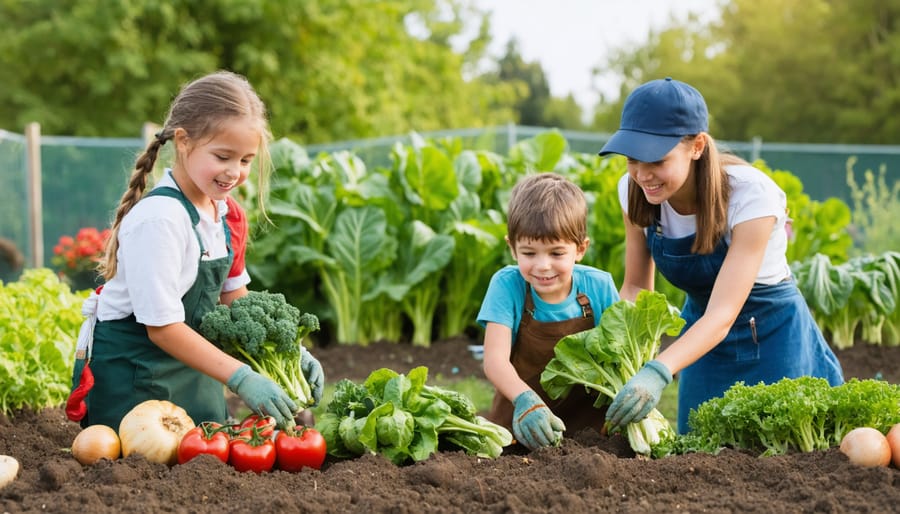
In the heart of rural Vermont, Sweet Meadow Farm’s partnership with Lincoln Elementary School transformed from a simple field trip destination into a thriving educational hub that now serves over 500 students annually. This remarkable collaboration demonstrates how local farms can become living classrooms, nurturing both agricultural literacy and community bonds. Through hands-on planting workshops, seasonal harvest celebrations, and weekly farm-to-cafeteria programs, students develop deep connections with their food sources while farmers gain dedicated community support. The impact extends beyond the classroom, as families become CSA members, volunteer at farm events, and actively participate in sustainable food initiatives. This successful model of community connection showcases how agricultural partnerships can cultivate not just crops, but also environmental stewardship, nutritional awareness, and lasting relationships that strengthen local food systems for generations to come.
From Farm to Classroom: Building Educational Bridges
Starting the Connection
Initiating a meaningful connection between your CSA farm and local schools requires a thoughtful, step-by-step approach. Start by researching schools within a 30-minute radius of your farm and identify those already participating in farm-based education networks. These schools often have existing infrastructure for agricultural programs and may be more receptive to partnerships.
Craft a concise proposal highlighting your farm’s unique educational offerings and how they align with curriculum standards. Consider age-specific programs like seedling workshops for elementary students or sustainable agriculture projects for high schoolers. Remember to emphasize both the educational value and the hands-on experience your farm can provide.
Reach out to school administrators or science department heads through a professional email, followed by a phone call within a week. Be prepared to discuss practical aspects like transportation logistics, safety protocols, and scheduling flexibility. Start small with a pilot program, perhaps beginning with a single grade level or class, allowing you to refine your approach based on feedback and experience before expanding to more extensive programs.
Creating Sustainable Partnerships
Building lasting partnerships requires dedication, clear communication, and mutual understanding. Start by establishing shared goals and expectations with your community partners, whether they’re schools, local businesses, or neighboring farms. Regular check-ins and open dialogue help address challenges before they become significant issues.
Create a structured feedback system where both parties can share concerns and suggestions for improvement. This might include monthly meetings, surveys, or informal gatherings where stakeholders can connect and share experiences.
Document your successes and challenges, using this information to refine your approach over time. Consider creating a partnership agreement that outlines responsibilities, communication channels, and conflict resolution procedures.
Remember that successful partnerships often extend beyond formal arrangements. Organize community events, workshops, or volunteer days that bring partners together in meaningful ways. These activities help build personal connections and strengthen institutional relationships.
When challenges arise, approach them with flexibility and a solutions-oriented mindset. Sometimes, adjusting expectations or finding creative compromises can transform potential obstacles into opportunities for growth and innovation.
Hands-On Learning Activities That Work
Garden-Based Learning
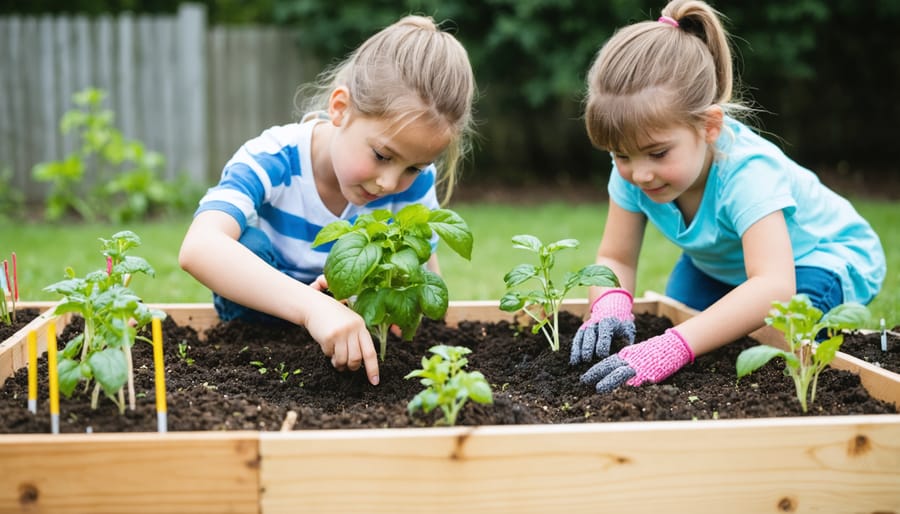
School gardens serve as vibrant outdoor classrooms where students experience hands-on learning while connecting with local food systems. At Washington Elementary, students transformed an unused courtyard into a thriving vegetable garden, growing seasonal crops like tomatoes, lettuce, and herbs. This project not only teaches biology and environmental science but also provides fresh produce for the school cafeteria.
In Portland, Maine, the “Grow Together” initiative partners local organic farmers with middle school students. Each class maintains raised beds under the guidance of experienced farmers, learning about soil health, composting, and seasonal planting schedules. Students take pride in harvesting vegetables they’ve grown themselves, often sharing their bounty with the school community through harvest celebrations.
The “Seeds to Success” program in California demonstrates how garden-based learning supports multiple subjects. Math classes use the garden for measurement and data collection, while language arts students write garden journals and creative stories inspired by their growing experience. Science classes explore ecosystems, plant biology, and weather patterns through hands-on garden activities.
These garden projects often extend beyond the school day, with after-school clubs and summer programs allowing students to maintain their connection to the garden year-round. Many schools report improved student engagement, increased consumption of fresh vegetables, and stronger community bonds through their garden programs.
Farm Visit Programs
Farm visit programs offer a dynamic way to bridge the gap between agricultural producers and their local community. These structured educational experiences typically include guided tours of working farms, hands-on activities, and interactive learning stations that showcase various aspects of sustainable farming practices.
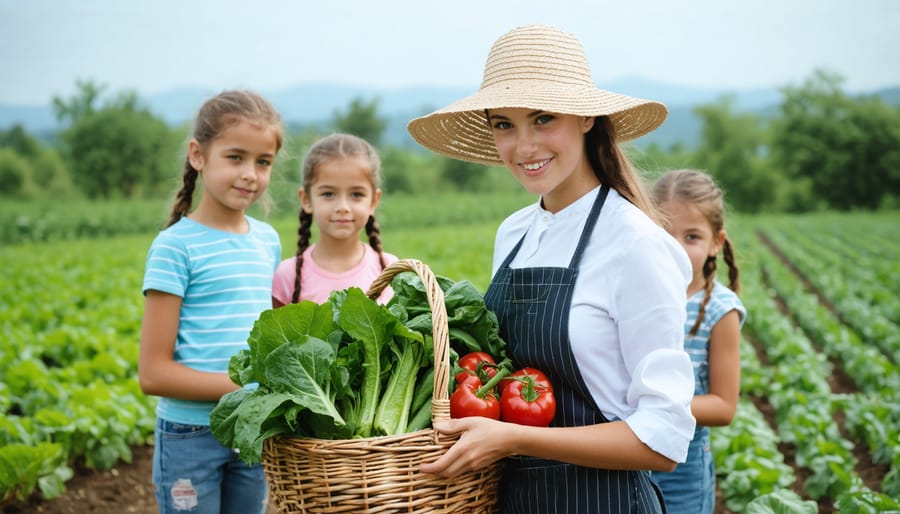
During these visits, participants get to experience firsthand how their food is grown, from seed to harvest. Children particularly benefit from these programs, as they can pick vegetables, feed farm animals, and learn about composting through engaging activities. Many farms offer seasonal programs that highlight different farming activities throughout the year, from spring planting to fall harvest celebrations.
These programs often incorporate curriculum-aligned elements for school groups, making them valuable educational resources. Visitors learn about soil health, plant life cycles, and the importance of pollinators while developing a deeper appreciation for local food systems. Some farms even offer cooking demonstrations using fresh harvest, helping visitors understand the farm-to-table connection.
Beyond education, farm visits strengthen community bonds and support local agriculture. Many participants become regular customers at farmers’ markets or join CSA programs after experiencing the care and dedication that goes into growing their food. For farmers, these programs provide additional income streams while building a loyal customer base that understands and values their work.
To ensure successful visits, farms typically limit group sizes and require advance registration. This allows for personalized attention and maintains the quality of the educational experience while protecting the working farm environment.
Measuring Success and Impact
Student Learning Outcomes
Through hands-on participation in community farming initiatives, students develop a rich array of skills and experience transformative learning experiences that extend far beyond traditional classroom settings. They gain practical knowledge about sustainable agriculture, seasonal growing cycles, and local food systems while strengthening their understanding of environmental stewardship. Students cultivate valuable life skills including responsibility, teamwork, and problem-solving as they collaborate on farm tasks and community projects.
The program enhances academic performance through real-world applications of science, mathematics, and environmental studies. Students develop critical thinking abilities by analyzing crop planning, weather patterns, and ecological relationships. They also build strong communication and leadership skills through community engagement and project management.
Perhaps most importantly, participants develop a deeper connection to their food source and local community. They learn about nutrition, food security, and sustainable living practices while building relationships with local farmers and community members. This comprehensive learning experience creates lasting impacts on students’ personal growth, academic achievement, and understanding of sustainable food systems.
Community Benefits
When farms connect with their local communities, the benefits ripple far beyond the farmers’ fields. These partnerships cultivate a deeper understanding of food systems and encourage sustainable living practices throughout the neighborhood. Children develop a natural curiosity about where their food comes from, while adults gain valuable insights into seasonal eating and local agriculture.
Community engagement through farm activities creates lasting bonds between neighbors, fostering a shared sense of environmental stewardship. Local food awareness increases significantly, with participants becoming more likely to support regional farmers and make conscious food choices. Many communities report increased participation in farmers’ markets and local food initiatives after establishing these connections.
The educational impact extends to practical skills, with community members learning about composting, seed saving, and seasonal cooking. This knowledge transfer helps create more resilient neighborhoods where sustainable food practices become part of daily life. Additionally, these connections often lead to improved access to fresh, nutritious food for all community members, including those in underserved areas.
Getting Started: Resources and Support
Ready to start building educational partnerships for your CSA farm? Several organizations and resources can help you get the ball rolling. The National Farm to School Network offers comprehensive toolkits and connection opportunities specifically designed for farmers looking to work with educational institutions. Their online database includes templates for partnership agreements, safety guidelines, and lesson plan frameworks.
Local extension offices are invaluable resources, often providing free consulting services and connecting farms with nearby schools. They can help navigate regulations and offer guidance on age-appropriate activities for different student groups. Many extension offices also host workshops throughout the year on farm-based education.
For funding support, explore USDA’s Farm to School Grant Program, which provides financial assistance for implementing educational programs. State departments of agriculture frequently offer similar grants specifically for agricultural education initiatives.
Join online communities and social media groups focused on farm education. Facebook groups like “Farmers for Education” and LinkedIn’s “Agricultural Education Network” provide platforms to share experiences, ask questions, and learn from others who have successfully established similar programs.
Essential resources to gather before starting:
– Insurance documentation and liability waivers
– Age-appropriate safety protocols
– Educational materials and activity guides
– Photo release forms
– Emergency procedures
– Transportation guidelines
Remember to reach out to experienced CSA farmers in your area who have established educational programs. Most are happy to share their insights and might even become mentors as you develop your program. Local food policy councils can also provide valuable connections and resources specific to your region.
Building strong community connections through sustainable agriculture creates lasting positive impacts that extend far beyond the farm gate. Whether you’re a seasoned farmer hosting school visits or a gardening enthusiast sharing knowledge at local events, every effort to connect with your community strengthens the local food system. By implementing educational programs, participating in farmers’ markets, or starting a CSA program, you’re not just growing food – you’re cultivating relationships and fostering a deeper understanding of sustainable agriculture.
Take that first step today by reaching out to local schools, community centers, or neighborhood groups. Start small, stay consistent, and watch as your community connections flourish alongside your crops. Remember, sustainable farming isn’t just about growing food; it’s about growing together as a community, one meaningful connection at a time.


