
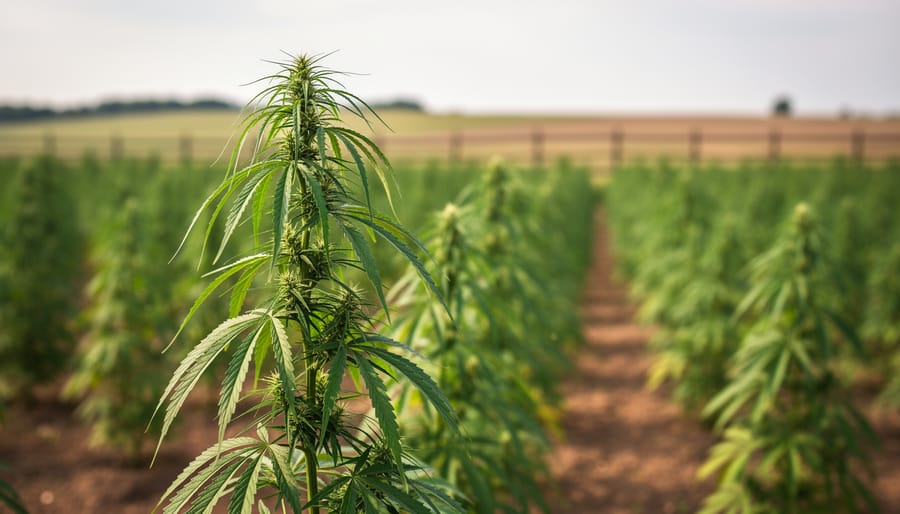
THCA pre-rolls from organic hemp farm CSAs bring the convenience of ready-to-use flower directly from regenerative farms committed to soil health, biodiversity, and transparent growing practices. When you join a local CSA that includes hemp products, you’re securing a seasonal supply of pre-rolls crafted from certified organic flower, often at 15-30% below retail prices while supporting farmers who prioritize living soil amendments, integrated pest management, and hand-trimmed quality over industrial shortcuts.
The CSA model works beautifully for hemp consumers seeking predictable access to fresh, lab-tested products. Rather than navigating dispensary shelves or online marketplaces, members receive monthly or quarterly allotments of pre-rolls from strains the farm actually cultivated that season. You’ll know exactly which fields your flower came from, what amendments fed the soil, and how the harvest was cured.
This guide walks you through what separates exceptional organic THCA pre-rolls from mediocre options, how to evaluate farms before committing to a share, and which CSA structures deliver the best value for your consumption patterns. Whether you’re drawn to the environmental benefits of regenerative hemp agriculture or simply want clean, potent flower without the markup, understanding how to choose and partner with the right farm will transform both your experience and the landscapes these growers steward.
What Makes CSA Hemp Farm THCA Pre-Rolls Different
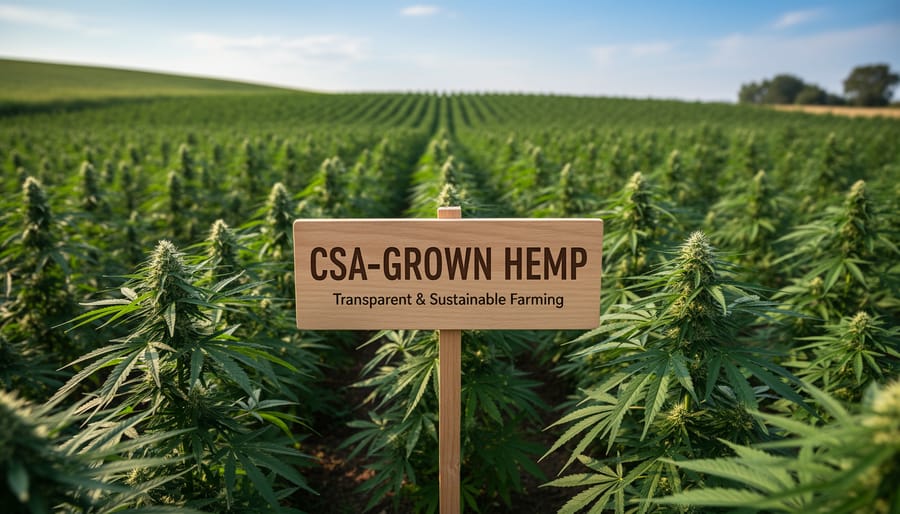
When you buy THCA pre-rolls through a Community Supported Agriculture program at an organic hemp farm, you’re getting something fundamentally different from a retail dispensary product. CSA hemp farms give you direct access to the grower, you know who cultivated your cannabis, where the plants grew, and exactly what went into the soil. This transparency matters because you can verify organic practices firsthand rather than trusting labels alone, and you’re supporting a farmer who follows organic farming benefits like regenerative soil health and chemical-free cultivation.
The strain selection tells another part of the story. Unlike mass-market retailers limited to whatever distributors stock, CSA farms often grow multiple cultivars from Health Canada’s approved list for the 2026 growing season, giving you access to indica, sativa, and balanced hybrid options tailored to different needs. Since pre-rolls became the top revenue category in Canada’s cannabis market by mid-2025 and the 1-gram limit lifted in March 2026, CSA farms now offer both 1G and 1.5G formats to match your consumption preferences.
Community support creates the biggest distinction. Your CSA membership payment funds a local organic farmer’s season before harvest, sharing both risk and reward. You’re not a transaction at a counter; you’re a partner in sustainable agriculture who gets seasonal updates, farm visit invitations, and input on which strains the farm grows next year. That relationship builds accountability no retail shelf can match.
Understanding THCA Pre-Roll Strains and Formats
THCA pre-rolls from organic hemp CSAs typically fall into three main strain categories that affect your experience: indica, sativa, and balanced hybrids. Each type offers distinct characteristics that align with different times of day, activities, and personal preferences.
Indica strains tend to produce relaxing, body-centered sensations. Many CSA members choose indica THCA pre-rolls for evening use or winding down after farm work. These cultivars often feature earthy, musky aromas and may help with physical relaxation without the psychoactive effects of traditional THC.
Sativa strains generally deliver more uplifting, energizing qualities. Organic hemp farmers often grow sativa varieties that maintain mental clarity while providing the full entourage effect of cannabinoids and terpenes. Users report these work well for daytime activities, creative projects, or social gatherings.
Balanced hybrids blend indica and sativa genetics to create middle-ground effects. For first-time CSA members exploring THCA pre-rolls, balanced strains offer versatility without leaning too heavily in either direction. Many sustainable farms prioritize hybrid cultivars that thrive in their specific climate while delivering consistent experiences.
| Strain Type | Typical Characteristics | Best Use Scenarios | Recommended For |
|---|---|---|---|
| Indica | Relaxing, body-focused, earthy aroma profile | Evening relaxation, physical recovery, rest periods | Experienced users seeking deep relaxation |
| Sativa | Uplifting, energizing, mentally clarifying | Daytime activities, creative work, social settings | Active consumers and daytime users |
| Balanced Hybrid | Moderate effects, versatile terpene combinations | Any time of day, varied activities, exploring preferences | First-time CSA members and flexibility seekers |
Format options matter as much as strain selection. Since March 2026, Canadian regulations no longer cap pre-rolled dried cannabis at one gram, giving organic farms more flexibility. CSA members can now choose between 1G and 1.5G sizes based on consumption habits and budget.
The 1G format suits occasional users, those managing tight budgets, or anyone who prefers variety across multiple strains rather than larger quantities of one cultivar. A 1G pre-roll typically provides one to two sessions for most consumers.
The 1.5G option delivers better value for regular users and ensures you won’t run short between CSA pickups. Larger formats also reduce packaging waste per gram consumed, which aligns with the sustainability values many organic farm CSA members prioritize. When selecting your share, consider how frequently you consume and whether you want consistency or variety across your harvest allocation.
Key Factors When Choosing Your THCA Pre-Rolls
Organic Certification and Growing Practices
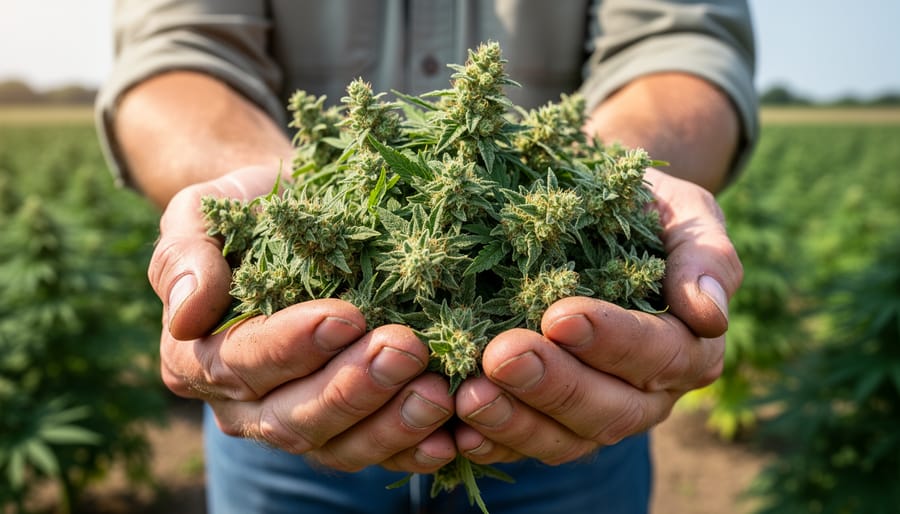
When evaluating a hemp farm’s organic credentials, start by asking to see their certification documents directly. Legitimate organic operations hold certificates from recognized bodies and renew them annually, request to view the current year’s paperwork, not last season’s. If a farm uses terms like “naturally grown” or “pesticide-free” without formal certification, understand they’re not legally organic, though their practices may still be sound.
Beyond the certificate, dig into their actual growing methods during a farm visit or detailed conversation. Ask what they use for pest management, soil amendments, and weed control. Organic hemp growers typically rely on crop rotation, companion planting, and compost rather than synthetic inputs. A farmer who can walk you through their integrated pest management strategy and explain their soil-building practices demonstrates genuine commitment to organic principles, not just paperwork compliance.
Pay attention to transparency around their entire operation. Trustworthy farms willingly discuss their cultivar choices from Health Canada’s 2026 approved list, show you their fields, and explain harvest timing. They’ll also clarify whether their certification covers all acres or just portions of their land. If a farm dodges these questions or can’t produce documentation, that’s your signal to keep looking for a more open operation in your region.
Approved Cultivars and Compliance
When purchasing THCA pre-rolls through a CSA hemp farm, verify that the operation grows only licensed varieties. Health Canada maintains an approved cultivars list for industrial hemp, updated each growing season, and farms must hold proper licences to cultivate these specific strains legally for 2026. Ask your CSA farmer which cultivars they’re growing this season and confirm they appear on Health Canada’s current list.
A compliant farm will happily share its licence details and explain why they selected particular cultivars for their THCA pre-roll program. Some varieties produce higher cannabinoid levels while others offer disease resistance or better flavor profiles, so understanding their selection criteria helps you gauge the farm’s expertise. If a grower hesitates to discuss their cultivar choices or can’t name the specific varieties they planted, consider that a warning sign. Legitimate organic hemp CSA operations embrace transparency about compliance because it protects both their business and their members from legal complications down the line.
CSA Membership Models for Hemp Products
CSA farms structure THCA pre-roll offerings through several membership models, each suited to different consumption patterns and commitment levels. Weekly share programs deliver a fixed quantity, typically two to four 1G or 1.5G pre-rolls, throughout the growing season, ideal for regular users who want consistent access to rotating strains as harvests come in. Monthly shares offer larger quantities less frequently, working well for consumers who prefer stocking up or sharing with friends. Some farms also run one-time harvest boxes that let you try CSA share models without a season-long commitment, though these typically cost more per pre-roll than subscription options.
Consider your actual consumption rate before signing up: a weekly share delivering four pre-rolls means sixteen per month, which can overwhelm occasional users while leaving daily consumers wanting more. Ask farms about flexibility, some allow you to pause deliveries during travel or swap strain preferences mid-season, while others require full upfront payment with no modifications.
Finding and Vetting Organic Hemp CSA Farms
Finding local organic hemp farms with CSA programs takes detective work, but the effort pays off in quality products and community connection. Start with Canada’s provincial organic farming directories and CSA networks, where some hemp operations now list alongside vegetable farms. Search terms like “organic hemp CSA [your region]” plus “industrial hemp growers” narrow results quickly. Farmers markets, cannabis industry events and local sustainability groups often know which operations offer direct-to-consumer programs.
Once you’ve identified potential farms, ask pointed questions before joining. Confirm their organic certification body and certificate number, which you can verify through the Canadian Food Inspection Agency database. Request their approved cultivar list for 2026 and ask how they source seeds, legitimate operations grow only Health Canada approved varieties under proper licensing. Find out what their CSA share includes: how many pre-rolls, which strains, what sizes (1G versus 1.5G), and delivery frequency. Ask about their growing practices beyond organic requirements, do they use cover crops, companion planting or biological pest controls?
During farm visits, watch for healthy plants, clean processing areas and transparent record-keeping. Farmers who eagerly explain their methods and invite questions typically run solid operations. Red flags include vague answers about certification, reluctance to share cultivar names, no visible growing infrastructure or pressure to pay upfront without clear terms.
Building lasting relationships means showing up, attend farm events, provide feedback on products and refer others when you’re satisfied. Most hemp farmers juggle cultivation with CSA logistics, so patience during harvest delays and understanding about strain availability goes far. Treat your CSA farmer as a neighbour, not just a vendor, and you’ll get better communication, first access to new strains and insider knowledge about upcoming harvests.
Recommendations for Different User Needs
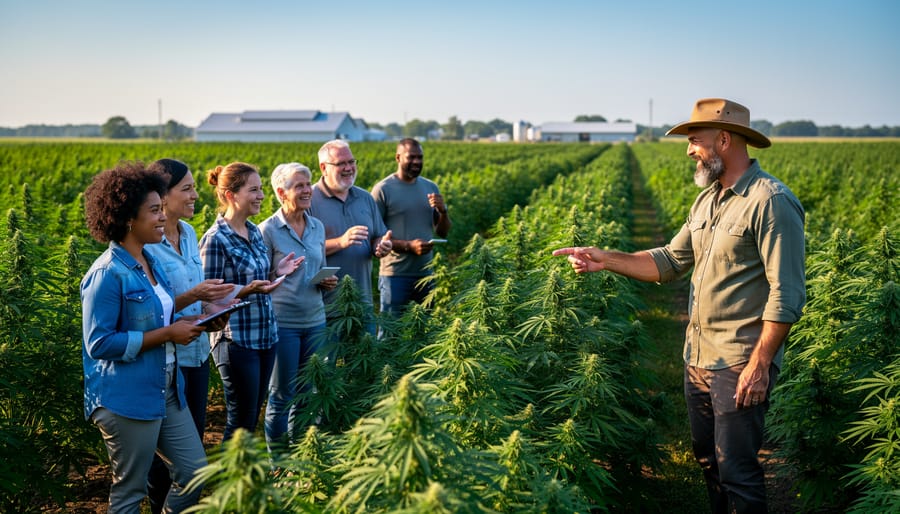
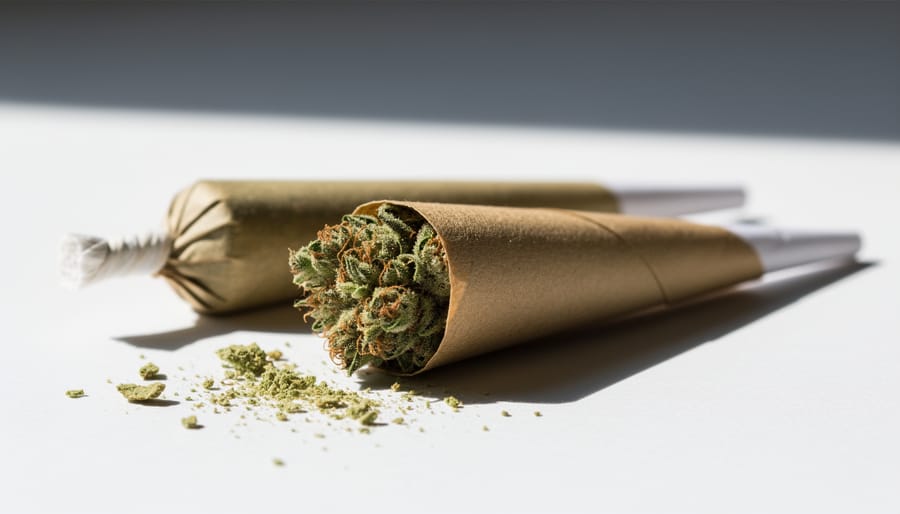
Choosing the right organic hemp farm CSA THCA pre-rolls depends on your experience level, goals, and values. Here’s how to match products and share structures to your specific needs.
For First-Time CSA Members
Start with a half-season or quarter-share commitment to test the model without overcommitting. Request balanced hybrid strains in 1G format, they offer a middle ground between indica and sativa effects while the smaller size lets you sample without waste. Ask your chosen farm about trial memberships or smaller introductory shares. Many operations designed around community engagement offer flexible entry points for newcomers unsure about long-term commitments.
For Experienced Cannabis Consumers
If you already know your preferred strain profiles, target farms growing specific approved cultivars that match your taste. Request full-season shares with strain variety options so you receive rotating selections of indica, sativa, and hybrid pre-rolls throughout the harvest cycle. The 1.5G format delivers better value for regular users. Ask farmers which cultivars from Health Canada’s 2026 approved list they’re planting, then research those varieties’ terpene profiles and effects.
For Therapeutic and Budget-Conscious Buyers
Those seeking specific therapeutic applications should discuss cannabinoid profiles directly with growers, some farms specialize in high-THCA strains suited to particular needs. Budget-conscious consumers benefit most from full-season shares paid upfront, which typically offer the lowest per-gram cost. Pooling a share with a friend or family member splits the commitment while maintaining CSA pricing advantages over retail purchases.
For Sustainability-Focused Consumers
Prioritize farms with certified organic credentials and regenerative agriculture practices. Visit the operation before joining to observe composting systems, water conservation methods, and biodiversity initiatives. Full-season shares with pick-up options (rather than delivery) further reduce your environmental footprint while strengthening your connection to the land producing your pre-rolls.
Common Mistakes to Avoid
Joining a hemp CSA sounds simple, sign up, get your pre-rolls, support local agriculture. But many first-time members stumble over preventable missteps that leave them disappointed with their experience or their product quality.
The most common errors include:
- Signing up without visiting the farm or verifying organic certification credentials
- Misunderstanding CSA commitment terms and getting locked into a share size that doesn’t match consumption habits
- Ignoring strain profiles and ending up with effects that don’t align with personal preferences
- Failing to ask how farmers handle post-harvest drying and curing processes
- Overlooking proper storage requirements and letting pre-rolls degrade after pickup
The verification mistake happens when enthusiasm overrides due diligence. Some farms use “organic practices” language without holding actual certification, or they grow approved 2026 cultivars but skip rigorous testing protocols. Always ask to see certification documents and confirm they’re growing from Health Canada’s approved industrial hemp list for the current season.
Wrong share sizes plague buyers who underestimate or overestimate their needs. A 12-pre-roll monthly commitment might sound reasonable until you realize you only consume on weekends. Most farms won’t refund unused portions mid-season, so start conservative. You can always increase next cycle.
Harvest timing confusion is subtler but frustrating. Hemp follows seasonal cycles, meaning your CSA deliveries arrive when the farm harvests, not necessarily when you joined. If you sign up in late summer expecting immediate pickup, you might wait months for the next harvest window. Ask farmers upfront about their growing calendar and delivery schedule.
Recovery is possible for most mistakes. If you’ve overcommitted, see whether your farm allows share transfers to friends or splitting your portion. For verification concerns after joining, request a farm visit and documentation review. Most legitimate organic operations welcome transparency and will gladly show you their practices.
Supporting Your Local Hemp Farming Community
When you support a local organic hemp CSA, you’re doing more than purchasing pre-rolls, you’re investing in regenerative agriculture that rebuilds soil health with every growing season. Hemp’s deep taproots break up compacted earth, while its dense canopy suppresses weeds without herbicides, creating ecosystems where beneficial insects thrive and carbon gets sequestered back into the ground.
Take Green Valley Hemp Farm in southern Ontario, where third-generation farmer Sarah Chen converted her family’s conventional operation to organic hemp cultivation in 2024. “Our CSA members aren’t just customers, they’re partners in our mission,” Sarah explains. Her 40-member CSA provides predictable income that lets her invest in cover cropping and no-till practices, while members receive monthly pre-roll shares featuring approved 2026 cultivars like Grandi and Anka. The upfront payments help Sarah cover spring planting costs without debt, and members pay 30% less than retail prices while knowing exactly how their THCA pre-rolls were grown.
Your purchasing decisions create ripple effects through your local economy. Every dollar spent at a regional hemp farm generates roughly three dollars in additional economic activity, equipment repairs at the local shop, seeds from nearby suppliers, wages for harvest workers who spend earnings in your community. You’re also preserving farmland that might otherwise face development pressure.
Make the most of your CSA membership by learning to store CSA products properly, attending farm events to connect with growers, and sharing your experience with neighbours who might join next season.
Frequently Asked Questions
Community Supported Agriculture programs for organic hemp products are still a developing model in Canada, and many consumers have practical questions about how THCA pre-rolls from local farms differ from retail cannabis purchases. Understanding the legal framework, quality considerations, and CSA-specific details helps you make informed decisions when connecting with hemp farmers in your region.
Are THCA pre-rolls legal in Canada?
Canada permits adult recreational and medical cannabis use under federal law. THCA pre-rolls fall under this framework when sourced from licensed producers, and organic hemp farms participating in CSA models must hold appropriate cultivation licences from Health Canada, which maintains an approved industrial hemp cultivars list for each growing season.
How long do CSA pre-rolls stay fresh?
Properly stored organic pre-rolls maintain quality for three to six months when kept in airtight containers away from light, heat, and moisture. Many CSA farms provide harvest dates on packaging, and the farm-direct model means you’re receiving fresher products than retail options that may sit on shelves for months.
Can I visit the farm where my pre-rolls are grown?
Most organic hemp CSA operations welcome farm visits as part of their community-building philosophy. Connecting with your farmer allows you to see growing practices firsthand, ask questions about strain selection and cultivation methods, and build trust in your product source.
How does CSA pricing work for hemp products?
CSA pricing typically involves upfront share purchases that cover a season’s allocation of pre-rolls, often at 15-25% below retail prices. You’re paying for the harvest ahead of time, which gives farmers operating capital while you benefit from cost savings and guaranteed access to organic products in both 1G and 1.5G formats.
Another common question involves the difference between hemp-derived and cannabis-derived THCA products. From a botanical standpoint, hemp and cannabis are the same plant species, distinguished only by THC concentration thresholds in regulatory definitions. When you purchase from an organic hemp farm with proper licensing, you’re supporting sustainable agriculture practices while accessing quality pre-rolls that meet the same standards as commercial cannabis products, with the added benefit of knowing your farmer and their growing methods.
Main Options Compared
When selecting organic hemp farm CSA THCA pre-rolls, your decision centres on three core variables: strain category, pre-roll size, and CSA membership structure.
Strain categories break into indica-dominant options (producing relaxing, body-focused effects), sativa-leaning varieties (offering energizing, cerebral experiences), and balanced hybrids (combining both profiles). Indica strains suit evening unwinding, sativas work well for daytime use, and hybrids provide versatility across occasions. Your choice depends on desired effect and tolerance level.
Format sizes now include both 1G and 1.5G pre-rolls following Canada’s March 2026 regulatory change removing the one-gram limit. The 1G format suits occasional users and those sampling multiple strains, while 1.5G options appeal to experienced consumers and offer better value per gram through reduced packaging waste.
CSA models vary by farm commitment level. Weekly share programs provide continuous supply with fresh harvests, bi-weekly options balance variety and storage capacity, and bulk seasonal shares deliver the lowest per-unit cost for consumers with proper storage. Some farms offer flexible shares allowing strain rotation, while others feature curated boxes showcasing their full cultivar range from Health Canada’s approved list.
Matching these three elements to your consumption patterns, budget, and sustainability priorities determines which organic hemp CSA option serves you best.
Choosing organic hemp farm CSA THCA pre-rolls connects you with quality products while supporting the sustainable agriculture movement happening right in your community. When you buy directly from local organic hemp farms through CSA models, you’re getting transparent access to cultivation practices, approved cultivars, and farming methods that prioritize soil health and environmental stewardship over mass production shortcuts.
The selection criteria covered in this guide, verifying organic credentials, confirming approved cultivar compliance for 2026, understanding strain differences between indica, sativa, and balanced hybrids, and choosing the right CSA share structure, help you make informed decisions that align with your values. Whether you’re drawn to the 1G format for variety or the 1.5G size for value, purchasing through a CSA means you know exactly where your pre-rolls come from and how they were grown.
Beyond the product itself, your CSA membership directly supports farmers committed to regenerative practices and local food systems. Take the time to visit farms in your region, ask questions about their growing methods, and build relationships with the people cultivating your hemp. These connections strengthen local economies, reduce environmental impact, and create a community around shared values. Your choice to support organic hemp CSA farms today helps build a more sustainable agricultural future for everyone.
