Monthly Archives

62 Articles

How Local Organic Produce Networks Are Transforming Small Farm Success

Posted by darrell on
0
Organic Farming and Cultivation
How Local Organic Produce Networks Are Transforming Small Farm Success

Organic produce networks are revolutionizing how we connect farmers to consumers, creating a resilient food system that supports both local economies and sustainable agriculture. These collaborative networks unite small-scale organic farmers, food distributors, and conscious consumers through innovative distribution channels and shared resources. By bridging the gap between farm and table, these networks empower farmers to focus on growing healthy, chemical-free produce while ensuring fair prices and reliable market access. From community-supported agriculture programs to digital marketplaces connecting urban buyers with rural producers, organic produce networks are fostering transparency, building food security, and cultivating stronger relationships throughout the food supply chain. As climate change and food safety concerns continue to shape consumer preferences, these networks offer a practical blueprint for scaling organic farming while maintaining the integrity of sustainable food production.

Building Strong Farm-to-Consumer Connections

Digital Platforms and Local Food Hubs

Modern digital platforms and local food hubs are revolutionizing how organic produce moves from farm to table. Online marketplaces now connect farmers directly with consumers, restaurants, and retailers through user-friendly apps and websites. These platforms often feature real-time inventory updates, online ordering systems, and convenient delivery options, making it easier than ever for customers to access fresh, local produce.

Physical food hubs serve as crucial collection and distribution centers, helping small-scale organic farmers reach larger markets. These facilities provide essential services like washing, sorting, and packaging produce, while maintaining proper cold storage to ensure freshness. Many hubs also offer additional resources such as shared equipment, marketing support, and networking opportunities.

The combination of digital tools and physical infrastructure creates a robust ecosystem for organic produce distribution. Farmers can now manage their sales through mobile apps, track deliveries in real-time, and coordinate with other producers to fulfill larger orders. Some innovative hubs even integrate educational spaces where community members can learn about organic farming practices and participate in workshops, strengthening the connection between producers and consumers.

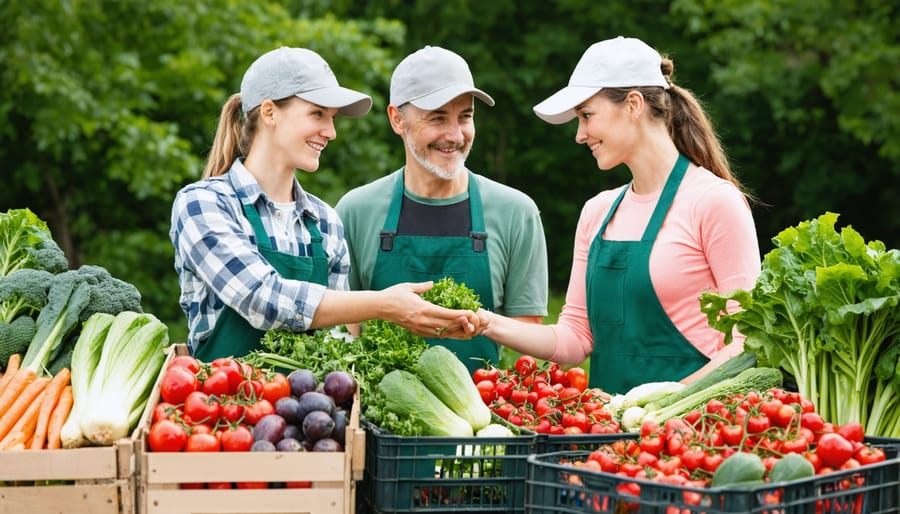
Local farmers selling organic vegetables to customers at a community food hub
Farmers and customers interacting at a vibrant local food hub, with displays of fresh organic produce

Community Engagement Strategies

Building strong connections between farmers and their local communities is essential for a thriving organic produce network. Successful farms often host regular farm tours and harvest festivals, giving customers a chance to see where their food comes from and meet the people who grow it. Weekly farmers’ markets serve as natural gathering spots where producers can share growing tips and seasonal recipes while building lasting relationships with regular customers.

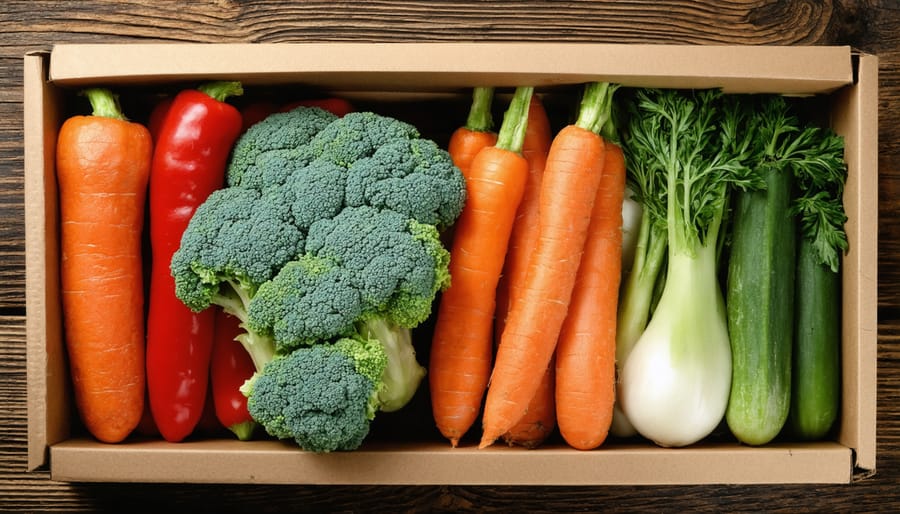
Many organic farms offer CSA (Community Supported Agriculture) programs, where members receive weekly boxes of fresh produce throughout the growing season. This direct-to-consumer model creates a sense of shared investment in the farm’s success. Educational workshops and cooking demonstrations help customers learn how to prepare seasonal vegetables, reducing food waste and increasing appreciation for diverse produce.

Social media platforms and newsletters keep the community engaged between market days, sharing farm updates, upcoming events, and behind-the-scenes glimpses of daily farm life. Some networks organize volunteer days and youth programs, allowing community members to experience organic farming firsthand while supporting local food production. These hands-on experiences often transform casual customers into passionate advocates for organic farming.

Support Systems for Organic Farmers

Knowledge Sharing and Education

Organic produce networks serve as vital hubs for knowledge exchange, creating dynamic learning environments where farmers can share experiences and grow together. Through regular workshops, webinars, and field days, experienced organic farmers mentor newcomers, passing down generations of wisdom while incorporating modern organic farming innovation techniques.

These networks typically organize seasonal training sessions covering essential topics like soil health management, pest control strategies, and crop rotation planning. Farmers can participate in peer-to-peer learning groups, where they discuss challenges, share solutions, and celebrate successes in a supportive environment.

Digital platforms within these networks enable real-time problem-solving and advice-sharing. Whether it’s addressing an unusual pest outbreak or optimizing irrigation systems, farmers can quickly connect with others who’ve faced similar challenges. Many networks also maintain online libraries of resources, including growing guides, certification information, and seasonal planning tools.

Demonstration farms play a crucial role in hands-on education, allowing farmers to witness successful organic practices in action. These living classrooms showcase various techniques and technologies, helping farmers visualize how new methods might work on their own land. Regular farm tours and field demonstrations provide practical insights into everything from composting techniques to efficient harvesting methods.

The collaborative nature of these educational initiatives helps build stronger farming communities while advancing sustainable agriculture practices across regions.

Organic farmers gathered for educational workshop on sustainable farming practices
Group of organic farmers participating in a knowledge-sharing workshop, examining soil samples and discussing techniques

Collaborative Marketing Solutions

Working together, members of organic produce networks create powerful marketing initiatives that amplify their collective presence in the marketplace. By pooling resources and expertise, farmers can develop sophisticated branding strategies that would be difficult to achieve individually.

These collaborative efforts often include shared promotional materials, coordinated social media campaigns, and joint participation in farmers’ markets and food festivals. Network members frequently cross-promote each other’s products, creating a unified brand identity that represents quality organic produce while maintaining each farm’s unique character.

Many networks establish collective labeling programs that help consumers easily identify locally grown organic products. These labels often tell the story of the farming community, highlighting sustainable practices and the faces behind the produce. Some networks even create engaging farm-to-table video series or organize farm tours, allowing customers to connect directly with their food sources.

Digital marketing platforms managed by the network help individual farmers reach broader audiences without requiring extensive technical knowledge. Shared e-commerce solutions make it easier for small-scale producers to sell online, while collective marketing budgets allow for professional photography, website development, and advertising campaigns that benefit all members.

Success stories from network participants show how collaborative marketing has helped farms increase their visibility and sales. For example, many small organic farms report doubling their customer base within their first year of network participation, demonstrating the power of united marketing efforts.

Economic Benefits and Growth Opportunities

Shared Resources and Cost Reduction

Organic produce networks create powerful opportunities for farmers to share resources and significantly reduce operational costs. By joining forces, farmers can pool their resources to purchase expensive equipment, like specialized harvesting machinery or cold storage facilities, that might be financially out of reach for individual operations. This collaborative approach allows smaller farms to access professional-grade tools without bearing the full financial burden alone.

Network members often share transportation costs by coordinating delivery routes and combining shipments to various markets. This not only reduces fuel expenses but also minimizes the environmental impact of product distribution. Many networks also implement shared purchasing programs for bulk orders of seeds, organic fertilizers, and packaging materials, securing better prices through volume discounts.

Knowledge sharing within these networks proves invaluable for cost reduction. Experienced farmers mentor newcomers on efficient irrigation systems, pest management strategies, and crop rotation techniques that maximize yield while minimizing resource usage. Some networks even develop shared labor pools, where members can access skilled workers during peak seasons without maintaining year-round staff.

Through collective marketing efforts, networks reduce individual advertising costs while reaching a broader customer base. Many successful networks have established shared brand identities and marketing campaigns, spreading the costs across multiple farms while increasing visibility for all members.

Market Expansion Strategies

Organic produce networks play a vital role in helping farms expand their market reach through various innovative strategies. By connecting multiple farms, these networks can serve larger institutional buyers like schools, hospitals, and restaurants that individual farms might struggle to supply alone. This collaborative approach allows farms to pool their resources and maintain consistent product availability throughout the year.

Networks often implement shared marketing initiatives, including online platforms and mobile apps, making it easier for customers to discover and purchase from local organic farms. Many networks organize regular farmers’ markets, food festivals, and farm-to-table events, creating direct connections between growers and consumers while building brand awareness.

Community Supported Agriculture (CSA) programs, facilitated through these networks, help farms secure steady income through advance seasonal subscriptions. Networks also assist farms in developing value-added products, such as preserves or dried goods, to maximize revenue potential and reduce waste.

Educational outreach programs and farm tours organized by these networks help build customer loyalty and understanding of organic farming practices. Additionally, networks often provide marketing training and support to help farmers effectively tell their stories and connect with their target audience, leading to sustainable business growth and expanded market opportunities.

Before and after comparison of organic farm business expansion through networking
Split image showing a small organic farm’s growth journey: from single market stall to multiple distribution channels

Success Stories from the Field

The transformative power of organic produce networks is best illustrated through real farm to table success stories from across the country. Take Sarah and Mike’s Rolling Hills Farm in Vermont, which joined their local organic network three years ago. Their small family operation has since doubled its customer base and expanded from growing just herbs to offering a full range of seasonal vegetables, all while maintaining strict organic standards.

In California’s Central Valley, the Martinez Family Farm found their niche through network connections, specializing in heritage tomato varieties. Their participation in the regional organic produce network helped them secure contracts with high-end restaurants and weekly farmers’ markets, increasing their annual revenue by 60%.

Perhaps most inspiring is the story of Green Meadows Collective in Wisconsin, where five small farms banded together through their local network. By coordinating their growing schedules and sharing distribution resources, they’ve created a year-round CSA program serving over 500 families. Their collective approach has reduced individual operating costs by 40% while providing members with greater variety and consistency in their produce boxes.

These success stories demonstrate how organic produce networks create sustainable business models while strengthening local food systems and supporting small-scale farmers.

Organic produce networks continue to play a vital role in shaping the future of sustainable agriculture. These collaborative systems bring together farmers, consumers, and distributors, creating resilient local food economies that benefit both communities and the environment. As awareness of organic farming benefits grows, these networks are expanding their reach and influence, offering innovative solutions for food security and environmental stewardship. Looking ahead, we can expect to see increased technological integration, stronger farmer support programs, and enhanced consumer education initiatives. The future of organic produce networks appears bright, with opportunities for growth in direct-to-consumer markets, improved distribution systems, and broader adoption of sustainable farming practices. By supporting these networks, we contribute to a healthier planet and more sustainable food system for generations to come.

How Local Food Networks Keep Communities Fed When Crisis Strikes

Posted by darrell on
0
Local Food Systems and Distribution
How Local Food Networks Keep Communities Fed When Crisis Strikes

Our food systems face unprecedented challenges – from climate disruptions to supply chain breakdowns – yet their resilience holds the key to our communities’ survival and prosperity. Food system resilience isn’t just about stockpiling supplies; it’s about building robust, adaptable networks that can withstand shocks while continuing to nourish populations.

Local food networks, diverse crop systems, and strong community connections form the backbone of resilient food systems. When California’s Central Valley experienced severe drought in 2021, communities with established farmers’ markets and regional distribution networks maintained steady food access while others struggled. Similarly, during the COVID-19 pandemic, regions with diverse agricultural portfolios and direct-to-consumer relationships proved more stable than those dependent on long supply chains.

Building resilient food systems requires a holistic approach: strengthening local farming capabilities, developing redundant distribution channels, and fostering food sovereignty through community gardens and urban agriculture initiatives. By investing in these interconnected elements, we create food networks capable of adapting to challenges while ensuring consistent access to nutritious, sustainably produced food.

This vital intersection of environmental stewardship, community development, and food security shapes our ability to weather future crises while nurturing healthier, more connected communities.

Bird's eye view of interconnected local farms and food distribution centers
Aerial view of a diverse local farming community showing multiple small farms, farmers markets, and distribution points

Why Local Food Systems Matter in Times of Crisis

Short Supply Chains, Strong Communities

When disruptions hit our food system, communities with shorter supply chains prove more resilient. These streamlined local food distribution networks connect farmers directly with consumers, reducing vulnerability to transportation breakdowns and market fluctuations.

Take Sarah’s Farm Market in Vermont, for instance. During recent supply chain challenges, they continued providing fresh produce to their community while larger supermarkets struggled with empty shelves. Their success stems from having just 2-3 steps between harvest and table, compared to the typical 7-10 steps in conventional supply chains.

Short supply chains also foster stronger community bonds and mutual support. When farmers know their customers personally, they’re more likely to prioritize local needs during crises. Plus, money spent locally circulates within the community, building economic resilience.

To strengthen your local food system, consider joining a CSA, shopping at farmers’ markets, or participating in community gardens. These actions help create a more robust and crisis-resistant food network while supporting local farmers.

Flexibility and Quick Response

Local farms have demonstrated remarkable adaptability during challenging times, showcasing the true strength of resilient food systems. During the 2020 pandemic, many small farms quickly pivoted their business models, transitioning from restaurant supply to direct-to-consumer sales within days. For instance, Green Meadows Farm in Vermont transformed their traditional CSA program into a contactless pickup system and online ordering platform in just one week.

Similarly, Urban Roots Community Farm in California responded to increased local demand by converting their educational spaces into additional growing areas, doubling their production capacity. They also implemented innovative distribution methods, including neighborhood drop-off points and partnerships with local food banks.

These quick-thinking farmers didn’t just survive – they thrived by embracing change. Many introduced new products based on community needs, such as “victory garden” starter kits and virtual farming workshops. The success of these adaptations has led to permanent improvements in local food distribution networks, proving that flexibility isn’t just about survival – it’s about evolution and growth in response to challenges.

Such examples demonstrate how small, agile operations can often respond more effectively to changing conditions than larger, more rigid systems.

Building Blocks of Resilient Local Food Systems

Diverse Production Methods

Embracing diverse production methods is like creating multiple safety nets for our food system. By combining different farming approaches – from traditional field farming to innovative vertical gardens, hydroponics, and greenhouse cultivation – communities can maintain food production under varying conditions and challenges.

Small-scale urban farms might thrive during transportation disruptions, while larger rural operations ensure volume production. Protected growing environments like greenhouses offer year-round cultivation possibilities, while outdoor farming maximizes natural resources during favorable seasons. Some farmers successfully pair livestock with crop production, creating beneficial cycles where animal waste fertilizes fields and crop residues feed animals.

Consider Maria’s urban farm in Chicago, which combines raised beds, greenhouse tunnels, and vertical growing systems. When late frost damaged her outdoor crops, her greenhouse produce helped maintain consistent supply to local customers. Meanwhile, traditional field crops provided bulk harvests during peak season, and vertical systems maximized limited space for high-value herbs and greens.

This mixed approach ensures that if one method faces challenges, others can compensate, creating a more stable and resilient local food supply.

Strong Farmer Networks

Strong farmer networks form the backbone of resilient food systems, creating support structures that help agricultural communities thrive through challenging times. When farmers collaborate, they can share resources, knowledge, and equipment, reducing individual costs while increasing collective strength.

These networks often take shape through local cooperatives, where farmers pool resources to purchase supplies in bulk, coordinate distribution efforts, and share the financial burden of expensive equipment. For example, a group of small-scale organic farmers in Vermont saved nearly 30% on seed costs through collective purchasing, while also sharing a mobile processing unit for value-added products.

Farmer-to-farmer mentoring programs have proven particularly valuable, allowing experienced growers to guide newcomers through challenges like weather extremes, pest management, and market access. Regular meetups, whether virtual or in-person, create opportunities for problem-solving and innovation sharing.

Digital platforms now enable farmers to connect beyond geographical boundaries, exchanging tips and market insights across regions. These connections prove especially valuable during crises, as farmers can quickly adapt by learning from others who’ve faced similar challenges.

By working together, farmers build more than just operational efficiency – they create resilient communities capable of weathering economic uncertainties and environmental challenges while maintaining stable food production.

Group of farmers exchanging seeds and discussing farming practices
Farmers collaborating at a community seed exchange event, sharing resources and knowledge

Community Support Systems

Community-based food networks play a vital role in building resilient local food systems. Community-Supported Agriculture programs create direct partnerships between farmers and consumers, ensuring stable income for producers while providing members with fresh, seasonal produce throughout the growing season. These arrangements help farmers plan their crops more effectively and reduce food waste, as they grow specifically for their committed customer base.

Local farmers markets serve as vibrant hubs where producers can sell directly to consumers, eliminating middlemen and keeping food dollars within the community. These markets often become social gathering spaces that strengthen neighborhood bonds and food literacy. They also provide valuable opportunities for small-scale farmers to test new products and build lasting customer relationships.

Food cooperatives and buying clubs represent another powerful community support mechanism, allowing members to pool resources and purchase quality products at better prices. These organizations often prioritize local sourcing and can provide crucial market access for emerging producers.

By participating in these community-based systems, consumers become active stakeholders in their local food economy, helping to create more stable and sustainable food networks that can better withstand external disruptions.

Success Stories: Local Food Systems in Action

Pandemic Response

The COVID-19 pandemic tested the resilience of our food systems like never before, yet local farms demonstrated remarkable adaptability and innovation. When traditional supply chains faltered, small-scale farmers quickly pivoted to meet community needs through creative solutions.

Many farms embraced technology-enabled distribution solutions to connect directly with consumers. From online ordering systems to contactless pickup points, these adaptations helped maintain food access while ensuring safety protocols. Community Supported Agriculture (CSA) programs saw unprecedented growth, with many farms reporting subscription increases of 200% or more during the early months of the pandemic.

Local farmers also formed collaborative networks to strengthen their distribution capabilities. By sharing resources and coordinating deliveries, they created efficient systems that continue to serve their communities today. Some innovative examples include:

– Drive-through farmers markets
– Home delivery partnerships between multiple farms
– Virtual farm tours and online cooking demonstrations
– Pre-packed mixed produce boxes
– Mobile market solutions for underserved areas

These adaptations not only helped farms survive the crisis but also created lasting improvements in local food distribution. Many customers who discovered local food sources during the pandemic have maintained these relationships, leading to stronger, more resilient local food networks.

Before and after comparison of traditional farmers market versus pandemic-adapted market setup
Split image showing a farmers market adapting to pandemic conditions with online ordering and curbside pickup

Natural Disaster Recovery

Local food systems have repeatedly demonstrated their resilience and importance during natural disaster recovery efforts. After Hurricane Sandy devastated parts of New York in 2012, community gardens and urban farms quickly became vital food access points when traditional supply chains were disrupted. These local food producers helped feed neighborhoods while larger grocery stores struggled with delivery delays and power outages.

Similarly, following the California wildfires of 2020, small-scale farmers and community-supported agriculture (CSA) programs proved invaluable. While some large agricultural operations were severely impacted, dispersed local farming networks managed to maintain food production and distribution, helping affected communities maintain access to fresh produce.

The 2011 tsunami in Japan highlighted another powerful example of local food resilience. Communities with strong local farming networks recovered faster, as nearby farmers could quickly resume production and distribution when national supply chains were compromised. Local greenhouses and indoor growing operations were particularly crucial, providing fresh vegetables when traditional farming areas were temporarily unusable.

These success stories share common elements: strong community connections, diverse growing locations, and flexible distribution systems. Many communities have since incorporated these lessons into their disaster preparedness plans, recognizing that robust local food networks serve as a crucial safety net during environmental challenges. Farmers markets, community gardens, and local food hubs are now increasingly viewed as essential infrastructure for disaster resilience.

Strengthening Your Local Food System

Individual Actions

Every individual plays a crucial role in building stronger, more resilient food systems. Start by supporting local farmers through regular visits to farmers’ markets or joining a Community Supported Agriculture (CSA) program. Many regions now offer convenient direct-to-consumer food delivery services, making it easier than ever to access fresh, local produce.

Growing your own food, even on a small scale, contributes to food system resilience. Start with a windowsill herb garden or join a community garden to learn basic growing skills. Consider composting kitchen scraps to reduce waste and create nutrient-rich soil for your garden.

Building relationships with local food producers helps strengthen community food networks. Attend farm tours, participate in harvest events, or volunteer at local farms to gain hands-on experience and understand the challenges farmers face.

Make conscious purchasing decisions by choosing seasonal produce and learning food preservation techniques like canning, fermenting, or dehydrating. This reduces dependence on long-distance food transport and supports year-round food security.

Share knowledge and resources with neighbors by organizing seed swaps, teaching cooking classes, or starting a neighborhood food-sharing initiative. These actions create stronger community bonds and increase collective food resilience while making sustainable choices more accessible to everyone.

Community Initiatives

Communities across the globe are taking inspiring steps to strengthen their local food systems through collaborative initiatives. Neighborhood community gardens have become vibrant hubs where residents grow fresh produce while building valuable relationships and sharing knowledge. These gardens not only provide nutritious food but also serve as educational spaces where experienced gardeners mentor newcomers.

Food policy councils bring together diverse stakeholders – from farmers and restaurateurs to public health officials and community advocates – to shape local food policies and programs. These councils work to improve food access, support local producers, and create more sustainable distribution networks.

Seed libraries and seed-saving networks help preserve genetic diversity and traditional varieties while ensuring communities have access to plants well-suited to their local climate. These initiatives often organize workshops on seed saving techniques and sustainable growing practices.

Community-supported agriculture (CSA) programs continue to grow in popularity, creating direct partnerships between farmers and consumers. These arrangements provide farmers with stable income while giving community members access to fresh, seasonal produce.

Many neighborhoods have also established food sharing programs and community kitchens, where surplus produce can be preserved or prepared into meals for those in need. These spaces foster social connections while reducing food waste and ensuring resources are used efficiently.

Together, these grassroots efforts demonstrate how communities can work together to build more resilient, equitable, and sustainable food systems.

Building resilient food systems isn’t just about securing our future food supply – it’s about creating stronger, more connected communities today. Throughout this article, we’ve explored how local food networks, sustainable farming practices, and community engagement form the backbone of food system resilience. The power to strengthen these systems lies in our daily choices and actions.

By supporting local farmers’ markets, joining community-supported agriculture programs, and growing even a small portion of our own food, we each contribute to a more robust and sustainable food network. These actions create ripple effects, supporting local economies, reducing environmental impact, and building stronger connections between producers and consumers.

Remember that every small step matters. Whether you start by growing herbs on your windowsill, volunteering at a community garden, or simply choosing to buy from local producers, you’re helping to weave a stronger fabric of food security for your community.

The path to true food system resilience requires participation from all of us – farmers, consumers, policymakers, and community organizations. As we face increasing environmental and economic challenges, the importance of building and maintaining resilient local food systems becomes ever more critical.

Let’s take action today to support and strengthen our local food systems. The future of our food security depends on the choices we make and the communities we build together.

Farm Fresh to Your Door: How Local Produce Platforms Are Changing the Way You Eat

Posted by darrell on
0
Local Food Systems and Distribution
Farm Fresh to Your Door: How Local Produce Platforms Are Changing the Way You Eat

Transform your food shopping experience through direct-to-consumer platforms that connect you straight to local farmers and food producers. These digital marketplaces have revolutionized how we access fresh, seasonal produce, eliminating traditional retail middlemen and creating a more sustainable food system.

Imagine browsing an online farmers’ market from your couch, selecting vine-ripened tomatoes harvested that morning, and having them delivered to your doorstep the next day. That’s the power of direct-to-consumer agriculture platforms, which are reshaping our relationship with food by bringing the farm stand into the digital age.

From subscription-based CSA boxes to on-demand produce delivery apps, these platforms offer unprecedented convenience while supporting local agriculture. They provide farmers with fair compensation for their hard work and consumers with transparency about their food’s journey from field to table. As more people seek connections to their food sources and prioritize sustainable shopping habits, direct-to-consumer platforms are becoming the future of fresh food distribution.

What Are Direct-to-Consumer Produce Platforms?

Traditional vs. Digital Food Distribution

Traditional food distribution often involves multiple intermediaries, with produce changing hands several times before reaching consumers. This lengthy supply chain typically includes wholesalers, distributors, and retailers, each adding costs and time to the journey from farm to table. In contrast, modern local food distribution systems through direct-to-consumer platforms eliminate these middlemen, creating a more streamlined process.

Digital platforms enable farmers to connect directly with customers through user-friendly apps and websites. Instead of selling their harvest to wholesalers at reduced prices, farmers can now set their own rates and maintain control over their products’ journey. Customers browse virtual marketplaces, select fresh produce, and often receive deliveries within 24-48 hours of harvest.

This modern approach reduces food waste, ensures fresher products, and helps maintain produce quality. While traditional distribution might see vegetables spending days in warehouses and trucks, direct-to-consumer platforms prioritize same-day or next-day delivery, preserving nutritional value and taste. This efficiency also helps small-scale farmers compete effectively while providing consumers with transparency about their food’s origin and journey.

Side-by-side comparison of traditional grocery store and digital farm marketplace
Split-screen comparison showing traditional grocery store produce section versus a digital farm marketplace interface on a tablet

Popular Types of Local Produce Platforms

Digital Farmers Markets

Digital farmers markets bring the charm and freshness of traditional local markets to the online world. These platforms connect local farmers directly with consumers through user-friendly websites and mobile apps, making it easier than ever to access farm-fresh produce. Popular platforms like Local Harvest and Market Wagon allow customers to browse seasonal offerings from multiple farms, place orders, and arrange convenient pickup or delivery options.

These virtual marketplaces often feature detailed farm profiles, product descriptions, and harvest schedules, helping shoppers make informed decisions about their food sources. Many platforms also include features like weekly subscription boxes, recipe suggestions, and real-time updates about product availability. For farmers, these digital spaces provide valuable tools for inventory management, customer communication, and secure payment processing, all while maintaining the personal connection that makes farmers markets special.

CSA Management Platforms

Modern CSA management platforms are revolutionizing how farmers run their community-supported agriculture programs. These digital tools streamline everything from member signups and payment processing to delivery scheduling and harvest planning. Popular platforms like Harvie, Small Farm Central, and Farmigo offer user-friendly interfaces that help farmers track inventory, communicate with members, and manage subscription boxes efficiently. Many include features like automated payment reminders, customizable delivery routes, and mobile apps for on-the-go management. These platforms also typically provide members with convenient online portals where they can update their preferences, pause deliveries, or add extra items to their shares, making the CSA experience smoother for everyone involved.

Farm-Direct Apps

Farm-specific mobile apps are revolutionizing how consumers connect with local farmers. These user-friendly platforms allow shoppers to browse harvests, place orders, and coordinate pickups directly from their smartphones. As digital farming technologies advance, many farms now offer their own branded apps featuring real-time inventory updates, harvest schedules, and push notifications for seasonal specialties. Popular features include virtual farm tours, recipe suggestions based on available produce, and secure payment processing. Some apps even include community features where customers can share cooking tips and connect with other local food enthusiasts. This direct digital connection helps strengthen farmer-consumer relationships while making fresh, local produce more accessible than ever.

Farmer managing digital produce listings on mobile device in field
Farmer using smartphone to update their farm-direct app listing while standing in front of fresh harvest

Benefits for Farmers and Consumers

Supporting Local Agriculture

Direct-to-consumer platforms play a vital role in strengthening local food systems by creating meaningful connections between farmers and their communities. These platforms enable small-scale farmers to reach customers directly, eliminating multiple middlemen and ensuring farmers receive fair compensation for their produce. Local farmers can now share their stories, farming practices, and seasonal offerings with customers who are genuinely interested in supporting sustainable agriculture.

By purchasing through these platforms, consumers contribute to their local economy while gaining access to fresher, more nutritious produce. The direct relationship between farmers and consumers often leads to greater agricultural diversity, as farmers feel more confident experimenting with heritage varieties and specialty crops when they have a dedicated customer base.

These platforms also help reduce food miles and carbon emissions by shortening the supply chain. Many farmers report that this direct connection with consumers has helped them maintain their family farms and even expand their operations, creating more opportunities for sustainable farming in their communities.

Simplified supply chain diagram comparing direct-to-consumer and traditional produce distribution
Infographic showing the direct-to-consumer supply chain with fewer steps compared to traditional distribution

Fresh Food Access

Direct-to-consumer platforms have revolutionized access to fresh, local produce by creating digital bridges between farmers and consumers. These platforms enable customers to browse and purchase farm-fresh products directly from local growers, often with home delivery or convenient pickup options. Many services offer subscription boxes filled with seasonal vegetables, fruits, and herbs harvested at peak ripeness.

This enhanced accessibility has been particularly impactful for urban residents who previously had limited access to farm-fresh produce. Consumers can now explore detailed information about growing practices, harvest dates, and farm locations while making informed choices about their food sources. Some platforms even offer virtual farm tours and real-time updates about available produce.

For those with dietary restrictions or specific preferences, these platforms typically allow customization of orders and provide transparency about farming methods. This direct connection not only ensures fresher food but also helps reduce food waste in the supply chain, as farmers can better match harvest quantities to actual demand.

Direct-to-consumer platforms have revolutionized how we connect with local farmers and access fresh, organic produce. These innovative solutions have created a win-win situation, empowering farmers to maintain sustainable businesses while providing consumers with unprecedented access to farm-fresh foods. As technology continues to evolve, we’re seeing these platforms become more sophisticated, incorporating features like real-time inventory updates, customizable subscription options, and seamless delivery scheduling.

Looking ahead, the future of direct-to-consumer agriculture platforms appears bright. With growing consumer interest in food transparency, environmental sustainability, and supporting local economies, these platforms are well-positioned for continued growth. We’re likely to see increased integration of advanced technologies like AI-driven crop planning and blockchain for supply chain transparency, making the farm-to-table journey even more efficient and traceable.

For both farmers and consumers, these platforms represent more than just a marketplace – they’re building communities, fostering environmental stewardship, and reshaping our food system for a more sustainable future. As more people embrace local food sourcing, these platforms will continue to play a crucial role in connecting farms with families and strengthening local food ecosystems.

Smart Tech Is Revolutionizing Local Food Distribution (And Farmers Love It)

Posted by darrell on
0
Local Food Systems and Distribution
Smart Tech Is Revolutionizing Local Food Distribution (And Farmers Love It)

Technology is revolutionizing how we grow, distribute, and consume food, transforming traditional farming into a data-driven, precision-based industry. From artificial intelligence managing crop yields to blockchain ensuring food safety, modern innovations are reshaping every aspect of our food systems. These advancements aren’t just benefiting large-scale operations – they’re empowering local farmers through community-supported agriculture programs, enabling them to optimize deliveries, reduce waste, and better connect with consumers.

Smart sensors now monitor soil conditions in real-time, while automated harvesting systems work alongside farmers to increase efficiency without compromising quality. Mobile apps help small-scale producers manage inventory, coordinate with local markets, and maintain direct relationships with customers. This fusion of traditional farming wisdom with cutting-edge technology is creating a more sustainable, transparent, and accessible food system for everyone – from farm to table.

Digital Platforms Connecting Farms to Tables

Mobile Apps for Direct Farm Sales

Mobile apps are revolutionizing the way farmers connect with consumers, making fresh, local produce more accessible than ever. Innovative platforms like FarmersToYou and Local Food Marketplace enable farmers to showcase their products, manage inventory, and process orders directly through their smartphones.

These user-friendly apps typically feature real-time inventory updates, secure payment processing, and delivery scheduling options. Farmers can upload photos of their latest harvest, set prices, and communicate directly with customers through in-app messaging systems. Meanwhile, consumers enjoy the convenience of browsing local produce, placing orders, and arranging pickup or delivery – all from their mobile devices.

Success stories like Sarah’s Organic Farm in Vermont showcase how these apps can transform small-scale operations. Sarah increased her customer base by 40% within six months of adopting a mobile ordering system, while reducing food waste through better inventory management.

For farmers just starting out, these platforms often include helpful features like sales analytics, customer relationship management tools, and marketing automation to streamline operations and boost profitability. Many apps also integrate with popular payment services and accounting software, making financial management easier for busy farmers.

Farmer using digital marketplace app on tablet to process local produce orders
Farmer using a tablet to manage online orders while standing in front of produce display

Virtual Farmers Markets

Virtual farmers markets have revolutionized how local farmers connect with consumers, bringing fresh produce directly from fields to doorsteps through user-friendly digital platforms. These online marketplaces allow customers to browse seasonal offerings from multiple local farms, place orders, and arrange convenient pickup or delivery options.

Popular platforms like Local Food Marketplace and Market Wagon have created vibrant digital communities where farmers showcase their produce with detailed descriptions and photos. Customers can learn about growing practices, view real-time inventory, and even chat directly with farmers about their products.

For farmers, these platforms offer powerful tools to manage inventory, track sales, and build customer relationships. Many include features like automated notifications for order updates, delivery route optimization, and integrated payment systems.

Success stories abound, like Sarah’s Family Farm in Vermont, which doubled its customer base within six months of joining an online marketplace. The platform helped them reduce waste by better matching supply with demand and allowed them to maintain strong connections with customers even during challenging weather conditions.

These digital markets have proven especially valuable during times when traditional farmers markets face disruptions, ensuring continuous access to fresh, local produce while supporting small-scale farmers.

Smart Storage and Transportation Solutions

IoT temperature sensors and monitoring display in cold storage room with fresh produce
Smart sensors monitoring temperature in a local food storage facility

IoT Temperature Monitoring

In today’s food industry, IoT temperature monitoring systems are revolutionizing how we keep our food fresh and safe. Smart sensors placed throughout storage facilities, transport trucks, and processing areas continuously track temperature conditions, ensuring that produce stays at optimal levels from farm to table.

These clever devices do more than just measure temperature. They send real-time alerts to farmers and food handlers when conditions drift outside safe ranges, allowing for quick action to prevent spoilage. For small-scale farmers, this technology has become surprisingly affordable and user-friendly, with many systems operating through simple smartphone apps.

Take Sarah’s organic berry farm, for example. She installed smart sensors in her storage facility last year and saw a 30% reduction in produce loss. “The system alerts me instantly if there’s any temperature fluctuation,” she shares. “I can even check conditions remotely when I’m working in the fields.”

Modern IoT systems also track humidity levels and air quality, creating a complete picture of storage conditions. This data helps farmers make informed decisions about storage duration and optimal shipping times. Plus, many systems now include automated reporting features that help with food safety compliance and organic certification documentation.

For local food distributors, these monitoring systems provide peace of mind and help maintain the highest quality standards that conscious consumers expect from their locally sourced produce.

Route Optimization Technology

Today’s food delivery landscape has been transformed by sophisticated route optimization technology, making the local food supply chain more efficient than ever. Smart algorithms now help local farmers and food distributors plan the most effective delivery routes, reducing both time and fuel consumption while ensuring fresh produce reaches customers at peak quality.

These systems consider multiple factors simultaneously, including delivery time windows, vehicle capacity, traffic patterns, and even weather conditions. For small-scale farmers, this technology has been a game-changer. Take Sarah’s Organic Farm in Ontario, which reduced its delivery time by 30% after implementing a basic route optimization app, allowing them to serve more customers while maintaining produce freshness.

The technology also helps reduce food waste by ensuring temperature-sensitive items are delivered in the most efficient sequence. Many systems now include real-time tracking features, letting customers know exactly when their produce will arrive. This transparency has greatly improved customer satisfaction and helped build trust between farmers and their community.

For small farms, affordable route planning apps have made this technology accessible without requiring significant investment. These tools often integrate with existing farm management software, creating a seamless system that supports sustainable local food distribution while reducing environmental impact.

Digital dashboard displaying real-time inventory levels, sales data, and predictive analytics
Infographic showing cloud-based inventory management system interface

Real-Time Inventory Management

Cloud-Based Inventory Systems

Modern cloud-based inventory systems are revolutionizing how local food producers manage their stock and connect with customers. These user-friendly platforms help farmers and food businesses track everything from seed to sale, ensuring nothing goes to waste and products reach consumers at peak freshness.

These digital solutions offer real-time updates on product quantities, storage conditions, and expiration dates. Farmers can monitor their harvest schedules, track produce freshness, and manage multiple storage locations all from their smartphones or tablets. When produce is running low, the system automatically sends alerts, helping maintain consistent supply for CSA members and market customers.

Many of these platforms also integrate with point-of-sale systems and online ordering portals, making it easier for small farms to sell directly to consumers. Some even include features for tracking organic certification requirements and food safety compliance, saving precious time on paperwork.

For example, local organic farmers like Sarah Jensen from Green Valley Farm reduced food waste by 30% after implementing a cloud-based inventory system, allowing her to better predict harvest timing and customer demand.

Demand Prediction Tools

Modern technology has revolutionized how food businesses predict customer demand, making it easier for local farmers and producers to plan their harvests and reduce food waste. AI-powered demand prediction tools analyze various data points, including historical sales, seasonal trends, weather patterns, and local events, to forecast future purchasing behaviors accurately.

These smart systems help farmers and food distributors make data-driven decisions about crop planning and inventory management. For example, a local CSA farm might use these tools to predict how many subscribers they’ll have next season, helping them determine optimal planting quantities. The technology can even account for factors like upcoming food festivals or farmers’ markets that might impact demand.

Many of these tools now come with user-friendly interfaces and mobile apps, making them accessible to small-scale producers. They can alert farmers about potential demand spikes, suggest optimal harvesting times, and help coordinate with local restaurants and retailers. This technology has proven particularly valuable for reducing food waste, as producers can better match their supply with actual customer needs.

For sustainable agriculture practitioners, these prediction tools often integrate with weather forecasting systems, helping farmers make better decisions about crop timing and quantities while maintaining their commitment to organic practices.

Success Story: Local Farm Tech Adoption

Green Valley Farms, a family-owned operation just outside Toronto, transformed their traditional farming business by embracing innovative distribution technology. Owner Sarah Chen noticed her CSA program was struggling with delivery logistics and inventory management, leading to food waste and customer dissatisfaction.

In 2021, Chen implemented a cloud-based farm management system that revolutionized their operations. The platform allows customers to customize their produce boxes through a user-friendly app, tracks harvest schedules, and optimizes delivery routes. This integration with modern urban farming solutions has reduced food waste by 40% and increased customer retention by 65%.

The farm now uses IoT sensors to monitor storage conditions, ensuring optimal freshness for their produce. Real-time temperature and humidity data help maintain quality during transportation, while predictive analytics assist in planning harvest schedules based on customer demand patterns.

The results have been remarkable: delivery times decreased by 30%, fuel costs dropped by 25%, and customer satisfaction scores reached 94%. Additionally, the farm’s subscription base grew from 200 to 500 members within eight months of implementing the new system.

“Technology hasn’t just improved our efficiency,” says Chen. “It’s helped us build stronger relationships with our customers while staying true to our sustainable farming principles.”

Technology has revolutionized local food distribution, making it easier than ever for small-scale farmers to connect with their communities. From mobile apps that streamline CSA deliveries to smart inventory systems that reduce food waste, these innovations are strengthening local food networks and supporting sustainable agriculture.

Looking ahead, we can expect even more exciting developments. Blockchain technology is poised to enhance food traceability, while AI-powered forecasting tools will help farmers better predict demand and optimize harvests. Local food hubs are increasingly adopting these technologies to compete with larger distribution networks, making fresh, locally grown produce more accessible to consumers.

The future of local food distribution looks promising, with technology bridging the gap between farmers and consumers. As these systems become more affordable and user-friendly, we’ll likely see more small farms embracing digital solutions. This technological evolution isn’t just about efficiency – it’s about creating resilient, sustainable local food systems that benefit both producers and consumers while supporting environmental stewardship.

As we move forward, the key will be maintaining the personal connections and community spirit that make local food special, while leveraging technology to make distribution more efficient and accessible.

How Garden Home Communities Are Revolutionizing Local Food Production

Posted by darrell on
0
Seasonal Planning and Management
How Garden Home Communities Are Revolutionizing Local Food Production

Imagine stepping into a neighborhood where front lawns have been transformed into thriving vegetable gardens, and neighbors share both harvests and horticultural wisdom. Garden home communities are revolutionizing suburban living by blending traditional residential spaces with sustainable agriculture. These innovative developments offer residents the unique opportunity to grow their own food, foster meaningful connections, and create a more sustainable future—all from their own backyards.

In these thoughtfully designed communities, shared gardens, orchards, and greenhouses become natural gathering spaces where experienced gardeners mentor newcomers, children learn about food systems firsthand, and seasonal celebrations bring neighbors together around farm-to-table feasts. Beyond the obvious benefits of fresh, organic produce, garden home communities are proving to be powerful catalysts for environmental stewardship, improved mental health, and stronger social bonds.

Whether you’re a seasoned gardener or simply dream of a more sustainable lifestyle, garden home communities represent a practical solution to many modern challenges—from food security to social isolation. As these communities continue to flourish across the country, they’re demonstrating that the future of residential development might just be rooted in the soil beneath our feet.

Birds-eye view of a residential community with interconnected gardens and shared community spaces
Aerial view of a thriving garden home community showing shared spaces, individual garden plots, and common infrastructure

What Makes a Garden Home Community Thrive

Shared Resources and Infrastructure

Garden home communities thrive on the principle of shared resources, making gardening more accessible and efficient for all members. A central tool shed typically houses essential equipment like tillers, wheelbarrows, and specialized gardening implements, eliminating the need for individual purchases. This collaborative approach helps members maximize garden productivity while reducing overall costs.

Sophisticated irrigation systems often serve as the backbone of these communities, featuring automated watering schedules and water-conservation technologies. Many communities implement rainwater harvesting systems and drip irrigation networks that ensure consistent water distribution across all garden plots.

The heart of these communities lies in their communal spaces. These typically include gathering areas with picnic tables and shade structures, perfect for community events and knowledge sharing. Dedicated composting stations transform garden waste into valuable soil amendments, while greenhouse facilities extend the growing season and provide space for starting seedlings. Some communities also maintain shared herb gardens, demonstration plots, and educational areas where members can learn new gardening techniques and sustainable practices together.

Group of neighbors organizing gardening tools in a communal storage space
Community members working together in a shared tool shed, organizing gardening equipment and supplies

Community Planning and Organization

Successful garden home communities thrive on well-organized leadership structures and clear decision-making processes. Most communities establish a core committee responsible for coordinating activities, managing resources, and facilitating communication among members. This committee typically includes experienced gardeners, community organizers, and rotating positions filled by residents.

Regular community meetings serve as forums for discussing garden plans, addressing concerns, and making collective decisions about planting schedules, resource allocation, and community events. Many communities implement a voting system for major decisions, ensuring all members have a voice in the community’s direction.

Scheduling is crucial for maintaining garden productivity and community engagement. Most communities create seasonal calendars that outline planting dates, harvest periods, maintenance tasks, and community gatherings. Digital tools and apps help coordinate volunteer schedules, track garden tasks, and organize produce distribution.

Leadership roles often rotate annually, allowing different members to contribute their unique skills and perspectives while preventing burnout. Some communities also establish mentorship programs, pairing experienced gardeners with newcomers to share knowledge and foster community bonds.

Integrating CSA Principles with Home Gardens

Crop Planning and Rotation

Successful garden home communities thrive on well-coordinated crop rotation strategies that balance individual garden plots with community-shared agriculture needs. By creating a unified planting schedule, residents can maximize growing space while ensuring diverse, year-round harvests.

The key to effective coordination lies in mapping out complementary plantings across seasons. For example, while some homeowners focus on growing tomatoes and peppers in their personal gardens, community plots might be dedicated to larger-scale crops like potatoes and winter squash. This approach prevents overlap and ensures variety in CSA shares.

Many communities implement a seasonal planning meeting where gardeners gather to discuss their intended crops and coordinate efforts. Digital tools and shared calendars help track planting schedules, harvest times, and rotation plans. Some communities even develop specialized apps or spreadsheets to manage crop planning efficiently.

To maintain soil health and prevent disease, gardens are typically divided into zones that rotate through different plant families each season. This practice allows nutrients to replenish naturally and reduces pest problems. Successful communities often designate “buddy groups” where experienced gardeners mentor newcomers in proper rotation techniques and sustainable growing practices.

By working together, residents can create abundant harvests while maintaining the health of their shared growing spaces. This collaborative approach strengthens community bonds and ensures a steady supply of fresh, diverse produce throughout the growing season.

Infographic of coordinated crop rotation system between community gardens and CSA farm
Diagram showing the seasonal crop rotation plan between home gardens and CSA farm plots

Resource Sharing and Support

Garden home communities thrive on the principle of shared resources and mutual support, particularly when partnering with local CSA (Community Supported Agriculture) farms. These partnerships create a win-win situation where residents enjoy fresh, seasonal produce while supporting local farmers and sustainable agriculture practices.

Many successful garden home communities establish direct relationships with nearby CSA farms, allowing residents to pool their resources for bulk purchases of seasonal produce shares. This arrangement often leads to better pricing for community members and guaranteed income for farmers. Some communities even designate a community liaison who coordinates weekly produce deliveries and maintains communication with the farm.

Beyond simple produce delivery, these partnerships often evolve into educational opportunities. Farmers frequently offer workshops on seasonal growing techniques, composting, and food preservation methods. Community members can participate in farm workdays, gaining hands-on experience while helping with harvesting or planting. This knowledge exchange strengthens the connection between residents and their food sources.

Resource sharing extends to tools and equipment as well. Communities often maintain a shared inventory of gardening tools, preserving equipment, and storage facilities that all members can access. Some communities have established seed libraries or plant exchange programs, allowing members to share successful varieties and reduce individual costs.

The support network created through these partnerships helps both the community and local farms weather challenging times, whether it’s sharing surplus harvests or providing volunteer labor during peak seasons.

Success Stories: Real Garden Home Communities

Let’s explore some inspiring garden home communities that have successfully transformed neighborhoods into thriving green spaces. In Portland, Oregon, the Luscher Farm Community showcases how 25 families came together to convert a 7-acre historic farmland into a vibrant garden community. Today, they grow over 50 varieties of vegetables and fruits, maintain a community greenhouse, and host monthly workshops for local schools.

The Victory Gardens Initiative in Milwaukee, Wisconsin, demonstrates the power of urban transformation. What started as a small group of neighbors sharing backyard gardens has evolved into a network of 160 households across three adjacent neighborhoods. They’ve established a seed library, coordinate seasonal harvest festivals, and operate a successful community composting program.

In Austin, Texas, the Sunshine Community Gardens proves that apartment living doesn’t preclude garden community participation. This innovative project features vertical gardens, rooftop growing spaces, and balcony container gardens connecting 200 apartment residents. Their weekly farmers’ market has become a neighborhood institution, bringing together gardeners and local food enthusiasts.

The Green Acres Community in Chapel Hill, North Carolina, showcases how garden homes can blend modern living with sustainable practices. Their 40-unit development incorporates individual garden plots, shared orchards, and a community greenhouse. Residents collaborate on maintenance schedules and share harvests, creating a strong sense of community while reducing their carbon footprint.

These success stories highlight common elements: strong community organization, shared responsibilities, educational components, and regular social events that strengthen neighborhood bonds. They demonstrate how garden home communities can transform not just landscapes, but also create lasting connections between residents while promoting sustainable living practices.

Each of these communities started small but grew through dedication, careful planning, and strong neighborhood participation. Their success provides valuable blueprints for others looking to establish similar initiatives in their own areas.

Starting Your Own Garden Home Community

Initial Planning and Organization

Establishing a successful garden home community begins with creating a solid foundation of guidelines and organizational structure. Start by forming a core planning committee of dedicated members who share the vision of collaborative gardening and sustainable living. This group should meet regularly to draft community bylaws that outline membership requirements, responsibilities, and decision-making processes.

Create clear guidelines for garden plot allocation, including size specifications, maintenance requirements, and shared resource management. Consider implementing a point system where members can earn credits through community service, which can then be applied toward garden privileges or shared produce.

Develop a community charter that emphasizes sustainable practices, organic growing methods, and waste reduction strategies. Include policies for composting, water conservation, and pest management that align with eco-friendly principles. Establish committees for different aspects of community management, such as maintenance, education, events, and conflict resolution.

Set up a communication system using both digital tools and traditional methods to ensure all members stay informed. Consider creating a community newsletter, online forum, or social media group for sharing updates, gardening tips, and upcoming events.

Finally, establish a financial framework that includes membership fees, maintenance funds, and emergency reserves. Create a transparent budget that covers common expenses like water bills, tool replacement, and community spaces upkeep. Regular reviews and adjustments of these initial plans will help ensure the community’s long-term success and growth.

Building Sustainable Partnerships

Creating lasting connections within your garden home community starts with building strong community partnerships that benefit everyone involved. Begin by reaching out to local Community Supported Agriculture (CSA) programs, which often welcome collaboration with garden home communities. These partnerships can provide valuable resources, expertise, and even shared equipment.

Contact nearby farmers’ markets to establish relationships with vendors who might be interested in purchasing excess produce or participating in community events. Local master gardener programs and agricultural extension offices can offer educational workshops and expert guidance for your community members.

Consider partnering with schools and youth organizations to create educational programs that teach sustainable gardening practices. Many schools are eager to incorporate hands-on learning experiences into their curriculum, and your garden home community can provide the perfect setting.

Food banks and community kitchens make excellent partners for managing surplus harvests while supporting food security initiatives. They can help distribute excess produce to those in need and may offer preservation workshops to help community members make the most of their harvests.

Don’t forget to connect with local environmental groups and sustainability organizations. These partnerships can lead to shared resources, grant opportunities, and increased visibility for your community’s initiatives. Many offer volunteer programs that can provide extra hands during busy planting and harvesting seasons.

Remember to maintain these relationships through regular communication, shared events, and mutual support. Strong partnerships grow stronger with time and nurturing, just like the gardens they help sustain.

Garden home communities represent a transformative approach to modern living, offering numerous benefits that extend far beyond traditional neighborhoods. By combining sustainable living practices with a strong sense of community, these developments create an environment where residents can thrive while reducing their environmental impact.

The advantages are clear: access to fresh, organic produce right outside your door; reduced grocery bills through home-grown food; increased property values due to well-maintained gardens and green spaces; and the invaluable opportunity to connect with nature and neighbors alike. These communities foster physical and mental well-being through regular outdoor activity and social interaction, while contributing to environmental sustainability through reduced food miles and improved biodiversity.

For those seeking a more meaningful and sustainable lifestyle, garden home communities offer an achievable solution. Whether you’re a seasoned gardener or just beginning to explore sustainable living, these communities provide the perfect foundation for personal growth and environmental stewardship. The support network of like-minded neighbors, shared knowledge, and communal resources makes the transition to this lifestyle both accessible and enjoyable.

Consider exploring garden home communities in your area or working with local organizations to establish one. The investment in such a lifestyle pays dividends in health, happiness, and environmental impact for generations to come. Take the first step toward a more sustainable, connected, and fulfilling way of life by becoming part of this growing movement.

Natural Seed Protection That Actually Works: Biological Treatments in Agroforestry

Posted by darrell on
0
Seed Preservation and Biodiversity
Natural Seed Protection That Actually Works: Biological Treatments in Agroforestry

Transform your seeds into robust seedlings by harnessing the power of natural biological treatments. Ancient seed preservation methods combined with modern organic practices create resilient plants that establish quickly and resist disease naturally. Coating seeds with beneficial microorganisms like Trichoderma fungi and nitrogen-fixing bacteria boosts germination rates by up to 40% while providing built-in protection against soil-borne pathogens. These time-tested techniques, passed down through generations of forest farmers, offer a chemical-free alternative that enhances soil health, increases crop yields, and strengthens plants’ natural immune systems. Whether you’re growing heritage vegetables or establishing a food forest, biological seed treatments provide the foundation for thriving, sustainable agricultural systems that work in harmony with nature.

What Are Biological Seed Treatments?

Common Types of Biological Treatments

Biological seed treatments fall into several fascinating categories, each offering unique benefits for organic farming and gardening. Let’s explore the most common types that have proven successful in natural agriculture.

Beneficial microorganisms form the largest category of biological treatments. These include various strains of bacteria and fungi that work symbiotically with plants. For example, Trichoderma fungi help protect seeds from soil-borne diseases, while Rhizobium bacteria boost nitrogen fixation in legume crops. Many farmers have reported stronger seedling emergence and improved root development using these helpful microbes.

Plant-based treatments derive from natural botanical sources and have gained popularity among organic growers. Neem extract, for instance, offers excellent protection against various pests and fungal infections. Other effective plant extracts include garlic, which has natural antifungal properties, and seaweed solutions that provide growth-promoting compounds and essential nutrients.

Natural polymers represent an innovative approach to seed coating. Materials like chitosan, derived from crustacean shells, create a protective barrier around seeds while improving their resistance to environmental stress. These biodegradable coatings can also carry additional beneficial substances, making them excellent delivery systems for other biological treatments.

Essential oils have emerged as another powerful option, with materials like thyme and oregano oils showing promising results in seed protection. These natural compounds not only ward off harmful organisms but also support healthy seed germination.

For home gardeners, many of these treatments can be adapted into DIY solutions using readily available materials, making biological seed treatments accessible to everyone interested in organic growing methods.

Magnified image showing beneficial bacteria and fungi used in seed treatments
Microscopic view of beneficial microorganisms commonly used in biological seed treatments

Benefits for Agroforestry Systems

Disease Protection

Biological seed treatments act as natural guardians against common seed-borne diseases, creating a protective shield that helps ensure healthy plant development. These treatments work by introducing beneficial microorganisms that colonize the seed surface and create an unfavorable environment for harmful pathogens.

One of the most effective mechanisms is competitive exclusion, where beneficial bacteria and fungi outcompete disease-causing organisms for space and nutrients. For example, Trichoderma species, a naturally occurring fungus, forms a protective barrier around seeds while producing compounds that inhibit pathogenic fungi.

Many organic farmers have found success using compost tea treatments, which introduce diverse beneficial microorganisms to their seeds. Sarah Martinez, an organic farmer in California, shares, “Since implementing biological seed treatments, we’ve seen a significant reduction in damping-off disease in our seedlings.”

These treatments can protect against common issues like fusarium wilt, pythium root rot, and various bacterial infections. Unlike chemical treatments, biological options strengthen the seed’s natural defense mechanisms while promoting sustainable soil health, creating a long-term solution for disease management in organic farming systems.

Comparison showing healthy biologically treated seeds next to infected untreated seeds
Side-by-side comparison of treated vs untreated seeds showing disease resistance

Enhanced Germination

Biological seed treatments have a remarkable impact on seed performance, leading to enhanced germination rates and stronger seedling development. These natural treatments create the perfect environment for seeds to thrive by protecting them from soil-borne diseases and providing essential nutrients right from the start.

When seeds are treated with beneficial microorganisms like mycorrhizal fungi and plant-growth-promoting bacteria, they’re better equipped to break dormancy and sprout vigorously. Many farmers report seeing germination improvements of 20-30% compared to untreated seeds, especially in challenging soil conditions.

The treatments work by breaking down seed coat barriers, improving water absorption, and kickstarting metabolic processes essential for germination. They also help seeds overcome environmental stresses like temperature fluctuations and moisture inconsistencies that typically delay sprouting.

For home gardeners and small-scale farmers, this means more reliable crop establishment and fewer gaps in plantings, ultimately leading to better yields and more efficient use of garden space.

DIY Biological Treatments

Creating effective biological seed treatments at home is simpler than you might think. One popular method involves fermenting compost tea, which you can make by steeping high-quality compost in water for 24-48 hours. Strain the mixture and dilute it before soaking your seeds for 8-12 hours.

Another fantastic DIY option is using beneficial microorganisms from forest soil. Collect soil from beneath healthy trees, mix it with non-chlorinated water, and strain it to create a natural inoculant. This solution introduces helpful fungi and bacteria to your seeds.

For added protection, try making a garlic-based treatment. Blend three cloves of garlic with a cup of water, strain the mixture, and use it as a soaking solution. This natural fungicide helps prevent common seed-borne diseases.

When applying these treatments, always use clean containers and maintain consistent temperatures. After treatment, dry your seeds thoroughly before planting or implementing natural seed storage techniques. Remember to label your treated seeds and keep detailed records of which methods you’ve used.

For best results, test a small batch of seeds first to ensure the treatment doesn’t affect germination rates. Many gardeners combine these methods with other natural approaches like using seaweed extracts or beneficial herb infusions for enhanced results.

Demonstration of hands mixing natural ingredients and coating seeds with biological treatment
Step-by-step process of applying natural seed treatment using plant extracts

Biological seed treatments offer a natural, sustainable approach to protecting and enhancing crop development. By embracing these eco-friendly methods, you’re not just nurturing healthier plants – you’re contributing to a more sustainable agricultural future. Whether you’re a home gardener or small-scale farmer, implementing these treatments can significantly improve germination rates and plant vigor while maintaining organic integrity. Remember to start small, experiment with different treatments, and document your results. The beauty of biological seed treatments lies in their accessibility and effectiveness, making them an invaluable tool for anyone committed to organic growing practices. With these natural solutions at your disposal, you’re well-equipped to grow robust, healthy plants while supporting beneficial soil microorganisms and protecting our environment for future generations.

Local Food Hubs: How Small Farms Are Revolutionizing Your Food Supply Chain

Posted by darrell on
0
Local Food Systems and Distribution
Local Food Hubs: How Small Farms Are Revolutionizing Your Food Supply Chain

Local food hubs are transforming how communities access fresh, sustainably grown food while revolutionizing regional food systems. These innovative distribution networks connect small-scale farmers directly with consumers, restaurants, and institutions, creating a vibrant marketplace that supports both local agriculture and community health. By aggregating, storing, and distributing locally grown produce, food hubs solve the critical “missing middle” challenge that often prevents small farmers from reaching larger markets. They serve as the vital bridge between rural producers and urban consumers, making fresh, seasonal food accessible year-round while ensuring farmers receive fair compensation for their hard work.

Picture a bustling warehouse where just-harvested vegetables from dozens of nearby farms are sorted, packed, and delivered to schools, hospitals, and neighborhood markets – that’s a food hub in action, strengthening local economies and building more resilient food systems one delivery at a time.

What Makes Local Food Hubs Different?

Bird's eye view of a bustling food hub facility with multiple delivery trucks and storage areas
Aerial view of a local food hub facility showing loading docks, storage areas, and farmers’ trucks delivering produce

The Community Connection

Local food hubs serve as vibrant community cornerstones, fostering meaningful connections between farmers, consumers, and local businesses. Unlike traditional community-supported agriculture programs, food hubs create broader networks that support multiple producers and diverse consumer needs.

These organizations strengthen regional food systems by hosting farmer markets, educational workshops, and community events. They often become gathering spaces where neighbors share cooking tips, swap recipes, and learn about seasonal eating. Many food hubs also partner with local schools and restaurants, creating farm-to-table programs that benefit the entire community.

By facilitating direct relationships between producers and consumers, food hubs help build trust and transparency in local food systems. Farmers get to know their customers personally, while consumers gain deeper appreciation for the work that brings fresh food to their tables. This connection creates a resilient local economy where food dollars circulate within the community, supporting sustainable farming practices and regional food security.

Beyond Just Distribution

Local food hubs go far beyond simple distribution, offering vital support services that help both farmers and consumers thrive. For farmers, many hubs provide valuable business planning assistance, marketing support, and food safety training. They often offer specialized equipment sharing programs and cold storage facilities that would be too expensive for individual farmers to maintain.

Some food hubs even operate educational programs, teaching sustainable farming practices and helping new farmers get started. They frequently organize workshops on topics like season extension, organic certification, and efficient post-harvest handling techniques.

For consumers, food hubs create engaging community experiences through farm tours, cooking demonstrations, and seasonal food festivals. Many hubs also partner with local schools and organizations to provide nutrition education and cooking classes, helping people make the most of their local produce. This comprehensive approach strengthens the entire local food system while building meaningful connections between farmers and their communities.

How Local Food Hubs Support Small Farmers

Farmer and food hub employee collaborating to prepare fresh produce for market
Small-scale farmer working with food hub staff to package and label their produce for distribution

Marketing and Sales Support

Food hubs provide crucial marketing and sales support that helps local farmers expand their reach and connect with more customers. Through professional branding, packaging, and marketing services, food hubs transform individual farm products into market-ready items that appeal to wholesale buyers and consumers alike. They handle promotional activities, including social media marketing, website maintenance, and relationship building with restaurants, schools, and retailers.

Many food hubs offer online ordering platforms where customers can browse and purchase products from multiple local farms in one convenient transaction. They also help farmers participate in farmers’ markets, food festivals, and community events, increasing their visibility and sales opportunities. Some food hubs even provide market analysis and pricing guidance to help farmers maximize their profits while keeping prices fair for consumers.

Success stories like the River Valley Food Hub demonstrate these benefits in action. Local farmer Sarah Chen increased her sales by 40% after joining the hub, which helped her develop professional packaging for her heirloom tomatoes and connected her with three new restaurant accounts. The hub’s marketing team also features her story and products in their monthly newsletter, reaching thousands of potential customers.

Logistics and Infrastructure

Local food hubs require robust infrastructure to effectively manage modern local food distribution and storage. These facilities typically include temperature-controlled warehouses, sorting and packing areas, and loading docks for efficient product handling. Many hubs feature commercial kitchens where producers can process their harvests into value-added products, extending their market reach and shelf life.

The logistics network includes refrigerated delivery trucks, inventory management systems, and specialized equipment for produce handling. Food hubs often provide farmers with shared resources like washing stations, packaging materials, and cold storage units, helping reduce individual infrastructure costs.

Digital infrastructure is equally important, with online ordering systems connecting farmers directly to buyers. These platforms handle everything from inventory tracking to delivery scheduling, making it easier for small-scale producers to reach larger markets.

Many food hubs also maintain educational spaces for farmer training and community workshops, along with office areas for administrative tasks and marketing support. This comprehensive infrastructure enables smooth operations while fostering collaboration between producers and consumers.

Visual diagram illustrating the flow of products from local farms through food hubs to end consumers
Infographic showing the local food hub supply chain from farm to consumer with icons and arrows

Food Hubs and Consumer Benefits

Fresh, Local Access

Food hubs make accessing fresh, local produce easier than ever by creating a direct pipeline from farm to table. Instead of navigating multiple farm stands or markets, customers can find a diverse selection of seasonal produce, dairy, and meats all in one convenient location. This streamlined approach to connecting with local food systems ensures that produce reaches consumers at peak freshness, often within 24-48 hours of harvest.

Beyond convenience, food hubs provide detailed information about growing practices, harvest dates, and the farmers behind each product. Many hubs offer flexible purchasing options, from pre-ordered boxes to market-style shopping, allowing customers to choose what works best for their needs. Additionally, food hubs often provide recipe suggestions, storage tips, and preparation advice to help customers make the most of their seasonal produce, creating a more engaging and educational shopping experience than traditional grocery stores.

Supporting Local Economy

Local food hubs serve as powerful economic engines for their communities, creating ripple effects that benefit everyone involved. When farmers sell through food hubs, they typically receive 50-80% of the retail price, compared to 15-25% through traditional distribution channels. This higher profit margin helps sustain local farms and enables them to reinvest in their operations.

Beyond direct farmer benefits, food hubs create local jobs in warehousing, distribution, and administration. They also help preserve farmland by making small-scale agriculture more economically viable. Many food hubs offer business training and marketing support to farmers, helping them develop sustainable business models.

The economic impact extends to consumers too. Money spent at food hubs tends to circulate within the local economy, creating a multiplier effect. Studies show that every dollar spent at a food hub generates an additional $1.75 in local economic activity, supporting other small businesses and community services. This local circulation of money helps build more resilient and self-sustaining communities.

Starting or Joining a Food Hub

Whether you’re a farmer looking to expand your market reach or a consumer passionate about supporting local agriculture, getting involved with a food hub is an exciting journey. Here’s how to take those first steps:

For Farmers:
Start by assessing your production capacity and what you can consistently supply. Food hubs typically look for farmers who can maintain reliable quantities of high-quality produce. Reach out to existing food hubs in your area and inquire about their producer requirements, which usually include food safety certifications and quality standards.

Consider attending food hub information sessions or agricultural cooperative meetings to network with other producers and learn from their experiences. Many successful food hub farmers started small and gradually scaled their operations to meet growing demand.

For Consumers:
Look for food hubs operating in your region through local farming organizations or online directories. Many hubs offer various participation levels, from simple CSA-style subscriptions to more involved membership programs. Start by signing up for their newsletter or following their social media to stay informed about seasonal offerings and participation opportunities.

Starting a New Food Hub:
If there isn’t a food hub in your area, consider starting one. Begin by:
– Conducting a feasibility study to assess local demand
– Building relationships with area farmers
– Identifying potential storage and distribution facilities
– Creating a business plan
– Securing necessary permits and insurance
– Establishing food safety protocols

Success Story:
Sarah Matthews, a small-scale vegetable farmer in Vermont, joined her local food hub three years ago. “It transformed my business,” she shares. “I went from struggling to find consistent markets to having reliable weekly orders and better pricing for my produce.”

Remember that food hubs thrive on community involvement. Whether you’re starting or joining one, focus on building strong relationships and maintaining open communication with all participants. Start small, be patient, and grow sustainably with your community’s needs.

Local food hubs have become vital bridges connecting small-scale farmers with their communities, transforming the way we think about and access fresh, local food. These innovative organizations have proven their worth by creating resilient local food systems, supporting farmer livelihoods, and making healthy, sustainably-grown produce more accessible to consumers. Through their efficient distribution networks and community-focused approach, food hubs continue to strengthen regional food security while promoting environmental stewardship.

The impact extends beyond just food distribution – food hubs are nurturing a new generation of farmers, creating jobs, and fostering deeper connections between producers and consumers. As we look to the future, these organizations will play an increasingly important role in building sustainable, equitable food systems that benefit everyone in the community. Whether you’re a farmer looking to expand your market reach or a consumer seeking fresh, local produce, food hubs offer a practical solution that supports both agricultural sustainability and community well-being.

How Modern Urban Farms Are Revolutionizing Local Food Distribution

Posted by darrell on
0
Local Food Systems and Distribution
How Modern Urban Farms Are Revolutionizing Local Food Distribution

In the heart of our cities, a revolutionary transformation is taking shape as innovative urban farms redefine local food production. These modern agricultural hubs combine cutting-edge technology with sustainable practices, creating vibrant food ecosystems in unexpected places – from rooftops to abandoned warehouses. Through community-supported agriculture, these farms are bridging the gap between city dwellers and fresh, nutritious produce while building resilient local food networks.

Powered by hydroponic systems, vertical growing techniques, and smart climate controls, today’s urban farms produce up to 10 times more food per square foot than traditional farming methods. They’re not just growing food; they’re nurturing communities, creating green jobs, and demonstrating how cities can become more self-sufficient and environmentally responsible.

These agricultural oases represent a practical solution to food security challenges while reducing transportation emissions and water usage – proving that the future of farming isn’t just rural; it’s right in our neighborhoods.

The Rise of Tech-Enabled Urban Farm Networks

Smart Logistics Solutions

Modern urban farms are revolutionizing food distribution through innovative digital solutions that seamlessly connect growers with consumers. Smart phone apps and online platforms now enable customers to browse available produce, place orders, and schedule pickups or deliveries with just a few taps.

These digital marketplaces provide real-time inventory updates, allowing farmers to better manage their harvests and reduce food waste. Customers can receive notifications when their favorite items become available or when special seasonal produce is ready for harvest.

Many urban farms have adopted QR code systems that let customers track their food from seed to table, providing complete transparency about growing methods and harvest dates. Some platforms even offer subscription services, where customers can customize weekly produce boxes based on their preferences and dietary needs.

Local delivery networks, often utilizing eco-friendly transportation like electric vehicles and cargo bikes, ensure fresh produce reaches customers within hours of harvest. This tech-driven approach not only maximizes efficiency but also strengthens community connections by making locally grown food more accessible to urban residents.

These smart logistics solutions are helping urban farms scale their operations while maintaining the personal touch that makes local food systems special.

Real-Time Inventory Management

Modern urban farms leverage sophisticated digital systems to track their produce from seed to sale. Using smartphone apps and cloud-based platforms, farmers can monitor crop yields, harvest schedules, and inventory levels in real-time. This technology ensures that nothing goes to waste and customers receive the freshest possible produce.

Many urban farms use QR codes and digital tracking systems to monitor each crop’s journey through the growing cycle. When produce is harvested, it’s immediately logged into the system, allowing farmers to update their available inventory instantly. This data helps them coordinate with local restaurants, markets, and CSA members more efficiently.

Success story: Green City Farm in Portland reduced food waste by 40% after implementing a digital inventory system. Their mobile app allows customers to see exactly what’s available each day, while farmers receive automatic alerts when specific crops are running low.

These smart systems also help urban farms maintain detailed records of crop rotation, yields, and seasonal patterns, enabling better planning for future growing seasons. By combining traditional farming wisdom with modern technology, urban farms can maximize their limited space while ensuring a steady supply of fresh produce for their communities.

Modern rooftop garden with digital monitoring equipment and automated irrigation systems
Urban rooftop farm with smart monitoring systems and digital displays showing real-time crop data

Collaborative Distribution Models

Professional chef and urban farmer discussing locally grown vegetables in commercial kitchen
Chef meeting with urban farmer at restaurant kitchen, reviewing fresh produce delivery

Restaurant Partnerships

Urban farms are revolutionizing the farm-to-table movement by forming direct partnerships with local restaurants, creating a seamless connection between growers and chefs. These partnerships typically begin with farmers meeting chefs at local markets or through community networking events, where they can showcase their fresh, seasonal produce.

Many urban farms now offer specialized growing programs where they cultivate specific ingredients based on restaurants’ needs. Chefs can request particular varieties of herbs, vegetables, or edible flowers, ensuring they have access to unique, high-quality ingredients that set their menus apart. Some farms even provide same-day harvest and delivery services, guaranteeing maximum freshness.

These partnerships benefit both parties: restaurants receive ultra-fresh, locally grown produce while urban farms secure reliable revenue streams. Chefs often visit the farms to understand growing practices and plan seasonal menus, while farmers gain valuable insight into culinary trends and restaurant needs.

Success stories include urban farms that supply multiple restaurants with specialized microgreens year-round, and others that coordinate with restaurant groups to grow heritage varieties of vegetables not commonly found in traditional markets. Some partnerships have evolved to include educational components, where chefs and farmers collaborate on workshops and dining events that help educate the community about sustainable food systems.

For urban farms, restaurant partnerships represent a vital distribution channel that supports sustainable local food systems while providing fresh, high-quality ingredients to discerning diners.

Community Hub Systems

Our urban farm’s innovative distribution network reimagines the traditional farmers’ market model through strategically placed community hubs. These neighborhood pickup points serve as vital links connecting local farmers with consumers in a convenient and sustainable way.

Each hub operates as a mini distribution center, typically housed within existing community spaces like recreation centers, schools, or local businesses. Members can collect their fresh produce at a time that suits their schedule, eliminating the need to visit the farm directly. This flexible system particularly benefits busy families and working professionals who might otherwise struggle to access fresh, local produce.

The hubs also function as community gathering spaces, fostering relationships between neighbors and creating opportunities for food education. Regular cooking demonstrations, seasonal recipe exchanges, and preservation workshops help members make the most of their farm-fresh ingredients.

To ensure produce freshness, we’ve implemented a sophisticated scheduling system that coordinates harvest times with hub delivery windows. Temperature-controlled storage units at each location maintain optimal conditions for different types of produce, while digital inventory tracking helps minimize food waste and ensures every member receives their complete share.

This decentralized distribution approach reduces transportation emissions and creates a more resilient local food system that can adapt to community needs while strengthening neighborhood bonds.

Sustainable Last-Mile Solutions

Electric Vehicle Fleets

Our urban farm takes pride in its all-electric delivery fleet, showcasing our commitment to sustainable agriculture from soil to doorstep. The farm operates a mix of electric cargo vans and e-bikes, carefully chosen to minimize our carbon footprint while efficiently serving our local community.

Our larger electric vans handle bulk deliveries to restaurants and grocery partners, while our nimble e-cargo bikes zip through neighborhood streets for individual customer deliveries. This dual approach allows us to navigate urban traffic efficiently while maintaining the freshness of our produce.

The fleet is powered by solar charging stations installed on our farm’s main building, creating a closed-loop sustainable transportation system. Each vehicle is equipped with temperature-controlled compartments to ensure optimal freshness during transit, especially crucial for delicate greens and herbs.

We’ve found that our electric vehicles not only reduce emissions but also save on operational costs. The quiet operation of our delivery vehicles has been particularly appreciated in residential areas, demonstrating that urban farming can truly be a good neighbor in every sense.

Bicycle Courier Networks

In a remarkable shift towards sustainable delivery solutions, many new urban farms are partnering with bicycle courier networks to distribute their fresh produce. These pedal-powered delivery systems not only reduce carbon emissions but also provide an efficient way to navigate busy city streets and connect farms directly with local customers.

Bicycle couriers, equipped with specially designed cargo bikes and temperature-controlled containers, can transport everything from microgreens to root vegetables across urban areas. These bikes can carry up to 350 pounds of produce while maintaining the freshness and quality that customers expect from urban farms.

The benefits extend beyond environmental impact. Bicycle deliveries often prove more cost-effective than traditional vehicle-based distribution, especially in dense urban areas where parking and traffic congestion pose significant challenges. Many courier networks also create meaningful employment opportunities for local cycling enthusiasts who share the values of sustainable agriculture.

Some urban farms have even developed smartphone apps that allow customers to track their deliveries in real-time, adding a tech-savvy element to this eco-friendly distribution method. This combination of traditional bicycle transport with modern technology represents the perfect blend of sustainability and convenience that today’s conscious consumers demand.

Courier on electric cargo bicycle delivering fresh produce boxes through city streets
Electric cargo bike loaded with produce boxes making deliveries in urban setting

Success Story: The Green Loop Network

The Green Loop Network emerged as a groundbreaking solution to urban farming distribution challenges in 2019, connecting 15 urban farms across Vancouver’s metropolitan area. What started as a small collaboration between three rooftop gardens has evolved into one of North America’s most efficient local food distribution networks.

The network’s success lies in its innovative hub-and-spoke distribution model. Each participating farm specializes in specific crops, maximizing growing efficiency while maintaining diverse product offerings. A central digital platform coordinates harvest schedules, manages inventory, and facilitates same-day delivery to customers within a 10-kilometer radius.

What sets Green Loop apart is its commitment to zero-waste distribution. The network uses electric cargo bikes for short-distance deliveries and employs reusable containers that customers return during their next delivery. This system has reduced packaging waste by 85% and delivery-related emissions by 90% compared to traditional distribution methods.

The network’s impact extends beyond environmental benefits. Participating farms report a 40% increase in revenue since joining, while customers enjoy fresher produce at competitive prices. The Green Loop Network has become a blueprint for urban farming communities worldwide, demonstrating how collaboration and smart distribution can transform local food systems.

As urban farming continues to reshape our food landscape, distribution networks are proving to be the vital link between city farmers and conscious consumers. The success of these networks has created a ripple effect, inspiring more communities to embrace local food production and distribution models. From tech-enabled delivery systems to neighborhood pickup points, these innovative solutions are making fresh, locally grown produce more accessible than ever.

Looking ahead, urban farm distribution networks are poised for even greater growth. Many cities are already incorporating urban agriculture into their sustainability plans, while investors and entrepreneurs are developing new technologies to streamline operations. The movement is creating jobs, reducing food miles, and strengthening community bonds – all while providing fresher, healthier food options for city dwellers.

The future of urban farming lies in its ability to adapt and scale. As more farms connect with local restaurants, schools, and families, we’re seeing the emergence of a more resilient and sustainable food system. This growing network of urban farms isn’t just changing how we get our food – it’s transforming our relationship with what we eat and how we build healthier, more connected communities.

Seed Sovereignty: Your Food Freedom Starts Here

Posted by darrell on
0
Seed Preservation and Biodiversity
Seed Sovereignty: Your Food Freedom Starts Here

Food sovereignty stands at the intersection of human rights, sustainable agriculture, and local food systems, empowering communities to control their own food and farming destinies. Born from grassroots movements and championed by small-scale farmers worldwide, these principles challenge the industrial food system’s dominance while offering a practical framework for building resilient, culturally appropriate food networks.

At its core, food sovereignty recognizes that those who grow, distribute, and consume food should be at the heart of food-related decisions, not distant market forces or corporate interests. This fundamental shift in thinking has sparked a global movement, inspiring communities from rural villages to urban neighborhoods to reclaim their food heritage and agricultural independence.

From seed saving cooperatives in India to community gardens in Detroit, food sovereignty principles are transforming how we think about and interact with our food systems. These grassroots initiatives demonstrate that when communities take control of their food production, they not only secure their food supply but also preserve cultural traditions, protect biodiversity, and build stronger local economies.

As climate change and food security challenges intensify, understanding and implementing food sovereignty principles becomes increasingly crucial for creating sustainable, equitable food systems that work for everyone.

The Roots of Food Sovereignty

From Farm to Rights Movement

The food sovereignty movement emerged in the mid-1990s when small-scale farmers began raising concerns about industrialized agriculture’s impact on local food systems. La Via Campesina, an international farmers’ organization, first introduced the concept at the 1996 World Food Summit, giving voice to communities seeking control over their food production.

What started as grassroots activism quickly evolved into a global movement. Local farmers shared stories of traditional farming methods being displaced by large-scale operations, inspiring others to join the cause. Success stories, like indigenous communities in Mexico preserving heritage corn varieties and small-scale farmers in India protecting native seed varieties, demonstrated the movement’s growing influence.

By the early 2000s, food sovereignty principles began shaping policy discussions. Countries like Ecuador, Venezuela, and Mali incorporated food sovereignty into their constitutions, marking a shift from viewing food merely as a commodity to recognizing it as a fundamental right. Today, the movement continues to champion local food systems, farmer rights, and sustainable agriculture practices, offering a powerful alternative to industrial farming models.

Core Principles That Matter

Food sovereignty empowers communities to take control of their food systems through several key principles. At its heart lies the fundamental right of people to define their own agricultural and food policies. This includes protecting local farmers’ rights to land, water, and saving heirloom varieties that have sustained communities for generations.

The principles emphasize sustainable production methods that work in harmony with nature, promoting biodiversity and protecting natural resources. They prioritize local food systems, encouraging direct relationships between producers and consumers while ensuring fair compensation for farmers and agricultural workers.

Knowledge sharing plays a crucial role, with traditional farming wisdom being passed down through generations and combined with innovative ecological practices. These principles also stress the importance of community decision-making in food-related matters, from production to distribution.

Additionally, food sovereignty champions the right of communities to protect their local markets from dumping and inappropriate food aid, ensuring long-term food security and cultural preservation. These principles work together to create resilient, sustainable food systems that benefit both people and the planet.

Colorful display of various heirloom seeds including corn, beans, and indigenous grain varieties
Diverse collection of traditional heirloom seeds arranged in a spiral pattern

Why Seed Sovereignty Matters Now

Local Control, Global Impact

Local seed sovereignty stands at the heart of sustainable food systems, empowering communities to maintain control over their agricultural heritage while preserving vital biodiversity. As more farming communities are fighting for planting rights, we’re seeing a growing awareness of how local seed control impacts both regional food security and global agricultural diversity.

When farmers can save, exchange, and breed their own seeds, they’re able to develop varieties that are perfectly adapted to their local growing conditions. This practice not only reduces dependency on commercial seed companies but also helps maintain crop diversity that’s crucial for food system resilience.

Take the story of Sarah Martinez, an organic farmer in British Columbia, who’s been saving heritage tomato seeds for over a decade. Her seed library now includes 50 varieties, each telling a story of adaptation to local conditions and climate change resilience. This kind of seed stewardship helps preserve traditional knowledge while ensuring future food security.

Local seed control also supports biodiversity conservation. When communities maintain diverse seed varieties, they create living seed banks that protect against crop failures and disease outbreaks. These local seed systems serve as guardians of genetic diversity, maintaining varieties that might otherwise be lost to standardized commercial farming practices.

Indigenous farmer harvesting seeds from traditional crop varieties in a small field
Small-scale farmer carefully selecting and saving seeds from mature plants

Small Farmers, Big Stakes

At the heart of food sovereignty lies the well-being of small-scale farmers who form the backbone of local food systems. These farmers not only feed their communities but also serve as stewards of agricultural heritage and biodiversity. When small farmers thrive, entire communities benefit from fresher food, stronger local economies, and deeper connections to their food sources.

Research shows that small farms typically produce more food per acre than large industrial operations while using fewer resources. They achieve this through diverse planting methods, traditional knowledge, and careful land stewardship. As seed diversity enhances resilience, small farmers who maintain varied crop selections are better positioned to weather environmental challenges and market fluctuations.

Consider Maria, a small-scale farmer in Ontario who transformed three acres into a thriving market garden that now feeds 50 local families through a CSA program. By implementing sustainable practices and maintaining strong community ties, she’s created a resilient food system that supports both environmental and economic health.

Small farmers also play a crucial role in preserving traditional farming knowledge and adapting it to modern challenges. Their success depends on community support through farmers’ markets, CSA memberships, and local food initiatives that create direct connections between producers and consumers, ultimately strengthening food sovereignty at the grassroots level.

Taking Action: Policy Advocacy Tools

Community Organization Strategies

Building strong community support for food sovereignty starts with grassroots organization and clear communication. Begin by hosting regular community meetings at local venues like libraries, community centers, or farmers’ markets to bring together interested individuals. These gatherings create space for sharing knowledge, concerns, and ideas about local food systems.

Form working groups focused on specific aspects of food sovereignty, such as seed saving initiatives, community garden projects, or policy advocacy. Each group can develop targeted action plans and share progress during larger community meetings. Consider starting a community newsletter or social media presence to keep everyone informed and engaged.

Partner with existing local organizations like food banks, environmental groups, and farming cooperatives to amplify your impact. These partnerships can provide resources, expertise, and wider community reach. Document success stories and challenges to help other communities learn from your experience.

Organize educational workshops on practical skills like gardening, composting, and food preservation. These hands-on activities build community while developing self-sufficiency. Create a local food policy council to engage with municipal government and advocate for supportive policies.

Remember to celebrate victories, both big and small. Host community potlucks featuring locally grown food, organize harvest festivals, or arrange farm tours. These events strengthen community bonds and maintain momentum for long-term food sovereignty goals. Stay inclusive by ensuring meetings and events are accessible to all community members, regardless of background or experience level.

Policy Framework Building Blocks

A robust policy framework for food sovereignty must include several essential building blocks to effectively protect and promote local food systems. At its foundation, these policies need clear definitions of seed rights that acknowledge both traditional knowledge and modern farming practices. This includes protecting farmers’ rights to save, use, and exchange seeds freely within their communities.

Legal protections for indigenous and heritage seed varieties form another crucial element, ensuring these valuable genetic resources aren’t lost to corporate patents or restrictive regulations. These protections should extend to traditional farming methods and cultural practices associated with seed saving.

Policies must also address fair market access, creating pathways for small-scale farmers to compete effectively while maintaining their independence. This includes regulations that prevent monopolistic control of seed markets and support diverse seed systems.

Education and research support represent another vital component, with policies funding programs that promote seed saving skills, sustainable farming practices, and participatory plant breeding initiatives. These programs help preserve agricultural biodiversity while building community resilience.

Finally, effective frameworks need enforcement mechanisms and community oversight to ensure accountability. This might include local seed councils, participatory guarantee systems, and transparent processes for addressing violations of seed sovereignty rights.

Success stories from communities that have implemented such frameworks show how these elements work together to create thriving local food systems while preserving agricultural heritage for future generations.

Success Stories That Inspire

The Navdanya movement in India, founded by environmental activist Vandana Shiva, stands as a shining example of seed sovereignty in action. Since 1987, the initiative has created a network of seed keepers and organic producers across 22 states in India, protecting over 5,000 crop varieties. Their seed bank program has empowered thousands of farmers to maintain their traditional seeds and farming practices.

In Mexico, the Sin Maíz No Hay País (Without Corn, There is No Country) campaign has successfully preserved native corn varieties and protected them from genetic modification. Local communities have established community seed banks, ensuring that traditional maize varieties remain in farmers’ hands while supporting food security for millions.

The Seed Savers Exchange in the United States presents another inspiring story. Starting as a small initiative by Diane Ott Whealy and Kent Whealy to preserve their grandfather’s morning glory and tomato seeds, it has grown into America’s largest non-governmental seed bank. Today, they maintain a collection of over 20,000 plant varieties and connect thousands of gardeners who share seeds.

In Zimbabwe, the Shashe Agroecology School has transformed local food systems by training farmers in seed saving and organic farming methods. Their success has inspired similar programs across Africa, demonstrating how traditional knowledge combined with modern sustainable practices can create resilient food systems.

Your Role in Seed Sovereignty

Personal Actions That Count

Supporting seed sovereignty starts right in your own backyard. Begin by saving seeds from your favorite heirloom vegetables and fruits, creating a personal seed bank that preserves genetic diversity. Connect with local seed libraries and seed-sharing networks to exchange varieties that are well-adapted to your region’s climate and growing conditions.

When shopping for seeds and plants, choose to support small, independent seed companies that prioritize open-pollinated varieties rather than hybrids or patented seeds. Consider joining or starting a community seed-saving group where you can learn traditional seed-saving techniques and share knowledge with others.

Growing your own food using saved seeds helps maintain crop diversity and reduces dependence on commercial seed suppliers. Start small with easy-to-save seeds like tomatoes, beans, and lettuce. Document your growing experiences and keep detailed records of which varieties perform best in your garden.

Make informed choices at farmers’ markets by asking vendors about their seed sources and farming practices. Support indigenous seed-keeping initiatives and local organizations working to preserve heritage varieties. Share your excess seeds with neighbors and community gardens, creating a resilient local food system.

Consider becoming a seed guardian for rare or endangered varieties, helping to preserve these precious genetic resources for future generations. Every seed saved and shared strengthens our collective food sovereignty.

Building Community Support

Building community support for food sovereignty starts at the grassroots level. Organizing seed swaps, workshops, and educational events creates opportunities for neighbors to connect and share knowledge about seed saving and sustainable farming practices. These gatherings not only strengthen local food systems but also preserve traditional agricultural wisdom.

Consider starting a neighborhood garden club or joining existing community seed preservation initiatives to expand your impact. Local libraries and community centers often serve as perfect venues for hosting seed libraries and educational programs. These spaces allow gardeners to freely exchange seeds and growing tips while building valuable relationships.

Social media and local newsletters can help spread awareness about food sovereignty issues and upcoming events. Creating online groups or forums dedicated to seed saving and sustainable agriculture helps maintain momentum between in-person gatherings. Consider partnering with local schools to establish garden programs that teach children about seed saving and food cultivation.

Engaging local government officials and attending town hall meetings puts food sovereignty on the community agenda. Share success stories from other regions and emphasize the economic and environmental benefits of local seed sovereignty. Remember, strong communities are built on shared knowledge and mutual support – every conversation about seeds and food sovereignty plants the seeds of positive change.

Group of diverse farmers sharing seeds and discussing traditional farming practices at a local seed bank
Community seed bank meeting with farmers exchanging knowledge and seeds

Food sovereignty starts with seeds – the foundation of our food system and agricultural heritage. By understanding and supporting seed sovereignty, we empower communities to maintain control over their food production and preserve traditional farming practices for future generations. Each of us can contribute to this vital movement by saving and sharing seeds, supporting local seed libraries, and advocating for policies that protect farmers’ rights to save and exchange seeds freely. Together, we can build a more resilient and sustainable food system that honors biodiversity, traditional knowledge, and community self-determination. Take action today by starting a seed-saving practice, joining a local food sovereignty group, or educating others about the importance of seed rights in achieving true food independence.

How Corporate Partnerships Can Supercharge Your CSA Program’s Growth

Posted by darrell on
0
Community Partnerships and Networks
How Corporate Partnerships Can Supercharge Your CSA Program’s Growth

Transform your farm’s potential by partnering with local businesses to boost growth through corporate partnerships. Community Supported Agriculture (CSA) programs create direct connections between farmers and consumers, offering fresh, seasonal produce while ensuring stable income for agricultural operations. By delivering weekly harvest boxes to workplace locations, farms can tap into a reliable customer base of health-conscious professionals seeking convenient access to local, organic food. Modern CSA programs have evolved beyond traditional models, now incorporating customizable share options, workplace wellness initiatives, and digital platforms that streamline ordering and delivery processes. This innovative approach to food distribution not only supports sustainable farming practices but also builds lasting relationships between urban communities and local agricultural producers, creating a resilient local food system that benefits everyone involved.

Why Corporate Partnerships Matter for CSA Programs

Expanding Your Customer Base

Corporate partnerships represent an exciting opportunity to expand your CSA program’s reach while promoting workplace wellness. By partnering with local businesses, you can offer their employees convenient access to fresh, local produce through workplace CSA pickups. Many companies are eager to provide wellness benefits to their staff, and a CSA program fits perfectly into these initiatives.

To establish corporate partnerships, start by identifying businesses that align with your values and have adequate space for deliveries. Approach their HR departments with a well-structured proposal highlighting the benefits: improved employee health, increased workplace satisfaction, and support for local agriculture. Consider offering special group rates or flexible payment options to make the program more attractive.

Success stories abound, like Morning Glory Farm’s partnership with a local tech company that doubled their CSA membership in one season. The key is creating a seamless experience – coordinate with workplace facilities managers to establish convenient pickup locations and times, provide clear communication channels, and consider offering educational materials about seasonal produce and recipe suggestions.

Remember to maintain regular contact with your corporate partners and gather feedback to continuously improve the service. This approach not only expands your customer base but also creates stable, long-term relationships that benefit everyone involved.

Employees collecting their weekly CSA produce boxes at workplace distribution point
Office workers picking up CSA shares in corporate lobby

Financial Stability and Growth

CSA programs offer unique financial stability through their bulk commitment model, where members pay upfront for an entire growing season. This advance payment system provides farmers with essential working capital for seeds, equipment, and early-season expenses without relying on traditional loans.

Many CSA farms are strengthening their financial position through corporate partnerships. Companies increasingly subsidize employee CSA memberships as part of wellness programs, creating a win-win situation. Farmers secure larger bulk commitments, while businesses offer valuable health benefits to their staff.

Some innovative CSAs have implemented flexible payment plans, including monthly installments and sliding-scale pricing, making fresh produce more accessible while maintaining financial stability. These programs often see higher member retention rates and more predictable income streams.

Corporate subsidies can range from partial to full coverage of CSA shares, with some businesses offering workplace delivery as an added convenience. This model has proven particularly successful in urban areas, where companies view CSA partnerships as a valuable employee perk that promotes both wellness and environmental sustainability.

To ensure long-term growth, many CSAs diversify their revenue streams by offering add-on products, educational workshops, and special events while maintaining their core commitment to community-supported agriculture.

Building Successful Corporate CSA Partnerships

Farmer and corporate representative discussing CSA partnership over fresh produce display
Professional meeting between a farmer and corporate wellness program manager

Identifying the Right Corporate Partners

Finding the right corporate partners for your CSA program requires strategic thinking and careful alignment of values. Start by identifying companies that prioritize employee wellness, sustainability, and local food initiatives. Look for businesses that already demonstrate environmental consciousness or have wellness programs in place – they’re more likely to understand the value of building thriving CSA partnerships.

Begin your search within your local business community. Connect with chambers of commerce, attend sustainability-focused business events, and network with corporate wellness coordinators. Consider approaching companies that:
– Have established wellness programs
– Promote sustainable practices
– Are located within reasonable delivery distance
– Have adequate employee numbers to support a CSA program

When reaching out, prepare a clear value proposition that emphasizes both the benefits to employees (fresh, local produce; convenient delivery) and the company (enhanced employee benefits, improved workplace culture, demonstrated corporate responsibility). Share success stories from similar partnerships and be ready to discuss logistics like delivery schedules and payment options.

Remember to start small – pilot programs with one or two committed partners can help you refine your approach before expanding. Consider offering workplace tastings or farm tours to help potential partners understand the full value of your CSA program. Always maintain transparent communication and be prepared to adapt your offering to meet specific corporate needs while staying true to your farming values.

Structuring Your Corporate CSA Program

When structuring your corporate CSA program, start by establishing clear pricing tiers that accommodate different company sizes and employee participation levels. Consider offering an early-bird discount for companies that commit early in the season, and create bulk pricing options for larger organizations. A typical corporate share might range from $400-600 per season, with companies often subsidizing a portion of the cost for their employees.

Delivery logistics require careful planning to ensure smooth operations. Designate specific delivery days and times that work for both your farm schedule and corporate partners. Set up centralized drop-off points in office lobbies or break rooms, and ensure you have proper storage solutions for perishable items. Many successful programs operate on a weekly delivery schedule during peak growing season, with bi-weekly options during shoulder seasons.

For program management, implement a user-friendly system to track memberships, preferences, and payment schedules. Consider using CSA management software to handle sign-ups, communications, and delivery coordination. Assign a dedicated coordinator to manage corporate relationships and address any concerns promptly. Regular communication through newsletters and updates helps maintain engagement and satisfaction.

Create clear guidelines for both employers and employees, including pickup protocols, vacation holds, and share trading policies. Consider offering add-on options like cooking classes or farm tours to enhance the program’s value and build stronger connections with your corporate partners.

Creating Win-Win Partnership Agreements

When establishing corporate partnerships for your CSA program, creating comprehensive agreements that benefit both parties is essential for long-term success. The rising trend of local farms and businesses collaboration has shown that well-structured partnerships can significantly boost program participation and sustainability.

Start by clearly outlining delivery schedules, produce varieties, and quantity commitments in your agreement. Include flexible terms that account for seasonal variations and crop availability while maintaining transparency about potential substitutions. Define payment terms, including deposit requirements and payment schedules that work for both parties.

Consider incorporating workplace wellness incentives, such as lunch-and-learn sessions or farm tours, which can increase employee engagement. Include provisions for communication protocols, designating specific contact persons for both the farm and corporate partner.

Address liability concerns by clearly stating insurance requirements and responsibilities. Include clauses about food safety standards and certification requirements that your farm follows. Don’t forget to specify parameters for membership minimum requirements and signup deadlines.

Add terms for marketing collaboration, allowing both parties to promote the partnership while protecting brand integrity. Include provisions for regular feedback sessions and program evaluation to ensure continuous improvement and partnership satisfaction.

Remember to keep the agreement language clear and accessible while ensuring all legal requirements are met. Consider having a legal professional review the final document to protect both parties’ interests.

Real Success Stories

Small Farm, Big Impact

When Sarah Martinez started Green Valley Farm with just two acres of land and a dream, she never imagined her small CSA program would evolve into one of the most successful CSA partnerships in the region. Her breakthrough came when a local tech company approached her about providing weekly produce boxes for their employees as a wellness benefit.

The partnership started small, with just 50 shares, but word spread quickly through the corporate community. Within two years, Green Valley Farm was serving five major companies and over 500 employees. This growth allowed Sarah to lease additional land, hire local workers, and invest in sustainable farming practices.

“The corporate partnerships gave us stability,” Sarah explains. “Instead of worrying about individual subscription fluctuations, we could focus on what we do best – growing nutritious, organic food.”

The farm now operates on fifteen acres, uses solar-powered irrigation systems, and maintains a year-round greenhouse operation. They’ve implemented a mobile app for corporate subscribers to customize their weekly boxes and receive updates about harvest schedules.

Sarah’s advice to other small farms? “Start small, but think big. Corporate partnerships can transform your operation while staying true to CSA principles. It’s about building relationships, not just delivering vegetables.”

Thriving rooftop garden with city skyline background and workers harvesting produce
Urban rooftop farm supplying corporate CSA programs

Urban CSA Revolution

Urban farms are revolutionizing the CSA model by forging innovative partnerships with corporations, creating sustainable solutions for both farmers and office workers. These partnerships typically involve companies subsidizing CSA memberships for their employees as part of wellness programs or environmental initiatives.

Forward-thinking businesses like Adobe and Google have pioneered this approach, setting up weekly produce pickup points in their office buildings. Farmers benefit from guaranteed bulk subscriptions, while employees enjoy convenient access to fresh, local produce. Some companies even offer payroll deduction options, making it easier for workers to participate.

Urban farms like Growing Home in Chicago and Brooklyn Grange in New York have successfully scaled their operations through corporate partnerships. These collaborations often extend beyond simple CSA programs to include team-building activities, rooftop garden installations, and educational workshops.

The partnership model has proven particularly resilient during challenging times. When traditional farmers’ markets faced restrictions during the pandemic, corporate CSA programs adapted quickly by implementing safe pickup protocols and delivery options. This flexibility helped many urban farms maintain steady income streams while continuing to serve their communities.

For urban farmers considering corporate partnerships, success often lies in offering customizable solutions. Some farms provide mix-and-match options, allowing employees to select their preferred produce combinations, while others include value-added products like honey or fresh-cut flowers to enhance the appeal of their CSA boxes.

Overcoming Common Challenges

While corporate CSA partnerships offer numerous benefits, they often come with unique challenges. The good news is that these obstacles can be effectively managed with the right strategies and approach.

One common challenge is coordinating delivery logistics for multiple corporate locations. Successful farms tackle this by creating efficient delivery routes and establishing clear pickup points within office buildings. Some farmers partner with local delivery services during peak seasons to ensure timely distribution while maintaining produce quality.

Communication can also present hurdles, especially when dealing with large employee groups. Setting up automated systems for weekly newsletters, pickup reminders, and share updates helps streamline information flow. Many farms use mobile apps or online platforms to manage member preferences and delivery schedules efficiently.

Share size standardization often requires careful planning. To address this, consider offering flexible share options that accommodate different household sizes and preferences. Some farms successfully implement points-based systems where employees can customize their weekly selections within set parameters.

Payment processing and administrative tasks can become overwhelming. Implementing automated billing systems and working with corporate HR departments to facilitate payroll deductions can significantly reduce administrative burden. Many farms find success by designating a specific coordinator to manage corporate accounts.

Seasonal fluctuations in participation can affect program stability. Combat this by offering educational resources about seasonal eating, providing storage tips, and sharing recipes that highlight available produce. Some farms maintain engagement through workplace farming workshops and lunch-and-learn sessions.

Quality control across large orders requires careful attention. Establish clear quality standards, implement thorough checking procedures, and train staff in proper handling techniques. Having a responsive system for addressing concerns helps maintain corporate client satisfaction and program longevity.

Remember, many successful CSA programs started small and gradually refined their systems as they grew. Learning from other farms’ experiences and remaining flexible in your approach will help overcome these common challenges.

Community Supported Agriculture programs represent a powerful way to transform our food system while building stronger connections between farmers and consumers. By joining a CSA, you’re not just subscribing to a box of fresh produce – you’re investing in local agriculture, supporting sustainable farming practices, and becoming part of a community that values fresh, seasonal food.

Whether you’re a consumer looking to access farm-fresh produce or a farmer seeking to establish a reliable customer base, CSA programs offer tremendous benefits. They provide farmers with financial stability through upfront payments, while members enjoy the freshest possible produce and a deeper understanding of where their food comes from.

The success stories we’ve shared demonstrate how CSA programs can thrive through innovation, community engagement, and strong partnerships. From workplace wellness initiatives to farm-to-table education programs, these agricultural partnerships create lasting positive impacts for all involved.

Take the next step in your food journey by exploring CSA programs in your area. Connect with local farmers, attend farm events, or consider starting a CSA partnership at your workplace. Every subscription supports sustainable agriculture and helps build a more resilient local food system.

Remember, participating in a CSA program isn’t just about accessing great food – it’s about being part of a movement that values sustainable farming, community connections, and healthy living. Join the growing community of CSA supporters and help shape the future of local agriculture.