Fresh Winter Treasures: Your Complete January Farmers Market Shopping Guide
 darrell on
Embrace the hidden bounty of January’s harvest at local winter farmers markets, where root vegetables, hardy greens, and storage crops offer surprising variety during the coldest month. From frost-sweetened parsnips and carrots to vibrant Swiss chard and kale surviving under row covers, January’s produce celebrates nature’s resilience. Despite winter’s grip, local farmers continue delivering fresh, nutritious options through innovative growing techniques and careful storage methods. These seasonal gems not only connect us to the natural growing cycle but also deliver peak nutrition and flavor when our bodies need it most. Whether you’re a seasoned market shopper or just beginning to explore seasonal eating, January’s offerings prove that eating locally remains possible – and delicious – even in the depths of winter.
Root Vegetables: Winter’s Underground Stars
Storage Champions
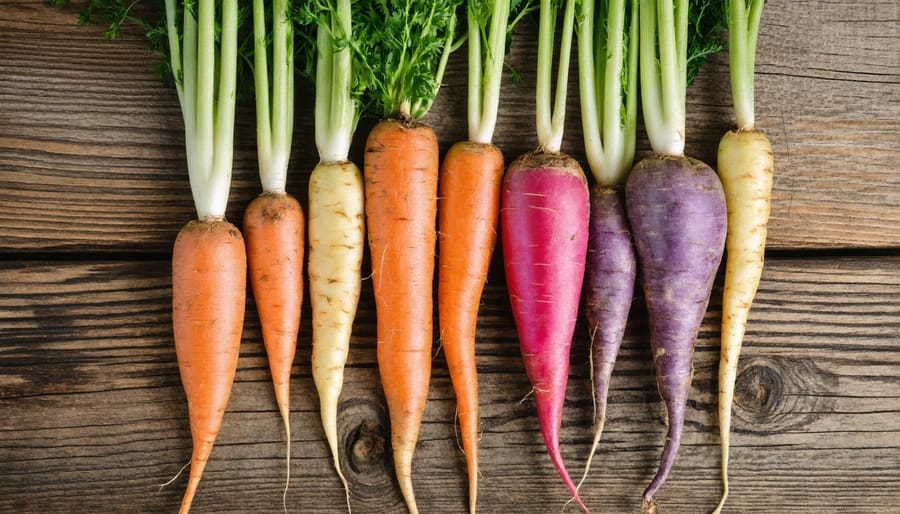
Root vegetables are the true champions of winter storage, providing local markets with fresh, nutritious options throughout January. Parsnips, with their sweet, nutty flavor, actually become sweeter after exposure to cold temperatures, making them a winter delicacy. These pale cousins of carrots can be stored for up to six months in cool, dark conditions.
Turnips and rutabagas are equally impressive storage veterans, lasting 4-5 months when properly stored. Their robust nature and versatility in cooking make them essential winter staples. Look for firm, heavy specimens without soft spots for the longest storage life.
Carrots deserve special mention, as they can maintain their crisp texture and sweet flavor for months when stored properly. Local farmers often keep them in sand-filled boxes in cool cellars, a traditional method that helps maintain optimal humidity levels.
Other storage superstars include celeriac, with its distinctive celery flavor, and sweet potatoes, which can last several months when kept in a cool, dry place away from light. These underground treasures provide essential nutrients and hearty flavors throughout the coldest months of the year.
Selection and Storage Tips
When selecting fresh produce in January, focus on root vegetables and winter greens. Look for firm, heavy root vegetables without soft spots or blemishes. Choose carrots and parsnips that are crisp and bright in color, avoiding any that are rubbery or have excessive cracks. For winter squash, select ones with intact stems and no soft patches.
Store root vegetables in a cool, dark place with good air circulation, ideally between 32-40°F (0-4°C). Most will keep for several weeks in your refrigerator’s crisper drawer. Remove leafy tops from carrots and beets before storing, as they draw moisture from the roots. Winter squash can be kept at room temperature in a dry area for up to three months.
For leafy greens like kale and Swiss chard, choose bunches with firm, deeply colored leaves free from yellowing or wilting. Store them wrapped loosely in slightly damp paper towels inside a plastic bag in the refrigerator. Most greens will stay fresh for about a week when stored properly.
Winter Greens That Thrive in Cold
Kale and Collards
Kale and collards truly shine during the cold winter months, proving themselves to be winter garden champions. These nutrient-packed greens actually become sweeter and more flavorful after exposure to frost, making January an ideal time to enjoy them. Both varieties are incredibly frost-resistant, often surviving temperatures well below freezing while maintaining their crisp texture and robust flavor.
Look for deep green, firm leaves without any yellowing or wilting. Smaller leaves tend to be more tender and less bitter, perfect for raw applications like salads. The larger, more mature leaves are excellent for cooking and hold up beautifully in soups and stews. Local farmers often offer several varieties, including Lacinato (Dinosaur) kale, curly kale, and Georgia collards.
To store these hardy greens, wrap them loosely in slightly damp paper towels and keep them in a plastic bag in your refrigerator’s crisper drawer. They’ll stay fresh for up to a week, though their vitamin content is highest when eaten within the first few days of harvest. For the best flavor and texture, remove the tough center stems before preparing, and massage kale leaves gently if eating them raw to help break down their fibrous structure.

Winter Lettuce Varieties
Even in the depths of winter, dedicated farmers continue to grow a variety of fresh, crisp lettuces using cold frames and greenhouses. These protective structures create micro-climates that shield tender greens from harsh winter conditions while allowing them to thrive in the limited sunlight.
Popular winter lettuce varieties include butter lettuce, which offers sweet, tender leaves perfect for delicate winter salads. The hardy ‘Winter Density’ romaine variety maintains its crunch despite cold temperatures, while red and green leaf lettuces add beautiful color to winter plates. Many farmers also grow microgreens and baby lettuce varieties, which mature quickly even in lower light conditions.
Local farmer Sarah Chen from Green Valley Farm shares, “We use row covers inside our greenhouse for extra protection on extremely cold nights. This allows us to harvest fresh lettuce throughout January, giving our market customers that summer-fresh taste even in winter.”
Look for lettuces with crisp, vibrant leaves and store them wrapped loosely in slightly damp paper towels in the crisper drawer. Most varieties will stay fresh for about a week when properly stored.
Storage Crops: Fall’s Bounty in January
Winter Squash and Pumpkins
Winter squash and pumpkins stored from fall harvests remain delicious well into January, offering rich nutrients and versatile cooking options. Common varieties available this month include butternut squash, with its sweet, nutty flesh; the compact and flavorful acorn squash; and the dense, creamy kabocha. These hardy vegetables can last several months when stored properly in a cool, dry place between 50-55°F.
Look for squash that feels heavy for its size and has a firm, unblemished rind. Small soft spots can quickly spread, so inspect carefully before purchasing. Most winter squash varieties will keep for 2-3 months when stored on a shelf or in a basket with good air circulation – avoid plastic bags which can trap moisture and lead to spoilage.
Local farmer tip: When selecting pumpkins for cooking, choose smaller sugar pie varieties over large carving types for better flavor and texture in your winter recipes.
Apples and Pears
Winter storage apples and pears are January staples, offering a delicious taste of local fruit even in the coldest months. These fruits are harvested in autumn but stored in temperature-controlled environments, allowing them to maintain their crisp texture and sweet flavors throughout winter. Look for hardy apple varieties like Braeburn, Fuji, and Pink Lady, which store exceptionally well. For pears, winter-friendly varieties include D’Anjou, Bosc, and Comice.
When selecting stored fruit, choose specimens that feel firm and heavy for their size, with no soft spots or bruising. The skin should be taught and unblemished. Store your apples and pears in the refrigerator’s crisper drawer, but keep them separate from other produce as they release ethylene gas, which can speed up ripening of nearby fruits and vegetables.
For the best flavor, bring cold storage apples to room temperature before eating. Pears should be allowed to ripen on the counter until they yield slightly to gentle pressure near the stem.
Greenhouse and Indoor Growing
Microgreens and Sprouts
While outdoor growing may be limited in January, microgreens and sprouts offer a burst of fresh nutrients year-round. These indoor crops can be grown right on your kitchen counter, providing a sustainable source of fresh produce even during the coldest months.
Microgreens, the young seedlings of vegetables and herbs, pack a surprising nutritional punch – often containing up to 40 times more nutrients than their mature counterparts. Popular varieties include pea shoots, sunflower, radish, and mustard greens, each offering distinct flavors from mild to peppery.
Sprouts, including classics like alfalfa, mung bean, and broccoli sprouts, are another excellent indoor crop. They’re ready to harvest in just 3-7 days and require minimal equipment – just a jar, some cheesecloth, and daily rinsing.
Both options are perfect for adding fresh crunch to winter salads, sandwiches, and smoothies. Plus, growing these nutrient-dense crops at home reduces packaging waste and food miles while ensuring the freshest possible produce during the winter months.
Look for locally grown microgreens and sprouts at your winter farmers market, or try growing your own for a rewarding winter gardening project.
Greenhouse Tomatoes and Herbs
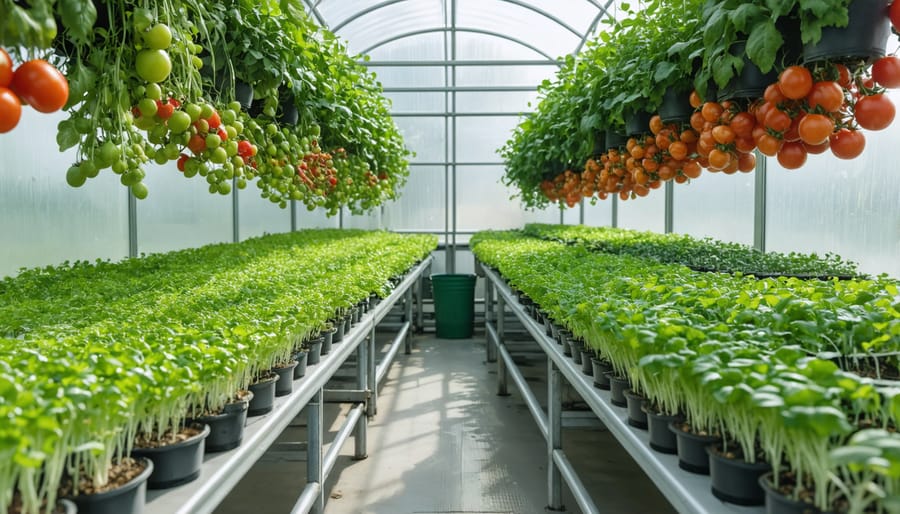
While outdoor growing may be limited in January, greenhouse cultivation keeps fresh produce flowing throughout winter. Local greenhouse growers maintain optimal conditions to produce flavorful tomatoes and aromatic herbs year-round. These protected environments typically maintain temperatures between 65-75°F, creating a Mediterranean-like microclimate even during the coldest months.
You’ll find several varieties of greenhouse tomatoes at winter markets, from juicy beefsteaks to sweet cherry tomatoes. These indoor-grown tomatoes often rival their summer counterparts in taste, thanks to carefully controlled growing conditions. Fresh herbs like basil, parsley, cilantro, and mint also thrive in greenhouse settings, providing essential flavors for winter cooking.
When selecting greenhouse produce, look for tomatoes with rich color and firm texture, and herbs with bright, crisp leaves. These products typically command higher prices than summer produce, but they’re worth the investment for adding fresh flavor to winter meals. Many local greenhouse growers use organic methods and sustainable practices, making these products both environmentally friendly and delicious alternatives to imported produce.
Making the Most of Your January Market Visit
Make your January market visits more rewarding by planning ahead and shopping smart. Start by arriving early when produce is freshest and vendors are most available to answer questions. Bring reusable bags and cash, as many small vendors prefer it.
Create a flexible meal plan that incorporates seasonal vegetables like root crops and winter greens. This allows you to take advantage of unexpected finds while ensuring you’ll use everything you buy. When shopping, look for bright, firm vegetables without soft spots or discoloration.
Don’t shy away from asking farmers about storage tips – they’re usually happy to share their expertise. Many winter vegetables store well in cool, dark places, so consider buying in bulk when prices are good. Some farmers offer winter CSA shares or bulk discounts, which can be excellent value.
Remember to pick up hearty cooking greens like kale and collards, which become sweeter after frost exposure. Also, look for stored apples and winter squash – these storage crops often maintain peak quality well into January when properly kept.
Finally, take time to build relationships with your local farmers. They can alert you to upcoming harvests and maybe even hold special items for regular customers.
Shopping seasonally in January not only ensures you get the freshest, most flavorful produce but also helps reduce your environmental impact and food costs. By choosing local winter vegetables and fruits, you’ll discover delicious new ingredients while helping to support local farmers during the challenging winter months. Visit your nearby farmers market to explore these seasonal treasures and become part of a more sustainable food system, one shopping trip at a time.