Yearly Archives

291 Articles

Connect Farm to Table: How Local Farmers Are Skipping the Middleman

Posted by darrell on
0
Local Food Systems and Distribution
Connect Farm to Table: How Local Farmers Are Skipping the Middleman

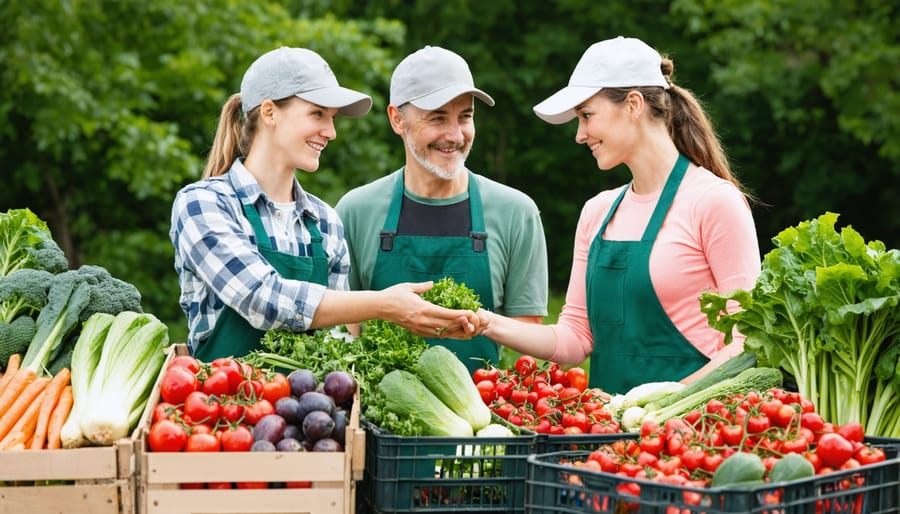
Direct-to-consumer (DTC) marketing channels are revolutionizing how local farmers connect with their customers, eliminating traditional middlemen and creating stronger community bonds through food. By selling produce directly to end consumers through farmers’ markets, CSA programs, farm stands, and digital platforms, farmers capture more value while providing fresher, more sustainable food options to their communities.

Today’s tech-savvy consumers increasingly seek transparency in their food sources and meaningful connections with the people growing their produce. DTC channels deliver this authenticity while helping small-scale farmers build resilient, profitable businesses. Whether through weekly vegetable boxes, online marketplaces, or bustling farmers’ markets, these direct relationships are reshaping local food systems.

This shift toward direct marketing channels doesn’t just benefit farmers and consumers – it strengthens local economies, reduces food miles, and supports sustainable agriculture practices. As we explore the various DTC strategies available to modern farmers, we’ll discover how these channels are creating a more connected, sustainable food future.

What Makes Direct-to-Consumer Marketing Different?

Traditional vs. Direct Marketing Channels

Traditional marketing channels typically involve multiple intermediaries – producers sell to wholesalers, who sell to distributors, who then supply retailers where customers finally make their purchases. This multi-step process often results in higher prices and less fresh produce reaching consumers.

In contrast, direct marketing channels eliminate these middlemen. Farmers can sell their organic produce straight to customers through farmers’ markets, CSA programs, farm stands, or online platforms. This direct connection creates numerous benefits: farmers earn better profits while consumers enjoy fresher food at lower prices.

For example, when local organic farmers sell through traditional channels, they might receive only 20% of the retail price. But through direct marketing, they can keep 80% or more of the sale price while building meaningful relationships with their customers. These personal connections often lead to loyal, long-term customers who value knowing exactly where their food comes from and how it’s grown.

Infographic comparing traditional multi-step food distribution with simplified direct-to-consumer model
Split screen comparison showing traditional distribution chain vs direct-to-consumer pathway

Benefits for Local Farmers

Direct-to-consumer marketing offers local farmers significant financial advantages by eliminating middlemen from the supply chain. When farmers sell directly to consumers, they typically retain 80-90% of the food dollar, compared to just 17.6% through traditional channels. This increased profit margin helps sustain farm operations and supports investment in sustainable farming practices.

Farmers also gain better control over their market presence and pricing strategies. They can adjust prices based on real-time demand, production costs, and seasonal factors without external pressure from wholesalers or retailers. This flexibility allows them to build stable, profitable businesses while maintaining fair prices for consumers.

Beyond financial benefits, direct marketing enables farmers to develop meaningful relationships with their customers. These connections often lead to loyal customer bases, consistent sales, and valuable feedback that helps farmers adjust their crop planning and variety selection to better meet local demand. The direct interaction also allows farmers to share their farming practices and stories, fostering community support for local agriculture.

Popular Direct-to-Consumer Platforms

Online Marketplaces and Farm Websites

Online marketplaces and farm websites have revolutionized how farmers connect with consumers in the digital age. Popular platforms like Local Harvest, Market Maker, and REKO rings create virtual farmers’ markets where customers can browse and purchase fresh produce directly from local growers. These digital solutions make it convenient for busy consumers to support local agriculture while enjoying farm-fresh products.

Many farmers now maintain their own websites, complete with e-commerce capabilities, allowing them to showcase their products, share their farming practices, and process orders efficiently. Take Sarah’s Organic Farm in Vermont, for example, which doubled its customer base after launching an online store with weekly CSA box subscriptions and seasonal produce listings.

Social media integration has further enhanced these platforms, enabling farmers to share updates about harvest times, new products, and behind-the-scenes glimpses of farm life. Features like online payment processing, delivery scheduling, and inventory management help streamline operations for both farmers and customers.

For consumers, these digital platforms offer transparency about growing methods, harvest dates, and farm locations, helping them make informed choices about their food sources.

CSA Programs and Subscription Boxes

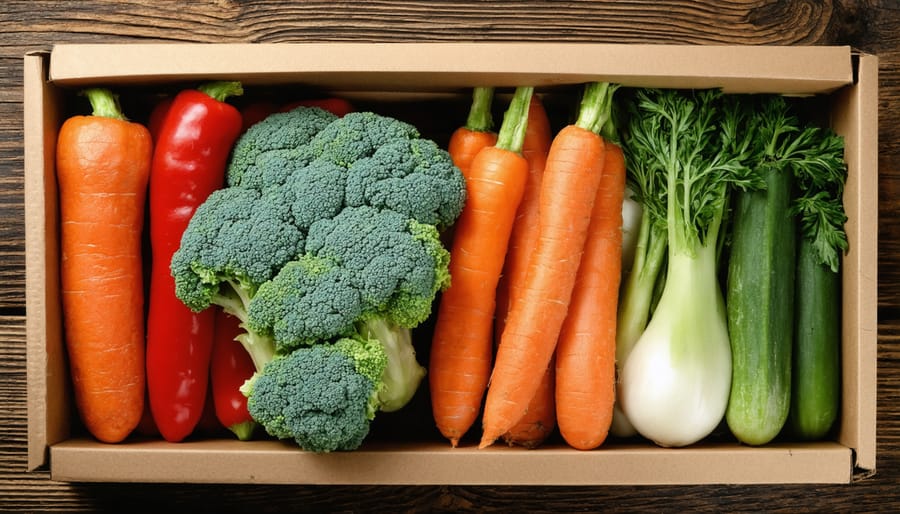
Community-supported agriculture programs (CSAs) and subscription boxes represent a powerful direct-to-consumer model that connects farmers directly with their customers. Through these programs, consumers purchase “shares” of a farm’s harvest upfront, receiving regular deliveries of fresh, seasonal produce throughout the growing season. This membership-based approach provides farmers with stable income and helps them better plan their crop production.

Many CSAs offer flexible subscription options, from weekly vegetable boxes to add-on items like eggs, honey, and flowers. Some farms even include recipe cards and newsletters, creating an educational experience that helps members learn about seasonal eating and farming practices. These personalized touches strengthen the connection between consumers and their local food system, making CSAs an increasingly popular choice for those seeking fresh, locally grown produce while supporting sustainable agriculture in their community.

Local farmer arranging seasonal vegetables in subscription boxes for direct delivery
Farmer preparing CSA boxes with fresh produce

Mobile Apps and Social Media Channels

Today’s farmers are leveraging mobile apps and social media platforms to create stronger connections with their customers. These digital farming solutions make it easier than ever for consumers to discover, purchase, and receive fresh produce directly from local growers.

Popular apps like Farm Stand and Local Harvest help customers locate nearby farms and farmers’ markets, while Instagram and Facebook enable farmers to showcase their daily harvests, share behind-the-scenes glimpses of farm life, and announce product availability in real-time. Many farmers use WhatsApp groups to coordinate weekly deliveries and share recipes with their regular customers.

Direct messaging features allow customers to ask questions about growing practices, place custom orders, and build personal relationships with their local farmers. Some innovative growers even use TikTok to educate consumers about sustainable farming practices and seasonal eating, creating engaging content that builds brand awareness and customer loyalty.

Success Stories from Local Farms

The success of direct-to-consumer marketing is best illustrated through the stories of farms that have embraced this approach. Take Sweet Meadows Farm in Vermont, for instance. What started as a small family operation selling vegetables at their farmstand has evolved into a thriving business reaching over 500 local families through their CSA program and online ordering system. Their revenue increased by 85% within two years of implementing these direct channels.

Green Valley Organics in California transformed their business model during the 2020 pandemic by creating an online marketplace for their fresh produce. They now serve more than 1,000 households in their region, offering customizable weekly produce boxes and home delivery services. Their direct approach has allowed them to retain 90% of their pandemic-era customers while maintaining higher profit margins than traditional wholesale channels.

Rising Sun Farm in Michigan found success through a hybrid approach. They combined a weekly farmers’ market presence with a subscription-based herb and flower service. Their unique model allows customers to pick up fresh-cut flowers and culinary herbs weekly, while also shopping for additional produce at their market stand. This strategy has helped them build a loyal customer base of over 300 regular subscribers.

Another inspiring example is Urban Roots Community Farm in Texas. They developed a partnership with local restaurants while maintaining their community market stand. By selling directly to both consumers and chefs, they’ve created a stable income stream and built strong community connections. Their farm-to-table events and cooking demonstrations have helped increase their direct sales by 60% annually.

These success stories share common elements: strong customer relationships, adaptability to changing market conditions, and a focus on quality products. Each farm found unique ways to connect with their customers while maintaining the personal touch that makes direct-to-consumer marketing so effective.

Getting Started with Direct Marketing

Essential Tools and Resources

To successfully implement a direct-to-consumer marketing channel for local produce, you’ll need several essential tools and resources. A user-friendly website or e-commerce platform is crucial for online orders and showcasing your products. Consider platforms like Shopify or WooCommerce, which offer specialized features for food businesses. You’ll also need reliable inventory management software to track your produce and prevent overselling.

For communication with customers, invest in an email marketing platform and social media management tools. A customer relationship management (CRM) system helps maintain detailed customer records and purchase history. For delivery operations, you’ll need appropriate packaging materials, refrigeration equipment, and possibly delivery management software.

Essential hardware includes a smartphone or tablet for managing orders on the go, a reliable internet connection, and basic photography equipment to capture appealing product images. Payment processing tools, like Square or PayPal, ensure smooth transactions. Don’t forget about basic accounting software to track sales and expenses efficiently.

Local farmer using digital technology to process customer orders at outdoor market
Farmer using tablet to manage online orders at farmers market

Building Customer Relationships

Building strong customer relationships in direct-to-consumer marketing starts with authentic connections. Share your farming story, growing practices, and passion for organic produce through engaging newsletters and social media updates. Regular communication helps customers feel connected to their food source and your farm’s mission.

Create personalized experiences by offering farm tours, harvest events, or virtual behind-the-scenes looks at daily operations. Consider implementing a loyalty program that rewards repeat customers with special discounts, early access to seasonal products, or exclusive farm-to-table recipes.

Actively seek and respond to customer feedback to show you value their input. Use this feedback to improve your offerings and service. Remember to maintain consistent quality and reliability in your deliveries or pickup arrangements.

Consider starting a community-supported agriculture (CSA) program or subscription service to foster long-term relationships. These programs create a sense of partnership between you and your customers while providing stable income for your farm.

Direct-to-consumer marketing in local agriculture represents a powerful shift in how farmers connect with their communities and build sustainable businesses. By eliminating intermediaries, farmers not only secure better profits but also forge meaningful relationships with their customers, leading to increased loyalty and steady demand for their produce.

The future of DTC marketing in local agriculture looks incredibly promising, especially with the growing consumer interest in food transparency and supporting local businesses. Digital platforms and social media continue to make it easier for farmers to reach their target audience, while subscription models and online marketplaces provide convenient shopping experiences for consumers.

Success stories from small-scale farmers show that DTC channels can transform modest farming operations into thriving businesses. For example, many farmers have found that combining traditional farmers’ market presence with modern e-commerce solutions allows them to reach a broader customer base while maintaining personal connections.

As we look ahead, the integration of technology with traditional farming practices will further enhance DTC marketing opportunities, making fresh, local produce more accessible to communities while ensuring farmers receive fair compensation for their hard work and dedication to sustainable agriculture.

Fresh Food Forever: Make Your CSA Harvest Last with These Time-Tested Canning Methods

Posted by darrell on
0
Culinary and Food Preservation
Fresh Food Forever: Make Your CSA Harvest Last with These Time-Tested Canning Methods

Transform your abundant harvest into shelf-stable foods using three time-tested canning methods to preserve your CSA harvest. Water bath canning creates perfect jams and pickles from high-acid fruits and vegetables, while pressure canning safely preserves low-acid vegetables, meats, and complete meals at higher temperatures. Atmospheric steam canning offers an energy-efficient alternative for high-acid foods, using 50% less water than traditional water bath methods while maintaining the same food safety standards.

Each method requires specific equipment and safety protocols, but all three share the fundamental goal of creating an airtight seal that prevents spoilage and maintains nutritional value. Master these techniques to enjoy local, seasonal produce year-round while reducing food waste and maintaining connection to your local food system. Whether you’re dealing with a bumper crop of tomatoes or the last of summer’s berries, proper canning ensures your harvest’s flavors and nutrients remain intact for months to come.

Water Bath Canning: Perfect for High-Acid Foods

Complete water bath canning setup including large pot, jar rack, tongs, and mason jars
Water bath canning setup showing pot filled with jars, rack, and essential tools laid out nearby

Essential Equipment and Safety Guidelines

Before embarking on your canning journey to preserve seasonal fruits and vegetables, gathering the right equipment and understanding safety protocols is crucial. Essential tools include a large pot or pressure canner, glass mason jars with new lids, jar lifters, canning funnel, bubble remover, and clean kitchen towels.

Always inspect jars for cracks or chips before use. New metal lids are required for each use, though rings can be reused if they’re rust-free. A jar lifter is non-negotiable for safe handling of hot jars, while a wide-mouth funnel helps prevent spills and ensures proper headspace.

For food safety, maintain spotless work surfaces and use vinegar-water solution to sanitize equipment. Keep jars hot until filling, and follow tested recipes precisely – never experiment with processing times or ingredient ratios. Always check jar seals after cooling and store in a cool, dark place.

Remember to wear close-toed shoes and keep children at a safe distance during the canning process. When in doubt about food safety, it’s better to be cautious than risk contamination.

Step-by-Step Water Bath Process

Water bath canning is perfect for preserving high-acid foods like fruits, jams, and pickles. Start by gathering your supplies: a large pot with a rack, clean jars, new lids, bands, and your prepared food. Fill your pot with enough water to cover the jars by 1-2 inches and begin heating it.

While the water heats, wash your jars and bands in hot, soapy water and rinse thoroughly. Keep the jars warm until needed – you can do this by leaving them in hot water or running them through the dishwasher. Place new lids in a small pot of hot (not boiling) water to soften the sealing compound.

Fill your warm jars with prepared food, leaving proper headspace as specified in your recipe – usually ¼ to ½ inch for most fruits and jams. Remove air bubbles by sliding a plastic spatula or bubble remover around the inside of each jar. Wipe the jar rims clean with a damp cloth to ensure a good seal.

Center the lids on the jars and apply bands until “fingertip tight” – don’t overtighten! Place filled jars in the canning rack and lower them into the simmering water. Add more hot water if needed to maintain proper coverage. Once the water returns to a full boil, start your timer according to your recipe’s processing time.

When processing is complete, turn off the heat and let jars sit in the water for 5 minutes. Remove jars carefully and place them on a towel-lined counter, allowing them to cool undisturbed for 12-24 hours. You’ll hear satisfying “pings” as the lids seal! After cooling, check seals by pressing the center of each lid – it should be firm and pulled down.

Pressure Canning: Safe Preservation for Low-Acid Foods

Pressure Canner Setup and Safety

Pressure canning requires careful attention to safety and proper setup. Start by inspecting your pressure canner for any damage, particularly checking the gasket, vent pipe, and pressure gauge. Fill the canner with 2-3 inches of water and place the rack in the bottom to prevent jars from directly touching the base.

Before each use, clean the rim of the canner and lid thoroughly to ensure a proper seal. Check that the pressure gauge is accurate – having it tested annually at your local extension office is recommended. Always use appropriate jar sizes and new, undamaged lids.

Never attempt to open the canner until it’s fully depressurized and cooled. Wait for the pressure gauge to return to zero, then let the canner cool for an additional 10 minutes before removing the weight. Open the lid away from your face to protect yourself from residual steam.

For safety, avoid shortcuts. Follow processing times and pressure requirements precisely based on your altitude and the type of food you’re preserving. Remember, pressure canning is the only safe method for low-acid foods like vegetables, meats, and soups.

Detailed view of pressure canner showing pressure gauge, vent pipe, and safety valve
Pressure canner with gauge and safety features labeled

Pressure Canning Steps and Timing

Pressure canning is the only safe method for preserving low-acid foods like vegetables, meats, and seafood. Start by inspecting your pressure canner for any damages and ensure the gauge is accurate. Clean your jars thoroughly and keep them hot until ready to use.

Fill your pressure canner with 2-3 inches of water and heat it to a simmer. Pack your prepared food into hot jars, leaving proper headspace as specified in your tested recipe. Remove air bubbles with a plastic spatula and wipe jar rims clean. Apply two-piece lids, tightening bands finger-tight.

Place filled jars on the canner rack, ensuring they don’t touch each other or the canner walls. Lock the lid and let steam vent for 10 minutes before closing the vent. Watch the pressure gauge carefully as it rises to the correct pressure for your altitude – typically 10-15 pounds.

Start timing only when the proper pressure is reached. Different foods require different processing times, ranging from 20 minutes for some vegetables to 90 minutes for meats. Maintain steady pressure throughout processing – fluctuations can affect food safety.

Once processing is complete, turn off heat and let pressure drop naturally. Never force-cool your canner! When pressure reaches zero, wait 10 more minutes before opening the vent and removing the lid. Let jars cool undisturbed for 12-24 hours.

Pro tip from local farmer Sarah Jensen: “Keep a canning journal to track processing times and pressure levels. It helps you perfect your technique and troubleshoot any issues that arise.”

Remember to check seals before storing your jars. Store in a cool, dark place and use within one year for best quality.

Atmospheric Steam Canning: The Modern Alternative

When to Choose Steam Canning

Steam canning is an excellent choice for high-acid foods like fruits, jams, jellies, and pickles. This method works best when you’re processing foods that require 45 minutes or less of canning time. It’s particularly appealing during hot summer months since it uses less water and energy than traditional water bath canning.

The ideal candidates for steam canning include tomatoes (with added acid), fruit preserves, chutneys, and most fruit juices. However, it’s crucial to note that this method isn’t suitable for low-acid foods like vegetables, meats, or seafood, which require pressure canning for safety.

Choose steam canning when you’re working with tested recipes specifically approved for boiling water or steam canning methods. This technique is especially practical for small-batch processing and works wonderfully for preserving your CSA bounty during peak harvest seasons.

For optimal results, only use steam canning at altitudes below 1,000 feet. At higher elevations, you’ll need to adjust processing times accordingly, just as you would with water bath canning. Always ensure your steam canner has continuous steam flowing from the vents throughout the entire processing time.

Steam canner on stovetop showing proper steam venting during operation
Atmospheric steam canner in action with visible steam escaping

Steam Canning Process

Steam canning is a fantastic method for preserving high-acid foods while using less water and energy than traditional water bath canning. Before you begin, ensure you have a steam canner with a temperature indicator, clean jars, fresh lids, and your prepared food ready to go.

Start by adding about 2-3 inches of water to your steam canner’s base – much less than you’d need for water bath canning. Place the rack in the bottom and preheat the water. While the water heats, fill your clean jars with hot food, leaving proper headspace as specified in your tested recipe. Wipe the jar rims clean and apply the lids and bands.

Place your filled jars on the canner rack, ensuring they’re not touching each other. Put the dome lid on the canner and wait for steam to flow steadily from the vent holes – this usually takes 5-10 minutes. Once you see a consistent steam flow, start your processing time.
Monitor the temperature indicator throughout processing – it must stay in the safe zone (usually indicated on your canner) to ensure safe preservation. Processing times are the same as for water bath canning, but you’ll use significantly less water and energy.

When processing is complete, turn off the heat and wait 2-3 minutes before carefully removing the dome lid, tilting it away from you to avoid steam burns. Remove jars using a jar lifter and place them on a towel-lined counter to cool undisturbed for 12-24 hours.

Remember, steam canning is only safe for high-acid foods like fruits, jams, and pickles. Always use tested recipes and follow proper cooling and storage procedures for the best results.

Each canning method we’ve explored offers unique advantages for preserving your CSA bounty. Water bath canning excels at preserving high-acid fruits and vegetables, making it perfect for turning summer tomatoes and berries into shelf-stable treasures. Pressure canning opens up possibilities for low-acid vegetables and even meats, ensuring you can safely preserve virtually anything from your CSA box. The atmospheric steam canning method provides an energy-efficient alternative that’s particularly suited to small batches of jams and pickles.

By mastering these traditional preservation methods, you’ll be well-equipped to make the most of your seasonal abundance. Whether you’re dealing with a bumper crop of green beans or the last of your summer peaches, there’s a canning method that’s right for your needs.

Remember, proper canning not only reduces food waste but also allows you to enjoy local, organic produce throughout the year. Start with simple recipes and gradually expand your preservation skills. Your future self will thank you when you’re enjoying farm-fresh flavors during the winter months!

How Regional Career Centers Are Transforming CSA Farm Training

Posted by darrell on
0
Educational Programs and Partnerships
How Regional Career Centers Are Transforming CSA Farm Training

Regional Career and Technical Centers transform traditional education into hands-on career preparation, bridging the gap between classroom theory and real-world agricultural success. These specialized learning hubs offer aspiring farmers and agricultural professionals intensive training in sustainable farming practices, from soil management to advanced hydroponic systems. Students gain practical experience through working CSA programs, greenhouse operations, and direct marketing initiatives while earning industry-recognized certifications.

Unlike conventional educational paths, these centers emphasize immediate skill application, connecting students with local farming operations and agricultural businesses for internships and apprenticeships. The combination of technical instruction, real-world experience, and industry partnerships creates a powerful launching pad for careers in sustainable agriculture, farm management, and agricultural technology. Whether you’re a recent high school graduate or seeking a career change, these centers provide the foundational knowledge and hands-on skills needed to thrive in modern agricultural enterprises.

Bridging the Gap Between Traditional and Sustainable Agriculture

Modern Agricultural Skills Development

The Modern Agricultural Skills Development program equips students with essential knowledge and hands-on experience in sustainable farming practices. Students learn crop planning and rotation techniques, focusing on seasonal vegetables and fruits ideal for CSA shares. The curriculum covers organic pest management, soil health maintenance, and efficient irrigation systems.

Practical training includes greenhouse operations, where students master seed starting and transplant production. They develop skills in harvesting techniques, post-harvest handling, and food safety protocols essential for CSA operations. The program also incorporates modern technology, teaching students to use farm management software and sustainable farming equipment.

Business aspects of CSA farming are emphasized, including marketing strategies, member communications, and share pricing. Students gain experience in farm budgeting, record-keeping, and distribution logistics. Through hands-on projects, they learn to plan and pack weekly CSA boxes, ensuring member satisfaction and farm profitability.

Success stories from program graduates who now run thriving CSA operations inspire current students and demonstrate the viability of sustainable farming careers.

Sustainable Farming Practices

At our regional career and technical center, students learn comprehensive sustainable farming practices that prioritize environmental stewardship and soil health. Our curriculum emphasizes organic methods, including crop rotation, natural pest management, and companion planting techniques. Students gain hands-on experience with composting systems, water conservation strategies, and soil enrichment methods that maintain long-term land fertility without synthetic inputs.

The program incorporates innovative ecological farming approaches such as permaculture design, agroforestry, and integrated pest management. Students learn to create balanced ecosystems that support beneficial insects and promote biodiversity. Through practical field work, they master techniques for building healthy soil microbiomes, implementing efficient irrigation systems, and managing cover crops.

Real-world applications include working with local organic farmers who mentor students through seasonal growing cycles. This hands-on experience helps students understand the practical challenges and rewards of organic farming while developing the skills needed to succeed in sustainable agriculture careers.

Young agricultural students tending to organic seedlings in a modern greenhouse setting
Students working in a greenhouse learning sustainable farming techniques

Hands-On Learning Opportunities

On-Site Farm Experience

Students at the regional career and technical center gain invaluable hands-on agricultural training through partnerships with local CSA farms. These collaborations allow students to experience the full cycle of organic farming operations while contributing to real working farms. During their time on-site, students participate in essential tasks like soil preparation, seeding, transplanting, and harvest management.

Working alongside experienced farmers, students learn sustainable farming techniques, crop rotation principles, and organic pest management strategies. They actively engage in weekly harvests, help prepare CSA shares, and interact with CSA members during distribution days. This practical experience helps them understand both the agricultural and business aspects of running a successful CSA operation.

The program’s partnership with multiple farms exposes students to diverse farming approaches and varying scales of operation. Some students work with small-scale intensive vegetable operations, while others gain experience on larger diversified farms that include livestock management. This variety ensures students develop a well-rounded understanding of different agricultural business models and farming techniques.

By the end of their farm experience, students have developed practical skills, professional connections, and a deep appreciation for sustainable agriculture.

Group of students and mentor farmers working together to harvest organic vegetables on a CSA farm
Students harvesting vegetables alongside experienced CSA farmers

Community Engagement Projects

Regional career and technical centers actively engage students in local food systems through hands-on community projects. Students participate in farmers’ markets, where they learn to operate farm stands and interact directly with customers while selling produce grown in the school’s gardens. Many centers have established partnerships with local food banks, allowing students to donate surplus crops and learn about food security issues in their communities.

These centers often host seasonal events like harvest festivals and agricultural workshops open to the public, giving students valuable experience in event planning and community education. Students lead tours for elementary school groups, teaching younger children about sustainable farming practices and healthy eating habits. Some programs have even developed farm-to-school initiatives, supplying fresh produce to local school cafeterias while gaining real-world experience in food distribution and logistics.

Through these community engagement projects, students develop crucial soft skills like communication, leadership, and customer service. They also gain a deeper understanding of local food systems and their impact on community health and economic development. Many centers encourage students to initiate their own community projects, fostering entrepreneurial thinking and creative problem-solving in addressing local food challenges.

Career Pathways and Opportunities

CSA Management Tracks

CSA management tracks offer specialized training paths for individuals interested in running community-supported agriculture operations. Students can choose from various focus areas, including crop planning and rotation, member relations and communication, financial management, and distribution logistics. The crop planning track emphasizes seasonal growing schedules, succession planting, and diverse crop selection to ensure consistent weekly shares for CSA members.

Those focusing on member relations learn essential skills in marketing, share pricing, newsletter writing, and community engagement. The financial management track covers budgeting, share pricing strategies, and sustainable business practices specific to the CSA model. Distribution logistics training includes harvest scheduling, quality control, packaging methods, and efficient delivery systems.

Each track includes hands-on experience at working CSA farms, where students learn from experienced farmers and gain practical skills. Many programs incorporate modern technology training, teaching students to use farm management software and digital tools for member communication and crop planning. Graduates often go on to start their own CSA operations or take leadership positions at established farms.

Entrepreneurship Options

For students interested in pursuing their own agricultural ventures, regional career and technical centers offer specialized training in starting and managing CSA (Community Supported Agriculture) operations. Through hands-on experience and mentorship programs, students learn essential business planning, marketing strategies, and sustainable farming practices needed to launch successful CSA enterprises.

The entrepreneurship track typically includes coursework in financial management, customer relations, and distribution logistics specific to CSA operations. Students develop skills in creating crop plans, managing member subscriptions, and organizing weekly harvest schedules. They also learn about direct-to-consumer marketing, social media promotion, and building strong community relationships.

Many centers partner with local successful CSA farmers who serve as mentors, providing real-world insights and guidance. Students often have opportunities to participate in internships at established CSA farms, gaining practical experience in both the agricultural and business aspects of running their operations.

Graduates leave equipped with a comprehensive business plan, networking connections, and the practical knowledge needed to start their own CSA ventures or join existing agricultural enterprises in leadership roles.

Young farmer entrepreneur organizing CSA shares at their farm stand
Recent graduate managing their own successful CSA operation

Success Stories and Program Impact

The impact of our regional career and technical center’s CSA farming program is best illustrated through the stories of our successful CSA graduates. Take Sarah Miller, for example, who started with just a quarter-acre plot and now operates a thriving 15-acre organic farm serving over 200 local families. After completing our program in 2018, she implemented innovative seasonal extension techniques that have allowed her to provide fresh produce year-round.

Another inspiring story comes from Marcus Rodriguez, who combined his tech background with sustainable farming practices learned at our center. He developed a mobile app that helps local CSA farmers manage their subscriptions and delivery routes, while running his own successful 5-acre diversified farm.

Recent graduate Emily Chen transformed her family’s conventional farm into a sustainable CSA operation within two years of completing our program. She now hosts educational workshops for local schools and has created three full-time jobs in her rural community.

The program’s impact extends beyond individual success stories. Our graduates have collectively created over 50 new CSA farms in the region, providing fresh, organic produce to more than 2,000 families. They’ve also established a mentorship network, helping new farmers navigate their first years in agriculture.

These achievements demonstrate how our practical, hands-on training approach creates real-world success stories while strengthening local food systems and building sustainable agricultural communities.

Regional career and technical centers play a vital role in shaping the future of sustainable agriculture by preparing the next generation of CSA farmers. These educational hubs provide aspiring farmers with the perfect blend of hands-on experience and theoretical knowledge needed to succeed in community-supported agriculture. Through specialized programs, students learn essential skills like crop planning, organic farming methods, and business management while building connections with local farming communities.

Success stories from graduates who now run thriving CSA operations demonstrate the real-world impact of these centers. Many former students have transformed their passion for sustainable farming into successful businesses that feed hundreds of families in their communities. The practical training received at these centers helps bridge the gap between traditional agricultural education and the specific needs of modern CSA farming.

As interest in locally grown, organic produce continues to rise, these centers are becoming increasingly important in developing qualified farmers who understand both sustainable practices and community engagement. By investing in agricultural education through regional career centers, we’re not just training farmers – we’re cultivating stewards of the land who will help ensure food security and environmental sustainability for future generations.

Smart Water-Saving Techniques That Make Your Seasonal Crops Thrive

Posted by darrell on
0
Seasonal Planning and Management
Smart Water-Saving Techniques That Make Your Seasonal Crops Thrive

Transform your farm’s water efficiency by integrating proven conservation techniques that maximize every drop while boosting crop yields. Modern water conservation agriculture combines traditional wisdom with cutting-edge technology, reducing water usage by up to 70% through precision irrigation, soil moisture monitoring, and drought-resistant crop selection.

Leading farmers across drought-prone regions have revolutionized their operations using these methods, cutting water costs while maintaining or increasing productivity. From small-scale organic farms to large commercial operations, water-smart agriculture isn’t just about survival – it’s about creating resilient, sustainable food systems that thrive in an increasingly water-scarce world.

By implementing strategic crop rotation, mulching practices, and efficient irrigation systems, farmers can significantly reduce their water footprint while improving soil health and crop quality. This approach not only conserves precious water resources but also builds long-term farm sustainability, ensuring continued productivity for generations to come.

Water-Smart Crop Selection for Every Season

Drought-Resistant Crop Varieties

Drought-resistant crops have become increasingly valuable in modern agriculture, offering a practical solution for water conservation while maintaining productive yields. These resilient varieties have been developed through careful breeding and selection to thrive with minimal water requirements.

Notable examples include sorghum, which can produce impressive yields with 30% less water than traditional corn, and millet, a grain that develops deep root systems to access moisture far below the soil surface. Chickpeas and cowpeas are excellent drought-resistant legume options, providing both food security and soil enhancement benefits.

Many farmers have found success with drought-resistant sunflowers, which can reach depths of six feet to access water reserves other crops can’t reach. Native varieties of squash, particularly those developed in arid regions, demonstrate remarkable water efficiency while producing abundant harvests.

For small-scale growers, drought-resistant herbs like rosemary, sage, and lavender offer reliable options that require minimal irrigation once established. These Mediterranean natives not only conserve water but also provide valuable culinary and medicinal benefits while attracting beneficial pollinators to your garden.

Comparison showing thriving drought-resistant crops next to traditional varieties during water stress
Side-by-side comparison of drought-resistant and traditional crop varieties showing visible differences in plant health during dry conditions

Seasonal Water Demand Planning

Successful water conservation in agriculture starts with understanding and working with nature’s rhythms. By aligning planting schedules with seasonal rainfall patterns, farmers can significantly reduce their reliance on irrigation while maintaining healthy crop yields.

Consider the story of Sarah Miller, an organic farmer in California who transformed her water usage by timing her crops to natural precipitation cycles. She plants moisture-loving crops like lettuce and peas during the rainy season, while drought-resistant crops like tomatoes and peppers thrive during drier months.

Key strategies include:
– Planning crop rotations around typical wet and dry seasons
– Using climate data to predict rainfall timing
– Selecting crop varieties that match your local precipitation schedule
– Installing rain gauges to track actual rainfall amounts
– Maintaining flexible planting dates to adapt to weather variations

For optimal results, create a seasonal calendar that maps out your anticipated water needs against expected rainfall. This approach not only conserves water but also reduces irrigation costs and promotes healthier soil structure. Remember to factor in crop-specific water requirements and growth stages when developing your seasonal water management plan.

Innovative Irrigation Solutions

Drip Irrigation Systems

Drip irrigation stands out as one of the most efficient water conservation methods in modern agriculture, delivering water directly to plant roots with minimal waste. This precision watering system can reduce water usage by up to 70% compared to traditional irrigation methods while promoting healthier plant growth and higher yields.

The system consists of a network of tubes with small holes or emitters that release water slowly and steadily at the base of each plant. This targeted approach ensures water reaches exactly where it’s needed most, preventing evaporation and runoff that commonly occurs with overhead sprinklers.

Local farmer Sarah Martinez implemented drip irrigation on her 5-acre vegetable farm and saw remarkable results: “Our water bills dropped by 60% in the first season, and our tomatoes have never been healthier. The system practically paid for itself within two years.”

Setting up a drip system is surprisingly straightforward. Start with a main water line connected to a filter and pressure regulator, then run smaller distribution lines throughout your growing area. Adding a timer makes the system even more efficient, allowing for automated watering during early morning or evening hours when evaporation is lowest.

For small-scale gardeners, simple DIY drip kits are available and can be installed in a weekend. Commercial farmers might want to consult with irrigation specialists to design systems that maximize efficiency for their specific crop layouts and soil conditions.

Close-up of drip irrigation emitters delivering water directly to crop root zones
Modern drip irrigation system in action, showing precise water delivery to plant roots with visible water droplets

Soil Moisture Monitoring

Effective soil moisture monitoring is the cornerstone of water-smart farming. By understanding exactly how much water your soil holds, you can make informed decisions about irrigation timing and volume, ultimately saving precious water resources while keeping your crops healthy.

Modern farmers have access to various monitoring tools, from simple manual methods to sophisticated electronic sensors. The trusty soil moisture meter, which you can easily insert into the ground, provides quick readings of moisture levels at different depths. For a low-tech approach, the “feel and appearance” method involves squeezing a handful of soil – if it forms a ball that breaks easily, it’s at ideal moisture content.

More advanced solutions include tensiometers, which measure soil water tension, and time-domain reflectometry (TDR) sensors that provide precise moisture readings. Many farmers are now embracing smart irrigation systems that use soil moisture sensors connected to automated watering systems.

Local farmer Sarah Chen shares her success story: “Installing soil moisture sensors helped me reduce water usage by 30% while improving my tomato yields. The real-time data helps me water only when necessary, and my plants are healthier than ever.”

Remember to monitor moisture levels at different soil depths and locations in your field, as readings can vary significantly. Early morning readings typically provide the most accurate results, helping you plan your day’s irrigation needs effectively.

Soil Management for Better Water Retention

Mulching Strategies

Mulching is a game-changer in water conservation agriculture, acting as a protective blanket for your soil. By covering the ground with organic materials like straw, wood chips, or leaves, you create a barrier that significantly reduces water evaporation and keeps soil moisture where it belongs – around your plants’ roots.

For vegetable gardens and small farms, a 2-3 inch layer of straw mulch works wonders. Not only does it retain moisture, but it also gradually breaks down to feed your soil. Wood chips are perfect for perennial areas and pathways, offering longer-lasting protection and excellent water retention.

Living mulches, like clover or other ground covers, provide dual benefits: they retain moisture while improving soil health. For larger operations, plastic mulch can be cost-effective, though natural alternatives are more environmentally friendly.

Here’s a farmer’s tip: apply mulch when the soil is already moist, ideally after a good rain or irrigation. This locks in the existing moisture and maximizes the mulch’s effectiveness. Remember to keep mulch a few inches away from plant stems to prevent rot and pest problems.

By combining different mulching strategies based on your specific crops and climate, you can reduce water usage by up to 70% while suppressing weeds and building healthier soil.

Illustrated cross-section of soil layers showing mulch application and moisture distribution
Cross-section diagram showing layers of mulch application and its effects on soil moisture retention

Organic Matter Integration

Integrating organic matter into your soil is like giving your fields a natural water-saving superpower. When you add materials like compost, cover crop residues, and well-rotted manure, you’re creating a soil structure that acts like a sponge, holding onto precious water for longer periods.

Start by incorporating 2-3 inches of compost into your topsoil before planting. This simple step can increase water retention by up to 30%. For existing crops, apply a layer of mulch around plants using materials like straw, leaves, or grass clippings. This mulch layer not only prevents water evaporation but also breaks down over time, adding more organic matter to your soil.

Consider implementing a cover crop rotation system during off-seasons. Plants like clover, rye, or vetch protect the soil and, when turned under, decompose to enhance soil structure. Their root systems create channels that improve water infiltration and storage.

Local farmer Sarah Martinez saw her irrigation needs decrease by 40% after three years of consistent organic matter integration. “I used to water twice a week,” she shares, “but now my soil holds moisture so well, I only need to water every 10-14 days, even during summer.”

Remember to test your soil regularly to monitor organic matter levels and adjust your integration strategy accordingly.

Real Results from Local Farms

Local farmers across the country are proving that water conservation agriculture isn’t just theory – it’s delivering real results. Take Sarah Miller’s Stone Creek Farm in Oregon, for instance. After implementing drip irrigation and soil moisture sensors, she reduced water usage by 40% while maintaining her crop yields. “The savings weren’t just in water,” Sarah notes. “Our energy bills dropped significantly too.”

In California’s Central Valley, the Rodriguez Family Farm switched to deficit irrigation techniques for their stone fruit orchards. By carefully monitoring soil moisture and applying water only during critical growth stages, they saved 1.2 million gallons of water in just one growing season. Their peaches and nectarines actually developed more concentrated flavors, leading to increased sales at local farmers’ markets.

Green Meadows CSA in Vermont combined mulching with rainwater harvesting, collecting runoff from their greenhouse roofs. Owner Tom Bennett reports, “We’ve cut our municipal water use in half, and our soil health has improved dramatically. The mulch keeps moisture in and weeds out – it’s a win-win.”

Perhaps most impressive is Mountain View Farm’s success with smart irrigation scheduling. Using weather data and soil sensors, they reduced irrigation time by 35% while increasing their vegetable production by 15%. These results show that water conservation isn’t just environmentally responsible – it’s good business too.

Water conservation agriculture represents a vital path forward for sustainable farming practices in our changing climate. By implementing techniques like drip irrigation, mulching, and drought-resistant crop selection, farmers can significantly reduce water usage while maintaining healthy yields. These methods not only preserve precious water resources but also contribute to soil health and biodiversity. Success stories from farmers worldwide demonstrate that water-smart agriculture is both practical and profitable. Whether you’re managing a large farm or tending a small garden, every water-saving step counts. Start small by incorporating one or two conservation practices, then gradually expand your approach. Together, we can build a more sustainable agricultural future while ensuring food security for generations to come. The time to act is now – your farm or garden can be part of this important transformation in agricultural practices.

Water-Smart CSA Farming: Simple Solutions to Stop the Drain

Posted by darrell on
0
Environmental Sustainability
Water-Smart CSA Farming: Simple Solutions to Stop the Drain

Agriculture’s water crisis demands our immediate attention as global farming operations consume nearly 70% of the world’s freshwater resources. From California’s depleted aquifers to India’s shrinking groundwater tables, unsustainable irrigation practices threaten both food security and environmental stability. Yet innovative sustainable water practices are already transforming farms worldwide – proving that productive agriculture and water conservation can coexist. Through precision irrigation, drought-resistant crop selection, and improved soil management techniques, forward-thinking farmers are cutting water usage by up to 40% while maintaining or even increasing yields. This shift isn’t just about protecting our water resources – it’s about ensuring our agricultural systems can continue feeding a growing global population without depleting the very resources they depend on.

The Real Cost of Excess Water Use in CSA Farming

Environmental Impact

Unsustainable water practices in agriculture create ripple effects throughout our environment. When farmers over-pump groundwater, aquifers can’t naturally replenish fast enough, leading to depleted water tables and dried-up wells. This affects not just farming communities but also nearby natural springs and wetlands that wildlife depends on.

The soil takes a hit too. Excessive irrigation can wash away nutrients and beneficial organisms, while poor drainage leads to salt buildup that makes fields less productive over time. In many regions, once-fertile farmland has become too salty to support crops, forcing farmers to abandon their fields.

These practices disrupt entire ecosystems. When streams and rivers have less water, fish populations decline, and riverside vegetation struggles to survive. Many bird species that rely on wetlands for migration stops find their traditional rest areas dried up. The good news? Farmers across the country are showing that smart water management can help restore these natural systems while maintaining productive farms.

Side-by-side comparison of healthy dark soil with good moisture retention next to cracked, dry degraded soil
Split-screen comparison showing healthy vs degraded agricultural soil due to improper water management

Financial Consequences

Inefficient water use can dramatically impact a farm’s bottom line, with water waste directly translating to higher operational costs. Many farmers report spending 20-30% of their monthly budget on irrigation alone, making water conservation crucial for financial sustainability.

For example, Smith Family Farms in California reduced their water expenses by 40% after implementing drip irrigation and moisture sensors, saving nearly $15,000 annually. These savings allowed them to invest in other farm improvements and keep their produce prices competitive.

Beyond direct costs, water waste can lead to reduced crop yields through over-irrigation, soil degradation, and increased susceptibility to plant diseases. This creates a double financial hit: higher water bills and lower income from harvest sales.

Additionally, as water becomes increasingly scarce, many regions are implementing stricter usage regulations and higher rates, making efficient water management not just environmentally responsible but financially essential for long-term farm viability.

Smart Water Management Solutions

Efficient Irrigation Systems

Modern efficient irrigation systems are revolutionizing how we use water in agriculture, offering smart solutions that help farmers conserve this precious resource while maintaining healthy crops. Drip irrigation leads the pack, delivering water directly to plant roots through a network of tubes and emitters. This precision approach can reduce water usage by up to 70% compared to traditional flood irrigation methods.

Soil moisture sensors have become game-changers for many farmers. These smart devices monitor water levels in real-time, helping growers make informed decisions about when and how much to irrigate. Sarah Martinez, a California organic farmer, shares, “Since installing moisture sensors, we’ve cut our water use by 40% while improving our tomato yields.”

Irrigation scheduling has evolved beyond the simple timer-based systems of the past. Modern scheduling tools consider multiple factors including weather patterns, crop type, growth stage, and soil conditions. Some systems even integrate with weather forecasts to automatically adjust watering schedules, preventing unnecessary irrigation before predicted rainfall.

Combining these technologies creates a comprehensive water management strategy. For example, drip systems paired with moisture sensors and smart scheduling can create an efficient, automated irrigation system that delivers precisely what crops need, when they need it. This not only conserves water but also promotes healthier plant growth by maintaining optimal soil moisture levels.

Close-up of drip irrigation lines delivering precise water amounts to crop rows
Modern drip irrigation system in action on a vegetable farm

Soil Management Practices

Effective soil management is crucial for reducing water waste in agriculture. By implementing smart practices like mulching, we can significantly decrease water evaporation and maintain soil moisture for longer periods. A thick layer of organic mulch, such as straw or wood chips, acts as a protective barrier that keeps soil cool and reduces watering needs by up to 50%.

Composting for soil health plays a vital role in water conservation. Well-composted soil acts like a sponge, holding moisture and releasing it slowly to plant roots. This natural process reduces the frequency of irrigation while providing essential nutrients to crops.

Improving soil structure through cover cropping and minimal tillage creates better water infiltration and retention. These practices encourage deeper root growth and increase organic matter content, allowing soil to hold more water naturally. Many local farmers have found that implementing these methods has cut their irrigation needs by 30-40% while maintaining or even improving crop yields.

These soil-focused strategies work together to create a more resilient growing system that naturally conserves water while supporting healthy plant growth.

Crop Selection and Planning

Smart crop selection is one of the most effective ways to reduce water consumption in agriculture. By choosing drought-resistant varieties and planning seasonal rotations thoughtfully, farmers can significantly decrease their irrigation needs while maintaining productive yields.

Consider the success story of Sarah Miller, a California farmer who switched to drought-resistant tomato varieties and reduced her water usage by 40%. She now grows specialized varieties like ‘San Marzano’ and ‘Roma VF’ that thrive with minimal irrigation.

When planning your growing season, focus on crops that naturally align with your local climate and rainfall patterns. Mediterranean herbs like rosemary, sage, and lavender are excellent choices for water-conscious farming, as they’ve adapted to thrive in dry conditions. Deep-rooted crops like sunflowers and certain grain varieties can access moisture further below the soil surface.

For seasonal planning, consider grouping plants with similar water needs together and implementing succession planting to maximize water efficiency. Many farmers find success by concentrating their water-intensive crops during naturally wet seasons and switching to hardy, drought-resistant varieties during drier periods.

Remember to account for your specific growing zone and microclimate when selecting varieties – what works in one region may not be suitable for another.
Success Stories: CSA Farms Leading the Way

Farmer in field reviewing digital soil moisture data on tablet device
Farmer examining soil moisture sensor readings on a tablet

Case Study: River Valley CSA

River Valley CSA, a 15-acre organic farm in Colorado’s Front Range, transformed their irrigation practices after facing severe water shortages in 2019. Farm owner Sarah Martinez implemented a comprehensive water conservation strategy that yielded impressive results within just two growing seasons.

The farm’s success centered around three key changes. First, they installed soil moisture sensors throughout their fields, allowing them to water crops only when necessary. Second, they switched to drip irrigation, replacing their old sprinkler system. Finally, they adopted drought-resistant crop varieties and arranged plantings based on water needs.

The results were remarkable. Water usage dropped by 40% while crop yields remained stable. The farm now saves approximately 2.5 million gallons of water annually, enough to fill three Olympic-sized swimming pools. Even better, their water bill decreased by $3,800 per year.

“It wasn’t just about saving water,” says Martinez. “We discovered that many of our crops actually performed better with more precise irrigation. Our tomatoes are sweeter, and our leafy greens are more tender than ever.”

Community Impact

Water conservation in CSA farming creates ripple effects that benefit both members and the wider community. When farms implement efficient irrigation practices, they’re able to grow more food with less water, making fresh produce more accessible and affordable for CSA members. These environmental benefits of CSA farming extend beyond just water savings.

Local watersheds stay healthier when farms use water responsibly, protecting drinking water sources and maintaining natural habitats for wildlife. This responsible water use also helps keep local streams and rivers flowing, supporting recreational activities like fishing and kayaking that many community members enjoy.

CSA members often become more conscious of water conservation through their connection to the farm, taking these practices home to their own gardens and daily lives. Many farms host educational workshops about water-smart farming techniques, creating a community of environmentally aware citizens who understand the importance of protecting our water resources.

This collaborative approach to conservation strengthens community bonds while ensuring sustainable food production for future generations.

As we’ve explored throughout this article, the challenges of unsustainable water use in agriculture are significant, but they’re not insurmountable. By implementing smart irrigation systems, choosing drought-resistant crops, and adopting water-saving techniques like mulching and drip irrigation, farmers can dramatically reduce their water consumption while maintaining productive yields.

Success stories from small-scale organic farmers show us that sustainable water practices aren’t just good for the environment – they’re good for business too. Many farmers report lower operating costs and improved soil health after switching to water-smart methods, proving that conservation and profitability can go hand in hand.

The path to sustainable water use in agriculture starts with small changes. Whether you’re a commercial farmer or a backyard gardener, every drop saved counts. By embracing these water-conscious practices and sharing knowledge within our farming communities, we can work together to preserve our precious water resources for future generations.

Remember, sustainable farming isn’t just about what we grow – it’s about how we grow it. Let’s make water conservation a priority in our agricultural practices today for a more sustainable tomorrow.

How Advanced Regeneration Forestry Safeguards Seeds (And Why It Matters for Your Farm)

Posted by darrell on
0
Seed Preservation and Biodiversity
How Advanced Regeneration Forestry Safeguards Seeds (And Why It Matters for Your Farm)

Transform aging forests into thriving ecosystems through advanced regeneration forestry techniques that preserve native seed banks while maximizing biodiversity. This innovative approach combines traditional silviculture with modern ecological understanding, creating resilient woodlands that self-sustain for generations. By strategically managing canopy layers, soil health, and natural succession patterns, foresters can accelerate forest recovery while maintaining crucial ecosystem services. Advanced regeneration forestry stands apart from conventional methods by focusing on continuous cover, selective harvesting, and the preservation of legacy trees—ensuring both environmental sustainability and economic viability for landowners committed to long-term forest stewardship.

The methodology emphasizes three critical components: carefully timed understory development, protection of advance regeneration, and maintenance of multi-aged stand structures. This balanced approach not only safeguards forest health but also provides sustainable timber yields while supporting wildlife habitat and enhancing carbon sequestration capabilities. Modern practitioners are discovering that these techniques often result in more robust forests that better withstand climate challenges while providing superior ecosystem services compared to traditional even-aged management systems.

The Natural Wisdom of Forest Seed Banks

Understanding Forest Layers

A healthy forest naturally develops distinct layers, each playing a crucial role in protecting seeds and supporting genetic diversity in farming. The uppermost canopy layer consists of mature trees that create a protective umbrella, shielding younger plants from harsh weather. Below this, the understory layer houses smaller trees and shrubs that are actively growing toward the light. The shrub layer provides essential habitat for wildlife and helps regulate moisture levels, while the herb layer closest to the ground contains young seedlings and forest floor plants. Finally, the forest floor layer, rich with decomposing matter, creates the perfect environment for seed germination. Understanding these natural layers helps farmers and gardeners create similar protective environments for their own seed-saving practices, mimicking nature’s time-tested design for optimal plant reproduction and survival.

Illustrated diagram of forest layers showing canopy stratification and seed distribution
Cross-section diagram showing different forest canopy layers from understory to emergent layer

Nature’s Seed Storage System

Nature has perfected its own remarkable system of forest-based seed preservation over millions of years. Through natural cycles of growth and dormancy, forest ecosystems maintain an incredible “seed bank” in their soil layers. This living seed vault contains thousands of viable seeds per square meter, waiting for the right conditions to sprout.

Different tree species have evolved unique strategies to protect their seeds. Some produce tough seed coats that can withstand years in the soil, while others rely on animal dispersal to spread their genetics far and wide. The forest floor’s layers of organic matter create perfect storage conditions – maintaining ideal moisture levels and protecting seeds from temperature extremes.

This natural system ensures genetic diversity by preserving seeds from multiple generations and various species. When conditions change through natural disturbances like fallen trees or fires, different seeds activate at different times, allowing the forest to adapt and regenerate continuously.

Advanced Regeneration Techniques for Your Farm

Creating Seed Protection Zones

Creating dedicated seed protection zones is a vital component of successful regeneration forestry. These specialized areas serve as natural sanctuaries where native tree species can reproduce and maintain their genetic diversity. By implementing effective natural seed protection methods, you can ensure a sustainable source of seeds for future forest regeneration.

Start by identifying areas with mature, healthy trees of desired species. These zones should be at least 50 feet away from the forest edge to minimize cross-pollination with non-native species. Create clear boundaries using natural markers like rocks or fallen logs, or install simple fencing if needed.

Consider these key elements when establishing your seed protection zone:
– Choose locations with well-draining soil and adequate sunlight
– Maintain a diverse mix of tree species to encourage genetic variation
– Remove invasive plants that might compete with native seedlings
– Install basic wind barriers to prevent seed dispersal outside the zone

Regular maintenance is essential. Monitor the area monthly during growing season, removing any unwanted vegetation and checking for signs of pest damage. Create small clearings within the zone to encourage natural seed fall and germination. Many farmers find success by incorporating companion plants that naturally deter seed-eating wildlife while attracting beneficial insects.

Remember to document which trees produce the healthiest seeds and mark them clearly for future reference. This information becomes invaluable for long-term forest management and sustainability.

Established seed protection zone showing diverse plant layers and natural seed bank development
Photograph of a well-designed seed protection zone with companion plants and protective understory

Companion Planting for Seed Success

Companion planting in regenerative forestry goes beyond traditional garden partnerships, creating dynamic seed preservation networks that enhance natural reproduction. When strategically combined, certain tree and understory species work together to protect seeds and create optimal conditions for their survival.

Oak trees, for instance, benefit greatly when paired with nitrogen-fixing shrubs like autumn olive or black locust. These companions enrich the soil, providing better conditions for acorn development and preservation. Similarly, pine trees thrive when surrounded by berry-producing shrubs that attract birds, which help disperse seeds while keeping seed-eating rodent populations in check.

Creating multi-layered plantings also helps protect seeds from extreme weather conditions. Tall canopy trees shelter mid-story species, while ground covers protect fallen seeds from excessive moisture or drying. For example, native ferns under maple trees help maintain consistent soil moisture levels, improving seed viability.

Consider these proven combinations:
– Hickory trees with wild ginger groundcover
– Black walnut with pawpaw understory
– White pine with wintergreen ground layer
– Beech trees with native woodland strawberries

Success story: A Vermont forest garden saw a 40% increase in natural tree regeneration after implementing strategic companion planting, particularly in areas where native understory plants were reintroduced alongside existing hardwoods.

Remember to observe natural forest patterns in your area for inspiration – nature often provides the best blueprint for successful seed preservation strategies.

Monitoring and Maintaining Your Forest Seed Bank

Four-panel image showing seasonal changes in a forest seed preservation area
Series of seasonal photos showing the same forest plot across different times of year

Seasonal Care Strategies

Successful seed preservation in regeneration forestry requires careful attention throughout the year. In spring, focus on protecting emerging seedlings from late frost by using natural mulch and maintaining healthy soil moisture levels. Create detailed maps of seed-bearing trees and mark potential collection areas for future reference.

Summer brings critical monitoring periods. Regular soil testing helps maintain optimal pH levels, while strategic pruning encourages healthy seed production. Install shade structures where needed to protect sensitive species from intense heat, and maintain consistent irrigation schedules during dry spells.

Fall is prime seed collection season. Gather seeds during dry weather, ideally in the late morning after dew has evaporated. Store collected seeds in breathable paper bags, carefully labeled with species name and collection date. Create thorough documentation of successful parent trees for future reference.

Winter focuses on seed storage and planning. Maintain consistent temperature and humidity levels in storage areas, regularly checking for signs of mold or pest activity. Use this quieter season to analyze collection data and adjust strategies for the coming year, ensuring continuous improvement in preservation techniques.

Signs of a Healthy System

A thriving regeneration forestry system displays several key indicators that signal its success. Look for a diverse array of native plant species emerging at different heights, creating a rich, multi-layered canopy structure. Healthy soil should be dark, crumbly, and teeming with earthworms and beneficial insects. You’ll notice increasing bird and wildlife activity as the ecosystem develops, with different species making your forest their home.

The presence of naturally occurring seedlings beneath mature trees indicates successful natural regeneration. Watch for improved water retention in the soil, with less runoff during heavy rains and moisture-loving plants thriving. Dead logs and fallen branches should decompose naturally, feeding nutrients back into the system.

Fungal networks, visible through mushroom growth and mycorrhizal relationships, show strong underground connections. Your forest floor should develop a thick layer of leaf litter and organic matter, gradually building soil fertility. Seasonal changes should reveal new growth patterns, with pioneer species giving way to more permanent forest species over time. These signs together indicate a self-sustaining ecosystem that requires minimal human intervention to thrive.

Real Success Stories from Local Farms

The Thompson Family Farm in Vermont stands as a shining example of successful advanced regeneration forestry implementation. Over the past decade, they’ve transformed their 50-acre woodland into a thriving ecosystem that produces both timber and maintains a diverse seed bank. Sarah Thompson shares, “We’ve documented over 200 native plant species since starting our regeneration project, and we’re now supplying seeds to local nurseries.”

In Washington state, Cloud Mountain Farm Center has pioneered a unique approach to forest regeneration. Their method combines traditional Indigenous knowledge with modern forestry techniques, resulting in a self-sustaining seed preservation system. “Our forest now produces enough seeds to support our nursery operations and contribute to regional conservation efforts,” explains director Mark Rodriguez.

The success of Green Valley Cooperative in Michigan demonstrates the economic viability of regenerative forestry. This farmer-owned collective manages 300 acres of forest land, where they’ve established zones for different native species. Their careful management has led to a 40% increase in seed production over five years, while maintaining healthy timber stands.

Perhaps most inspiring is the story of Sweet Pine Farm in Oregon, where owner Linda Chen started with just 10 acres of degraded woodland. Through careful implementation of regenerative practices, she’s created a forest garden that now serves as a living seed bank for over 50 heritage tree species. “The forest doesn’t just preserve seeds,” Chen notes, “it tells a story of resilience and renewal that future generations can learn from.”

These success stories show that with dedication and proper management, advanced regeneration forestry can create sustainable, productive ecosystems that serve both environmental and agricultural needs.

Advanced regeneration forestry represents a powerful solution for creating resilient, productive, and environmentally sustainable forest ecosystems. By embracing these innovative practices, we can work with nature rather than against it, fostering healthy forest regeneration while maintaining biodiversity and supporting local economies.

The key takeaways from this approach include the importance of selective harvesting, maintaining diverse age structures within forest stands, and protecting soil health through minimal disturbance techniques. Success stories from various regions have demonstrated that these methods can produce higher-quality timber while preserving ecosystem services and wildlife habitats.

Whether you’re a forest manager, landowner, or conservation enthusiast, implementing advanced regeneration forestry principles can lead to remarkable results. Start small by identifying areas suitable for natural regeneration, establishing monitoring protocols, and gradually expanding your efforts as you gain experience.

Remember, every forest restoration project contributes to a larger goal of environmental stewardship. By adopting these practices, we’re not just growing trees – we’re investing in the future of our planet and creating lasting natural legacies for generations to come.

How Urban Distribution Centers Are Revolutionizing Local Food Networks

Posted by darrell on
0
Local Food Systems and Distribution
How Urban Distribution Centers Are Revolutionizing Local Food Networks

Urban distribution centers are transforming the way local food reaches city dwellers, creating a vital link in the local food supply chain. These dynamic hubs serve as the beating heart of sustainable food networks, connecting small-scale farmers directly with urban consumers while minimizing transportation costs and environmental impact. By strategically positioning these facilities within city limits, fresh produce can move from farm to table within hours instead of days, dramatically reducing food waste and ensuring peak freshness. For communities embracing the local food movement, urban distribution centers offer an innovative solution to the growing demand for accessible, sustainable food systems, while providing small farmers with reliable market access and fair prices. Think of them as the neighborhood’s sustainable food command center – where technology meets tradition to create a more resilient and connected food future.

The Heart of Local Food Distribution

Infrastructure and Facilities

Urban distribution centers require carefully designed facilities to efficiently handle local food distribution. These centers typically feature temperature-controlled storage areas for maintaining product freshness, including separate zones for refrigerated, frozen, and ambient-temperature items. Loading docks are strategically positioned to allow multiple trucks to load and unload simultaneously, while spacious sorting areas enable workers to organize incoming produce and prepare outgoing orders.

Modern centers incorporate sustainable design elements like LED lighting, solar panels, and energy-efficient cooling systems. The layout often includes dedicated spaces for quality control inspections, packaging areas, and administrative offices. Many facilities also feature specialized equipment such as forklifts, conveyor systems, and digital inventory management tools.

Security systems protect the facility and its contents, while advanced software helps track product movement and maintain food safety standards. Some centers include meeting spaces for farmer training sessions and community events, reflecting their role as local food system hubs. Adequate parking for staff and visiting producers, plus easy access to major transportation routes, are also essential features of well-designed urban distribution centers.

Interior of an urban distribution center with organized storage racks, temperature-controlled zones, and workers handling fresh produce
Modern warehouse interior showing organized storage areas for local produce with workers managing inventory

Technology and Logistics

Modern urban distribution centers rely heavily on smart distribution technology to efficiently manage their operations. These facilities use integrated inventory management systems that track produce from arrival to departure in real-time, ensuring optimal freshness and reducing waste. Cloud-based ordering platforms connect farmers directly with buyers, streamlining the procurement process and enabling quick response to market demands.

Advanced climate control systems maintain ideal storage conditions for different types of produce, while automated sorting and packaging equipment help process orders quickly and accurately. Mobile apps keep delivery drivers connected to the distribution center, providing real-time route optimization and delivery updates.

Many centers also implement blockchain technology to enhance traceability, allowing customers to track their produce from farm to table. Digital payment systems and automated billing make transactions seamless for both farmers and buyers. These technological solutions work together to create an efficient, transparent, and reliable distribution network that supports local food systems while minimizing environmental impact.

Computer screen displaying modern food distribution management software with real-time tracking and scheduling features
Digital interface showing logistics management system with inventory tracking and delivery routing
Small-scale farmers unloading fresh produce at an urban distribution center loading dock with city buildings visible
Local farmers delivering produce to an urban distribution center with city skyline in background

Benefits for Local Farmers

Market Access and Growth

Urban distribution centers serve as vital hubs that connect small-scale farmers with a broader customer base, dramatically expanding their market reach. These facilities enable farmers to access diverse selling channels, including restaurants, schools, food co-ops, and retail stores that might otherwise be difficult to supply individually.

By consolidating distribution, farmers can focus on what they do best – growing food – while the center handles logistics, delivery schedules, and relationship management with buyers. This arrangement helps farmers scale their operations sustainably and build lasting connections with reliable customers.

Success stories abound, like the River Valley Food Hub, where local farmers increased their sales by 300% within two years of joining. The centers also help farmers meet strict food safety requirements and maintain consistent supply chains, making them more attractive to institutional buyers.

For many small producers, these centers have become stepping stones to sustainable business growth while maintaining their commitment to organic and regenerative farming practices.

Reducing Distribution Costs

Urban distribution centers significantly reduce costs through shared resources and economies of scale. By consolidating deliveries from multiple local farmers and producers, these facilities minimize transportation expenses and maximize delivery efficiency. Farmers share storage facilities, cooling systems, and delivery vehicles, spreading operational costs across multiple businesses rather than each producer maintaining their own infrastructure.

The collaborative nature of these centers allows smaller producers to access professional-grade facilities and services they couldn’t afford individually. For example, a shared cold storage facility can help multiple farmers preserve their produce while splitting utility and maintenance costs. Similarly, coordinated delivery routes mean fewer half-empty trucks on the road, reducing fuel costs and environmental impact.

These centers also optimize labor costs through shared staffing arrangements. Instead of each farmer hiring individual delivery drivers and warehouse staff, the center provides these services collectively, resulting in significant savings for all participants while maintaining professional standards.

Community Impact

Food Access and Security

Urban distribution centers play a vital role in bridging the gap between fresh food producers and city residents, especially in areas traditionally labeled as food deserts. These facilities serve as crucial hubs for food security initiatives, ensuring that fresh, locally grown produce reaches neighborhoods that might otherwise have limited access to healthy food options.

By strategically positioning these centers throughout urban areas, communities gain reliable access to nutritious food year-round. Local farmers can deliver their harvest to a central location, where it’s efficiently sorted and distributed to various neighborhood outlets, including food banks, community markets, and small grocery stores.

These centers also help reduce food waste through better inventory management and distribution planning. With proper cold storage facilities and quick turnaround times, fresh produce maintains its quality longer, ensuring that more healthy food reaches families’ tables rather than going to waste. This systematic approach to food distribution particularly benefits elderly residents, families with limited transportation options, and other vulnerable populations who might otherwise struggle to access fresh, healthy food regularly.

Economic Benefits

Urban distribution centers serve as powerful economic engines for local communities, creating numerous job opportunities across various skill levels. From warehouse workers and logistics specialists to administrative staff and delivery drivers, these facilities typically employ dozens of local residents. For example, a mid-sized urban distribution center can create 30-50 direct jobs and support an additional 20-30 indirect positions in related services.

These centers also stimulate local business growth by providing efficient distribution channels for small-scale producers and farmers. By reducing transportation costs and improving market access, they help local businesses compete more effectively with larger corporations. This economic multiplier effect extends to supporting industries such as transportation, packaging, and maintenance services.

The presence of an urban distribution center often leads to increased property values in surrounding areas and can attract complementary businesses to the neighborhood. Local tax revenues typically see a boost through property taxes, business licenses, and increased economic activity. Many centers also partner with local workforce development programs to provide training opportunities, creating career pathways for community members interested in logistics and supply chain management.

Success Stories

Several urban distribution centers have transformed local food systems and demonstrated remarkable success in connecting farmers with consumers. In Seattle, the Pike Place Market Food Hub has become a model for sustainable urban food distribution, serving over 80 local farmers and reaching more than 200,000 residents annually through its innovative hub-and-spoke delivery system.

The GrowNYC Food Hub in New York City showcases how urban distribution centers can thrive in dense metropolitan areas. Since its launch in 2019, the facility has helped over 200 regional farmers reach urban consumers, processing more than 2 million pounds of local produce annually. Their success stems from implementing efficient cold chain management and developing partnerships with local restaurants, schools, and community organizations.

In Portland, Oregon, the B-Line Urban Distribution Center has revolutionized last-mile delivery using electric cargo bikes. This eco-friendly approach has reduced delivery costs by 30% while eliminating over 100,000 pounds of carbon emissions annually. The center serves as a crucial link between the Willamette Valley farmers and Portland’s thriving restaurant scene.

The Milano Food Hub in Italy demonstrates international success in urban food distribution. Their innovative software system coordinates deliveries from 150 small-scale farmers to over 500 local businesses, reducing food waste by 40% through precise inventory management and real-time order tracking.

Boston’s Food For All Hub shows how urban distribution centers can address food security while supporting local agriculture. Their partnership with 60 farms provides fresh produce to food banks and low-income neighborhoods, delivering over 1.5 million pounds of food annually while ensuring fair prices for farmers.

These success stories share common elements: strong community engagement, efficient logistics systems, and commitment to sustainability. They’ve proven that urban distribution centers can successfully bridge the gap between rural producers and urban consumers while promoting environmental responsibility and social equity.

The impact extends beyond numbers – these centers have helped preserve small farms, created local jobs, and strengthened community ties. Their achievements demonstrate how urban distribution centers can serve as catalysts for building more resilient and sustainable local food systems.

Urban distribution centers represent a crucial link in building sustainable, resilient food systems for our growing cities. By connecting local farmers with urban consumers, these facilities help reduce food miles, support regional agriculture, and ensure fresher produce reaches dinner tables. As cities continue to expand and environmental concerns mount, these centers will play an increasingly vital role in food security and sustainability efforts.

Looking ahead, urban distribution centers are poised to become even more innovative, incorporating advanced technology for efficient sorting and delivery while maintaining their commitment to supporting local food networks. They offer a practical solution to many modern food system challenges, from reducing carbon emissions to strengthening local economies.

By bringing together farmers, retailers, and consumers, these hubs create lasting partnerships that benefit entire communities. Their success shows that sustainable food distribution isn’t just environmentally responsible – it’s also economically viable and socially beneficial. As we move toward a more sustainable future, urban distribution centers will remain essential infrastructure for creating resilient, community-focused food systems.

How Local Farms Are Turning Food Waste Into Gold (Real Success Stories)

Posted by darrell on
0
Local Food Systems and Distribution
How Local Farms Are Turning Food Waste Into Gold (Real Success Stories)

Imagine a world where nothing goes to waste – this isn’t just an environmentalist’s dream, but a reality taking shape through circular economy initiatives worldwide. From Amsterdam’s thriving food waste-to-fertilizer programs to Patagonia’s renowned clothing repair services, businesses and communities are reimagining how resources flow through our economy. Local farmers markets exemplify this circular approach perfectly: vegetable scraps become compost, which nurtures next season’s crops, while reusable bags and containers eliminate packaging waste. This continuous loop of resource utilization isn’t just environmentally responsible – it’s revolutionizing how we think about consumption and waste.

These innovative systems are proving that economic growth doesn’t have to come at the environment’s expense. By designing out waste, keeping materials in use, and regenerating natural systems, circular economy practices are creating resilient local economies while addressing global challenges like climate change and resource depletion. The beauty of these solutions lies in their simplicity and scalability – from neighborhood composting initiatives to multinational corporations reimagining their supply chains.

The Farm-to-Table-to-Farm Loop

Composting Success at Green Valley Farm

Green Valley Farm has transformed their waste management system into a thriving example of circular economy principles in action. Owner Sarah Martinez started small in 2018, collecting kitchen scraps and yard waste from her 5-acre organic farm. Today, her composting program processes over 50,000 pounds of organic waste annually, creating nutrient-rich soil that feeds her diverse crop rotation.

The farm partners with three local restaurants, collecting their food waste twice weekly. These partnerships alone divert roughly 1,000 pounds of kitchen scraps from landfills each month. The resulting compost not only enriches Green Valley’s soil but also generates additional revenue through sales to home gardeners and neighboring farms.

Martinez’s innovative three-bin system maintains optimal composting conditions year-round, producing finished compost in just 3-4 months. The farm hosts monthly workshops teaching composting basics to community members, spreading knowledge about waste reduction and soil health. This successful program has inspired several other local farms to implement similar systems, creating a network of sustainable waste management practices in the region.

Before and after comparison of food waste conversion to nutrient-rich compost
A split-frame image showing food waste being transformed into rich compost at Green Valley Farm

Restaurant Partnerships That Work

Restaurant partnerships exemplify the circular economy in action, creating symbiotic relationships between local farms and dining establishments. These collaborations strengthen local food distribution networks while reducing waste and supporting sustainable agriculture.

Take Farm Fresh Tables, a partnership between Blue Hill Farm and five downtown restaurants in Portland, Maine. The restaurants receive seasonal produce directly from the farm, while returning organic kitchen scraps for composting. This compost enriches the soil for future crops, creating a perfect closed loop.

In Seattle, the Pike Place Market collective works with over 20 restaurants to transform unused produce into value-added products. Restaurant kitchens turn slightly blemished tomatoes into sauce, overripe fruits into preserves, and vegetable trimmings into stock. These products then supply other local eateries, extending the life cycle of farm products.

These partnerships also include innovative practices like restaurants growing herbs in vertical gardens using composted waste from their kitchens, and farms tailoring crop planning to match restaurant menu cycles.

Smart Food Packaging Solutions

Reusable CSA Box Programs

Many innovative community-supported agriculture programs are leading the way in circular packaging solutions. Farms like Green Earth Organics in California and Fresh City Farms in Toronto have implemented successful reusable box programs, where members return their produce containers each week for cleaning and reuse. These systems typically use sturdy plastic bins or wooden crates that can withstand hundreds of trips between farm and consumer.

The programs have shown impressive results: participating farms report up to 90% return rates on boxes, with some containers remaining in circulation for over five years. This significantly reduces packaging waste and saves farms thousands of dollars annually in packaging costs. Members appreciate the reduced environmental impact and often receive small discounts for participating in the return program.

Most successful programs include simple systems like box drop-off points at pickup locations, clear labeling, and regular member communication about the importance of returns. Some farms even track their box savings and share the environmental impact data with members, building community engagement around their sustainability efforts.

Wooden and sturdy plastic CSA boxes filled with seasonal vegetables and fruits
Collection of reusable CSA boxes with farm-fresh produce being packed

Biodegradable Solutions

In the push towards circular economy solutions, biodegradable packaging has emerged as a game-changer for local food systems. Innovative farmers and food producers are now using mushroom-based packaging, cornstarch containers, and seaweed-derived materials that naturally decompose back into the soil. These materials not only protect produce during transport but also enrich the earth when composted.

Local farms are experimenting with banana leaf wrapping for bundled vegetables and herbs, while others use plant-based bioplastics for their CSA boxes. These alternatives eliminate traditional plastic packaging while providing nutrients to garden soil when broken down. Some creative solutions include egg cartons made from hay and straw, which can be directly used as mulch in garden beds.

The beauty of these solutions lies in their complete integration into the natural cycle – from soil to food packaging and back to soil again, creating a perfect loop in our local food systems.

Community-Powered Waste Reduction

Local Food Banks Partnerships

Local food banks serve as crucial partners in creating sustainable community food networks, helping to minimize waste while ensuring nutritious food reaches those who need it most. Farmers and local markets collaborate with food banks to redistribute surplus produce that might otherwise go to waste, creating an efficient circular system.

For example, the Fresh Food Partnership program at Green Valley Farm connects surplus seasonal produce with local food banks, providing fresh vegetables to over 500 families weekly. Food bank volunteers collect, sort, and distribute the produce, while also learning about preservation techniques to extend shelf life.

This partnership benefits everyone involved: farmers receive tax deductions for their donations, food banks get access to fresh, nutritious produce, and community members in need receive healthy food options. Some food banks even process surplus produce into shelf-stable products like soups and sauces, creating additional value and reducing waste even further.

These initiatives demonstrate how thoughtful partnerships can transform potential food waste into valuable resources while strengthening local food security.

Community Composting Programs

Community composting programs showcase circular economy principles in action, transforming food waste into nutrient-rich soil for local gardens and farms. These collaborative initiatives bring neighbors together to manage organic waste sustainably while creating valuable resources for food production.

In Seattle’s Urban Garden Share program, residents collect kitchen scraps in designated bins, which local composting hubs process into high-quality compost. This community-generated fertilizer then supplies neighborhood gardens and urban farms, completing a perfect waste-to-resource loop.

Success stories like San Francisco’s zero-waste initiative demonstrate the power of community composting. Their program diverts over 255,000 tons of organic waste annually from landfills, creating jobs and providing free compost to local farmers. Community gardens benefit from this nutrient-rich soil amendment, growing fresh produce that feeds residents and continues the cycle.

Small-scale programs are flourishing too. The Brooklyn Botanic Garden’s composting program teaches residents composting techniques while producing soil amendments for their educational gardens. These initiatives prove that local action can create lasting environmental impact while strengthening community bonds.

Starting Your Own Circular Practice

Visual guide demonstrating how to start and maintain a home composting system
Infographic showing step-by-step home composting setup and process

Simple Steps for Home Gardeners

Start your home gardening circular economy journey with these practical steps that turn waste into wealth. Begin by creating a composting system using kitchen scraps, fallen leaves, and garden trimmings. This rich compost will feed your soil naturally, eliminating the need for store-bought fertilizers.

Save seeds from your strongest plants each season, creating a self-sustaining cycle of growth. Store them in paper envelopes in a cool, dry place, and you’ll never need to buy seeds for those varieties again. Share extras with fellow gardeners to build a community seed bank.

Transform plastic containers into seedling pots, use old pallets for vertical gardens, and repurpose broken ceramics for drainage material. Coffee grounds can enrich soil and deter pests, while eggshells provide calcium for tomatoes and peppers.

Collect rainwater in barrels to reduce water waste and utility bills. Position them under gutters and use gravity-fed irrigation systems to water your garden efficiently. Install a small pond to attract beneficial insects and create a balanced ecosystem.

Practice companion planting to maximize space and reduce pest problems naturally. For example, plant basil near tomatoes to improve their flavor and repel insects. Finally, preserve your harvest through canning, drying, or freezing to minimize food waste and enjoy your garden’s bounty year-round.

Remember, every small step creates a more sustainable garden ecosystem while reducing waste and saving money.

Scaling Up: Tips for Small Farms

Small-scale farmers can embrace circular economy principles through simple yet effective strategies. Start by implementing a comprehensive composting system that turns farm waste into nutrient-rich soil amendments. Collect plant residues, animal manure, and even kitchen scraps from local restaurants to create a closed-loop nutrient cycle.

Consider integrating animal systems strategically. Chickens can help with pest control and soil fertility while providing eggs and meat. Rotate them through different areas of your farm to spread their benefits naturally. Similarly, sheep or goats can manage grass and weeds while producing wool or milk.

Water conservation is crucial for scaling up sustainably. Install rainwater harvesting systems and use drip irrigation to minimize waste. Consider creating swales or retention ponds to capture and slowly release water throughout your property.

Build partnerships with local businesses and restaurants to create reliable waste-to-resource streams. Many establishments are happy to provide organic waste materials that you can transform into valuable farm inputs. This not only reduces waste but also strengthens community ties.

Document your successes and challenges. Share your experiences with other small farmers through local agricultural networks. Many successful farms have found that teaching workshops or hosting farm tours can create additional revenue streams while spreading sustainable practices.

Remember to start small and scale gradually. Focus on perfecting one circular system before adding another. This approach helps manage resources effectively while building resilience into your farm operation.

The circular economy offers a transformative approach to sustainable living, bringing multiple benefits to our communities and environment. By embracing these practices, we can significantly reduce waste, conserve resources, and create local jobs while building more resilient food systems. Success stories from local farmers and food producers show that circular economy principles not only benefit the environment but also lead to improved profitability and stronger community connections. Whether you’re a consumer, farmer, or business owner, implementing circular economy practices can start with small steps – from composting kitchen scraps to supporting local food producers who use regenerative methods. Together, we can create a more sustainable future by closing the loop in our local food systems and inspiring others to join the movement toward a more circular economy.

How School Lunch Programs Are Revolutionizing Local Food Education

Posted by darrell on
0
Local Food Systems and Distribution
How School Lunch Programs Are Revolutionizing Local Food Education

Local food programs in schools transform student health, community agriculture, and educational outcomes through farm-to-table connections. When schools source ingredients from nearby farms, they create a powerful ripple effect: students develop healthier eating habits, local farmers gain stable revenue streams, and food dollars stay within the community.

Beyond the cafeteria, these programs serve as living laboratories where students learn about nutrition, agricultural science, and environmental sustainability. From planting school gardens to meeting local farmers, children gain hands-on experience with their food system while developing a deeper appreciation for fresh, seasonal ingredients.

The impact extends far beyond meal times. Studies show that students in schools with local food programs demonstrate improved academic performance, reduced food waste, and increased participation in school meals. By connecting classrooms to farmland, these initiatives cultivate the next generation of conscious consumers while strengthening local food security and economic resilience.

Bridging the Farm-to-School Gap

Building Community Partnerships

The success of local food for schools programs hinges on strong partnerships between educational institutions and local farmers. Schools actively collaborate with nearby farms through community-supported agriculture programs and direct purchasing agreements, creating sustainable relationships that benefit both parties.

Farmers work closely with school nutrition directors to plan growing seasons that align with school calendars and menu requirements. This partnership often includes regular farm visits by school staff to ensure quality standards and maintain open communication about produce availability and seasonal variations.

Many schools establish farmer mentorship programs, where experienced local growers guide school garden initiatives and share agricultural knowledge with students and staff. These relationships often extend beyond simple supply arrangements, with farmers participating in classroom presentations, hosting field trips, and contributing to curriculum development.

To strengthen these connections, schools often organize farmer meet-and-greet events, local food fairs, and harvest celebrations that bring together the entire school community. These events help build trust, understanding, and long-term commitment between schools and their agricultural partners.

Creating Sustainable Supply Chains

Creating effective local food supply chains for school programs requires careful planning and collaboration between schools, farmers, and distributors. Schools work directly with local farmers to establish delivery schedules that align with menu planning and storage capabilities. Many successful programs implement a hub-and-spoke distribution model, where central food hubs collect produce from multiple farms and coordinate deliveries to different schools in the district.

To maintain consistent supply throughout the school year, programs often partner with multiple farmers who can provide different seasonal products. This approach helps ensure steady availability while supporting various local producers. Schools also work with farmers to plan growing schedules that match the academic calendar and menu requirements.

Food safety certification and proper handling procedures are essential components of these programs. Schools provide training for kitchen staff on proper storage and preparation of fresh, local ingredients. Some districts even invest in processing facilities to clean, cut, and package produce, making it easier for school kitchens to use local ingredients efficiently while reducing waste and maintaining quality.

Healthy school lunch plate with local vegetables, fruits, and whole grains
Fresh, colorful school lunch tray featuring locally sourced ingredients

Educational Benefits Beyond the Plate

Hands-on Learning Opportunities

School gardens have become vibrant outdoor classrooms where students get their hands dirty while learning valuable life skills. These living laboratories offer students the chance to plant, nurture, and harvest their own produce, creating a direct connection to their food source. Students learn about soil health, composting, seasonal growing cycles, and sustainable farming practices through hands-on experience.

Many schools integrate garden activities with core subjects – math students calculate plant spacing and crop yields, science classes study plant biology and ecosystems, while history lessons explore traditional farming methods and cultural food practices. Some schools even run small farm stands or participate in farmers’ markets, teaching students basic business and marketing skills.

Farming education initiatives extend beyond the garden beds. Local farmers regularly visit schools to share their expertise, demonstrating farming techniques and discussing career opportunities in agriculture. Students often take field trips to nearby farms, where they witness large-scale food production firsthand and learn about the challenges and rewards of farming.

These programs also incorporate cooking lessons using harvested produce, teaching students about nutrition and food preparation. The joy of eating vegetables they’ve grown themselves often leads to healthier food choices. Some schools have even started composting programs, helping students understand the full cycle of food production and waste management while reducing their environmental impact.

Elementary school students learning gardening skills from a local farmer in their school garden
Students working alongside a local farmer in a school garden, harvesting vegetables

Nutrition Education Integration

The integration of nutrition education into school curricula creates a holistic learning experience that connects students with their food sources. Through hands-on activities in school gardens, cooking demonstrations, and classroom lessons, students develop a deeper understanding of nutrition, agriculture, and sustainable food systems.

Many schools incorporate food literacy through cross-disciplinary approaches. Math classes might calculate garden yields or food miles, while science lessons explore plant biology and composting. Social studies courses examine local farming history and cultural food traditions, creating meaningful connections between academic subjects and real-world food systems.

Cooking classes and culinary programs give students practical skills while teaching them about balanced nutrition. Students learn to prepare simple, healthy meals using local ingredients, often harvesting produce from their school gardens. These experiences foster independence and confidence in making healthier food choices.

Farm-to-school educators often collaborate with local farmers who visit classrooms, sharing their experiences and expertise. These interactions help students understand where their food comes from and the work involved in growing it. Some schools organize field trips to nearby farms, giving students firsthand exposure to agricultural practices and food production.

The program’s educational component extends beyond the classroom, reaching families through take-home recipes, nutrition newsletters, and community harvest events. This comprehensive approach helps create lasting behavioral changes and stronger connections to local food systems.

Success Stories and Impact

Visual representation of farm-to-school program benefits including statistics and outcomes
Infographic showing the positive impacts of farm-to-school programs

Measurable Outcomes

The Local Food for Schools Program has demonstrated remarkable success across participating districts, with measurable improvements in both nutritional intake and student engagement. Schools report an average 27% increase in students choosing school lunch options when locally sourced ingredients are featured on the menu. Fresh produce consumption has risen by 35% in participating schools, with students showing particular enthusiasm for seasonal fruits and vegetables.

Studies conducted across participating districts show that 82% of students developed a better understanding of where their food comes from, while 73% expressed increased interest in healthy eating habits. The program has also boosted local economies, with participating schools directing an average of 23% of their food budget toward local producers, representing a significant increase from the previous 5-7% average.

Cafeteria waste has decreased by approximately 21%, as students are more likely to finish meals prepared with fresh, local ingredients. Furthermore, 89% of participating schools report enhanced student engagement in nutrition education activities, while 67% have successfully integrated garden-based learning into their curriculum. Parent surveys indicate a 78% satisfaction rate with the program, noting improved eating habits at home and increased family discussions about healthy food choices.

These outcomes demonstrate the program’s effectiveness in fostering both educational and nutritional benefits while supporting local agricultural communities.

Student and Community Feedback

Students, parents, and community members have overwhelmingly embraced the local food for schools program, sharing inspiring stories of its positive impact. “My kids are now excited about trying new vegetables,” says Sarah Martinez, mother of two elementary school students. “They came home asking for kale chips after trying them in the cafeteria!”

Local farmer Jim Thompson, who supplies produce to three district schools, notes the program’s ripple effect: “Students visit our farm, learn about growing food, and then recognize our vegetables in their lunch. It creates a real connection to their food source.”

Teachers report increased student engagement in science and nutrition lessons. “When students plant seeds in our school garden and later eat those same vegetables in the cafeteria, it brings the curriculum to life,” explains fourth-grade teacher Mary Wilson.

The program has also strengthened community bonds. Local business owner and parent Carlos Rodriguez shares, “Our weekly farmers’ market now sees more families shopping together, with kids pointing out produce they’ve tried at school. It’s creating a culture of healthy eating that extends beyond the cafeteria.”

High school student Emma Chen adds, “Working in our school garden taught me about sustainability and inspired me to start growing vegetables at home. It’s amazing how a school lunch program can change your whole perspective on food.”

Starting Your Own Program

Starting a local food program for your school begins with building a strong foundation of support. First, form a dedicated committee including administrators, teachers, food service staff, and interested parents. This core team will drive the initiative forward and ensure its sustainability.

Next, conduct a thorough assessment of your current food program and identify potential local suppliers. Connect with nearby farmers, explore existing farm-to-table initiatives, and research seasonal availability of produce in your area. Consider starting small with a pilot program focusing on one or two local items before expanding.

Develop clear procurement guidelines that address food safety, delivery schedules, and pricing structures. Work with your school’s food service team to modify menus incorporating seasonal produce and create flexible meal plans that can accommodate local availability.

Secure funding through various channels such as grants, community partnerships, or school budget allocations. Many states offer specific funding for farm-to-school programs, so research these opportunities thoroughly.

Don’t forget to engage students and families through educational activities. Create garden projects, cooking demonstrations, and farmer visits to build excitement and understanding about local food. Document your progress, celebrate successes, and remain flexible as you adapt the program to your school’s unique needs.

Remember that successful implementation takes time. Start with achievable goals and gradually expand as your program gains momentum and support.

The Local Food for Schools Program offers a win-win solution for both our educational communities and local farmers. By connecting schools with nearby producers, we create healthier lunch options for students while supporting local agriculture and boosting regional economies. Students not only enjoy fresher, more nutritious meals but also gain valuable knowledge about food systems, agriculture, and healthy eating habits that can last a lifetime.

The success stories from schools nationwide demonstrate that these programs create lasting positive changes in children’s eating habits and academic performance. Whether you’re a parent, educator, or community member, there are numerous ways to get involved and support local food initiatives in your school district. By taking action today, we can help build a more sustainable and healthy future for our children while strengthening our local farming communities.

How Family Consumer Science Certification Makes You a Smarter CSA Subscriber

Posted by darrell on
0
CSA Fundamentals and Benefits
How Family Consumer Science Certification Makes You a Smarter CSA Subscriber

Transform your career in sustainable food education by earning a Family and Consumer Science (FCS) certification – a powerful credential that bridges the gap between agricultural knowledge and Community Supported Agriculture. Master essential skills in nutrition education, sustainable food systems, and consumer behavior while gaining the expertise to educate communities about healthy food choices and local agriculture. This professional certification equips educators with research-based strategies to promote food literacy, sustainable living practices, and effective consumer decision-making in today’s rapidly evolving food landscape. Whether teaching in schools, leading community programs, or managing agricultural education initiatives, FCS certification provides the foundational knowledge and credibility needed to make a lasting impact on food education and community health.

What Family Consumer Science Certification Teaches About Food Systems

Nutrition and Seasonal Eating

Family consumer science certification equips individuals with valuable knowledge about nutrition and seasonal eating patterns, particularly beneficial for CSA members. This expertise helps consumers maximize the nutritional benefits of their weekly produce shares while understanding the natural rhythm of seasonal harvests.

Certified professionals learn to identify peak harvest times for different fruits and vegetables, ensuring optimal nutrient content. They also gain insights into proper storage techniques that preserve nutritional value and extend produce freshness. This knowledge becomes especially valuable when dealing with unfamiliar vegetables or abundant seasonal harvests.

The certification covers essential principles of meal planning and food preparation methods that maintain nutritional integrity. Understanding these concepts helps CSA members create balanced meals from available seasonal ingredients, reducing food waste and maximizing health benefits. Additionally, certified individuals learn to educate others about the enhanced nutritional value of freshly harvested produce compared to items transported long distances or stored for extended periods.

This knowledge proves particularly valuable during harvest transitions, helping families adapt their eating habits to align with seasonal availability while maintaining nutritional balance throughout the year.

Labeled CSA box displaying diverse seasonal vegetables and their nutritional benefits
Fresh seasonal produce arranged in a CSA box with educational labels showing nutritional information

Food Safety and Storage

Family consumer science certification equips individuals with essential knowledge about storing fresh produce and maintaining food safety standards. This certification covers crucial aspects like proper temperature control, cross-contamination prevention, and optimal storage conditions for different types of fruits and vegetables.

Certified professionals learn to identify safe food handling practices, including washing techniques for various produce types and appropriate storage container selection. They understand the importance of maintaining proper humidity levels and air circulation to extend produce shelf life and preserve nutritional value.

The certification also teaches best practices for organizing refrigerator space, utilizing root cellars, and implementing food rotation systems. This knowledge helps minimize food waste and ensures families can enjoy their fresh produce at peak quality. Participants learn to recognize signs of spoilage and understand the natural ripening processes of different fruits and vegetables, enabling them to make informed decisions about storage methods and timing of consumption.

These skills are particularly valuable for managing seasonal harvests and helping families make the most of their local food resources.

Comparison of correct and incorrect methods for storing fresh vegetables
Split-screen image showing proper vs improper produce storage techniques

Practical Applications in CSA Management

Meal Planning with Variable Produce

Family consumer science certification equips you with valuable skills for adapting meal plans to variable produce availability throughout the year. This knowledge becomes especially useful when working with seasonal ingredients and CSA boxes, where the contents can change weekly based on harvest conditions.

Certified professionals learn to create flexible meal plans that accommodate unexpected produce substitutions while maintaining nutritional balance. For example, if kale isn’t available, you’ll know how to substitute other leafy greens like Swiss chard or collards without compromising the meal’s nutritional value.

Understanding seasonal patterns helps you anticipate changes and plan accordingly. You’ll learn to develop “swap lists” for common ingredients and master techniques for preserving excess produce through freezing, canning, or dehydrating. This expertise allows you to maximize the value of seasonal abundance while ensuring year-round food security for families.

The certification also covers creative cooking techniques that help make unfamiliar vegetables more appealing to picky eaters. You’ll learn how to incorporate unexpected items like kohlrabi or rutabaga into family-friendly meals, reducing food waste and expanding palates.

Most importantly, you’ll gain the skills to teach others about adaptive meal planning, helping families embrace seasonal eating while maintaining balanced nutrition. This knowledge proves invaluable when working with community programs or educational initiatives focused on local food systems.

Budget Management and Value Assessment

Family consumer science certification equips you with valuable skills to maximize CSA investment through smart budgeting and value assessment strategies. Learn to track seasonal produce costs, compare market prices, and calculate per-meal savings to make informed decisions about share sizes and types.

The certification teaches practical methods for meal planning around seasonal harvests, reducing food waste, and stretching your CSA bounty through preservation techniques. You’ll develop skills to evaluate the true value of your share beyond mere dollar amounts, considering factors like organic certification, farming practices, and community impact.

Create detailed spending logs to monitor your food budget before and after CSA participation. Many certified consumers report significant savings when properly managing their shares, often 20-30% compared to retail organic produce purchases. These skills help you identify the most cost-effective share options while supporting local agriculture.

Master techniques for storage optimization, batch cooking, and creative use of abundant crops. Learn to organize neighborhood bulk-buying groups and coordinate shared processing days, maximizing both savings and social connections. The certification provides templates for tracking seasonal expenses and planning preservation schedules, ensuring you capture the full value of your farm-fresh produce throughout the year.

Educational Resources and Community Impact

Teaching Others About Local Food Systems

Family consumer science certification equips you with valuable knowledge to become an effective advocate for local food systems in your community. By understanding the nutritional benefits, economic impact, and sustainability aspects of locally grown food, you can help others make informed choices about their food sources.

As a certified professional, you’ll be prepared to organize workshops and educational sessions that demonstrate the value of Community Supported Agriculture (CSA) programs. These might include cooking demonstrations using seasonal produce, farm-to-table education initiatives, or community garden planning sessions.

You can share practical knowledge about food preservation techniques, meal planning with seasonal ingredients, and budget-friendly ways to incorporate local produce into daily meals. This expertise helps community members maximize their CSA shares while reducing food waste.

Many certified professionals collaborate with local farmers to create educational programs that connect consumers directly with food producers. These partnerships often lead to school garden projects, farmers market demonstrations, and community outreach events that strengthen local food networks.

Your certification also positions you to advise organizations and institutions about incorporating local food options into their operations, creating lasting positive changes in community food systems.

Building Sustainable Food Communities

Family consumer science certification equips professionals with valuable skills to strengthen local food networks and build sustainable communities. Through certification programs, individuals learn essential strategies for connecting farmers with consumers, organizing community-supported agriculture (CSA) programs, and developing educational initiatives that promote local food awareness.

Certified professionals play a crucial role in establishing farmer’s markets, food cooperatives, and community gardens. They understand the complexities of local food distribution systems and can help implement efficient methods for getting fresh produce from farm to table. Their expertise includes food safety regulations, seasonal planning, and sustainable farming practices that benefit both producers and consumers.

These certified experts also serve as bridges between agricultural producers and community members, organizing workshops on food preservation, cooking demonstrations, and nutrition education. They help develop school garden programs and collaborate with local institutions to integrate locally sourced ingredients into their meal services.

By applying their certification knowledge, these professionals contribute to building resilient food systems that support local economies while promoting environmental stewardship. Their work helps create lasting connections between farmers and consumers, ensuring the sustainability of local food networks for future generations.

Visual diagram connecting local farms, CSAs, consumers, and community education programs
Infographic showing a community food system network map

Family consumer science certification brings invaluable depth to CSA participation, equipping individuals with essential knowledge that enhances both the farming and community aspects of these programs. The certification’s focus on nutrition, food safety, and consumer education directly translates to better CSA management and member satisfaction. Certified individuals can confidently guide members in meal planning, food preservation, and creative usage of seasonal produce, making their CSA experience more rewarding.

Moreover, this certification helps bridge the gap between farmers and consumers, fostering stronger community connections and sustainable food systems. The knowledge gained enables certificate holders to effectively communicate the value of local agriculture, organize educational workshops, and implement food safety practices that build trust with CSA members.

For those serious about making a lasting impact in their local food community, family consumer science certification provides the professional credibility and practical skills needed to succeed. It’s an investment that pays dividends not just in personal growth, but in the health and vitality of the entire CSA community.