
How Smart Planning Transforms Your CSA Farm from Chaos to Clarity
 darrell on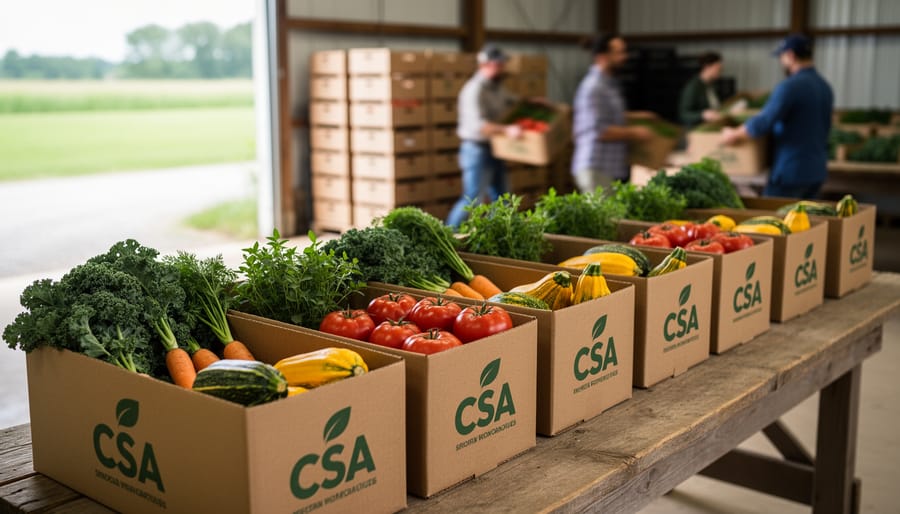
Map your harvest cycles to member demand by tracking which vegetables your CSA members actually consume each week, then adjust planting schedules two to three weeks ahead to prevent the overflow of kale in October that nobody wants. Create a simple spreadsheet linking your seed orders, transplant dates, and expected harvest windows to your weekly box commitments—this synchronized planning reduces waste by up to 40% on small farms.
Coordinate your volunteer workforce and harvest crew by establishing a weekly rhythm where Wednesday assessments determine Friday harvest needs and Monday box assembly requirements. When Sarah Chen implemented this three-day planning cycle at Riverbend Farm, she eliminated the chaos of last-minute scrambling and reduced unharvested produce waste from 25% to under 8%. The key is matching labor availability to actual crop readiness rather than hoping everything aligns on distribution day.
Balance your cash flow against seasonal production by pre-selling membership shares in winter, purchasing seeds and amendments in early spring, and maintaining a reserve fund equal to six weeks of operating expenses. This integrated financial approach—linking money in, production costs, and distribution timing—prevents the common CSA trap of being crop-rich but cash-poor during peak season.
Connect procurement decisions directly to your distribution model by ordering boxes, bags, and packaging supplies based on confirmed member counts plus 10% buffer, not optimistic projections. Sync these orders with your planting calendar so materials arrive two weeks before first harvest, ensuring your supply chain flows smoothly from seed to member doorstep without expensive rush orders or storage headaches.
What IBP Supply Chain Actually Means for Your CSA Farm
The Three Pillars of IBP in CSA Operations
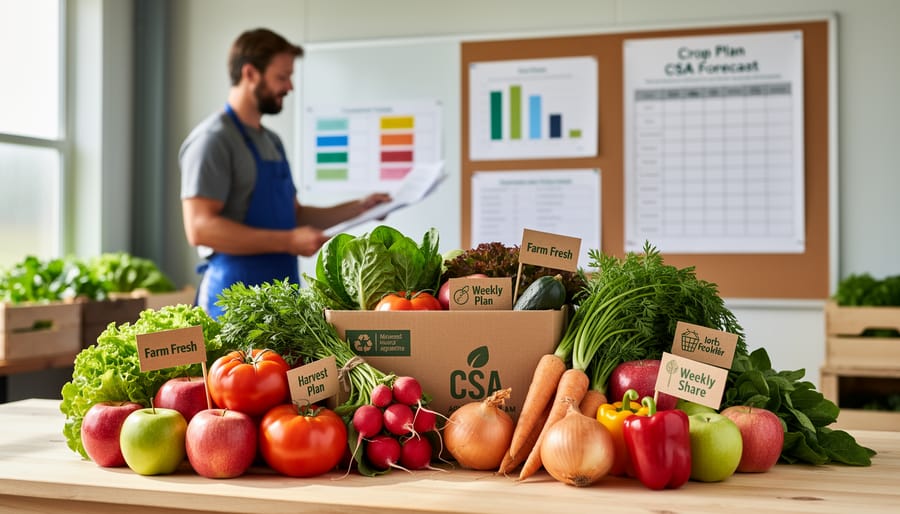
Integrated Business Planning (IBP) might sound like corporate speak, but for CSA operations, it’s really about connecting three essential elements that keep your farm running smoothly: understanding what your members want, knowing what you can grow, and getting everything delivered efficiently.
Let’s start with demand planning. This means getting to know your members’ preferences and consumption patterns. Are your shareholders asking for more leafy greens? Do families with kids prefer cherry tomatoes over beefsteak varieties? By tracking member feedback through surveys, share customization requests, and pickup conversations, you can predict what produce will be most valued. This information helps you plan your planting schedules and variety selections months in advance, reducing waste and increasing member satisfaction.
Supply planning is where your agricultural expertise shines. Unlike typical supply chains, CSA farms work with nature’s calendar. You’ll need to coordinate seasonal crop availability with your demand forecasts. This means succession planting of popular items like lettuce, managing storage crops for winter shares, and building relationships with neighboring farmers to fill gaps in your offerings. Consider implementing smart storage solutions to extend the availability of root vegetables and winter squash, bridging the gap between harvest and distribution.
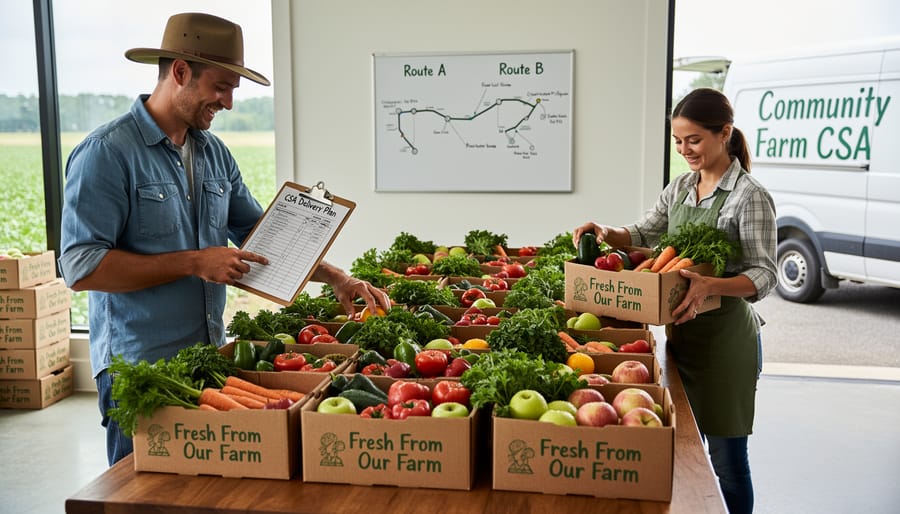
Finally, logistics coordination ties everything together. This involves planning efficient delivery routes for drop-off points, scheduling pickup times that work for members, and coordinating volunteer helpers during peak harvest. Creating a master calendar that shows when crops mature, when boxes need packing, and when deliveries occur helps prevent bottlenecks. One Ontario CSA farmer shared how mapping member locations helped reduce delivery time by 30 percent while keeping produce fresher.
Why Traditional Planning Falls Short for CSA Farms
If you’ve been running a CSA farm for even a season, you know the familiar sinking feeling. It’s early March, and you’re staring at boxes of heirloom tomato seeds—way more than you’ll ever need—because last year you ran out mid-season. Or perhaps it’s July, and your kale harvest came in two weeks earlier than planned, leaving you scrambling to adjust member boxes while summer squash sits disappointingly small on the vine.
These aren’t just minor hiccups. They’re the result of traditional planning methods that simply weren’t designed for the beautiful complexity of CSA farming. Most farmers rely on spreadsheets, gut instinct, and last year’s notes scribbled in margins. While this works to a degree, it leaves gaps that quickly become costly problems.
Overordering happens when we plan defensively, remembering that one disastrous season when blight took half the crop. Underestimating harvest timing occurs because weather patterns shift, microclimates surprise us, and succession planting schedules don’t always align with real-world conditions. Then there’s the distribution challenge—members go on vacation, request delivery changes, or want to pause their shares, and suddenly your carefully planned harvest quantities don’t match actual demand.
Managing relationships with multiple local suppliers adds another layer of complexity. Your seed company, compost provider, packaging supplier, and farmers market colleagues all operate on different timelines and minimums. Coordinating these relationships while tending crops and communicating with members often means something falls through the cracks.
The heart of the issue? Traditional planning treats farming as linear and predictable, when CSA operations are actually dynamic, interconnected systems where one change ripples through everything else. You deserve better tools that honor this complexity.
Building Your CSA’s Procurement Strategy with IBP
Seasonal Forecasting That Actually Works
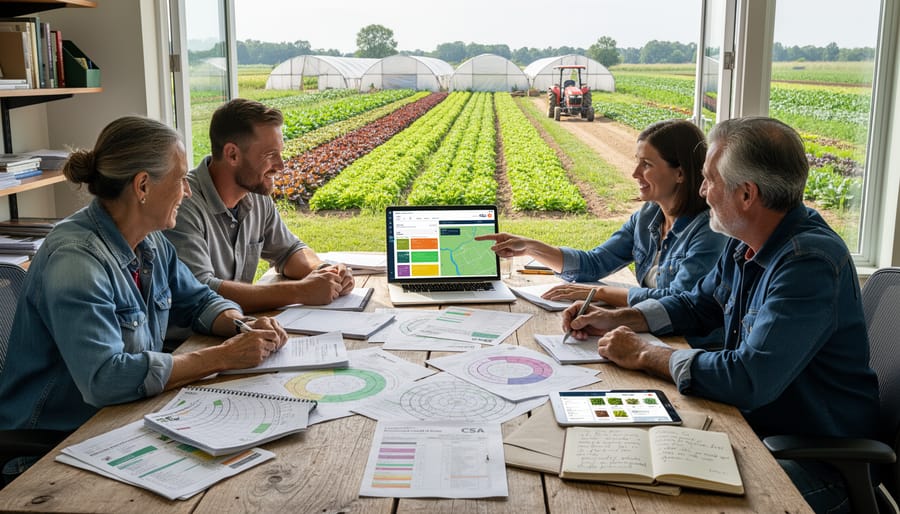
Predicting member demand doesn’t require a crystal ball—just smart use of your historical data and some agricultural intuition. Start by analyzing your past three seasons of harvest records and member orders. Notice patterns like which crops had surplus and which ran short. Sarah Martinez from Harvest Moon CSA tracks every weekly harvest alongside member preferences, discovering that her tomato demand spikes in late July, allowing her to plant accordingly.
Crop rotation planning plays a crucial role in forecasting too. Map out your rotation schedule and align it with member expectations. If lettuce follows your spring peas, factor that succession into your weekly share planning. This prevents those awkward gaps where you’re scrambling to fill boxes with purchased produce.
Building buffer inventory is your safety net against Mother Nature’s unpredictability. Plan for 15-20 percent overproduction on stable crops like root vegetables and winter squash. These store well and can compensate when weather damages your more delicate offerings. Consider investing in proper storage infrastructure, including reusable bins and crates that protect your buffer inventory.
Weather tracking apps combined with historical climate data help anticipate challenging seasons. When forecasts predict extended drought or excessive rain, adjust your planting density and variety selection accordingly. Keep detailed notes each season—your own farm’s data becomes your most valuable forecasting tool, helping you move from reactive scrambling to proactive planning that keeps members happy and reduces waste.
Strengthening Supplier Relationships
Building strong relationships with your suppliers is the backbone of successful Integrated Business Planning in your CSA operation. Start by establishing open communication channels with your local organic seed companies and neighboring farms. Set up regular check-in meetings, whether monthly or seasonal, to discuss upcoming needs, potential challenges, and harvest projections. This proactive approach helps everyone stay aligned and reduces last-minute scrambles.
Create shared planning calendars with your key suppliers that outline planting schedules, expected delivery dates, and quantity requirements. This transparency allows seed companies to ensure they have adequate inventory when you need it, and neighboring farms can coordinate their growing schedules to fill gaps in your production. One successful CSA farmer in Vermont implemented a digital shared spreadsheet system with three partner farms, resulting in a 40 percent reduction in supply delays.
Consider establishing formal agreements that outline quality standards, delivery expectations, and communication protocols. These don’t need to be overly complex, just clear enough that everyone understands their commitments. Include specific details about organic certification requirements, packaging preferences, and acceptable variance in order quantities.
Don’t forget the human element. Visit your suppliers’ farms, attend local agricultural events together, and celebrate shared successes. These personal connections create goodwill that becomes invaluable when unexpected challenges arise, like weather disruptions or pest outbreaks. Strong supplier relationships built on mutual respect and clear IBP coordination ensure your members receive consistent, high-quality organic produce throughout the season.
Streamlining Your Distribution and Logistics Operations
Creating Flexible Distribution Plans
Flexibility is the cornerstone of successful CSA distribution, especially when Mother Nature has other plans. Start by establishing multiple pickup windows throughout the week rather than a single rigid timeframe. This approach accommodates member schedules while giving you breathing room when unexpected weather delays harvesting.
Consider creating tiered distribution points based on member density. Community hubs like farmers markets, local businesses, or member homes can serve as satellite locations, reducing individual farm trips and building community connections. When implementing this strategy alongside optimizing delivery routes, you’ll save precious hours during peak season.
Communication is everything when plans shift. Develop a simple notification system using email, text messages, or a members-only app to announce changes quickly. Be transparent about why adjustments happen—members appreciate understanding the realities of farming. One Vermont farmer shares boxes adjusted for unexpected frost damage by explaining the situation and offering recipe suggestions for available crops, turning potential disappointment into an educational moment.
Build buffer stock arrangements with neighboring farms for crop shortages, creating a support network that benefits everyone while maintaining your organic standards.
Real-World Success: How Green Valley Farm Transformed Their Operations
When Sarah Chen took over Green Valley Farm five years ago, she inherited a beautiful 15-acre property and a passionate vision for connecting her community with fresh, organic produce. What she didn’t anticipate was the chaos that came with managing a 120-member CSA operation.
“I was constantly scrambling,” Sarah recalls. “We’d have gorgeous tomatoes rotting because I planted too many, while members complained about not getting enough greens because I underestimated demand. My cooler was a disaster, and I was working 80-hour weeks just trying to keep up.”
Sound familiar? Sarah’s challenges mirror what many small CSA farmers face: the juggling act of planning what to grow, coordinating harvests, and delivering consistent weekly boxes without breaking the bank or your back.
The turning point came when Sarah started implementing some straightforward organizational systems. First, she created a simple planning calendar that connected three critical pieces: what members wanted based on surveys and past preferences, what would actually grow well during each season, and what resources she had available like labor, water, and field space.
“I started treating my farm like the business it is, without losing the heart of it,” she explains. She began tracking which crops members raved about and which vegetables consistently ended up in the compost bin at pickup sites. This data informed her planting decisions for the following season.
Sarah also established weekly planning sessions every Sunday evening. She’d review the upcoming week’s harvest schedule, check her inventory, and coordinate with her two part-time workers. This simple habit eliminated the morning panic of not knowing what needed picking or packing.
The results speak volumes. Within two years, Green Valley reduced food waste by 40 percent. Member retention jumped from 65 to 88 percent, largely because boxes became more consistent and aligned with what people actually wanted to eat. Perhaps most importantly, Sarah’s profit margins improved by 30 percent, allowing her to pay workers better wages and finally take a day off each week.
“I’m not working harder; I’m working smarter,” Sarah says. “And my members notice the difference. They’re getting better produce, more variety, and they see that I’m sustainable in more ways than one, including financially and personally.”
Getting Started: Simple Steps to Integrate IBP into Your CSA
Tools and Resources for Small-Scale Operations
Getting started with integrated business planning doesn’t require expensive enterprise software or a degree in supply chain management. Many CSA farmers successfully coordinate their operations using simple, practical tools that fit their budget and technical comfort level.
Start with what you already have: spreadsheets. Google Sheets or Excel can handle inventory tracking, harvest planning, and member distribution lists effectively. Create separate tabs for crop planning timelines, expected yields, and weekly harvest projections. The beauty of spreadsheets is their flexibility—you can customize them to match your farm’s unique rhythm and crops.
For farmers ready to step up, affordable farm management software like Tend, Farmbrite, or Local Line offers CSA-specific features without overwhelming complexity. These platforms typically range from free to under $50 monthly and help automate member communications, track harvest quantities, and manage subscription renewals. Take advantage of free trials to find what feels intuitive for your operation.
Don’t overlook community resources either. Many agricultural extension offices offer free workshops on farm business planning, and connecting with other CSA farmers through local farming networks can provide invaluable shared knowledge. One Vermont farmer I spoke with credits her farm’s improved efficiency to a simple planning template she discovered at a county farming cooperative meeting.
Remember, the goal isn’t perfect software—it’s having systems that help you make better decisions about what to plant, when to harvest, and how to communicate with your members. Start simple, track what matters most to your operation, and adjust as you grow.
If you’ve been worried that Integrated Business Planning sounds too corporate for your CSA farm, here’s the truth: IBP isn’t about turning your farm into a soulless operation. It’s simply about bringing intention and coordination to the beautiful chaos that is community-supported agriculture. You’re already doing much of this work—checking weather forecasts before planting, estimating harvest quantities for your members, coordinating delivery schedules. IBP just gives you a framework to do it more effectively.
The best part? You don’t need to overhaul everything overnight. Start small. Maybe this season, you create a simple spreadsheet connecting your planting calendar with member preferences. Next season, you might add a basic inventory tracking system. Small steps compound into significant improvements over time.
Remember that sustainable farming and smart planning aren’t opposites—they’re partners. When you reduce waste through better forecasting, coordinate your harvests more efficiently, and communicate clearly with your members, you’re actually strengthening the sustainable values that drew you to CSA farming in the first place. You’re honoring the land, your labor, and your community’s investment in local food.
Ready to take the next step? We’d love to hear about your planning challenges and victories. What systems are working on your farm? Where do you struggle with coordination? Share your experiences in the comments below, or explore more resources on sustainable farm management. Your journey toward more intentional farming operations starts with a single, thoughtful step.