
Why Whole Animal Butchery Connects You to Real Food (And Where to Experience It)
 darrell on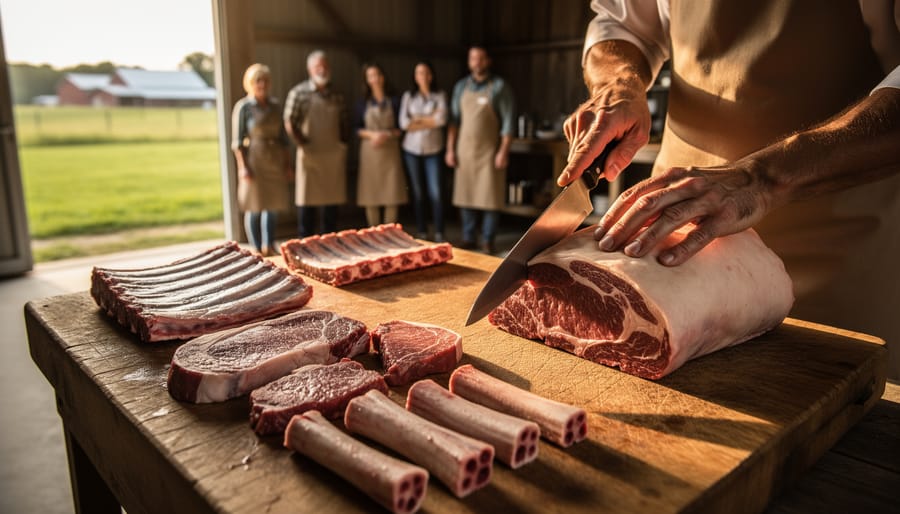
Whole animal butchery transforms your relationship with meat by connecting you directly to where your food comes from and honoring every part of the animal. When you participate in a farm-to-table butchery experience, you’re learning an ancient craft that reduces waste, supports local farmers, and ensures no protein goes unused—from premium cuts to organ meats and bone broth ingredients.
These hands-on workshops teach you to break down a whole pig, lamb, or beef into recognizable cuts while understanding muscle groups, proper knife techniques, and storage methods. You’ll leave with knowledge about which cuts work best for different cooking methods, how to save money by buying directly from farms, and the confidence to request custom cuts from your local butcher.
The sustainability impact is significant. Industrial meat processing often discards 30-40% of each animal, while whole animal butchery utilizes nearly everything. This approach supports farmers who raise livestock humanely on pasture, creating a transparent supply chain where you know exactly how your meat was raised, what the animals ate, and how they were processed.
Beyond the practical skills, these experiences build community connections. You’ll meet farmers who prioritize animal welfare, fellow food enthusiasts committed to ethical eating, and educators passionate about reviving traditional food crafts. Many participants discover that understanding the full process—though sometimes challenging emotionally—deepens their gratitude and mindfulness around meat consumption, leading to more intentional choices about quality over quantity.
What Whole Animal Butchery Really Means
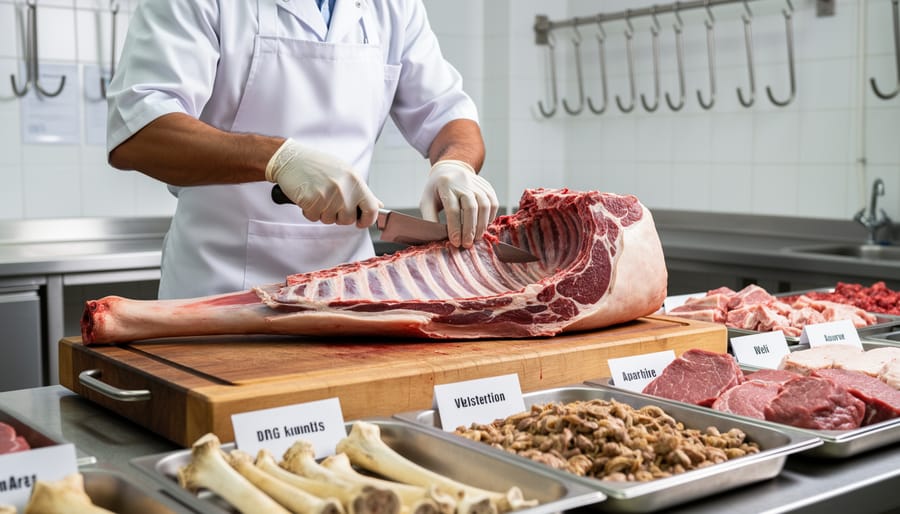
Whole animal butchery represents a return to traditional meat processing methods where skilled craftspeople break down entire animals into various cuts, using virtually every part from nose to tail. Unlike conventional meat processing, which typically involves centralized facilities that reduce animals to standardized, plastic-wrapped portions, whole animal butchery happens on a smaller scale with deep attention to the unique qualities of each animal. This approach requires extensive knowledge of anatomy, blade skills, and an understanding of how different muscles and parts can be transformed into everything from premium steaks to flavorful sausages, bone broths, and rendered fats.
The philosophy behind this practice centers on honoring the animal’s life by ensuring nothing goes to waste. When a farmer raises livestock humanely on pasture and a butcher commits to utilizing the entire animal, it creates a circle of respect and responsibility. Organs become pâtés, bones turn into nutrient-rich stock, trim becomes ground meat or charcuterie, and even fat serves valuable culinary purposes.
This practice connects directly to sustainable agriculture principles by supporting small-scale farmers who prioritize animal welfare and environmental stewardship. When you purchase a quarter or half animal from a local farm, you’re participating in a food system that values quality over quantity and relationship over anonymity. The butcher becomes an educator, helping consumers understand different cuts and cooking methods, while farmers can receive fair compensation for their careful work.
Learning whole animal butchery takes time and dedication. Many passionate individuals now seek apprenticeships at local butcher shops or attend hands-on workshops at farms, discovering skills that were once passed down through generations. This revival strengthens local food systems and helps communities reconnect with where their meat truly comes from.
The Farm-to-Table Connection: Why It Matters
Supporting Local Farmers and Economies
When you purchase a whole animal directly from a local farm, you’re making a meaningful investment in your community’s agricultural economy. Unlike conventional meat purchasing where farmers receive only a fraction of retail prices, whole-animal buying ensures producers receive fair compensation for their work. This direct relationship means farmers can sustain their operations, invest in sustainable livestock practices, and continue providing quality meat to their communities.
Consider Sarah Chen, a small-scale rancher in Ontario who nearly closed her operation five years ago. By partnering with local butchers to offer whole-animal purchases, she now serves 40 families annually, earning enough to expand her pasture-raised herd while implementing rotational grazing techniques that improve soil health.
This purchasing model also reduces financial pressure on farmers to maximize production at the expense of animal welfare. With guaranteed sales and fair prices, producers can focus on quality over quantity, raising animals humanely on pasture and avoiding factory farming shortcuts. Your decision to buy whole animals creates a ripple effect, strengthening local food systems and encouraging more farmers to adopt ethical, environmentally responsible practices.
Environmental Impact You Can Feel Good About
When you choose whole animal butchery from local farms, you’re making a choice that ripples positively through the environment. Unlike conventional meat that travels thousands of miles through multiple facilities, locally raised and processed animals dramatically reduce transportation emissions. Research confirms that local production offers environmental benefits across multiple measures.
Pastured animals play a surprisingly beneficial role in ecosystem health. As they graze, their hooves naturally aerate soil, while their manure returns vital nutrients to the earth. This creates a regenerative cycle that builds topsoil rather than depleting it. Well-managed grazing operations also support biodiversity by maintaining diverse plant communities and providing habitat for native species.
Small-scale farms practicing whole animal butchery typically embrace rotational grazing and responsible land stewardship. These farmers view their animals as partners in soil health rather than commodities to maximize. The result is healthier pastures, reduced erosion, and farmland that actually captures carbon rather than releasing it. By supporting these farms, you’re investing in agricultural practices that leave the land better than they found it.
What to Expect at a Whole-Animal Butchery Experience
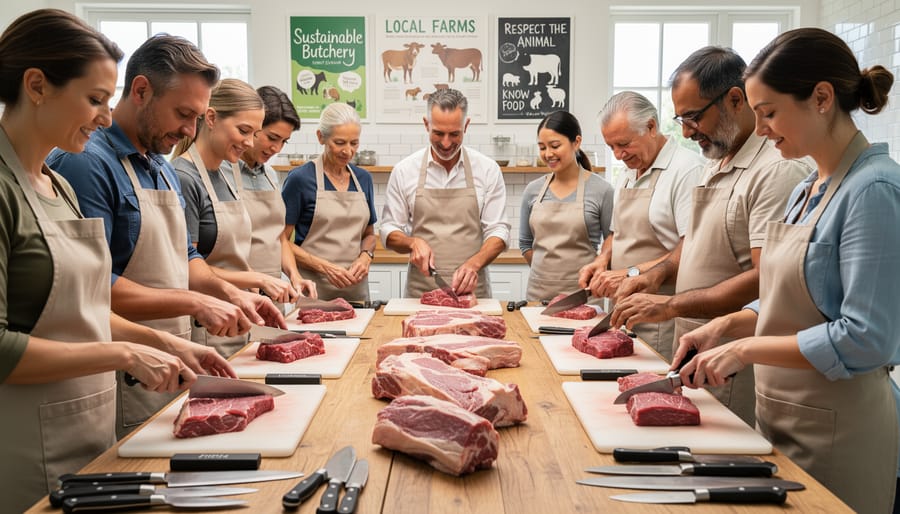
Stepping into a whole-animal butchery workshop offers a transformative journey that connects you directly with the source of your food. These intimate, hands-on sessions typically take place in working farm settings or dedicated teaching facilities, where small groups gather around a carefully prepared workspace. The atmosphere strikes a balance between educational and reverent, acknowledging both the skill involved and the animal that made the learning possible.
Most workshops begin with introductions and a discussion about the animal’s life, the farm’s practices, and the philosophy behind nose-to-tail butchery. Instructors—often experienced farmers, butchers, or chefs—create a welcoming environment where questions are encouraged and no prior experience is assumed. The space itself usually features proper equipment, refrigeration, and safety gear, ensuring participants can focus on learning rather than logistics.
A typical session unfolds through these stages:
- Welcome and safety briefing covering proper knife handling, workspace organization, and hygiene protocols
- Educational overview explaining anatomy, muscle groups, and how different cuts suit various cooking methods
- Demonstration by the instructor breaking down primary sections and revealing the animal’s structure
- Hands-on practice where participants work individually or in pairs to separate specific cuts under guidance
- Discussion about utilizing every part, from organ meats to bones for stock
- Packaging session where participants prepare their portions to take home, often receiving recipe suggestions
Throughout the experience, instructors share stories about their farming journey, seasonal challenges, and why they’ve committed to sustainable practices. These personal narratives add depth to the technical skills being taught, helping participants understand the broader context of ethical meat production.
The learning process moves at a comfortable pace, with plenty of time for observation before attempting techniques yourself. Expect moments of uncertainty mixed with genuine accomplishment as you master new skills. Many participants describe feeling more connected to their food choices afterward, understanding the work and respect involved in bringing meat to their tables.
These workshops complement other farm tours and experiences, offering deeper engagement with sustainable agriculture. You’ll leave with practical knowledge, properly butchered cuts, and often newfound appreciation for the farmers and butchers who do this work daily.
Skills You’ll Learn and Cuts You’ll Discover
A whole-animal butchery workshop transforms your relationship with meat, teaching you skills that go far beyond what you’d find in a supermarket aisle. These immersive sessions guide participants through the complete breakdown of an animal, revealing the craftsmanship behind every cut and helping you understand exactly where your food comes from.
You’ll learn fundamental knife skills, including proper sharpening techniques and the essential cuts needed to navigate bone, muscle, and connective tissue safely and efficiently. Instructors demonstrate how to identify different muscle groups and explain why certain cuts suit specific cooking methods. Through these hands-on cooking skills, you’ll gain confidence working with whole cuts and develop an intuitive understanding of meat quality.
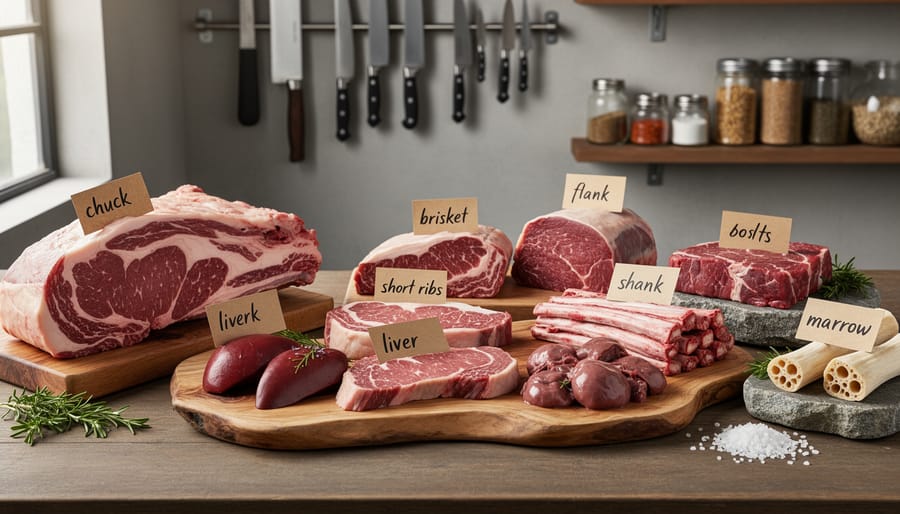
The real treasure lies in discovering cuts you’ve probably never seen packaged at the grocery store. Many workshops introduce participants to bavette steak, a flavorful cut from the flank that rivals expensive options when prepared correctly. You’ll encounter the teres major, often called the shoulder tender, which delivers exceptional taste at a fraction of premium prices. Collar cuts, cheeks, and various organ meats each offer unique flavors and textures that add diversity to your cooking repertoire.
Learning to utilize lesser-known cuts means less waste and better value. Workshop participants often share success stories about transforming tough cuts like shanks into rich, tender braises or making their own ground meat blends tailored to specific recipes. You’ll discover how to prepare stocks from bones, render fat for cooking, and cure simple charcuterie at home.
This knowledge empowers you to communicate confidently with local farmers and butchers, requesting specific cuts and understanding fair pricing. Rather than feeling limited by pre-packaged options, you’ll approach meat purchasing with creativity and purpose, making choices that honor both the animal and your commitment to sustainable, transparent food systems.
Finding Farm-to-Table Butchery Experiences Near You
Finding local whole animal butchery experiences has become easier as more farms and food artisans recognize the growing interest in hands-on meat education. Your journey to discovering these unique opportunities starts closer to home than you might expect.
Community Supported Agriculture (CSA) farms often lead the way in offering educational programs beyond weekly vegetable boxes. Many CSAs that raise livestock host seasonal butchery workshops where members can learn traditional cutting techniques while gaining appreciation for every part of the animal. These intimate farm experiences create meaningful connections between eaters and their food sources, transforming abstract concepts of sustainability into tangible skills.
Specialty butcher shops in your area may offer weekend classes covering everything from basic knife skills to advanced charcuterie. These urban and suburban learning spaces make whole animal butchery accessible even if you don’t have direct farm access. Call ahead to ask about their educational calendar, as many shops schedule workshops around seasonal meat availability.
To locate these valuable experiences in your region, try exploring:
- Local farmers markets where you can speak directly with livestock farmers about upcoming demonstrations
- County agricultural extension offices that maintain directories of farm education programs
- Online platforms dedicated to farm experiences and sustainable food workshops
- Social media groups focused on homesteading and local food systems in your area
Don’t overlook the power of direct conversation. Many small-scale farmers who practice whole animal butchery host private workshops but don’t advertise widely. Strike up conversations at markets, join farm tours, and let farmers know you’re interested. These personal connections often lead to the most rewarding educational experiences, where you’ll learn not just techniques but the stories and philosophy behind ethical meat production.
Success Stories: Farmers and Butchers Making It Happen
Across North America, passionate farmers and butchers are revolutionizing how we think about meat by bringing whole-animal butchery back to local communities. These farmers’ stories showcase diverse approaches united by a common commitment to sustainability and education.
In Vermont’s Green Mountains, Sarah Chen transformed her family’s sheep farm into a hands-on learning destination. After struggling to find processors who valued every cut, she became a certified butcher herself. Now she hosts quarterly workshops where participants learn to break down whole lambs while discovering how nose-to-tail eating reduces waste. “People leave understanding that a lamb is more than just chops,” Sarah explains. “They take home cuts they’ve never tried and recipes that honor the whole animal.” Her waiting list extends six months, and her community has seen three new farm-to-table restaurants emerge from workshop alumni.
Meanwhile, in rural Oregon, fourth-generation rancher Miguel Rodriguez partners with a traveling butcher collective that serves multiple small farms. Together, they offer mobile butchery demonstrations at farmers markets, turning education into entertainment. Miguel raises heritage-breed cattle on rotational pastures and believes transparency builds trust. “When customers see the skill and respect involved in butchery, they understand why whole-animal purchases support better farming,” he notes. His model has inspired neighboring farms to coordinate community meat shares, making whole-animal buying more accessible.
In Ontario, Emma and James Foster run educational farm stays where guests participate in ethical livestock management and butchery basics. Their approach emphasizes the connection between pasture health, animal welfare, and meat quality. Visitors return home as ambassadors for sustainable agriculture, often starting their own buying clubs.
These innovators prove that whole-animal butchery creates ripple effects beyond individual farms, building food-literate communities invested in sustainable agriculture.
Making the Most of Your Whole Animal Purchase
Attending a whole animal butchery workshop often inspires people to take the leap and purchase directly from local farms. But before you commit to a whole or half animal, there’s some practical groundwork to cover. Let’s walk through what you need to know to make this sustainable choice work beautifully for your household.
First, assess your freezer situation. A quarter beef requires approximately 4 cubic feet of freezer space, while a half needs around 8 cubic feet, and a whole animal demands 16 cubic feet or more. If you don’t have a chest freezer, consider it a worthwhile investment—many farmers say it’s the single best purchase they made for their sustainable eating journey. Alternatively, split your order with friends, family, or neighbors who share your values about ethical meat sourcing. This creates community connections while making the financial commitment more manageable.
Speaking of variety, you’ll receive cuts you might not normally purchase—from premium steaks to ground meat, roasts, organ meats, and soup bones. This diversity is actually a gift that encourages culinary creativity and nose-to-tail eating. Start meal planning around your cuts rather than shopping for specific recipes. Dedicate time to learning new cooking methods for unfamiliar cuts—slow-braising tougher cuts yields incredibly flavorful meals, while organ meats pack exceptional nutrition. Many farmers provide cut sheets explaining each piece and cooking recommendations, turning your freezer into an adventure in sustainable gastronomy.
Embracing whole animal butchery experiences offers far more than just learning to cut meat—it creates a profound shift in how we relate to our food. These hands-on opportunities transform us into conscious consumers who understand the true value of every cut, the effort behind sustainable farming, and the responsibility that comes with eating meat. By participating in these workshops, you’re directly supporting farmers who prioritize animal welfare and environmental stewardship, helping build a more resilient local food system.
The journey from whole animal to table reconnects us with traditions nearly lost in our modern convenience culture. You’ll gain practical skills, deepen your appreciation for quality ingredients, and join a growing community committed to transparency in food production. Whether you’re already shopping at farmers markets or just beginning to explore sustainable options, seeking out butchery classes near you is a powerful next step.
Start by reaching out to local farms, culinary schools, or meat CSAs in your area. Ask questions, get your hands dirty, and don’t be intimidated by the learning curve. Every expert butcher started exactly where you are now. This investment in knowledge pays dividends through better meals, reduced waste, and meaningful connections with the people growing your food.