
How Many Career Pathways Are Offered at GCA? A Guide to CSA-Based Vocational Training
 darrell on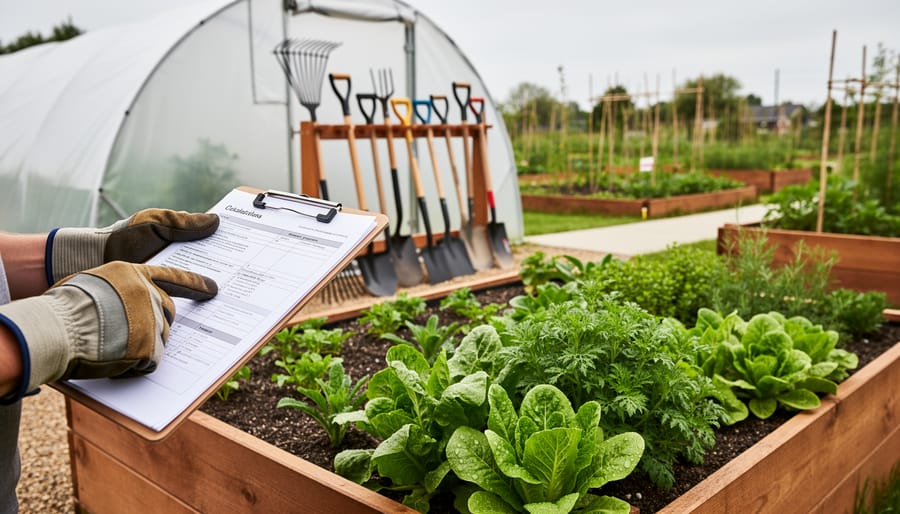
Given the lack of verified information about GCA’s specific career pathway offerings, it’s important to understand that publicly funded agricultural colleges and technical institutions across North America typically offer anywhere from a handful to several dozen specialized career tracks, though the exact number varies dramatically by institution size and focus. Without concrete details about GCA’s current 2026 program roster, the smartest approach is learning how to evaluate any agricultural training program’s career pathway options and what to look for when making this career decision.
Career pathways in sustainable agriculture and community-supported agriculture (CSA) programs have evolved significantly. Modern agricultural education institutions recognize that tomorrow’s food systems need professionals trained in everything from organic crop production and soil science to farm business management, food distribution logistics, and community engagement. The best programs don’t just teach you to grow vegetables. They prepare you for the business realities of running a profitable, sustainable operation.
When researching any specific institution, you’ll want to look beyond just the number of pathways offered. What matters more is whether those tracks align with your goals. Are you drawn to hands-on field production? Farm-to-table entrepreneurship? Agricultural technology and innovation? Sustainable land stewardship? Each pathway should offer clear outcomes, experienced instructors with real farming backgrounds, and connections to the local food community.
Rather than inventing details about a specific program, this guide will walk you through understanding typical CSA career training options, evaluating program quality, and finding the verified information you need to make an informed decision about your agricultural education path.
Understanding CSA-Based Career Pathways
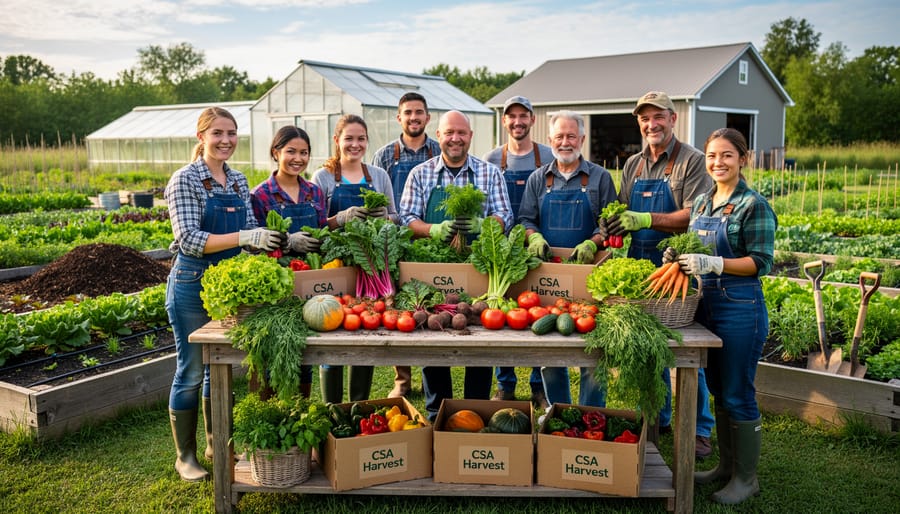
CSA-based career pathways blend the philosophy of community-supported agriculture with structured vocational training, creating a unique educational model that’s reshaping how people enter farming. Unlike traditional agricultural programs that often emphasize large-scale commodity production and industrial methods, these pathways center on direct relationships between farmers and consumers, regenerative practices, and small to mid-scale farming operations. Students learn by doing, typically spending significant time working on functioning CSA farms where they plant, harvest, sell, and interact with members who receive weekly shares of produce.
The distinction matters because CSA operations require a different skill set than conventional farming. You’re not just growing food; you’re managing memberships, coordinating weekly distributions, building customer relationships, and often diversifying crops to provide variety throughout the season. These programs teach business planning alongside soil health, marketing strategies next to pest management, and community building as much as crop rotation.
Interest in these pathways has surged as younger generations seek meaningful work aligned with environmental values. The emphasis on climate-smart CSA practices resonates with those who want careers addressing food security and ecological challenges. Additionally, CSA farms typically operate at a human scale, making farm ownership more financially accessible than purchasing conventional acreage and equipment. Training programs reflect this reality by focusing on season extension techniques, high-value specialty crops, and direct-to-consumer sales models that maximize income per acre rather than yield alone.
Typical Career Pathways in Agricultural and CSA Programs
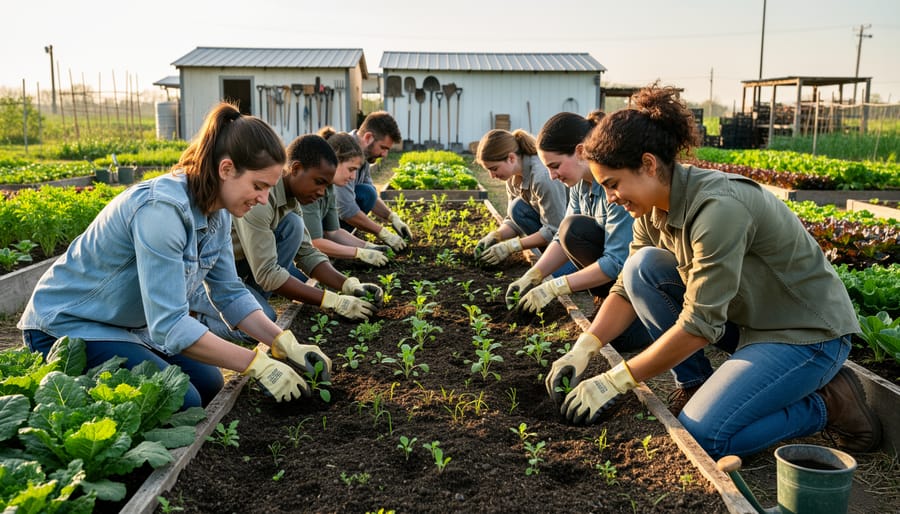
Agricultural and CSA training programs offer diverse pathways that prepare students for meaningful work in sustainable food systems. While exact offerings vary by institution, most comprehensive programs cluster around several core specializations that reflect the realities of modern ecological farming.
Organic farm management stands as the most direct route for those planning to operate their own farm or manage one for others. These pathways teach crop planning, soil health management, pest control without synthetic chemicals, and the business fundamentals needed to run a profitable operation. Students learn to balance production goals with ecological principles, mastering techniques like crop rotation, cover cropping, and integrated pest management.
Sustainable agriculture practices programs take a broader approach, examining farming systems through an environmental and social lens. This pathway explores regenerative agriculture, permaculture design, agroforestry, and climate-smart farming methods. It’s suited for those interested in farm consulting, nonprofit work, or developing innovative farming models that heal land while feeding communities.
Horticultural specializations focus on specific crop categories. Vegetable production pathways dive deep into season extension, greenhouse management, and intensive growing methods. Fruit production tracks cover orchard management, berry cultivation, and perennial systems. Herb and medicinal plant pathways attract students interested in niche markets and value-added products.
Agribusiness and farm entrepreneurship pathways address the commercial side of farming. Coursework typically includes farm business planning, marketing strategies, food safety certification, and financial management. These programs often integrate CSA farm careers as case studies, showing students how subscription-based models create stable income streams while building customer relationships.
Farm-to-market operations pathways prepare students for careers beyond production. This includes food hub coordination, farmers market management, distribution logistics, and direct marketing. Students learn cold chain management, post-harvest handling, and the regulatory requirements for selling directly to consumers or institutions.
Many programs also offer specialized tracks in livestock management, aquaponics, urban agriculture, and farm education. The breadth reflects agriculture’s evolution toward diversified, community-connected operations that create multiple revenue streams while stewarding natural resources.
How to Find Specific Program Information
Finding accurate information about career pathways at any agricultural institution requires direct inquiry rather than relying on third-party sources. Most institutions clearly outline their offerings online, but the details matter for making an informed decision about your training.
Start by visiting the institution’s official website and locate their admissions or programs section. Download available course catalogs, curriculum guides, and program descriptions. These documents typically specify the number of pathways, specialized tracks, and core competencies you’ll develop. Pay attention to whether programs focus exclusively on CSA operations or include broader agricultural training with CSA components.
Once you’ve reviewed the materials, follow this systematic approach to gather comprehensive information:
- Visit the institution’s website and download course catalogs, looking specifically for pathway names, credit requirements, and hands-on training components
- Contact admissions directly with specific questions about pathway options, asking how many distinct career tracks exist and what makes each unique
- Request to speak with program instructors who can explain the practical skills emphasized in each pathway and how they connect to employment outcomes
- Visit during open houses or farm tours to see facilities firsthand and observe whether the training environment matches your learning style
- Connect with alumni working in CSA operations who can share honest perspectives about how well the program prepared them for their careers
When evaluating program quality, ask about student-to-instructor ratios in practical settings, the acreage available for hands-on work, and whether students manage real crop production cycles. Quality CSA training involves significant field time, not just classroom theory.
Consider whether the institution offers CSA farm internships as part of their curriculum or maintains partnerships with operating farms where you’ll gain real-world experience. Programs with established farm networks provide better career transition support than those offering only on-campus training.
Don’t hesitate to request specific data: job placement rates, typical starting roles for graduates, and the percentage of alumni who launch their own CSA operations within five years of completing training.
Success Stories: Graduates Thriving in CSA Careers
Maria Torres spent two years in a hands-on sustainable agriculture program before launching Tierra Verde CSA outside Portland in 2022. What she values most from her training wasn’t the textbook knowledge but the unglamorous skills nobody talks about: managing crop rotation under time pressure, troubleshooting irrigation failures at 6 a.m., and learning to communicate harvest schedules clearly with restaurant buyers. “The program made us run a student farm like a real business,” she says. “We had quotas, we had customers, we had to make payroll decisions. That experience meant I didn’t panic during my actual first season.” Her 80-member CSA now runs year-round, and she credits the farm business management coursework with helping her price shares realistically rather than undervaluing her labor.
James Chen took a different route after completing his certificate in organic vegetable production. Rather than starting his own farm, he became production manager at a 300-acre CSA operation in Ontario’s Niagara region. His specialized training in post-harvest handling and cold storage systems made him invaluable to larger operations struggling with food safety protocols and distribution logistics. “My instructors drilled into us that keeping produce at the right temperature from field to customer is what separates thriving CSAs from failing ones,” he explains. He now oversees a team of six, manages a packing facility, and coordinates deliveries to eleven pickup locations.
Keisha Williams combined her agriculture diploma with marketing skills to carve out a hybrid career. She manages community outreach for three partner farms in North Carolina, handling their collective social media, organizing farm events, and coordinating a shared online ordering platform. The communications and customer relationship coursework in her program prepared her to translate farming expertise into content that resonates with urban members. Her work has helped the farms retain 85% of their CSA members year-over-year, well above the regional average.
Common Questions About Agricultural Career Pathways
Most people considering agricultural vocational training have similar questions about what to expect. Program structures vary widely depending on the institution and the depth of training, but understanding common patterns helps you make informed decisions about your educational path.
Do I need farming experience to enroll in agricultural programs?
Most CSA-based vocational programs welcome beginners without prior farming experience. Many programs actually prefer students who start with hands-on workshops or volunteer work to confirm their interest before committing to full training.
How long do agricultural training programs typically take?
Program length ranges from intensive weekend workshops and seasonal apprenticeships lasting a few months to comprehensive certificate programs spanning one to two years. Full degree programs at agricultural colleges typically require two to four years of study.
What certifications are most valuable for CSA careers?
Organic certification training, farm safety credentials, and sustainable agriculture certificates carry significant weight with employers and customers. Some regions also recognize specialty certifications in areas like permaculture design, livestock handling, or food safety management.
Can I work while completing agricultural training?
Many programs offer flexible scheduling that allows part-time work, and some apprenticeships include paid positions on working farms. The hands-on nature of agricultural training often blends learning with practical work experience that generates income.
Cost considerations vary substantially. Certificate programs at community colleges and agricultural institutes generally cost less than university degrees, and many farms offer work-trade arrangements where labor offsets tuition. Grants and scholarships specifically supporting sustainable agriculture education have become more common as demand for trained farmers grows.
The job outlook remains strong for graduates with practical CSA training. Small-scale organic farming continues expanding, with consumer demand for local food outpacing the supply of trained farmers in many regions. Graduates find opportunities not only running their own CSA operations but also managing farms, coordinating farmer’s markets, working in agricultural education, and consulting for sustainable food businesses.
While finding the exact number of career pathways at a specific institution requires direct contact with their admissions office, the broader landscape of CSA-based vocational training continues to expand across North America. The sustainable agriculture sector is growing, and so are the educational opportunities that support it.
If you’re serious about exploring agricultural career training, start by reaching out to programs that interest you. Ask detailed questions about their curriculum, visit their farms during open days, and talk with current students about their experiences. These conversations will give you far more insight than any brochure or website.
Before committing to a full program, consider testing the waters with weekend workshops, volunteer farm days, or seasonal internships. Many CSA farms welcome volunteers during planting and harvest seasons, giving you hands-on experience and a realistic sense of whether this work suits you. These smaller commitments let you build skills, make connections in the sustainable agriculture community, and clarify which pathway might be the right fit.
The future of sustainable food systems depends on skilled, passionate farmers and food professionals. Whether you’re drawn to crop production, farm business management, or community engagement, there’s likely a training pathway that matches your interests. Take the time to research thoroughly, and don’t hesitate to reach out to the farms and programs that inspire you.