Track every harvest from seed to delivery by recording planting dates, variety names, and field locations in a simple notebook or spreadsheet. When something goes wrong—a foodborne illness report or customer complaint—you’ll pinpoint the exact source within minutes instead of days, protecting both your members and your farm’s reputation.
Document your washing and packing procedures with timestamps and the names of everyone who handled the produce. This creates accountability and helps identify where contamination might occur. Sarah Martinez, who runs Greenfield CSA in Vermont, discovered cross-contamination in her wash station this way, preventing a potential outbreak among her 85 member families.
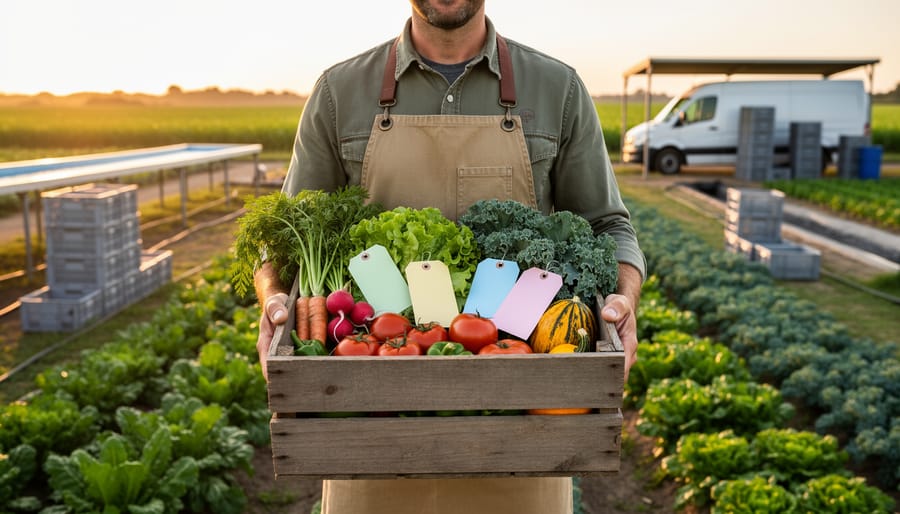
Label harvest containers with field codes and picking dates using waterproof markers or tags. This low-cost system lets you trace any item back to its origin without expensive software. If a member reports wilted lettuce, you’ll know immediately whether it came from the shaded north field or the sun-exposed south plot, helping you adjust future harvests.
Store your records for at least two years, even if it’s just photos of your field notes on your phone. Food safety investigators and insurance companies expect documentation, and these simple records demonstrate your commitment to transparency. For CSA operations, traceability isn’t just regulatory compliance—it’s a promise to members that you know exactly where their food comes from and can verify its safety journey from soil to their kitchen table.
This foundation of trust strengthens the farmer-member relationship that makes Community Supported Agriculture thrive, turning food safety from an obligation into a competitive advantage.
What Food Traceability Really Means for Your CSA
The Journey from Field to Member
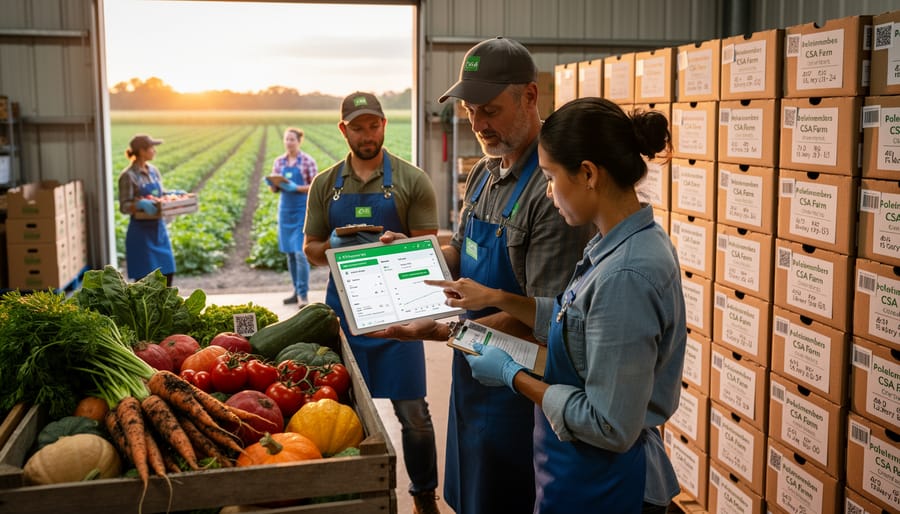
Picture this: On Monday morning, Sarah harvests crisp lettuce from Field B at sunrise, immediately logging the harvest into her simple tracking system. Each bunch gets a harvest date label before moving to the wash station, where she records the cleaning time and water source used. The lettuce then enters the cooler, tagged with its field location and pack date.
By Wednesday, those same greens arrive in your CSA box with a card showing exactly where they grew and when they were picked. If a member ever has a question or concern, Sarah can trace that specific lettuce back through every step in minutes, not days.
This journey has five critical touchpoints: planting and field records, harvest documentation, post-harvest handling, storage conditions, and distribution. At each stage, simple notes create a safety net. When small-scale farmer Miguel discovered potential irrigation issues last season, his tracking system helped him identify and notify only the affected members within hours. That’s the power of knowing your food’s story from soil to table, building trust through transparency.
Why Small Farms Need Different Solutions
Large-scale industrial operations and small CSA farms operate in completely different worlds, and their traceability needs reflect that reality. While big producers focus heavily on meeting regulatory requirements and managing complex distribution networks, CSA farms thrive on something more fundamental: direct relationships with their members.
For small farms, traceability isn’t just about documenting where food has been—it’s about strengthening the trust that already exists between farmer and consumer. When Sarah, a third-generation farmer running a 10-acre CSA in Vermont, implemented her traceability system, she found it actually deepened member engagement. “People loved seeing exactly which field their carrots came from and when they were harvested,” she shares. “It became a conversation starter at pickup, not just paperwork.”
This relationship-centered approach means CSA traceability programs can be simpler and more personal than corporate systems. Instead of scanning barcodes through multiple warehouses, you’re creating transparent records that tell your farm’s story. The goal isn’t passing audits—it’s showing your members the care and attention behind every harvest while maintaining practical food safety standards that protect everyone involved.
The Real Risks CSA Farms Face Without Traceability
When a Member Gets Sick
Picture this: One of your CSA members calls on a Tuesday morning with concerning news—they experienced food poisoning after Sunday’s dinner. Thanks to your traceability program, you can immediately trace the produce in their box back to specific harvest dates and field locations.
Within an hour, you’ve identified that their lettuce came from Field B, harvested on Friday afternoon. You quickly check your records and discover five other members received lettuce from the same batch. A prompt call to those families prevents potential illness, and you temporarily pull produce from that field while investigating the issue.
This real-world scenario shows traceability’s true value. Without detailed records, you’d face uncertainty about which members might be at risk and where the problem originated. Instead, your documentation allows swift, targeted action that protects your community while minimizing waste.
One small-scale farmer in Vermont shared how their simple tracking system—just harvest logs and member distribution lists—helped them identify contaminated washing water as the culprit when a member reported illness. They fixed the issue immediately, maintained member trust through transparency, and avoided a widespread problem. Your traceability program isn’t just paperwork; it’s your community’s safety net.
Protecting Your Farm’s Reputation
When questions arise about food safety, your traceability records become your farm’s best defense. Think of documentation as your insurance policy—it demonstrates that you’ve taken every reasonable precaution to keep your members safe and their food secure.
Imagine this scenario: A member calls concerned about potential contamination they heard about on the news. With solid traceability records, you can quickly check your sources, identify exactly which batches were delivered to whom, and provide reassuring answers within hours. This rapid response shows professionalism and builds confidence that you’re managing your operation responsibly.
Sarah Martinez, who runs a 75-member CSA in Vermont, experienced this firsthand when a regional spinach recall made headlines. “My members were understandably worried,” she recalls. “Because I could immediately trace my spinach to a completely different supplier and show them my washing and handling logs, everyone felt reassured. Several members later told me the incident actually strengthened their trust in our farm.”
Your records prove due diligence if regulatory agencies ever investigate an incident. They show you’re following best practices, maintaining proper storage temperatures, and sourcing from reliable suppliers. This documentation protects both your legal standing and your community relationships.
Beyond crisis management, transparent traceability practices demonstrate your commitment to member safety year-round. Consider sharing simplified summaries of your tracking system in newsletters or farm tours. When members understand the care behind their food, they become your strongest advocates, helping protect and enhance your farm’s reputation through word-of-mouth recommendations.
Building Your CSA Food Traceability Program Step-by-Step
Start with What You Already Track
Good news—you probably already have the foundation for a solid traceability program! Most CSA farmers keep planting records, harvest logs, and distribution lists as part of their regular operations. These simple documents are your building blocks.
Start by gathering what you’re already tracking. Your planting calendar that notes when you seeded those heirloom tomatoes? That’s traceability data. The clipboard where you jot down harvest dates and quantities? Perfect. Even basic spreadsheets listing which members received produce from specific beds can become invaluable tracking tools.
The key is organizing this information so you can connect the dots from field to member. One successful farmer I know simply started dating her harvest baskets and keeping a quick log of which beds she picked from each morning. When a member had a question about their produce, she could trace it back within minutes.
You don’t need fancy software or complicated systems right away. Begin with your current records, add a few consistent details like bed numbers or planting dates, and you’ll be surprised how much traceability you’ve already built into your daily routine.
Creating Simple Tracking Systems
Starting a traceability system doesn’t require expensive software or complicated processes. The key is finding methods that fit naturally into your farm routine and actually get used consistently.
Begin with batch numbering—a simple yet powerful tool. Assign each harvest a unique identifier, like “TOM-071524” for tomatoes picked on July 15, 2024. Write this code on your harvest board and record where the produce goes. This creates an instant connection between field and customer if questions arise later.
Harvest date labels are equally straightforward. Use waterproof markers on washable harvest bins and crates, or invest in a small label maker for professional-looking tags. Many successful CSA farmers keep a basic harvest log—just a notebook where they jot down what was picked, from which beds, and any notable observations like weather conditions.
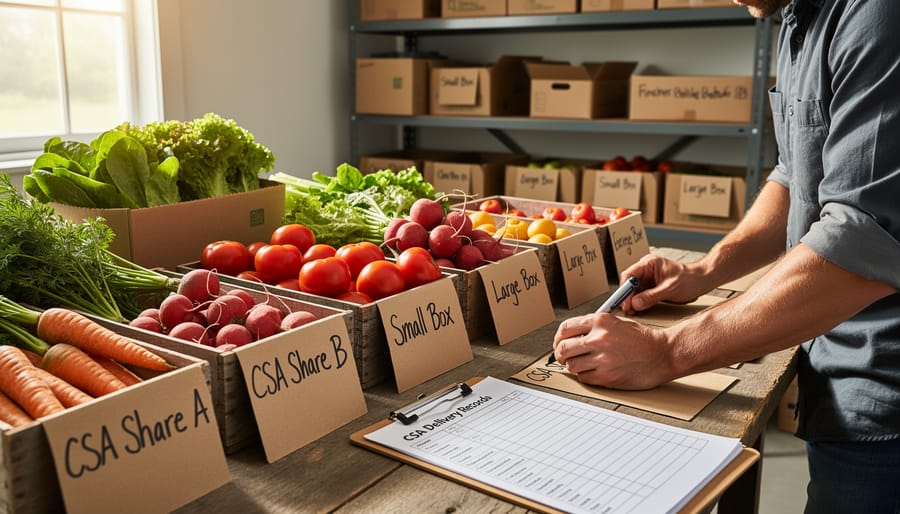
For share box documentation, maintain a weekly record of what went into each box. A simple spreadsheet works perfectly, listing the date, box contents, and batch numbers. Some farms photograph their packed boxes as visual records—quick, easy, and surprisingly helpful.
Digital options include free apps like Google Sheets for cloud-based tracking accessible from your phone in the field, or affordable farm management software that grows with your operation. Even a dedicated email folder where you forward notes to yourself creates a searchable timeline.
The best system? The one you’ll actually use every week. Start simple, stay consistent, and add complexity only as needed.
Training Your Farm Team
Getting everyone on your farm invested in traceability doesn’t have to feel like pulling weeds on a hot day. Start by explaining the “why” behind tracking—share how one small farm avoided a costly recall because their records quickly proved their produce wasn’t involved in a regional contamination scare. Real stories resonate with people.
Make the system foolproof by keeping it simple. Provide laminated quick-reference cards that volunteers can clip to their belts, showing exactly what information to record and where. Create a central logging station with clearly labeled bins, clipboards, and harvest sheets that are hard to mess up.
Schedule a relaxed training session during a slower farm day. Walk through each step together, from field to cooler, letting team members practice with real scenarios. Consider appointing a “traceability champion” among your regular volunteers—someone enthusiastic who can answer questions and maintain consistency when you’re juggling other farm tasks.
Celebrate wins along the way. When your team completes their first month of flawless record-keeping, acknowledge their effort with a farm lunch or early harvest shares. Positive reinforcement transforms traceability from a chore into a source of pride, showing your crew they’re protecting both customers and the farm’s reputation.
Essential Records Every CSA Should Keep
Pre-Harvest Documentation
Think of pre-harvest documentation as your farm’s memory bank—it captures the story of each crop from the very beginning. Start by recording your seed sources, whether you’re purchasing certified organic seeds from trusted suppliers or saving seeds from previous harvests. Note the variety names and lot numbers when available, as this information becomes crucial if questions arise later.
Document planting dates for each bed or field section. This simple practice helps you track crop timing and connects harvest dates back to specific growing periods. Many successful CSA farmers use garden journals or simple spreadsheets to keep this information organized and accessible.
Your field location records should identify where each crop grows, using a numbering system or map that works for your farm’s layout. Even a hand-drawn map with labeled beds works perfectly for smaller operations.
Recording amendments and inputs is equally important. Track what you add to your soil—compost, cover crops, organic fertilizers—along with application dates and quantities. This creates a complete picture of your growing practices and demonstrates your commitment to organic methods. Keep receipts and product labels from any purchased inputs, as these verify your organic compliance and provide product traceability if needed.
Harvest and Post-Harvest Tracking
Once your beautiful produce is picked, the real detective work begins! Recording harvest dates isn’t just about checking boxes—it’s your safety net if questions arise down the road. At Green Meadow Farm, they discovered this firsthand when a member asked about their tomatoes’ picking date; their simple harvest log provided the answer in seconds, building trust instantly.
Start by documenting who harvested each crop and when. Include handler names throughout the process—from field to wash station to packing shed. This creates a clear chain of responsibility that protects both you and your members. Many successful CSA farmers use basic smartphones to snap photos of harvest batches with date stamps, making record-keeping effortless.
Washing procedures deserve special attention in your storage conditions documentation. Note water sources, sanitizing methods, and any cooling steps. One farmer shared how tracking her triple-wash system helped her confidently explain her food safety practices to new members, turning skeptics into loyal supporters.
Your post-harvest tracking should include temperature logs for coolers, humidity levels, and how long produce stays in storage before distribution. Finally, maintain distribution records showing which members received which harvest batches. Simple spreadsheets work perfectly—no fancy software needed! This complete trail from soil to doorstep demonstrates your commitment to transparency and quality.
Tools and Resources That Make Traceability Easier
Good news: you don’t need expensive software to run an effective traceability program! Many successful CSA farmers start with simple tools and upgrade only when their operations grow.
Spreadsheets remain the workhorse for small farms. Google Sheets or Excel can track everything from seed sources to harvest dates to member deliveries. The beauty of spreadsheets is their flexibility—you can customize them exactly to your needs. Create templates for planting records, harvest logs, and distribution sheets that link together. Plus, cloud-based options like Google Sheets let you update records from your phone right in the field.
For farms ready to step up, several affordable farm management platforms offer traceability features without breaking the bank. Tend, Farmbrite, and Farmigo range from $20-50 monthly and include harvest tracking, inventory management, and member communication tools. These platforms automatically create the connections between planting and distribution that you’d otherwise track manually.
The Green Meadow CSA in Vermont started with a simple notebook system before moving to spreadsheets in year three. “We only upgraded to farm software when we hit 75 members,” shares farmer Maria Chen. “The spreadsheets worked perfectly until then, and the transition was smooth because we’d already organized our thinking.”
Free resources matter too. The USDA offers downloadable traceability templates specifically designed for small farms. Your local extension office often provides customized forms and can help you set up systems at no cost.
The right tool depends on your farm size and comfort with technology. Farms under 30 members often thrive with spreadsheets. Between 30-100 members, affordable software starts saving significant time. Whatever you choose, consistency in using it matters far more than sophistication. Start simple, stay organized, and upgrade when the benefits clearly outweigh the learning curve.
Success Story: How One CSA Farmer Turned Traceability Into a Marketing Advantage
When Sarah Mitchell started her 40-member CSA outside Portland, Oregon, she never imagined that tracking her vegetables from seed to harvest would become her farm’s biggest selling point. But that’s exactly what happened when she implemented a simple traceability program three years ago.
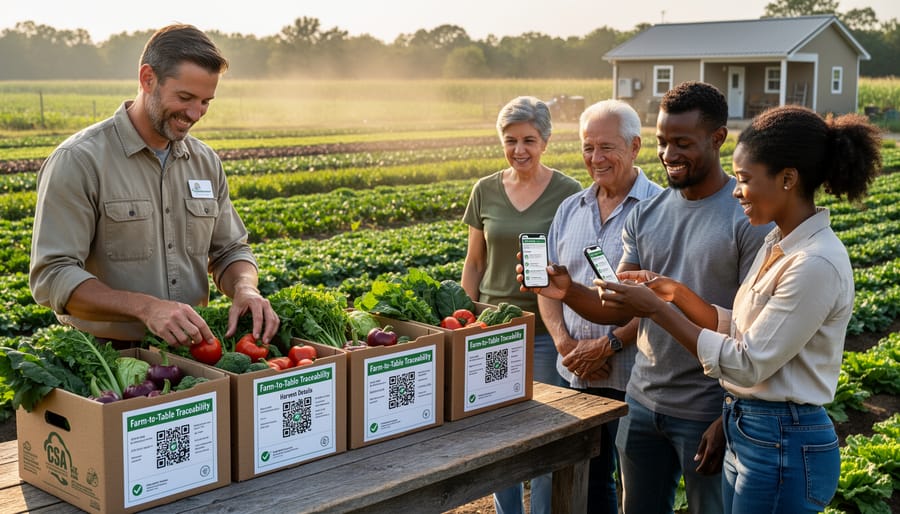
Sarah began by assigning lot numbers to each planting and keeping digital records of varieties, planting dates, and harvest information. She created QR codes that members could scan at the farm pickup location to learn the story behind their weekly share. Each code revealed which field grew their tomatoes, when they were planted, and even photos from different growth stages.
The response surprised her. Members started sharing the QR code information on social media, posting photos of their vegetables alongside the farm stories. Parents told Sarah their kids were more excited to eat carrots after seeing pictures of the seeds being planted. New subscribers mentioned the transparency as a key reason they chose her CSA over others.
Within one season, Sarah’s waiting list doubled. She attributes this growth directly to the trust her traceability program built. When a local news story covered concerns about produce recalls at grocery stores, several people specifically mentioned feeling safer knowing exactly where their CSA food came from.
Sarah’s program didn’t require expensive software or complicated systems. She uses a simple spreadsheet, her smartphone camera, and free QR code generators. The weekly time investment is about two hours, which she considers minimal compared to the marketing value it provides. Her advice to other farmers? Start small, stay consistent, and let your transparency speak for itself.
Common Traceability Mistakes (And How to Avoid Them)
Starting a traceability program can feel overwhelming, but avoiding a few common mistakes will save you time and frustration. Many CSA farmers initially over-complicate their systems, creating elaborate spreadsheets or purchasing expensive software they don’t actually need. Remember, your program should fit your farm’s size and operations. A simple notebook system or basic digital template often works perfectly for smaller CSAs. Start with the essentials: what you grew, where it came from, and who received it.
Inconsistent record-keeping is another frequent pitfall. Life gets busy during harvest season, and it’s tempting to tell yourself you’ll log everything later. Unfortunately, “later” often means forgotten details. Sarah Chen, who runs a 40-member CSA in Oregon, learned this the hard way during her first season. She now keeps a waterproof clipboard in her harvest bins and records information immediately. Her tip? Make it so easy you can’t skip it.
Many farmers also underestimate the importance of communicating their traceability efforts to members. Your customers value transparency, but they won’t know about your careful record-keeping unless you tell them. Share your traceability practices in newsletters, farm tours, or member orientations. Explain how you track their food from seed to share box. This builds trust and helps members appreciate the care behind their produce.
Finally, don’t let perfectionism paralyze you. An imperfect system that you actually use beats a perfect system gathering dust. Start simple, stay consistent, and adjust as you learn what works for your unique operation.
Starting a food traceability program doesn’t have to be overwhelming. Remember, you don’t need fancy software or complex systems to make a real difference. Begin with something as simple as a notebook where you record harvest dates and field locations, then build from there as your confidence grows. Many successful CSA farmers have shared that their traceability journey started with just basic record-keeping that evolved over time into more comprehensive systems.
The heart of traceability isn’t about paperwork or compliance – it’s about showing your members that you genuinely care about their safety and trust. Every record you keep, every detail you track, strengthens the connection between your farm and the families you feed. It demonstrates your commitment to transparency and quality, values that resonate deeply with your community.
Think of traceability as an investment in your farm’s future. It protects your business, builds member confidence, and positions you as a professional grower who takes food safety seriously. The benefits far outweigh the minimal time investment required.
So take that first step today. Start with one simple tracking method this week. Your members, your farm, and your peace of mind will thank you for it.
