Monthly Archives

29 Articles

Smart Pest Control That Protects Your Garden and the Planet

Posted by darrell on
0
Organic Farming and Cultivation
Smart Pest Control That Protects Your Garden and the Planet

Transform your garden into a thriving ecosystem where pests and beneficial insects coexist naturally through organic farming practices that stand the test of time. Modern pest management isn’t about elimination—it’s about creating a balanced, sustainable environment where natural predators do the heavy lifting.

Imagine a garden where ladybugs patrol your tomato plants, praying mantises guard your herbs, and earthworms silently build soil health from below. This isn’t just a gardener’s dream; it’s an achievable reality through strategic, earth-friendly pest management techniques that work with nature, not against it.

By embracing sustainable pest control methods, you’re not just protecting your harvest—you’re becoming part of a growing movement that’s revolutionizing how we think about garden ecosystems. Whether you’re a backyard gardener or small-scale farmer, this comprehensive roadmap will guide you through proven strategies that protect both your plants and our planet, ensuring a bountiful harvest without compromising environmental health.

This practical guide cuts through the complexity of pest management, delivering straightforward, effective solutions that respect natural cycles while keeping your garden productive and healthy.

Understanding Your Garden’s Ecosystem

Friend or Foe: Identifying Garden Insects

Not every bug in your garden is a foe! Learning to identify the difference between beneficial insects and harmful pests is crucial for sustainable pest management. Beneficial insects like ladybugs, praying mantises, and parasitic wasps act as natural predators, helping control pest populations without chemicals.

Look for these good guys: honeybees and butterflies (pollinators), ground beetles (pest controllers), lacewings (aphid hunters), and spiders (general pest control). These helpers maintain garden balance and boost crop production naturally.

Common garden pests include aphids, tomato hornworms, Japanese beetles, and squash bugs. They typically cause visible damage like holes in leaves, wilting plants, or distorted growth. Before taking action, observe the insect’s behavior and identify it correctly.

A simple way to distinguish friends from foes is to monitor plant damage. Beneficial insects rarely harm plants and are usually seen hunting other insects. Keep a garden journal with photos or drawings to track insect populations and their impact on your plants. This knowledge helps you make informed decisions about pest management while protecting your garden’s natural allies.

Visual guide comparing beneficial garden insects with harmful pests
Side-by-side comparison of beneficial garden insects (ladybugs, praying mantis) next to common pest insects (aphids, caterpillars)

Creating a Balanced Garden Environment

Creating a balanced garden ecosystem starts with diversity – the cornerstone of natural pest control. Plant a variety of flowering herbs like lavender, dill, and marigolds to attract beneficial insects such as ladybugs, praying mantises, and parasitic wasps. These helpful creatures naturally control pest populations by feeding on harmful insects.

Incorporate different plant heights and structures to create multiple habitats. Tall sunflowers can serve as perches for birds that eat pest insects, while low-growing thyme provides shelter for ground beetles. Consider adding a small water feature or shallow dish with stones to provide drinking water for beneficial insects and birds.

Native plants are particularly effective at supporting local beneficial insects, as they’ve evolved together over time. Maintain areas of undisturbed soil and leave some leaf litter in garden corners to provide overwintering sites for beneficial insects.

Remember to avoid broad-spectrum pesticides, even organic ones, as they can harm beneficial insects along with pests. Instead, focus on building soil health through composting and mulching, which helps plants naturally resist pest pressure while supporting a thriving ecosystem of microorganisms.

Natural Pest Control Strategies

Companion Planting for Pest Management

Companion planting is nature’s way of creating harmony in your garden while keeping pest problems at bay. By strategically placing certain plants together, you can create a natural defense system that protects your crops without relying on chemical pesticides.

Marigolds are the quintessential companion plant, naturally repelling nematodes and various insects while adding a splash of color to your garden. Plant them around the borders of your vegetable beds or intersperse them between tomato plants for maximum benefit.

Herbs play a crucial role in pest management. Basil not only enhances tomato flavor but also repels flies and mosquitoes. Mint deters cabbage moths and ants, while rosemary and sage help protect cabbage family plants from destructive insects.

Consider the “Three Sisters” method – planting corn, beans, and squash together. The corn provides support for climbing beans, while squash leaves shade the soil and naturally suppress weeds. This time-tested Native American technique also confuses pests by creating diversity in your garden.

Nasturtiums act as a sacrificial plant, attracting aphids away from your valuable crops. Meanwhile, alliums like garlic and onions help protect roses and other plants from various pests through their natural sulfur compounds.

Remember to rotate these companion plant combinations yearly to maintain soil health and prevent pest populations from adapting to your strategy.

Companion planting layout demonstrating natural pest control combinations
Diagram showing companion planting arrangement with marigolds, basil, and tomatoes surrounded by natural pest-deterrent herbs

Physical Barriers and Traps

Setting up physical barriers and traps offers an effective, chemical-free way to protect plants from pests while maintaining the natural balance of your garden ecosystem. Row covers made from lightweight fabric create a protective shield around vulnerable plants, preventing insects and birds from reaching your crops while still allowing sunlight and water to pass through.

Simple DIY solutions like copper tape around plant beds effectively deter slugs and snails, while sticky traps can catch flying insects before they damage your plants. For larger pests, consider installing physical barriers such as mesh fencing or netting around your garden beds. These barriers are particularly effective for keeping out rabbits, deer, and other wildlife that might feast on your vegetables.

Another practical approach is using collar barriers around young plants, which can be made from recyclable materials like cardboard or plastic bottles cut in half. These collars prevent cutworms and other crawling insects from accessing plant stems, giving seedlings a chance to establish strong roots.

Organic Pest Solutions

Creating effective pest control solutions doesn’t require harsh chemicals – your kitchen and garden likely already contain many powerful natural deterrents. A simple mixture of garlic, hot peppers, and water creates a potent spray that keeps many common pests at bay. For soft-bodied insects, a solution of mild dish soap and water works wonders, while diatomaceous earth provides excellent control for crawling pests.

Neem oil has emerged as a favorite among organic gardeners, offering broad-spectrum protection against various insects while being safe for beneficial creatures. Another powerful combination is mixing apple cider vinegar with water to deter fruit flies and aphids. As part of your natural garden maintenance routine, sprinkle crushed eggshells around plants to prevent slugs and snails while adding calcium to the soil.

For indoor pest management, strategic placement of herbs like lavender, mint, and basil not only adds fresh aromatics to your space but naturally repels unwanted insects. These solutions are cost-effective, environmentally friendly, and safe for families and pets, making them ideal for sustainable gardening practices.

Prevention: Your First Line of Defense

Healthy garden soil showing earthworms and organic matter
Close-up of healthy, rich garden soil teeming with beneficial microorganisms and earthworms

Healthy Soil, Healthy Plants

Just like a strong foundation supports a house, healthy soil forms the backbone of a resilient garden ecosystem. When your soil thrives with beneficial microorganisms, organic matter, and proper nutrients, your plants naturally develop stronger defenses against pests and diseases. Think of it as building your plants’ immune system through proper plant care from the ground up.

Start by regularly adding compost and organic matter to your soil. This creates a diverse microbial community that helps plants access nutrients more effectively and develop stronger root systems. Consider adding cover crops during off-seasons to naturally improve soil structure and add nitrogen. These practices not only enhance soil fertility but also create an environment where beneficial insects and organisms can flourish.

Healthy soil also promotes better water retention and drainage, reducing plant stress that can make them more susceptible to pest attacks. Many successful organic farmers swear by the addition of aged manure and natural minerals like rock dust to create the perfect growing environment.

Remember, building healthy soil is a gradual process, but the rewards are worth the effort. As your soil improves, you’ll notice stronger, more vigorous plants that naturally resist pest pressure, reducing the need for intervention later on.

Strategic Garden Planning

A well-planned garden layout is your first line of defense against pest problems. Start by implementing companion planting, placing aromatic herbs like basil, marigolds, and lavender strategically throughout your garden to naturally repel unwanted insects. These companions not only protect your main crops but also attract beneficial pollinators.

Crop rotation is essential for breaking pest life cycles. Divide your garden into sections and rotate plant families annually. For example, follow tomatoes (nightshade family) with beans (legumes), then leafy greens, and finally root vegetables. This practice prevents pest populations from establishing themselves and helps maintain soil health.

Consider creating diverse garden zones with different plant heights and types. Tall plants can act as natural windbreaks, while ground covers reduce pest hiding spots. Include flowering plants throughout your garden to attract natural predators like ladybugs and parasitic wasps that help control pest populations.

Leave adequate spacing between plants to promote good airflow and reduce humidity, which can attract pests and diseases. Create wide paths between beds for easy monitoring and maintenance. Consider raised beds or container gardens in areas prone to soil-borne pests.

Remember to maintain clean borders around your garden and remove debris regularly. A well-organized, diverse garden not only looks beautiful but naturally supports a balanced ecosystem where pests are less likely to become a problem.

When Problems Arise: Sustainable Solutions

Identifying the Root Cause

Accurately identifying the root cause of pest problems is like being a garden detective. Start by closely observing affected plants during different times of the day, as some pests are more active at dawn or dusk. Look for specific damage patterns – holes in leaves, wilting, or discolored spots can tell different stories about what’s troubling your garden.

Keep a garden journal to track when problems first appear and how they progress. This helps identify seasonal patterns and prevents similar issues in the future. Take clear photos of both the damage and any insects you spot to help with identification and tracking the problem’s evolution.

Consider environmental factors too. Poor soil health, improper watering, or overcrowding can stress plants and make them more susceptible to pests. Sometimes what appears to be pest damage might actually be a nutrient deficiency or environmental stress.

Local gardening groups and extension offices can be valuable resources for confirming your findings. Many offer free plant diagnostic services and can help you distinguish between pest damage and other plant health issues, ensuring you choose the right management strategy.

Targeted Intervention Strategies

When dealing with specific pest issues, it’s crucial to match the right solution to each problem. For aphids, introducing beneficial insects like ladybugs and lacewings provides natural control, while a simple solution of neem oil and water effectively deters many soft-bodied insects. Companion planting offers another powerful strategy – marigolds naturally repel nematodes, while nasturtiums act as trap crops for aphids.

For larger pests like rabbits and deer, physical barriers such as fencing or row covers provide immediate protection. Installing owl boxes and perches attracts natural predators that help control rodent populations. Slugs can be managed using copper tape around raised beds or by setting up beer traps.

For soil-dwelling pests, rotating crops annually prevents pest populations from becoming established. Adding beneficial nematodes to your soil helps control grubs and other underground pests naturally. Remember to monitor your garden regularly and intervene early – catching problems while they’re small makes management much easier and more effective.

These targeted approaches work best when combined with overall ecosystem health strategies, creating a resilient garden that naturally resists pest pressure.

Sustainable pest management is more than just a trend – it’s a vital approach to protecting our gardens while preserving the delicate balance of nature. By embracing natural predators, implementing companion planting, and using organic deterrents, we can create resilient garden ecosystems that thrive without harmful chemicals. Remember that successful pest management starts with prevention and requires patience as natural systems establish themselves. Take small steps toward sustainability by starting with one or two methods, then gradually expand your approach as you gain confidence. Your garden will thank you with healthier plants, increased biodiversity, and better yields, all while contributing to a more sustainable future for agriculture. Together, we can grow food that’s better for our health, our soil, and our planet.

Seed Libraries: How Your Local Library is Growing a Greener Community

Posted by darrell on
0
Seed Preservation and Biodiversity
Seed Libraries: How Your Local Library is Growing a Greener Community

Transform your local library into a hub of sustainable growing by participating in their seed exchange program. Just as libraries share knowledge through books, seed libraries empower communities to grow, save, and share heirloom varieties while preserving agricultural biodiversity. This grassroots movement has sprouted in thousands of public libraries nationwide, offering free access to viable, locally-adapted seeds alongside gardening resources and expertise. Beyond seeds, these programs cultivate connections between gardeners, support food sovereignty, and strengthen community resilience—one packet at a time. Whether you’re a novice grower or seasoned gardener, your library card now unlocks not just stories, but the potential to grow your own food story.

What Makes Seed Libraries Special

Wooden seed library cabinet with categorized drawers containing seed packets at a public library
Organized seed library cabinet with labeled drawers showing various vegetable and flower seed packets

Beyond Books: The Living Collection

Just as libraries nurture minds through books, seed libraries nurture gardens and communities through living collections. These innovative programs perfectly complement traditional library services, extending the core mission of sharing resources and knowledge into the realm of sustainable living. Library patrons can now “check out” both books about gardening and the actual seeds to start their own food-growing journey.

Many libraries pair their seed collections with relevant educational materials, gardening tools, and workshops, creating a comprehensive learning experience. This natural extension of library services helps build food literacy alongside traditional literacy, teaching valuable skills about food production, environmental stewardship, and self-sufficiency.

The addition of seed libraries transforms public libraries into complete resource centers for lifelong learning, where patrons can access both intellectual and practical tools for personal growth. It’s a beautiful example of how libraries continue to evolve and serve their communities in meaningful, innovative ways.

Building Food Security Through Sharing

Community seed sharing through public libraries strengthens local food systems by empowering residents to grow their own food and preserve heirloom varieties. When communities can produce food locally, they become more resilient to supply chain disruptions and food insecurity. Seed libraries help create a network of knowledgeable gardeners who share not just seeds, but also growing techniques and harvest tips.

Many participating libraries report that their seed-sharing programs have sparked community gardens, neighborhood farming initiatives, and educational workshops. These initiatives have proven particularly valuable in food deserts, where access to fresh produce is limited. By providing free seeds and gardening resources, libraries help families stretch their food budgets while gaining valuable skills in sustainable food production.

The ripple effect extends beyond individual gardens, fostering a culture of self-sufficiency and environmental stewardship that benefits entire neighborhoods.

How Seed Libraries Work

Borrowing Seeds

Borrowing seeds from a seed library is a straightforward process that begins with obtaining a library card if you don’t already have one. Visit your local library’s seed collection area, where you’ll find seeds organized by plant type, growing season, and difficulty level. Select the seeds you’d like to grow, keeping in mind your garden space and experience level.

Fill out a simple checkout form indicating which seeds you’re taking and your contact information. Most libraries allow you to borrow 3-5 seed packets per season. Take note of whether your selected varieties are heirloom or hybrid, as this affects seed saving potential.

At the end of the growing season, you’re encouraged to save and return seeds from your strongest, healthiest plants. Clean and dry your seeds thoroughly, then package them in paper envelopes with labels noting the variety name and harvest date. This helps maintain the library’s collection and supports other community gardeners.

Remember, while returning seeds is appreciated, it’s usually not mandatory. Many libraries understand that successful seed saving requires practice and favorable growing conditions.

Saving and Returning Seeds

Saving seeds from your garden to return to the library is a rewarding way to contribute to the community’s seed diversity. Start by selecting healthy, mature plants that show desirable traits like good flavor, disease resistance, or robust growth. Allow the seeds to fully ripen on the plant before harvesting – they should be dry and easily separate from their pods or casings.

For most vegetables, let a few of your best plants go to seed rather than harvesting them for eating. Clean your collected seeds by removing any plant material, then dry them thoroughly on paper towels in a well-ventilated area away from direct sunlight. Once completely dry, store seeds in paper envelopes labeled with the plant variety, date collected, and growing location.

Before returning seeds to the library, ensure they’re properly dried to prevent mold growth. Most libraries require basic information about the seeds, including variety name, year saved, and growing conditions. Remember that only seeds from open-pollinated or heirloom varieties should be saved, as hybrid varieties won’t grow true to type in the next generation.

Starting Your Garden with Library Seeds

Choosing the Right Seeds

When selecting seeds from your local library’s seed collection, consider your gardening experience and growing environment. Beginners should start with easy-to-grow varieties like lettuce, radishes, or beans. These plants are forgiving and provide quick results, boosting confidence for novice gardeners.

Evaluate your growing zone, available sunlight, and soil conditions before choosing seeds. Most seed libraries offer GMO-free seeds that are well-adapted to your local climate, increasing your chances of success.

Consider the growing season length and space requirements. Some plants, like tomatoes and peppers, need a longer season and more care, while others like herbs and microgreens can thrive year-round indoors. Check seed packets for specific growing instructions and timing recommendations.

Don’t hesitate to ask library staff or experienced gardeners for guidance. Many seed libraries host workshops and maintain resources to help you make informed choices. Start small with 3-4 varieties and gradually expand your garden as you gain experience. Remember to select seeds that align with your cooking preferences and storage capabilities to make the most of your harvest.

Gardener carefully extracting and drying tomato seeds for seed library contribution
Person demonstrating seed saving technique by collecting dried seeds from a mature tomato plant

Resources and Support

Most seed libraries offer more than just seeds – they’re comprehensive hubs of gardening knowledge and community support. You’ll typically find gardening guides, planting calendars, and seed-saving tutorials available at the library’s reference desk. Many libraries host regular workshops led by experienced local gardeners, covering topics from basic planting techniques to advanced seed preservation methods.

Digital resources often include online databases of growing information, video tutorials, and recommended reading lists for different skill levels. Some libraries even maintain demonstration gardens where patrons can get hands-on experience and see successful growing techniques in action.

Community support extends through gardening clubs and seed-swapping events, where members share experiences and tips. Many libraries partner with local master gardeners, agricultural extension offices, and farming organizations to provide expert guidance. These partnerships often result in special programs like soil testing services, tool-lending programs, and seasonal growing clinics.

For beginners, seed library staff can recommend easy-to-grow varieties and provide personalized advice. They often create starter kits with basic supplies and instructions, making it less intimidating for new gardeners to join the community. Regular newsletters and social media updates keep members informed about upcoming events and seasonal growing information.

Diverse group of community members tending to a flourishing garden started with seed library materials
Community garden plot showing thriving vegetables grown from library seeds, with gardeners working together

Success Stories from Library Gardens

The power of seed libraries comes alive through the stories of community members who have transformed their gardens and lives through these valuable resources. Take Sarah Johnson, a retired teacher from Portland, who started with just a few tomato seeds from her local library. Within two years, she developed a thriving backyard garden that now provides fresh produce for her entire neighborhood’s summer potlucks.

In Minneapolis, the Martinez family turned their first experience with borrowed cucumber seeds into a flourishing market garden business. What began as a small plot with library seeds has grown into “Martinez Family Farms,” supplying local restaurants with organic vegetables and hosting educational workshops for aspiring gardeners.

The Lincoln Heights Community Garden in Los Angeles showcases how seed libraries can impact entire neighborhoods. Started by a group of apartment residents who had never gardened before, they used their library’s seed collection to create a shared space that now feeds over 40 families and hosts monthly seed-saving workshops.

College student James Chen borrowed heritage bean varieties from his local seed library for a school project. His successful harvest not only earned him top grades but also helped preserve rare seed varieties that were becoming scarce in his region. He now maintains these bean varieties and returns seeds to the library each season.

In rural Maine, elementary school teacher Emily Brooks used library seeds to establish a school garden program. Her students learn hands-on lessons about biology, nutrition, and sustainability while growing their own food. The program has been so successful that three other schools in the district have started similar initiatives.

These success stories demonstrate how seed libraries do more than just distribute seeds – they cultivate community connections, preserve biodiversity, and empower individuals to become self-sufficient gardeners. Each story represents a ripple effect of positive change, starting with a simple handful of seeds from a local library.

Seed libraries represent a powerful intersection of community, sustainability, and education within our public library system. By providing free access to diverse, locally-adapted seeds, these programs help preserve genetic diversity, promote food security, and empower individuals to grow their own food. The benefits extend far beyond the garden, fostering connections between neighbors, supporting local food systems, and building more resilient communities.

Whether you’re an experienced gardener or just starting out, participating in your local seed library is a meaningful way to contribute to environmental sustainability while developing valuable skills. The simple act of borrowing, growing, and returning seeds creates a ripple effect that strengthens our food sovereignty and helps maintain traditional growing practices for future generations.

We encourage you to visit your local public library and inquire about their seed library program. If one doesn’t exist, consider working with your library to start one. Together, we can cultivate a more sustainable and connected community, one seed at a time. The future of our food system begins in these small but mighty collections, and every gardener has a role to play in this growing movement.

Digital Communities That Transform Local Food Systems

Posted by darrell on
0
Technology and Innovation
Digital Communities That Transform Local Food Systems

Digital communities are revolutionizing sustainable agriculture, connecting farmers, gardeners, and food enthusiasts across continents in ways previously unimaginable. From bustling Facebook groups sharing organic growing tips to specialized platforms like The Farmer’s Network and Growing Together, these virtual spaces have become vital hubs for knowledge exchange and mutual support.

Today’s digital agricultural communities range from intimate WhatsApp groups coordinating local CSA deliveries to massive online forums with thousands of members discussing everything from seed saving to soil health. These platforms aren’t just chat rooms – they’re dynamic learning environments where experienced farmers mentor newcomers, gardeners trade regional growing advice, and food activists organize real-world initiatives.

Whether you’re a seasoned organic farmer seeking innovative solutions, a backyard gardener looking for companion planting tips, or simply someone passionate about sustainable food systems, there’s a digital community waiting to welcome you. Join us as we explore some of the most impactful online spaces where sustainable agriculture enthusiasts gather, share, and grow together.

Farm-to-Table Digital Networks

CSA Management Platforms

Modern CSA management tools have revolutionized how farmers connect with their members and streamline distribution processes. Platforms like Harvie, Farmigo, and Small Farm Central offer comprehensive solutions for managing member subscriptions, processing payments, and organizing weekly deliveries. These digital tools help farmers create customizable share options, track inventory, and communicate directly with members through automated newsletters and updates.

Many platforms now include features like member portals where subscribers can pause deliveries, swap items, or access recipes for their weekly produce. Some systems even integrate with accounting software and offer route optimization for efficient delivery planning. For farmers, these platforms reduce administrative work, allowing more time to focus on growing food.

Members benefit from user-friendly interfaces that make it easy to manage their subscriptions, view upcoming harvests, and participate in farm events. Some platforms also include community forums where members can share cooking tips and connect with other local food enthusiasts, creating a stronger sense of community around their CSA participation.

Local Food Apps

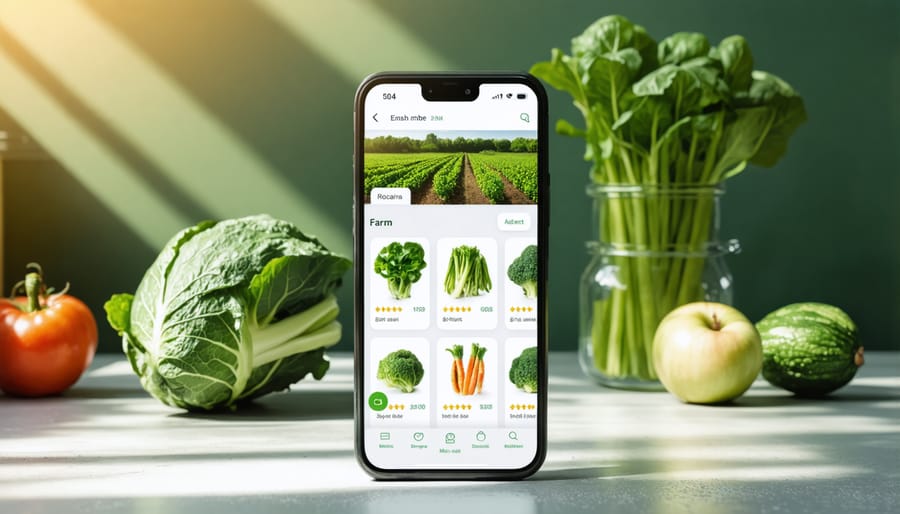
Local food apps are revolutionizing the way consumers connect with nearby farmers and food producers, creating vibrant digital communities centered around sustainable agriculture. Popular platforms like Local Harvest, Farmish, and REKO rings enable direct farmer-to-consumer relationships, making it easier than ever to source fresh, organic produce. These apps serve as virtual farmers’ markets, where growers can showcase their products and implement effective digital marketing for farms while building lasting connections with their customer base.

Many of these platforms feature interactive maps, real-time availability updates, and in-app messaging systems that facilitate seamless communication between producers and buyers. Users can browse seasonal offerings, place orders for pickup or delivery, and even participate in community-supported agriculture (CSA) programs through these digital platforms. Some apps have added social features where users can share recipes, growing tips, and success stories, fostering a sense of community among local food enthusiasts.

The rise of these digital platforms has made supporting local agriculture more accessible while helping small-scale farmers reach broader markets and build sustainable businesses.

Screenshot of a farm-to-table mobile app showing local produce available for purchase
Mobile phone displaying a local farm-to-table app interface with fresh produce listings and farmer profiles

Online Gardening Communities

Social Media Garden Groups

Social media platforms have become vibrant hubs for gardening enthusiasts to share their green-thumb journeys. Facebook groups like “Organic Gardening for Beginners” and “Urban Homesteaders United” offer spaces where members exchange growing tips, troubleshoot plant problems, and celebrate their harvests. These communities often feature daily threads for specific topics, from seed starting to composting techniques, creating organized discussions that benefit both novice and experienced gardeners.

Instagram has equally flourishing gardening communities, with hashtags like #GardenersOfInstagram and #GrowYourOwn connecting millions of plant lovers worldwide. Popular gardening accounts combine beautiful photography with practical advice, creating visual inspiration alongside learning opportunities. Many Instagram gardening communities organize virtual plant swaps, seasonal growing challenges, and live Q&A sessions with expert gardeners.

What makes these social media garden groups particularly valuable is their real-time interaction capability. Members can quickly get answers to urgent plant care questions, share local weather warnings affecting crops, and build lasting friendships with fellow gardeners in their area.

Social media screenshots showing gardeners sharing plant progress and tips in online communities
Collage of social media garden community posts showing progress photos and advice exchanges

Garden Planning Forums

Garden planning forums serve as vibrant digital meeting places where green thumbs of all experience levels gather to share knowledge, solve problems, and celebrate their growing successes. Popular platforms like GardenWeb and Houzz’s Gardening Forum host thousands of active members who discuss everything from soil composition to seasonal planting schedules.

These forums typically feature specialized subforums dedicated to specific topics like vegetable gardening, permaculture, or urban farming. Members can post photos of their garden challenges, seeking advice from more experienced growers who’ve faced similar issues. The collective wisdom often helps troubleshoot common problems like pest infestations or nutrient deficiencies.

What makes these communities particularly valuable is their local focus, with regional subforums where gardeners can connect with others in similar climate zones. This leads to highly relevant discussions about frost dates, native species, and local growing conditions. Many forums also feature seed and plant exchange programs, allowing members to share heirloom varieties and unusual specimens while building lasting connections with fellow gardening enthusiasts in their area.

Sustainable Farming Education Platforms

Online Course Communities

Online learning platforms have revolutionized how sustainable agriculture knowledge is shared and cultivated. Popular platforms like Coursera and Udemy host comprehensive courses on organic farming, permaculture, and regenerative agriculture practices, creating vibrant communities of learners who share experiences and insights through discussion forums.

The Sustainable Agriculture & Food Systems course community on edX brings together students worldwide, fostering collaboration through group projects and peer reviews. Participants often form study groups on platforms like Discord or WhatsApp, extending their learning beyond the virtual classroom.

Many successful farmers started their journey through these online communities. Sarah Chen, an urban farmer in Seattle, credits her thriving rooftop garden to the connections she made in a permaculture design course community. “The ongoing support from fellow students helped me overcome early challenges and experiment with new techniques,” she shares.

These platforms typically include features like live Q&A sessions with experienced farmers, collaborative problem-solving spaces, and resource-sharing networks. Some even organize virtual field trips to sustainable farms, making hands-on learning accessible to everyone, regardless of location.

Digital learning platform interface featuring sustainable farming video lesson and student discussion
Split screen showing online sustainable farming course with video tutorial and live chat discussion

Farmer-to-Farmer Networks

Farmer-to-farmer networks have revolutionized how agricultural knowledge spreads in the digital age. Platforms like FarmHack and AgriFind connect farmers across continents, enabling them to share sustainable farming techniques, crop management strategies, and innovative solutions to common challenges. These online communities often feature discussion forums, photo galleries of farm projects, and video tutorials demonstrating everything from soil preparation to harvest techniques.

Popular networks like The Farmers Network and Growing Together facilitate mentor-mentee relationships between experienced farmers and newcomers, creating valuable learning opportunities. Members can participate in virtual farm tours, join live Q&A sessions with agricultural experts, and access databases of region-specific farming wisdom.

Many of these platforms also include marketplace features where farmers can exchange seeds, equipment, and organic supplies. Some networks have integrated weather alerts, crop planning tools, and pest management databases, making them comprehensive resources for sustainable agriculture. The sense of community these platforms foster has proven especially valuable during challenging seasons, with farmers supporting each other through shared experiences and practical advice.

Recipe Sharing Communities

Recipe sharing communities have blossomed into vibrant digital spaces where food enthusiasts connect over their love of seasonal, sustainable cooking. These platforms go beyond simple recipe exchanges, creating genuine connections between home cooks, professional chefs, and food activists passionate about using locally sourced ingredients.

Sites like Food52 have pioneered the concept of collaborative cooking communities, featuring user-submitted recipes alongside thoughtful discussions about seasonal ingredients and preservation techniques. Their active forums buzz with members sharing tips for using CSA box ingredients and creative ways to reduce food waste.

Instagram has become a hub for recipe sharing through hashtag communities like #SeasonalCooking and #FarmToTable, where users showcase their creations using fresh, local ingredients. These visual platforms help inspire others to experiment with unfamiliar vegetables and traditional preservation methods.

Reddit’s r/Cooking and r/WhatShouldICook communities offer real-time support for home cooks seeking advice on using seasonal produce. Members often share success stories and troubleshooting tips, creating a supportive environment for learning and experimentation.

Local Harvest’s community forums connect cooks directly with farmers, fostering discussions about seasonal availability and creative uses for heritage varieties. This direct connection helps members understand the farming cycle and adapt their cooking to support local agriculture.

Facebook Groups dedicated to specific dietary preferences or cooking methods, such as “Plant-Based Seasonal Cooking” or “Fermentation Enthusiasts,” provide focused spaces for sharing recipes and techniques. These communities often organize virtual cooking classes and seasonal recipe swaps.

The rise of digital recipe communities has democratized cooking knowledge, making it easier for people to learn traditional food preservation techniques and develop cooking skills that support sustainable food systems. Whether you’re looking to master water bath canning or need creative ideas for your latest farmers market haul, these online spaces offer both practical support and inspiring connections.

Digital communities have become the backbone of modern sustainable agriculture, creating powerful connections that transcend geographical boundaries. These virtual spaces enable farmers, gardeners, and food enthusiasts to share knowledge, solve problems collectively, and build lasting relationships that strengthen local food systems. Through social media groups, online forums, and specialized platforms, sustainable agriculture practitioners can access real-time advice, discover innovative growing techniques, and find support during challenging times.

The impact of these digital communities extends beyond simple information exchange. They’ve become catalysts for local food movements, helping small-scale farmers find markets, connecting consumers with fresh produce, and fostering a deeper understanding of sustainable farming practices. Success stories from farmers who’ve found mentors, markets, and meaningful partnerships through these platforms demonstrate their transformative potential.

As we look to the future of sustainable agriculture, digital communities will continue to play a vital role in educating new generations of farmers, promoting ecological practices, and building resilient food systems that benefit both people and the planet.

7 Ways CSA Farmers Markets Transform Your Kitchen (And Community)

Posted by darrell on
0
Technology and Innovation
7 Ways CSA Farmers Markets Transform Your Kitchen (And Community)

Discover the farm-to-table revolution that will transform your kitchen habits through Community Supported Agriculture (CSA) farmers markets. These vibrant marketplaces connect local farmers directly with consumers, offering fresh, seasonal produce through weekly subscriptions or market-style purchases. By investing in a CSA share, members receive regular boxes of just-harvested vegetables, fruits, and artisanal products while supporting sustainable farming practices and local food security. Unlike traditional grocery stores, CSA markets foster personal relationships between growers and consumers, providing transparency about farming methods and seasonal eating patterns. The model has revolutionized local food systems across North America, creating resilient agricultural communities and ensuring farmers receive fair compensation for their hard work. Whether you’re a passionate home cook, health enthusiast, or sustainability advocate, CSA farmers markets offer an authentic connection to your food’s journey from seed to plate.

What Makes CSA Farmers Markets Different?

The CSA-Market Hybrid Model

The CSA-Market hybrid model represents an innovative approach that combines the best of both worlds. Farmers offer traditional CSA shares while simultaneously maintaining a presence at local farmers markets. This flexible arrangement allows members to receive their regular CSA boxes and supplement them with additional items from the market stand. For farmers, this dual approach provides stable income through CSA subscriptions while creating opportunities to connect with new customers at the market.

Many farms now offer “market credit” CSAs, where members prepay for a season’s worth of produce but choose their items at the farmers market booth. This system gives members more control over their selections while maintaining the direct farmer-consumer relationship that makes CSAs special. Some farms even provide CSA pickup locations at the market itself, creating a convenient one-stop shopping experience for members who want to browse additional vendors.

The hybrid model has proven particularly successful for small farms looking to diversify their income streams and build stronger community connections.

Colorful display of CSA produce boxes filled with fresh vegetables and fruits at a market stand
Diverse array of fresh seasonal produce arranged in CSA boxes at a farmers market stand

Direct Farm-to-Table Benefits

The fusion of CSA programs and farmers markets creates a winning combination for conscious consumers. You’ll enjoy ultra-fresh produce harvested at peak ripeness, often reaching your table within 24 hours of being picked. This direct connection to your food source ensures maximum nutritional value and flavor that store-bought produce simply can’t match.

Beyond quality, you’ll benefit from greater variety as farmers often grow unique heirloom varieties and seasonal specialties. You’ll also save money by cutting out middlemen and reducing food waste, as produce doesn’t spend days in transit or storage. Many CSA farmers bring additional items to markets, allowing you to supplement your share with extra produce or specialty items like honey and eggs.

The personal relationship you develop with your farmer provides valuable insights into growing practices, cooking tips, and seasonal eating patterns. This direct connection also helps you make more informed decisions about your food choices while supporting local agricultural sustainability.

Finding Your Perfect CSA Farmers Market Match

Questions to Ask Before Joining

Before committing to a CSA farmers market program, ask these essential questions to ensure it’s the right fit for you. First, inquire about the length of the growing season and delivery schedule – some CSAs run year-round while others operate seasonally. Understanding pickup locations and times is crucial; make sure they align with your schedule and routine.

Ask about the variety of produce you can expect throughout the season. Some CSAs focus on vegetables, while others include fruits, eggs, or even flowers. It’s also important to know the farm’s growing practices and whether they’re certified organic if that matters to you.

Consider the share size options and pricing structure. Will the portions suit your household’s needs? Ask if there’s flexibility to skip weeks or swap items. Find out their policy for weeks when you’re on vacation or unable to pick up your share.

Don’t forget to ask about communication methods. How will you receive updates about weekly harvests or changes? Many successful CSAs maintain active newsletters or social media presence. Finally, inquire about opportunities to visit the farm or participate in community events – these experiences often enhance the CSA membership value.

Seasonal Planning Tips

To make the most of your CSA or farmers market experience, plan your shopping and meal preparation around seasonal availability. Start by familiarizing yourself with your local growing calendar to anticipate which produce will be available each month. In spring, expect tender greens, asparagus, and early herbs. Summer brings an abundance of tomatoes, peppers, and berries, while fall offers squash, root vegetables, and hardy greens.

Create a flexible meal planning system that adapts to seasonal offerings. Consider keeping a recipe collection organized by season, making it easier to use what’s available. Many experienced CSA members recommend planning just 3-4 meals per week, leaving room for creativity with unexpected items in your share.

Storage preparation is crucial for maximizing your seasonal bounty. Invest in proper storage containers and learn basic preservation techniques like freezing, pickling, or dehydrating. This helps prevent waste during peak seasons and allows you to enjoy local produce year-round. Don’t forget to ask your farmers for storage tips – they often have valuable insights specific to their varieties.

Remember to start small when trying new vegetables and gradually experiment with different preparation methods. Many CSA members find that seasonal eating becomes intuitive over time, leading to more creative and satisfying meals.

Making the Most of Your CSA Market Share

Home cook organizing CSA vegetables into storage containers and produce drawers
Person storing and organizing various produce items in kitchen, using proper storage techniques

Storage and Preservation Techniques

Getting the most value from your CSA share means knowing how to preserve fresh produce properly. Start by sorting your vegetables as soon as you get home, removing rubber bands and twist ties that can speed up decay. Store leafy greens in airtight containers with a paper towel to absorb excess moisture, extending their life by up to a week.

Root vegetables like carrots and beets stay fresh longer when stored in the crisper drawer, wrapped loosely in slightly damp paper towels. For herbs, trim the stems and place them in a glass of water with a plastic bag over the top, creating a mini greenhouse effect in your refrigerator.

Consider investing in produce storage bags or containers designed to regulate moisture and airflow. Keep tomatoes, onions, and potatoes in a cool, dark place rather than the refrigerator. For an abundance of seasonal produce, try simple preservation methods like freezing, drying, or quick pickling.

Remember that different vegetables have different temperature and humidity needs. Most fruit releases ethylene gas as it ripens, which can cause nearby produce to spoil faster, so store these items separately. By following these storage guidelines, you’ll reduce food waste and enjoy your farm-fresh produce throughout the week.

Flexible Meal Planning Strategies

Embracing seasonal eating through CSA and farmers markets requires flexibility in meal planning, but it’s easier than you might think. Start by learning to cook with what’s available rather than shopping for specific recipes. When you receive your CSA share or visit the farmers market, take inventory of your produce and plan meals around these ingredients.

Keep a collection of versatile recipes that can accommodate different vegetables. For example, stir-fries, soups, and grain bowls can incorporate almost any seasonal vegetable. Learn basic cooking techniques like roasting, sautéing, and steaming that work well with various produce.

Consider batch cooking when you receive abundant quantities of certain items. Preserve excess produce through freezing, canning, or fermenting to enjoy later. Many CSA members find success by dedicating one day to meal prep, washing and storing produce properly to maintain freshness throughout the week.

Get creative with substitutions in your favorite recipes. If a recipe calls for spinach but you have Swiss chard, make the swap! Join online communities or ask fellow CSA members for recipe ideas and storage tips. Many CSA programs offer weekly newsletters with recipe suggestions based on that week’s share.

Remember that eating seasonally means embracing variety and being open to trying new ingredients. Your flexibility will be rewarded with fresh, flavorful meals and a deeper connection to your local food system.

Building Community Through CSA Markets

Meeting Your Farmers

One of the most rewarding aspects of participating in a CSA or farmers market is the opportunity for building strong farm-community relationships with the people who grow your food. Unlike shopping at a supermarket, you’ll have regular face-to-face interactions with farmers who can share their growing practices, seasonal challenges, and upcoming harvests. These personal connections often lead to valuable insights about cooking techniques, recipe suggestions, and tips for storing produce.

Many farmers welcome questions about their farming methods and are eager to share their knowledge about sustainable agriculture. You might learn about their composting techniques, pest management strategies, or how weather patterns affect different crops. Some CSAs even offer farm tours or volunteer opportunities, allowing you to see firsthand where your food comes from and how it’s grown.

These relationships often extend beyond the growing season, creating a year-round community centered around local food production. Getting to know your farmers helps you understand the true value of your food and the hard work that goes into producing it sustainably.

Local farmer demonstrating farming techniques to interested CSA members at market
Farmer explaining crop growing practices to CSA members during a market day

Connecting with Fellow Members

One of the most rewarding aspects of participating in a CSA farmers market is the strong sense of community it creates. Unlike typical grocery shopping, CSA markets provide regular opportunities to connect with the farmers who grow your food and fellow members who share your values. Many markets organize potluck dinners, harvest celebrations, and cooking demonstrations where members can share recipes and preparation tips for seasonal produce.

These gatherings often lead to lasting friendships built on the foundation of sustainable food practices. Members frequently exchange cooking ideas through social media groups or marketplace bulletin boards, creating an ongoing dialogue about healthy eating and seasonal cooking. Some CSAs even organize farm tours and volunteer days, allowing members to experience firsthand how their food is grown while working alongside other community members.

Children particularly benefit from these social connections, learning about food production through hands-on activities and forming positive associations with fresh, healthy produce. The regular weekly pickup becomes more than just a shopping trip – it transforms into a social event where members catch up, share stories, and celebrate the bounty of each season together.

CSA farmers markets offer a unique opportunity to transform your relationship with food while supporting local agriculture and sustainable farming practices. By joining a CSA program and shopping at farmers markets, you’re not just buying produce – you’re investing in your community’s health, environmental sustainability, and local economy. The direct connection with farmers, access to fresh seasonal produce, and the joy of discovering new varieties of fruits and vegetables make the experience both rewarding and educational. Whether you’re a cooking enthusiast, health-conscious consumer, or simply someone who values knowing where their food comes from, your local CSA farmers market awaits. Take the first step today by researching markets in your area, talking to local farmers, and becoming part of this vibrant movement that’s reshaping our food system one harvest at a time.

7 Proven Strategies to Keep CSA Members Coming Back Year After Year

Posted by darrell on
0
Business and Economic Impact
7 Proven Strategies to Keep CSA Members Coming Back Year After Year

Transform your non-profit’s membership program by implementing proven member retention strategies that create lasting connections. Start by personalizing member communications through targeted email campaigns that celebrate individual milestones and contributions. Build an engaged community through monthly virtual roundtables where members can directly influence organizational decisions. Create a tiered rewards program that recognizes loyalty with exclusive access to special events, leadership opportunities, and behind-the-scenes experiences.

The secret to sustainable membership growth lies in understanding that retention isn’t just about keeping numbers steady – it’s about nurturing relationships that transform casual supporters into passionate advocates. When members feel genuinely valued and see their impact, they become your organization’s most powerful ambassadors. By focusing on authentic engagement and meaningful recognition, non-profits can build a resilient membership base that grows stronger with each passing year.

This practical guide explores field-tested approaches that have helped organizations achieve remarkable retention rates while building vibrant, mission-driven communities.

Building Strong Communication Channels

Newsletter Best Practices

Your newsletter is a vital lifeline connecting your farm to your members throughout the season. Make it count by sending regular updates that blend practical information with engaging storytelling. Include vibrant photos of your weekly harvest, profile your hardworking farm crew, and share simple recipes featuring current seasonal produce. Keep your format consistent but fresh, with clear sections for farm updates, upcoming events, and member spotlights.

Personalize your content by featuring member success stories and cooking adventures with your produce. Include tips for storing and preparing less familiar vegetables, and share the story behind unique heritage varieties you’re growing. Consider a “Meet Your Farmer” series that helps members connect with the faces behind their food.

Timing matters – aim for consistency whether you choose weekly or monthly communications. Keep the tone warm and conversational, as if you’re chatting with a friend at the farmers’ market. Most importantly, make your newsletter mobile-friendly and easy to scan, with clear calls to action for upcoming events or volunteer opportunities. Remember to celebrate your community’s shared commitment to local, sustainable agriculture.

Social Media Engagement

Social media platforms offer invaluable opportunities for CSA farms to maintain strong connections with their members throughout the year. As part of your digital marketing for farms, establish a consistent posting schedule that showcases your farm’s daily activities, from seedling progress to harvest celebrations.

Create engaging content by sharing behind-the-scenes glimpses of farm life, weekly harvest updates, and member spotlight stories. Post quick cooking tips and seasonal recipes featuring your produce to help members make the most of their shares. Consider hosting live Q&A sessions where members can interact directly with farmers and learn more about sustainable growing practices.

Use platforms like Instagram and Facebook to build an active community where members can share their own CSA cooking successes and connect with fellow subscribers. Remember to respond promptly to comments and messages, showing members that their engagement matters. Regular polls and surveys can gather feedback while making members feel heard and valued.

Don’t forget to celebrate your farm’s milestones and member anniversaries publicly – it creates a sense of belonging and shows appreciation for long-term supporters.

Social media engagement example from a CSA farm showing member interactions
Mobile phone showing a CSA farm’s social media feed with engaging content, including harvest updates and member spotlights

Creating Memorable Farm Experiences

Farm Tours and Workshops

Farm tours and hands-on workshops serve as powerful tools for strengthening member relationships while providing valuable educational experiences. By inviting members to participate in guided farm walks, planting demonstrations, and harvest activities, you create memorable connections that encourage long-term commitment to your CSA program.

Consider organizing monthly workshops that align with the growing season. Spring sessions might focus on seedling care and garden planning, while summer workshops could explore cooking with seasonal produce and food preservation techniques. These interactive experiences not only educate members but also help them feel more invested in your farm’s success.

Family-friendly events, such as “Kids on the Farm” days, can create multi-generational engagement and foster a sense of community. Include hands-on activities like composting demonstrations, beneficial insect identification, and simple farm-to-table cooking classes that make sustainable agriculture accessible and engaging for all ages.

Document these experiences through photos and participant testimonials to share in your newsletters and social media. This builds excitement for future events and shows prospective members the value of joining your community. Remember to collect feedback after each event to continuously improve and tailor future workshops to member interests, ensuring your educational offerings remain relevant and engaging.

CSA members learning about farming practices during an educational farm tour
Diverse group of CSA members and farmers interacting during a farm tour, with participants examining crops and asking questions

Harvest Festivals and Community Events

Harvest festivals and seasonal celebrations serve as powerful tools for strengthening member connections and fostering a sense of community within your non-profit organization. Consider hosting quarterly harvest celebrations that coincide with peak growing seasons, featuring farm-to-table dinners prepared with freshly harvested produce. These events create memorable experiences while showcasing the direct impact of member support.

Organize family-friendly activities like pumpkin carving contests in fall, seedling workshops in spring, and preservation classes in late summer. These hands-on experiences not only educate members but also create lasting memories that reinforce their commitment to your organization. Include live music, local artisans, and cooking demonstrations to transform simple gatherings into vibrant community celebrations.

Create opportunities for member participation by forming event planning committees and volunteer teams. When members contribute to event organization, they develop a stronger sense of ownership and connection to your mission. Consider implementing a point system where active participation in community events earns rewards or special recognition.

Document these celebrations through photos and videos, sharing them in newsletters and social media to help members relive positive experiences and attract new supporters. Encourage members to share their own stories and photos, creating a collaborative narrative that strengthens community bonds. Remember to gather feedback after each event to continuously improve and adapt celebrations to member preferences, ensuring sustained engagement throughout the year.

Enhancing Member Value

Fresh CSA produce display with accompanying recipe cards and cooking guides
Vibrant display of seasonal produce with recipe cards and cooking instructions laid out on a rustic wooden table

Recipe Support and Cooking Tips

Supporting members in their culinary journey is crucial for highlighting the benefits of CSA membership and maintaining long-term engagement. Provide weekly recipe cards featuring seasonal ingredients from their share boxes, complete with storage tips and preparation techniques. Create a members-only recipe database on your website, searchable by ingredient, allowing members to discover creative ways to use unfamiliar vegetables.

Host virtual cooking demonstrations focusing on seasonal produce, inviting local chefs or experienced members to share their expertise. These sessions can be recorded and added to your content library, creating valuable resources members can access year-round. Consider organizing themed cooking challenges that encourage members to experiment with their produce and share results in your online community.

Establish a dedicated support channel where members can ask questions about produce preparation or share their culinary successes. Quick-response cooking tips via text or email can help members feel supported when they’re unsure about handling specific ingredients. Include preparation shortcuts, substitution suggestions, and preservation methods to help busy families make the most of their shares.

Partner with local cooking schools or nutritionists to offer exclusive workshops for members, deepening their connection to the food while building valuable skills. Remember to collect and showcase member recipe submissions, creating a collaborative cooking community that celebrates creativity and seasonal eating.

Flexible Payment and Pick-up Options

Making payments and produce pickup convenient for your members is crucial for long-term retention. Offer multiple payment methods, including monthly installments, seasonal payments, and early-bird discounts for those who commit early. Many successful CSAs have found that providing flexible payment options through digital platforms like PayPal, Venmo, or automated bank transfers significantly increases member satisfaction and renewal rates.

Consider implementing a sliding scale payment system, allowing members to pay what they can afford while maintaining the farm’s sustainability. This approach not only makes your CSA more accessible but also builds community goodwill and loyalty.

For pickup options, create a schedule that accommodates different lifestyles. Offer multiple time slots, including early morning and evening hours for working professionals. Some farms have found success with satellite pickup locations in convenient urban areas or partnerships with local businesses to serve as distribution points.

Don’t forget to implement a swap box system at pickup locations, allowing members to exchange items they may not use for others they prefer. This simple addition can significantly enhance member satisfaction. For those who occasionally can’t make their pickup time, consider offering a “buddy system” where members can authorize a friend to collect their share.

Remember to communicate these options clearly through your regular newsletters and member portal, making it easy for members to adjust their preferences as needed.

Gathering and Acting on Feedback

Survey Strategies

Regular member feedback is essential for understanding your community’s needs and improving your CSA program. Implement a mix of survey methods to gather comprehensive insights. Start with quarterly online surveys using tools like SurveyMonkey or Google Forms, keeping them brief and focused on specific aspects of membership experience.

Consider conducting brief “pulse checks” after key events or seasonal transitions, using simple 1-3 question surveys that members can complete quickly. These short surveys often yield higher response rates and immediate actionable feedback. For deeper insights, organize annual comprehensive surveys that explore member satisfaction, produce preferences, and suggested improvements.

Make surveys more engaging by including a mix of multiple-choice questions, rating scales, and open-ended responses. Incentivize participation with small rewards like bonus produce or early access to special farm events. Most importantly, close the feedback loop by sharing survey results with members and implementing visible changes based on their input. This demonstrates that you value their opinions and are committed to continuous improvement.

Remember to time your surveys strategically, avoiding peak harvest seasons when members might be overwhelmed with produce management.

Implementing Changes

Once you’ve gathered valuable feedback from your members, the next crucial step is putting those insights into action. Start by creating a priority matrix that categorizes suggestions based on impact and feasibility. Quick wins, such as improving communication frequency or adjusting pickup times, should be implemented first to show members their voices matter.

Consider forming a member advisory committee to help guide implementation decisions and ensure changes truly reflect community needs. Document all improvements and communicate them clearly to your membership base through newsletters and social media updates. This transparency builds trust and shows your commitment to continuous improvement.

Track the effectiveness of implemented changes through metrics like attendance at events, renewal rates, and ongoing feedback. Don’t be afraid to adjust or reverse changes that aren’t working as intended. Remember that successful implementation often requires a phased approach – start small, measure results, and scale what works.

Share success stories of how member feedback led to positive changes, creating a virtuous cycle of engagement and improvement. This demonstrates that your organization values member input and actively works to enhance their experience.

Building Member Loyalty Programs

Building member loyalty in your CSA requires a thoughtful blend of recognition, rewards, and meaningful engagement opportunities. Start by implementing a tiered membership system that rewards long-term members with exclusive benefits. For example, members who stay for multiple seasons might receive first pick of seasonal produce, access to limited specialty crops, or priority registration for farm events.

Consider creating a points-based system where members earn rewards for various actions, such as referring new members, attending farm workshops, or participating in volunteer days. These points can be redeemed for farm merchandise, additional produce, or exclusive farm-to-table dining experiences.

Celebrate your loyal members by featuring their stories in your newsletter, recognizing membership anniversaries, and offering “member of the month” spotlights. This not only makes long-term members feel valued but also helps build a stronger sense of community among your CSA participants.

Special access programs can significantly boost loyalty. Offer long-term members exclusive opportunities like:
– Private farm tours
– Early access to seasonal products
– Member-only cooking classes
– Reserved spots at harvest festivals
– Priority access to limited-quantity items

Remember to personalize your loyalty program based on member feedback and interests. Some members might value educational opportunities, while others prefer social events or exclusive produce options. Regular surveys can help you tailor these benefits to match your community’s desires.

Track engagement and adjust your program accordingly, always keeping the focus on creating meaningful connections between your farm and your members.

Successful membership retention in non-profits requires a thoughtful blend of engagement, communication, and value delivery. By implementing these key strategies – from personalized communication and meaningful involvement opportunities to regular feedback collection and community building – organizations can create a strong foundation for lasting member relationships.

Remember that retention isn’t just about keeping members; it’s about nurturing a community that grows stronger together. Start by choosing two or three strategies that align best with your organization’s resources and culture. Perhaps begin with improving your welcome process and setting up a regular communication schedule. Once these become routine, gradually incorporate additional strategies.

The most successful non-profits are those that consistently show members their impact while making them feel valued and connected. Whether you’re a small local organization or a large national non-profit, these retention strategies can be scaled and adapted to fit your needs.

Take action today by evaluating your current retention efforts and identifying areas for improvement. Your members are your greatest assets – invest in their experience, and they’ll invest in your mission for years to come.

7 Eco-Friendly Packaging Materials That Will Make Your Organic Produce Shine

Posted by darrell on
0
Environmental Sustainability
7 Eco-Friendly Packaging Materials That Will Make Your Organic Produce Shine

Transform your packaging sustainability with nature’s own solutions. Organic packaging materials – from mushroom-based foam to seaweed wraps – are revolutionizing how we protect and transport products while healing our planet. These innovative materials break down completely in soil, leaving behind valuable nutrients instead of harmful microplastics.

In a world drowning in synthetic packaging waste, organic alternatives offer a breath of fresh air. Made from renewable resources like corn starch, bamboo fibers, and agricultural byproducts, these materials maintain the same protective qualities as traditional packaging while dramatically reducing environmental impact. Leading brands are already making the switch, reporting reduced carbon footprints and stronger connections with eco-conscious consumers.

Whether you’re a small business owner exploring sustainable options or a consumer seeking ways to reduce your environmental impact, organic packaging materials represent more than just a trend – they’re a vital step toward a waste-free future. The technology is here, the materials are proven, and the time to embrace this packaging revolution is now.

Why Traditional Packaging Needs a Green Makeover

Traditional packaging practices in agriculture have long relied on materials that pose significant environmental challenges. From plastic clamshells to styrofoam containers, these conventional packaging solutions contribute to overflowing landfills and ocean pollution. What’s more concerning is that many of these materials can take hundreds of years to decompose, leaving a lasting impact on our planet.

As conscious consumers and farmers increasingly seek zero waste packaging solutions, it’s becoming clear that our current approach needs a dramatic shift. Single-use plastics, which are commonly used in produce packaging, not only harm the environment but also contradict the very essence of organic farming’s sustainable principles.

The challenges don’t stop at environmental impact. Traditional packaging materials often involve petroleum-based products, contributing to carbon emissions during both production and disposal. Additionally, many conventional packages aren’t designed with proper ventilation, leading to faster produce spoilage and unnecessary food waste.

These issues highlight the urgent need for sustainable alternatives that align with both environmental stewardship and practical farming needs. By embracing organic packaging materials, we can reduce our ecological footprint while maintaining the freshness and quality of our produce. The good news is that nature provides us with numerous viable options that are both environmentally friendly and effective for protecting and presenting our harvest.

Side-by-side comparison of plastic packaging versus sustainable packaging materials
Comparison display of traditional plastic packaging next to eco-friendly alternatives

Nature’s Packaging Solutions

Plant-Based Materials

Nature offers amazing eco-friendly alternatives for packaging, and plant-based materials are leading the charge in sustainable solutions. Cornstarch packaging has emerged as a fantastic option, breaking down completely in home composting systems within months. Made from renewable corn crops, these materials provide the same protection as traditional plastic while leaving no harmful residue behind.

Mushroom packaging is another innovative solution that’s capturing attention. Created from agricultural waste and mushroom mycelium (the root structure), this material grows into any desired shape within days. It’s naturally fire-resistant, shock-absorbing, and completely biodegradable – perfect for protecting delicate produce during transport.

Seaweed-based materials represent the newest wave of sustainable packaging. These ocean-friendly solutions utilize abundant marine resources to create flexible, durable packaging that dissolves harmlessly in water. Some varieties even enrich the soil when composted, adding valuable nutrients that benefit garden plants.

What makes these materials particularly exciting for small-scale farmers and local food systems is their accessibility and low environmental impact. They’re non-toxic, require minimal processing, and can often be produced using local resources. As more farmers adopt these solutions, we’re seeing a beautiful merger of traditional agricultural wisdom with modern sustainable innovation.

Collection of biodegradable packaging materials showcasing different natural materials
Various organic packaging materials made from mushroom mycelium, cornstarch, and seaweed

Agricultural Byproducts

Agricultural byproducts have emerged as innovative solutions for eco-friendly packaging materials, giving new life to what was once considered waste. Farmers and food processors are now transforming crop residues like wheat straw, corn husks, and rice hulls into durable packaging alternatives that break down naturally in the environment.

For example, mushroom farmers have pioneered the use of spent mushroom substrate combined with agricultural fibers to create protective packaging materials. These materials provide excellent cushioning for delicate produce while being completely compostable. Similarly, sugarcane bagasse, the fibrous matter left after juice extraction, is being pressed into sturdy containers and food service items that perform just as well as their plastic counterparts.

Coffee chaff, the paper-thin skin that comes off coffee beans during roasting, is now being mixed with other plant-based materials to create everything from drink carriers to protective sleeves. Even fruit processors are getting creative by turning apple pomace and citrus peels into biodegradable packaging materials.

Local success stories include small-scale farmers partnering with packaging manufacturers to supply their crop residues, creating additional revenue streams while reducing waste. These agricultural byproduct packaging solutions not only support circular economy principles but also help maintain soil health by ensuring only a sustainable portion of crop residues are harvested for packaging use.

Tree-Free Paper Alternatives

As we explore alternatives to traditional paper packaging, several innovative plant-based materials are leading the way in sustainable solutions. Bamboo, with its rapid growth cycle and minimal water requirements, has emerged as a frontrunner in eco-friendly packaging. This versatile material grows up to 3 feet per day and can be harvested every 3-5 years, making it one of the most renewable resources available.

Hemp fiber is another remarkable alternative, producing four times more paper per acre than trees while requiring fewer chemicals in the manufacturing process. The plant’s strong fibers create durable packaging materials that are naturally resistant to mold and mildew. Plus, hemp crops can be grown and harvested within just 100 days, dramatically reducing the environmental impact compared to traditional tree-based paper production. Read more on how the hemp industry is changing agriculture for even more benefits in this sector.

Agricultural residues like wheat straw, corn stalks, and sugarcane bagasse are transforming what was once considered waste into valuable packaging materials. These byproducts require minimal additional resources to process and help support local farming communities by creating additional revenue streams.

Newer innovations include mushroom-based packaging and seaweed-derived materials, both of which are completely biodegradable and can be grown with minimal environmental impact. These alternatives not only reduce deforestation but also create packaging that naturally returns to the earth, completing a truly sustainable cycle.

Farmer displaying produce in eco-friendly packaging at local market stall
Small farm vendor using sustainable packaging at a farmers market

Implementation for Small Farms

Cost-Effective Solutions

Many budget-friendly organic packaging solutions are readily available for farmers and producers looking to maintain sustainability without breaking the bank. Banana leaves, cornhusks, and bamboo containers offer natural, zero-cost alternatives that can be sourced locally. Recycled paper products, including egg cartons and kraft paper bags, provide affordable options while supporting circular economy practices.

Small-scale farmers can reduce costs by partnering with local restaurants and food businesses to repurpose their food-grade containers and boxes. Bulk purchasing of compostable bags and containers through farmer cooperatives can lead to significant savings, often reducing costs by 20-30% compared to individual ordering.

Creative solutions like using preserved grape leaves for wrapping produce or repurposed mason jars for liquid products not only cut costs but also add unique appeal to your products. Remember, simple solutions like twine made from natural fibers or newspaper wrapping can be just as effective as more expensive alternatives while maintaining eco-friendly standards.

Local Sourcing Tips

Finding reliable suppliers for organic packaging materials starts with local research. Begin by connecting with your area’s eco-friendly business networks and sustainability groups on social media platforms. Many regions have dedicated sustainable business directories that can point you toward packaging manufacturers who prioritize environmental responsibility.

Attend local green business trade shows and farmers’ markets to network with vendors already using sustainable packaging. These events often attract suppliers and provide opportunities for direct conversations about pricing, minimum orders, and customization options. If you’re interested in learning more about how farmers markets promote sustainability, explore how farmers markets connect you with local goodness.

Consider joining forces with other local businesses to place bulk orders, which can help reduce costs and minimize transportation impacts. Don’t forget to check with your local agricultural extension office – they often maintain lists of regional suppliers and can provide valuable recommendations.

When evaluating potential suppliers, ask about their sourcing practices, manufacturing processes, and certification standards. Request samples to test quality and compatibility with your products before making larger commitments.

Consumer Benefits and Storage Tips

Organic packaging materials offer significant benefits for both consumers and produce quality. These natural materials are designed to work with your food’s natural breathing process, helping maintain optimal moisture levels while preventing premature spoilage. Unlike conventional plastic packaging, organic materials like corn-based films and bamboo containers allow proper air circulation, which is essential for keeping fruits and vegetables fresh for longer periods.

To maximize these benefits, it’s important to understand proper storage techniques for fresh produce when using organic packaging. Store most leafy greens and herbs in breathable organic bags in your refrigerator’s crisper drawer. Root vegetables and hardy produce like squash can be kept in organic mesh bags at room temperature in a cool, dark place.

For optimal results, always ensure organic packaging materials remain dry and clean. If you’re using compostable containers, check them regularly for signs of breakdown, especially in high-humidity environments. Most organic packaging can be reused several times before composting, making them both eco-friendly and economical. Remember to wash and thoroughly dry reusable organic containers between uses to prevent mold growth and maintain their effectiveness in preserving your produce.

As we’ve explored, organic packaging materials offer a sustainable path forward for both producers and consumers. From biodegradable containers made from mushroom mycelium to plant-based films derived from cornstarch, these eco-friendly alternatives are revolutionizing how we package and protect our products. By embracing these solutions, we not only reduce our environmental footprint but also meet growing consumer demand for sustainable packaging options. The transition to organic packaging materials may require initial adjustments, but the long-term benefits for our planet and communities make it a worthwhile investment. Whether you’re a small-scale farmer or conscious consumer, taking steps toward organic packaging solutions helps create a cleaner, healthier future for generations to come. Start small, experiment with different materials, and be part of the positive change in sustainable packaging.

10 Plant Problems That Make Gardeners Lose Sleep (And Their Simple Solutions)

Posted by darrell on
0
Home and Urban Gardening
10 Plant Problems That Make Gardeners Lose Sleep (And Their Simple Solutions)

Diagnose yellowing leaves, brown spots, and wilting stems by identifying plant issues early through daily visual inspections. Common plant problems affect even experienced gardeners, but understanding basic warning signs transforms struggling plants into thriving ones. From overwatering and nutrient deficiencies to pest infestations and diseases, these challenges share universal symptoms that, once recognized, become manageable with organic solutions. Whether you’re nurturing indoor houseplants or tending an outdoor garden, mastering plant problem diagnosis saves time, money, and precious plant life. Learn to spot these issues before they spread, and discover how simple adjustments in watering, light exposure, and soil health create resilient, flourishing gardens.

Nutrient Deficiency Signs and Solutions

Yellowing Leaves: The Nitrogen Connection

When your plant’s leaves start turning yellow, particularly the older leaves near the bottom, it’s often a telltale sign of nitrogen deficiency. Nitrogen is essential for chlorophyll production, which gives leaves their vibrant green color and enables photosynthesis. As plants struggle with insufficient nitrogen, they begin relocating this vital nutrient from older leaves to support new growth, resulting in that characteristic yellowing pattern.

To confirm nitrogen deficiency, check if the yellowing starts from the leaf tip and moves inward along the central vein. The entire leaf will eventually turn pale yellow, and if left untreated, it may become brown and fall off. This issue commonly occurs in heavy-feeding plants like tomatoes, leafy greens, and corn.

The good news is that nitrogen deficiency is relatively easy to address organically. Start by incorporating nitrogen-rich materials like aged compost, well-rotted manure, or blood meal into your soil. For a quick fix, you can apply organic liquid fertilizers made from fish emulsion or compost tea. Prevention is key – maintain healthy soil by rotating crops, using cover crops during off-seasons, and regularly adding organic matter to your garden beds.

Comparison of healthy green leaves and yellow nitrogen-deficient leaves
Split image showing healthy green leaves versus yellowing leaves with nitrogen deficiency

Purple Leaves and Stunted Growth

When your plants develop purple leaves and show stunted growth, they’re likely suffering from phosphorus deficiency. This essential nutrient plays a crucial role in root development, flowering, and fruit production. The purple coloration typically appears on the underside of leaves, while overall plant growth becomes noticeably slower than usual.

To address this issue naturally, start by testing your soil’s pH level, as phosphorus becomes less available to plants in highly acidic or alkaline conditions. The ideal pH range for most plants is between 6.0 and 7.0. Add bone meal or rock phosphate to provide a slow-release source of phosphorus that won’t harm beneficial soil microorganisms.

Composted manure can also help restore phosphorus levels while improving overall soil structure. Kitchen scraps like banana peels and fish bones are excellent organic sources of phosphorus. For quicker results, consider applying a liquid fish emulsion fertilizer.

Prevention is key – maintain proper soil pH through regular testing and incorporate phosphorus-rich organic matter during soil preparation. Cover cropping with legumes can help prevent future deficiencies while building soil health. Remember that cold soil temperatures can temporarily limit phosphorus uptake, so using dark mulch in early spring can help warm the soil and improve nutrient absorption.

Pest Problems and Natural Controls

Aphids and Soft-Bodied Insects

Aphids and other soft-bodied insects can quickly become a gardener’s nightmare, but there are several effective organic pest control methods that can keep these tiny invaders in check. One of the most effective solutions is introducing beneficial insects like ladybugs and lacewings, which naturally prey on aphids while supporting your garden’s ecosystem.

A simple soap spray solution, made with two tablespoons of pure castile soap per gallon of water, can work wonders. Spray directly on affected areas during early morning or evening hours, being sure to coat both sides of the leaves. For extra punch, add a few drops of neem oil to your spray mixture.

Prevention is key to managing aphid populations. Start by maintaining healthy soil with regular compost applications, as strong plants naturally resist pest infestations. Companion planting with aromatic herbs like mint, garlic, and marigolds can help deter aphids naturally. Regular monitoring of your plants, especially new growth, allows you to catch infestations early.

Consider creating habitat spaces for beneficial insects by planting native flowers and maintaining diverse vegetation. Farmers like Sarah from our community have found success using strips of flowering plants between crop rows, reporting significantly reduced aphid problems while supporting local pollinators.

Remember to avoid over-fertilizing with nitrogen, as this can create soft, succulent growth that aphids love to feast on.

Aphids on plant stem being controlled by beneficial ladybugs
Close-up of aphid infestation on a plant stem with ladybugs as natural predators

Leaf-Eating Beetles and Caterpillars

Leaf-eating insects can quickly turn your lush garden into a buffet, but nature provides excellent solutions for managing these pests organically. For beetles and caterpillars, companion planting is your first line of defense. Marigolds, nasturtiums, and herbs like dill and fennel act as natural deterrents while attracting beneficial insects that prey on these pests.

Hand-picking is surprisingly effective, especially in smaller gardens. During early morning or evening hours when pests are less active, inspect the undersides of leaves and remove any beetles or caterpillars you find. Drop them into soapy water or relocate them far from your garden.

Create a welcoming environment for natural predators like birds, parasitic wasps, and ladybugs. Install bird houses, provide shallow water sources, and plant native flowering species to support these helpful allies. For persistent problems, consider applying organic treatments like neem oil or Bacillus thuringiensis (BT), a natural bacteria that specifically targets caterpillars while being safe for beneficial insects.

Prevention is crucial – maintain healthy soil, practice crop rotation, and keep your garden clean of debris where pests might overwinter. Consider using row covers during peak pest seasons, removing them only when plants need pollination. Remember that a few holes in leaves don’t necessarily warrant intervention – plants can usually tolerate some damage without significant yield loss.

Disease Management the Organic Way

Powdery Mildew Solutions

Powdery mildew, characterized by white powdery spots on leaves, is a common fungal issue that can affect various plants, especially in humid conditions with poor air circulation. While it may look alarming, there are several effective organic solutions to both prevent and treat this persistent problem.

Prevention starts with smart garden planning. Space your plants properly to ensure good airflow between them, and consider pruning dense foliage to improve circulation. Water at the base of plants rather than overhead, preferably in the morning, so leaves can dry before evening. A layer of organic mulch can prevent water from splashing onto leaves and spreading spores.

For natural treatment, mix one tablespoon of baking soda with a gallon of water and add a few drops of liquid soap as a surfactant. Spray this solution on affected plants weekly. Another effective remedy combines equal parts milk and water – the proteins in milk create an antiseptic environment that inhibits fungal growth.

For severe cases, neem oil offers a powerful organic solution. Mix according to package directions and apply every 7-10 days until the problem resolves. Remember to spray the entire plant, including leaf undersides, where spores often hide.

Success story: Sarah, an urban farmer in Portland, controlled powdery mildew in her squash patch by introducing companion plants like garlic and herbs, which naturally deter fungal growth while creating a more diverse and resilient garden ecosystem.

Root Rot Prevention

Root rot is a common but preventable issue that affects many home gardens and farms. Understanding proper watering techniques is crucial for keeping your plants healthy and preventing this destructive condition. Start by ensuring your containers or garden beds have adequate drainage – this means using well-draining soil and pots with drainage holes.

Create a watering schedule that responds to your plants’ needs rather than following a rigid routine. Check soil moisture by inserting your finger about an inch deep – if it feels moist, wait before watering again. Different plants have varying water requirements, so take time to learn about each species you’re growing.

Consider using organic mulch around your plants to help regulate soil moisture and prevent overwatering. A 2-3 inch layer of straw, wood chips, or leaves can make a significant difference. During rainy seasons, protect vulnerable plants by improving drainage or temporarily covering them.

Monitor your plants regularly for early signs of root rot, such as yellowing leaves, wilting despite moist soil, or a musty smell from the soil. If you spot these symptoms, reduce watering immediately and consider repotting affected plants with fresh, sterile soil. Remember, prevention through mindful watering practices is always easier than treating root rot once it develops.

Environmental Stress Factors

Water-Related Issues

Water-related issues are among the most common challenges plant growers face, and finding the right balance is crucial for plant health. Overwatering often shows up as yellowing leaves, root rot, and soggy soil that doesn’t seem to dry out. Plants affected by excess water may develop fungal problems and attract pests that thrive in moist conditions.

On the flip side, underwatering manifests through wilting, crispy leaf edges, and slow growth. The soil might appear cracked, pull away from the container edges, or become hard and compacted. While both issues can be harmful, it’s generally easier to recover a plant from underwatering than overwatering.

To prevent water-related problems, always check soil moisture before watering. Insert your finger about an inch into the soil – if it feels dry at that depth, it’s time to water. Different plants have varying water needs, so research your specific varieties and adjust accordingly. Consider factors like pot size, humidity levels, and seasonal changes when establishing a watering schedule. For more specific watering strategies, you might want to understand the signs of overwatering vs underwatering.

For container plants, ensure proper drainage by using well-draining soil mix and pots with drainage holes. During recovery from overwatering, temporarily stop watering and move the plant to a brighter, warmer spot to help excess moisture evaporate. For underwatered plants, gradually reintroduce water to prevent shock, and consider using mulch to help retain moisture in the future.

Progressive stages of plant damage from overwatering, from early signs to severe wilting
Series of plants showing progressive stages of overwatering symptoms

Temperature and Light Problems

Plants thrive in specific temperature ranges and light conditions, and deviations from these ideal conditions can lead to various problems. When plants receive too much direct sunlight, they often develop scorched leaves with brown or bleached patches. Conversely, insufficient light causes leggy growth, pale leaves, and reduced flowering or fruiting.

Temperature stress manifests differently in cold and heat situations. Cold-damaged plants typically show wilting, darkened leaves, and mushy stems, while heat-stressed plants display wilted, crispy leaves and dropped flowers. Indoor plants near windows may experience both temperature extremes – cold drafts in winter and intense heat in summer.

To protect your plants, start by understanding their specific light and temperature needs. Use shade cloth or adjust window treatments to filter intense sunlight, and gradually acclimate plants when moving them to brighter locations. For temperature management, maintain consistent indoor temperatures between 65-75°F (18-24°C) for most houseplants.

Prevention is key – monitor your plants daily and watch for early signs of stress. Consider using thermometers and light meters to optimize growing conditions. During extreme weather, move container plants to protected areas, and use row covers or cold frames for outdoor gardens. Remember that seasonal changes affect light patterns, so adjust plant positions accordingly throughout the year.

Prevention Tips for Healthy Plants

Maintaining plant health is much easier than treating problems after they arise. By following these healthy gardening practices, you can prevent many common issues before they start.

Start with proper soil preparation by incorporating organic compost and ensuring good drainage. This creates a strong foundation for plant health and naturally deters many soil-borne diseases. Maintain appropriate spacing between plants to promote air circulation and reduce fungal growth.

Water wisely by focusing on the plant’s base rather than the leaves, and water deeply but less frequently to encourage strong root development. Consider using mulch to retain moisture, suppress weeds, and regulate soil temperature.

Regular monitoring is crucial – inspect your plants weekly for early signs of problems. Remove dead leaves and debris promptly to prevent pest infestations and disease spread. Encourage beneficial insects by planting companion flowers and herbs nearby.

Choose disease-resistant varieties when possible, and rotate your crops annually to prevent soil depletion and pest buildup. Keep your garden tools clean and sharp, disinfecting them between uses to prevent spreading plant diseases.

Remember to maintain proper pH levels for your specific plants and provide adequate nutrients through organic fertilizers. These preventive measures will help ensure a thriving, productive garden while minimizing the need for intervention later.

Understanding and addressing common plant issues is key to maintaining a thriving garden. By focusing on prevention through proper soil health, adequate watering, and regular monitoring, you can minimize many typical problems before they start. Remember that sustainable gardening practices, like companion planting, crop rotation, and natural pest control, not only help prevent plant issues but also contribute to a healthier ecosystem. Whether you’re dealing with pest infestations, nutrient deficiencies, or disease, there’s usually an organic solution available. Start small, learn from experience, and don’t be afraid to experiment with different natural remedies. Your garden is a living ecosystem, and with patience and proper care, you’ll develop the knowledge and skills to keep your plants healthy while maintaining environmental responsibility.

7 Powerful Ways Your Local Food Choices Are Reshaping Your Community

Posted by darrell on
0
Business and Economic Impact
7 Powerful Ways Your Local Food Choices Are Reshaping Your Community

Every dollar spent at local farms creates a powerful ripple effect that transforms our communities from the ground up. When we choose locally grown food, we’re not just filling our plates – we’re investing in our neighbors, strengthening our local economy, and building a more resilient food system that can weather global challenges.

Recent studies show that every $100 spent at local farms generates an additional $62 in local economic activity, compared to just $25 when the same amount is spent at large chain stores. This multiplier effect creates jobs, supports family farms, and keeps wealth circulating within our community rather than flowing to distant corporations.

Beyond the numbers, local food systems create vital connections between farmers and consumers, preserve agricultural heritage, and maintain the unique character of our region. From farmers’ markets that serve as community gathering spaces to school gardens that teach our children where food comes from, local agriculture weaves a web of relationships that nourish both body and spirit.

Economic Prosperity Through Local Agriculture

Farmer selling fresh vegetables to a customer at a local farmers market
Local farmer at farmers market exchanging produce with customer, money changing hands

The Multiplier Effect of Local Food Dollars

When you spend money at local farms and markets, those dollars create a powerful ripple effect throughout your community. Studies show that every dollar spent on local food can circulate up to three times within the local economy, creating a multiplier effect that helps to strengthen the local economy in meaningful ways.

Here’s how it works: When you purchase from a local farmer, they use that income to buy supplies from local agricultural stores, hire local workers, and utilize local services like equipment repair shops. Those businesses and employees then spend their earnings at other local establishments, from grocery stores to restaurants. This continuous circulation keeps wealth within the community rather than seeing it leave for distant corporate headquarters.

Local farmers are also more likely to bank with community financial institutions and work with nearby processing facilities, creating additional economic connections. This interconnected web of local spending helps sustain existing businesses while providing opportunities for new enterprises to emerge and thrive within the community.

Job Creation and Small Business Growth

Local agriculture serves as a powerful economic engine, creating jobs and fostering small business growth within communities. When farmers sell directly to consumers, they typically employ more workers per acre than large industrial farms. These jobs range from field workers and market vendors to delivery drivers and farm stand operators.

Beyond direct farm employment, local agriculture creates ripple effects throughout the community. Local farmers often partner with nearby businesses, from restaurants and grocery stores to food processors and agricultural supply companies. This interconnected network strengthens the local economy and creates additional employment opportunities.

Success stories like Sarah’s Berry Farm showcase this impact. What started as a small family operation now employs fifteen local residents and supports three other small businesses through their value-added products. Similarly, weekly farmers’ markets create opportunities for new entrepreneurs to launch food-based businesses with minimal startup costs.

The economic benefits extend to young farmers too. Many established local farms offer apprenticeship programs, providing valuable training and experience for the next generation of agricultural entrepreneurs. These programs help preserve farming knowledge while creating pathways to sustainable careers in agriculture.

Environmental Benefits in Your Backyard

Reduced Food Miles

When you choose locally grown food, you’re making a significant impact on the environment through reduced carbon footprint associated with food transportation. The average meal travels about 1,500 kilometers from farm to plate, but locally sourced food dramatically cuts this distance. By participating in local food systems, you’re helping eliminate the need for long-distance trucking, refrigeration, and excess packaging that contribute to greenhouse gas emissions.

Consider this: when you buy from local farmers, your produce might travel just 20-100 kilometers instead of crossing provinces or international borders. This shorter journey means less fuel consumption and fewer emissions from transportation vehicles. Local food distribution often involves smaller vehicles and more efficient routes, further decreasing the environmental impact.

Additionally, local farmers typically use fewer preservatives and less packaging since their produce doesn’t need to survive long journeys. This reduction in packaging materials and preservation methods creates a ripple effect of environmental benefits, from less plastic waste to decreased energy use in processing and storage.

Comparison of long-distance food transportation versus local food distribution
Split image showing industrial farm truck versus local farm stand, emphasizing transportation distance

Preservation of Local Landscapes

Local farming plays a crucial role in preserving our community’s natural landscapes and protecting biodiversity. When farmers maintain active agricultural land, they help prevent urban sprawl and keep green spaces intact. These working landscapes provide essential habitats for local wildlife, including beneficial insects, birds, and small mammals that contribute to a healthy ecosystem.

Many local farmers embrace sustainable practices that enhance biodiversity, such as maintaining hedgerows, creating wildlife corridors, and protecting wetland areas on their properties. These features not only support wildlife but also help prevent soil erosion and improve water quality in our local watersheds.

Through crop rotation and diverse planting practices, local farms create a patchwork of different habitats that support various species throughout the seasons. Native pollinators thrive in these diverse agricultural landscapes, which often include flowering cover crops and natural buffer zones. This agricultural diversity stands in stark contrast to large-scale monoculture farming and helps maintain the region’s natural heritage.

Additionally, local farms often serve as educational spaces where community members can learn about native plants, sustainable land management, and the importance of protecting local ecosystems for future generations.

Building Stronger Community Connections

Farmer-Consumer Relationships

The direct connection between farmers and consumers creates a unique bond that transcends typical business transactions. When you buy directly from local farmers, you’re not just purchasing food – you’re investing in relationships that enrich both parties. Farmers gain valuable feedback about their produce and growing methods, while consumers learn firsthand about seasonal growing cycles, farming challenges, and food production.

These personal connections often lead to lasting friendships and deeper community ties. Farmers markets and farm stands become social hubs where neighbors meet, share recipes, and exchange gardening tips. Many farmers report that these interactions are among the most rewarding aspects of their work, providing motivation beyond the economic benefits.

Regular face-to-face interactions also build trust and accountability. Consumers can ask questions about growing practices, get advice on food preparation, and even request specific varieties for future seasons. This direct feedback loop helps farmers adjust their crops to better serve their community’s needs while ensuring transparency in food production. The result is a more resilient local food system built on mutual understanding and support.

Diverse group of people participating in a community farming education workshop
Community members learning gardening skills from local farmer in community garden

Food Education and Cultural Heritage

Local food systems serve as living libraries of agricultural wisdom and cultural traditions. Through direct farmer-consumer relationships, valuable knowledge about seasonal growing patterns, heritage seed varieties, and traditional farming methods is preserved and passed down through generations. Farmers markets and community-supported agriculture programs become informal classrooms where experienced growers share tips on food preparation, preservation techniques, and the cultural significance of various crops.

Children particularly benefit from this educational aspect, learning firsthand where their food comes from and developing a deeper appreciation for agriculture. Many local farms host school visits and workshops, teaching young people about traditional farming methods and the importance of sustainable food production. These experiences often inspire the next generation of farmers and food advocates.

Local food systems also help preserve unique regional food traditions and cooking methods. From heirloom tomato varieties to indigenous cultivation techniques, these systems maintain the diverse cultural heritage that makes each community distinct. Through community potlucks, harvest festivals, and cooking demonstrations, local food networks create spaces where people can share recipes, stories, and cultural traditions, strengthening community bonds while ensuring valuable knowledge continues to thrive.

Health and Food Security Benefits

Fresh Food Access

Local food systems dramatically improve access to fresh, nutritious produce while ensuring superior food quality for communities. When food travels directly from farm to table, it retains more nutrients and flavor compared to produce that spends days or weeks in transit. Local farmers can harvest their crops at peak ripeness, rather than picking them early to accommodate long-distance shipping.

Many local farmers prioritize growing diverse, nutrient-dense varieties of fruits and vegetables that might be too delicate for conventional distribution channels. This variety not only provides better nutrition but also introduces communities to unique heirloom varieties and seasonal eating patterns.

Farmers’ markets and CSA programs make fresh produce more accessible to community members, often at competitive prices due to reduced transportation and storage costs. Some local food initiatives partner with food banks and community organizations to ensure fresh produce reaches food-insecure populations. Additionally, many local farmers use organic or low-input growing methods, resulting in produce free from synthetic pesticides and preservatives.

The direct relationship between farmers and consumers also promotes food education and cooking knowledge, helping families make healthier eating choices and understand the value of fresh, seasonal produce.

Building Food System Resilience

Local food systems play a vital role in strengthening community food security by creating reliable access to fresh, nutritious produce throughout the year. When communities invest in local agriculture, they build a robust foundation that can better withstand external disruptions like supply chain issues or global market fluctuations.

Farmers’ markets, CSA programs, and community gardens serve as pillars of this resilience by providing multiple sources of fresh food while fostering direct relationships between producers and consumers. These connections ensure that communities maintain access to healthy food options even during challenging times.

Local food networks also support emergency food preparedness through food banks and community kitchens that partner with nearby farms. This collaboration creates a safety net for vulnerable populations while reducing dependency on distant food sources.

Success stories from communities like the Thompson Valley Food Coalition show how local food initiatives can transform food access. Their network of urban gardens and farm partnerships has helped reduce food insecurity while building lasting community connections through shared growing spaces and educational programs.

Supporting local food systems creates a powerful ripple effect that benefits everyone in our community. When we choose locally grown produce, we’re not just getting fresher, more nutritious food – we’re investing in our neighbors, strengthening our local economy, and protecting our environment. Every dollar spent at local farms multiplies through our community, creating jobs, preserving farmland, and fostering connections between growers and consumers.

By participating in local food systems, whether through farmers’ markets, CSA memberships, or community gardens, we become part of a movement that’s building a more resilient and sustainable future. These systems reduce food miles, preserve local farming knowledge, and ensure food security for future generations.

The time to act is now. Consider starting small by committing to purchase just 10% of your food from local sources. Visit your neighborhood farmers’ market, join a CSA program, or start a small garden. Share your experiences with friends and family, and encourage them to participate. Together, we can create a thriving local food system that nourishes our bodies, our community, and our planet for generations to come.

Why GMO-Free Seeds Are Your Garden’s Best-Kept Secret (And Where to Find Them)

Posted by darrell on
0
Seed Preservation and Biodiversity
Why GMO-Free Seeds Are Your Garden’s Best-Kept Secret (And Where to Find Them)

Non-GMO seeds represent nature’s purest potential, offering gardeners and farmers a path to grow food exactly as nature intended. These carefully preserved heirloom and open-pollinated varieties carry generations of genetic wisdom, untouched by laboratory modifications. Beyond producing chemical-free crops, GMO-free seeds enable growers to save and share seeds season after season, creating a sustainable cycle of food independence.

Today, as concerns about food security and environmental impact grow, these natural seeds have become more than just a gardening choice – they’re a powerful statement about agricultural sustainability and biodiversity preservation. From backyard gardeners to commercial organic farmers, people are increasingly turning to GMO-free seeds to grow nutritious food while protecting our planet’s precious genetic heritage.

Whether you’re starting your first garden or expanding an existing operation, choosing GMO-free seeds ensures your crops remain pure, sustainable, and connected to centuries of agricultural tradition.

What Makes GMO-Free Seeds Special?

Heritage vs. Hybrid vs. GMO

Understanding seed types helps you make informed choices for your garden. Heritage (or heirloom) seeds come from plants that have been naturally pollinated and passed down through generations, typically for 50 years or more. These seeds produce vegetables with authentic, traditional flavors and unique characteristics, though yields may vary.

Hybrid seeds result from intentionally cross-pollinating two different plant varieties to create offspring with desired traits, such as disease resistance or higher yields. While hybrids can produce excellent first-generation crops, saving seeds from hybrid plants typically won’t give you the same results in subsequent seasons.

GMO (Genetically Modified Organism) seeds are created in laboratories by inserting DNA from different species to achieve specific traits. These are primarily used in commercial farming and are less common in home gardens. It’s important to note that hybrid seeds are not the same as GMO seeds – hybrids result from natural breeding processes, while GMOs involve direct genetic manipulation.

When choosing GMO-free seeds, both heritage and hybrid options are available, allowing you to select based on your gardening goals and preferences.

Visual comparison of heritage, hybrid, and GMO tomato varieties showing distinct characteristics
Side-by-side comparison photo showing heritage, hybrid, and GMO tomatoes with visible differences in appearance

The Natural Advantage

GMO-free seeds offer gardeners a direct connection to nature’s time-tested wisdom. These natural seeds have evolved over generations, developing natural resistance to local pests and diseases while adapting to specific climate conditions. When you choose GMO-free seeds, you’re working with plants that can thrive without synthetic interventions, making them perfect for organic gardening practices.

The genetic diversity found in non-GMO seeds helps create more resilient gardens and contributes to sustainable food systems. These seeds produce plants that can be saved and replanted year after year, allowing gardeners to develop varieties uniquely suited to their growing conditions. Additionally, GMO-free seeds often result in more flavorful produce, as these plants haven’t been modified to prioritize shelf life or shipping durability over taste.

By growing with GMO-free seeds, you’re also supporting biodiversity and helping preserve heirloom varieties that might otherwise be lost to time.

Growing Success with GMO-Free Seeds

Selecting the Right Seeds

Selecting GMO-free seeds starts with understanding reliable sources and certification labels. Look for seeds labeled “USDA Organic,” “Non-GMO Project Verified,” or those from trusted heritage seed companies. These certifications ensure your seeds haven’t been genetically modified and align with organic growing principles.

Consider your growing zone and local climate when choosing varieties. Heirloom and open-pollinated seeds are excellent GMO-free options that have naturally adapted to various conditions over generations. For growing success with seeds, choose varieties that match your region’s growing season length and typical weather patterns.

Pay attention to seed packet information about maturity dates, spacing requirements, and growing conditions. Many GMO-free seed suppliers provide detailed growing guides and variety-specific tips. When possible, source seeds from local seed libraries or exchanges, as these seeds are often well-adapted to your area’s conditions.

Start with easy-to-grow varieties like tomatoes, lettuce, and beans if you’re new to GMO-free gardening. These crops typically have high success rates and can help build your confidence as you expand your garden.

Storage and Viability

Proper storage is crucial for maintaining the viability of your GMO-free seeds. Store seeds in airtight glass jars or paper envelopes in a cool, dark, and dry location. The ideal temperature range is between 32-41°F (0-5°C), making a dedicated refrigerator drawer an excellent storage spot. Follow these best storage practices to ensure your seeds remain viable for years to come.

To test seed viability before planting, place 10 seeds between damp paper towels in a plastic bag. Keep them warm and check after 5-7 days. If fewer than 6 seeds sprout, consider using fresh seeds or increasing your planting density to compensate. Label everything with variety names and dates to track viability over time. Many GMO-free seeds can remain viable for 3-5 years when stored properly, though some varieties may last longer.

Remember to save seeds from your strongest plants each season to maintain a resilient, locally-adapted seed stock for future growing seasons.

Proper seed storage demonstration using glass jars with labels and moisture control
Organized seed storage system showing properly labeled glass jars with various seeds and silica gel packets

Seed Saving Tips

Saving seeds from your non-GMO plants is a rewarding way to maintain your garden’s genetic purity and reduce costs year after year. Start by selecting your healthiest, most vigorous plants for seed collection. For tomatoes and cucumbers, let the fruits fully ripen on the vine before harvesting seeds. Clean the seeds thoroughly and dry them completely before storage – any moisture can lead to mold growth.

Store your dried seeds in paper envelopes or glass jars in a cool, dark, and dry location. Label each container with the plant variety and harvest date. Most vegetable seeds remain viable for 3-5 years when properly stored, though some, like onions and parsnips, are best used within a year.

Remember that some plants cross-pollinate easily, so maintain proper isolation distances between varieties to ensure seed purity. For beginners, start with self-pollinating plants like tomatoes, beans, and peas, as they’re the easiest to save seeds from successfully.

Trusted Sources for GMO-Free Seeds

Local Seed Libraries

A growing number of communities are embracing local seed libraries as valuable resources for accessing GMO-free seeds. These community-driven initiatives allow gardeners to “borrow” seeds, grow their plants, and return newly harvested seeds at the end of the season. Many public libraries now host seed exchanges, creating hubs where experienced gardeners share their carefully preserved heirloom varieties with newcomers. These programs often include educational workshops, growing guides, and seasonal planting calendars to help ensure success. Beyond providing free access to GMO-free seeds, these libraries build connections between local growers and help preserve genetic diversity in our food supply. Check with your neighborhood library or community center to find a seed-sharing program near you.

Diverse group of gardeners participating in a local seed library exchange event
Community seed library event showing people exchanging seeds and sharing knowledge

Reputable Suppliers

Here are some trusted suppliers where you can source your GMO-free seeds with confidence. Baker Creek Heirloom Seeds stands out for their extensive collection of rare and heritage varieties, all certified GMO-free. They maintain strict quality control and offer detailed growing information with each purchase.

High Mowing Organic Seeds specializes in certified organic, non-GMO varieties perfect for both home gardeners and small-scale farmers. Their rigorous testing ensures excellent germination rates and seed purity.

Another reliable source is Seeds of Change, which has been providing organic, GMO-free seeds since 1989. They’re particularly known for their vegetable and herb varieties suited for home gardens.

Johnny’s Selected Seeds maintains a strong commitment to non-GMO agriculture and offers an impressive selection of organic and conventional untreated seeds. Their detailed catalog includes growing guides and variety specifications.

For those interested in supporting smaller operations, Seed Savers Exchange connects gardeners with a network of seed preservationists who maintain heirloom varieties. Their mission focuses on biodiversity and preserving agricultural heritage.

Southern Exposure Seed Exchange specializes in varieties adapted to the Southeast but ships nationwide. They’re known for their collection of traditional southern heirlooms and commitment to sustainable agriculture.

Remember to check each supplier’s certification standards and growing practices, as these can vary. Many of these companies also offer educational resources and growing tips to help ensure your gardening success.

Community Success Stories

The Thompson Family Farm in Oregon stands as a shining example of GMO-free farming success. After switching to non-GMO seeds five years ago, they’ve not only seen improved soil health but also experienced a 30% increase in their customer base at local farmers’ markets. “Our customers appreciate knowing exactly where their food comes from and how it’s grown,” says Sarah Thompson, who manages their 15-acre vegetable operation.

In Vermont, the Green Mountain Community Garden has transformed an abandoned lot into a thriving GMO-free haven. The garden now supports 50 families with organic produce year-round. Their seed-saving program has created a self-sustaining system where members share and preserve heritage varieties that are particularly well-adapted to local growing conditions.

Urban gardener Marcus Chen turned his small backyard in Seattle into a GMO-free micro-farm that supplies produce to three local restaurants. His success with heirloom tomatoes and rare pepper varieties has inspired neighbors to start their own GMO-free gardens, creating a neighborhood-wide movement.

The Rising Sun Collective in New Mexico demonstrates how GMO-free farming can thrive even in challenging desert conditions. Using traditional drought-resistant seed varieties and water-conscious growing methods, they’ve created a successful farm that supplies organic produce to local schools and food banks.

These success stories share common themes: strong community connections, improved biodiversity, and sustainable practices that benefit both people and the environment. They prove that GMO-free gardening can be both environmentally responsible and economically viable, whether on a large farm or in a small urban plot.

Starting your GMO-free garden is more than just a hobby – it’s a step towards a more sustainable and healthy future. By choosing GMO-free seeds, you’re not only ensuring pure, natural produce for your table but also contributing to the preservation of heritage varieties and supporting biodiversity in agriculture. Whether you’re a seasoned gardener or just beginning your journey, the satisfaction of growing your own food from trusted, non-GMO seeds is unmatched.

Remember that successful GMO-free gardening starts with quality seeds from reputable sources, proper planning, and sustainable growing practices. Take time to research varieties that work well in your climate, connect with local seed-saving communities, and don’t be afraid to experiment with different heritage varieties. You can also find additional insights in our sustainability guidelines for eco-conscious gardeners.

As you embark on your GMO-free gardening adventure, keep in mind that every small action counts. Your choice to grow GMO-free plants helps create a more sustainable food system and inspires others to do the same. Start small, learn continuously, and watch your natural garden flourish. The journey to self-sufficiency and sustainable living begins with just one seed – make it a GMO-free one.