Monthly Archives

47 Articles

Sacred Seeds: How Ancient Farmers Created Our Modern Food Heritage

Posted by darrell on
0
Cultural Agriculture Practices
Sacred Seeds: How Ancient Farmers Created Our Modern Food Heritage

Seeds have been the silent architects of human civilization, shaping our societies long before the first cities emerged from ancient valleys. From the Fertile Crescent’s earliest farmers who carefully selected and stored grain seeds 12,000 years ago, to Indigenous communities developing sophisticated seed-saving techniques across continents, these tiny powerhouses of life have been humanity’s most precious inheritance.

The story of seeds is fundamentally the story of human survival and innovation. Ancient civilizations developed intricate systems for seed preservation, treating these genetic treasures as currency more valuable than gold. The Aztecs created floating gardens to protect rare varieties, while Asian cultures perfected the art of seed fermentation for longevity. These time-tested methods laid the foundation for modern agriculture and continue to influence how we preserve biodiversity today.

As we face unprecedented environmental challenges, understanding our ancestral relationship with seeds becomes more crucial than ever. Their history isn’t just about agriculture – it’s a testament to human ingenuity and our enduring connection to the earth.

The Origins of Seed Saving

From Wild to Cultivated

The journey from wild plants to cultivated crops marks one of humanity’s greatest achievements. Around 12,000 years ago, our ancestors began observing which plants produced the most nutritious and abundant seeds. They noticed that certain plants were easier to harvest and stored better than others, leading to intentional selection of the most desirable traits.

Early farmers in the Fertile Crescent began collecting and replanting seeds from plants with larger grains, sturdier stems, and more predictable growth patterns. This marked the beginning of agricultural domestication, transforming wild grasses into wheat and barley, and small berries into juicy fruits.

Through careful observation and selection over generations, farmers developed crops that were dramatically different from their wild ancestors. For example, ancient corn started as a tiny grass called teosinte, with seeds that could barely feed a mouse. Over thousands of years of selection, it evolved into the large, nutrient-rich ears of corn we know today.

First Seed Storage Methods

Ancient civilizations developed ingenious methods to store and preserve their precious seeds, ensuring survival through harsh seasons and establishing the foundations of agriculture. Early farmers in Mesopotamia and Egypt created clay vessels and sealed containers specifically designed to protect seeds from moisture, pests, and temperature fluctuations. These containers were often buried underground in cool, dry locations.

Native American tribes developed sophisticated seed storage techniques using natural materials like dried gourds, woven baskets treated with natural preservatives, and leather pouches. They would often hang these containers from rafters, keeping seeds safe from rodents while allowing air circulation.

In ancient China, seeds were commonly stored in carefully sealed ceramic jars with aromatic herbs and ash, which naturally repelled insects. Many communities worldwide also practiced the art of seed smoking, where they would expose seeds to controlled amounts of smoke to protect them from pests and extend their viability.

These time-tested methods laid the groundwork for modern seed preservation techniques, and many of these practices are still used by traditional farmers today.

Archaeological artifacts of clay pots used for storing seeds in ancient civilizations
Ancient clay seed storage vessels from Mesopotamia showing traditional preservation methods

Traditional Seed Exchange Systems

Seed Festivals and Ceremonies

Throughout history, communities worldwide have celebrated seeds through vibrant festivals and gatherings that honor the cycle of planting and harvest. These events, often tied to agricultural calendars, serve as both practical seed exchanges and spiritual ceremonies. Many indigenous cultures continue to practice sacred seed ceremonies that emphasize the deep connection between people, plants, and the earth.

The Native American Three Sisters Festival celebrates the planting of corn, beans, and squash, while India’s Pongal festival honors the sun god and the harvest with seed blessing rituals. In the Andes, farmers gather annually for the Pachamama ceremony, sharing ancestral seed varieties and traditional farming knowledge.

Modern seed festivals have evolved from these ancient traditions, with seed swaps becoming popular community events where gardeners exchange heirloom varieties and share growing tips. These gatherings help preserve genetic diversity, strengthen local food systems, and keep cultural farming practices alive for future generations. Many festivals now include workshops on seed saving techniques, connecting ancient wisdom with contemporary sustainable agriculture.

Group of indigenous people sharing and exchanging traditional crop seeds during a cultural ceremony
Indigenous community members participating in a traditional seed exchange ceremony

Indigenous Seed Networks

Indigenous communities across the Americas developed sophisticated seed networks that sustained crop diversity for thousands of years. Through carefully established trade routes and cultural exchanges, these communities shared seeds and agricultural knowledge, ensuring food security and genetic diversity. These indigenous farming practices created resilient food systems that adapted to various climates and conditions.

Seed keeping was more than just agriculture – it was deeply woven into cultural ceremonies and community relationships. Native communities developed specialized techniques for seed selection, storage, and distribution, often designating specific families or individuals as seed keepers who maintained the genetic heritage of their crops.

The Three Sisters planting method – combining corn, beans, and squash – exemplifies how these networks preserved companion planting wisdom. Communities would exchange different varieties of these crops, adapting them to local growing conditions while maintaining genetic diversity. Many of these traditional seed varieties and farming techniques continue to influence modern organic farming and food sovereignty movements today.

Time-Tested Preservation Methods

Collection of traditional seed storage containers made from natural materials
Traditional bamboo and clay seed storage containers from various cultures

Natural Storage Solutions

Throughout history, farmers and gardeners developed ingenious traditional seed preservation methods to ensure their precious seeds remained viable for future plantings. Clay pots and vessels were among the most common storage containers, offering natural temperature regulation and protection from moisture. These porous containers allowed seeds to “breathe” while keeping them dry and safe from pests.

In many cultures, woven baskets lined with dried leaves or clay served as excellent seed storage options. Indigenous communities often used smoke-treated gourds and sealed them with natural waxes or resins to create airtight containers. The smoke treatment helped prevent insect infestations and fungal growth.

Underground storage pits, known as seed cellars or cache pits, were popular in regions with extreme temperatures. These natural refrigerators maintained consistent cool temperatures and humidity levels ideal for seed longevity. Some communities stored seeds wrapped in animal hides or sealed in animal bladders, which provided excellent protection against moisture and pests.

High-elevation storage rooms and dedicated seed houses were common in agricultural societies, where natural air circulation and controlled humidity helped preserve seed viability. Many of these time-tested storage methods continue to inspire modern seed saving practices, proving that sometimes the simplest solutions are the most effective.

Wisdom in Selection

Throughout history, farmers and gardeners developed sophisticated methods for selecting the best seeds to ensure bountiful future harvests. They carefully observed which plants produced the most vigorous offspring, showed resistance to diseases, and adapted well to local conditions. This wisdom, passed down through generations, formed the foundation of early agricultural success.

Traditional seed selection often involved choosing seeds from plants that flowered earliest, produced the largest fruits, or survived harsh weather conditions. Many cultures had specific rituals around seed selection, like harvesting during certain moon phases or selecting seeds from plants growing in the middle of the field, where they showed the truest expression of their characteristics.

Indigenous communities worldwide practiced the art of choosing seeds from multiple healthy plants rather than just one, understanding the importance of maintaining genetic diversity. They would often select seeds from plants showing desirable traits like drought tolerance or pest resistance, creating locally adapted varieties perfectly suited to their growing conditions.

Color, size, and weight were key indicators of seed quality. Experienced farmers would float seeds in water, keeping only the ones that sank, as these were typically the most viable. They also examined seeds for uniformity and lack of damage, knowing that even small imperfections could affect germination rates.

These time-tested selection methods continue to influence modern organic farming practices, proving that ancient wisdom remains relevant in today’s agricultural landscape.

Living Legacy: Modern Seed Saving

In today’s world of industrial agriculture, a growing movement of seed savers is keeping traditional practices alive while adapting them for modern times. These dedicated individuals and organizations serve as bridges between ancient wisdom and contemporary needs, preserving not just seeds but entire food cultures and agricultural heritage.

Many modern seed savers combine time-tested methods with new technology. While our ancestors might have stored seeds in clay pots or dried gourds, today’s preservationists use climate-controlled storage facilities and precise humidity monitors. However, the basic principles remain unchanged: keep seeds dry, cool, and protected from pests.

Community seed libraries have emerged as vibrant hubs where gardeners and farmers exchange not only seeds but also knowledge. These grassroots initiatives often maintain detailed digital catalogs while honoring traditional record-keeping methods. Seed swaps, once a casual practice among neighboring farmers, have evolved into organized events that bring together diverse communities of growers.

Indigenous communities continue to play a crucial role in seed preservation, maintaining varieties that have been passed down through countless generations. Their traditional knowledge is increasingly recognized as vital for developing resilient food systems that can adapt to climate change.

Organizations like Seed Savers Exchange and Native Seeds/SEARCH blend modern scientific understanding with traditional practices. They maintain vast collections of heirloom varieties while documenting the cultural stories and growing methods associated with each seed type.

The rise of urban farming has given seed saving new relevance. City dwellers are learning these ancient skills, often adapting them to small spaces and container gardens. This modern interpretation of seed saving helps ensure that diverse food crops continue to thrive, even as our living environments change.

Through social media and online platforms, today’s seed savers share tips, successes, and challenges with a global community. This digital connection allows traditional practices to spread far beyond their original geographical boundaries, creating a worldwide network of seed stewards committed to preserving our agricultural heritage.

As we look toward the future of agriculture, preserving traditional seed saving knowledge becomes increasingly vital. Our ancestors’ time-tested methods of selecting, storing, and sharing seeds have sustained communities for thousands of years. This wisdom, passed down through generations of farmers and gardeners, represents not just agricultural techniques, but also cultural heritage and food security. By maintaining these practices, we protect crop diversity, enhance local food systems, and ensure future generations can grow resilient, adapted varieties. Whether you’re a backyard gardener or small-scale farmer, learning and practicing traditional seed saving helps keep this precious knowledge alive while contributing to a more sustainable and food-secure world. Let’s honor our agricultural heritage by becoming active participants in this ancient and essential practice.

Bring Your Soil Back to Life: Simple Steps to Regenerative Farming Success

Posted by darrell on
0
Agroecology and Ecosystem Practices
Bring Your Soil Back to Life: Simple Steps to Regenerative Farming Success

Beneath our feet lies the foundation of sustainable agriculture – a living ecosystem that holds the key to our food security and environmental health. Regenerative agriculture transforms depleted soil into thriving, carbon-rich earth teeming with beneficial microorganisms and nutrients. By working with nature rather than against it, farmers worldwide are reversing decades of soil degradation while producing more nutritious food, increasing water retention, and helping combat climate change.

This revolutionary approach to farming goes beyond sustainability – it actively regenerates and revitalizes our agricultural lands. Through practices like cover cropping, minimal tillage, and planned grazing, regenerative agriculture rebuilds soil organic matter, restores degraded soil biodiversity, and creates a self-sustaining system that benefits both farmers and the environment.

As global interest in food security and environmental stewardship grows, regenerative agriculture offers a proven path forward. Whether you’re a commercial farmer, small-scale grower, or conscious consumer, understanding these soil-building principles can help create a more resilient and productive food system for future generations.

Join us as we explore the practical methods and remarkable benefits of regenerative agriculture – where healthy soil creates healthy food, healthy people, and a healthier planet.

The Living Soil Beneath Our Feet

Healthy soil sample showing earthworms and organic material structure
Close-up photograph of rich, dark soil teeming with earthworms and visible organic matter

Meet Your Soil’s Microscopic Helpers

Beneath your feet lies a bustling microscopic world that’s essential for healthy soil and thriving crops. Just like beneficial insects in your soil, these tiny organisms work tirelessly to support plant growth and maintain soil health.

Bacteria and fungi form the backbone of this underground workforce, breaking down organic matter into nutrients that plants can easily absorb. Mycorrhizal fungi, for instance, form incredible networks that connect plant roots, helping them share resources and even communicate with each other!

These microorganisms also create natural glue-like substances that bind soil particles together, improving soil structure and water retention. Think of them as nature’s engineers, building tiny corridors and spaces that allow roots to grow and water to flow efficiently.

Even better, these microscopic helpers are master recyclers, transforming dead plant material into rich, dark humus that feeds future crops. By supporting these natural processes through regenerative practices like minimal tilling and cover cropping, you’re essentially feeding and protecting your soil’s tiniest farmers.

Signs of Healthy vs. Depleted Soil

Healthy soil teems with life and exhibits distinct characteristics that any farmer or gardener can spot. When you dig into thriving soil, you’ll notice it’s dark, crumbly, and has an earthy, sweet smell similar to forest ground. It should easily break apart and contain visible organic matter like decomposing plant material and earthworms.

In contrast, depleted soil tells a different story. It often appears lighter in color, feels hard and compacted, and may have a sour or chemical smell. When dry, it might form large, solid clumps or become dusty and lifeless. Plants growing in poor soil typically show stunted growth and discolored leaves.

A simple soil test involves digging up a spadeful and counting the earthworms – healthy soil should have at least 5-10 worms per shovelful. Another reliable indicator is the “soil sock test”: place soil in a white cotton sock and soak it in water. Clear water indicates stable soil structure, while muddy water suggests poor soil health.

Look for diverse plant growth and strong root systems in healthy soil, while weeds like thistle and bindweed often signal depleted conditions needing attention.

Core Practices That Restore Soil Life

No-Till Growing: Let Nature Do the Work

No-till farming is a game-changing approach that works with nature rather than against it. Instead of disturbing the soil through plowing or tilling, farmers leave crop residue on the field and plant directly into the untilled earth. This simple yet powerful practice maintains the soil’s natural structure and protects beneficial microorganisms that are essential for healthy soil.

The benefits of no-till farming are remarkable. It significantly reduces soil erosion, improves water retention, and increases organic matter content. Farmers who’ve adopted this method report using less fuel and spending fewer hours in the field, making it both environmentally and economically sustainable.

Local farmer Sarah Martinez switched to no-till three years ago and hasn’t looked back. “My soil is healthier than ever, and I’ve cut my irrigation needs by 30%,” she shares. “Plus, the earthworms have returned in force – nature’s best tillers!”

Getting started with no-till is straightforward. Begin by leaving crop residue in place after harvest and use specialized equipment or hand tools designed for no-till planting. Cover crops between growing seasons help suppress weeds and add organic matter naturally. Remember, patience is key – it may take a few seasons to see the full benefits, but your soil will thank you.

Side-by-side comparison of no-till and conventional tilling farming methods
Split-screen comparison showing no-till field with cover crops (left) versus conventional tilled field (right)

Cover Crops: Your Soil’s Green Blanket

Think of cover crops as a cozy blanket for your soil during its off-season rest. These hard-working plants do more than just protect the ground – they’re soil-building champions that enhance fertility naturally. Popular options like clover, rye, and buckwheat work tirelessly below the surface, their roots breaking up compacted soil while adding valuable organic matter.

When planted between main crop seasons, cover crops prevent erosion by shielding soil from harsh weather. They also act as natural weed suppressors, reducing the need for herbicides. One of our local farmers, Sarah Martinez, saw dramatic improvements in her soil structure after just one season of using crimson clover as a cover crop.

The best part? Many cover crops are excellent at capturing and storing nutrients that would otherwise wash away. When it’s time to prepare for your main crop, simply cut down the cover crop and either till it into the soil or leave it as mulch. This “green manure” feeds beneficial soil organisms and adds nutrients naturally.

For beginners, start with hardy, easy-to-manage options like winter rye or field peas. These resilient plants establish quickly and provide excellent soil protection.

Crop Rotation: The Dance of Diversity

Imagine your fields as a bustling dance floor where different crops take turns leading the dance throughout the seasons. Crop rotation is more than just switching plants – it’s a choreographed performance that maintains natural ecosystem balance and builds soil vitality.

Smart rotation planning means grouping crops by their unique characteristics. Heavy feeders like corn follow soil-building legumes such as peas and beans. Deep-rooted plants alternate with shallow-rooted varieties, each accessing different soil layers and nutrients. This dance prevents soil depletion while naturally managing pests and diseases that target specific plant families.

Local farmer Sarah Chen shares her success: “Since implementing a four-year rotation cycle, we’ve seen dramatic improvements in soil structure and reduced our need for external inputs by 60%.” Her rotation includes cover crops during off-seasons, ensuring the soil remains protected and nourished year-round.

For beginners, start with a simple three-crop rotation: legumes, followed by leafy greens, then fruiting vegetables. As you gain confidence, expand your rotation to include more diverse plant families and beneficial cover crops.

Composting: Creating Black Gold

Composting is like creating magic in your backyard – transforming kitchen scraps and yard waste into nutrient-rich soil that gardeners often call “black gold.” Start by layering green materials (vegetable scraps, coffee grounds, grass clippings) with brown materials (dried leaves, straw, cardboard) in roughly equal proportions. The key is maintaining proper moisture, similar to a wrung-out sponge, and turning the pile every few weeks to ensure good aeration.

A well-managed compost pile should feel warm in the center, indicating that beneficial microorganisms are hard at work breaking down the materials. In about 3-6 months, you’ll have dark, crumbly compost that smells like fresh earth. This natural fertilizer improves soil structure, adds essential nutrients, and enhances water retention.

Local farmer Sarah Martinez shares, “Adding compost to my fields has dramatically reduced my need for external inputs. My vegetables are healthier, and I’ve noticed more earthworms – a sure sign of soil vitality.” For best results, incorporate compost into your soil before planting and use it as a mulch around established plants throughout the growing season.

Success Stories from the Field

Farmer standing in field showcasing successful crop rotation implementation
Farmer examining thriving diverse crop rotation field with various crops at different stages

Small-Scale Success: The Johnson Family Farm

The Johnson Family Farm in rural Minnesota stands as a shining example of how regenerative agriculture can transform a small-scale operation. Sarah and Mike Johnson inherited their 40-acre farm from Mike’s parents in 2015, and within five years, they’ve turned what was once depleted soil into a thriving ecosystem.

The Johnsons started by implementing no-till practices and introducing cover crops like clover and rye between their main growing seasons. They also established a rotational grazing system with a small herd of sheep, which naturally fertilize the soil while keeping grass growth in check.

“We saw dramatic improvements in our soil structure after just two seasons,” Sarah explains. “The earthworm population exploded, and we noticed our vegetables required less watering as the soil began holding moisture better.”

Their success is reflected in the numbers: soil organic matter increased from 2% to 6%, and their vegetable yields have improved by 40% since implementing these practices. The farm now supplies produce to local restaurants and runs a successful CSA program serving 75 families.

The Johnsons also host monthly workshops for other small-scale farmers, sharing their experiences and practical tips for transitioning to regenerative methods. “It’s not just about better yields,” Mike notes. “We’re building something sustainable for our children while helping our local community access healthy, nutrient-dense food.”

Scaling Up: Regional Farm Cooperative

The success of regenerative agriculture isn’t limited to small-scale operations. The Heartland Farm Cooperative in Iowa demonstrates how these principles can work effectively across multiple farms. Starting with just five farms in 2015, the cooperative now includes over 30 member farms managing more than 15,000 acres using regenerative practices.

Each member farm implements cover cropping, minimal tillage, and rotational grazing while sharing resources and knowledge. The cooperative’s soil testing program shows an average 2% increase in organic matter across member farms over five years, translating to better water retention and reduced fertilizer needs.

The cooperative’s shared equipment program makes expensive machinery accessible to all members, including specialized no-till planters and mobile chicken coops for rotational grazing. Their collective purchasing power helps reduce costs for organic inputs and seeds, while their combined market presence allows them to secure better prices for their produce.

Perhaps most importantly, the cooperative’s mentorship program pairs experienced regenerative farmers with newcomers, ensuring successful transitions to sustainable practices. Their annual field days attract hundreds of visitors, spreading knowledge about soil health practices throughout the region.

The cooperative’s success has inspired similar initiatives in neighboring states, proving that regenerative agriculture can be both environmentally and economically viable at scale.

Getting Started: Your First Steps

Start Small, Think Big

Transitioning to regenerative agriculture doesn’t require a complete farm overhaul overnight. Start with a small test plot or garden area where you can experiment and learn. This approach allows you to gain confidence while minimizing risk and investment.

Begin by implementing one or two practices at a time. For example, start with cover cropping on a single field or introduce no-till methods in your vegetable garden. Many successful regenerative farmers began by simply reducing their tillage and adding diverse cover crops to their rotation.

Consider these beginner-friendly steps:
– Test your soil to establish a baseline
– Plant cover crops in fallow areas
– Reduce or eliminate synthetic inputs in a test plot
– Start composting to build organic matter
– Integrate one new plant species into your rotation

Sarah Johnson, a small-scale farmer in Vermont, started her regenerative journey with just a quarter-acre plot. “I focused on building soil health through cover crops and composting. Within two years, that test plot became my most productive area, which gave me the confidence to expand these practices across my entire farm.”

Remember that observation is key. Keep detailed notes about soil appearance, plant health, and wildlife presence. These observations will help you understand what’s working and guide your next steps. As you see positive results, gradually expand these practices to larger areas of your land.

Resources and Support

Getting started with regenerative agriculture doesn’t mean you have to go it alone. There’s a wealth of resources and support available to help you on your journey toward better soil health. Organizations like the Soil Health Institute and the Regenerative Agriculture Alliance offer free educational materials, workshops, and webinars for farmers and gardeners at all experience levels.

Local agricultural extension offices are invaluable resources, providing soil testing services, personalized advice, and connections to innovative farming solutions. Many also offer mentorship programs pairing experienced regenerative farmers with newcomers.

Online communities and social media groups dedicated to regenerative agriculture provide platforms for knowledge sharing, problem-solving, and celebrating successes. Websites like regenerationinternational.org and kisstheground.com offer comprehensive libraries of free resources, including case studies, implementation guides, and video tutorials.

For hands-on learning, consider joining a local farming cooperative or attending field days hosted by successful regenerative farms. These experiences provide practical insights and networking opportunities with like-minded individuals.

Financial support is also available through various USDA programs, conservation grants, and sustainable agriculture initiatives. Many non-profit organizations offer funding specifically for farmers transitioning to regenerative practices, helping offset initial costs and support long-term success.

Regenerative agriculture offers a powerful solution for healing our soils while producing nutritious food and fighting climate change. By implementing practices like cover cropping, minimal tillage, and rotational grazing, farmers and gardeners can dramatically improve soil health and create resilient agricultural systems. The benefits extend far beyond the farm – from increased biodiversity and water retention to enhanced food security and rural community vitality. Whether you’re managing acres of farmland or tending a backyard garden, you can start applying these principles today. Begin with a soil test, add organic matter regularly, and maintain living roots in your soil year-round. Every step toward regenerative practices helps create a healthier, more sustainable food system for future generations. The time to act is now – your soil, and our planet, will thank you.

Nature’s Defenders: How Beneficial Insects Can Save Your Garden

Posted by darrell on
0
Agroecology and Ecosystem Practices
Nature’s Defenders: How Beneficial Insects Can Save Your Garden

Release ladybugs and lacewings into your garden at dusk to naturally control aphids, mealybugs, and scale insects. Integrate companion planting strategies by surrounding vulnerable crops with pest-deterrent plants like marigolds, nasturtiums, and chrysanthemums. Plant diverse flowering species to attract beneficial predatory insects and create a self-sustaining ecosystem that forms the foundation of sustainable farming practices. Establish “insect hotels” using hollow stems, wood blocks, and natural materials to provide shelter for pest-fighting allies like parasitic wasps and solitary bees.

Biological pest management harnesses nature’s own defense mechanisms, eliminating the need for synthetic pesticides while fostering a resilient garden ecosystem. This time-tested approach works in harmony with natural predator-prey relationships, creating long-term solutions that protect both crops and beneficial insects. As more gardeners embrace these methods, we’re witnessing a transformation in how we approach pest control – one that prioritizes ecological balance over quick chemical fixes.

Understanding Biological Pest Control

The Natural Balance

Nature has perfected a delicate balance in every ecosystem, where different species keep each other in check. This natural harmony is the foundation of biological pest management, working alongside modern agricultural technology to create sustainable farming solutions. Beneficial organisms like ladybugs, praying mantises, and parasitic wasps naturally control pest populations by feeding on or parasitizing harmful insects.

Think of your garden as a mini-ecosystem where these helpful creatures work as your personal pest control team. Predatory insects hunt and consume plant-eating pests, while parasitic species lay their eggs in or on harmful insects, effectively reducing their populations. Meanwhile, soil-dwelling organisms like nematodes and bacteria target pests that live in or emerge from the soil.

This natural balance creates a self-regulating system that’s both effective and sustainable, requiring minimal human intervention once established.

Types of Biological Control Agents

Biological control agents are nature’s pest management team, working tirelessly to keep harmful insects and organisms in check. These beneficial organisms fall into three main categories: predators, parasites, and pathogens.

Predators, like ladybugs, praying mantises, and ground beetles, actively hunt and feed on pest insects. These natural warriors help maintain balance in your garden by consuming large quantities of harmful bugs. Parasites, or parasitoids, have a more specialized approach. They lay their eggs in or on pest insects, and when the eggs hatch, the larvae feed on the host pest. Tiny wasps that target tomato hornworms are a perfect example of these fascinating creatures.

Pathogens, including bacteria, fungi, and viruses, work at the microscopic level. These organisms cause diseases in pest populations, naturally reducing their numbers. For instance, Bacillus thuringiensis (Bt) is a naturally occurring soil bacterium that effectively controls caterpillars while being safe for beneficial insects and humans.

Infographic comparing common garden pests with their natural predators
Split comparison showing harmful vs beneficial garden insects

Your Garden’s Beneficial Insects

Adult ladybug actively consuming aphids on a plant leaf
Close-up photo of ladybug feeding on aphids on a green leaf

Ladybugs and Lacewings

Ladybugs and lacewings are nature’s cleanup crew when it comes to dealing with troublesome garden pests. These beneficial insects are particularly effective against aphids, mealybugs, and other soft-bodied insects that can damage your crops.

Adult ladybugs can devour up to 50 aphids per day, while their larvae are even more voracious, consuming hundreds during their development. Their distinctive red and black spotted appearance makes them easy to identify, and they’re a welcome sight in any garden. Lacewings, especially in their larval stage (often called “aphid lions”), are equally impressive predators, capable of eating 200 or more aphids per week.

To attract and keep these helpful insects in your garden, consider planting flowering herbs like dill, fennel, and yarrow. These plants provide nectar and pollen that adult insects need, encouraging them to stick around and lay eggs. You can also purchase ladybugs and lacewing eggs from garden supply stores for release in your garden.

For best results, release these beneficial insects at dusk when they’re less likely to fly away immediately. Mist your plants lightly before release to provide water and encourage them to stay. Remember that maintaining a diverse garden without chemical pesticides is key to creating a welcoming environment for these natural pest controllers.

A successful garden ecosystem relies on these beneficial insects working together with other natural predators to keep pest populations in check, creating a sustainable balance that benefits your entire garden.

Praying Mantis and Ground Beetles

Praying mantises and ground beetles are nature’s elite garden warriors, offering excellent control of larger pest species that can wreak havoc on your plants. These beneficial predators work tirelessly to maintain the delicate balance in your garden ecosystem.

Praying mantises, with their distinctive prayer-like posture and triangular heads, are skilled hunters that feed on various garden pests, including caterpillars, moths, crickets, and even occasional small rodents. These fascinating creatures are particularly effective because they’re patient ambush predators, waiting motionlessly before striking with lightning speed to capture their prey.

Ground beetles, while less dramatic in their hunting style, are equally valuable garden allies. These nocturnal hunters prowl the soil surface, feeding on slugs, snails, cutworms, and other ground-dwelling pests. Their presence is especially beneficial in vegetable gardens, where they help protect young seedlings from damage.

To attract and maintain populations of these beneficial insects:
– Create shelter areas with rock piles or ground cover
– Avoid using chemical pesticides that could harm them
– Maintain diverse plantings to provide multiple habitat options
– Leave some areas of your garden slightly wild
– Keep the soil undisturbed where possible

Both mantises and ground beetles are particularly valuable because they remain active throughout the growing season, providing consistent pest control without any intervention needed from gardeners. Their presence is a clear sign of a healthy, balanced garden ecosystem.

Creating a Haven for Helpful Bugs

Garden featuring marigolds, yarrow, and other flowers that attract beneficial insects
Diverse garden bed with flowering plants known to attract beneficial insects

Plant Selection and Maintenance

Creating a welcoming environment for beneficial insects starts with choosing the right plants for your garden. Flowering herbs like lavender, dill, and fennel are excellent choices, as they attract predatory insects such as ladybugs and parasitic wasps. Marigolds, cosmos, and zinnias not only add beautiful color but also serve as natural pest control stations by drawing in helpful pollinators and pest-eating insects.

Consider implementing companion planting strategies as part of your innovative farming solutions. Plant nasturtiums near your vegetables to act as sacrifice plants, drawing harmful insects away from your crops. Mint and basil help repel many common garden pests while providing a harvest of their own.

To maintain these beneficial plantings, avoid using chemical pesticides which can harm both pest and beneficial insects alike. Instead, focus on providing consistent moisture, proper spacing, and regular pruning to keep plants healthy. Create permanent insectary areas in your garden where beneficial insects can establish themselves year-round.

Remember to include plants that flower at different times throughout the growing season. This ensures a constant food source for beneficial insects from early spring through late fall. Native plants are particularly valuable as they’ve evolved alongside local beneficial insects and provide familiar habitat and food sources.

Habitat Creation

Creating a welcoming environment for beneficial insects is crucial for successful biological pest control. Start by planting a diverse selection of flowering plants that bloom throughout the growing season. Native flowers like yarrow, dill, and marigolds attract predatory insects such as ladybugs and parasitic wasps, while providing them with nectar and pollen when pest populations are low.

Include different plant heights and structures in your garden design. Ground covers offer shelter for ground beetles, while taller plants provide hiding spots for predatory bugs. Leave some areas of bare soil for ground-nesting beneficial insects, and maintain small brush piles or natural mulch areas that serve as winter shelter.

Water features, such as shallow dishes filled with pebbles and water, support beneficial insect populations during dry periods. Avoid using broad-spectrum pesticides, even organic ones, as these can harm helpful insects alongside pests.

Consider planting “insectary strips” – rows of flowering plants specifically designed to attract and sustain beneficial insects. These can be incorporated along garden borders or between crop rows. Popular choices include sweet alyssum, buckwheat, and phacelia.

Success story: Local farmer Sarah Martinez increased her tomato yields by 30% after establishing permanent beneficial insect habitats around her fields. “It took about a season for the beneficial insect population to establish,” she notes, “but now I rarely need any intervention for pest control.”

Biological pest management offers a sustainable, effective, and environmentally friendly approach to protecting your garden and crops. By working with nature rather than against it, you can create a thriving ecosystem that naturally controls pest populations while promoting healthy plant growth. From introducing beneficial insects to implementing companion planting strategies, these methods provide long-term solutions that benefit both your garden and the environment.

Remember that transitioning to biological pest control may take time, but the rewards are worth the effort. You’ll not only enjoy chemical-free produce but also contribute to biodiversity and soil health. Start small by attracting natural predators with flowering plants, then gradually expand your biological control methods as you become more comfortable with the approach.

Whether you’re a home gardener or small-scale farmer, implementing these sustainable practices helps create a more resilient and balanced growing environment. By choosing biological pest management, you’re joining a growing community of environmentally conscious growers who are proving that working with nature is the best path to successful and sustainable food production.

Take the first step today by incorporating just one biological control method in your garden. You’ll be amazed at how nature responds when given the chance to maintain its own balance.

Smart Farm Tech: How Bioresource Engineering is Saving Our Food Future

Posted by darrell on
0
Agroecology and Ecosystem Practices
Smart Farm Tech: How Bioresource Engineering is Saving Our Food Future

Revolutionizing modern agriculture through engineering innovation has become essential as global food demands surge and environmental challenges intensify. Bioresource and agricultural engineering merges cutting-edge technology with sustainable farming practices, creating solutions that maximize crop yields while minimizing environmental impact. From precision irrigation systems that reduce water consumption by up to 30% to AI-powered drones that monitor crop health in real-time, this rapidly evolving field transforms how we grow food and manage natural resources.

Today’s agricultural engineers develop smart farming solutions that help small-scale organic farmers compete effectively while maintaining crop diversity. These innovations include vertical farming systems that produce 10 times more food per square foot than traditional methods, soil sensors that optimize nutrient delivery, and automated harvesting systems that reduce food waste by 25%.

By combining traditional farming wisdom with modern engineering principles, this field creates practical solutions for sustainable agriculture. Whether it’s developing drought-resistant irrigation systems or designing energy-efficient greenhouse technologies, bioresource and agricultural engineering paves the way for a future where farming is both productive and environmentally responsible. For local farmers and gardening enthusiasts alike, these advancements offer accessible tools to grow food more efficiently while protecting our planet’s precious resources.

Engineering Nature’s Diversity: The Basics of Bioresource Technology

What is Bioresource Engineering?

Bioresource engineering is an innovative field that combines engineering principles with agricultural and biological sciences to create sustainable solutions for food production and natural resource management. It focuses on developing technologies and systems that help farmers work more efficiently while protecting our environment. Think of it as a bridge between traditional farming wisdom and modern engineering innovation.

This discipline encompasses everything from designing smart irrigation systems and renewable energy solutions to creating better methods for processing and storing agricultural products. Engineers in this field work on exciting projects like developing precision farming equipment, creating bio-based materials, and implementing waste management systems that turn agricultural byproducts into valuable resources.

For today’s farmers and environmentally conscious producers, bioresource engineering offers practical tools to increase crop yields while reducing water usage and minimizing environmental impact. It’s particularly valuable for organic farmers who need specialized equipment and systems that align with sustainable farming practices while maintaining efficiency and productivity.

The Tech-Nature Partnership

Modern engineering works hand in hand with nature to create more sustainable and efficient farming systems. Think of it as a respectful partnership where technology enhances what nature already does well. For example, smart irrigation systems now use soil moisture sensors to deliver water exactly when and where plants need it, mimicking natural rainfall patterns while conserving precious resources.

Precision agriculture tools help farmers understand their soil’s unique characteristics, allowing them to work with the land’s natural properties rather than against them. Drones and satellite imaging can monitor crop health and identify pest issues early, enabling targeted interventions that reduce the need for broad chemical applications.

Engineers are also developing innovative solutions that support beneficial insects and natural pollinators. From designing specialized habitats to creating automated monitoring systems that track biodiversity, these technologies help maintain healthy ecosystems while improving crop yields.

By blending engineering innovation with natural farming principles, we’re creating agricultural systems that are both highly productive and environmentally sustainable. This partnership shows how technology can enhance rather than replace nature’s wisdom.

Smart Solutions for Crop Diversity

Precision Farming Systems

Modern farming has been revolutionized by precision farming technologies that help farmers manage their crops with incredible accuracy. These smart systems combine GPS mapping, soil sensors, and data analytics to create detailed field maps showing variations in soil type, moisture levels, and nutrient content. This allows farmers to apply exactly what each area needs – whether that’s water, fertilizer, or pest control – reducing waste while maximizing crop health.

Take Sarah Miller’s 200-acre organic farm in Iowa, for example. By implementing moisture sensors and automated irrigation, she reduced water usage by 30% while increasing her tomato yield. Her system sends real-time alerts to her smartphone, letting her know exactly when different sections of her field need attention.

These precision systems also help maintain crop diversity by creating optimal growing conditions for different plant varieties. Drones equipped with multispectral cameras can spot early signs of plant stress or disease, allowing farmers to address issues before they spread. Smart tractors use AI-guided systems to plant seeds at perfect depths and spacing, while robotic harvesting assists with timing and gentle handling of delicate crops.

For smaller farms and gardens, simplified versions of these technologies are becoming more accessible. Mobile apps can now analyze soil samples through smartphone photos, while affordable sensor systems help monitor garden conditions. This democratization of precision farming tools means more growers can benefit from data-driven decision-making while maintaining sustainable practices.

Autonomous agricultural robot navigating through rows of different crops while collecting data
Advanced precision farming equipment using GPS and sensors in a diverse crop field

Seed Banking Innovation

Seed banking has evolved from traditional storage methods to cutting-edge engineering solutions that safeguard our agricultural future. Modern seed banks now utilize sophisticated climate control systems, automated monitoring, and specialized packaging materials to maintain optimal storage conditions for millions of seed varieties.

One of the most exciting innovations is cryogenic preservation, where seeds are stored at ultra-low temperatures using liquid nitrogen. This technology allows seeds to remain viable for decades or even centuries, providing a crucial backup for our food systems. Engineers have developed specialized containers with multiple insulation layers and smart sensors that maintain consistent temperatures while minimizing energy consumption.

Digital tracking systems now play a vital role in seed management. Advanced database platforms help track genetic information, viability testing results, and storage conditions for each seed sample. These systems can alert staff to potential issues before they become problems, ensuring the preservation of valuable genetic resources.

Local seed banks are also benefiting from engineering innovations. Smaller-scale solutions include solar-powered cooling systems and humidity-controlled storage units that run on renewable energy. These developments make seed preservation more accessible to farming communities worldwide.

Success stories include the Svalbard Global Seed Vault, which combines natural cold storage with engineering innovations to protect over one million seed samples. Meanwhile, community seed banks in India are using simple yet effective engineering solutions like modified clay containers with built-in ventilation systems to preserve local varieties.

Engineers are also developing new methods for seed viability testing, including non-destructive imaging techniques and AI-powered analysis tools that can predict germination rates with increasing accuracy. These advances help ensure that stored seeds remain viable for future generations while minimizing waste in testing procedures.

Interior view of a high-tech seed bank showing organized storage systems and monitoring equipment
Modern seed bank facility with temperature-controlled storage units

Building Resilient Farm Systems

Climate-Smart Infrastructure

Climate-smart infrastructure combines innovative engineering solutions with sustainable farming practices to help agricultural systems adapt to climate change while reducing environmental impact. These adaptations include smart irrigation systems that use weather data and soil moisture sensors to optimize water usage, reducing waste and ensuring crops receive exactly what they need.

Greenhouse designs have evolved to incorporate passive solar heating, automated ventilation, and thermal mass storage, helping farmers extend growing seasons while minimizing energy consumption. Some modern greenhouses even utilize transparent solar panels, generating clean energy while allowing sufficient light for plant growth.

Innovative drainage systems help manage increasingly unpredictable rainfall patterns, protecting crops from both flooding and drought. These systems often include water capture and storage solutions, allowing farmers to save water during wet periods for use during dry spells.

Smart sensors and IoT devices monitor environmental conditions, crop health, and resource usage in real-time, enabling farmers to make data-driven decisions. This technology helps optimize resource use while maximizing crop yields and quality.

Many farmers are also implementing climate-resistant structures like high tunnels and shade houses, which protect crops from extreme weather events while maintaining natural growing conditions. These structures are often designed with modular components, making them adaptable to changing climate conditions and farming needs.

Success Story: In California’s Central Valley, farmer Maria Rodriguez reduced water usage by 40% after implementing smart irrigation and moisture monitoring systems, while maintaining crop yields during drought conditions.

Water Management Systems

Modern water management systems have revolutionized how we approach agricultural irrigation, making farming more sustainable and efficient than ever before. These innovative solutions combine sensors, automation, and data analytics to deliver precise amounts of water exactly when and where crops need it.

Take Sarah Miller’s 20-acre organic farm in California, for example. By implementing smart drip irrigation and soil moisture sensors, she reduced water usage by 40% while maintaining healthy crop yields. Her system automatically adjusts watering schedules based on weather conditions, soil moisture levels, and plant growth stages.

Popular water-saving techniques include:
– Precision drip irrigation that delivers water directly to plant roots
– Rainwater harvesting systems for natural water collection
– Soil moisture sensors that prevent over-watering
– Weather-based irrigation controllers
– Greywater recycling systems for non-food crops

These technologies not only conserve water but also help prevent soil erosion and nutrient leaching. Many systems now integrate with smartphone apps, allowing farmers to monitor and adjust irrigation settings remotely. Some even use artificial intelligence to predict water needs based on historical data and current conditions.

For small-scale farmers and home gardeners, simple solutions like timer-controlled drip systems and rain barrels can make a significant difference in water conservation while maintaining healthy plants.

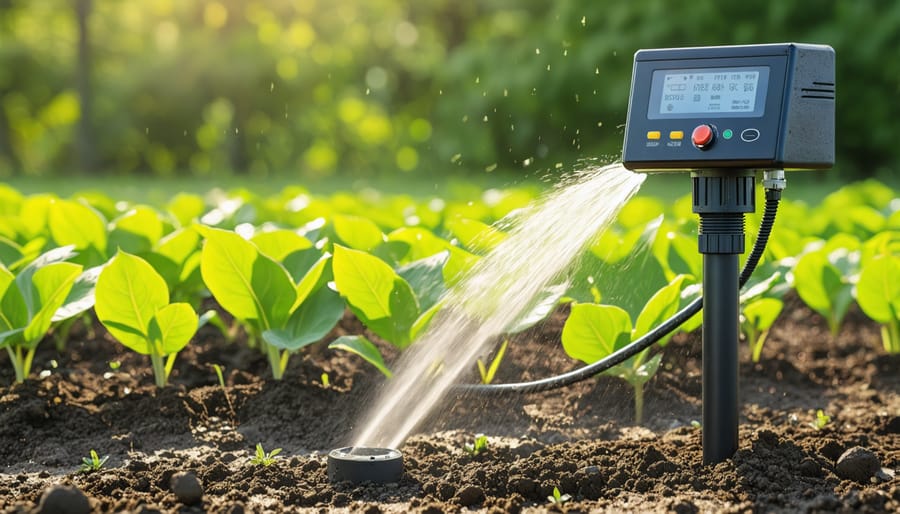
Automated drip irrigation system with digital controls and environmental sensors in agricultural field
Smart irrigation system with soil moisture sensors and automated controls

Soil Health Technology

Modern agricultural engineering has revolutionized soil health management through innovative technologies that help farmers maintain optimal growing conditions. Smart sensors now allow real-time monitoring of soil moisture, nutrient levels, and microbial activity, enabling farmers to make data-driven decisions about irrigation and fertilization.

Take Sarah Miller’s organic farm in Vermont, for example. By implementing soil mapping technology and precision agriculture tools, she reduced water usage by 30% while improving her tomato yields. The system alerts her when specific soil zones need attention, allowing for targeted interventions rather than blanket treatments.

Advanced soil testing equipment has made it easier for farmers to understand their soil’s composition and needs. Portable devices can instantly analyze pH levels, organic matter content, and mineral concentrations, providing immediate feedback for adjustment decisions. These tools are particularly valuable for organic farmers who rely heavily on maintaining natural soil fertility.

Erosion prevention technologies have also evolved significantly. Computer-aided design helps engineers develop effective terracing systems and water management solutions tailored to specific terrain conditions. Additionally, new biodegradable materials for soil stabilization offer environmentally friendly alternatives to traditional synthetic options.

These engineering solutions are making sustainable farming more accessible and efficient, helping farmers work in harmony with natural processes while maximizing productivity.

Real Farm Success Stories

Let’s explore how three innovative farms have transformed their operations through bioresource engineering solutions. At Green Valley Organics in California, owner Sarah Chen implemented a smart irrigation system that reduced water usage by 40% while increasing crop yields. The system uses soil moisture sensors and weather data to deliver precise amounts of water exactly when plants need it.

In Wisconsin, the Miller Family Farm revolutionized their dairy operation by installing a biodigester that converts animal waste into renewable energy. Not only does this power their entire 200-acre farm, but they also sell excess electricity back to the grid. The nutrient-rich byproduct serves as an organic fertilizer for their crops, creating a perfect closed-loop system.

Perhaps the most inspiring story comes from Sunshine Acres in Texas, where former tech professional James Rodriguez combines vertical farming with automated climate control. His innovative setup uses 90% less water than traditional farming methods while producing five times more leafy greens per square foot. The system’s sensors monitor temperature, humidity, and nutrient levels, automatically adjusting conditions for optimal plant growth.

These success stories demonstrate how bioresource engineering can transform traditional farming practices. Small changes, like installing moisture sensors or implementing waste-to-energy systems, can lead to significant improvements in efficiency and sustainability. The key is starting small, measuring results, and gradually expanding successful solutions across the farm operation.

Today, these farms serve as learning centers for other farmers interested in sustainable agriculture, proving that bioresource engineering solutions can be both environmentally friendly and economically viable.

Bioresource and agricultural engineering stands at the forefront of creating a more sustainable future for farming. By bridging the gap between traditional agricultural practices and innovative technology, these engineering solutions help farmers produce more food while using fewer resources. From developing water-efficient irrigation systems to creating smart sensors that monitor soil health, the field continues to evolve and adapt to modern challenges.

The impact of bioresource engineering extends beyond the farm gate, touching every aspect of our food system. It enables farmers to reduce their environmental footprint while maintaining productivity, helps preserve precious natural resources, and contributes to food security for growing populations. Success stories from farms across the globe demonstrate how engineering solutions have helped reduce water usage by up to 40% and decreased energy consumption while improving crop yields.

Looking ahead, bioresource engineering will play an increasingly vital role in addressing climate change challenges and ensuring sustainable food production. As we face growing environmental pressures, these innovative approaches offer hope for a future where agriculture can thrive while protecting our planet’s resources for generations to come.

Sacred Seeds: How Ancient Ceremonies Shape Traditional Indigenous Farming

Posted by darrell on
0
Cultural Agriculture Practices
Sacred Seeds: How Ancient Ceremonies Shape Traditional Indigenous Farming

Long before modern agriculture transformed our landscapes, Indigenous peoples cultivated a profound relationship with the land through farming practices that still offer vital lessons for today’s environmental challenges. These time-tested methods, developed over thousands of years, represent more than just agricultural techniques – they embody a holistic approach to food production that honors natural cycles while ensuring sustainable yields.

From the Three Sisters companion planting of corn, beans, and squash to sophisticated water management systems that conserved precious resources, Indigenous farming practices demonstrate an intimate understanding of local ecosystems. These methods didn’t just produce food; they actively enhanced soil fertility, protected biodiversity, and strengthened community bonds through shared agricultural ceremonies and harvests.

Today, as we face unprecedented environmental challenges and food security concerns, these ancestral farming practices offer practical solutions for sustainable agriculture. Their principles of working with nature rather than against it provide a blueprint for regenerative farming methods that could help heal our planet while feeding its growing population.

The Sacred Circle of Planting

Blessing the Seeds

For many indigenous communities, the act of blessing seeds before planting is more than just a spiritual ceremony – it’s a time-honored practice that connects farmers to their land and crops. These blessing ceremonies typically occur in early spring, when farmers gather to share seeds and prepare for the growing season.

During these ceremonies, elders often lead prayers and songs while burning sacred herbs like sage or sweetgrass. Seeds are carefully arranged in special vessels, sometimes with offerings of tobacco or corn pollen. What makes these rituals particularly remarkable is how they combine spiritual elements with practical farming wisdom.

The gathering serves as a natural opportunity for seed selection and knowledge sharing. Farmers carefully examine seeds for quality, discuss successful varieties from previous seasons, and exchange planting advice. This communal approach helps preserve crop diversity and ensures the survival of heritage varieties that are well-adapted to local growing conditions.

Modern research suggests these ceremonial practices may have additional benefits. The careful handling and inspection of seeds during blessings helps identify potential issues before planting, while the timing of these ceremonies often coincides with optimal planting periods based on natural cycles.

Elder conducting seed blessing ritual with traditional ceremonial items and seeds
Indigenous elder performing a traditional seed blessing ceremony, holding sacred seeds in a ceremonial bowl

Moon Phase Planting

For countless generations, indigenous farmers have synchronized their planting schedules with the moon’s phases, recognizing the profound connection between lunar cycles and plant growth. This time-tested practice stems from the understanding that the moon’s gravitational pull affects not only ocean tides but also the movement of water within soil and plants.

During the new moon, when gravitational pull is strongest, water rises in both soil and plant tissue. Many indigenous communities choose this time to plant crops that produce their yields above ground, like corn, beans, and squash. They’ve observed that seeds planted during this phase tend to swell and germinate more quickly due to increased water absorption.

The full moon phase is traditionally reserved for root crops such as potatoes, carrots, and onions. Indigenous farmers noticed that the decreasing gravitational pull during this period encourages strong root development and helps establish hardy plants. These lunar-based planting decisions are often accompanied by ceremonies that honor the moon’s role in agriculture and express gratitude for its guidance in food production.

Modern studies have begun to validate these ancestral practices, showing that timing plantings with lunar phases can indeed influence crop success rates.

Growing with Gratitude

Rain Ceremonies

Throughout history, indigenous communities have developed sophisticated traditional water management practices that combine spiritual ceremonies with practical farming techniques. These rain ceremonies, often performed at specific times during the growing season, demonstrate a deep understanding of local weather patterns and ecosystem relationships.

Many indigenous cultures perform ceremonies that involve song, dance, and offerings to honor water spirits and maintain balance in nature. The Hopi people’s rain dances, for instance, incorporate specific movements that mirror cloud formations and falling rain, while their timing often coincides with seasonal monsoon patterns.

These ceremonies serve multiple practical purposes beyond their spiritual significance. They bring communities together to prepare fields before expected rainfall, organize collective water management efforts, and share knowledge about weather indicators. The timing of these rituals often aligns perfectly with natural climate cycles, showing how indigenous farmers developed precise environmental awareness through generations of observation.

Modern farmers are increasingly recognizing the wisdom embedded in these ceremonies, particularly as climate change affects traditional growing seasons. By studying these practices, we can better understand sustainable water management and community-based approaches to agriculture.

Traditional rain ceremony being performed in agricultural fields by indigenous community members
Group of indigenous farmers performing a rain dance ceremony in traditional attire amid growing crops

Plant Spirit Communication

Many indigenous farming communities maintain a deep spiritual connection with their crops through ceremonies that serve both cultural and practical purposes. These rituals often involve careful observation of plant health, growth patterns, and early detection of potential issues. Farmers engage in meditation and prayer walks through their fields, during which they carefully observe leaf colors, stem strength, and overall crop vitality.

Traditional ceremonies often coincide with critical growing phases, allowing farmers to monitor crop development while maintaining cultural practices. These spiritual connections have proven remarkably effective in identifying early signs of plant stress and implementing indigenous pest management techniques before problems escalate.

Many communities perform dawn ceremonies where farmers spend quiet moments with their crops, noting subtle changes in plant behavior and health. This mindful approach helps them detect issues like moisture stress or nutrient deficiencies before visible damage occurs. Some tribes use sacred smoking ceremonies with specific herbs that naturally repel insects while promoting plant vigor.

Modern organic farmers are increasingly recognizing the value of these observation-based practices, incorporating regular “plant walking” sessions into their routines to maintain closer connections with their crops and catch potential problems early.

Harvest Rituals and Community

First Fruits Ceremonies

First Fruits ceremonies represent a vital tradition among indigenous communities worldwide, serving as both spiritual celebrations and practical methods for managing harvest distribution. These ceremonies typically mark the beginning of harvest season, when the first crops become ready for gathering. Communities come together to express gratitude for the earth’s abundance and share the initial harvest in a way that strengthens social bonds and ensures equitable food distribution.

Many indigenous groups consider it essential to perform these ceremonies before consuming any newly harvested foods. For example, in the Pacific Northwest, salmon ceremonies honor the first catch of the season, while in the Southwest, green corn ceremonies celebrate the initial maize harvest. These practices help regulate harvest timing, preventing over-collection and ensuring enough seeds remain for next season’s planting.

The ceremonies often involve careful food preservation techniques, with elders teaching younger generations how to properly store and distribute resources throughout the year. This knowledge transfer helps maintain food security during lean seasons and preserves traditional agricultural wisdom.

Modern farming communities have begun incorporating elements of First Fruits ceremonies into their harvest festivals, recognizing their value in promoting sustainable consumption patterns and community-supported agriculture. These celebrations remind us that successful farming isn’t just about production – it’s about fostering a respectful relationship with the land and ensuring everyone in the community has access to nutritious food.

Indigenous community members participating in first fruits harvest ceremony with traditional crops
Community harvest celebration showing traditional first fruits ceremony with displayed crops and ceremonial items

Seed Saving Rituals

For indigenous communities, seed saving is more than just a practical farming task – it’s a sacred ritual that connects generations and honors the relationship between people and plants. These traditional seed preservation methods often begin with careful observation throughout the growing season, identifying the strongest and most resilient plants.

During harvest time, many communities hold ceremonies where elders and experienced farmers gather to select seeds from the healthiest plants. These seeds are often blessed through prayer, song, or smoke cleansing rituals using sacred herbs like sage or sweetgrass. The selected seeds are then carefully cleaned and dried, often in special ceremonial baskets woven specifically for seed storage.

Many indigenous groups store their seeds in clay vessels or natural containers, keeping them in cool, dark places. Some communities maintain special seed houses or storage areas where seeds are protected not just physically, but spiritually through regular ceremonies and offerings. These spaces are often tended by designated seed keepers who understand both the practical and spiritual aspects of seed preservation.

The sharing of seeds between families and communities is also deeply ceremonial, often accompanied by traditional songs, stories, and teachings about each plant variety’s history and proper care. These exchanges help maintain genetic diversity while strengthening community bonds and ensuring food sovereignty for future generations.

Modern Applications

Today’s farmers and gardeners are increasingly turning to indigenous agricultural wisdom to enhance their sustainable farming practices. By incorporating traditional ceremonial approaches with modern techniques, they’re achieving remarkable results in soil health, crop diversity, and overall farm sustainability.

Many organic farmers now practice traditional blessing ceremonies before planting, finding that this mindful approach helps them better plan their growing seasons and maintain stronger connections with their land. Others have adopted indigenous companion planting methods, often integrating ceremonial elements that celebrate the relationships between different plant species.

The Three Sisters method – planting corn, beans, and squash together – remains one of the most successful examples of indigenous wisdom in modern agriculture. Contemporary farmers who follow this practice, including its traditional ceremonial aspects, report improved soil fertility and reduced pest problems while maintaining deeper cultural connections to their work.

Water blessing ceremonies have inspired modern irrigation practices that emphasize water conservation and respect for this vital resource. Some farmers now incorporate traditional moon-phase planting with modern scheduling tools, finding that this combination leads to better germination rates and hardier crops.

These practices aren’t just about agriculture – they’re helping create more resilient food systems. By blending ancient wisdom with contemporary farming techniques, we’re developing more sustainable approaches to feeding our communities while honoring the traditional knowledge that has sustained generations of indigenous farmers.

Indigenous ceremonial practices continue to offer valuable insights for modern sustainable agriculture. These time-tested methods, developed over generations of careful observation and spiritual connection to the land, demonstrate how farming can work in harmony with natural cycles. Today’s farmers and gardeners are increasingly embracing these traditional approaches, combining ancient wisdom with contemporary knowledge to create more resilient food systems. By honoring the ceremonial aspects of planting and harvesting, we not only preserve important cultural heritage but also maintain a deeper connection to our food and the earth. This mindful approach to agriculture reminds us that sustainable farming is about more than just producing food – it’s about nurturing relationships between people, plants, and the planet that sustains us all.

Ancient Farming Wisdom: How Indigenous Tools Still Shape Modern Agriculture

Posted by darrell on
0
Cultural Agriculture Practices
Ancient Farming Wisdom: How Indigenous Tools Still Shape Modern Agriculture

Indigenous agricultural practices stand as living testaments to centuries of environmental wisdom, offering proven solutions for today’s sustainability challenges. These time-tested methods, developed across generations by Native communities worldwide, demonstrate remarkable efficiency in resource management while maintaining ecological balance. From the sophisticated Three Sisters companion planting of corn, beans, and squash in North America to the ingenious terraced farming systems of the Andes, indigenous farming techniques have consistently outperformed modern industrial agriculture in terms of biodiversity preservation and climate resilience.

Beyond their historical significance, these ancestral practices provide vital blueprints for addressing contemporary food security concerns and environmental degradation. By integrating natural pest control, water conservation, and soil enrichment techniques perfected over millennia, indigenous agricultural methods offer practical alternatives to chemical-dependent farming. Their holistic approach to land stewardship not only ensures sustainable food production but also preserves cultural heritage and ecological knowledge essential for future generations.

Traditional Tools That Shaped the Land

Digging Sticks and Hand Hoes

Digging sticks and hand hoes represent some of the earliest and most ingenious agricultural tools developed by indigenous peoples worldwide. These simple yet remarkably effective implements transformed the way communities cultivated their land. The digging stick, typically crafted from hardwood and fire-hardened at one end, allowed farmers to break up soil, create planting holes, and harvest root crops with minimal soil disturbance.

Hand hoes evolved from these early tools, featuring stone, bone, or wooden blades attached to wooden handles. These tools proved particularly effective for weeding, creating furrows, and maintaining garden beds. Many indigenous communities still use variations of these tools today, especially in areas where mechanical cultivation isn’t practical or desired.

What makes these tools particularly remarkable is their sustainability – they’re crafted from local materials, require no fuel, and cause minimal soil compaction. Modern gardeners and small-scale farmers are increasingly returning to these time-tested tools, recognizing their effectiveness for precise plant spacing and selective weeding while maintaining soil health.

Collection of indigenous farming tools including wooden digging sticks and stone-headed hoes
Various traditional digging sticks and hand hoes made from wood and stone, displayed against a natural background

Stone and Wooden Implements

Indigenous communities crafted remarkably effective farming tools from locally available materials, primarily stone and wood. Digging sticks, made from hardwoods like oak and maple, were essential for creating planting holes and turning soil. These tools were often fire-hardened at the tip for increased durability and enhanced with stone or bone handles for better grip.

Stone implements played a crucial role in food processing and soil preparation. Hand-carved stone hoes, typically attached to wooden handles with leather bindings, helped break up soil and remove weeds. Granite and basalt grinding stones were used to process harvested grains and seeds, while specially shaped stone scrapers aided in preparing woody plants for basket-making and tool construction.

Many communities developed specialized wooden tools for specific crops. For example, corn planters featured notched spacing guides to ensure optimal planting distance, while curved wooden paddles helped separate grain from chaff. These tools were often passed down through generations, with each family adding their own modifications based on local growing conditions and specific crop needs.

What’s remarkable is how many of these time-tested designs continue to inspire modern sustainable farming tools, proving that sometimes the simplest solutions are the most effective.

Sustainable Harvesting Technologies

Native craftswoman creating traditional harvest basket using local plant materials
Indigenous woman weaving a traditional harvest basket using natural fibers

Gathering Baskets and Storage Solutions

Indigenous communities developed sophisticated methods for harvesting and storing their precious crops, combining practicality with sustainable materials. Traditional gathering baskets were crafted from locally sourced materials like willow, reed, and bark, carefully woven to create durable containers that allowed proper airflow while protecting the harvest.

These communities also mastered traditional seed preservation methods through innovative storage solutions. Underground storage pits, lined with grass and bark, maintained consistent temperatures and humidity levels ideal for preserving root vegetables and grains. Clay vessels sealed with natural waxes protected seeds and dried goods from moisture and pests.

Many indigenous groups used elevated storage platforms or “corn cribs” to keep their harvest safe from ground moisture and animals. These structures featured protective coverings made from bark or woven grass, allowing air circulation while shielding contents from rain. Some communities also developed smoke-drying techniques, using specially designed storage houses where preserved foods could be kept for months or even years.

These time-tested storage methods continue to inspire modern sustainable farming practices, proving that sometimes the most effective solutions are rooted in ancestral wisdom.

Crop-Specific Tools

Indigenous communities developed an impressive array of specialized tools tailored to specific crops, showcasing their deep understanding of plant needs. For grain crops like corn and quinoa, farmers used dibble sticks with multiple points to create precise planting holes at optimal depths. These tools often featured marks indicating proper spacing between seeds.

Root crop harvesting called for unique implements, such as the curved wooden potato hoe used by Andean farmers. This tool allowed gentle unearthing of tubers without damaging them. Similarly, the Japanese kuwa, a versatile hand hoe, was perfectly designed for maintaining rice paddies and harvesting root vegetables.

For climbing plants like beans and squash, indigenous farmers crafted support systems using local materials. The Three Sisters method employed corn stalks as natural trellises, while other communities created bamboo frameworks with specialized ties made from plant fibers.

Cotton farmers in Mesoamerica developed special wooden picks for harvesting, designed to protect both the plant and the valuable fiber. These tools featured smooth, rounded tips that prevented accidentally damaging the cotton bolls during collection.

Modern Applications of Indigenous Tools

Small-Scale Organic Farming

Modern small-scale organic farming has seen a remarkable revival of indigenous farming techniques, blending time-tested wisdom with contemporary sustainability needs. Many organic farmers now incorporate traditional tools like dibble sticks for precise seed placement and wooden hoes that minimize soil disruption while effectively managing weeds.

These ancestral tools prove particularly valuable in raised bed systems and intensive growing spaces, where careful soil management is crucial. Local farmers report that using traditional wooden implements helps maintain soil structure and promotes healthier root development compared to metal alternatives.

Sarah Running Bear, an organic farmer in Colorado, successfully integrates her grandmother’s companion planting methods with modern organic certification standards. She uses traditional corn planters alongside natural pest management techniques, achieving impressive yields while preserving soil health.

The beauty of these traditional tools lies in their simplicity and effectiveness. Many are crafted from locally sourced materials, reducing environmental impact while supporting local artisans. Today’s organic farmers often modify these tools slightly, adding ergonomic handles or adjustable features while maintaining their core sustainable principles.

For home gardeners and small-scale farmers, these indigenous tools offer an accessible entry point into sustainable agriculture, connecting modern growing practices with centuries of agricultural wisdom.

Contemporary farmer demonstrating use of indigenous-inspired farming tools in organic agriculture
Modern organic farmer using adapted traditional tools in a small-scale vegetable garden

Sustainable Agriculture Movement

Traditional indigenous tools and practices are experiencing a remarkable revival in the modern sustainable agriculture movement. These time-tested methods, developed over generations of careful environmental observation, are proving invaluable in addressing contemporary challenges like soil erosion, water conservation, and biodiversity loss.

Farmers and gardeners worldwide are rediscovering the wisdom of using manual tools like the dibble stick for precise seed placement and wooden hoes for gentle soil cultivation. These implements, crafted from natural materials, leave a minimal environmental footprint while promoting intimate connection with the land.

Indigenous practices like companion planting and natural pest management are being embraced by organic farmers who recognize their effectiveness in maintaining ecological balance. For example, the Three Sisters planting method – combining corn, beans, and squash – demonstrates how traditional knowledge can maximize soil nutrients and crop yields naturally.

The movement has also sparked interest in indigenous seed preservation techniques and water management systems. Many sustainable farms now incorporate ancient terracing methods and water-harvesting practices, proving that sometimes the most innovative solutions are rooted in ancestral wisdom.

This return to traditional tools and techniques isn’t just about preservation – it’s about building a more sustainable future by learning from our past.

Preserving Agricultural Heritage

The preservation of traditional farming wisdom isn’t just about honoring the past – it’s about securing our agricultural future. Preserving indigenous agricultural knowledge helps maintain crop diversity, ensures food security, and keeps centuries-old sustainable practices alive for future generations.

Many indigenous communities have passed down farming techniques through storytelling, hands-on teaching, and seasonal ceremonies. These methods often incorporate deep understanding of local ecosystems, weather patterns, and soil health that modern agriculture is only beginning to appreciate. For example, the Three Sisters companion planting technique – growing corn, beans, and squash together – demonstrates sophisticated knowledge of plant relationships and natural pest control.

Today, farmers and researchers are working alongside indigenous communities to document and integrate these time-tested practices into modern sustainable farming. Seed saving programs, cultural education initiatives, and farmer-to-farmer mentorship opportunities help bridge the gap between traditional and contemporary agriculture.

Young indigenous farmers are leading the way by combining ancestral knowledge with modern innovations. They’re creating farming programs that teach both traditional methods and new sustainable technologies, ensuring these practices remain relevant and practical in today’s world.

By maintaining these agricultural traditions, we’re not just preserving cultural heritage – we’re protecting valuable agricultural biodiversity and ecological wisdom that could help address modern challenges like climate change and food insecurity. These time-honored practices offer proven solutions for sustainable food production that benefit both people and the planet.

Indigenous agricultural tools and practices represent more than just historical artifacts – they embody generations of environmental wisdom and sustainable farming knowledge. These time-tested methods have proven their worth through centuries of successful food production while maintaining ecological balance. Today, as we face growing environmental challenges and the need for sustainable farming solutions, these traditional practices offer valuable insights for modern agriculture.

Many farmers are now successfully blending ancient techniques with contemporary methods, creating hybrid approaches that honor traditional knowledge while meeting current farming needs. From natural pest control methods to water conservation techniques, indigenous agricultural practices continue to demonstrate their relevance in today’s farming landscape.

By preserving and adapting these traditional tools and methods, we’re not just maintaining cultural heritage – we’re investing in a more sustainable agricultural future. The simplicity, efficiency, and environmental harmony of indigenous farming practices remind us that sometimes the most effective solutions have been with us all along, waiting to be rediscovered and reimagined for modern times.

Ancient Wisdom Meets Modern Farm: Indigenous Livestock Practices That Actually Work

Posted by darrell on
0
Cultural Agriculture Practices
Ancient Wisdom Meets Modern Farm: Indigenous Livestock Practices That Actually Work

Rotate grazing patterns seasonally across divided pastures to mirror indigenous farming wisdom, maximizing soil health and preventing overgrazing. Integrate multiple species – cattle, sheep, and poultry – to naturally control pests, manage vegetation layers, and create diverse income streams. Monitor herd health through daily observation of movement patterns, grazing behavior, and social interactions rather than relying solely on conventional metrics. Build resilient water systems by combining traditional catchment methods with modern irrigation technology, ensuring sustainable access during dry periods while preserving natural water cycles.

This holistic approach to livestock management draws from centuries of traditional knowledge while embracing modern sustainable practices. When animals move naturally through the landscape, they contribute to ecosystem health rather than depleting it. By understanding these relationships, farmers can create productive, regenerative systems that honor both land and tradition.

Traditional Grazing Techniques That Stand the Test of Time

Seasonal Migration Patterns

Indigenous communities have long understood the delicate balance between livestock management and natural cycles. Their traditional resource management practices often involve moving animals in harmony with seasonal changes, following time-tested patterns that maximize both land health and animal welfare.

During spring, herds are typically guided to lowland areas where fresh grass emerges first. As summer progresses, animals are moved to higher elevations where vegetation remains lush and temperatures are cooler. This upland grazing allows lowland areas to recover and rebuild soil health. When autumn approaches, livestock gradually return to lower elevations, taking advantage of late-season growth and preparing for winter.

These migration patterns help prevent overgrazing, reduce soil erosion, and ensure year-round access to nutritious forage. Communities time these movements with natural indicators like specific plant blooms, bird migrations, or weather patterns. This knowledge, passed down through generations, creates a sustainable cycle that benefits both the land and the animals.

Modern farmers can adapt these principles by implementing rotational grazing systems that mirror these seasonal movements, even on smaller scales. This approach helps maintain healthy pastures while honoring age-old wisdom that has proven effective for centuries.

Indigenous shepherds guiding mixed livestock herds during seasonal migration
Traditional herders moving livestock across seasonal grasslands at sunset

Mixed Species Grazing

Mixed species grazing, a practice deeply rooted in traditional farming wisdom, involves managing different types of livestock together on the same pasture. Similar to rotation principles in crop farming, this method maximizes land use while promoting ecological balance.

Sheep, cattle, and goats are commonly paired together because they have complementary grazing habits. Cattle prefer taller grasses, sheep target shorter vegetation and forbs, while goats naturally gravitate toward browsing woody plants and weeds. This diversity in feeding patterns helps control unwanted vegetation while improving pasture quality.

The benefits of this approach are numerous. It reduces parasite loads naturally, as different species aren’t susceptible to the same parasites. This means fewer chemical treatments are needed, making it an excellent choice for organic farming. The varied grazing patterns also lead to more uniform pasture utilization and improved soil fertility through diverse manure distribution.

Many successful farmers report that mixed species grazing can increase the total meat or dairy production per acre by 20-25% compared to single-species operations. Plus, it provides a natural form of risk management – if market conditions become unfavorable for one type of livestock, farmers can rely on income from the others.

Natural Breeding Selection Methods

Traditional cattle breed showing climate-adaptive traits in harsh environment
Indigenous farmer examining hardy local breed cattle in natural environment

Climate-Adaptive Traits

Indigenous livestock breeders have developed remarkable methods for selecting animals with traits that help them thrive in challenging weather conditions. Through generations of careful observation and breeding, they’ve created hardy livestock varieties that can withstand extreme temperatures, limited water availability, and varying food sources.

In arid regions, traditional herders select animals with physical characteristics like loose skin folds, which increase surface area for better heat dissipation, and lighter coat colors that reflect sunlight. These animals typically have efficient water metabolism and can go longer between drinking sessions.

For cold climates, indigenous breeders favor thick-coated animals with compact bodies that retain heat well. They also select for traits like strong hooves that can handle rocky terrain and the ability to digest rough forage when premium feed is scarce.

Disease resistance is another crucial trait. Local breeds often develop natural immunity to regional parasites and illnesses. Breeders identify and propagate bloodlines that show consistent health despite challenging conditions.

Many indigenous communities also select for behavioral traits like strong maternal instincts and herd cohesion. These characteristics help animals protect themselves from predators and harsh weather conditions while requiring minimal human intervention.

Modern farmers can learn from these time-tested breeding practices to develop livestock that’s better adapted to our changing climate while reducing dependency on intensive care and resources.

Disease Resistance

Building natural disease resistance in livestock herds is a time-tested approach that many traditional farmers have used for generations. By carefully selecting breeding stock from animals that demonstrate strong immune systems and natural resistance to common ailments, farmers can develop hardier herds over time.

One effective method is maintaining detailed health records of individual animals and their offspring. When choosing breeding pairs, farmers prioritize animals that rarely get sick and recover quickly when they do face health challenges. This selective breeding approach gradually strengthens the overall herd immunity.

Traditional farmers also use strategic exposure techniques, allowing young animals controlled contact with minor pathogens to help build their natural immunity. This practice, similar to how children develop immunity through normal childhood exposures, helps animals develop stronger immune responses.

Rotating pastures and maintaining proper stocking densities are crucial components of disease resistance management. These practices reduce pathogen buildup in the soil and minimize stress on the animals, which can compromise their immune systems.

Many successful farmers complement these approaches with herbal supplements and natural remedies that support immune function. Common additions include garlic, apple cider vinegar, and local medicinal plants that animals can browse naturally in their pastures.

Remember that developing disease-resistant herds takes time and patience, but the long-term benefits include reduced veterinary costs and healthier, more productive animals.

Natural Health Management

Herbal Remedies

Indigenous communities have long relied on natural plant remedies to maintain livestock health. Chamomile and calendula flowers are commonly used to treat minor wounds and skin irritations in animals, while garlic serves as a natural dewormer and immune system booster. Many farmers incorporate these herbs directly into feed or pasture areas.

Neem leaves and oil are particularly valuable for pest control and skin conditions, while turmeric’s anti-inflammatory properties help address joint issues in older animals. Peppermint and oregano aid in digestive health, making them excellent additions to fodder for ruminants experiencing bloat or indigestion.

Aloe vera remains a go-to treatment for burns and wounds, while comfrey leaves help speed up the healing of sprains and bone injuries. Elder flowers and yarrow are often used to reduce fever and boost overall immunity. These remedies are especially valuable in organic farming systems where synthetic medications are restricted.

When properly identified and administered, these herbal solutions offer cost-effective, environmentally friendly alternatives to conventional treatments, though it’s essential to consult with a veterinarian before starting any new treatment regimen.

Traditional medicinal plants and herbs used for livestock health
Collection of medicinal herbs and plants used in traditional livestock care

Preventive Care Practices

Maintaining herd health through preventive care has been a cornerstone of successful livestock management for generations. Regular health checks, including monitoring animal behavior and appetite, help identify potential issues before they become serious problems. Much like traditional pest management methods, these time-tested practices focus on prevention rather than treatment.

Essential preventive practices include rotational grazing to reduce parasite loads, maintaining clean water sources, and providing appropriate shelter from extreme weather conditions. Regular hoof trimming, grooming, and dental care are also crucial components of preventive care. Many farmers incorporate natural supplements like herbs and mineral blocks to boost immunity and overall health.

Creating a consistent vaccination schedule and maintaining detailed health records for each animal helps track patterns and anticipate seasonal health challenges. Building strong relationships with local veterinarians while learning to perform basic health checks yourself creates a balanced approach to preventive care that benefits both the animals and your bottom line.

Implementing Indigenous Wisdom in Modern Farms

Indigenous wisdom offers valuable insights for modern livestock management, blending time-tested practices with contemporary farming needs. Many Native American and Aboriginal communities have practiced rotational grazing for centuries, moving their herds in patterns that mirror natural wildlife movements. Today’s farmers can adopt this approach by dividing pastures into smaller paddocks and rotating animals regularly to prevent overgrazing and promote soil health.

Traditional knowledge also emphasizes the importance of working with local ecosystems rather than against them. For instance, raising heritage breeds that are naturally adapted to your region’s climate and terrain can reduce the need for intensive care and artificial interventions. The Navajo-Churro sheep in the American Southwest perfectly demonstrates this principle, thriving in arid conditions where other breeds might struggle.

Another valuable indigenous practice is multi-species grazing, where different animals graze together or in sequence. Following chickens behind cattle, for instance, helps break pest cycles and spreads manure more effectively. This method improves pasture health while maximizing land use efficiency.

Indigenous communities have long recognized the medicinal properties of native plants for livestock health. Modern farmers can incorporate these natural remedies by maintaining diverse pastures with healing herbs and allowing animals to self-medicate through selective grazing. Many successful farmers now grow herbs like yarrow, oregano, and chamomile alongside regular forage.

Water management techniques from indigenous practices, such as creating small swales or strategic placement of shade trees, can help distribute water more effectively across pastures while providing natural shelter for animals. These methods reduce erosion and create microhabitats that benefit both livestock and local wildlife.

Indigenous livestock management practices offer invaluable wisdom that bridges ancient traditions with modern sustainable farming needs. These time-tested methods demonstrate how working in harmony with natural ecosystems can lead to healthier animals, more productive farms, and a lighter environmental footprint. By incorporating traditional rotational grazing, local breed selection, and natural remedies, farmers today can build more resilient agricultural systems while preserving cultural heritage. The success of many small-scale farmers who have embraced these practices proves that indigenous knowledge isn’t just about preserving the past – it’s about creating a more sustainable future for agriculture. As we face growing environmental challenges, these traditional approaches to livestock management provide practical solutions that benefit animals, farmers, and our planet.