X-Seed Pastures: How Smart Crop Planning Keeps Your Farm Thriving
 darrell on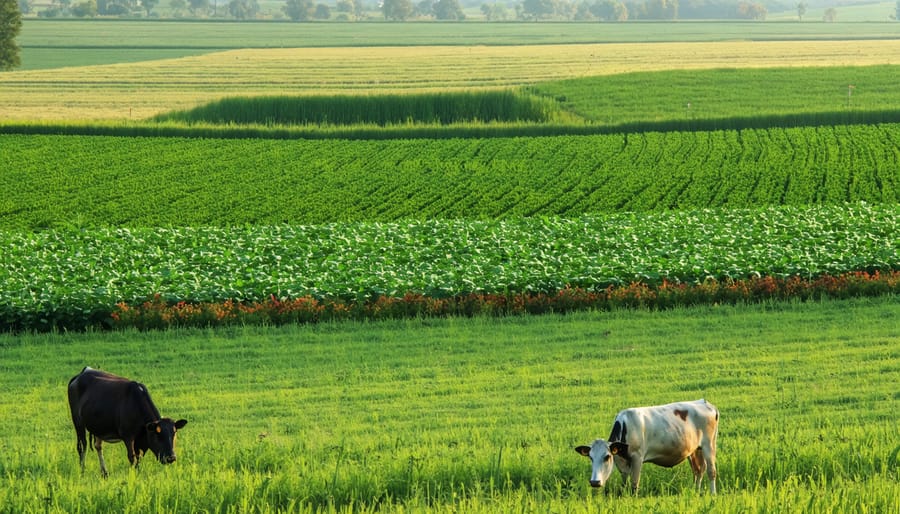
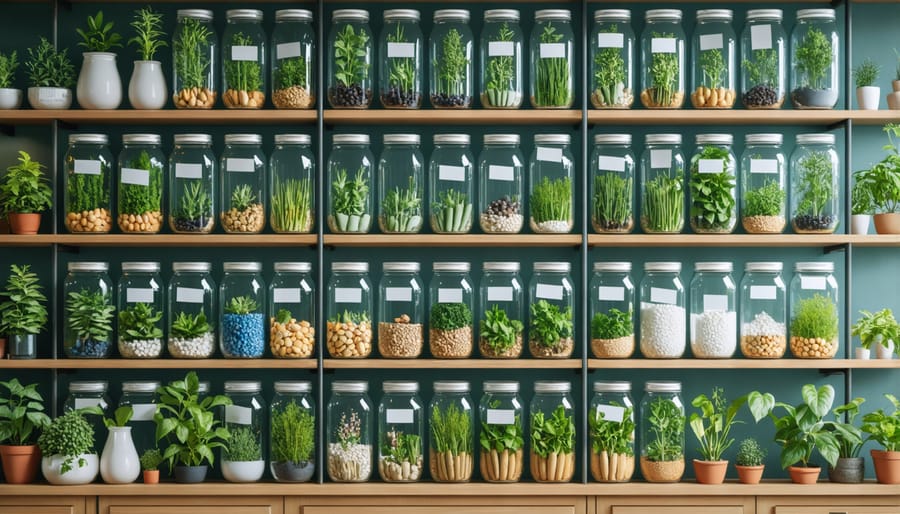
Transform your pasture land into a high-performing grazing system by implementing X-seed technology – a revolutionary approach that maximizes both forage production and seed diversity in farming systems. Strategic seeding with X-seed varieties increases drought resistance, extends grazing seasons, and boosts livestock productivity through enhanced nutrient density. This adaptive pasture management method has helped farmers across North America achieve up to 30% higher grazing capacity while reducing supplemental feed costs.
Modern X-seed pastures blend performance-tested grass varieties with hardy legumes, creating resilient ecosystems that thrive in challenging conditions. Whether you manage a small family farm or oversee extensive rangeland, X-seed technology offers a sustainable solution for improving soil health, maximizing forage yield, and ensuring long-term profitability. By combining traditional grazing wisdom with innovative seed engineering, X-seed pastures represent the future of regenerative agriculture.
What Makes X-Seed Pastures Different?

The Perfect Balance: Crops and Pasture
X-seed pastures represent a brilliant harmony between crop production and natural grazing lands. By carefully selecting diverse grass species and legumes, these pastures create a living ecosystem that supports both livestock and soil health. The secret lies in the strategic rotation between grazing periods and crop cultivation seasons.
During the grazing phase, animals naturally fertilize the soil while keeping grass heights manageable. This activity stimulates root growth and increases organic matter in the soil. When it’s time for crops, the enriched soil provides an ideal growing environment, reducing the need for synthetic fertilizers.
Farmers who’ve implemented x-seed systems report impressive results. Sarah Johnson, a Vermont farmer, noticed a 30% increase in soil fertility after just two seasons of alternating between pastured cattle and vegetable crops. The diversity of plant species also attracts beneficial insects and pollinators, creating a natural pest management system.
The beauty of x-seed pastures is their adaptability. Whether you’re growing vegetables, grains, or maintaining dairy cattle, the system can be tailored to meet your specific needs while preserving local biodiversity and improving soil quality year after year.
Natural Barriers and Buffer Zones
X-seed pastures serve as excellent natural buffers between different crop varieties, creating distinct zones that help maintain crop purity and prevent cross-pollination. These buffer zones typically span 15-20 feet wide, acting as living fences that protect specialty crops and organic growing areas from external influences.
The dense growth pattern of x-seed grasses naturally suppresses weed migration between different farming zones, while their robust root systems help define clear boundaries. This natural separation is particularly valuable for farmers growing multiple crop varieties or those maintaining organic certification requirements.
Many farmers have found success using x-seed pastures to create transition zones between conventional and organic fields. The grass barrier effectively filters potential drift from neighboring properties while providing additional grazing opportunities for livestock. These buffer zones also serve as wildlife corridors, supporting beneficial insects and pollinators that enhance overall farm biodiversity.
For small-scale farmers, x-seed buffer zones can double as productive spaces, offering high-quality forage while maintaining crucial separation between different growing areas. This dual-purpose approach maximizes land use efficiency while supporting sustainable farming practices.
Planning Your X-Seed Pasture System
Selecting Compatible Plants
When designing your x-seed pasture system, choosing the right compatible plant combinations is crucial for success. Start by selecting a diverse mix of grasses, legumes, and herbs that complement each other’s growth patterns and nutritional needs.
Consider plants with different root depths to maximize soil resource utilization. Deep-rooted plants like alfalfa can access nutrients and water from lower soil layers, while shallow-rooted species like white clover work well in the top soil. This vertical diversity creates a more resilient system.
Timing is also essential – choose plants with varying growth periods to ensure continuous ground cover throughout the season. For example, pair early-spring grasses with summer-active legumes and fall-growing brassicas.
Some proven combinations include:
– Perennial ryegrass with red and white clover
– Orchardgrass with alfalfa and chicory
– Tall fescue with birdsfoot trefoil
Look for plants that offer multiple benefits: forage quality, soil improvement, and pollinator support. Herbs like plantain and chicory not only provide excellent nutrition but also have medicinal properties for grazing animals.
Remember to account for your specific climate and soil conditions when making selections. Local agricultural extension offices can provide valuable guidance on species that thrive in your region.

Seasonal Rotation Strategies
Implementing effective seasonal rotation strategies is crucial for maintaining healthy and productive x-seed pasture land throughout the year. Start by dividing your pasture into distinct sections, allowing for systematic rotation that gives each area adequate rest and recovery time.
In spring, begin with cool-season grasses and legumes, gradually transitioning to warm-season varieties as temperatures rise. Monitor soil moisture levels and grass height carefully during this transition period. A good rule of thumb is to rotate livestock when grass height reaches about 4 inches, preventing overgrazing and promoting robust root development.
Summer management focuses on preventing heat stress and maintaining grass quality. Consider implementing a “leader-follower” system, where different livestock species graze the same paddock in sequence, maximizing forage utilization. Young animals with higher nutritional needs graze first, followed by adult animals that can manage on slightly lower quality forage.
Fall transition requires careful planning to extend the grazing season. Stockpile some pasture areas during late summer for autumn and winter grazing. This approach reduces the need for supplemental feed while maintaining soil health. During winter, use strip grazing techniques to minimize waste and ensure even manure distribution.
Remember to adjust your rotation schedule based on weather conditions, grass growth rates, and livestock needs. Keep detailed records of grazing patterns and pasture recovery times to refine your strategy year after year.
Real Farm Success Stories
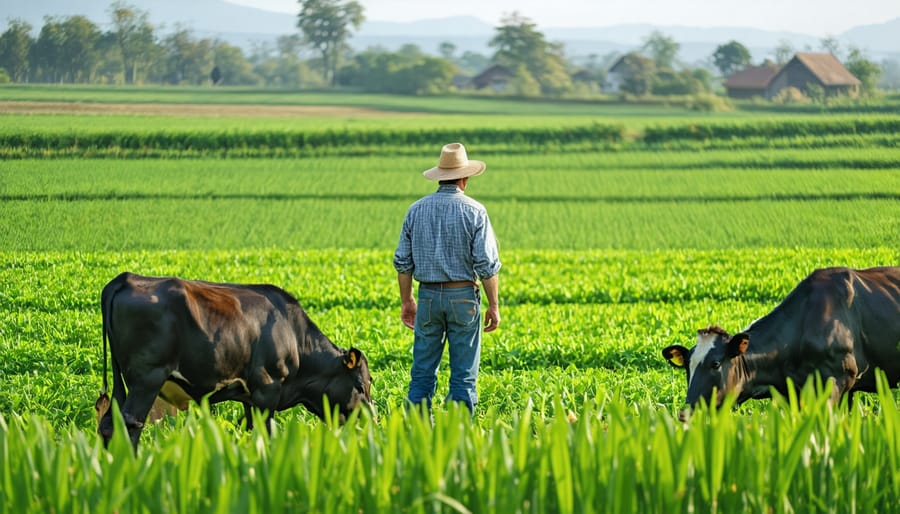
The Thompson Family Farm in Vermont transformed their struggling dairy operation into a thriving rotational grazing system using x-seed pasture techniques. Within just two years, they reported a 40% reduction in feed costs and witnessed remarkable improvements in soil health. “Our grass is thicker, greener, and more resilient to drought,” says Sarah Thompson. “The cattle are healthier too, and we’ve seen a noticeable increase in milk production.”
In Texas, the Martinez Ranch successfully implemented x-seed pastures across 200 acres of previously underutilized land. By carefully selecting drought-resistant varieties and following optimal seeding patterns, they created year-round grazing opportunities for their beef cattle. “The return on investment exceeded our expectations,” explains Ramon Martinez. “Our cattle gain weight faster, and we’ve cut our hay purchases by 60%.”
Small-scale success stories are equally impressive. The Green Meadows Homestead, operating on just 15 acres in Oregon, uses x-seed pastures to support their mixed livestock operation. Owner Jenny Chen reports that their carefully planned pasture system supports sheep, goats, and chickens while improving soil quality each year. “The diversity of plants in our x-seed pastures has attracted more beneficial insects and birds. It’s like our land has come alive,” she shares.
Perhaps most inspiring is the story of the Wilson Community Farm in Georgia, where a group of new farmers collectively restored 50 acres of depleted soil using x-seed pasture methods. Their collaborative approach allowed them to share equipment costs and knowledge, resulting in a vibrant farming community. Today, they produce high-quality grass-fed beef and lamb while serving as a learning center for other aspiring farmers in the region.
These success stories demonstrate that regardless of scale or location, x-seed pasture systems can revolutionize farming operations while promoting environmental sustainability and economic viability.
X-seed pasture land offers a sustainable and profitable solution for modern farmers looking to enhance their agricultural operations. By implementing this innovative approach, you’ll enjoy improved soil health, increased biodiversity, and better livestock nutrition. The system’s ability to provide year-round grazing opportunities while reducing feed costs makes it an attractive option for both small-scale and commercial farmers. Success stories from farmers across different regions demonstrate that x-seed pasture land can adapt to various climates and soil conditions. Whether you’re just starting or looking to transform your existing farmland, the benefits of x-seed pasture systems are clear. Take the first step toward sustainable farming by incorporating these practices into your operation, and join the growing community of farmers who are building a more resilient agricultural future.