Why Your Local Farm’s Food Safety Matters More Than You Think
 darrell on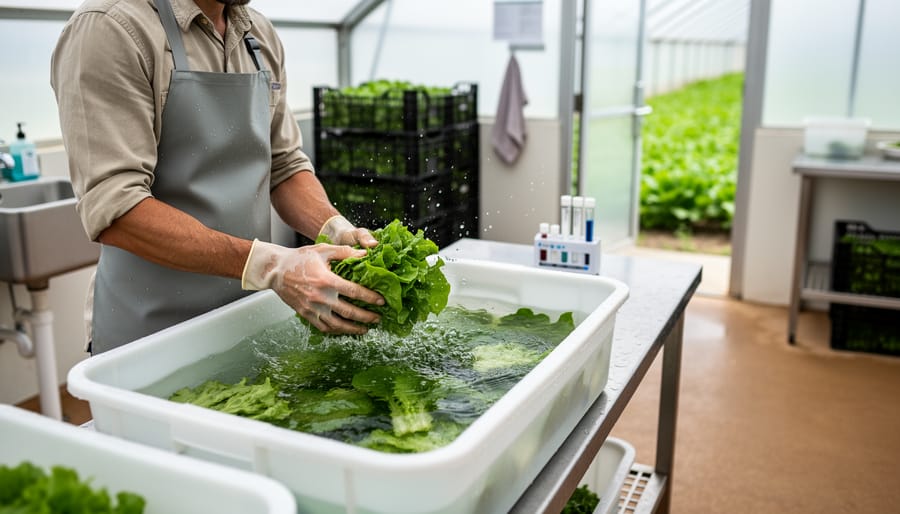
Understand that food safety in local farming isn’t about massive industrial equipment or complicated laboratory tests—it starts with knowing your soil, water sources, and handling practices from seed to sale. Visit your local CSA farms and ask farmers about their water testing schedules, compost aging processes, and employee hygiene protocols to gauge their commitment to safety standards.
Implement a simple three-step safety system: test your irrigation water twice yearly for coliform bacteria, maintain detailed harvest and washing logs, and establish clear hand-washing stations in all work areas. These foundational practices prevent contamination more effectively than reactive measures after problems arise.
Recognize that small-scale producers face the same pathogen risks as conventional operations—E. coli, Salmonella, and Listeria don’t discriminate by farm size. The difference lies in traceability advantages: when Sarah Chen’s Oregon farm identified potential contamination in her lettuce crop, she contacted all 47 CSA members within two hours, while conventional supply chains often take days to trace affected products.
Build relationships with farmers who welcome farm visits and openly discuss their safety practices. Ask about their staff training frequency, equipment sanitization routines, and how they handle recalls. Transparent producers view these questions as opportunities to demonstrate their expertise, not intrusions on their operations.
Whether you’re growing food for your community or purchasing from local sources, food safety requires consistent attention to detail, not just good intentions. Understanding these fundamentals protects everyone while supporting the local food movement’s growth.
What Manufacturing Food Safety Means for Small Farms
The Journey from Farm to Your Table
Your locally grown lettuce takes quite an adventure before landing in your salad bowl! Understanding this journey helps us appreciate where food safety measures make the biggest difference.
The path begins right in the soil. Farmers start with healthy seeds and carefully manage water quality, composting practices, and field conditions. This foundation stage is critical because contamination prevented early saves headaches later. Think of it like building a house—you want a solid base from the start.
Next comes harvesting, where proper timing and handling techniques protect produce from damage and potential contamination. Clean tools, properly trained workers, and immediate cooling all play vital roles. Local farmer Maria Rodriguez from Green Valley Farm shares her approach: “We harvest in the cool morning hours and refrigerate within an hour. It’s simple but makes all the difference in keeping our greens safe and fresh.”
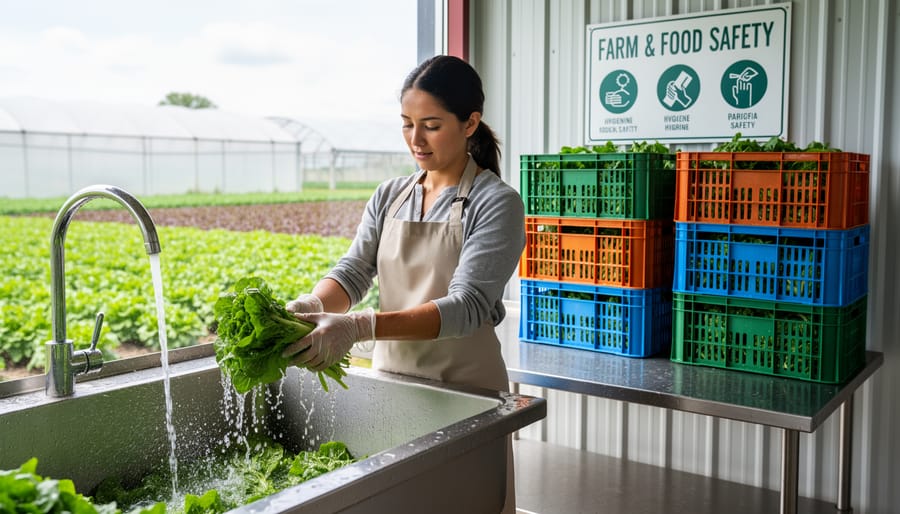
During processing and packing, even small-scale operations need designated clean areas, sanitized surfaces, and temperature control. This is where many local farms distinguish themselves—smaller batches mean more attention to detail at each step.
Transportation might seem straightforward, but maintaining proper temperatures during those farmers market trips matters tremendously. Finally, storage at your local co-op or in your own refrigerator completes the chain.
Each stage represents what food safety experts call a “critical control point”—moments where careful attention prevents problems. When local farmers implement good practices throughout this journey, you get not just fresher food, but safer food too.
How Local Differs from Industrial
Local food production operates on a wonderfully different scale than industrial manufacturing, creating unique safety advantages and considerations. While large facilities process thousands of pounds daily through complex equipment, local farmers often handle smaller batches with direct oversight at every step. This hands-on approach means you’re less likely to see widespread contamination issues that can affect millions of products in industrial recalls.
One significant advantage? Shorter supply chains mean fresher food with fewer touchpoints where contamination could occur. When Sarah Martinez started her community-supported agriculture program, she discovered that harvesting greens in the morning for afternoon pickup eliminated the need for extended cold storage that industrial operations require. This immediacy naturally reduces certain risks while maintaining peak nutritional value.
However, local producers face distinct challenges too. Without dedicated quality control departments, farmers wear multiple hats, balancing food safety protocols with planting, harvesting, and customer relationships. Equipment might be simpler, but proper sanitization remains equally critical whether you’re washing vegetables in a three-compartment sink or an automated facility.
The testing requirements differ as well. Industrial operations conduct frequent laboratory testing for pathogens, while local farmers often rely more heavily on preventive practices like crop rotation, water quality monitoring, and careful record-keeping. Many successful local producers join food safety cooperatives, sharing resources for occasional testing and training that would be cost-prohibitive individually.
Understanding these differences helps consumers appreciate the care local farmers invest in keeping food safe while recognizing that good safety practices transcend scale.
Core Food Safety Practices Local Producers Follow
Growing and Harvesting with Safety in Mind
Food safety begins long before harvest day, right in your fields and growing beds. The foundation starts with water quality—whether you’re using well water, municipal sources, or irrigation systems, regular testing ensures you’re not introducing harmful bacteria to your crops. Many small-scale farmers test their water at least twice per growing season, especially after heavy rainfall or flooding events.
Soil amendments deserve careful attention too. While compost is a cornerstone of organic farming, improperly aged compost can harbor pathogens. The key is reaching those magic temperatures—131 to 170 degrees Fahrenheit—during the composting process to kill harmful organisms. Most experienced growers wait at least 90 to 120 days before applying compost to crops that touch the soil directly, like lettuce or strawberries.
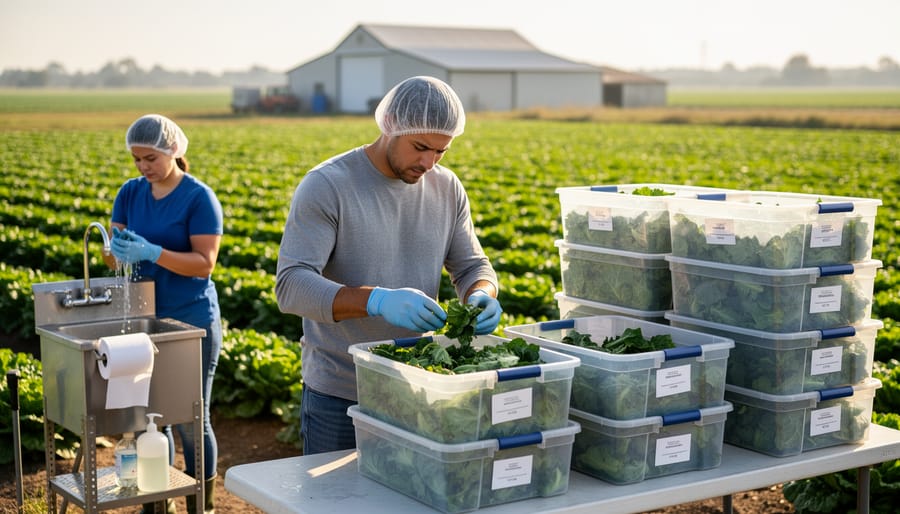
Worker hygiene practices protect both your team and your customers. Simple steps make a big difference: providing handwashing stations in the field, ensuring access to clean restrooms, and training everyone on proper hygiene protocols. One CSA farmer in Vermont shared how posting visual reminders near harvest bins reduced contamination risks significantly.
Harvest timing matters more than you might think. Picking produce during cooler morning hours and getting it into shade or refrigeration quickly slows bacterial growth dramatically. Avoid harvesting wet crops when possible, as moisture creates an ideal environment for bacteria to multiply. These straightforward practices demonstrate your commitment to delivering safe, nutritious food to your community while maintaining the integrity of your sustainable farming methods.
Processing and Packaging Standards
Once your beautiful produce comes off the field, maintaining food safety during processing becomes your next priority. Whether you’re washing lettuce for market bundles or transforming tomatoes into salsa, every step matters for protecting your customers and building trust in your farm business.
Start with proper washing techniques using potable water. A three-sink system works wonderfully for leafy greens: wash, rinse, and sanitize with food-grade solutions. Change water frequently to prevent cross-contamination, and remember that cold water helps maintain freshness while removing dirt and potential pathogens.
Your cutting and prep area deserves special attention. Use dedicated cutting boards for different product types, sanitizing between batches. Stainless steel surfaces clean more thoroughly than wood or plastic, making them ideal for small-scale operations. Keep all utensils and equipment spotlessly clean, establishing a regular sanitizing schedule that becomes second nature.
For value-added products like jams, sauces, or baked goods, temperature control becomes critical. Invest in a reliable food thermometer and document your cooking temperatures. Most bacteria cannot survive proper heat processing, but you need consistent records for both safety and potential inspections.
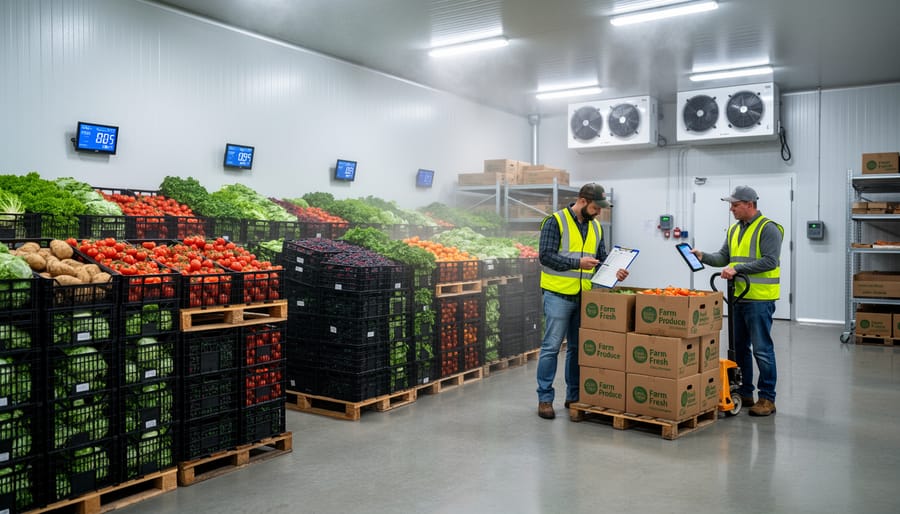
Storage conditions make or break your food safety efforts. Refrigerate perishables promptly at 40°F or below, and maintain dry storage areas for shelf-stable items. Label everything with production dates and use proper food-grade packaging materials that protect products without introducing contaminants.
Many successful local farmers find that creating simple standard operating procedures for each processing task helps maintain consistency, especially when training new helpers or family members joining the farm work.
Temperature Control and Storage
Proper temperature control is your frontline defense against foodborne illness, whether you’re running a small CSA operation or storing your harvest at home. The danger zone—temperatures between 4°C and 60°C (40°F to 140°F)—allows harmful bacteria to multiply rapidly, so keeping perishables outside this range is essential.
For local farmers, maintaining effective cold chain maintenance starts right after harvest. Fresh greens, berries, and dairy products need immediate cooling to preserve quality and safety. Simple solutions like pre-cooling with ice water or investing in a walk-in cooler make a significant difference.
Consider Sarah Chen’s farm in Ontario, where she installed solar-powered refrigeration units to maintain consistent temperatures during transport to farmers markets. This investment reduced spoilage by 40% while ensuring food safety compliance.
For consumers, check that refrigerated items at your farmers market feel properly chilled, and get perishables home quickly. Use insulated bags for shopping trips, and monitor your home refrigerator temperature regularly—it should stay at or below 4°C (40°F).
Regulations and Compliance Requirements
Understanding FSMA for Small Farms
The Food Safety Modernization Act, passed in 2011, represents the most significant update to our nation’s food safety laws in decades. For small-scale farmers and local food producers, understanding FSMA is essential, but the good news is that the legislation includes thoughtful provisions specifically designed with you in mind.
FSMA focuses on preventing foodborne illness rather than simply responding to outbreaks. It covers areas like water quality, employee hygiene, equipment sanitation, and record-keeping. However, recognizing that small farms operate differently than large industrial facilities, the law includes important exemptions.
If your farm generates less than $500,000 in annual food sales and sells more than half of your products directly to consumers, restaurants, or retailers within your state or within 275 miles, you may qualify for the Qualified Exemption. This dramatically reduces your regulatory burden while still requiring you to maintain basic safety practices.
Even smaller operations selling less than $25,000 annually are typically exempt from most FSMA requirements altogether. These accommodations allow beginning farmers to focus on growing their business while implementing food safety practices that make sense for their scale. The key is documenting your sales and understanding which category your operation falls into as you grow.
Certifications That Matter
When shopping at farmers markets or joining a CSA, you might notice farms displaying various certifications on their stalls or in their newsletters. These credentials tell you a lot about the farm’s commitment to food safety and quality practices.
Good Agricultural Practices, commonly known as GAPs, is one certification you’ll frequently encounter. This voluntary program focuses on reducing microbial contamination risks in fresh produce. Farms with GAPs certification follow specific protocols for water quality, worker hygiene, field sanitation, and harvest handling. Think of it as a comprehensive checklist that covers everything from how irrigation water is tested to how bins are cleaned between uses.
Organic certification is another credential many local farms pursue. While people often associate organic with pesticide-free growing, it actually encompasses food safety practices too. Certified organic farms must maintain detailed records, prevent contamination from prohibited substances, and follow strict handling procedures. The certification process requires annual inspections and can take three years to complete, demonstrating a farm’s long-term dedication to these standards.
Some regions offer additional certifications like Certified Naturally Grown, which provides similar standards to organic but with a peer-review model that’s more accessible for smaller operations. You might also see food safety training certificates, indicating that farm staff have completed courses in proper handling techniques.
Remember, certification involves costs and paperwork that some excellent small farms can’t manage. Many non-certified farms still follow rigorous safety practices. Don’t hesitate to ask farmers about their food safety measures during your next market visit—most are passionate about sharing their commitment to keeping your food safe.
Real Stories: How Local Farmers Prioritize Safety
Meet Sarah Chen, who runs a 50-member CSA farm in Vermont. When she started five years ago, food safety felt overwhelming. “I knew how to grow amazing tomatoes, but navigating GAPs certification seemed like a different language,” she admits. Sarah began with simple steps: implementing a harvest log to track which fields were picked when, establishing a cleaning schedule for harvest bins, and creating a designated hand-washing station in her packing barn.
Her biggest breakthrough came after a close call during her second season. A volunteer accidentally placed freshly harvested lettuce in bins that had contained root vegetables still covered in soil. “That moment changed everything,” Sarah explains. She immediately instituted a color-coded bin system—green for leafy greens, brown for root crops, and blue for fruits. This visual system meant anyone helping on the farm, regardless of experience, could maintain proper food safety protocols.
Down in North Carolina, Miguel Rodriguez transformed his three-acre farm after attending a regional food safety workshop. He discovered that his well water, which he assumed was pristine, actually needed regular testing. “I invested in quarterly water testing, and while it’s never shown problems, that peace of mind is invaluable for my members,” he shares. Miguel also built a simple but effective wash-and-pack station with proper drainage, separate areas for different crops, and clear signage reminding workers about hygiene protocols.
The challenges these farmers faced weren’t just technical. Sarah struggled with the cost of infrastructure improvements on a tight budget, solving this by applying for a local farm safety grant and phasing improvements over two seasons. Miguel initially worried that emphasizing food safety might seem impersonal to members who valued the farm’s intimate feel. Instead, he found that transparency about his practices deepened trust. “Now I include a ‘safety spotlight’ in my weekly newsletter, explaining things like why we refrigerate greens within two hours of harvest,” he says.
Both farmers stress that food safety doesn’t require perfection—it requires consistency and a commitment to continuous improvement. Their practical approach proves that even small farms can implement robust safety measures while maintaining the personal connection that makes local food special.
What You Can Do as a Conscious Consumer
Questions to Ask Your Farmer
Building a relationship with your local farmer starts with genuine curiosity. When visiting your farmers market or CSA pickup, consider asking questions like “Can you tell me about your food safety practices?” or “How do you ensure your produce stays fresh from harvest to sale?” Most farmers are passionate about their work and appreciate the interest.
You might also inquire, “Do you follow any specific food safety certifications or guidelines?” This shows you value their commitment to quality without implying distrust. For those curious about handling practices, try “What’s your process for washing and storing produce?” or “How quickly does your food get from the field to the market?”
If you’re interested in their growing methods, ask “What steps do you take to protect your crops from contamination?” These conversations not only help you make informed choices but also support farmers who prioritize safety. Remember, farmers are your partners in accessing fresh, wholesome food, and most welcome the opportunity to share their dedication to growing safely and sustainably.
Safe Food Handling After You Buy
Food safety doesn’t end when farmers deliver quality produce—it continues in your kitchen. Once you bring home those beautiful tomatoes from the farmers market or unpack your CSA box, you share the responsibility for keeping food safe.
Start by refrigerating perishables within two hours of purchase, or one hour if temperatures exceed 90°F. Store fruits and vegetables in clean, designated produce drawers, keeping them separate from raw meats to prevent cross-contamination.
Before preparing your locally grown treasures, wash your hands thoroughly with soap and warm water for at least 20 seconds. Rinse produce under running water, even items you’ll peel. For firm produce like potatoes or carrots, use a clean vegetable brush. Skip the soap or produce washes—plain water works best and won’t leave residues.
Keep your cutting boards, knives, and countertops clean, sanitizing them between different food items. Consider designating one cutting board for produce and another for raw proteins.
By following these simple practices, you’re honoring the care your local farmers put into growing safe, nutritious food while protecting your family’s health. This partnership between growers and consumers creates a stronger, safer local food system for everyone.
Building Trust Through Transparency
One of the most powerful food safety advantages of local farming is the ability to see exactly where your food comes from. When you buy from a nearby farm, you’re not just purchasing produce—you’re entering into a relationship built on transparency and accountability. This connection fundamentally changes how food safety works.
Unlike industrial food systems where products pass through multiple anonymous facilities, direct farmer-consumer relationships create natural accountability. Local farmers know their customers by name, shop at the same stores, and participate in the same community events. This social connection motivates careful attention to food safety practices because reputation matters deeply in tight-knit communities.
Many local farms welcome visitors for tours, offering an open-door policy that would be unthinkable in large-scale operations. During these visits, you can observe growing practices, ask questions about pest management, and see exactly how produce is harvested and handled. This level of access empowers consumers to make informed decisions about their food sources.
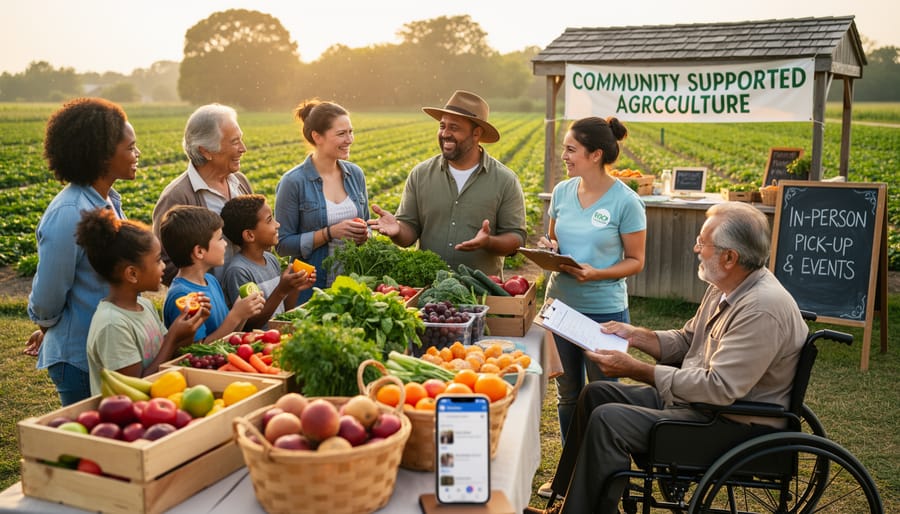
Community Supported Agriculture programs take this transparency even further. Members often participate in harvest days, volunteer at the farm, and receive regular newsletters detailing what’s happening in the fields. This ongoing communication creates shared investment in food safety outcomes.
When issues do arise, local systems enable rapid communication. A farmer can send text alerts or make phone calls to specific customers within hours, rather than waiting for large-scale recalls that might take days or weeks. This personal connection transforms food safety from abstract regulations into a shared responsibility between people who genuinely care about each other’s wellbeing, creating a culture where safety practices are strengthened through mutual respect and community trust.
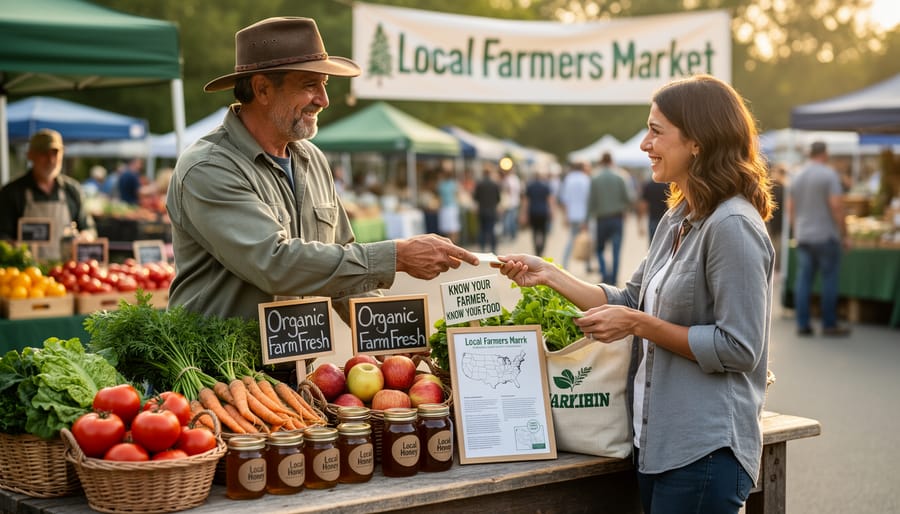
Food safety in local distribution thrives on partnership. When you know your farmer, you gain more than fresh produce—you build a relationship grounded in transparency and mutual accountability. Unlike the anonymous nature of industrial food chains, local food systems allow you to ask questions, visit farms, and witness safety practices firsthand. This connection transforms food safety from a bureaucratic concern into a shared commitment between those who grow your food and those who enjoy it.
Farms that prioritize both sustainability and safety understand that these values aren’t competing priorities—they’re complementary. Healthy soil produces resilient crops, diverse ecosystems reduce pest pressures naturally, and careful handling protects your family’s wellbeing. These farmers deserve your support and engagement.
Ready to take the next step? Reach out to your local CSA or farmers market vendor and start a conversation about their food safety practices. Ask about their growing methods, handling procedures, and certifications. Most farmers are passionate about sharing their approach and appreciate consumers who care about these details. By supporting farms committed to excellence in both sustainability and safety, you’re investing in a healthier food system for your community and future generations. Your choices matter—make them count.