darrell


CSA Farming Actually Helps Save Our Planet (Here’s The Proof)

Posted by darrell on
0
Environmental Sustainability
CSA Farming Actually Helps Save Our Planet (Here’s The Proof)

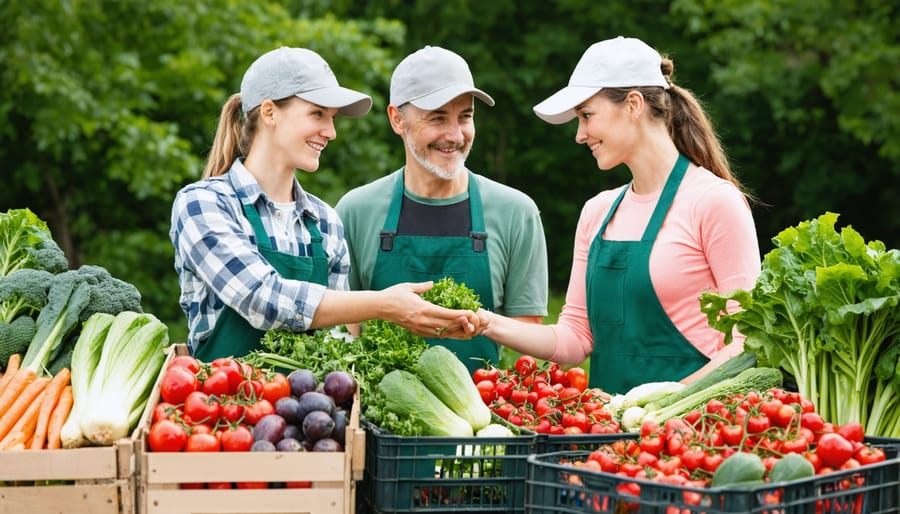
Community Supported Agriculture (CSA) programs are revolutionizing our food system’s environmental footprint, one farm share at a time. When local farmers connect directly with consumers through CSA memberships, they create a ripple effect of positive environmental change that extends far beyond their fields. From reducing food miles to building healthier soils, CSAs offer a practical solution to many of our most pressing environmental challenges.

Recent studies show that CSA farms typically use 50% less fossil fuel per food mile compared to conventional agriculture, while their diverse growing practices sequester more carbon and support greater biodiversity. By investing in these local food systems, members not only access fresh, seasonal produce but also become active participants in climate-smart agriculture.

As weather patterns become increasingly unpredictable, CSAs demonstrate remarkable resilience through their diversified crops and strong community networks. This model proves that sustainable farming isn’t just good for the planet – it’s a viable path forward for both farmers and consumers who want to make a meaningful environmental impact through their food choices.

Soil Health: The Foundation of Sustainable Agriculture

Building Living Soil

At the heart of CSA farming lies the art of building living, nutrient-rich soil through sustainable practices. Our farmers implement proven composting practices that transform farm waste into black gold for the soil. By layering organic materials like vegetable scraps, leaves, and grass clippings, they create a thriving ecosystem of beneficial microorganisms.

Crop rotation plays a vital role in maintaining soil health. By changing what’s planted in each field season after season, farmers naturally prevent nutrient depletion while reducing pest and disease problems. Legumes like peas and beans are regularly incorporated into rotation schedules, as they naturally fix nitrogen in the soil.

Natural fertilization methods complete the soil-building trilogy. Cover crops, such as clover and rye, protect and nourish the soil during off-seasons. When turned under, these green manures add organic matter and essential nutrients. Many CSA farmers also integrate animal components, using carefully managed livestock to contribute natural fertilizer while helping to cycle nutrients through the farm ecosystem.

Healthy, nutrient-rich soil with earthworms showing signs of biological activity
Close-up of rich, dark soil with visible organic matter and earthworms

Carbon Sequestration Benefits

CSA farms play a crucial role in fighting climate change through effective carbon sequestration practices. When farmers use organic methods and focus on soil health, they create natural carbon sinks that pull greenhouse gases from the atmosphere and store them in the ground.

Through techniques like cover cropping, minimal tillage, and crop rotation, CSA farmers help build rich, living soil that acts like a carbon vault. Every pound of organic matter in healthy soil can store roughly three pounds of carbon dioxide, making these farming practices powerful tools in climate action.

Local farmer Sarah Chen from Green Valley CSA shares, “Since implementing regenerative practices five years ago, we’ve seen our soil organic matter increase by 2%. That’s not just better for our vegetables – it’s actively helping fight climate change.”

These practices create a positive feedback loop: healthier soil captures more carbon, which in turn supports more robust plant growth and greater biodiversity. The result is a resilient farming system that not only produces nutritious food but also helps mitigate climate change impacts while building long-term environmental sustainability.

Water Conservation Success Stories

Smart Irrigation Techniques

CSA farms are leading the way in implementing innovative water-efficient farming methods that maximize crop yields while minimizing water consumption. These smart irrigation techniques include drip irrigation systems that deliver water directly to plant roots, reducing waste through evaporation and ensuring optimal moisture levels throughout the growing season.

Many CSA farmers utilize soil moisture sensors and weather monitoring systems to make data-driven decisions about when and how much to water their crops. Combined with mulching practices that help retain soil moisture, these techniques can reduce water usage by up to 60% compared to conventional irrigation methods.

Another popular approach is rainwater harvesting, where farmers collect and store rainwater in tanks or ponds for use during drier periods. Some CSAs have even implemented advanced technologies like automated irrigation schedules and precision sprinklers that adjust water distribution based on specific crop needs and soil conditions.

These water-conscious practices not only conserve precious resources but also promote healthier plant growth and reduce the risk of water-related plant diseases, resulting in better yields for CSA members while protecting local water supplies.

Water-efficient drip irrigation system watering organic vegetable crops
Drip irrigation system in action on a vegetable row at sunset

Watershed Protection

CSA farming practices play a vital role in protecting our water resources through multiple interconnected approaches. By utilizing organic farming methods and avoiding synthetic pesticides, CSA farms help prevent harmful chemicals from seeping into groundwater and nearby streams. Cover cropping, a common practice among CSA farmers, helps reduce soil erosion and filters rainwater naturally before it reaches local waterways.

Many CSA farms implement strategic buffer zones along waterways and maintain natural vegetation strips that act as natural filters, trapping sediments and pollutants before they can reach water sources. These farms often use efficient irrigation systems and water conservation techniques, such as drip irrigation and rainwater harvesting, which reduce water waste and protect local water tables.

The diverse crop rotations typical in CSA operations help maintain soil structure and organic matter content, improving the land’s natural ability to retain water and prevent runoff. Some CSA farmers also create wetland areas on their properties, which serve as natural water filtration systems while providing habitat for beneficial wildlife. These combined efforts ensure that CSA farms contribute positively to watershed health while producing nutritious food for their communities.

Biodiversity Boost

Native Species Protection

CSA farms play a vital role in protecting and nurturing native species, creating sanctuaries for local flora and fauna to thrive. By maintaining diverse crop rotations and avoiding harmful pesticides, these farms provide safe habitats for beneficial insects, birds, and small mammals that are essential to the local ecosystem.

Many CSA farmers actively incorporate native plant species into their farming practices, creating hedgerows and buffer zones that serve multiple purposes. These areas not only protect crops from wind damage but also offer shelter and food sources for local wildlife. Native pollinators, such as bees and butterflies, particularly benefit from these dedicated spaces, ensuring continued biodiversity in the area.

Farmers often report increased sightings of native bird species, which help control pest populations naturally. The preservation of soil health through organic practices also supports communities of beneficial organisms, from earthworms to microorganisms, that are crucial for maintaining healthy soil ecosystems.

By supporting local ecosystems, CSA farms create a balanced environment where nature’s own pest control and pollination systems can function effectively, reducing the need for artificial interventions while protecting endangered native species.

Pollinator Paradise

CSA farms play a vital role in creating thriving habitats for pollinators and beneficial insects. By implementing diverse planting strategies and maintaining chemical-free environments, these farms support beneficial pollinators like bees, butterflies, and other essential insects that keep our food systems healthy.

Many CSA farmers plant pollinator-friendly flowers alongside their crops, creating natural corridors that allow bees and other insects to move freely throughout the farm. These flower strips, often including native species like echinacea, bee balm, and goldenrod, provide necessary food sources and shelter throughout the growing season.

The organic practices common in CSA farming, such as avoiding synthetic pesticides and maintaining diverse crop rotations, help create safe havens for pollinator populations. This approach not only benefits the insects but also leads to better crop yields through improved pollination. Some CSA farms even incorporate beekeeping into their operations, providing additional pollination services while producing honey as a bonus crop for their members.

By supporting local CSA farms, members contribute to the preservation of these crucial pollinator habitats and help maintain the delicate balance of our agricultural ecosystems.

Various pollinators including bumblebees and butterflies visiting flowering herbs on a CSA farm
Diverse group of native bees and butterflies on flowering herbs

Food Miles and Carbon Footprint

When you join a CSA, your food travels significantly shorter distances compared to conventional grocery store produce. Most CSA farms deliver their harvest within a 100-mile radius, and many operate within just 20-30 miles of their members. This dramatic reduction in food miles has a substantial positive impact on the environment.

Consider this: the average piece of produce in a supermarket travels about 1,500 miles before reaching your plate. In contrast, CSA produce typically travels less than 60 miles, resulting in up to 96% fewer transportation-related carbon emissions. This local distribution model not only reduces fuel consumption but also minimizes the need for excessive packaging and refrigeration during transport.

Local farmer Sarah Martinez from Green Valley CSA shares, “Our weekly deliveries follow efficient routes that serve multiple members in each neighborhood. We use reusable containers and minimal packaging, which further reduces our environmental footprint.” This thoughtful approach to distribution helps CSAs maintain a significantly lower carbon footprint compared to conventional food distribution systems.

The benefits extend beyond just reduced emissions. Shorter transportation times mean:
– Fresher produce with higher nutritional value
– Less food waste due to shorter storage times
– Reduced need for preservation methods
– Lower energy consumption for cooling and storage
– Fewer plastic packaging materials

Many CSAs are taking additional steps to minimize their delivery impact. Some organize central pickup points where multiple members can collect their shares, while others coordinate with existing delivery routes or encourage members to carpool during pickup times. Some innovative CSAs even partner with bicycle delivery services in urban areas, achieving nearly zero-emission distribution.

By choosing a CSA, you’re not just supporting local agriculture – you’re actively participating in a food system that significantly reduces transportation-related environmental impacts while ensuring the freshest possible produce for your family.

Community Supported Agriculture represents a powerful solution for environmental stewardship while building stronger local food systems. By supporting CSAs, we actively participate in reducing food miles, decreasing packaging waste, and promoting biodiversity in our local ecosystems. The direct farm-to-table connection eliminates multiple transportation steps, significantly lowering carbon emissions compared to conventional food distribution systems.

The environmental benefits extend beyond carbon reduction. CSA farmers typically embrace sustainable practices like crop rotation, natural pest management, and soil conservation techniques. These methods help sequester carbon in the soil, protect water resources, and create habitats for beneficial insects and wildlife.

You can make a meaningful impact by joining a CSA program in your area. Beyond enjoying fresh, seasonal produce, you’ll be supporting agricultural practices that protect our environment for future generations. Consider reaching out to local farms, asking about their growing practices, and taking that first step toward sustainable eating. Every CSA membership helps create a more resilient and environmentally conscious food system, one harvest at a time.

Together, we can cultivate a healthier planet through mindful food choices and support for sustainable farming practices.

How Farmers Markets Are Transforming Juneteenth Celebrations Into Vibrant Food and Culture Festivals

Posted by darrell on
0
Market Events and Community Engagement
How Farmers Markets Are Transforming Juneteenth Celebrations Into Vibrant Food and Culture Festivals

Transform your local farmers market into a vibrant Juneteenth celebration by weaving together African American agricultural heritage, modern sustainable farming, and community traditions. Cultural festivals at farmers markets create unique opportunities to honor Black farmers’ contributions while supporting today’s local growers. Black-owned farms showcase heirloom crops like okra, collard greens, and black-eyed peas alongside educational displays about their historical significance. Live demonstrations of traditional cooking methods, storytelling sessions, and hands-on agricultural workshops connect visitors to generations of farming wisdom. Local artisans display handcrafted goods inspired by African American cultural traditions, while food vendors serve soul food classics made with fresh, market-sourced ingredients. This powerful combination of commerce, culture, and community celebration helps preserve agricultural heritage while building a more sustainable, equitable food system for future generations.

The Perfect Blend: Local Agriculture Meets Cultural Heritage

Farm-to-Festival Food Traditions

Juneteenth celebrations have always centered around food that tells the story of African American resilience and creativity. Local farmers play a vital role in providing fresh ingredients for traditional dishes like barbecued meats, black-eyed peas, collard greens, and sweet potato pie. These dishes, deeply rooted in African American culinary heritage, gain extra significance when prepared with locally grown produce.

Modern Juneteenth festivals often feature collaborations between local Black farmers and community chefs, who work together to create farm-fresh versions of traditional recipes. Festival-goers can enjoy dishes made with ingredients harvested just days before the celebration, adding an authentic farm-to-table experience to the historical significance of the meal.

Popular festival offerings include freshly picked okra for gumbo, vine-ripened tomatoes for seasonal salads, and locally grown strawberries for red drinks – a Juneteenth tradition symbolizing perseverance and resilience. Many festivals now include educational components where farmers share growing techniques and the historical significance of certain crops in African American agriculture, creating a meaningful connection between past and present food traditions.

Black farmers selling fresh produce and traditional Juneteenth dishes at a festive market stall
Vibrant farmers market stall displaying traditional Juneteenth foods and fresh produce, with African American farmers interacting with customers

Supporting Black Farmers and Artisans

Farmers markets at Juneteenth festivals serve as vibrant showcases for Black-owned farms and agricultural businesses, carrying forward a rich legacy of African American farming traditions. These marketplaces offer festival-goers the opportunity to purchase fresh, locally grown produce while directly supporting Black farmers who often face unique challenges in the agricultural industry.

Local farmers bring an abundance of seasonal offerings, from heritage vegetables to traditional crops like okra, collard greens, and sweet potatoes. Many vendors also feature value-added products like honey, preserves, and handcrafted items that reflect generations of agricultural expertise and cultural traditions.

Beyond just selling produce, these markets create valuable networking opportunities for Black farmers to connect with their communities, share sustainable farming practices, and educate visitors about the historical significance of Black land ownership and agriculture. Festival organizers often pair market activities with educational workshops on organic farming techniques and food preservation methods passed down through generations.

The presence of artisans alongside farmers adds another layer of cultural richness, offering handmade crafts, textiles, and artwork that celebrate African American heritage and creativity. This combination of fresh, local produce and artistic expression makes these markets essential gathering spaces during Juneteenth celebrations.

Creating Community Connections Through Food

Educational Opportunities

The educational component of the Juneteenth Cultural Festival offers enriching experiences that celebrate African American agricultural heritage and culinary traditions. Visitors can participate in hands-on workshops exploring traditional farming techniques, from seed saving to sustainable growing practices that have been passed down through generations.

Popular cooking demonstrations showcase soul food preparation using locally sourced ingredients, with expert chefs sharing family recipes and the historical significance behind traditional dishes. Festival-goers learn about the crucial role of Black farmers in American agriculture while gaining practical skills they can apply in their own gardens and kitchens.

The agricultural education program features interactive stations where participants discover heritage crops like black-eyed peas, okra, and sweet potatoes. Master gardeners offer guidance on urban farming techniques, composting, and maintaining small-space gardens, making sustainable agriculture accessible to city dwellers.

Children’s workshops combine storytelling with hands-on planting activities, teaching young people about their cultural heritage while fostering an early appreciation for growing food. The festival also highlights modern African American farmers and their contributions to sustainable agriculture, creating a bridge between historical traditions and contemporary farming practices.

Chef conducting cooking demonstration of Juneteenth dishes at community festival
Live cooking demonstration featuring a Black chef teaching traditional recipes using local ingredients, surrounded by engaged festival attendees

Cross-Cultural Exchange

The Juneteenth Cultural Festival serves as a vibrant hub where diverse communities converge through the universal language of food and farming. Local Black farmers share heritage crops like black-eyed peas, okra, and collard greens, offering festival-goers a taste of history alongside cultivation tips passed down through generations. These farmers often collaborate with growers from other cultural backgrounds, exchanging sustainable farming techniques and traditional agricultural wisdom.

Food vendors at the festival represent various cultural traditions, creating a unique fusion of flavors that honors both Juneteenth’s historical significance and modern multicultural connections. Visitors can sample soul food classics alongside dishes from Latino, Asian, and Indigenous communities, all prepared with locally sourced ingredients.

The festival’s farming demonstrations bring together agricultural experts from different backgrounds, showcasing how various cultural approaches to sustainable farming can complement each other. Workshop leaders share methods for crop rotation, companion planting, and natural pest control that have been refined across different farming traditions.

Community garden representatives highlight successful collaborations between diverse neighborhood groups, demonstrating how shared growing spaces foster cross-cultural understanding and mutual support. These gardens often become year-round gathering spots where cultural knowledge and farming practices continue to blend and evolve.

Sustainable Celebration Planning

Multiple vendors preparing their stalls for Juneteenth farmers market festival
Diverse group of vendors setting up their market stalls with banners and displays for Juneteenth celebration

Vendor Partnership Tips

For vendors looking to participate in the Juneteenth Cultural Festival’s marketplace, success starts with understanding and embracing the celebration’s significance. We encourage vendors to incorporate educational elements about Black agricultural heritage and sustainable farming practices into their displays. Consider creating effective market display strategies that highlight both your products and their cultural connections.

Prospective vendors should submit applications at least two months before the festival. Priority consideration goes to Black-owned farms and businesses, local organic producers, and artisans offering handcrafted goods. Your booth should feature clear signage sharing your story and connection to sustainable agriculture.

We recommend preparing sample-sized portions of your products when applicable, and creating engaging demonstrations that showcase traditional farming techniques or cooking methods. Interactive elements help create meaningful connections with festival attendees.

Required documentation includes:
– Current business license
– Proof of insurance
– Health department certificates (for food vendors)
– Photos of previous market displays
– List of sustainable practices implemented

Vendors are encouraged to participate in pre-festival workshops focused on cultural competency and sustainable business practices. These sessions provide valuable networking opportunities and ensure all participants contribute to an authentic, respectful celebration of Juneteenth’s agricultural legacy.

Community Engagement Strategies

Successful Juneteenth cultural festivals thrive on authentic community engagement and strategic partnerships. Start by forming a diverse planning committee that includes local Black-owned businesses, farmers, artists, and community leaders. Reach out to neighborhood associations, churches, and cultural organizations to build a strong foundation of support and participation.

Create opportunities for local vendors and farmers to showcase their products through dedicated marketplace areas. Partner with agricultural organizations to highlight African American farming heritage and sustainable growing practices. Consider implementing a mentorship program where experienced farmers can share knowledge with aspiring growers.

Engage local schools and youth organizations by organizing educational workshops about Juneteenth history and sustainable agriculture. Encourage participation through interactive activities like seed-starting demonstrations, cooking classes featuring traditional recipes, and hands-on gardening workshops.

Utilize social media and community bulletin boards to spread awareness, and consider creating a festival ambassador program where community members can help promote the event. Partner with local media outlets to share stories about participating farmers and vendors, highlighting their contributions to the community’s food system.

Remember to make the festival accessible to all by offering free admission areas and providing transportation options from underserved neighborhoods. This inclusive approach ensures the celebration reaches its full potential as a community-building event.

The blending of Juneteenth celebrations with local agricultural festivals has created a powerful ripple effect throughout communities nationwide. These combined events have helped strengthen connections between local farmers and residents while preserving important cultural traditions. Many farmers report increased customer relationships that extend well beyond the festival season, leading to year-round support for their organic farming operations.

The impact on local agriculture has been particularly noteworthy. Small-scale farmers have found new markets for their produce, while community members have gained better access to fresh, sustainably grown food. These festivals have also inspired a new generation of gardeners and farmers, with many attendees starting their own backyard gardens or joining community farming initiatives after participating in the events.

Perhaps most significantly, these celebrations have created lasting bridges between different community groups, fostering understanding and appreciation of both African American cultural heritage and sustainable farming practices. The success of these combined festivals demonstrates how cultural celebration and agricultural sustainability can work together to create more resilient, connected, and environmentally conscious communities for future generations.

Red Beans: Your Natural Ally for Blood Sugar Balance

Posted by darrell on
0
Consumer Health and Nutrition
Red Beans: Your Natural Ally for Blood Sugar Balance

Red beans pack a powerful punch of essential nutrients while serving as a sustainable protein powerhouse for health-conscious individuals. These crimson legumes deliver an impressive 15 grams of fiber per cup, helping regulate blood sugar levels and support digestive health naturally. Rich in antioxidants, particularly anthocyanins that give them their distinctive color, red beans offer heart-protective benefits and may help reduce inflammation throughout the body.

While celebrated for their nutritional density, red beans require proper preparation to maximize benefits and minimize potential side effects. When consumed raw or undercooked, they contain lectins that can cause digestive discomfort. However, simple soaking and thorough cooking eliminate these concerns, transforming red beans into a versatile, budget-friendly superfood that supports weight management, blood sugar control, and overall wellness.

Understanding both the benefits and proper preparation methods ensures you can safely incorporate these nutrient-rich legumes into your diet while enjoying their full spectrum of health advantages.

Why Choose Organic Red Beans?

Organic red kidney beans in a wooden bowl showing their rich color and texture
Fresh organic red beans in a rustic wooden bowl with some scattered on a natural linen surface

The Organic Advantage

Choosing organic red beans offers significant advantages over conventionally grown varieties. Studies show that organic beans contain fewer pesticide residues and higher levels of beneficial compounds. The benefits of organic produce extend beyond just avoiding chemicals – organic red beans typically contain more antioxidants and minerals than their conventional counterparts. This nutrient density difference occurs because organic farming practices focus on building healthy soil, which naturally enhances the beans’ nutritional profile. Additionally, organic farmers often grow heritage varieties that are naturally more resistant to pests and diseases, resulting in beans that are both environmentally sustainable and nutritionally superior. When selecting red beans, look for certified organic options from local farmers who can share their growing practices and harvest dates.

Supporting Local Bean Farmers

Supporting your local bean farmers through CSA memberships or farmers’ market purchases offers multiple benefits beyond just getting fresh, nutritious red beans. Local organic farmers typically grow heirloom varieties with superior flavor and nutrient content compared to mass-produced beans. These farmers use sustainable practices that protect soil health and biodiversity, while their shorter supply chains mean fewer transportation emissions. Many local farmers also offer educational opportunities, letting you learn about growing methods and even participate in harvest events. By purchasing directly from local bean farmers, you’re not only ensuring the highest quality produce for your family but also strengthening your community’s food security and supporting sustainable agriculture practices that benefit future generations.

Local farmer harvesting red beans and selling at farmers market
Split screen showing local farmer harvesting organic red beans and packaged beans at a farmer’s market

Blood Sugar Management Benefits

Fiber Content and Glycemic Index

Red beans are a powerhouse when it comes to managing blood sugar levels, thanks to their impressive fiber content. One cup of cooked red beans contains approximately 13 grams of dietary fiber, which works wonders for your metabolic health benefits. This high fiber content creates a slow, steady release of nutrients into your bloodstream, preventing sudden spikes in blood sugar levels.

What makes red beans particularly special is their low glycemic index (GI) of around 24, placing them firmly in the low-GI category. When you enjoy red beans as part of your meal, the fiber forms a gel-like substance in your digestive system, which slows down carbohydrate absorption. This gentle absorption process helps maintain stable blood sugar levels and keeps you feeling satisfied for longer.

For our organic farm customers, we’ve observed that those who regularly incorporate red beans into their diets report feeling more energetic throughout the day, likely due to this balanced blood sugar effect. The combination of soluble and insoluble fiber in red beans also supports healthy gut bacteria, which plays a crucial role in nutrient absorption and overall metabolic health.

Growing red beans organically ensures we preserve their natural fiber content without any chemical interventions that might affect their nutritional integrity. This makes them an excellent choice for anyone looking to maintain healthy blood sugar levels naturally.

Graph comparing blood sugar response with red beans versus without red beans over time
Infographic showing blood glucose levels over time comparing meals with and without red beans

Protein and Complex Carbohydrates

Red beans are a nutritional powerhouse when it comes to providing sustained energy throughout the day. Their impressive protein content – about 15 grams per cup of cooked beans – makes them an excellent choice for those following plant-based diets or looking to reduce their meat consumption while maintaining proper nutrition.

What makes red beans particularly special is their unique combination of protein and complex carbohydrates. These complex carbs break down slowly in your digestive system, providing a steady release of energy instead of the quick spike and crash associated with simple carbohydrates. The fiber content, roughly 13 grams per cup, works alongside these complex carbs to slow digestion even further.

This protein-carb duo helps stabilize blood sugar levels, making red beans an excellent choice for anyone managing diabetes or trying to maintain consistent energy levels throughout the day. The slow-digesting nature of these nutrients also helps you feel fuller for longer, which can support healthy weight management goals.

For organic farmers and home gardeners, growing red beans offers a sustainable way to produce this nutrient-dense food. Their natural ability to fix nitrogen in the soil makes them an excellent choice for crop rotation and soil health improvement, while providing a valuable source of plant-based protein and complex carbohydrates for local communities.

Additional Health Benefits

Heart Health and Antioxidants

Red beans are a heart-healthy powerhouse, packed with compounds that support cardiovascular wellness naturally. These humble legumes contain significant amounts of flavonoids and anthocyanins, powerful antioxidants that help protect your heart by reducing inflammation and fighting harmful free radicals in your body.

The high fiber content in red beans, particularly soluble fiber, works to lower bad cholesterol levels while maintaining good cholesterol. This combination helps reduce the risk of heart disease and supports healthy blood pressure levels. A single cup of cooked red beans provides about 13 grams of fiber, making them an excellent choice for heart-conscious eaters.

What makes red beans especially remarkable is their impressive antioxidant content. In fact, they rank among the top antioxidant-rich foods available, outperforming many berries and other legumes. These antioxidants not only support heart health but also help protect your cells from oxidative stress, which can lead to various chronic conditions.

Regular consumption of red beans as part of a balanced, organic diet can contribute significantly to your heart health goals while providing sustainable nutrition.

Weight Management Support

Red beans are a powerful ally in maintaining a healthy weight, thanks to their unique combination of nutrients and fiber. A single cup of cooked red beans contains about 15 grams of fiber, which helps you feel fuller for longer periods, naturally reducing overall calorie intake throughout the day.

The high protein content in red beans also supports weight management by boosting metabolism and preserving lean muscle mass during weight loss. This protein-fiber duo creates a sustained feeling of satiety, helping to curb unhealthy snacking and overeating.

What makes red beans particularly effective for weight management is their low glycemic index. They release energy slowly into the bloodstream, preventing sudden spikes and crashes in blood sugar levels that can lead to hunger and cravings. Additionally, red beans are naturally low in fat while being nutrient-dense, offering essential vitamins and minerals without excess calories.

For those following a plant-based diet or looking to reduce meat consumption, red beans provide a satisfying alternative that supports weight management goals while promoting sustainable eating habits.

Potential Side Effects and Precautions

While red beans are generally safe and nutritious, it’s essential to be aware of potential side effects and take proper precautions. Raw or undercooked red beans contain high levels of a compound called phytohaemagglutinin, which can cause severe digestive discomfort. Always ensure beans are thoroughly cooked until tender.

Some individuals may experience bloating, gas, or digestive discomfort when consuming red beans. This is common with all legumes and can be minimized by practicing proper digestion of legumes. Start with small portions and gradually increase intake to allow your digestive system to adjust.

People with kidney problems should consult their healthcare provider before adding red beans to their diet, as they’re high in potassium and minerals that may need to be monitored. Those with gout or prone to kidney stones might need to moderate their intake.

To minimize digestive issues, try these helpful tips:
– Soak beans overnight and discard the soaking water
– Rinse thoroughly before cooking
– Add digestive-friendly herbs like bay leaves or cumin while cooking
– Chew thoroughly and eat slowly
– Stay well-hydrated throughout the day

For organic red beans, watch for signs of spoilage or damage before cooking. Store dried beans in a cool, dry place and use within a year for best results. If you experience any unusual reactions after consuming red beans, discontinue use and consult with a healthcare professional.

Red beans are truly a nutritional powerhouse, offering an impressive array of health benefits while being gentle on your wallet. From supporting heart health with their rich fiber content to providing sustained energy through complex carbohydrates, these versatile legumes deserve a regular spot in your meal rotation. By choosing organic red beans, you’re not only investing in your health but also supporting sustainable farming practices that benefit our environment. Consider incorporating them into your weekly menu through classic dishes like red beans and rice, hearty soups, or plant-based burger alternatives. Remember to start with small portions if you’re new to beans, and always ensure proper preparation to maximize their benefits while minimizing any digestive discomfort. With their remarkable nutritional profile and versatility in the kitchen, organic red beans are an excellent choice for anyone looking to enhance their diet naturally.

CSA Farm Shares: Your Prescription for Better Health and Wellness

Posted by darrell on
0
CSA Fundamentals and Benefits
CSA Farm Shares: Your Prescription for Better Health and Wellness

Transform your health journey through Community Supported Agriculture, a revolutionary approach to accessing farm-fresh, nutrient-dense foods that delivers profound benefits for both body and mind. Beyond simply providing organic produce, CSA membership creates a direct connection to local farmers, ensuring access to peak-season vegetables harvested at their nutritional prime. Recent studies show that people who participate in CSAs consume 60% more fruits and vegetables than the average consumer, while experiencing reduced stress levels through meaningful community connections. This sustainable food system not only provides unparalleled freshness and flavor but also supports immune function through higher concentrations of beneficial compounds found in just-picked produce. Whether you’re seeking better nutrition, environmental sustainability, or a stronger connection to your food source, CSA membership offers a powerful pathway to enhanced wellbeing.

Fresh Food, Better Nutrition

Peak-Season Harvesting

CSA farms excel at maximizing the nutritional benefits of CSA programs through strategic peak-season harvesting practices. Unlike conventional produce that’s often picked early for long-distance shipping, CSA farmers harvest fruits and vegetables at their optimal ripeness, ensuring maximum nutrient density and flavor.

Farmers carefully time their harvests to coincide with early morning or late evening hours when temperatures are cooler, helping preserve delicate nutrients that can degrade in intense heat. Many CSA farmers practice succession planting, which means crops are harvested and delivered to members within hours of picking, preserving vital nutrients that begin declining immediately after harvest.

Local CSA farmers also select varieties specifically for their nutritional content rather than shipping durability. They can grow more nutrient-dense heirloom varieties that might be too delicate for conventional distribution. This focus on peak-season harvesting means members receive produce when it’s not only most flavorful but also at its nutritional prime, packed with essential vitamins, minerals, and antioxidants.

Variety Equals Vitality

One of the most exciting aspects of CSA membership is the ever-changing variety of produce you receive throughout the growing season. Each weekly share brings a colorful array of fruits and vegetables that naturally align with your body’s seasonal nutritional needs. This diversity ensures you’re getting a wide spectrum of vitamins, minerals, and antioxidants that might be missing from a more limited grocery store diet.

When you receive different types of produce each week, you’re naturally encouraged to experiment with new recipes and cooking methods. This culinary adventure not only makes healthy eating more enjoyable but also helps you develop a broader palate and better eating habits. Many CSA members report that they eat more vegetables and try new foods they wouldn’t typically purchase.

The seasonal variety also supports gut health through diverse fiber sources and different beneficial plant compounds. From spring’s tender greens to summer’s juicy tomatoes and fall’s hearty squashes, each season brings its own nutritional profile that works in harmony with your body’s changing needs. This natural rotation of produce helps maintain a healthy microbiome and supports overall immune function.

Diverse collection of fresh CSA produce including colorful vegetables and herbs
Colorful array of freshly harvested seasonal vegetables laid out on a rustic wooden table

Mental Health Benefits

Community Connection

Joining a CSA isn’t just about accessing fresh produce – it’s about becoming part of a vibrant community that shares your values and passion for sustainable food. Through building stronger communities through CSAs, members often develop meaningful relationships with their farmers and fellow subscribers.

Weekly pickup days become social gatherings where neighbors exchange recipes, share cooking tips, and discuss their latest kitchen adventures. Many CSAs host seasonal events like harvest festivals, farm tours, and cooking demonstrations that bring members together to celebrate local food culture.

Children especially benefit from this community aspect, learning where their food comes from and developing positive associations with healthy eating through hands-on experiences at the farm. The regular interaction with farmers and other members creates a support network that encourages sustainable living practices and healthy eating habits.

This sense of belonging and shared purpose contributes significantly to mental well-being, as members feel connected to both their food source and their local community. Many CSA members report feeling more grounded and satisfied knowing they’re part of a movement that supports local agriculture while fostering meaningful social connections.

Group of CSA members interacting with farmers and each other while collecting their weekly shares
Smiling community members gathering at a local farm during CSA pickup day

Seasonal Mindfulness

Eating seasonally through a CSA membership does more than nourish your body – it nurtures your mind too. By connecting with the natural rhythm of harvest seasons, you develop a deeper appreciation for nature’s cycles and the food on your plate. This mindful approach to eating helps reduce stress and anxiety while fostering a sense of connection to your local environment.

The anticipation of weekly CSA boxes creates a positive ritual that many members look forward to. Opening your share becomes a moment of discovery and joy, encouraging mindful eating practices and greater awareness of your food choices. This seasonal connection can help combat the disconnection many feel in our fast-paced world.

Members often report feeling more grounded and present when preparing meals with their seasonal produce. The process of cleaning, preparing, and cooking fresh vegetables becomes a form of meditation, offering a peaceful break from daily stresses. Additionally, knowing the story behind your food – who grew it and where it came from – creates a sense of community and belonging that contributes to overall emotional well-being.

The seasonal eating pattern also helps you stay present and engaged with the current moment, rather than always rushing ahead to the next thing.

Physical Wellness Impact

Immune System Support

Fresh, locally grown produce from CSA farms packs a powerful punch when it comes to supporting your immune system. These fruits and vegetables are harvested at peak ripeness, meaning they retain maximum nutritional value and immune-boosting compounds that can help keep you healthy year-round.

The quick journey from farm to table ensures that vital nutrients like vitamin C, beta-carotene, and antioxidants remain intact. Unlike produce that travels long distances, CSA vegetables don’t lose their nutritional potency during extended storage and transportation. This means you’re getting the highest possible levels of immune-supporting nutrients with every bite.

CSA shares typically include a diverse range of colorful vegetables and fruits, each offering unique immune-enhancing properties. Dark leafy greens provide folate and vitamin K, while orange and red vegetables deliver beta-carotene and vitamin A. Many CSA farms also include immunity-boosting herbs and allium vegetables like garlic and onions, known for their natural antimicrobial properties.

Seasonal eating through a CSA also aligns with your body’s natural nutritional needs throughout the year. Winter shares often feature storage crops rich in vitamin C and zinc, helping to ward off seasonal illness, while summer produce provides hydrating foods packed with protective antioxidants.

Local farmers often use organic or low-spray growing methods, reducing your exposure to pesticides while maximizing the beneficial compounds in your produce that support immune function.

Composite image showing organic farming on one side and health metrics like blood pressure and heart rate on the other
Split image showing organic farming practices and common health indicators

Chronic Disease Prevention

Consuming fresh, organic produce through CSA memberships can significantly impact long-term health outcomes and help prevent various chronic diseases. Regular intake of diverse, seasonal vegetables and fruits provides essential nutrients, antioxidants, and fiber that work together to boost your body’s natural defense systems.

Studies have shown that people who consistently eat organic produce have lower risks of developing heart disease, type 2 diabetes, and certain types of cancer. The higher levels of antioxidants found in organic fruits and vegetables help combat inflammation, a key factor in many chronic conditions. Additionally, the absence of synthetic pesticides in organic farming reduces exposure to potentially harmful chemicals linked to various health issues.

CSA members often report making more home-cooked meals and eating a wider variety of vegetables, which naturally leads to better portion control and reduced consumption of processed foods. This dietary shift can help maintain healthy blood pressure, cholesterol levels, and blood sugar balance.

Local farmer Sarah Martinez shares, “Many of our long-term CSA members have told us how their health has improved since joining. One member reversed her pre-diabetes diagnosis after two years of incorporating our seasonal produce into her daily meals.”

The variety of nutrients in seasonal produce also supports immune system function, helping your body ward off illnesses and maintain optimal health throughout the year. Plus, knowing exactly where your food comes from and how it’s grown provides peace of mind about your dietary choices.

Making the Most of Your CSA Share

Getting the most value from your CSA share starts with smart planning and storage. When your weekly bounty arrives, sort produce by ripeness and storage needs. Keep delicate greens in sealed containers with a paper towel to absorb excess moisture, while root vegetables can go in a cool, dark place. This simple organization helps prevent food waste and ensures you’re enjoying everything at peak freshness.

Create a flexible meal plan based on what’s in your share. Start with the most perishable items early in the week, saving hardier vegetables for later. Don’t be afraid to freeze excess produce – many CSA vegetables freeze well when properly prepared, extending their usefulness well beyond the growing season.

Get creative with unfamiliar items by exploring new recipes and cooking methods. Many CSA farmers provide recipe suggestions and cooking tips with their shares. If you receive an abundance of one item, consider batch cooking and freezing prepared dishes for later use. Transform extra vegetables into soups, stews, or stir-fries that can be enjoyed throughout the week.

Make the most of every part of your produce. Many vegetable parts that often get discarded are actually edible and nutritious. Beet greens can be sautéed, carrot tops make excellent pesto, and broccoli stems can be peeled and eaten raw or cooked.

Connect with other CSA members to share recipes and tips. Many farms have social media groups or newsletters where members exchange ideas. This community aspect not only helps you discover new ways to use your produce but also enhances the overall CSA experience through shared knowledge and inspiration.

Consider splitting a share with another household if you’re new to CSA or have a smaller family. This can help you manage the quantity while still enjoying the benefits of fresh, local produce.

Joining a CSA program offers a wealth of health benefits that extend far beyond just fresh produce. From accessing nutrient-rich, seasonal vegetables to fostering mental wellness through community connections, CSA membership can transform your approach to healthy living. The direct farm-to-table relationship ensures you receive the freshest possible produce, packed with essential vitamins and minerals that may be lost in conventional supply chains. By committing to a CSA share, you’re not only investing in your health but also supporting sustainable farming practices that benefit our environment and local communities. Take the first step toward better health today by connecting with a local CSA farm – your body, mind, and local farming community will thank you for it.

Grass-Fed Carnivore Diet: What Really Happens to Your Cholesterol

Posted by darrell on
0
Consumer Health and Nutrition
Grass-Fed Carnivore Diet: What Really Happens to Your Cholesterol

Switching to a carnivore diet dramatically impacts blood cholesterol levels in ways that challenge conventional wisdom about heart health. Recent studies suggest that consuming heart-healthy organic meat can actually improve cholesterol particle size and cardiovascular markers when done correctly. While total cholesterol often rises initially, the increase typically occurs in beneficial HDL cholesterol, with many participants reporting improved triglyceride levels within 3-6 months.

The quality of meat sources plays a crucial role – grass-fed beef, pasture-raised pork, and wild-caught fish provide optimal ratios of omega-3 to omega-6 fatty acids, supporting healthy cholesterol metabolism. These nutrient-dense animal foods contain essential compounds like conjugated linoleic acid (CLA) and carnitine that help regulate lipid profiles.

Understanding these metabolic changes matters because they directly impact how we view the relationship between dietary cholesterol and heart disease risk. Rather than avoiding animal products, focusing on high-quality, properly sourced meats may offer unexpected benefits for cardiovascular health when combined with regular monitoring and personalized adjustments based on individual responses.

Understanding Cholesterol in Organic vs. Conventional Meat

Grass-Fed vs. Grain-Fed: The Lipid Profile Difference

The way cattle are fed can significantly impact the nutritional profile of their meat. Grass-fed beef typically contains higher levels of omega-3 fatty acids and a more favorable omega-3 to omega-6 ratio compared to grain-fed beef. These healthy fats play a crucial role in maintaining heart health and reducing inflammation throughout the body.

When cattle graze on their natural diet of grass, they produce meat that’s richer in conjugated linoleic acid (CLA), a beneficial fat that may help improve cholesterol levels. Grass-fed beef also tends to be leaner overall, with less total fat content than its grain-fed counterpart.

In contrast, grain-fed cattle produce meat with higher levels of omega-6 fatty acids and saturated fats. While these aren’t necessarily harmful in moderation, the modern Western diet often contains an abundance of omega-6 fats, which can promote inflammation when consumed in excess.

Local farmers who raise grass-fed cattle often report that their animals are healthier overall, requiring fewer antibiotics and producing meat with a more complex, nutrient-dense profile. This natural approach to raising cattle aligns well with both human health and environmental sustainability.

Visual comparison of grass-fed beef (leaner, darker red) versus grain-fed beef (more marbling, lighter red)
Side-by-side comparison of grass-fed and grain-fed beef showing marbling and color differences

The Omega-3 Factor in Organic Meat

When it comes to organic meat’s impact on cholesterol, the omega-3 content plays a crucial role in supporting heart health. Grass-fed and pasture-raised animals naturally accumulate higher levels of beneficial omega-3 fatty acids compared to their conventionally raised counterparts. These healthy fats, similar to those found in omega-3 rich organic seafood, help maintain a balanced ratio of omega-3 to omega-6 fatty acids in our bodies.

Local farmers who raise their animals on organic pastures report that their livestock produces meat with up to three times more omega-3s than conventional meat. These essential fatty acids work to reduce inflammation, support healthy cholesterol levels, and protect against heart disease. They help increase HDL (good) cholesterol while potentially lowering harmful triglycerides.

The key lies in how these animals are raised – freely grazing on diverse grasses and plants rather than being confined and fed grain-based diets. This natural feeding pattern results in meat that’s not just better for our hearts but also more flavorful and nutrient-dense. For those following a carnivore diet, choosing organic, grass-fed options can help optimize their cardiovascular health while supporting sustainable farming practices.

How Your Body Responds to a Carnivore Diet

Initial Cholesterol Changes

When transitioning to a carnivore diet, many people experience temporary fluctuations in their cholesterol levels during the first few months. This adaptation period is normal as your body adjusts to processing primarily animal-based nutrients. Initially, you might notice an increase in total cholesterol and LDL (often called “bad” cholesterol), but these changes typically stabilize over time as your metabolic health and digestion adapt to the new eating pattern.

During the first month, some individuals report seeing their cholesterol numbers rise by 10-30%, which can be concerning. However, it’s important to understand that these changes often reflect your body’s shift to using fat as its primary fuel source. The temporary spike usually occurs because your body is becoming more efficient at fat metabolism and cholesterol transport.

Many farmers who supply organic, grass-fed meat have reported that their customers experience better outcomes when using high-quality, pasture-raised animals. This makes sense, as these animals typically have better fatty acid profiles and higher nutritional content compared to conventionally raised livestock.

To help ease the transition, consider starting with lean cuts and gradually increasing fat intake. This approach can help your body adjust more smoothly while supporting healthy cholesterol adaptation. Regular monitoring with your healthcare provider during this period is recommended to ensure your levels remain within a healthy range.

Long-term Cholesterol Adaptations

Studies tracking long-term carnivore dieters have revealed fascinating adaptations in cholesterol markers over time. While initial spikes in total cholesterol are common, many individuals experience a stabilization period after 6-12 months of consistent meat-based eating. The body appears to optimize its processing of dietary cholesterol and fat, often leading to improved HDL (good cholesterol) levels and more favorable HDL to LDL ratios.

Research from sustainable farming communities shows that the quality of meat sources plays a crucial role in these adaptations. Grass-fed, organically raised animals tend to have better fatty acid profiles, which can positively influence cardiovascular markers in consumers. Local farmers report that their customers following carnivore diets often maintain healthy cholesterol levels while supporting environmentally conscious farming practices.

It’s worth noting that individual responses vary significantly. Some people naturally adapt better to high-fat, meat-based diets than others, likely due to genetic factors and overall lifestyle habits. Regular monitoring of cardiovascular markers is recommended, especially during the first year of transition.

Many successful long-term carnivore dieters incorporate organ meats and fatty cuts from pasture-raised animals, which provide essential nutrients that support healthy cholesterol metabolism. This approach aligns with both optimal nutrition and sustainable farming practices, creating a win-win situation for both consumer health and local agriculture.

Timeline graph showing HDL, LDL, and total cholesterol adaptations during carnivore diet transition
Infographic showing cholesterol markers and their changes over time on a carnivore diet
Various cuts of organic, grass-fed meat displayed at a local farm store with quality certification labels visible
High-quality organic meat selection at a local farm

Choosing the Right Meat Sources

Local Farm Partnerships

For those following a carnivore diet, partnering with local farms through Community Supported Agriculture (CSA) programs offers numerous benefits for both health and community. Local organic farms typically raise their cattle on natural pastures, resulting in meat with higher omega-3 content and better overall nutrient profiles compared to conventionally raised livestock.

When you join a meat CSA, you’re not just getting premium-quality organic meat; you’re investing in sustainable farming practices that benefit your local ecosystem. Many local farmers implement rotational grazing techniques, which improve soil health and naturally enhance the nutritional value of their meat products.

Building relationships with local farmers also gives you transparency about how your food is raised. You can visit the farm, understand their practices, and make informed decisions about your meat sources. Many local farmers offer various cuts and organ meats, which are essential components of a healthy carnivore diet.

Consider splitting a bulk meat order with family or friends if storage space is limited. This approach not only makes high-quality organic meat more affordable but also supports local agriculture while ensuring you have access to the cleanest possible protein sources for your carnivore lifestyle.

Quality Indicators

When selecting quality meat products for your carnivore diet, look for specific indicators that signal superior nutrition and ethical farming practices. Choose grass-fed and grass-finished beef, which typically contains higher levels of omega-3 fatty acids and essential nutrients compared to grain-fed alternatives. The meat should have a rich, dark red color and minimal marbling unless you’re specifically seeking fatty cuts.

For poultry, prioritize free-range or pastured birds that have had access to natural diets including insects and plants. The skin should be intact and clear of blemishes, with flesh that’s firm to the touch. When purchasing lamb or pork, seek out heritage breeds raised on small farms where animals have ample space to roam and forage.

Look for certifications like USDA Organic, Animal Welfare Approved, or Certified Humane. These labels ensure the animals weren’t treated with antibiotics or growth hormones. Building relationships with local farmers at markets can provide insight into their raising practices and help ensure you’re getting the highest quality meat available.

Remember that properly stored meat should have no off-putting odors and should be fresh or properly frozen. The packaging should be intact, with clear labeling showing the cut, date, and source of the meat.

Monitoring Your Heart Health

Key Health Markers to Track

When following a carnivore diet, it’s essential to monitor several key health markers to ensure your body is responding well to the dietary change. Regular blood work should include a comprehensive lipid panel that measures total cholesterol, HDL (good cholesterol), LDL (bad cholesterol), and triglycerides. Many people discover that the cardiovascular benefits of organic meat can be seen through improved HDL levels and healthier triglyceride ratios.

Beyond cholesterol, keep track of your blood pressure, fasting blood glucose, and inflammatory markers like C-reactive protein (CRP). These indicators provide a more complete picture of your cardiovascular health. It’s also helpful to monitor your body composition, including weight, waist circumference, and body fat percentage.

Consider tracking these markers every 3-6 months, especially during your first year on the carnivore diet. Keep a detailed log of your results and share them with your healthcare provider. Some people find it useful to track their energy levels, sleep quality, and digestive health alongside these clinical markers.

Remember that individual responses to the carnivore diet can vary significantly. What works well for one person may not work the same for another, which is why regular monitoring is crucial for making informed decisions about your dietary choices.

When to Consult Healthcare Providers

While the carnivore diet can work well for many people, it’s essential to partner with healthcare providers to monitor your cholesterol levels and overall health. Schedule a consultation with your doctor before starting the diet, especially if you have existing heart conditions, high cholesterol, or other health concerns.

Regular check-ups and blood work are crucial during the first few months of the diet. Your healthcare provider can track important markers, including LDL, HDL, and triglyceride levels, helping you understand how your body responds to the increased meat consumption.

Consider seeking guidance from a registered dietitian who’s familiar with low-carb and carnivore diets. They can help you select the best quality organic meats and ensure you’re meeting all your nutritional needs while maintaining healthy cholesterol levels.

Schedule immediate medical attention if you experience:
– Chest pain or pressure
– Unusual shortness of breath
– Severe headaches
– Dizziness or fainting
– Unexpected weight changes

Remember that everyone’s body responds differently to dietary changes. Your healthcare team can help you make informed decisions about continuing or modifying the diet based on your individual health markers and needs. They can also guide you in selecting high-quality, sustainably-raised meats from local farmers to optimize your nutrition while supporting environmentally conscious practices.

The impact of a carnivore diet on cholesterol levels varies significantly among individuals, with research showing mixed results. While some people experience increased total cholesterol, others maintain healthy levels, particularly when choosing high-quality, organic meat sources. The key takeaway is that the quality of meat matters – grass-fed, organic options typically provide better nutritional profiles and may help maintain healthier cholesterol levels.

For those considering or currently following a carnivore diet, it’s essential to work closely with healthcare providers to monitor cholesterol levels and overall cardiovascular health. Regular blood work can help track changes and make necessary adjustments. Consider incorporating organ meats from organic sources, which provide additional nutrients that support heart health.

Success on the carnivore diet often comes down to choosing the right sources. Supporting local farmers who raise their animals naturally and sustainably not only benefits your health but also contributes to environmental sustainability. Many people find that transitioning gradually and focusing on organic, grass-fed options helps their bodies adjust more effectively.

Remember that individual responses vary, and what works for one person may not work for another. Listen to your body, maintain open communication with your healthcare team, and make adjustments as needed. The most sustainable approach is one that considers both your health goals and the quality of your food sources.

Organic Seafood: Your Secret to Radiant Skin and Healthier Hair

Posted by darrell on
0
Consumer Health and Nutrition
Organic Seafood: Your Secret to Radiant Skin and Healthier Hair

Dive into the ocean’s bounty of health benefits with sustainably sourced seafood – nature’s perfect package of omega-3 fatty acids, lean protein, and essential minerals. Wild-caught fish and shellfish deliver powerful antioxidants that protect skin cells, promote collagen production, and create that sought-after healthy glow. Studies show that consuming fish 2-3 times per week can reduce inflammation, boost brain function, and support hair growth through rich supplies of vitamin D, selenium, and zinc.

Yet not all seafood is created equal. Organic and sustainably harvested options contain fewer contaminants while providing maximum nutritional benefits. Wild salmon, for instance, offers nearly five times more omega-3s than farm-raised varieties, while small fish like sardines and mackerel pack incredible nutrient density with minimal environmental impact. For those seeking radiant skin, stronger hair, and overall wellness, choosing the right seafood creates a foundation for natural, sustainable health that works from the inside out.

Why Organic Seafood Makes a Difference for Your Appearance

Clean Waters, Better Beauty Benefits

The journey to healthier seafood begins in the water itself. Organic aquaculture practices create pristine environments where fish and shellfish can thrive naturally, resulting in seafood that’s not just cleaner, but also more nutritious. These carefully maintained waters are free from synthetic pesticides, antibiotics, and artificial growth hormones that can diminish the nutritional quality of seafood.

When marine life grows in clean, well-managed waters, they accumulate higher levels of beneficial omega-3 fatty acids, minerals, and vitamins. Studies show that organically farmed fish contain up to 47% more omega-3s compared to conventionally raised alternatives. This nutrient density directly translates to enhanced beauty benefits, from stronger hair and nails to more radiant skin.

Organic farming practices also support the natural feeding patterns of seafood, allowing them to consume their traditional diet rather than artificial feed. This results in better-tasting, more nutritious products that deliver maximum health and beauty benefits to consumers.

Organic vs. Conventional: The Beauty Impact

When it comes to beauty benefits, organic seafood often contains higher levels of beneficial omega-3 fatty acids and essential minerals that support glowing skin and healthy hair. Wild-caught fish typically offer more nutrients per serving than their farm-raised counterparts, particularly in terms of vitamin D and selenium – key players in maintaining skin elasticity and hair strength.

Studies show that organic seafood tends to have lower levels of harmful contaminants like mercury and PCBs, which can negatively impact both health and appearance. Conventional farming methods may introduce antibiotics and artificial colorants that aren’t present in organic options, potentially affecting the nutrient quality of the fish.

However, it’s worth noting that both organic and conventional seafood can be part of a healthy diet. The key is choosing fresh, high-quality sources and preparing them properly to preserve their beauty-boosting nutrients. Look for seafood that’s certified organic or sustainably wild-caught to maximize both environmental and beauty benefits.

Side-by-side comparison of vibrant organic salmon fillet versus conventional salmon
Split-screen comparison of organic and conventional salmon fillets, showing color and texture differences

Essential Nutrients in Organic Seafood for Skin Health

Radiant skin close-up with fresh salmon, sardines, and mackerel in background
Close-up of glowing, healthy skin with omega-3 rich seafood ingredients arranged artistically in the background

Omega-3s: Your Skin’s Best Friend

When it comes to maintaining healthy, glowing skin, omega-3 fatty acids found in seafood are true nutritional heroes. These essential fats work at the cellular level to support your skin’s natural barrier function, helping to lock in moisture and maintain elasticity. Regular consumption of omega-3-rich seafood like wild salmon, mackerel, and sardines can help reduce inflammation, which often manifests as redness or acne.

What makes omega-3s particularly special for skin health is their ability to regulate oil production and keep your skin hydrated from the inside out. They also help protect your skin from sun damage and may reduce the visible signs of aging by supporting collagen production. Studies have shown that people who consume adequate amounts of omega-3s often experience fewer skin problems and maintain a more youthful appearance.

For the best skin-supporting benefits, aim to include at least two servings of fatty fish in your weekly diet. When possible, choose wild-caught options, which typically contain higher levels of omega-3s compared to farm-raised alternatives. Your skin will thank you with a natural, healthy glow that no amount of expensive creams can replicate.

Antioxidants and Minerals for Skin Protection

Seafood is a treasure trove of skin-protecting nutrients, with selenium and zinc leading the way in maintaining healthy, glowing skin. These minerals work together with powerful antioxidants to protect your skin from environmental damage and promote natural healing. The natural antioxidant benefits found in seafood help fight free radicals that can cause premature aging and skin damage.

Selenium, abundant in fish like tuna and halibut, helps maintain skin elasticity and protects against sun damage. It works alongside vitamin E to create a powerful defense system for your skin cells. Zinc, found in oysters and crab, plays a crucial role in skin repair and renewal, helping to maintain collagen levels and reduce inflammation.

Wild-caught seafood typically contains higher levels of these beneficial compounds compared to farm-raised options. Cold-water fish like salmon and mackerel are particularly rich in astaxanthin, a unique antioxidant that helps protect your skin from UV damage while promoting a healthy, youthful glow. Including these nutrient-rich seafood options in your diet can help support your skin’s natural defense mechanisms and maintain its vibrant appearance.

Hair-Strengthening Benefits of Organic Seafood

Protein Power for Stronger Strands

Looking to strengthen those locks naturally? The secret might be swimming in your next seafood dinner. Fish and shellfish are high-quality organic protein sources that provide essential building blocks for robust, healthy hair. Rich in keratin-forming amino acids, seafood helps create the structural protein that gives your hair its strength and elasticity.

Wild-caught salmon, in particular, delivers a powerful combination of protein and omega-3 fatty acids that nourish hair follicles from within. These nutrients work together to promote hair growth, prevent breakage, and add natural shine to your strands. Shellfish like oysters and mussels pack an extra punch with their high zinc content – a mineral crucial for maintaining healthy hair growth cycles.

For the best results, aim to include two to three servings of sustainably sourced seafood in your weekly meal plan. Choose varieties that are both rich in protein and low in environmental contaminants. Local, organic options not only support your hair health but also contribute to cleaner oceans and healthier marine ecosystems.

Vital Minerals for Healthy Hair Growth

When it comes to maintaining healthy, lustrous hair, the minerals found in seafood play a crucial role in supporting growth and strength. Iron, abundant in oysters and mussels, helps carry oxygen to hair follicles, preventing hair loss and promoting new growth. This mineral is particularly important for those experiencing thinning hair or excessive shedding.

Zinc, another vital mineral found in abundance in seafood like crab and lobster, supports zinc absorption and processing and helps maintain healthy hair follicles. This essential mineral also aids in protein synthesis, which is fundamental for strong, resilient hair strands.

Selenium, found in wild-caught fish like salmon and tuna, works as an antioxidant to protect hair follicles from environmental damage. It partners with iodine, another mineral present in seafood, to regulate hormone production that affects hair growth cycles.

By incorporating organic, sustainably sourced seafood into your diet, you’re not just supporting ocean health – you’re also providing your body with these essential minerals in their most bioavailable form, naturally supporting healthy hair growth from the inside out.

Choosing and Preparing Beauty-Boosting Seafood

Fresh organic seafood display at market with visible certification labels
Fresh market display of certified organic seafood with clear labeling and certification marks

Shopping Tips for Quality Organic Seafood

When shopping for organic seafood, start by finding a reliable fishmonger or market that specializes in sustainable, organic options. Look for seafood that’s certified by recognized organizations like the Marine Stewardship Council (MSC) or Aquaculture Stewardship Council (ASC). Fresh fish should have bright, clear eyes, firm flesh that springs back when pressed, and a clean ocean scent – avoid anything with a strong fishy smell.

For frozen options, check that packaging is intact without signs of freezer burn. Wild-caught fish generally offers superior nutrition compared to farm-raised varieties, but ensure it’s from well-managed fisheries. Seasonal shopping helps ensure freshness and supports sustainable fishing practices.

When possible, choose smaller fish like sardines, mackerel, and anchovies, as they typically contain fewer contaminants than larger species. Always ask about the source and harvest date of your seafood, and don’t hesitate to request recommendations from your fishmonger for the freshest catches of the day.

Beauty-Enhancing Preparation Methods

To maximize the beauty-boosting benefits of seafood, gentle cooking methods are essential. Steaming and poaching are excellent techniques that preserve delicate nutrients while maintaining the natural flavors. These methods help retain omega-3 fatty acids and collagen-supporting proteins that contribute to glowing skin and healthy hair.

Quick pan-searing at medium heat helps lock in nutrients while creating a delicious crust. When grilling, wrap fish in parchment paper or foil to prevent direct exposure to high heat, which can destroy beneficial compounds. Add a splash of lemon juice or white wine to create steam and keep the fish moist.

For shellfish like oysters and mussels, light steaming just until they open ensures maximum nutrient retention. Consider eating some varieties raw (when safe) to get the full spectrum of beauty-enhancing nutrients. Always pair seafood with colorful vegetables and herbs rich in antioxidants to amplify the beauty benefits.

Remember to avoid overcooking, as this can break down the proteins and healthy fats that support skin elasticity and hair strength.

The remarkable beauty and health benefits of organic seafood make it a worthy addition to any wellness routine. From omega-3 fatty acids that promote glowing skin to zinc and selenium that support hair growth, seafood offers a natural approach to enhancing your appearance from within. By choosing organic options, you not only gain these nutritional advantages but also avoid potentially harmful contaminants found in conventionally farmed fish.

Remember to start small by incorporating organic seafood into your meals 2-3 times per week. Look for trusted local suppliers and sustainable certification labels when shopping. Whether you enjoy wild-caught salmon, sustainably harvested oysters, or organic shrimp, each serving contributes to your beauty goals while supporting environmental health.

The journey to radiant skin and stronger hair doesn’t require expensive products – sometimes the answer lies in making mindful food choices. By embracing organic seafood as part of your beauty routine, you’re investing in both your personal wellness and the health of our oceans. Start your transformation today with this natural, nutrient-rich approach to beauty.

Grow Fresh Produce All Year: How Your Garden Can Thrive in Every Season

Posted by darrell on
0
Seasonal Planning and Management
Grow Fresh Produce All Year: How Your Garden Can Thrive in Every Season

Transform your backyard into a perpetual food source by mastering year-round harvesting techniques that extend beyond traditional growing seasons. Four-season gardening breaks free from nature’s calendar, enabling fresh harvests whether there’s snow on the ground or summer sun overhead. By combining cold frames, hoop houses, and strategic crop selection with proper timing, gardeners can maintain continuous production through winter’s chill and summer’s heat. This sustainable approach not only provides fresh, organic produce throughout the year but also strengthens local food security while reducing grocery bills and carbon footprints.

Modern four-season gardening merges ancient wisdom with innovative climate control methods, making it accessible to both urban gardeners and rural homesteaders. Through careful planning and the right infrastructure, growing food year-round has evolved from a survival skill into a practical solution for sustainable living. Whether you’re a seasoned gardener or just starting out, mastering the art of four-season growing opens up possibilities for self-sufficiency and connection to the natural cycles of food production.

Getting Started with Four-Season Gardening

Basic Infrastructure Requirements

Successful year-round gardening relies heavily on protective structures that shield your plants from harsh weather conditions. Cold frames are like miniature greenhouses that sit directly on the ground, using sunlight and insulation to create a microclimate for your plants. These simple structures are perfect for starting seedlings early and extending your growing season.

Hoop houses offer more growing space and flexibility. Made from curved PVC pipes covered with greenhouse plastic, they’re affordable and can be sized to fit your needs. Many gardeners use them to grow cool-season crops like lettuce and spinach throughout winter.

Greenhouses provide the most control over growing conditions but require a bigger investment. They’re ideal for growing heat-loving crops like tomatoes and peppers well past their normal season. Modern greenhouses can include automated ventilation, heating systems, and shade cloth for temperature management.

Additional season-extending tools include row covers, which protect plants from frost while allowing light and water through, and cold-weather mulches that insulate soil and root systems. These infrastructure elements work together to create a productive year-round garden.

Different types of garden protection structures for year-round growing
Series of season extension structures including cold frames, hoop houses, and greenhouse

Soil Preparation and Management

Successful year-round gardening starts with healthy, well-maintained soil. Begin by testing your soil’s pH and nutrient levels each season to understand what amendments are needed. In spring, incorporate compost and aged manure to replenish nutrients depleted during the previous growing season. A 2-3 inch layer of organic matter worked into the top 6-8 inches of soil provides an excellent foundation.

During summer, maintain soil moisture with mulch, using materials like straw, leaves, or grass clippings. This also helps suppress weeds and regulate soil temperature. As crops finish, plant cover crops like clover or rye in empty beds to prevent erosion and add nitrogen to the soil.

Fall is ideal for adding mineral amendments like rock phosphate or lime if needed, allowing them time to break down before spring planting. In winter, protect your soil by keeping beds covered with mulch or row covers. Consider adding a layer of finished compost in late winter to prepare for spring planting.

Remember to rotate crops throughout the year to prevent nutrient depletion and reduce pest problems. Regular soil maintenance creates a thriving ecosystem that supports healthy plant growth in every season.

Four-season garden comparison showing spring, summer, fall, and winter growing techniques
Split-frame photo showing all four seasons in a productive garden, highlighting different growing techniques

Spring Garden Planning and Growth

Early Spring Crops

As the ground begins to thaw, early spring presents the perfect opportunity to kick off your growing season with cold-hardy crops. Leafy greens are your best friends during this time – spinach, lettuce, arugula, and kale thrive in the cool temperatures and can withstand light frosts. These nutritious greens can be harvested multiple times throughout the season.

Root vegetables like radishes, carrots, and turnips are excellent choices for early spring planting. They develop well in the cool soil and provide satisfying early harvests. Peas are another spring garden star, offering sweet rewards within 60-70 days of planting.

Don’t forget about herbs! Hardy varieties like chives, mint, and parsley bounce back early in the season. New plantings of cilantro and dill also do well in spring’s mild temperatures.

For the best results, start these crops as soon as the soil can be worked, typically when soil temperatures reach about 40°F (4°C). Using row covers or cold frames can give you a head start by protecting tender seedlings from late frosts while allowing them to soak up the strengthening spring sunshine.

Spring Growing Techniques

Spring brings exciting opportunities for early harvesting, but it also requires careful planning to protect tender plants from unpredictable weather. Start by preparing your soil with compost and organic matter while it’s still cold outside. As soon as the ground can be worked, use row covers or cold frames to create mini-greenhouses that trap heat and shield young plants from frost.

For early spring plantings, focus on cold-hardy vegetables like peas, spinach, and lettuce. These crops thrive in cooler temperatures and can withstand light frosts. Pre-warming your soil with black plastic mulch can give you a jump start on the growing season, especially for heat-loving crops like tomatoes and peppers.

Consider using water-filled devices like Wall O’ Water or other season extenders to protect individual plants. These create a protective microclimate that can withstand temperatures as low as 16°F (-9°C). For larger areas, floating row covers provide excellent protection while allowing light and water to reach your plants.

Succession planting is key to maintaining continuous harvests throughout spring. Plant new batches of quick-growing crops every two weeks to ensure a steady supply of fresh vegetables as temperatures gradually warm up.

Summer Garden Management

Heat-Tolerant Varieties

When summer temperatures soar, certain crops not only survive but thrive in the heat. Tomatoes, peppers, and eggplants flourish in warm conditions, producing abundant harvests throughout the season. These Mediterranean natives actually develop better flavor when grown in hot weather.

Sweet potatoes and okra are champions of the summer garden, with okra producing more vigorously as temperatures climb. Bush beans and pole beans continue to produce well into the hottest months, especially heat-resistant varieties like ‘Kentucky Wonder’ and ‘Dragon Tongue’.

For leafy greens in summer, turn to heat-tolerant alternatives like Malabar spinach, New Zealand spinach, and Swiss chard. These greens resist bolting and maintain their flavor even during heat waves. Mediterranean herbs such as basil, oregano, and sage also excel in warm conditions.

Summer squashes, melons, and cucumbers spread their vines happily in the heat, while amaranth and heat-resistant lettuce varieties like ‘Summer Crisp’ and ‘Jericho’ provide fresh salad options. Consider growing these heat-lovers in areas where they receive afternoon shade to prevent leaf scorch during peak temperatures.

Summer Care Tips

Summer brings both abundance and challenges to your garden. To maximize your garden’s productivity, focus on consistent care and protection from the season’s extremes. Early morning watering is crucial – implement efficient watering strategies like drip irrigation or soaker hoses to ensure deep root hydration while conserving water.

Apply a thick layer of organic mulch around your plants to retain moisture, suppress weeds, and keep soil temperatures stable. Straw, grass clippings, or leaf mulch work wonderfully while gradually enriching your soil as they decompose.

Keep pests at bay naturally by encouraging beneficial insects with companion planting. Marigolds, nasturtiums, and herbs like basil and dill not only add beauty but help protect your vegetables. Regular monitoring allows you to catch potential problems early – hand-pick visible pests and use organic deterrents like neem oil or insecticidal soap when necessary.

Remember to harvest regularly and remove any diseased foliage promptly to maintain plant health and prevent issues from spreading throughout your garden.

Fall Garden Transition

Fall Planting Schedule

Planning your fall garden starts in mid-summer, typically around July or early August. This timing ensures your crops have enough time to mature before the first frost arrives. Focus on cold-hardy vegetables like kale, Brussels sprouts, carrots, and turnips, which can withstand lower temperatures and even taste sweeter after light frosts.

Start by selecting varieties with shorter maturation periods – look for “days to harvest” of 70 or fewer on seed packets. Plant broccoli, cauliflower, and cabbage seedlings in August, followed by direct-sown crops like spinach and lettuce in early September. Root vegetables such as beets and radishes can go in the ground through late August.

For optimal results, prepare your soil with fresh compost and consider using row covers or cold frames to extend the growing season. Many fall crops can continue producing well into winter with proper protection. Remember to water thoroughly after planting, as late summer soil tends to be drier, and maintain consistent moisture until plants are established.

Pro tip: Create a succession planting schedule for leafy greens every two weeks to ensure a continuous harvest throughout the fall season.

Season Extension Methods

Protecting your crops from early frosts is essential for extending your growing season well into the colder months. Row covers made from lightweight fabric provide an excellent first line of defense, creating a microclimate that’s several degrees warmer than the surrounding air. For more robust protection, cold frames act like miniature greenhouses, allowing sunlight while sheltering tender plants from harsh weather.

Plastic tunnels, or hoop houses, offer another affordable solution. Simply bend flexible PVC pipes into arches over your garden beds and cover them with greenhouse-grade plastic. These structures can extend your growing season by 4-6 weeks on either end of the traditional garden calendar.

For smaller gardens, cloches made from recycled glass jars or plastic bottles work wonderfully to protect individual plants. Water walls – plastic tubes filled with water – absorb heat during the day and release it at night, providing consistent temperature regulation.

Local farmer Sarah Mitchell shares her success using straw bales around her raised beds: “The bales act as windbreaks and provide natural insulation. I’ve harvested fresh kale well into December using this simple method.”

Winter Growing Success

Cold-Hardy Crops

Several vegetables thrive in cold weather, making them perfect candidates for winter gardening. Leafy greens like kale, spinach, and Swiss chard are particularly resilient, often becoming sweeter after exposure to frost. Root vegetables, including carrots, parsnips, and turnips, can remain in the ground throughout winter, protected by soil and mulch.

Brassicas such as Brussels sprouts, cabbage, and broccoli are surprisingly hardy and can withstand temperatures well below freezing. Alliums like garlic and leeks actually benefit from cold exposure, developing better flavor and larger bulbs. Many herbs, particularly sage, thyme, and winter savory, continue producing through the cold months.

For successful winter growing, timing is crucial. Plant these crops in late summer or early fall to establish strong root systems before winter sets in. Adding a thick layer of straw mulch helps insulate the soil and protect roots. When combined with season extension techniques like row covers or cold frames, these hardy vegetables can provide fresh produce even in the depths of winter.

Local farmer Sarah Miller from Vermont shares, “My cold-hardy crops keep producing well into January. The key is selecting the right varieties and providing adequate protection from harsh winds.”

Fresh winter vegetables being harvested from under protective covering
Winter harvest of cold-hardy vegetables like kale, carrots, and Brussels sprouts under row covers

Winter Protection Strategies

Protecting your garden during winter is essential for successful year-round growing. Start by adding an extra layer of protection to your cold frames and hoop houses using bubble wrap or old blankets for additional insulation. Row covers and frost blankets become your best friends, acting as protective shields against harsh winds and freezing temperatures while still allowing light to reach your plants.

Mulching is another crucial strategy – apply a thick layer of straw, leaves, or wood chips around your plants to insulate the soil and protect roots from freeze-thaw cycles. For container gardens, consider wrapping pots with burlap or moving them closer to protective structures.

Monitor temperatures closely and be ready to provide emergency coverage during extreme weather events. Simple solutions like placing water-filled containers near plants can help moderate temperatures, as water releases heat slowly during cold nights. Creating windbreaks using temporary fencing or evergreen branches can also shield delicate plants from damaging winter winds.

Remember to ventilate your protected growing spaces on sunny days to prevent moisture buildup and potential fungal issues. This balance of protection and air circulation is key to winter growing success.

Year-Round Harvest Planning

Successful year-round harvesting requires careful planning and a solid understanding of your local seasonal growing guide. Start by mapping out your garden space and dividing it into sections that can be planted in succession throughout the year. This approach ensures you’ll always have crops at different growth stages.

Create a detailed planting calendar that accounts for both quick-yielding crops like lettuce and radishes, and longer-season vegetables such as winter squash and root vegetables. Plan to start cool-season crops like peas and spinach in late winter, followed by warm-season favorites like tomatoes and peppers in spring. By mid-summer, begin seeding fall crops such as Brussels sprouts and kale, which can extend into winter.

Maximize your growing space by interplanting compatible crops and utilizing vertical growing techniques. For example, plant shade-tolerant lettuce beneath taller pole beans, or grow vining squash along trellises to save ground space. Consider dedicating specific areas to perennial crops like herbs and asparagus, which provide reliable harvests year after year.

Keep detailed records of planting dates, harvest times, and crop performance to refine your planning for future seasons. Factor in time for soil preparation and amendment between plantings, and maintain a steady supply of seedlings ready to transplant as space becomes available. Remember to rotate crop families to prevent soil depletion and reduce pest problems.

For consistent harvests, stagger plantings of quick-growing crops every two to three weeks during their growing season. This method, known as succession planting, ensures a steady supply of fresh produce rather than everything maturing at once.

Four-season gardening opens up a world of possibilities, allowing you to enjoy fresh, homegrown produce all year round. By implementing the strategies we’ve discussed – from selecting cold-hardy crops to utilizing season extenders and maintaining proper soil health – you can transform your garden into a continuous source of nourishment and satisfaction.

Remember that success in year-round gardening comes from careful planning and adaptation to your local climate. Start small by experimenting with a few cold frames or row covers, then gradually expand your growing space as you gain confidence. The investment in proper infrastructure and time spent learning about seasonal planting will pay off in abundant harvests throughout the year.

Whether you’re motivated by food security, environmental sustainability, or the simple joy of growing your own food, four-season gardening is an achievable goal for any dedicated gardener. Take the first step today by planning your garden layout and selecting appropriate crops for your next growing season. With patience, persistence, and the right techniques, you’ll soon be enjoying the rewards of fresh vegetables from your garden in every season.

Let’s get growing!

These Eco Organizations Are Transforming Local Organic Farming

Posted by darrell on
0
Organic Farming and Cultivation
These Eco Organizations Are Transforming Local Organic Farming

Eco organizations are revolutionizing our path to a sustainable food future by connecting communities with environmentally conscious farming practices. These grassroots champions transform local food systems through collaborative networks of farmers, consumers, and environmental advocates working together to protect our planet’s resources.

From small urban garden collectives to large-scale organic farming cooperatives, eco organizations create lasting change by implementing regenerative agriculture methods, facilitating farm-to-table relationships, and educating communities about sustainable living practices. Their impact extends beyond food production, fostering biodiversity, reducing carbon footprints, and building resilient local economies.

These organizations serve as vital bridges between traditional farming wisdom and modern environmental challenges, offering practical solutions for those seeking to make a difference. Whether through volunteer programs, educational workshops, or community-supported agriculture initiatives, they provide accessible entry points for anyone passionate about environmental stewardship and sustainable food systems.

How Eco Organizations Support Sustainable Agriculture

Educational Programs and Training

Eco organizations play a vital role in educating and training the next generation of organic farmers through comprehensive programs designed to promote sustainable agriculture practices. These initiatives typically include hands-on workshops, mentorship programs, and field demonstrations that help aspiring farmers develop practical skills.

Many organizations offer seasonal training sessions covering essential topics like soil health management, natural pest control, and water conservation techniques. Participants learn through immersive experiences, working alongside experienced organic farmers who share their knowledge and real-world insights.

Success stories abound, with graduates of these programs going on to establish their own organic farms or joining existing operations. For example, the Young Farmer Training Program has helped launch over 50 new organic farms in the past five years alone.

Workshop topics often include:
– Organic certification requirements
– Crop rotation planning
– Natural pest management
– Soil fertility maintenance
– Marketing and business skills
– Season extension techniques

These educational initiatives ensure the continued growth and sustainability of the organic farming movement while building strong, knowledgeable communities of practice.

Farmers participating in hands-on organic farming training session
Diverse group of farmers attending a sustainable agriculture workshop

Resource Distribution Networks

Resource distribution networks serve as the vital arteries of eco organizations, creating efficient systems for sharing essential resources within farming communities. These networks facilitate the exchange of tools, equipment, and organic seeds, making sustainable farming more accessible and cost-effective for everyone involved.

Many organizations maintain seed libraries where members can borrow, plant, and return seeds, preserving heirloom varieties and promoting biodiversity. Tool-sharing programs allow farmers to access expensive equipment without the burden of individual ownership, while knowledge-sharing platforms connect experienced farmers with newcomers through workshops, mentorship programs, and online forums.

Digital platforms have revolutionized these networks, enabling real-time resource tracking and simplified coordination. Mobile apps help members locate available tools, schedule equipment use, and participate in seed exchanges. Some organizations also maintain physical hubs where members can gather to exchange resources, share experiences, and build stronger community connections.

These distribution networks exemplify the collaborative spirit of eco organizations, proving that sharing resources not only reduces environmental impact but also strengthens local farming communities.

Success Stories: Local Impact in Action

Urban Farming Initiatives

Urban farming initiatives have taken root across major cities, transforming unused spaces into thriving agricultural hubs. In Detroit, Michigan, the Michigan Urban Farming Initiative has revitalized a three-acre plot in the North End, providing fresh produce to over 2,000 households within two square miles. The project employs innovative vertical farming techniques and hydroponic systems, maximizing yield in limited space while using 90% less water than traditional farming methods.

In Singapore, Sky Greens has pioneered vertical farming towers that stretch up to 30 feet high, producing a ton of fresh vegetables daily. Their rotating A-frame hydroponic systems make efficient use of both space and sunlight, serving as a model for dense urban environments worldwide.

Brooklyn Grange in New York City operates the world’s largest rooftop soil farms, spanning three locations and over 5.6 acres. They produce over 100,000 pounds of organic produce annually while also hosting educational workshops and community events. Their success has inspired numerous smaller rooftop gardens across the city.

These initiatives do more than grow food – they create jobs, reduce carbon footprints, and strengthen community bonds. Many projects also incorporate composting programs and rainwater harvesting systems, making them truly sustainable operations. For aspiring urban farmers, these success stories demonstrate how creative thinking and community support can transform concrete jungles into green oases.

Successful urban farming initiative showing vegetable gardens on city rooftops
Aerial view of a thriving urban rooftop garden project

Rural Community Transformations

Eco organizations have become catalysts for remarkable transformations in rural farming communities across the country. Through local organic farming initiatives, these organizations have helped revitalize struggling agricultural regions while promoting sustainable practices.

Take the success story of Green Valley Cooperative in Montana, where a small group of farmers partnered with an eco organization to establish a thriving organic produce network. Within three years, their community went from having just five active farms to supporting over twenty successful organic operations, creating jobs and attracting younger generations back to farming.

In Ohio’s Amish country, the Rural Roots Initiative helped traditional farmers transition to organic methods while preserving their cultural heritage. They introduced innovative composting systems and natural pest control methods, resulting in higher crop yields and improved soil health. The program now serves as a model for other communities seeking to blend traditional farming wisdom with sustainable practices.

Another inspiring example comes from New Mexico, where Desert Bloom Alliance transformed vacant lots into productive community gardens. This project not only provides fresh organic produce to local families but also offers educational programs teaching sustainable farming techniques to community members of all ages. Their seed-saving library has become a valuable resource for preserving heritage varieties and promoting biodiversity.

Getting Involved: Supporting Your Local Eco Organization

Diverse group of community members collaborating on organic gardening project
Volunteers working together in a community garden

Volunteer Opportunities

Eco organizations offer numerous ways to get involved and make a meaningful impact. Many local farms welcome volunteers for seasonal activities like planting, harvesting, and maintaining organic gardens. Community gardens often need helping hands for composting programs and educational workshops. If you have specific skills, consider offering technical support, grant writing, or social media management to help these organizations grow their reach.

Weekend farm workdays provide excellent opportunities to learn sustainable practices while contributing to local food systems. Many organizations also seek volunteers for farmers’ markets, food distribution programs, and community outreach events. For those with teaching experience, opportunities exist to lead workshops on composting, organic gardening, or sustainable living practices.

Virtual volunteering options are also available, including content creation, online event coordination, and administrative support. Contact local eco organizations directly to learn about their specific needs and how your unique skills can contribute to their mission.

Partnership Programs

Joining forces with established eco organizations offers numerous opportunities to make a meaningful impact. Many organizations provide partnership programs tailored to different engagement levels, from individual memberships to corporate sponsorships. Local food co-ops often welcome community partners who can contribute resources, time, or expertise to their sustainable initiatives.

Aspiring farmers can benefit from mentorship programs offered by experienced organic growers, while businesses can participate in farm-to-table partnerships that support local agriculture. Environmental nonprofits frequently seek collaborators for conservation projects and educational outreach programs.

To get involved, start by researching organizations aligned with your interests and goals. Most programs offer flexible participation options, from volunteer positions to financial support arrangements. Many partnerships also include benefits like networking opportunities, training workshops, and access to shared resources. Remember that even small contributions can create significant positive change when working collectively toward environmental sustainability.

Eco organizations play a vital role in shaping a sustainable future for our planet through their dedication to organic farming, environmental conservation, and community education. These organizations serve as bridges between individuals and meaningful environmental action, offering countless opportunities for involvement and positive change. Whether you’re passionate about local food systems, biodiversity conservation, or sustainable agriculture, there’s an eco organization that aligns with your interests and values. By supporting or joining these organizations, you become part of a larger movement working towards environmental stewardship and sustainable practices. Take the first step today by researching local eco organizations in your area, volunteering your time, or making a donation. Every action, no matter how small, contributes to building a healthier planet for future generations.

Garden-Fresh Mental Wellness: Powerful Herbs That Naturally Boost Your Mood

Posted by darrell on
0
Consumer Health and Nutrition
Garden-Fresh Mental Wellness: Powerful Herbs That Naturally Boost Your Mood

Discover the transformative power of medicinal herbs growing right in your backyard. Research shows that natural herbs like lavender, chamomile, and St. John’s Wort can significantly impact brain chemistry and organic foods work synergistically to support mental wellness. Modern science now validates what traditional healers have known for centuries: these gentle yet powerful plants offer real support for anxiety, depression, and stress management.

Growing your own mental health garden combines the therapeutic benefits of gardening with direct access to nature’s medicine cabinet. Whether you’re dealing with occasional stress or seeking long-term emotional balance, organic herbs provide a sustainable, side-effect-free approach to mental wellness. Best of all, many of these beneficial plants thrive in small spaces and require minimal maintenance, making mental health support accessible to everyone with even a tiny plot of soil or a sunny windowsill.

How Organic Growing Methods Enhance Herbal Benefits

The Soil-to-Mind Connection

Just as the gut-brain connection influences our mental well-being, the quality of soil where herbs grow plays a crucial role in their therapeutic potential. Rich, organic soil teeming with beneficial microorganisms helps herbs develop higher concentrations of active compounds that support mental health. Studies show that plants grown in nutrient-dense, organic soil contain up to 60% more antioxidants and beneficial compounds compared to those grown in depleted soil. When herbs are cultivated in healthy soil ecosystems, they better withstand environmental stressors and produce more of their protective compounds – the same compounds that help calm our minds and boost our mood. This soil-to-mind relationship highlights why choosing organically grown herbs can make a significant difference in their effectiveness for mental wellness.

Healthy organic soil with visible earthworms and natural soil life
Close-up of rich, dark organic soil with earthworms and beneficial microorganisms visible, demonstrating healthy growing medium

Chemical-Free Benefits

When cultivating herbs for mental health support, choosing chemical-free options is crucial. Pesticides and synthetic fertilizers can leave harmful residues that may counteract the herbs’ beneficial properties and potentially impact your well-being. Organic herbs contain higher levels of beneficial compounds and are free from neurotoxic pesticides that could affect mental clarity and emotional balance.

Growing your own herbs or sourcing from trusted organic suppliers ensures you’re getting pure, potent plant medicine. Studies suggest that organic herbs not only support better mental health outcomes but also contribute to environmental sustainability. This chemical-free approach aligns perfectly with the holistic nature of herbal remedies, allowing you to nurture both your mind and the planet while avoiding unnecessary exposure to potentially harmful substances.

Remember, mental wellness starts with clean, natural ingredients, making chemical-free herbs the ideal choice for your emotional and psychological well-being.

Variety of fresh medicinal herbs laid out on a wooden table, showing their vibrant colors and textures
A collection of freshly harvested organic herbs including chamomile, lavender, holy basil, and St. John’s Wort arranged on a rustic wooden surface

Top Mood-Boosting Herbs You Can Grow

Calming Chamomile

Chamomile is one of nature’s most gentle yet effective herbs for mental wellness. This hardy plant is surprisingly easy to grow in your backyard or container garden, thriving in well-drained soil and full sun. Start seeds indoors 6-8 weeks before the last frost, then transplant seedlings outdoors once temperatures warm up.

The daisy-like flowers of chamomile contain compounds that help reduce anxiety and promote better sleep naturally. Regular consumption of chamomile tea can boost your natural wellness by calming nerves and easing tension. For the best results, harvest flowers in the morning when they’re fully open but before the heat of the day.

To make a soothing tea, dry the flowers on screens in a warm, dark place for 1-2 weeks. Store in an airtight container, and steep 1-2 teaspoons in hot water for 5 minutes whenever you need a moment of calm. Growing your own chamomile ensures you have access to fresh, organic herbs while connecting with nature – a proven mood-booster itself.

Stress-Busting Holy Basil

Holy basil, also known as Tulsi, is a sacred herb in Indian culture that’s gaining recognition worldwide for its remarkable stress-reducing properties. This adaptogenic herb helps your body adapt to both physical and emotional stress, making it a valuable addition to any mental wellness garden.

Growing holy basil is surprisingly straightforward. It thrives in full sun and well-draining soil, making it perfect for both outdoor gardens and indoor windowsills. Start seeds indoors 6-8 weeks before the last frost, or direct sow when temperatures consistently reach 70°F. Regular pruning encourages bushy growth and a continuous supply of fresh leaves.

To harness holy basil’s calming benefits, harvest leaves in the morning when essential oil content is highest. You can enjoy it as a soothing tea, add fresh leaves to salads, or dry them for later use. Regular consumption has been linked to reduced anxiety, improved sleep quality, and enhanced mental clarity – all while supporting your journey toward natural mental wellness.

Mood-Lifting St. John’s Wort

St. John’s Wort thrives in well-drained soil and full sunlight, making it an excellent addition to your mental wellness garden. This hardy perennial grows up to 3 feet tall, producing cheerful yellow flowers from June through August. To grow successfully, space plants about 18 inches apart and water moderately – this resilient herb actually prefers slightly dry conditions.

Known for its mood-lifting properties, St. John’s Wort has been used traditionally to help manage mild depression and anxiety. The key active compound, hypericin, works alongside other natural constituents to promote emotional balance. You can harvest the flowers and upper leaves during peak bloom for the highest potency.

Remember to grow this herb in a contained area, as it can spread vigorously. For best results, maintain organic growing practices and avoid chemical pesticides. While effective for many, always consult with a healthcare provider before using St. John’s Wort, especially if taking other medications, as it can interact with certain prescriptions.

Anxiety-Easing Lavender

Lavender, with its distinctive purple blooms and soothing fragrance, stands out as nature’s premier stress-relief herb. This Mediterranean native thrives in well-draining soil and full sunlight, making it perfect for both garden beds and container growing. To cultivate your own anxiety-easing lavender, plant it in slightly alkaline soil and ensure good air circulation between plants.

The calming properties of lavender are well-documented, with studies showing its effectiveness in reducing anxiety and promoting better sleep. You can harvest the flowers just as they begin to open for maximum potency. Try drying bundles upside down in a dark, well-ventilated space to preserve their therapeutic compounds.

Create your own calming ritual by adding dried lavender to sachets for your pillow, steeping it in hot water for tea, or adding a few drops of lavender essential oil to your evening bath. For best results, combine lavender cultivation with mindful gardening practices – the act of tending to these aromatic plants can be just as therapeutic as using them.

Growing Your Mental Wellness Garden

Raised garden bed featuring organized sections of mental health herbs with clear labeling
Well-organized raised bed garden specifically designed for mental health herbs, with clear plant labels and organized sections

Optimal Growing Conditions

Most mental health herbs thrive in well-draining soil with a pH between 6.0 and 7.0. Lavender, chamomile, and St. John’s Wort prefer full sun exposure and moderate watering, requiring at least 6 hours of direct sunlight daily. Plant these in raised beds or containers to ensure proper drainage and prevent root rot.

Lemon balm and holy basil flourish in partial shade and need consistent moisture without waterlogging. Space plants about 12-18 inches apart to allow proper air circulation and prevent fungal issues. These herbs benefit from regular pruning to encourage bushier growth and prevent flowering, which can make leaves bitter.

Passionflower vines need strong support structures and perform best in sheltered areas protected from strong winds. Ashwagandha requires warm temperatures and can be started indoors 6-8 weeks before the last frost date. Both plants appreciate rich, organic compost mixed into their growing medium.

For indoor growing, maintain temperatures between 65-75°F (18-24°C) and provide adequate ventilation. Most mental health herbs can be successfully grown year-round indoors with proper grow lights and humidity management. Regular harvesting encourages continued growth and ensures a steady supply of fresh herbs.

Seasonal Care Tips

The care of mental health herbs varies with the changing seasons, requiring mindful attention throughout the year. In spring, start by pruning dead growth from perennial herbs like lemon balm and St. John’s wort, allowing fresh shoots to emerge. This is also the perfect time to start chamomile and lavender seeds indoors.

Summer brings peak growing conditions, but herbs need protection from intense heat. Provide partial shade during the hottest hours and increase watering frequency, especially for moisture-loving herbs like holy basil and mint. Regular harvesting encourages bushier growth and prevents flowering, which can make leaves bitter.

As autumn approaches, gradually reduce watering and prepare herbs for winter dormancy. For tender plants like lemon verbena, consider taking cuttings or moving pots indoors. Winter care focuses on protecting roots with mulch and maintaining indoor herbs near sunny windows with good air circulation.

Year-round, maintain organic practices by using compost tea for fertilization and companion planting to naturally deter pests. Remember that stressed plants produce fewer beneficial compounds, so consistent care directly impacts their therapeutic potential.

Harvesting and Using Your Mental Health Herbs

To get the most benefit from your mental health herbs, proper harvesting and preparation techniques are essential. Most herbs are best harvested in the morning after the dew has dried but before the day gets too hot. This timing helps preserve their beneficial compounds and natural oils.

For leafy herbs like lemon balm and holy basil, harvest them just before they flower by cutting stems about 2-3 inches from the ground. With flowering herbs like lavender and chamomile, collect the blooms when they’re fully open but still fresh. St. John’s Wort should be harvested when the flower buds are just beginning to open.

After harvesting, gently rinse your herbs in cool water and pat them dry. For tea preparations, you can use fresh herbs immediately or dry them for future use. To dry herbs, bundle 5-6 stems together and hang them upside down in a warm, dark, well-ventilated space. Your herbs are ready when they crumble easily.

The most common way to prepare mental health herbs is as tea. Use about 1-2 teaspoons of dried herbs (or 3 teaspoons fresh) per cup of hot water. Let steep for 10-15 minutes, strain, and enjoy. For a stronger effect, you can make a tincture by soaking herbs in alcohol for several weeks, though this requires more expertise and careful measurement.

Remember to label your dried herbs with the harvest date and store them in airtight containers away from direct sunlight. Most dried herbs maintain their potency for about a year when stored properly.

Growing your own mental health herbs offers more than just access to natural remedies – it creates a therapeutic journey that nurtures both mind and body. The simple act of tending to these plants can be incredibly calming, while knowing exactly where your herbs come from provides peace of mind about their quality and purity. Whether you’re growing lavender in a sunny windowsill or maintaining a dedicated herb garden, the connection to nature and satisfaction of harvesting your own remedies adds an extra layer of healing to their benefits.

By cultivating these herbs at home, you’re not just growing plants; you’re creating a sustainable wellness practice that connects you to ancient healing traditions while supporting modern environmental values. The process of caring for these plants, watching them grow, and understanding their cycles becomes a mindful practice in itself. Plus, having fresh herbs readily available means you can incorporate them into your daily routine through teas, tinctures, or aromatherapy whenever you need support.

Remember, growing your own mental health herbs is a gentle reminder that healing often starts right in our own backyards.

How Modern Plant Breeding Creates Better Food: Understanding Hybrid Crops

Posted by darrell on
0
Seed Preservation and Biodiversity
How Modern Plant Breeding Creates Better Food: Understanding Hybrid Crops

Hybrid crops represent one of agriculture’s most remarkable innovations, combining the best traits of different plant varieties to create stronger, more productive versions of our favorite foods. When farmers and scientists carefully select parent plants with desirable characteristics – like disease resistance or exceptional flavor – and cross-pollinate them, they create what we call hybrid crops. These agricultural champions aren’t just scientific achievements; they’re everyday heroes in our gardens and on our plates, producing the juicy tomatoes at farmers’ markets and the sweet corn we enjoy all summer long. Think of hybrid crops as nature’s collaboration with human ingenuity, where we thoughtfully blend genetic materials to develop plants that grow better, yield more, and often taste superior to their parent varieties. This agricultural practice has revolutionized food production while helping local farmers meet the growing demand for reliable, high-quality produce.

What Makes a Crop Hybrid?

The Science Behind Plant Breeding

Plant breeding is like matchmaking for plants, where farmers and scientists carefully select parent plants with desirable traits and help them reproduce together. Through traditional plant breeding methods, we can create new varieties that combine the best characteristics of both parents.

The process starts with cross-pollination, where pollen from one plant variety is transferred to the flowers of another. This natural process allows the genetic material from both parents to combine, creating seeds that carry traits from both plants. Just like children inherit features from their parents, new plant varieties inherit characteristics like disease resistance, flavor, size, and color from their parent plants.

When these inherited traits follow predictable patterns, farmers can select the most promising offspring to continue breeding. Over generations, this careful selection leads to plants that are better suited to local growing conditions, more resistant to pests, or produce tastier fruits and vegetables. It’s nature’s way of innovation, guided by human understanding of genetic inheritance and careful observation.

Diagram showing the process of hybrid crop creation through cross-pollination of parent plants
Split comparison image showing traditional plant breeding through cross-pollination, with arrows indicating genetic material transfer

Natural vs. Intentional Hybridization

Hybridization occurs in two distinct ways: naturally in the environment and through careful human intervention. In nature, cross-pollination happens when wind, insects, or birds transfer pollen between compatible plant varieties, creating spontaneous hybrids. These natural crosses have been happening for millennia, contributing to plant diversity and evolution.

Intentional hybridization, on the other hand, involves controlled breeding programs where farmers and scientists carefully select parent plants with desired traits. They manually transfer pollen between chosen plants, often using techniques like hand pollination and protective barriers to prevent unwanted cross-pollination. This method allows for more precise outcomes and predictable results.

While both processes create hybrid plants, intentional breeding offers several advantages. Farmers can develop specific traits like disease resistance, improved flavor, or higher yields. They can also maintain detailed records of parent plants and repeat successful crosses. Natural hybridization, while beautiful in its randomness, doesn’t guarantee beneficial outcomes for farming purposes. However, these spontaneous crosses sometimes reveal exciting new possibilities that researchers can further develop through controlled breeding programs.

Benefits of Hybrid Crops

Enhanced Crop Performance

Hybrid crops showcase remarkable performance improvements that make them increasingly popular among farmers and gardeners alike. These enhanced varieties demonstrate improved yields and resilience, often producing harvests that exceed those of their parent plants by 20-25%.

One of the most notable benefits is their built-in disease resistance. By combining genetic materials from different parent plants, breeders can create varieties that inherit the best defensive traits from both sides. For example, hybrid tomatoes might combine the flavor of an heirloom variety with the disease resistance of a hardy commercial strain.

The growing characteristics of hybrid crops are equally impressive. Many hybrids mature more uniformly, making harvest planning easier for farmers and gardeners. They often demonstrate better adaptability to various climate conditions and can thrive in less-than-ideal soil conditions. Some hybrid varieties have been developed to grow more compactly, perfect for urban gardens and small spaces.

These enhanced crops also tend to show improved vigor during their early growth stages, establishing themselves quickly and outcompeting weeds. This natural headstart reduces the need for intensive weed management and supports organic growing practices. For home gardeners, this means less maintenance and more reliable harvests throughout the growing season.

Comparison between hybrid and traditional tomato plants showing improved crop characteristics
Side-by-side comparison of hybrid tomato plants versus non-hybrid, showing visible differences in plant size and fruit yield

Better Food Quality

One of the most exciting benefits of hybrid crops is their enhanced food quality characteristics. When plant breeders combine genetic materials from different parent plants, they can select for traits that improve taste, texture, and nutritional content. For example, many hybrid tomato varieties offer that perfect balance of sweetness and acidity that gardeners love, while hybrid corn varieties can produce kernels with higher protein content and better flavor than their parent plants.

These genetic combinations also lead to improved storage capabilities. Hybrid vegetables often have thicker skins or protective layers that help them stay fresh longer without sacrificing taste. This means less food waste and more time to enjoy your harvest. Many hybrid fruits are specifically developed to maintain their quality during storage and transportation while still delivering excellent flavor when ripe.

The nutritional benefits are equally impressive. Through careful selection, breeders can develop varieties with higher levels of essential vitamins, minerals, and beneficial compounds. Some hybrid carrots, for instance, contain more beta-carotene than their traditional counterparts, while certain hybrid leafy greens boast increased levels of iron and calcium.

For home gardeners and small-scale farmers, these improvements mean better-tasting produce that stays fresh longer and provides more nutritional value. It’s like getting the best of both worlds – delicious food that’s also good for you!

Common Hybrid Crops in Your Garden

Display of various colorful hybrid vegetables showing diverse varieties
Collection of colorful hybrid vegetables including rainbow carrots, striped tomatoes, and purple cauliflower

Popular Hybrid Vegetables

Many hybrid vegetables have become staples in home gardens and farmers’ markets due to their improved characteristics. The Sungold cherry tomato, for instance, is beloved for its exceptionally sweet flavor and high vitamin C content, making it a favorite among gardeners. Another popular hybrid is the Packman broccoli, which produces larger, more uniform heads and shows better heat tolerance than traditional varieties.

The Super Sweet 100 cherry tomato offers impressive disease resistance while producing abundant clusters of flavorful fruits throughout the growing season. For those interested in unique vegetables, the Butter and Sugar corn variety combines white and yellow kernels on the same ear, delivering both visual appeal and delicious taste.

Rainbow carrots, which come in vibrant purples, reds, and yellows, are hybrid varieties developed to pack more antioxidants while maintaining the familiar carrot flavor. The Early Girl tomato has earned its place in many gardens for its reliability and early fruiting characteristics, often producing ripe tomatoes up to three weeks earlier than other varieties.

The Burpless cucumber hybrid has gained popularity among home gardeners for its mild, easily digestible nature and consistent production throughout the season.

Hybrid Fruits and Berries

Hybrid fruits and berries have revolutionized modern agriculture by combining the best traits of different varieties to create superior crops. Popular examples include tangelos (a cross between tangerines and grapefruits), plumcots (plum and apricot hybrids), and the increasingly popular honeyberry, which combines different varieties of honeysuckle berries for improved flavor and cold hardiness.

These hybrid varieties often offer significant advantages over their parent plants. Many exhibit enhanced disease resistance, better climate adaptability, and improved fruit quality. For instance, hybrid blackberries typically produce larger, sweeter berries while maintaining the robust growth habits that make them perfect for home gardens.

Farmers and gardeners particularly appreciate hybrid strawberry varieties, which can offer extended growing seasons and better resistance to common fungal diseases. The Chandler hybrid strawberry, for example, produces consistently large, sweet fruits while demonstrating excellent tolerance to varying weather conditions.

What makes hybrid fruits particularly appealing to organic growers is their natural development through traditional breeding methods. Unlike GMOs, hybrid fruits are created through controlled pollination, making them a favorite among environmentally conscious consumers who want to enjoy improved produce varieties while maintaining sustainable growing practices.

Growing Hybrid Crops Successfully

Growing hybrid crops in your home garden can be rewarding with the right approach. Start by selecting climate-adapted varieties that suit your local growing conditions. When planting hybrid seeds, prepare your soil thoroughly by incorporating organic matter and ensuring proper drainage.

Space your plants according to the specific variety’s requirements, as hybrids often grow more vigorously than open-pollinated varieties. Maintain consistent moisture levels, especially during the germination period and early growth stages. Many hybrid varieties have been developed for disease resistance, but they still benefit from good air circulation to prevent fungal issues.

Feed your hybrid plants regularly with organic fertilizers, as they’re often bred for higher nutrient requirements. Consider using compost tea or well-rotted manure to provide balanced nutrition. Monitor for pests regularly, as some hybrid varieties might be more attractive to certain insects.

Keep detailed records of which hybrids perform best in your garden. This information will help you make better choices in future growing seasons. Remember that while hybrid seeds typically cost more, their improved vigor and disease resistance often result in higher yields and better-quality produce.

For best results, harvest your hybrid crops at peak ripeness and save some to share with fellow gardeners. While you can’t save hybrid seeds for next season, the superior performance of these varieties makes them worth the annual investment.

Hybrid crops have revolutionized modern agriculture and home gardening, offering solutions to many of today’s farming challenges. These specialized plant varieties bring together the best traits of their parent plants, resulting in stronger, more productive, and often more flavorful options for growers of all scales. From disease-resistant tomatoes in backyard gardens to drought-tolerant corn in commercial fields, hybrids help ensure food security while meeting the growing demand for sustainable agriculture. For home gardeners and small-scale farmers, hybrid varieties provide reliable harvests and the satisfaction of growing robust, healthy plants. As we continue to face environmental challenges and increasing food demands, understanding and utilizing hybrid crops becomes ever more vital to creating a sustainable and productive future for agriculture.